
WealthBee宏观月报:美联储降息东风起,加密市场新一轮行情已箭在弦上

Odaily星球日报Опубликовано 2024-10-11Обновлено 2024-10-11

Введение

美联储如期开始50个基点的降息,降息周期正式开启,全球流动性会进入新的宽松周期;受此影响,全球股市集体走高,标普500和道琼斯指数继续创历史新高,亚太地区股市表现亮眼;加密市场享受降息红利,比特币价格突破66000美元,新一轮上升行情或正在酝酿。

WealthBee宏观月报:美联储降息东风起,加密市场新一轮行情已箭在弦上

美联储如期开始 50 个基点的降息,降息周期正式开启,全球流动性会进入新的宽松周期;受此影响,全球股市集体走高,标普 500 和道琼斯指数继续创历史新高,亚太地区股市表现亮眼;加密市场享受降息红利,比特币价格突破 66000 美元,新一轮上升行情或正在酝酿。

WealthBee宏观月报:美联储降息东风起,加密市场新一轮行情已箭在弦上

在本月 FOMC 会议之前,美国公布了最新的非农和通胀数据:美国最新非农就业人数新增 14.2 万人,不及预期;8 月 CPI 同比上升 2.5% ,连续 5 个月下降。在如今降息的关口下,非农数据不及预期或许反而是利好,增加了市场对于降息的期待。

随后,在市场的注目下,美国联邦储备委员会当地时间 18 日宣布,将联邦基金利率目标区间下调 50 个基点,降至 4.75% 至 5.00% 之间的水平。时隔四年,美联储终于迎来了新的降息周期。至此,全球流动性周期会进入新的宽松阶段,投资人可以好好舒一口气了。

2024 年降息之后,各类主要资产的主要变化如下:

1.美债:降息前美债通常上涨,市场提前反映降息预期。降息后短期内波动可能加剧,但随着时间的推移,不同经济复苏情况下的利率走势会出现分化。2. 黄金:降息前黄金往往表现较好,因为避险需求上升。降息后,黄金可能会继续受到青睐,但具体情况还取决于经济是否“软着陆”以及其他市场因素。3. 纳指:在衰退式降息中,纳指的表现依赖于基本面的修复。在预防式降息后,股市往往因降息带来的积极经济效果而上涨。4. BTC:与 2019 年降息周期相比,BTC 在 2024 年的降息预期影响下,回调来得更早。尽管短期内 BTC 可能会出现震荡或回调,但长期看涨,且预计回调的力度和时间将小于 2019 年。

降息后,黄金 ETF 和股票 ETF 流向能反映市场对不同资产偏好的变化。美联储对 GDP 增速、失业率和通胀的预测调整会影响市场对经济前景的看法,从而影响资产价格。降息虽可能提振市场情绪、增加对风险资产的需求,但市场预期与实际经济数据的差距也会引发情绪波动,且这些变化受经济数据、市场预期、政策动向等多种因素影响。

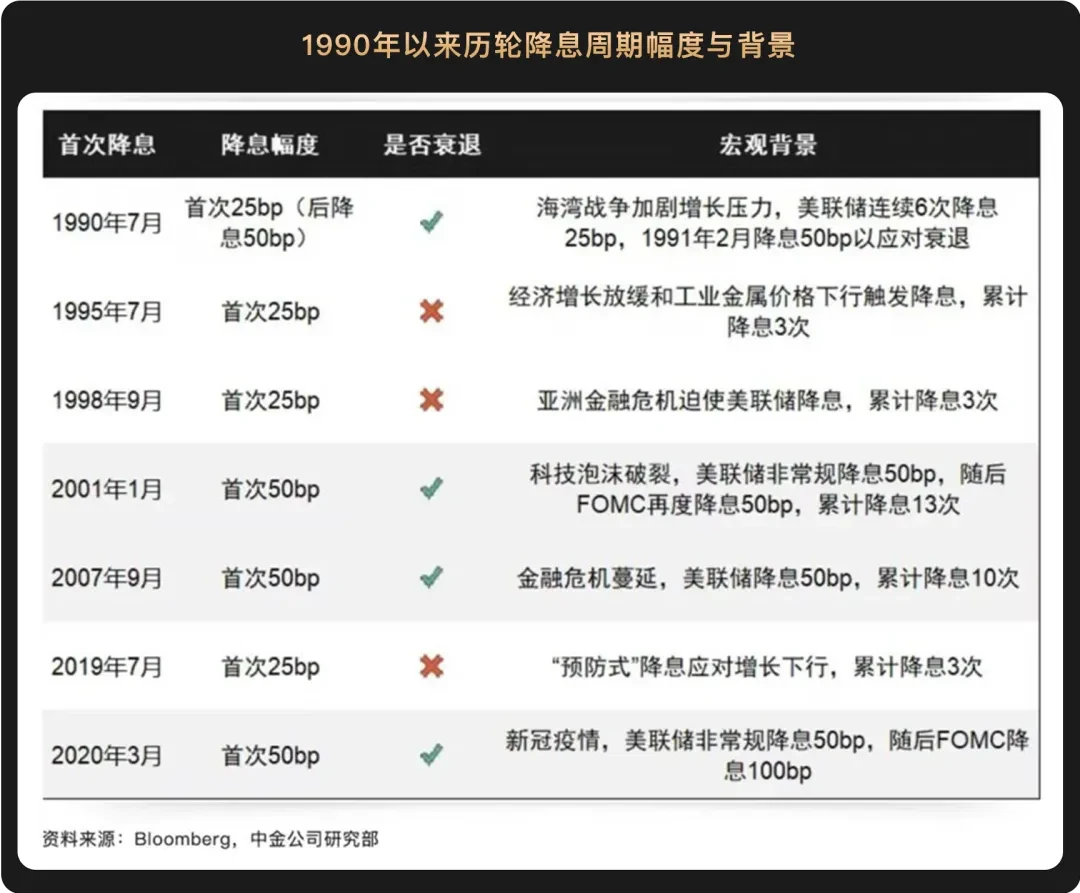
本次降息的幅度还是略超华尔街的预期,毕竟历史上,只有经济出现衰退的场景下,美联储才会激进地起手 50 个基点。
WealthBee宏观月报:美联储降息东风起,加密市场新一轮行情已箭在弦上

然而,在鲍威尔的讲话中,美国经济仍处在可控地运行之下,并无太大的衰退担忧。我们在上期月报中提过,美联储此次降息为“预防式降息”,而 50 个基点的开端,彰显了美联储对抗衰退风险的态度。激进的开始并不意味着持续的激进。美联储下修 GDP 增长预期(从 2.1% 下调至 2.0% ),上修失业预期(从 4.0% 大幅上调了至 4.4% ),谨慎地维持经济软着陆的发展路径。

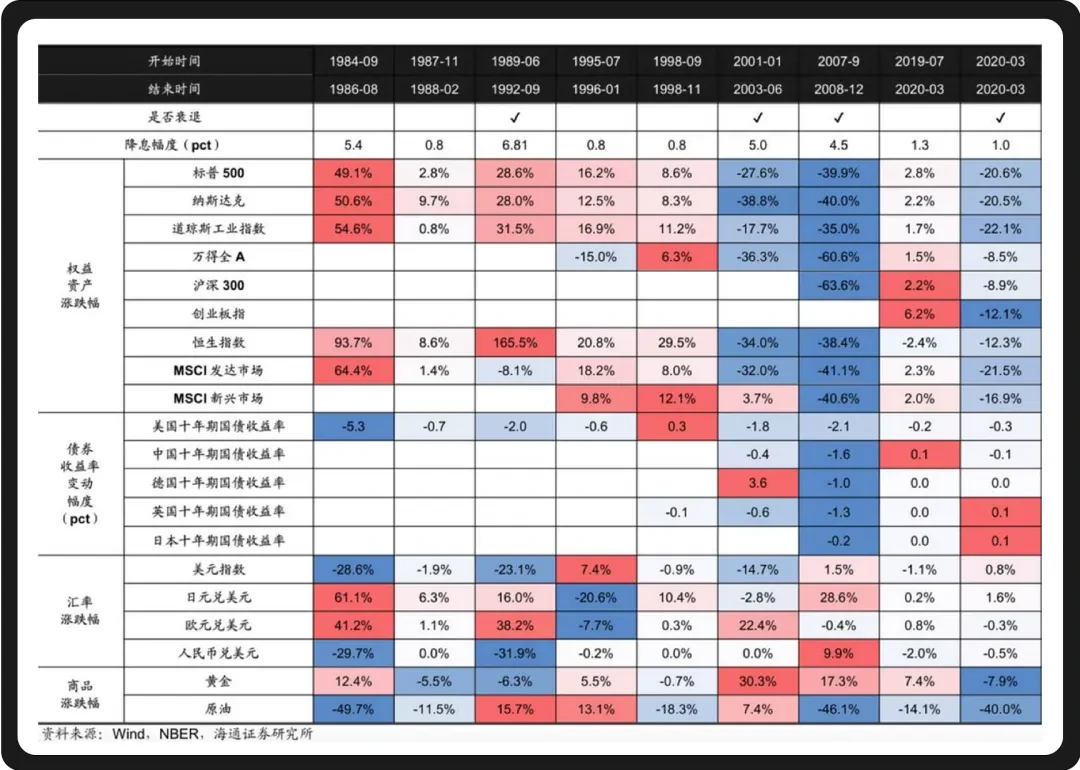
从历史上看,除非是衰退之后的应急降息,之前的预防式降息都促使了全球资产的牛市,同时由于美元供给增加,导致美元出现贬值。本次降息属于典型的预防式降息,我们也有理由相信这会进一步推动资产价格复现历史走势。

WealthBee宏观月报:美联储降息东风起,加密市场新一轮行情已箭在弦上

WealthBee宏观月报:美联储降息东风起,加密市场新一轮行情已箭在弦上

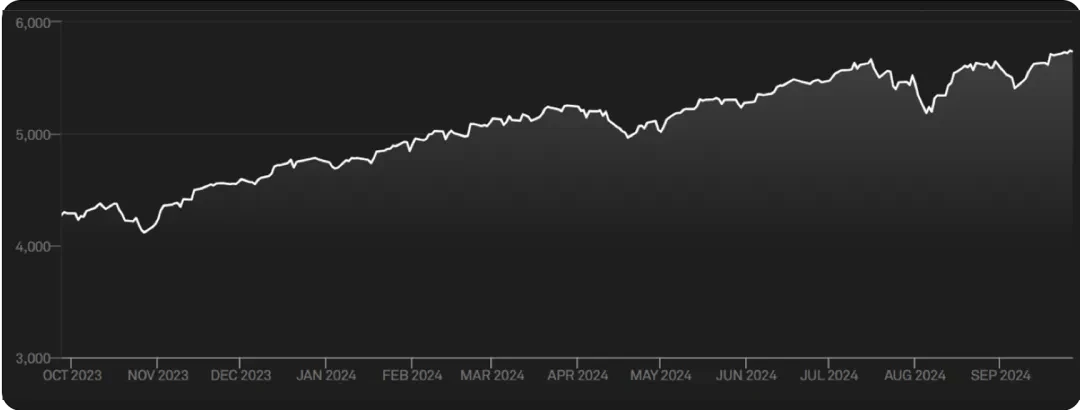
降息前后市场分歧非常剧烈。在月初的 3 号和 6 号,美股经历了两天的大跌;降息之后,美股直接跳空高开高举高打,标普 500 再次创下历史新高。
WealthBee宏观月报:美联储降息东风起,加密市场新一轮行情已箭在弦上

正如上一章节分析的那样,在预防式降息的情况下,资产价格往往会走牛。尽管 50 个基点起手不免让人有衰退的担忧,导致黄金价格持续走高,但我们依旧认为美股仍存在机会——流动性的宽松和借贷成本的下降会对冲掉市场中隐藏的衰退担忧。

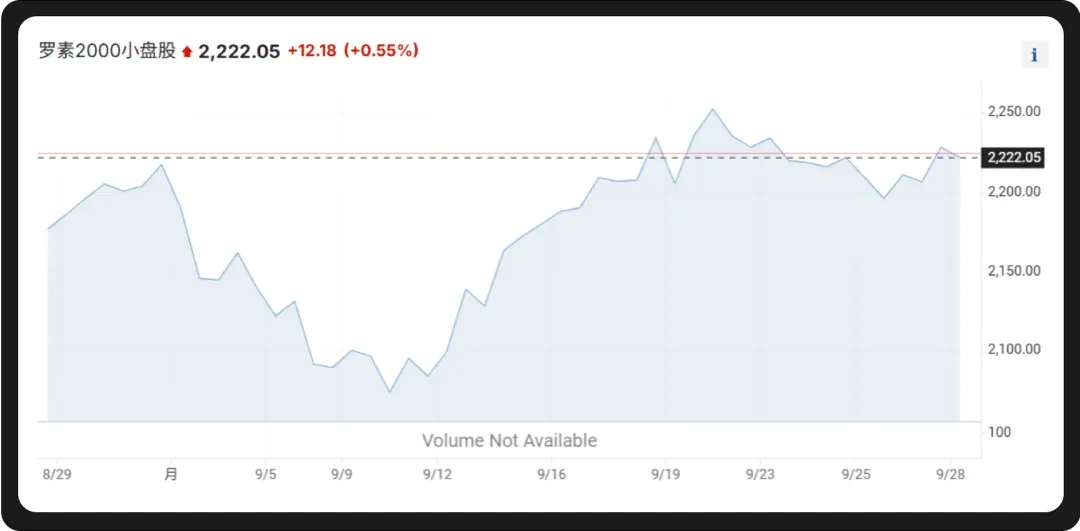
一般来讲,降息最先有利于小盘股,因为市场风险偏好的改变会最先使得资金流入高波动品种。从罗素 2000 指数上看,市场也确实按照这个预期在走。
WealthBee宏观月报:美联储降息东风起,加密市场新一轮行情已箭在弦上

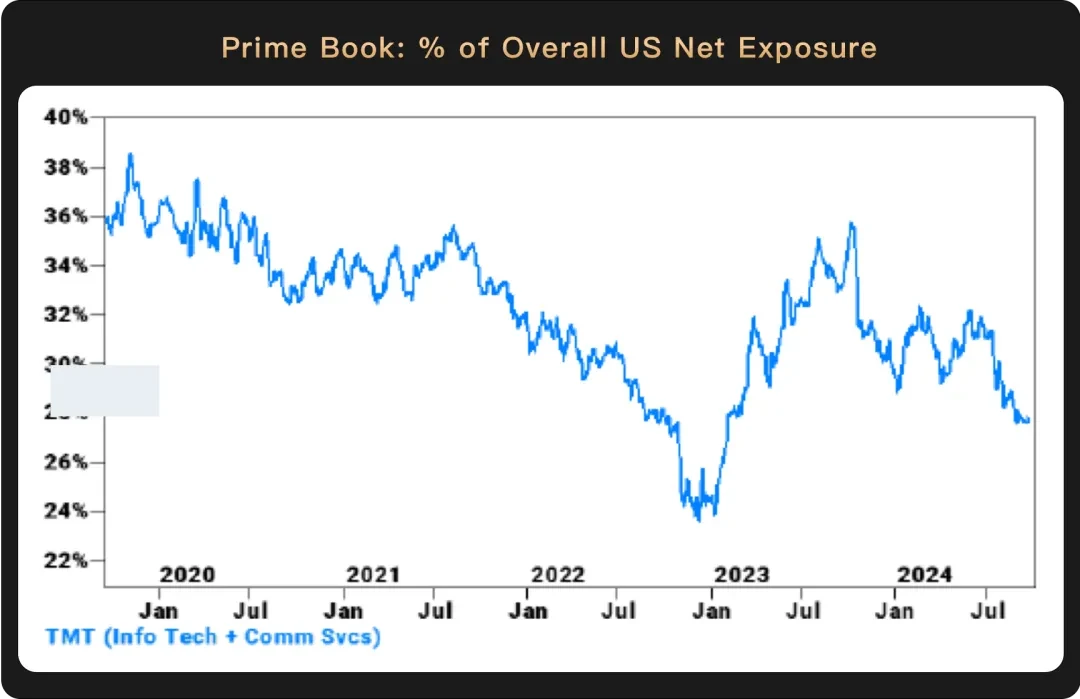
然而,对冲基金似乎不这么认为。根据高盛集团截至 9 月 20 日的主经纪商周报,对冲基金上周以四个月来最快速度买入美国科技股、媒体股和电信股,依旧延续着 AI 相关的主题投资。
WealthBee宏观月报:美联储降息东风起,加密市场新一轮行情已箭在弦上

在美联储利率决定的第二天,纳斯达克 100 指数创下 8 月初以来的最大盘中涨幅。然而从周线来看,罗素 2000 指数跑赢了科技股为主的纳斯达克 100 指数。表面上看黄金、小盘、大盘都在涨,但背后其实有人押注衰退,有人交易降息,还有人继续拥抱 AI,市场并没有一致的预期,但总体来说有逻辑地向都在享受着流动性宽松的红利。

从全球市场角度来讲,降息确实带来了市场很好的反馈。在本月,除了标普 500 和道琼斯,德国 DAX、印度孟买 Sensex 30、印尼雅加达 JKSE、新加坡海峡指数 STI 都创下了历史新高,亚太市场表现非常亮眼。因此,从全球的角度来看,投资者总体还是对降息之后的投资环境还是非常有信心的,我们也期待后续牛市的延续。

WealthBee宏观月报:美联储降息东风起,加密市场新一轮行情已箭在弦上

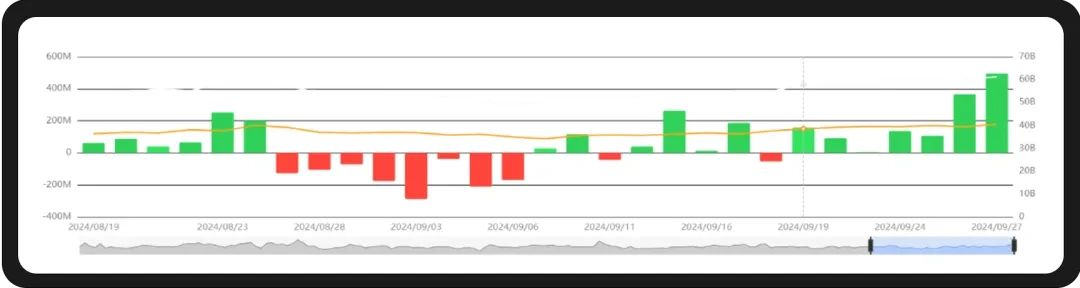
降息所带来的影响不光反映在传统金融市场,也蔓延到了加密领域。尽管现货 ETF 数据不直接决定价格走势,但它能反映美国投资者的情绪。之前投资者情绪低迷,购买力不强,但首次降息后,投资者的风险偏好有所上升。最新的 BTC 现货 ETF 数据显示,仅三家机构持仓未变,灰度轻微减持 9 枚 BTC,而其他机构如贝莱德、富达和 ARK 均增持超过 1, 000 枚 BTC。

比特币价格在月初经历了数根大阴线,随后进入反弹,从最低不到 53000 美元反弹至 66000 美元以上,可谓是完成了一波大逆袭。作为风险资产,比特币也必然会享受到足够的降息红利。从比特币 ETF 流入数据来看,自从 18 日降息之后,美国比特币 ETF 一直呈现净流入的趋势。
WealthBee宏观月报:美联储降息东风起,加密市场新一轮行情已箭在弦上

从 ETH 的流入数据来看,ETH 难得出现自上市以来的连续流入。我们认为 ETH/BTC 汇率已经跌至 0.04 以下,已经极具性价比,后续的资产配置中可以跟随以太坊 ETF 进行一定的抄底。

WealthBee宏观月报:美联储降息东风起,加密市场新一轮行情已箭在弦上

在 2019 年的降息周期中,比特币(BTC)在首次降息后虽有短暂上涨,但随后进入下行趋势,从最高点回落,经历 175 天的调整期,价格下跌约 50% 。与 2019 年不同,今年由于市场对降息预期的不断变化,BTC 的调整来得更早。自 3 月达到年度峰值以来,BTC 已经历了 189 天的震荡回调期,最大跌幅达到 33% 。历史数据表明,尽管短期内 BTC 可能继续波动或回调,但预计调整的幅度和持续时间将小于 2019 年的周期。长期而言,BTC 后市依然看涨。
WealthBee宏观月报:美联储降息东风起,加密市场新一轮行情已箭在弦上

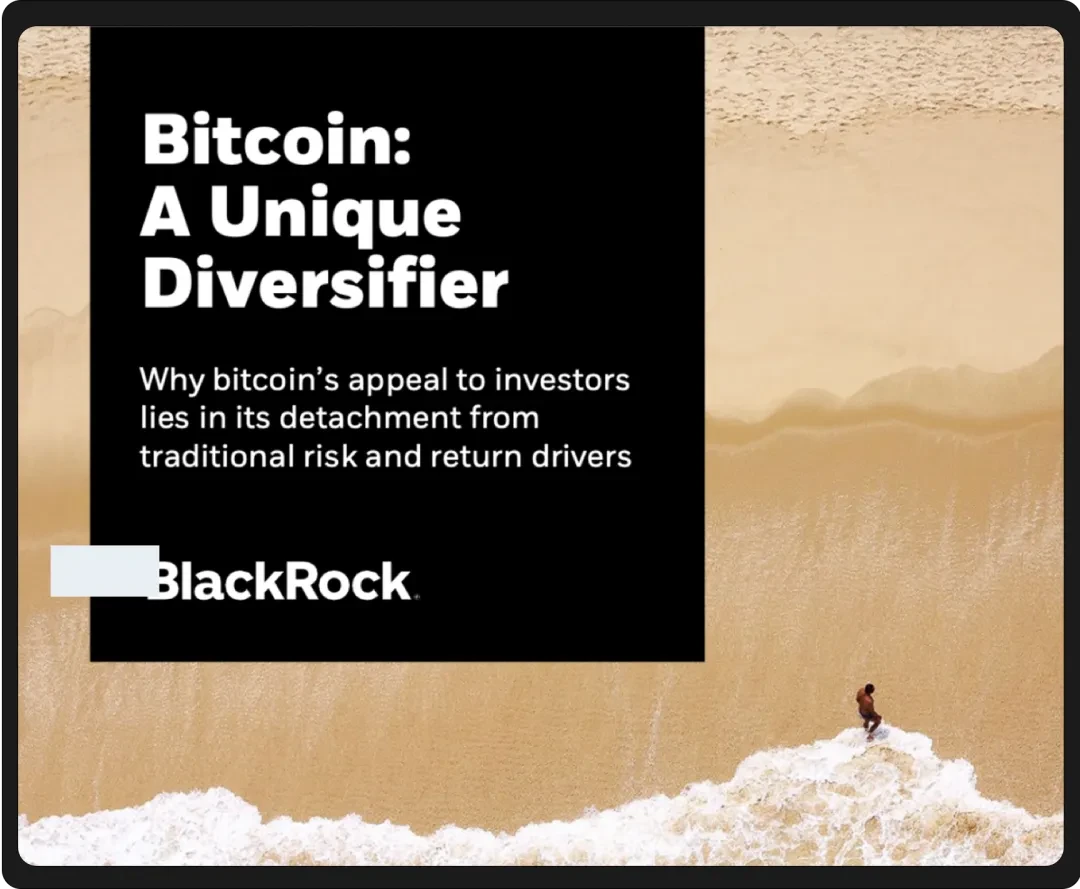
在本月,贝莱德最新的一篇关于比特币研究的报告——《比特币:一种独特的风险分散工具》——备受关注。这篇研报的副标题为:比特币对投资者的吸引力在于它脱离了传统的风险和回报驱动因素。文章署名为贝莱德 ETF 和指数投资部门的首席投资官 Samara Cohen,贝莱德数字资产部门主管 Robert Mitchnick,以及贝莱德全球宏观固收头寸主管 Russell Brownback。

研报指出,比特币波动性大,单独来看显然是一种“高风险”资产。然而,比特币面临的大部分风险和潜在回报驱动因素与传统的“高风险”资产有着根本区别,使其不适合大多数传统金融框架,包括一些宏观评论员采用的“风险偏好”(risk on)与“风险规避”(risk off)框架。目前来看,市场对于这种新兴资产的理解仍不成熟。

值得一提的是,贝莱德在研报中指出,许多人向贝莱德咨询关于在资产配置中增加比特币的意见,这些人担忧美国债务问题,并试图寻找对冲美元风险的投资品,而比特币成为他们着眼的对象。这种天然去中心化的资产能够对冲掉中心化央行固有的结构性风险。

因此,随着全球投资界努力应对不断加剧的地缘政治紧张局势、对美国债务和赤字状况的担忧以及全球政治不稳定性加剧,比特币可能被视为一种越来越独特的风险分散工具,可以抵御投资者在其投资组合中可能面临的一些财政、货币和地缘政治风险因素。我们也有理由相信,这将会成为全球投资者的一种共识,毕竟在寻求风险对冲的道路上,我们从未停下脚步。

WealthBee宏观月报:美联储降息东风起,加密市场新一轮行情已箭在弦上

流动性宽松周期如约而至,美联储 50 个基点宣誓了对抗经济衰退的决心,全球资产(无论是风险资产还是避险资产)都在朝着步步高升的方向进行,各自博弈着各自的预期。在美元宽松的环境下,普涨的情况并无需过度担心流动性分配不均而导致的“此消彼长”的情况。因此,拥抱加密货币,或许是享受流动性宽松+避险美国债务问题的“戴维斯双击”的明智之举。


Похожее

Token Budget Wars: Enterprise AI Enters the 'Accounting Era'

Token Budget Wars: Enterprise AI Enters the "Accounting Era" Enterprise AI is shifting from the question of "whether to adopt" to "how to account for it." As AI inference costs evolve from experimental budgets into ongoing operational expenses, CEOs and CFOs are demanding proof of value: what tangible results does each dollar spent on tokens deliver? The core of "Token Budget Wars" is not simply about reducing AI bills, but about intelligently allocating compute resources. It involves determining which business processes warrant more computational power, which tasks can use cheaper models, which can be outsourced or handled manually, and which are merely inefficient consumption. A key insight is that AI usage (token consumption) does not equal value. While SaaS usage indicated software adoption, AI token usage only indicates the "meter is running." The same workflow can cost vastly different amounts due to factors like prompt quality, context, model choice, and retries. The critical metric for scaling is "marginal token utility"—the business value created per additional dollar of inference cost. However, this is difficult to measure due to challenges like the long tail of retries, context inflation (where costs can scale quadratically with context length), and inefficient model routing (defaulting to the most powerful model for all tasks). The competition for token allocation is intensifying because, in the AI era, influence is tied to how much intelligence one can command, not just team size. AI spending is essentially competing with labor costs, whether for replacing external BPOs, internal staff, or generating new revenue. BPO contracts provide a clearer benchmark as they are priced per completed unit. The missing layer is attribution from tokens to business outcomes. Companies need a system that connects inference spending to completed work and results, capturing the agent's decision trajectory—what it saw, retrieved, tried, and why it succeeded or failed. This recorded rationale becomes a valuable asset. Ultimately, those who master token-to-outcome attribution will control the allocation of AI resources within enterprises, deciding which workflows get more compute, which are capped, or which revert to humans. The first phase of enterprise AI proved models could do the work. The next phase will determine how much of that work is worth paying for.

marsbit17 мин. назад

Token Budget Wars: Enterprise AI Enters the 'Accounting Era'

marsbit17 мин. назад

US Debt Exceeds $39 Trillion, Surpassing GDP for First Time: The 'Gray Rhino' Every Investor Must Face by 2026

The U.S. national debt has exceeded $39 trillion, with the debt-to-GDP ratio surpassing 100% in 2026 for the first time since WWII. The annual interest payment is projected to reach $1.039 trillion. Driven by structural factors like tax cuts, rising entitlement spending (Social Security, Medicare), and compounding interest, the deficit persists. The Congressional Budget Office warns the current fiscal path is unsustainable, projecting debt could reach 175% of GDP by 2056. While the U.S. is unlikely to default as it issues its own currency, the consequences include persistent inflation pressure, higher long-term interest rates (e.g., 30-year Treasury yields at 5.2%), and potential crowding out of private investment. A fiscal crisis could manifest as a sudden, sharp spike in borrowing costs if market confidence erodes. Major credit rating agencies have downgraded U.S. debt, reflecting these concerns. For investors, this signals the end of the era of permanently low interest rates. Equity investors should favor companies with strong current earnings over high-growth stocks reliant on low discount rates. Bond investors face headwinds for long-term Treasuries due to increased supply, making shorter-duration bonds and investment-grade corporates relatively attractive. Gold and real assets can provide a hedge against currency debasement risks. Three broad scenarios are possible: gradual stabilization through fiscal reform (unlikely given political gridlock), a slow-burn of high debt and interest rates dragging on growth (the most probable baseline), or a sudden loss of market confidence triggering a crisis. Key indicators to watch include CBO report updates, Treasury auction demand, and the 30-year Treasury yield. The core takeaway for investors is the need to adjust portfolios for a world of sustained higher government borrowing costs and interest rates.

marsbit40 мин. назад

US Debt Exceeds $39 Trillion, Surpassing GDP for First Time: The 'Gray Rhino' Every Investor Must Face by 2026

marsbit40 мин. назад

A 10,000-Word Interpretation of the "Optical Interconnect" Industry Chain: The AI Infrastructure Bottleneck Obscured by GPU Glare

**Summary: The Rise of Optical Interconnect in AI Infrastructure** This analysis explores the critical, yet often overlooked, role of optical interconnects in large-scale AI data centers. While GPUs provide raw computational power, the efficiency of AI clusters depends heavily on high-speed data transfer between thousands of cooperating GPUs during both training and inference tasks. Copper-based electrical connections are hitting physical limits in bandwidth, distance, and power consumption. Fiber optics, using light signals, offer a superior solution with exponentially higher bandwidth and lower energy use over longer distances. This shift is driving rapid growth in the optical interconnect market. The core translation device is the pluggable optical transceiver (or module), which converts electrical signals from GPUs into optical signals for fiber transmission and vice versa. Its manufacturing involves two distinct semiconductor domains: indium phosphide (InP) for optical chips (lasers, modulators, detectors) and silicon for digital signal processing (DSP) chips. A transformative next-generation technology is Co-Packaged Optics (CPO). CPO moves the optical engine (a silicon photonic integrated circuit, or PIC) much closer to the GPU or switch inside the same chip package, drastically reducing power loss and latency. CPO necessitates an external laser source and relies on silicon photonics (using Silicon-on-Insulator/SOI wafers) for integration with silicon chips. The optical interconnect ecosystem is highly fragmented, unlike the concentrated GPU market. Key bottlenecks and players span the entire supply chain: InP substrates (e.g., AXT), epitaxial wafers (e.g., IQE), laser chips (e.g., Sivers, Lumentum, Coherent), silicon photonics foundries (e.g., Tower Semiconductor), SOI wafers (e.g., Soitec), DSP/switch chips (e.g., Broadcom, Marvell), and underlying fiber (e.g., Corning). The article posits that AI infrastructure competition is extending from "who has more GPUs" to "who can secure the scarce optical interconnect supply chain." CPO represents the largest potential growth variable, with projections suggesting it could become a market worth tens of billions of dollars by 2028. Investment opportunities vary from conservative (large, diversified players) to aggressive (small, high-beta companies focused on specific bottleneck technologies), but the sector carries significant volatility and execution risks.

marsbit1 ч. назад

A 10,000-Word Interpretation of the "Optical Interconnect" Industry Chain: The AI Infrastructure Bottleneck Obscured by GPU Glare

marsbit1 ч. назад

Торговля

Спот
Фьючерсы
活动图片