Aptos Labs收购HashPalette,深度布局日本区块链市场

Odaily星球日报Опубликовано 2024-10-03Обновлено 2024-10-03

Введение

Palette Chain的代币PLT将在11月底与APT进行兑换。

Aptos Labs收购HashPalette,深度布局日本区块链市场

2024 年 10 月 3 日,Aptos Labs 宣布正式收购 HashPalette Inc.,后者是 HashPort Inc.的子公司,开发了 Palette Chain。

根据协议,HashPort 将把 Palette Chain 及 HashPalette 的应用迁移到 Aptos 网络,包括为 2025 年大阪关西博览会提供的 EXPO 2025 数字钱包。这次收购将帮助 Aptos Labs 扩大在亚洲的影响力,并将高性能的 Aptos Network 引入全球重要的数字经济体之一。

为什么是日本?

Aptos Labs 收购 HashPalette 的协议是其进入日本区块链市场的战略举措。HashPalette 与包括 KDDI 在内的多家日本企业建立了稳固的关系,使这次收购成为与日本一些最具影响力公司的联系纽带。Aptos Labs 利用这些关系,加上 Aptos 网络的强大技术,有望推动日本在娱乐、游戏和数字资产领域的 Web3 采用。

该协议还展示了 Aptos Labs 对日本市场的承诺,使公司能够提供可扩展、安全和用户友好的区块链技术,以满足日本独特的需求。Aptos 是增长最快的 Layer 1 区块链之一,其锁仓总价值(TVL)已超过 5.5 亿美元,证明了其技术在全球范围内的日益普及。

Aptos Labs 创始人兼首席执行官 Mo Shaikh 表示:“日本是 Aptos Labs 的重要市场,Aptos Labs 收购 HashPalette 协议,并将 HashPort 的 Palette Chain 迁移到 Aptos ,是为日本企业和开发商提供尖端区块链技术的关键一步。”

2025 年日本大阪关西世博会

Aptos 将成为向 2025 年日本大阪关西世博会提供数字钱包支持的独家区块链。作为规模最大、最负盛名的国际展览, 2025 年日本大阪关西世博会预计在 2025 年 4 月至 10 月期间将吸引超过 2800 万参观者。

此次合作将允许世博会参与者,通过 Aptos 支持的 EXPO 2025 数字钱包与 NFT、数字资产和去中心化应用程序进行交互。使用案例可能包括展馆预订、票务和用户参与活动,例如忠诚度计划和数字收藏品。此次合作将展示 Aptos Labs 在全球范围内提供安全、可扩展且用户友好的区块链解决方案的能力。

对日本企业和生态系统的承诺

除协议外,Aptos Labs 还将与日本领先的区块链咨询公司 HashPort 建立战略合作伙伴关系。此次合作将使 HashPort 能够继续使用 Aptos Network 的基础设施为其企业客户构建区块链解决方案,进一步推动 Web3 在日本的大规模采用。

Aptos Labs 将支持本地开发者、NFT 创作者和企业,帮助培育一个强大且有机的日本 Web3 社区。该公司还计划与日本大学、研究机构和区块链初创公司合作,为充满活力的 Web3 创新者生态系统做出贡献。

Palette Chain 迁移

HashPalette 开发了日本著名的区块链生态之一,专注于娱乐、游戏、动漫和数字资产。通过将 Palette Chain 迁移到 Aptos 网络,用户和开发者将获得更优越的可扩展性、安全性和开发工具,从而推动日本的新一波 Web3 创新。

Palette Chain 的治理代币 PLT 将在 11 月底开始兑换 Aptos 的原生代币 APT。PLT 代币持有者可以通过日本加密资产交易服务提供商进行兑换。目前 Aptos Labs 正与服务提供商进行讨论以确保顺利过渡该阶段,其中兑换后的 APT 代币预计将锁仓一年,并在此期间禁止任何销售或转让。关于代币兑换流程和整合计划的更多细节将在接近兑换日期时公布,兑换将以收购成功为前提。

关于 Aptos Labs

Aptos Labs 由 Mo Shaikh 和 Avery Ching 共同创立,致力于创建更好的网络工具和无缝的用户体验,以将去中心化的好处带给大众。Aptos Labs 得到了顶级投资者的支持,包括 a16z、Katie Haun、Apollo Global Management、Dragonfly、PayPal Ventures 和 Franklin Templeton Investments。

关于 Aptos Network

Aptos 是下一代 Layer 1 区块链,旨在不断演进、提高性能并增强用户安全性。
Похожее

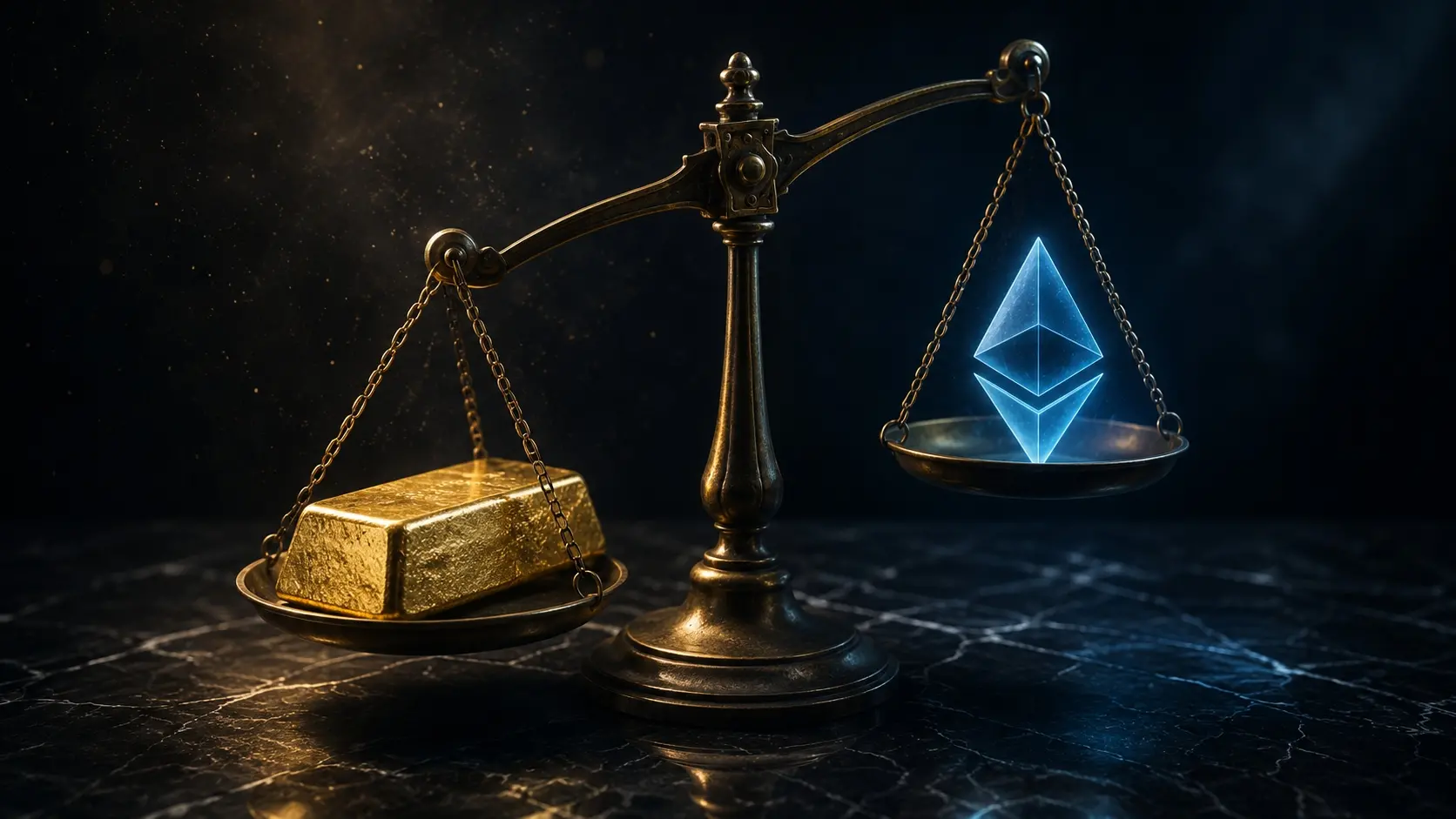
Hash Global Founder: Why I Also Choose to Liquidate All My ETH Holdings?

Hash Global founder explains his decision to sell all ETH holdings, despite recognizing the potential regulatory clarity from the US CLARITY Act as a positive development. He argues against the narrative that such clarity would automatically grant ETH a "monetary premium" comparable to Bitcoin or gold. The core of his critique is that market valuation for ETH remains tied to fundamental network metrics—like mainnet revenue, DeFi activity, staking yield, and competition—rather than a pure store-of-value narrative. He contends that legal classification solves compliance issues for institutions but does not inherently create the deep, historical consensus required for monetary status. Furthermore, Ethereum's complexity and role as a multi-functional infrastructure asset (gas, collateral, settlement layer) work against the simple narrative needed for such a premium. Looking forward, he suggests that the rise of DeFi and tokenized real-world assets (RWA) will mean ETH is not the only yield-bearing asset; tokenized gold, treasuries, and others will also offer programmable yield. Thus, ETH's "yielding" advantage diminishes. He believes monetary premium will likely remain with Bitcoin, physical gold, and potentially tokenized gold, while ETH's value is more accurately framed as a crucial infrastructure asset. Ultimately, he views CLARITY's benefit as reducing a "regulatory discount" on ETH, not unlocking trillions in monetary re-rating. ETH's long-term value is significant but stems from its network effects, developer ecosystem, and role in on-chain finance—not from being a direct substitute for gold.

marsbit4 мин. назад

Hash Global Founder: Why I Also Choose to Liquidate All My ETH Holdings?

marsbit4 мин. назад

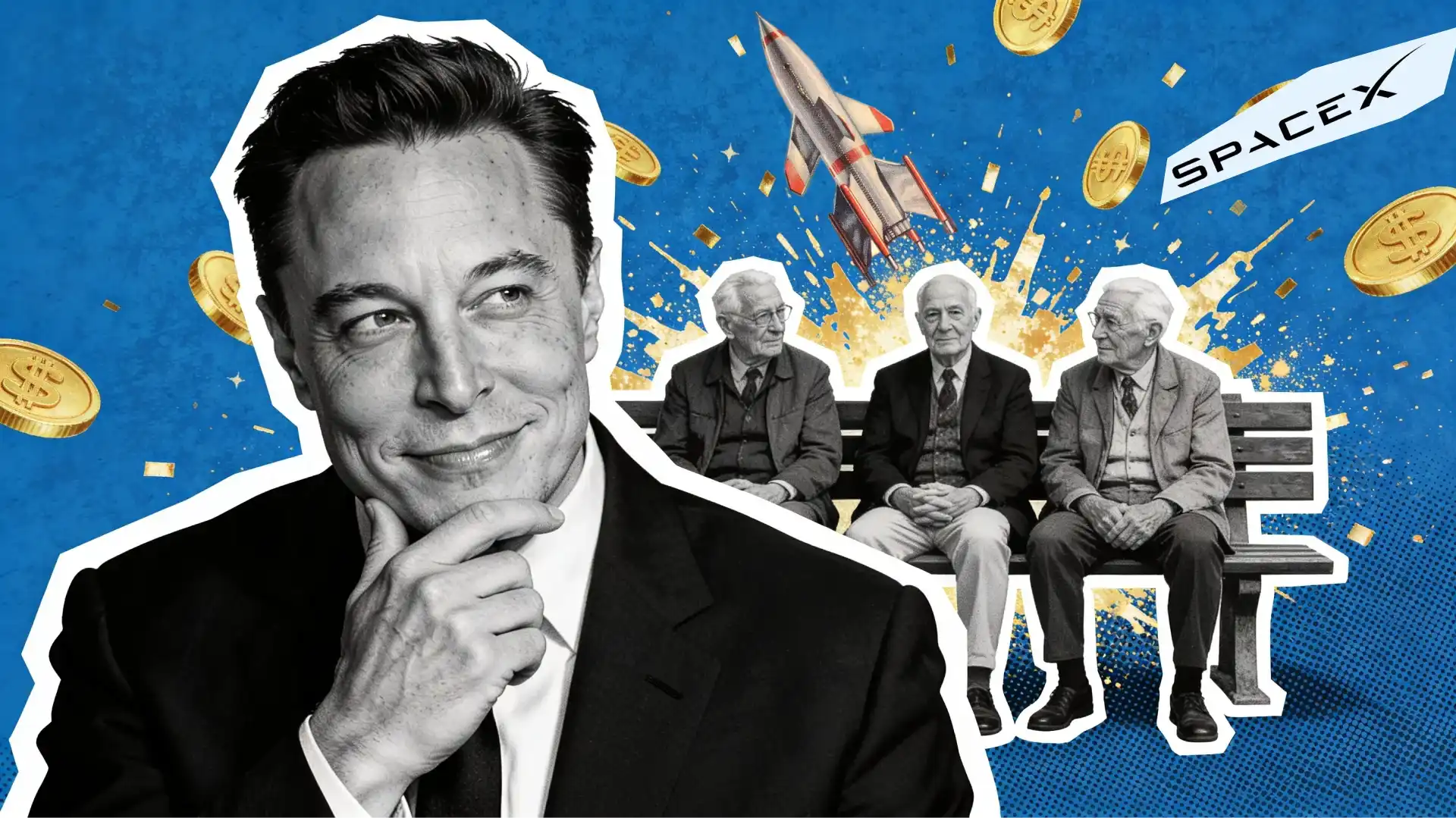
Elon Musk's 'Granny Drain'

Title: Musk "Milking the Old Folks" Author: Nancy, PANews As the memory sector surges with Micron and SK Hynix each surpassing a trillion-dollar market cap, Elon Musk is accelerating his own myth of becoming the world's first trillionaire. SpaceX, with its astronomical valuation, is speeding toward the capital markets. This potentially wealth-history-rewriting super IPO is pushing Musk toward that unprecedented personal fortune and delivering hundredfold or even thousandfold returns to early backers like Google, Valor Equity Partners, Founders Fund, and others. However, to sustain this most expensive space narrative in human history, new buyers are ultimately needed. As massive pension funds are set to be "forced to buy," the retirement savings of Americans are becoming the fuel for Musk's space dreams. Wall Street has begun paving a fast track for such super IPOs. Major indices like Nasdaq and S&P have recently eased rules, allowing mega-companies like SpaceX to be incorporated into key benchmarks like the Nasdaq 100 much faster post-listing. This matters because a vast portion of the U.S. retirement system—trillions in 401(k)s and pension funds—relies on passive index investing. Once a company enters a major index, all funds tracking it are compelled to buy its shares automatically, regardless of valuation, profitability, or risk. This has sparked significant backlash. Teacher unions and major public pension funds (collectively managing trillions) have warned the SEC and written to Musk, opposing SpaceX's extreme governance structure where Musk holds 85% voting control. They argue workers' lifelong savings could be tied to a company resembling a Musk family office more than a transparent public entity. In essence, after early investors reap immense rewards, the potential "bag-holding" cost is being transferred onto passive investors—the ordinary American retirees—through the mechanism of index inclusion.

marsbit8 мин. назад

Elon Musk's 'Granny Drain'

marsbit8 мин. назад

This Xiaohongshu Graphic Layout AI Skill Has Found a Route to Bypass AI Labeling for Graphic Generation

A new open-source tool called "guizang-social-card-skill" has emerged, offering a unique workaround for AI content labeling rules on platforms like Xiaohongshu. Instead of using AI models to generate images, it employs AI to make layout decisions, then uses HTML/CSS to render the final graphic. Photographic assets are sourced from libraries like Unsplash. The output is a rasterized browser screenshot, not an "AI-generated image." This approach is a direct response to platform policies. In early 2026, Xiaohongshu mandated labeling for AI-generated synthetic content and deployed audio-visual recognition models to detect AI-generated pixels based on statistical patterns. This tool bypasses those pixel-level detectors by not using diffusion or GAN models for image generation. The tool provides 28 predefined layout templates across two visual styles. Users input a topic, and the AI selects a template, positions text, and integrates elements like maps (using OpenStreetMap). The system prioritizes user-uploaded photos before falling back to stock image searches. The article outlines three divergent technical paths for social media graphic tools: 1) AI models directly generating pixels (highest detection risk), 2) API template engines (risk of anti-spam rules for homogeneity), and 3) this HTML-rendering method. The longevity of this workaround depends on whether platforms broaden their definition of "AI-generated content" to include programmatically rendered, AI-designed graphics. While effective for structured content like travel itineraries, the tool's 28 templates may be too restrictive for creative fields like fashion or beauty. Its future hinges on an ongoing cat-and-mouse game between platform detection models and tool developers, highlighting the tension between "AI-assisted" creativity and "AI-replaced" mass production.

marsbit15 мин. назад

This Xiaohongshu Graphic Layout AI Skill Has Found a Route to Bypass AI Labeling for Graphic Generation

marsbit15 мин. назад

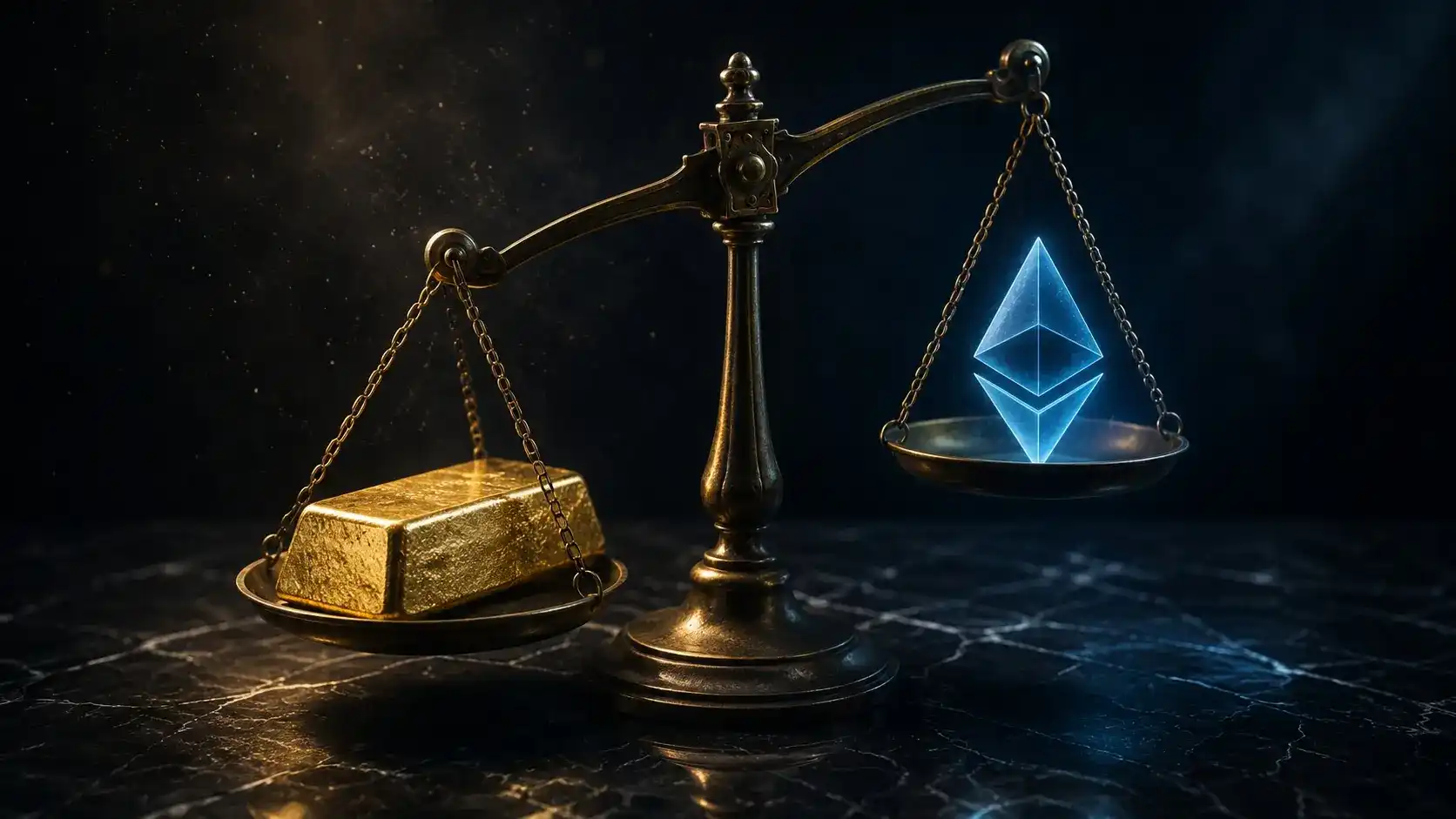
Hash Global Founder: Why I Also Chose to Liquidate All My ETH?

Title: Hash Global Founder Explains Why He Sold All His ETH The author (Hash Global founder) has liquidated his entire ETH holdings, despite acknowledging that the potential U.S. CLARITY Act (clarifying ETH as a decentralized digital commodity) is a significant regulatory positive. His core argument is that this regulatory clarity should not be conflated with granting ETH a "monetary premium" akin to Bitcoin (BTC) or gold. He disputes the thesis that ETH's valuation framework should shift from network revenue to a monetary/store-of-value logic. The market continues to value ETH based on concrete metrics like network fees, DeFi activity, staking yield, and ecosystem competition—essentially as a productive infrastructure/platform asset. BTC's narrative as "digital gold" is simpler and more suited for monetary premium. The author identifies several key reservations: 1) Legal classification solves compliance for institutions but doesn't automatically create long-term store-of-value demand. 2) ETH's "yield-bearing" advantage over BTC/gold may diminish as DeFi and Real-World Assets (RWA) tokenize traditional assets like gold and treasuries, which can also generate yield on-chain. 3) Future monetary premium will likely remain with BTC, physical gold, and potentially tokenized gold, while ETH serves as the core settlement infrastructure for these assets. 4) Ethereum's value-capture mechanism remains unresolved, especially with Layer-2 scaling; ecosystem growth does not guarantee proportional value accrual to ETH. 5) Institutions using Ethereum for applications (e.g., stablecoins, RWA) does not necessitate them holding ETH as a core asset. In conclusion, CLARITY is a positive that reduces ETH's "regulatory discount," but it does not transform ETH into a monetary asset like gold. ETH is a critically important financial infrastructure asset whose valuation should be based on network fundamentals, usage, and value flow, not an assumed monetary premium.

链捕手22 мин. назад

Hash Global Founder: Why I Also Chose to Liquidate All My ETH?

链捕手22 мин. назад

Торговля

Спот
Фьючерсы
活动图片