美联储终降息,市场拐点是否即将到来?

深潮Опубликовано 2024-09-26Обновлено 2024-09-26

流动性正在迅速增长,但加密市场仍在等待从风险规避转向风险偏好的情绪。

作者:Crypto, Distilled

编译:深潮TechFlow

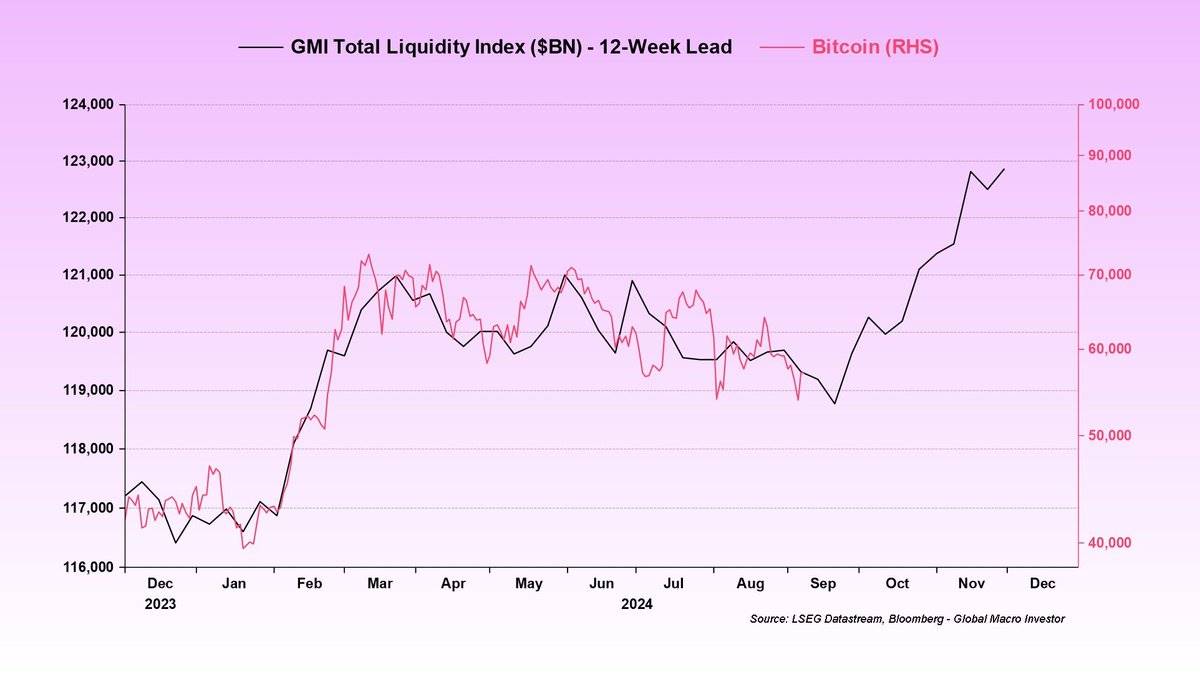
全球 M2 货币供应量达到了历史新高,然而,BTC 的价格依然低迷。

流动性并没有流入加密货币市场,因为投资者更倾向于选择黄金等安全资产。

这种情况会发生变化吗?(感谢 @BittelJulien

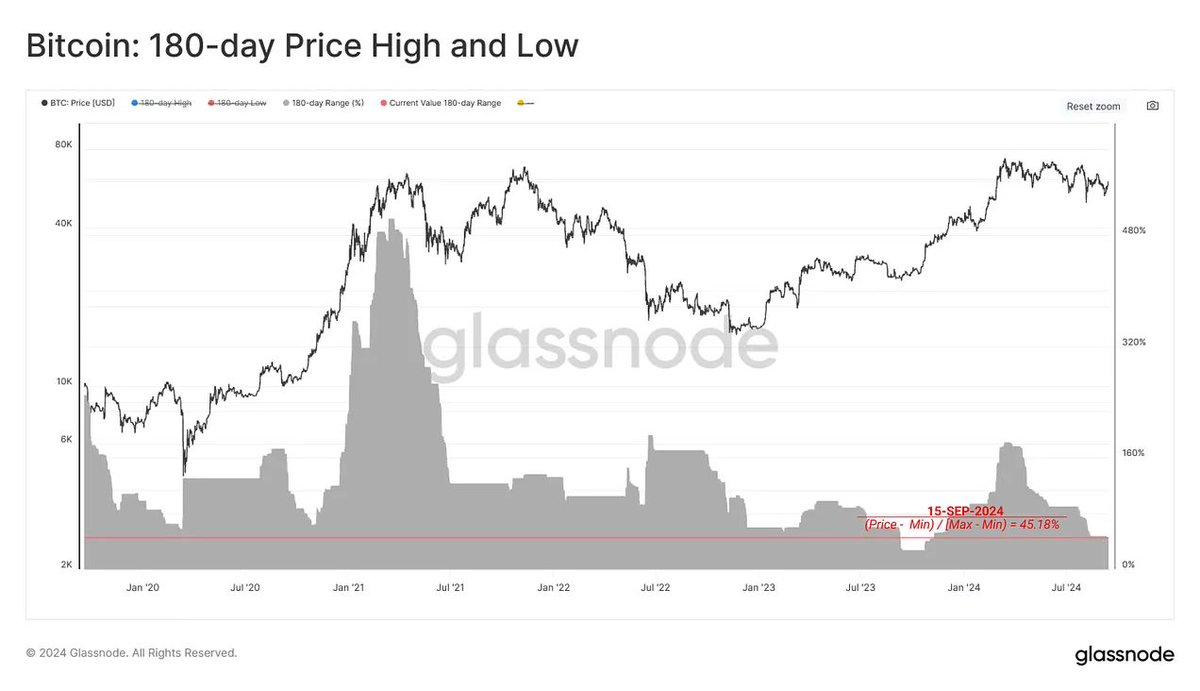
当前,BTC 在一个明确的区间内波动了 6 个月。

波动性正在收窄,宛如一个紧绷的弹簧。

实际上,只有 2023 年 8 月和 2016 年 5 月的 BTC 价格范围更紧缩,持续了 180 天。

(感谢 @glassnode

自 8 月以来,稳定币的主导地位不断上升,反映出这种规避风险的心态。

投资者在宏观不确定性中寻求安全资产的避风港。

稳定币主导交易对,充当投资者需求的替代品。
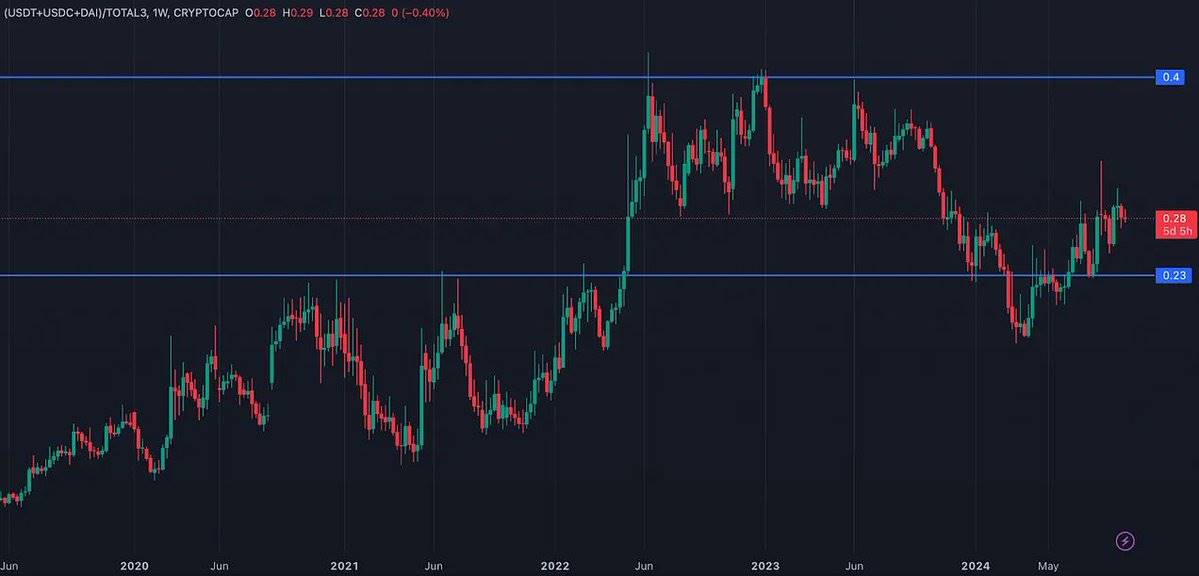
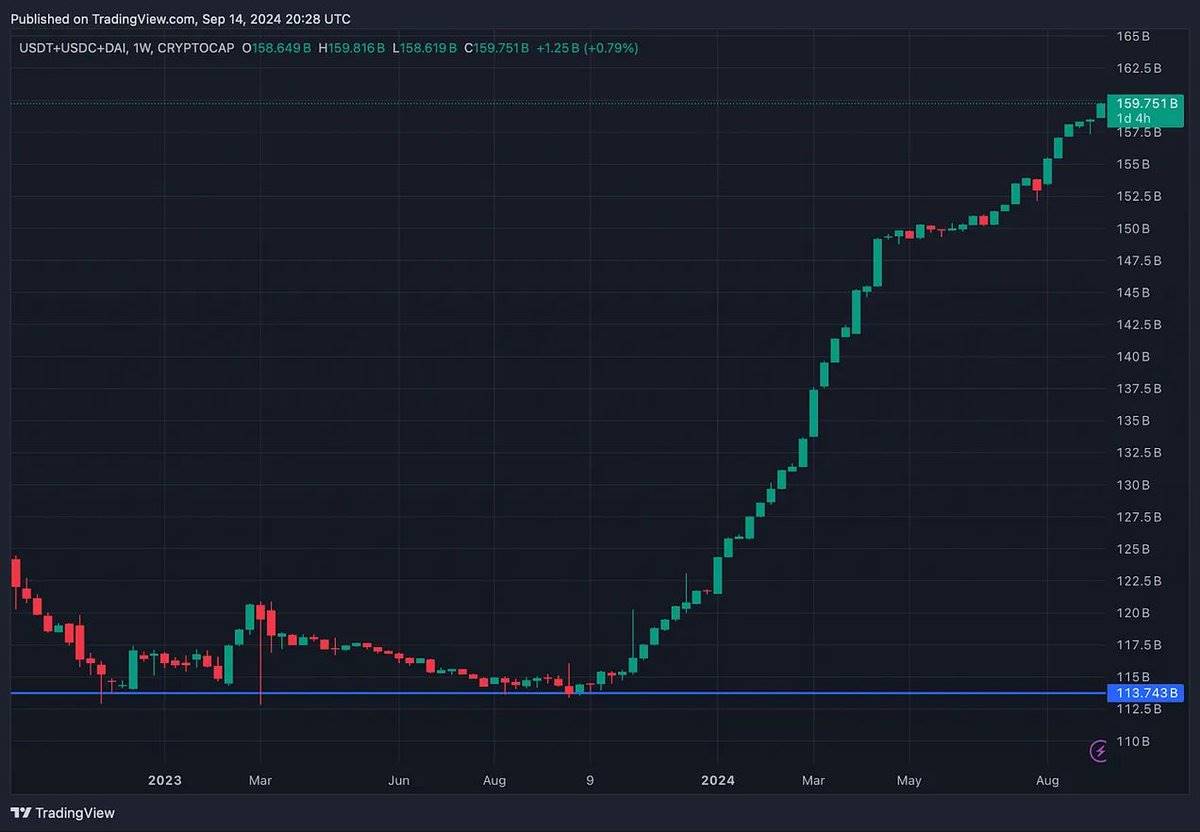
整体稳定币供应量接近历史最高水平 $1604 亿。

这表明加密生态系统内美元资本的积累。

然而,这些资本尚未流入风险资产,表明投资者仍持谨慎态度。

随着中央银行降低利率,这种谨慎可能会逐步减弱。
转向风险偏好的情绪可能促使资本从稳定币流入山寨币。

这将为加密市场注入流动性,并可能推动价格上涨。

这样的转变可能会重新激发交易的活跃度。

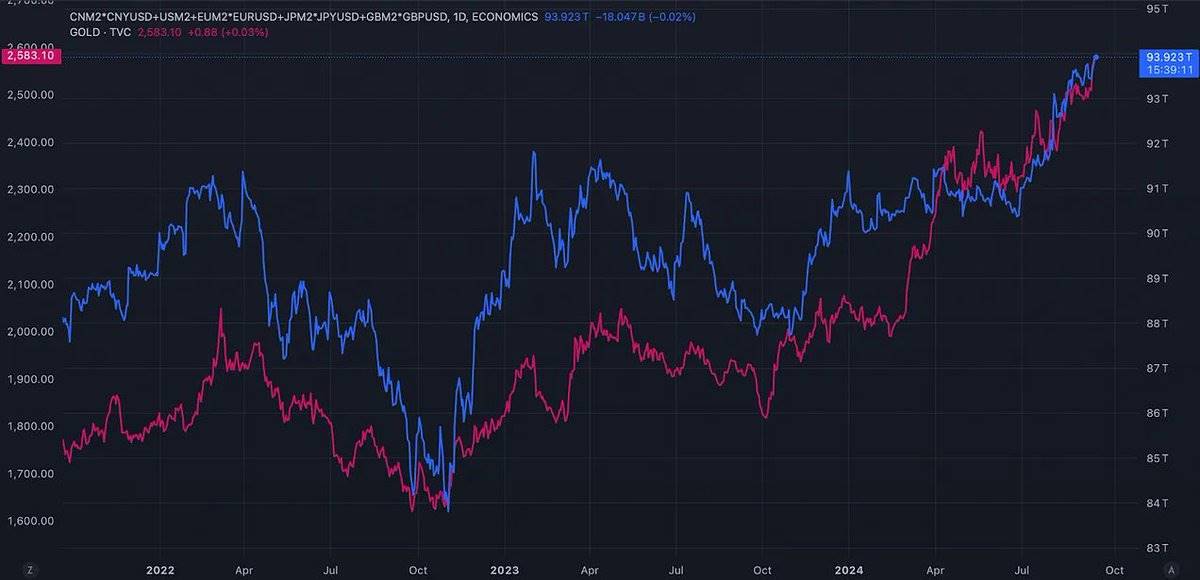
与此同时,黄金与 M2 存在显著相关性,进一步巩固了其作为经济衰退对冲工具的角色。

随着货币供应量的增加,黄金需求也随之上升,巩固了其避险资产的地位。

在 8 月,黄金因衰退担忧而上涨,而风险资产则表现疲软。
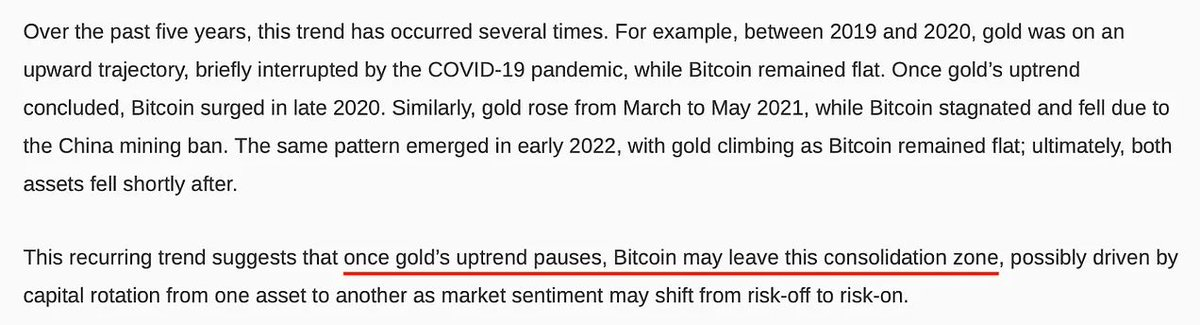
有趣的是,BTC 和黄金常常交替波动,一方上涨时另一方则在盘整。

本月黄金价格上涨超过 5%。

当黄金的上升趋势暂停时,这可能暗示风险偏好情绪的转变,进而触发 BTC 的上涨。
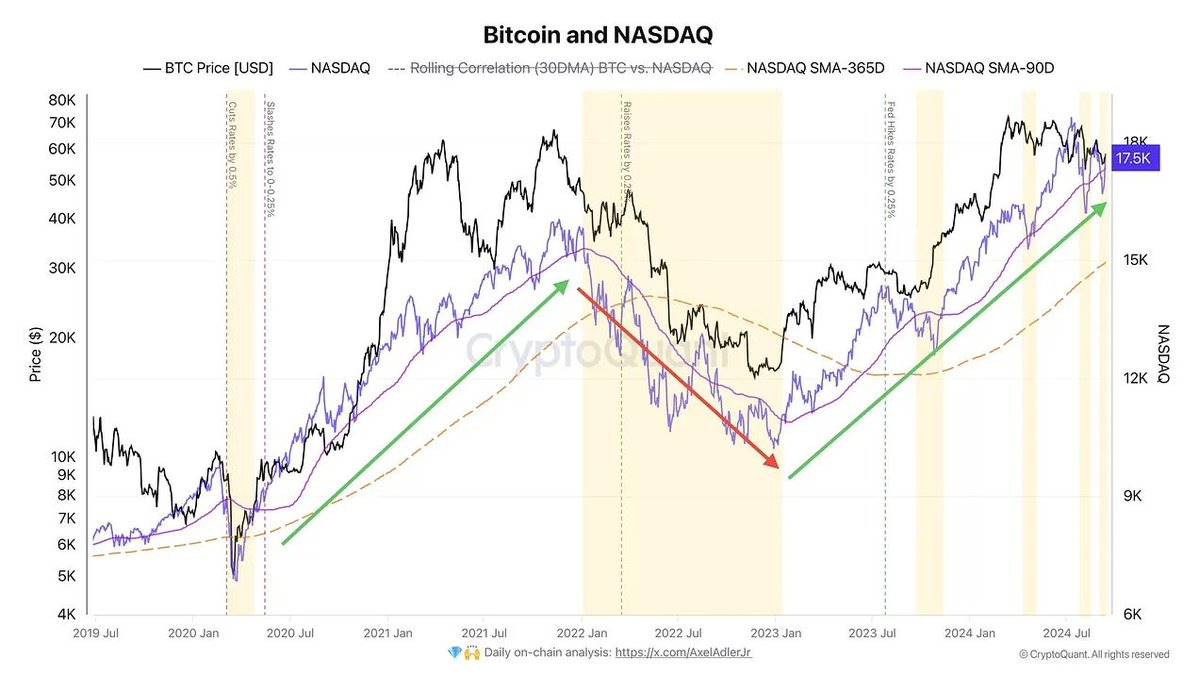
尽管常被称为“数字黄金”,但 BTC 的走势与 $NDX 一致。

它的走势类似于高风险科技股。

BTC 和 $NDX 之间的相关性一直很强,最近有所增强。

(感谢 @AxelAdlerJr

然而,贝莱德最近的一份报告提出了不同的看法。

在重大事件发生时,BTC 通常对短期不确定性有负面反应。

然而,即使黄金和标准普尔 500 指数表现不佳,BTC 的 60 天收益仍然为正。
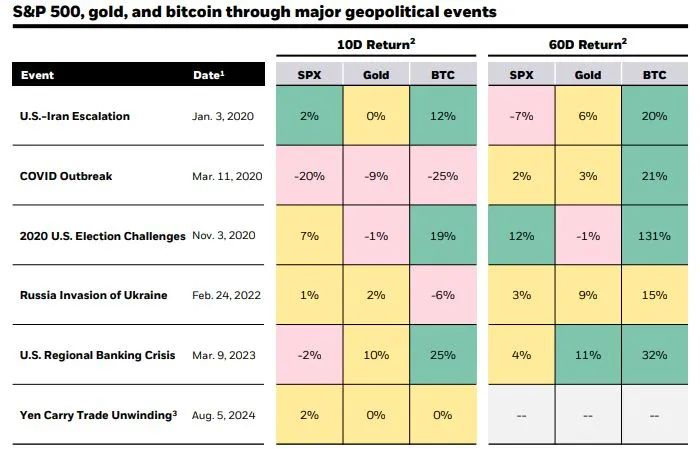
尽管存在短期波动性,BTC 在较长时间内可能表现出韧性。

然而,由于其作为机构资产的历史较短,需要更多的数据。

要全面评估 BTC 在不确定性期间的表现,还需进一步分析。

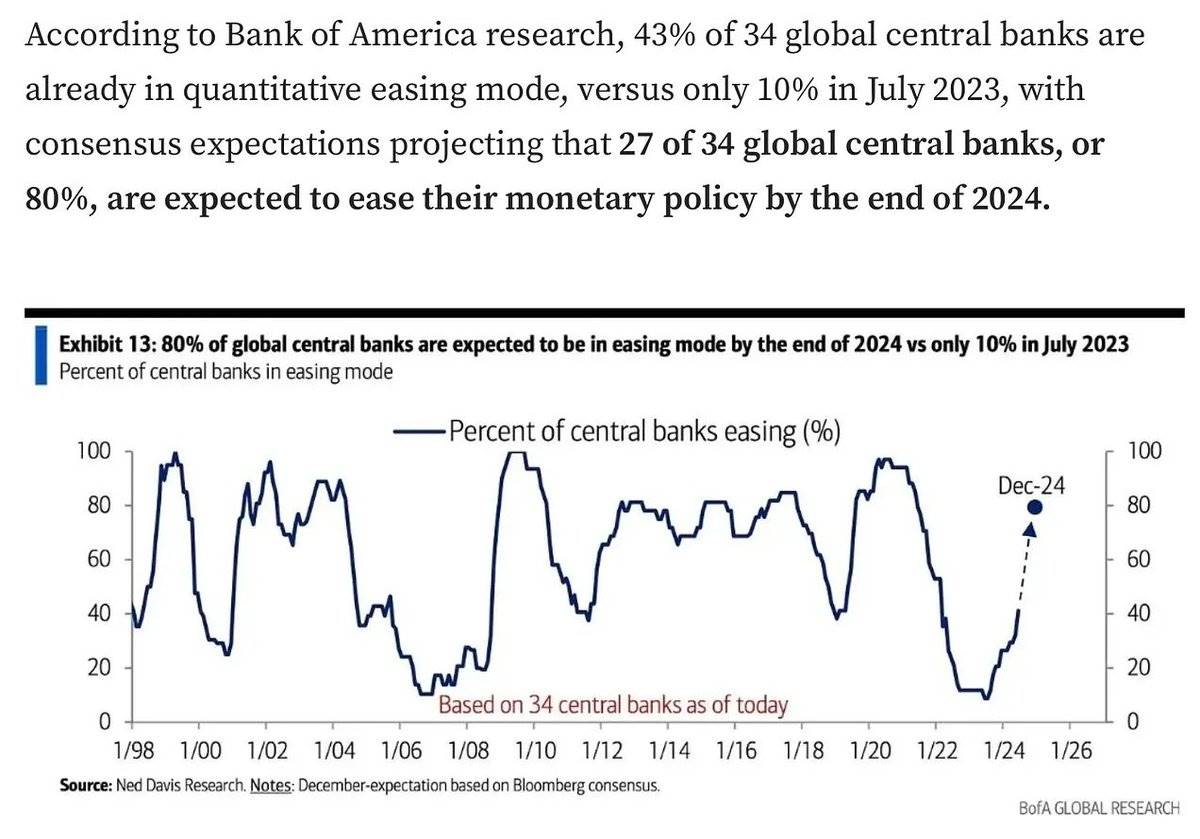
不过,BTC 一直跟随流动性,随着货币宽松而上涨。

已有 43% 的中央银行开始实施宽松政策,流动性正在增加。

这可能会很快推动对 BTC 等风险资产的投资。
总结

流动性正在迅速增长,但加密市场仍在等待从风险规避转向风险偏好的情绪。

中央银行的政策可能引发这一变化,将闲置资本注入加密市场。

上涨可能会非常迅猛,但衰退的担忧依然存在(非财务建议)。

Похожее

Agentized OS: It's Not About AI, It's About the Foundation

The Agentic OS: Beyond AI, It's About the Foundational Stack In 2026, major operating systems like Android, iOS, HarmonyOS, and Windows are entering the "Agentic" era, integrating proactive AI assistants deeply into the system layer. However, the real competition lies not in the flashy AI features showcased at events, but in the three-layer foundational stack that enables them: the system-level AI Runtime, proprietary/controllable chips, and the on-device/cloud model matrix. The AI Runtime acts as the central scheduler, managing model inference, resource allocation, and exposing capabilities to apps. Controllable chips (e.g., Apple Silicon, Google Tensor, Huawei Kirin) are crucial for deep hardware-software co-optimization, determining the efficiency and experience limits of on-device Agents. The on-device/cloud model matrix provides the "intelligence," with proprietary, chip-optimized small models (like Gemini Nano, Apple's ~3B model) handling daily tasks locally for low latency, privacy, and reliability, while cloud models tackle complex requests. Deep synergy between these three layers enables key Agent differentiators: ultra-low latency and power efficiency, genuine "on-device first" privacy, access to system-level personal context across apps, and reliable performance as a system service even offline. OS vendors with strong integration across this stack (like Apple, Google, and Huawei) build a deeper moat. Beyond this core stack, long-term competitiveness depends on variables like structured App integration (e.g., App Intents/AppFunctions) for reliable multi-step workflows, and robust privacy frameworks that build user trust. This shift towards Agentic OS extends beyond phones and PCs to IoT, cars, and XR glasses via existing multi-device ecosystems. The race is won not in a keynote, but through generations of meticulously co-developed chips, models, and system software.

marsbit18 мин. назад

Agentized OS: It's Not About AI, It's About the Foundation

marsbit18 мин. назад

Why Sam Altman's 'Water and Electricity Theory' Sparks Copyright Controversy

OpenAI CEO Sam Altman's recent statement that "intelligence will become a utility like electricity or water" has sparked significant controversy, primarily around copyright issues and the nature of AI development. While positioning AI as a utility serves as a compelling narrative for infrastructure investors, critics argue the analogy is flawed in three key areas. First, there's a fundamental "property gap." Traditional utilities like water and power create new, physical infrastructure from scratch. In contrast, major AI models are trained by reorganizing vast amounts of existing human-created content—books, articles, code, etc.—often scraped from the web without explicit permission or compensation to creators. This "free acquisition, paid resale" model is seen by many as ethically problematic. Second, there's a "pricing gap." True public utilities are typically regulated to ensure universal service with non-discriminatory, cost-plus pricing. AI's token-based pricing, however, involves significant price discrimination (e.g., output tokens costing much more than input tokens) and is designed for revenue maximization, not equitable access. Third, a "governance gap" exists. Utilities operate under public oversight, while AI pricing and development are currently controlled by a few private companies. Furthermore, the industry's own shift toward buying licensed training data (e.g., deals with Reddit or news publishers) undermines its previous legal reliance on "fair use" for freely scraped data. In conclusion, while AI is indeed becoming a foundational technology, calling it a public utility remains contentious. The title requires not just scale and a pay-per-use model, but also credible solutions for data provenance, equitable pricing, and public governance.

marsbit34 мин. назад

Why Sam Altman's 'Water and Electricity Theory' Sparks Copyright Controversy

marsbit34 мин. назад

From ZEC's Surge to Vitalik's Support: Will the Privacy Narrative Resurface?

From ZEC's surge to Vitalik's endorsement, is privacy making a comeback? The recent rally in ZEC has refocused attention on the crypto privacy sector. This resurgence stems from a growing market realization: while blockchain transparency builds trust, full exposure of user balances, trading strategies, and risk positions can become a vulnerability, especially for large traders and institutions on platforms like Hyperliquid. The privacy landscape has evolved beyond classic anonymity coins like ZEC, XMR, and DASH. It now encompasses privacy infrastructure projects such as Railgun (bringing privacy to DeFi) and Aztec (a privacy-focused L2), as well as newer entrants like Genius Terminal, SilentSwap, and 0xBow that emphasize transaction privacy while attempting to balance compliance. Industry trends confirm privacy is becoming integrated, not a niche feature. Perp DEX Aster has introduced a "Shield Mode," and Vitalik has discussed the need for native privacy at the Ethereum protocol level, including proposals like EIP-8182 for standardized private transfers. In conclusion, this revival is more than a simple sector rotation. It reflects a critical reassessment of transparency's limits. As on-chain finance matures, the challenge is finding a sustainable balance between necessary transparency for trust and essential privacy for protecting assets and strategies, making privacy a potential cornerstone of next-generation infrastructure.

marsbit44 мин. назад

From ZEC's Surge to Vitalik's Support: Will the Privacy Narrative Resurface?

marsbit44 мин. назад

Торговля

Спот
Фьючерсы
活动图片