特朗普演讲为何不提 Web3?

深潮Опубликовано 2024-07-31Обновлено 2024-07-31

比特币是「无用之用」,以太坊是「有用之用」。

撰文:孟岩的区块链思考

7 月 27 日特朗普在纳什维尔比特币大会上 50 分钟的演讲,被誉为加密资产行业的又一个里程碑事件。但会后有人统计了一下,发现特朗普只字未提以太坊、区块链、Web3,唯一一次提到 Vitalik,后来还发现是听错了。
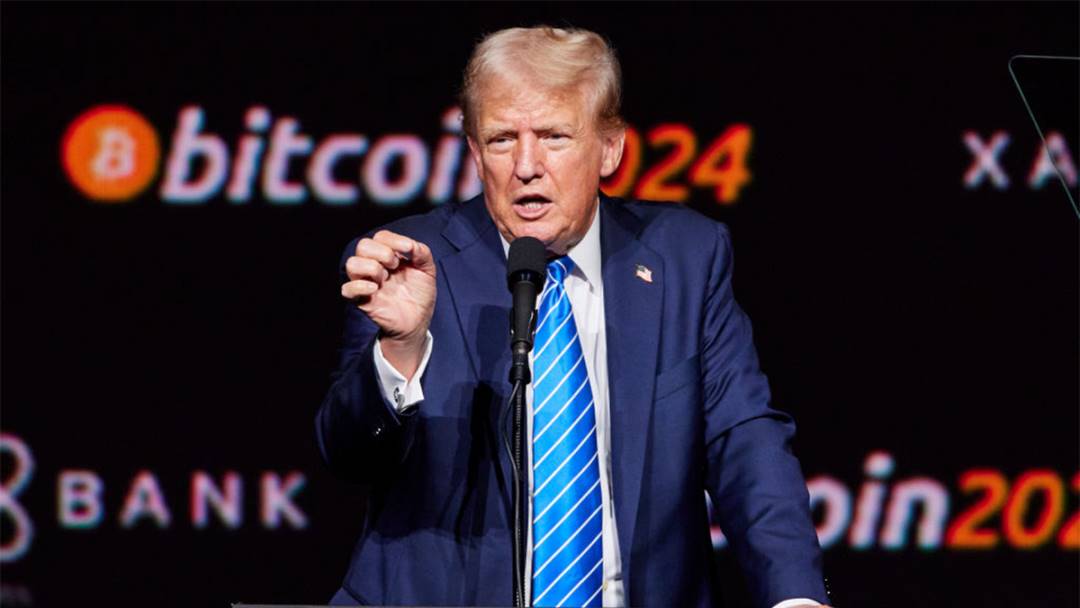
为什么特朗普不提 Web3 呢?确切的原因我当然也不知道,只能去问给特朗普写演讲稿的老兄,据说是《比特币杂志》的 CEO David Bailey。但是如果把这件事情放在整个 crypto 行业的大框架里来看,其实是不难理解的。

简而言之,特朗普的演讲基本体现了进步的比特币至上主义派的主张。

比特币和以太坊是 Crypto 行业遥遥领先的两个领头羊,经常被放在一起比较。但实际上两者截然不同,可以说代表着两个完全不同的思想门派:比特币是「无用之用」,以太坊是「有用之用」。

比特币的目标是作为数字黄金,数字世界利的价值标杆,除此之外别无它用,特别是没有任何使用价值。恰恰因为没有使用价值,因此你不能从效用的层面去分析它,不能用指标去衡量它的价值。因此比特币是不可战胜的,因为你想不到战胜它的逻辑。但另一方面,比特币没有给应用开发和生态建设留下什么空间,你很难在上面建造任何东西。有很多比特币的拥趸不断宣称,比特币是第一个也应该是最后一个区块链应用,比特币把区块链的合理价值全部发挥殆尽,区块链该做的比特币都做了,比特币没做的都是区块链不该做的,除了比特币之外的其他一切区块链创新全都是自作多情。这些观点正是原教旨的比特币至上主义的典型主张。这当然是对比特币的一种极致的推崇,但也是对于比特币无法作为基础设施支撑更大价值的屈服。

以太坊就不同,它的最初目标是做全球计算机,现在则是数字经济结算层,也是专用计算机,是一个有用的东西,从一开始就是作为一个生态基础设施出现的。这是以太坊的优势,但也是它的薄弱环节。既然有用,那么它的用处就可以基于一些指标来分解衡量,比如性能、TVL、用户数量、吞吐量等等。因为以太坊有用,所以理论上,如果你做出一个在各方面指标都超越以太坊的区块链,那就是一个更有用的区块链,就能打败以太坊。从 2017 年开始,出现了无数的 Ethereum Killer 的公链叙事,有些曾经一度获得很高的估值,其背后的逻辑就在于此。
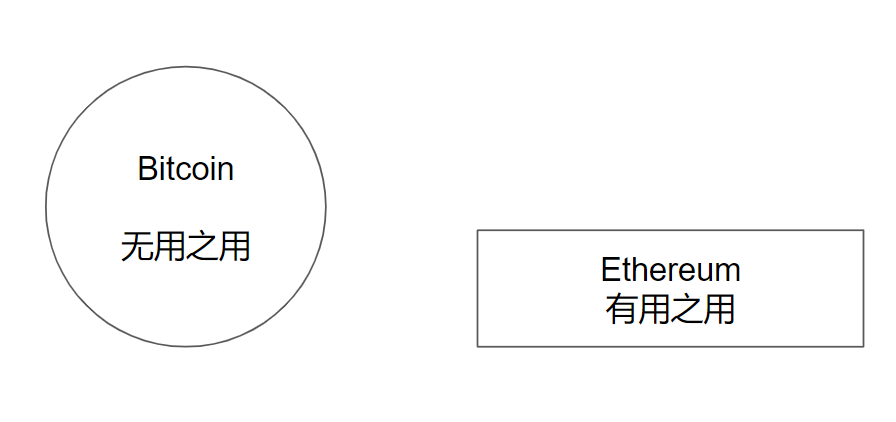
所以可以这样比拟,比特币是一个大球,自身圆满,但是你在上面修不了上层建筑。以太坊是一块平板,给你修建上层建筑提供了良好的基础条件,但是它本身比比特币要脆弱。

川普这次演讲,虽然讲了很多,但其实只是围绕华尔街的比特币逻辑反复螺旋式增强,也就是认可比特币数字黄金的价值,对其价值表达信心,提供当选后的政策保证,一浪高过一浪,但是也仅此而已,并没有涉及到其他方面,完全没有涉及到区块链在改变互联网应用范式方面的话题。
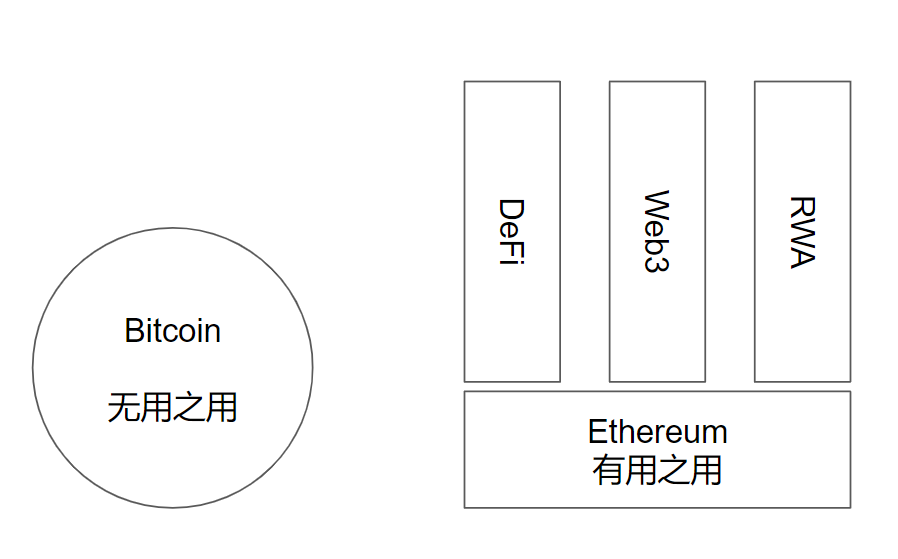
比特币跟以太坊提供了不同的承诺,比特币是站稳数字黄金的位置,不断提高市值。而以太坊是打下基础,为 DeFi、Web3、RWA 等应用提供支撑。

我觉得特朗普对这个行业的了解不可能这么具体,因此他的演讲里主要体现的还是《比特币杂志》这帮人的长期一贯立场,就是我们终于把比特币这种资产确立为主流合规资产了,现在可以在主流金融圈围绕这种新资产,把各种可做的业务和衍生品都来上这么一遍。过去黄金有的,现在都给比特币加上。华尔街是比较喜欢这样的叙事的。只要客户喜欢交易,就有佣金可以赚。

相反创造新的技术、工具、平台、应用范式,这是硅谷喜欢干的事儿。所以像在以太坊上创建 DeFi、Web3、RWA 或者产业区块链这些事情,我们不能指望华尔街特别积极,还是得先干出一些名堂来,然后华尔街才会加入进来。

当然这并不是说特朗普的这些表态,如果真的落实的话,对 DeFi、Web3、RWA 这些方面就没有意义。意义还是很大的。首先是大量资金涌入数字资产的话,本身也会波及到这些上层建筑领域。另一方面,特朗普说要给 SEC 换人这个点非常耐人寻味。因为詹斯勒这个家伙虽然招人恨,但是实话实说,人家任内对于比特币是基本还是开绿灯的,没有过多为难。如果说只是站在比特币的立场上看詹斯勒,就算不是高分,也非常及格。詹斯勒真正的保守是体现在对待以太坊生态、特别是 Web3 的极力阻挠之上,特别是在 Hester Peirce 的《通证避风港》提案都已经起草出来的情况下,长期束之高阁,严重阻碍了 Web3 的发展。所以换詹斯勒这个事情实际上对于比特币意义不大,但可能是利好 Web3 的。

如果美国想要变成 Web3 的福地,SEC 而不是华尔街的态度更关键。只有允许 Web3 项目以自然合理的方式应用 token 进行用户激励和治理,同时实施有效监管,坚决打击发币割韭菜的镰刀们和欺诈者,Web3 才能获得一个较长的发育周期,实际长出业务飞轮。唯有如此这个行业才能真正摆脱大起大落的循环。

我不知道特朗普在这个问题上认识有多深,但看上去贺锦丽应该不会往这个方向前进,越是自认为代表历史前进方向的人,侵犯个人自由和权利的时候越无所顾忌。所以这次美国大选确实是关乎 Web3 行业利害的,且让我们拭目以待吧。


Похожее

After Losing 97% of Its Market Value, iQiyi Attempts to Use AI to Forcefully Extend Its Lifespan

After losing 97% of its market value since its 2018 peak, iQiyi is aggressively pivoting to AI in a desperate attempt to survive. At its 2026 World Conference, CEO Gong Yu announced an "AI Artist Library" with over 100 virtual performers and a new AIGC platform, "NaDou Pro," promising faster production and lower costs. This shift comes as the company faces severe financial distress: its market cap sits near delisting thresholds at $1.36 billion, with significant losses, declining membership revenue, and depleted cash flow. The AI strategy has sparked controversy. Top actors have issued legal threats against unauthorized digital replicas, while in Hengdian, over 134,000 background actors are seeing their already scarce job opportunities vanish as AI replaces them for background roles. iQiyi's move represents a fundamental shift from being a high-cost content buyer to a landlord" to becoming a "platform capitalist" that transfers production risk to creators. This contrasts with competitors like Douyin (TikTok's Chinese counterpart), which is investing heavily in *real* actor-led short dramas, betting that authentic human connection retains users better than AI-generated content. The article draws a parallel to the 1920s transition to "talkies," which made cinema musicians obsolete but ultimately enriched the art form. In contrast, iQiyi's AI drive is framed not as an artistic evolution but as a cost-cutting measure that could degrade storytelling, replacing genuine human emotion with algorithmically calculated stimulation and potentially numbing audiences' capacity for empathy. The core question remains: can a company focused solely on financial survival preserve the art of storytelling?

marsbit3 мин. назад

After Losing 97% of Its Market Value, iQiyi Attempts to Use AI to Forcefully Extend Its Lifespan

marsbit3 мин. назад

Only a 50% Chance of Passing This Year, Can the CLARITY Bill Succeed Before the Midterm Elections?

The CLARITY Act, which passed the House in July 2025 with strong bipartisan support (294-134), faces a critical juncture in the Senate. The Senate Banking Committee is expected to hold a markup soon, but key issues remain unresolved, including stablecoin yield provisions, DeFi regulations, and securing full Republican committee support. Other contentious points involve the Blockchain Regulatory Certainty Act (BRCA), ethics amendments for government officials, and SEC-related matters. The legislative calendar is tight, with limited time before the midterm elections. If the committee markup is delayed beyond mid-May, the chances of passage in 2026 drop significantly. Senator Cynthia Lummis has warned that failure this year could delay comprehensive crypto market structure legislation until 2030 or later. Galaxy estimates the probability of the CLARITY Act becoming law in 2026 is only about 50%. The bill provides crucial regulatory clarity by defining jurisdictional boundaries between the SEC and CFTC, establishing a path for decentralization, and bringing digital commodity intermediaries under federal regulation. Its passage is seen as vital before potential power shifts in the next Congress, which could bring less favorable leadership to key committees. The timeline is compressed, and the bill must compete for floor time with other priorities like Iran authorization and DHS appropriations. Key hurdles include finalizing the stablecoin yield compromise text, addressing law enforcement concerns about BRCA, and navigating political dynamics around SEC nominations. The outcome of the Banking Committee markup and the level of bipartisan support will be critical indicators of its future success.

marsbit42 мин. назад

Only a 50% Chance of Passing This Year, Can the CLARITY Bill Succeed Before the Midterm Elections?

marsbit42 мин. назад

Dialogue with Xinhuo Chief Economist Fu Peng: Macro Bear Market Expected to End This Year, Prioritize Allocation to Value Assets

Fu Peng, Chief Economist at New Huo Group, discusses the integration of crypto assets into traditional finance, marking a shift from a speculative phase to institutionalization. He highlights the current era as the second major fusion of finance and technology, driven by AI, data, and computing power, with crypto assets becoming part of the FICC+C (Fixed Income, Currencies, Commodities + Crypto) framework. Regulatory clarity in the U.S., such as the GENIUS and Clarity Acts, has paved the way for institutional adoption by defining digital assets as financial instruments. Fu views RWA (Real World Assets) as a tool for asset tokenization rather than a standalone asset class, noting that financial innovation differs between Eastern and Western markets due to cultural approaches to risk and regulation. He emphasizes that stablecoins are essential for future finance, but Asian markets, including Hong Kong, will adopt them cautiously. Macro liquidity now significantly influences crypto markets, as institutional participation increases correlation with traditional assets. Fu suggests the macro-driven bear market may end by year-end, reducing the relevance of Bitcoin’s four-year cycle. For asset allocation, he recommends value-oriented AI stocks for stability, Bitcoin for moderate certainty, and Ethereum for higher volatility.

marsbit49 мин. назад

Dialogue with Xinhuo Chief Economist Fu Peng: Macro Bear Market Expected to End This Year, Prioritize Allocation to Value Assets

marsbit49 мин. назад

Only a 50% Chance of Passing This Year, Can the CLARITY Bill Succeed Before the Midterm Elections?

The CLARITY Act, which passed the U.S. House in July 2025 with strong bipartisan support (294-134), faces a critical juncture in the Senate. The Senate Banking Committee is expected to hold a markup soon, but key issues remain unresolved, including stablecoin yield provisions, DeFi regulations, and securing full Republican committee support. Additional challenges involve the Blockchain Regulatory Certainty Act (BRCA), ethics amendments for government officials, and SEC-related concerns. Galaxy estimates only a 50% chance of the bill becoming law in 2026. The tight legislative calendar, competing priorities like Iran military authorization and DHS appropriations, and the impending midterm elections create significant time pressure. If the bill is not passed before the new Congress convenes in 2027, comprehensive crypto market structure legislation could be delayed until 2030 or later, especially if leadership changes result in less favorable committee chairs. The act provides crucial regulatory clarity by defining the jurisdictional boundaries between the SEC and CFTC, establishing a path for decentralized networks to be classified as non-securities, and bringing digital commodity intermediaries under federal regulation. The outcome of ongoing Senate negotiations, particularly the release of revised text on stablecoin yields, will be a key indicator of its future prospects.

Odaily星球日报52 мин. назад

Only a 50% Chance of Passing This Year, Can the CLARITY Bill Succeed Before the Midterm Elections?

Odaily星球日报52 мин. назад

Four-Dimensional Resonance: Hong Kong Web3 Carnival Sub-Forum Co-Creates Blueprint for Global Financial New Infrastructure

The "Four-Dimensional Resonance: 2026 Global Financial New Infrastructure" forum, a core event of the Hong Kong Web3 Festival, was successfully held at the Hong Kong Convention and Exhibition Centre. Co-hosted by Web3Labs and DeShang Singularity Tech, with joint support from Bitroot, Injective, Microsoft, and Z Oracle, the event gathered policymakers, industry leaders, and investors to explore the integration and innovation of global financial infrastructure, focusing on RWA, AI, DeFi, and compliant payments. Policy speakers, including Hong Kong Legislative Council Member Mr. Wu Jiezhuang, South Korean National Assembly Member Mr. Min Byung-duk, and ACED Chairman Mr. Yun Seok-hun, emphasized the importance of cross-border regulatory collaboration and an open policy environment for fintech innovation. Web3Labs CEO Caspar and DeShang Singularity Tech CEO Chang Shuai highlighted Hong Kong’s role as a financial innovation center and the approaching "singularity moment" for global financial infrastructure. Technical insights were shared by MagnetX, Bitroot, Microsoft, and Injective on topics including AI Agent economies, the evolution of public blockchains, and AI’s transformative role in finance. Key partnerships and initiatives were launched: - GWDC 2026 Korea collaboration between Hong Kong and South Korea. - A strategic agreement between Web3Labs and Microsoft. - The launch of a public anti-fraud alliance by Z Oracle and partners. - The "Injective Rising Star" program to support AI and Web3 projects. Panel discussions delved into AI-driven smart payments, compliant cross-border transactions, and the fusion of RWA and DeFi. Participants agreed that integrating RWA with DeFi is crucial for the next stage of financial infrastructure, enabling a shift from physical to digital finance. The forum underscored Hong Kong’s pivotal role in advancing a globalized and sustainable Asian fintech ecosystem.

marsbit1 ч. назад

Four-Dimensional Resonance: Hong Kong Web3 Carnival Sub-Forum Co-Creates Blueprint for Global Financial New Infrastructure

marsbit1 ч. назад

Торговля

Спот
Фьючерсы
活动图片