Автор|Odaily Planet Daily(@OdailyChina)
Автор|Wenser(@wenser 2010)

Снова наступило Рождество, но по сравнению с прошлыми годами, когда царили горячие «рождественские тренды», в этом году криптовалютный рынок выглядит несколько холоднее.
BTC колеблется в диапазоне от 85 000 до 90 000 долларов; ETH, который ранее достигал новых максимумов, теперь выглядит подавленным; SOL, BNB и другие основные монеты так и не оправились после «большого обвала 11 октября» и все дальше отходят от своих пиковых цен; Что касается альткойнов? Многие, возможно, могут лишь сказать: «Извините, мы не знакомы».
В предыдущей статье «4 ключевых слова, которые определили песню Crypto в 2025 году» мы кратко回顾или развитие индустрии за прошедший год через 4 ключевых слова по кварталам. Из-за темы и объема статьи многие переживания участников индустрии были лишь упомянуты вскользь, и причина проста — мы провели опрос, который длился более полумесяца, собирая «годовые инвестиционные мемуары» от пользователей сообщества, крипто-KOL, известных трейдеров, сотрудников СМИ, крипто-инвесторов и других групп.
Здесь мы видим, что, несмотря на рыночные колебания между максимумами и минимумами, некоторые остаются за игровым столом и получают значительную прибыль. Конечно, обратная сторона успеха — это убытки и выход из игры тех, кто потерпел неудачу в инвестициях. С помощью результатов этого опроса и данных мы можем заглянуть в реальную картину инвестиций и торговли на текущем крипторынке; воспользуемся этой возможностью, чтобы также кратко подвести итоги «упущенных больших возможностей, которые заставляли бить себя по коленкам» в этом году, чтобы читатели могли извлечь уроки и снова сразиться в следующем году.
Годовые инвестиционные мемуары 2025: Кто-то всегда стареет, но кто-то всегда молод
Ниже приведена информация из опроса «Годовой инвестиционный отчет Odaily Planet Daily за 2025 год». Мы проведем подробный анализ по группам, инвестиционным результатам и интересующим областям.
Объекты опроса: Новички VS Бывалые? Более 60% респондентов в индустрии более 3 лет
Сначала о портрете аудитории опроса.
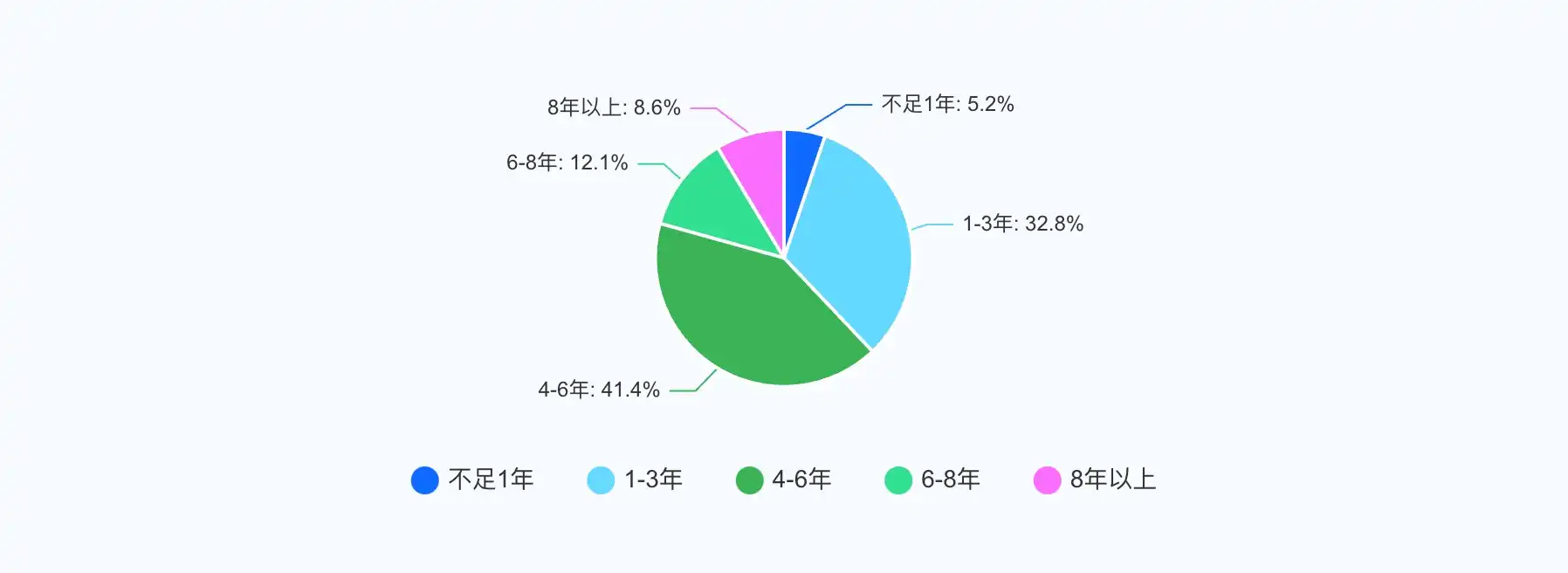
Согласно результатам, более 60% инвесторов находятся в индустрии более 3 лет и являются настоящими «бывалыми», среди них:
Наибольшая доля — группа с опытом 4-6 лет, около 41%;
Доля группы с опытом 6-8 лет составляет около 12%;
Доля группы с опытом более 8 лет составляет около 9%.
По сравнению с «группой с опытом более 3 лет», доля «новых салаганов» несколько скромнее: общее число тех, кто в индустрии менее 1 года и от 1 до 3 лет, составило 21 человек, что составляет около 38% действительных анкет.
Посмотрев на опрос, моя первая мысль была — «Неудивительно, что ликвидность на криптовалютном рынке низкая, оказывается, новых салаганов все меньше!» (Прим. Odaily Planet Daily: В связи с ограниченным количеством анкет, приведенные выводы являются результатом лишь одного опроса и не отражают структуру сообщества в целом).
Инвестиционные результаты: Заработок VS Убытки? Доля прибыльной группы превышает 57%
Вероятно, это вопрос, который волнует большинство больше всего — целый год тяжелой работы, в итоге вы в плюсе или в минусе, и неужели только я один понес тяжелые убытки?
Увидев результаты опроса, я могу сказать, что недооценил способности людей зарабатывать деньги —
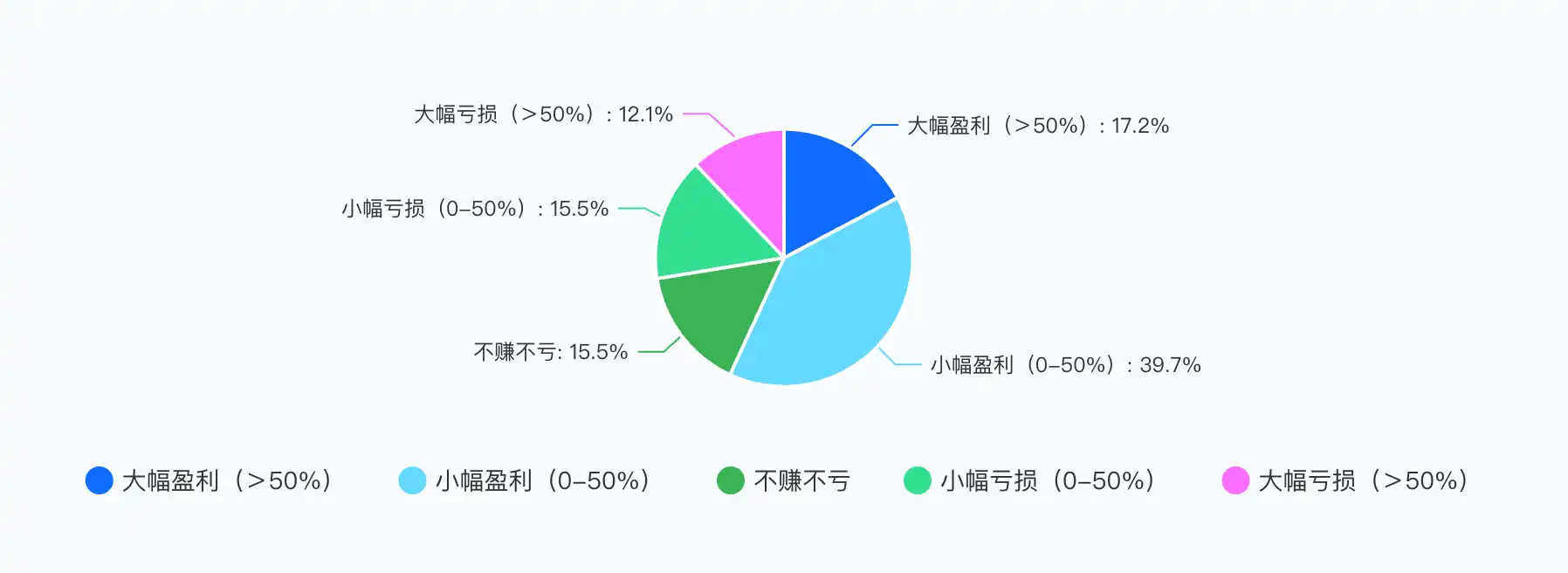
Доля значительно прибыльных (+50% и более): 17,2%;
Доля slightly прибыльных (0-50%): 39,7%;
Доля безубыточных (эквивалентно году впустую): 15,5%;
Доля slightly убыточных (0- -50%): 15,5%;
Доля значительно убыточных (-50% и более): 12,1%.
Другими словами, доля прибыльной группы составляет почти 60%, доля безубыточных — около 15%, а более 27% столкнулись с теми или иными убытками, что составляет около трети, что значительно ниже настроений, отражаемых в рыночных мнениях и обсуждениях в сообществе. На таком прыгающем, как обезьяна, рынке赚钱的人 все же больше, что также косвенно подтверждает, что на нынешнем крипторынке действительно больше опытных бывалых. Что касается новичков, они либо все еще барахтаются в рыночной грязи, либо уже получили сокрушительный удар и вышли из игры с убытками.
Написав это, я могу лишь с сожалением воскликнуть: «В чатах так много людей говорят, что теряют деньги, оказывается, по-настоящему теряю только я один?!»
Прибыльные ниши: Мем-монеты VS Основные монеты? «Тугрики» по-прежнему YYDS
Что касается конкретных прибыльных областей/ниш/проектов/токенов, результаты опроса несколько сложнее.
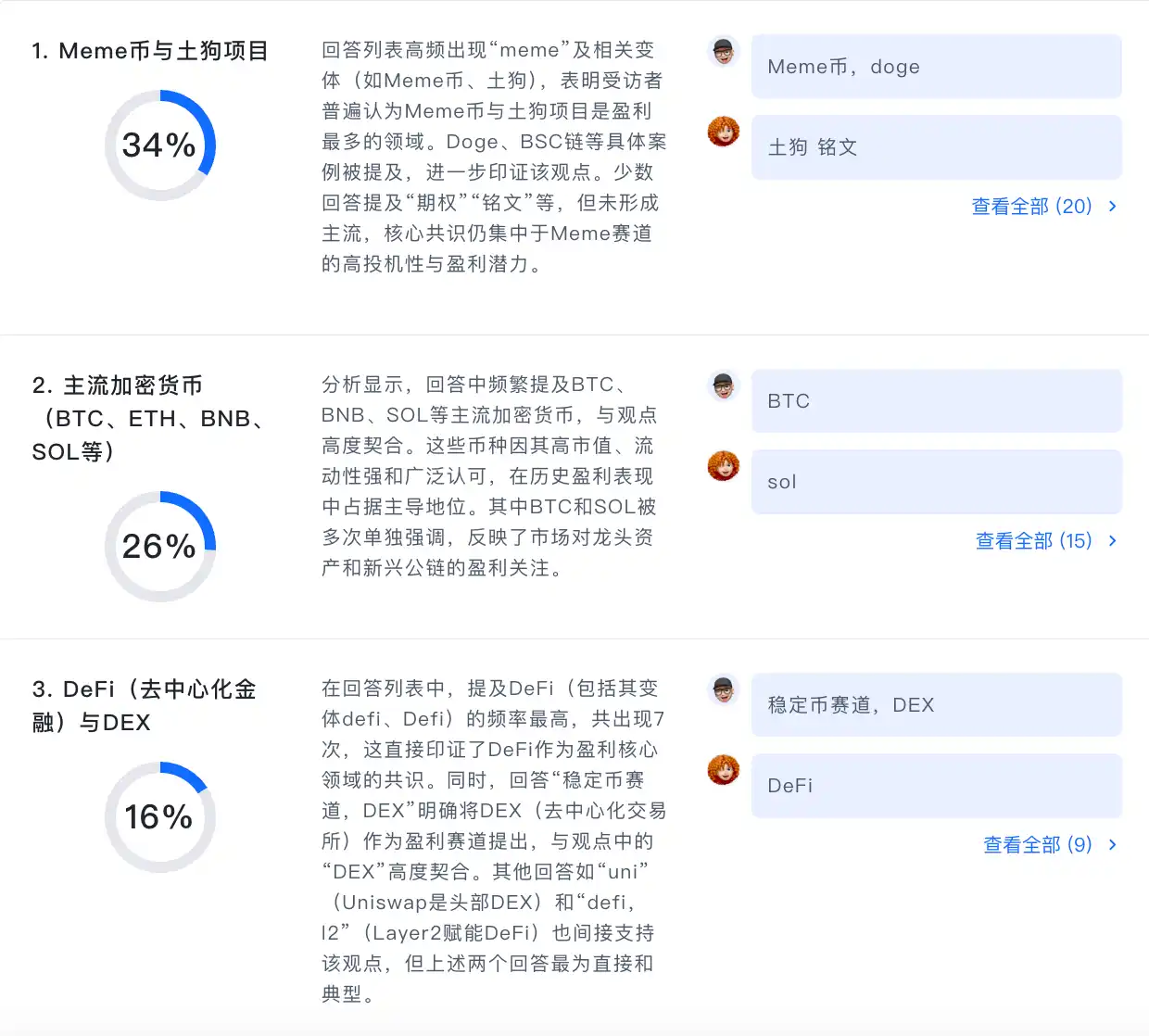
Неудивительно, что мем-монеты (тугрики) остаются верным способом заработка: около 34% участников опроса указали, что в основном зарабатывали на проектах этой категории (несколько человек даже упомянули инскрипции, непонятно, серьезно или притворяются?);
Около 26% инвесторов primarily получили прибыль от основных монет, таких как BTC, ETH, BNB, SOL. Учитывая, что в этом году BTC, ETH, BNB, SOL阶段性 достигли новых ценовых максимумов, such performance is not surprising. Конечно, это зависит от того, вовремя ли инвестор зафиксировал прибыль, иначе, упорно держась за активы как «алмазные руки», можно only плакать украдкой;
Около 16% отдали голоса DeFi. Учитывая, что этот год был «годом стейблкоинов» и появилось немало «высококлассных финансовых схем», этот результат также неудивителен. В сочетании с ажиотажем вокруг ончейн Perp DEX, DeFi阶段性 пережил «вторую молодость»;
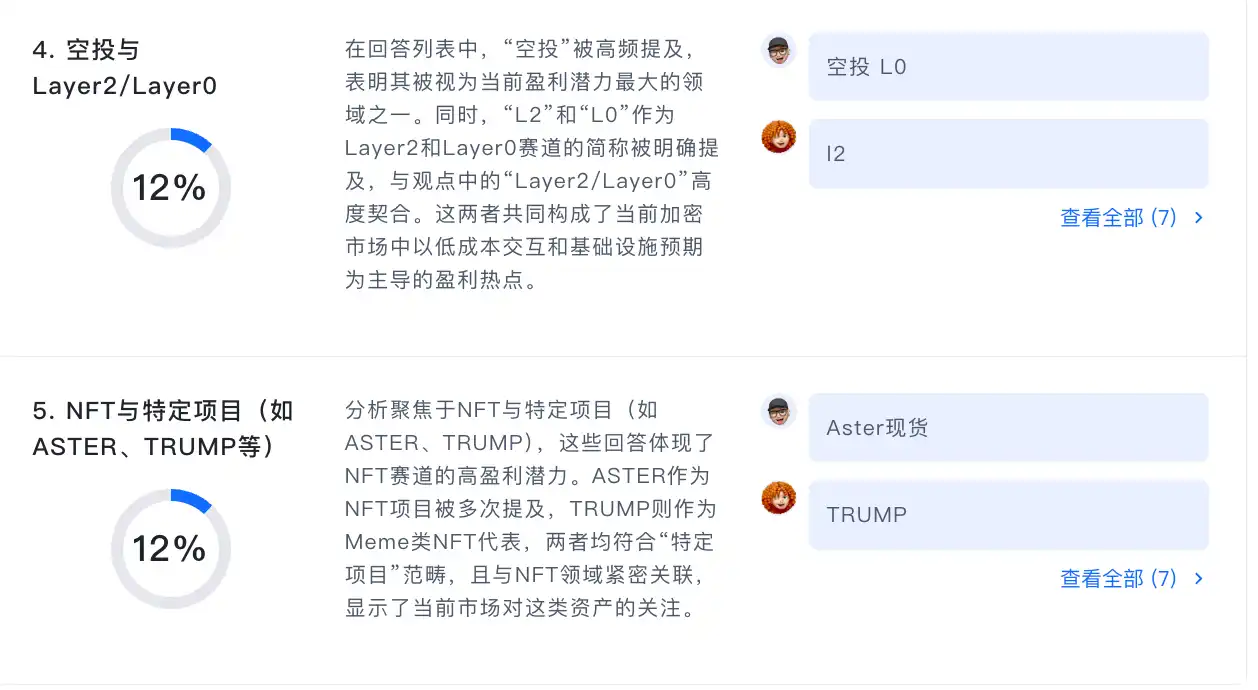
Основная прибыль около 12% инвесторов по-прежнему поступала от взаимодействий для получения эирдропов. Честно говоря, этот результат несколько удивил меня, ведь в условиях текущего сжатия ликвидности многие криптопроекты становятся все скупыми на долю эирдропов для сообщества ради высокого контроля и удобства накачки, и большинство проектов теперь скорее «доят» пользователей. Но так или иначе, несмотря на изменения рынка, эирдропы остаются для многих инвесторов верным способом получить высокую доходность при низких затратах. Вне зависимости от состояния рынка, всегда есть некоторые «мастера доения», которые坚守岗位, предоставляя рынку и проектам различные данные об активности и объемах торгов, заслуживая уважения всех;
Наконец, неожиданно, что помимо отдельных проектов, таких как TRUMP, ASTER, кто-то указал NFT как прибыльную область. Я могу лишь сказать, что недооценил инвестиционные способности трейдеров — возможность зарабатывать в почти замершей или даже мертвой нише NFT заслуживает лишь оценки «Круто!». Однако, учитывая, что недавно CMO OpenSea все еще зазывал на работу, достаточно сказать, что, как бы ни менялся рынок, некоторые коллекционеры или трейдеры NFT все еще верят в эту нишу и обеспечивают ликвидность своими реальными деньгами. Будучи одним из «старых приверженцев NFT», это несколько трогательно.
Кроме того, среди отдельных проектов были даны ответы «WET, золото, PING, Binance Alpha, DOGE» и другие, которые не имеют большой репрезентативности и参考价值, поэтому здесь они отдельно не анализируются, а лишь упоминаются.
Убыточные ниши: Мем-монеты VS Контракты? Данные подтверждают: прибыль и убытки имеют один источник
Кто-то преуспевает, а кто-то терпит неудачу.
В конкретных убыточных нишах и проектах результаты опроса снова показывают жестокую сторону рынка.
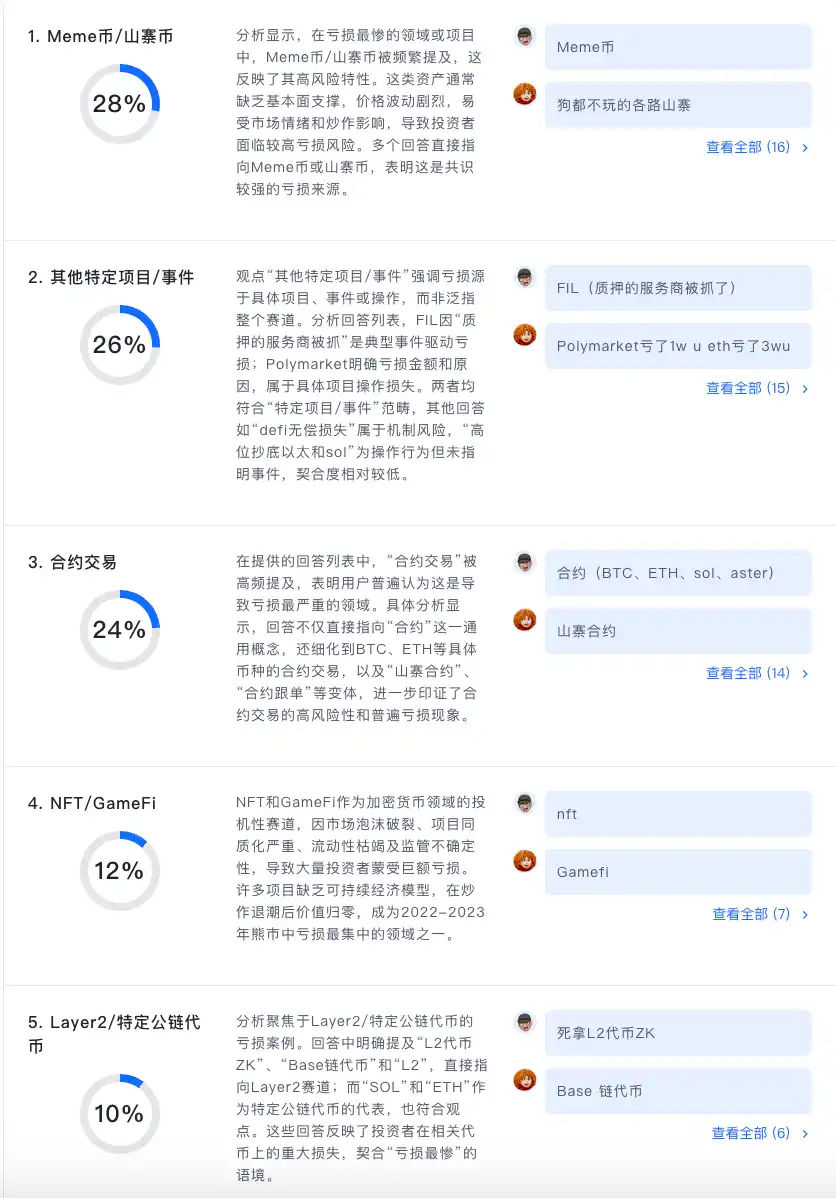
Около 28% инвесторов понесли серьезные потери на мем-монетах и альткойнах, включая активы экосистемы Binance, такие как Giggle, ASTER, альткойны экосистемы Base (например, PING), а также такие популярные монеты, как HYPE;
Во-вторых, другой major причиной убытков стали «черные лебеди» — кто-то понес heavy losses на FIL из-за проблем с провайдером стейкинга; кто-то проиграл на ставках на Polymarket; кроме того, непостоянные потери в протоколах DeFi, покупка BTC, ETH, SOL на пиках — все это common причины убытков в индустрии;
Около 26% инвесторов споткнулись на торговле контрактами. Эти данные slightly ниже моих личных ожиданий. Как одна из немногих «активных trading площадок» на рынке в этом году, открытие контрактов на основные монеты и альткойны остается выбором многих инвесторов. А учитывая изменчивые заявления Трампа после вступления в должность, его изменчивые указы, а также крупные清算ные «черные лебеди», включая «большой обвал 11 октября», убыточный outcome неизбежен;
Далее, NFT, GameFi, проекты, связанные с L2, как «представители провальных ниш», также являются source убытков для многих инвесторов. Примерно 22% людей, не сменив вовремя инвестиционное мышление, упорно держались за активы определенного типа и в итоге понесли heavy losses;
Наконец, по сравнению с прошлыми годами, когда инвестиционные области в основном ограничивались криптоактивами, под влиянием mainstream тренда криптовалют в этом году акции DAT казначейских компаний также became выбором многих инвесторов. И на нисходящем этапе рыночных колебаний убытки naturally последовали: кто-то купил ведущие акции DAT, такие как MSTR, BMNR, и все равно оказался в ловушке; кто-то понес heavy losses на «первой акции стейблкоинов» Circle (CRCL). Бывшие криптотрейдеры transformed в «уважаемых трейдеров на американском фондовом рынке», но смена身份 не обязательно означает успех в инвестициях, а может означать лишь additional способ терять деньги.
Анализ убытков: Своевременная фиксация прибыли VS Решительный стоп-лосс? Фиксация прибыли — обязательный урок жизни
Поговорив об убытках, мы также включили в опрос вопрос о конкретных причинах убытков, чтобы попытаться найти общие проблемы.
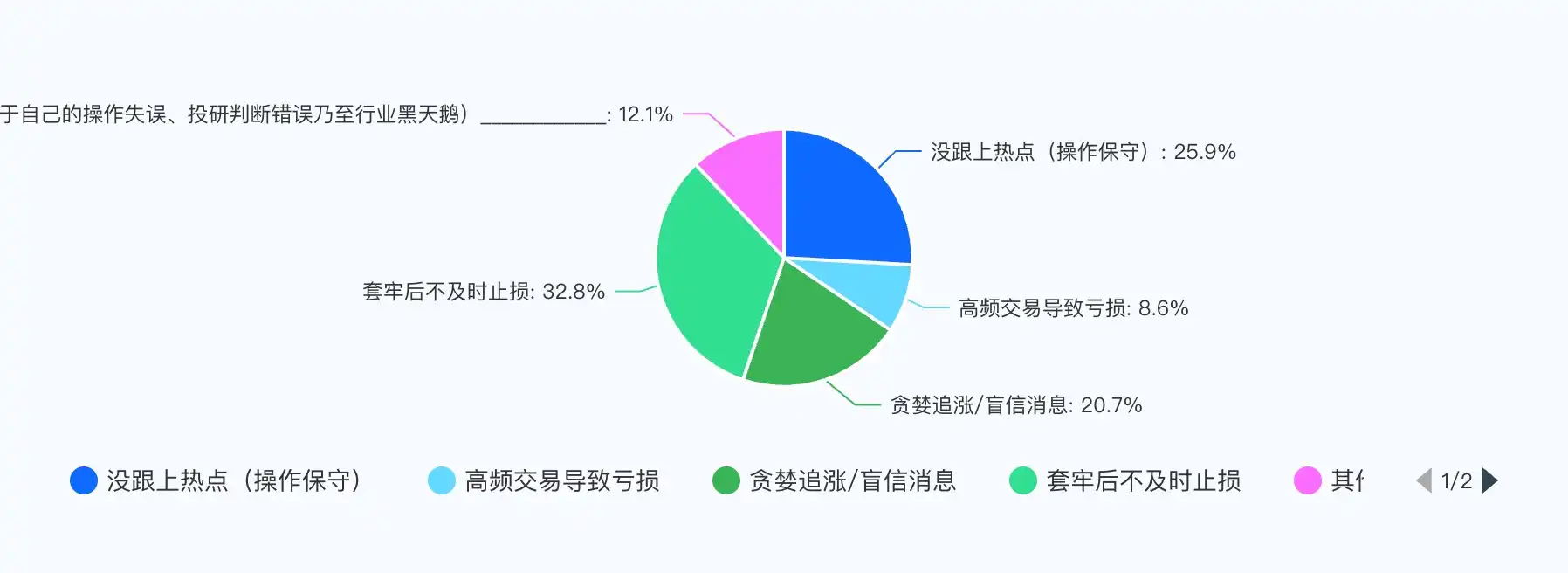
Около трети людей attributed убытки к «несвоевременному стоп-лоссу после попадания в ловушку». Это также одна из common проблем криптоинвесторов, включая меня — непонимание того, что 90% или даже 99% альткойнов на крипторынке обречены на обнуление, и лишь极少数的 токенов могут пережить падение и снова взлететь, и даже тогда, скорее всего, это просто накачка диких маркетмейкеров для лучшего сбора урожая с рынка. Эта история учит нас, что своевременный стоп-лосс и прекращение иллюзий необходимы.
На операционном уровне, медленная реакция, консервативные операции или слепая вера в слухи, покупка на пиках и продажа на падениях стали another major причиной убытков: более 45% инвесторов допустили ошибки в этих аспектах, приведшие к investment losses. По моим личным наблюдениям, «становление capital, который верит первым», и ожидание, пока другие接盘,或许是 важным методом сохранения постоянной победы на рынке. И это часто тесно связано с информационной敏锐度, источниками информации, личными предпочтениями риска, подготовкой капитала и оборудования и другими условиями, которые很难 достичь сразу.
Наконец, около 12% людей attributed убытки к operational ошибкам, ошибкам judgment или отраслевым «черным лебедям». На таком прыгающем «обезьяньем рынке»很多时候 действительно «вина не в сражении», и инвесторы могут лишь молча принять свои убытки,调整状态 и сражаться в следующем году.
И больше всего меня удивило то, что доля людей, понесших убытки из-за高频 trading,远远 ниже моих личных ожиданий: лишь 8,6% people attributed свои убытки к этому. С одной стороны, возможно, большинство людей действительно редко занимаются高频 trading; с другой стороны, возможно, не все четко понимают стандарты高频 trading. Кто-то может покупать и продавать десятки раз в течение часа, а затем неделю наблюдать со стороны; кто-то может совершать 3-5 сделок в день, и trading дней в месяц может быть более двадцати. Многие могут не считать последнее高频 trading, но по сравнению с большинством это уже «high-frequency игроки».
Популярные продукты: Perp DEX VS Prediction рынки? Более 40% людей все еще не использовали prediction рынки
При вопросе о commonly используемых популярных продуктах данные довольно интересны.
Доля людей, использовавших Perp DEX, составляет около 40%, из них около 40% — пользователи Hyperliquid; около 22% использовали Lighter; около 12% использовали Aster; доля пользователей других платформ составляет около 15%, среди них также используются старые платформы, такие как DYDX, GMX.不得不承认, длительная привлекательность DeFi,或许, в очередной раз подтверждается здесь.
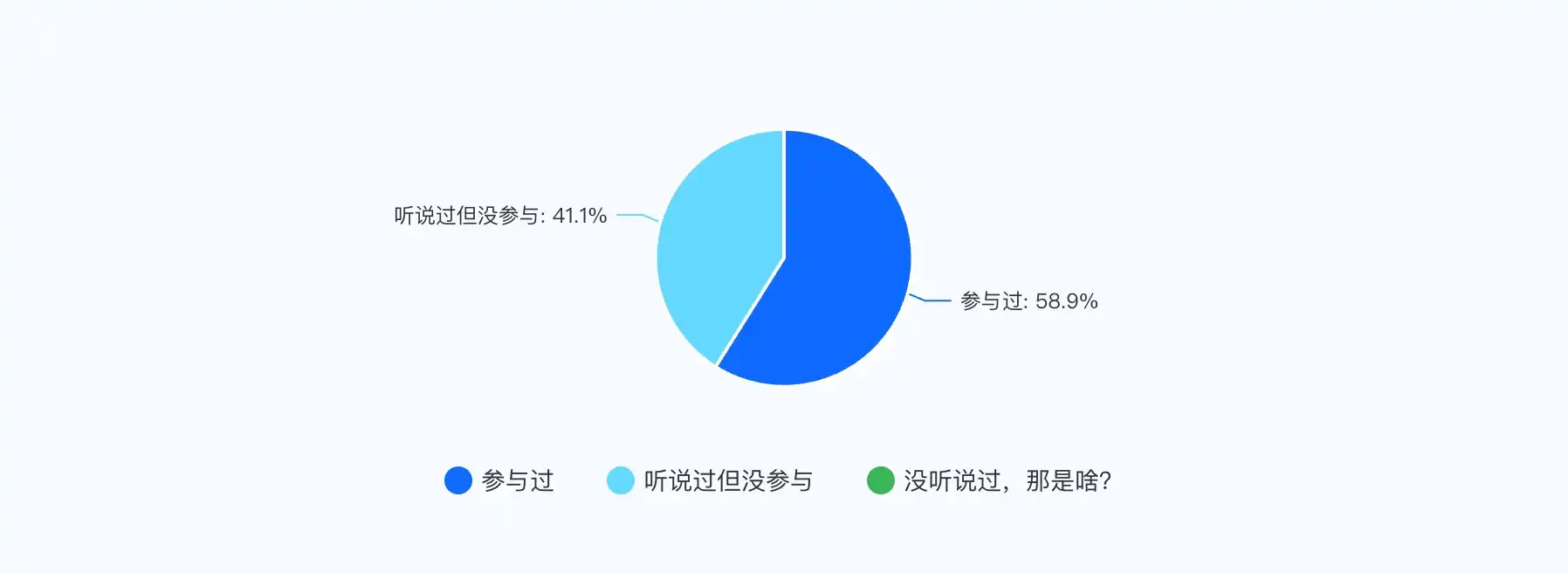
Что касается prediction рынков, доля инвесторов, участвовавших в их использовании,接近 60%; более 40% инвесторов слышали о prediction рынках, но не участвовали в ставках. Согласно этим данным малой выборки, prediction рынки仍有较大的 пространство для роста. В 2026 году платформы prediction рынков, такие как Polymarket, Kalshi, The Clearing Company, а также экосистемы BSC и Base, вероятно, продолжат迎来 период взрывного роста пользователей.
Взгляд в будущее: Перспективные ниши VS Инвестиционные советы? RWA, AI, Meme входят в топ-3, усреднение — король
В конце опроса мы также задали 2 «открытых вопроса»: один — «ниши, которые看好 в 2026 году»; другой — «инвестиционные insights/советы, которыми можете поделиться».
Среди перспективных ниш RWA, AI и Meme-монеты заняли前三 места —
Упоминание RWA составило高达 31%. Стоит отметить, что здесь RWA сочетает в себе токенизацию акций, стейблкоины и элементы PayFi;
Упоминание AI составило около 25%. В условиях растущего проникновения AI-моделей и приложений и бурного развития связанных с AI технологических компаний, сочетание AI и криптовалют по-прежнему остается одним из highly ожидаемых направлений среди mainstream аудитории рынка;
Причина, по которой Meme-монеты все еще看好 многими,或许, заключается в их низком пороге входа и высокой risk/доходности по сравнению с основными монетами. Однако лично я отношусь к этому пессимистично, ведь высасывание ликвидности альткойнами — это неизбежность, и сектор Meme-монет, который extremely зависит от внутренней ликвидности, в настоящее время很难 вернуться к этапу «цветения ста цветов».
Prediction рынки являются «консенсусом» для многих. Два олигополиста Polymarket и Kalshi с оценкой более十 миллиардов долларов, а также быстрорастущий объем торгов индустрии позволяют更多人 увидеть потенциал развития prediction рынков. Функциональная настройка «все можно предсказать» в сочетании с热门 спортивными событиями и политическими выборами 2026 года或许 подольют еще масла в огонь популярности prediction рынков.
В плане конкретных инвестиционных советов большинство признают принцип «усреднение — король» и советуют «покупать только BTC», но сколько людей действительно смогут это сделать, известно only им самим.
Кроме того, интересный момент заключается в том, что крипто-KOL @_FORAB поделился советом усреднять основные монеты каждую пятницу во второй половине дня, что quite умело с точки зрения timing;也有不建议公开处刑的 «некий участник чата» сказал, что советует торговать после 4 часов дня, потому что «тогда просыпаются иностранцы», явно рассматривая «иностранцев» как «exit ликвидность».
Забавно, что 6 участников опроса дали свой «инвестиционный совет» — «покупать дорого, продавать дешево», что можно назвать «руководством по достижению салагана»;也有人 дал свое суждение — «L1, L2 мертвы, держитесь подальше от контрактов или устанавливайте стоп-лосс, ищите токены сектора RWA с низкой рыночной капитализацией»;还有人 прямо提醒: «Заработав деньги, вовремя забирайте их; не заигрывайтесь; при экстремальных настроениях будьте готовы действовать».
Здесь мы выражаем благодарность всем инвесторам, принявшим участие в этом опросе;同时, благодарим следующих пользователей, оставивших свои ID, за то, что поделились с читателями Odaily Planet Daily своими годовыми инвестиционными воспоминаниями: @wanzwa6、@_FORAB、@airn_619、@muzz201o、@0xJerrrry、@bcxiongdi、@GaoNew3、@anchor9960、@cryptoshouyi、@Meiko5200、@a6825272、@qinxiaofeng888、@Asher_0210、@azuma_eth、@ethanzhang_web3、@0xmz2987、@gold7108。
Так или иначе, каждый, кто все еще активен на крипторынке, является друг для друга «товарищем по окопу».
Те «большие возможности», которые мы упустили в 2025 году: Обзор самых душераздирающих проектов года
В конце статьи я хочу кратко подвести итоги «главных возможностей разбогатеть в году», которые упустили бесчисленные люди в этом году. Пройдя год, мы видели бесчисленные возможности разбогатеть, но из-за различных обстоятельств — размера капитала, скорости реакции, понимания или внезапных событий — мы раз за разом проходили мимо них.
В конце 2025 года, оглядываясь назад, мы, возможно,更能看清, было ли это «невозможностью заработать деньги beyond нашего понимания» или «просто невезением, мы были в одном шаге от успеха». Будь то slight сожаление или больше надежд, новый год приближается, и всегда есть новые возможности и вызовы, которые ждут, чтобы мы их покорили, исследовали, добились успеха или потерпели неудачу.
Упущенные большие возможности Q1: TRUMP, MELANIA, Swarms, PIPPIN, TST, MUBARAK, HYPE, VIRTUAL, IP, KAITO
В первом квартале официальный мем-токен TRUMP перед приходом к власти Трампа можно было назвать «эпической возможностью разбогатеть года». Многие китайские трейдеры благодаря этому получили trading прибыль в размере 1 миллиона долларов США или даже более 10 миллионов долларов США на одном токене, что стало образцом «шага до A8»;随后, после кратковременной волны токенов концепции AI Agent, начал проявляться ажиотаж вокруг «мем-токенов экосистемы Binance» во главе с CZ, концепция тестовых монет, мемы с известными людьми снова стали в фокусе рынка; Взлет HYPE, эирдроп IP и последующий 10-кратный рост, KAITO,开创ший «концепцию токенов для устного доения» — также были хорошими возможностями для обогащения.
Упущенные большие возможности Q2: Выход на биржу Circle (CRCL), PUMP, LAUNCHCOIN, USELESS, MYX, HUMA, SAHARA
Во втором квартале DAT постепенно вступили в криптобитву. «Чудо 10-кратного роста» Circle вышло на сцену американского фондового рынка,一举 разбив сомнения и пессимизм крипто-нативного сообщества относительно этого регулируемого стейблкоина. Хотя впоследствии он все еще не смог скрыть спад под влиянием рынка, запущенная им «волна крипто-IPO» в一定程度上 заложила основу для последующего расширения阵营 казначейских компаний DAT и платформ токенизации акций; Кроме того, хаотичная битва Launchpad-платформ, развитие области AI и частые появления чудесных схем на Binance Alpha также注入新的活力 в ликвидность рынка. Многие проекты воспользовались этим для проведения TGE,抓住难得的 «вакуум最佳 времени выпуска токенов на рынке».
Упущенные большие возможности Q3:: WLFI, Plasma(XPL), ASTER, AVANT(Avantis)
В третьем квартале наиболее вызывающими сожаление, несомненно, стали 2 проекта: один — Plasma(XPL), где, положив 1 U, можно было получить токены стоимостью nearly 10000 U; другой — ASTER, где, совершив trading на десятки тысяч U, можно было получить немалые токены. Хотя финансовая деятельность первого требовала满足 скорости реакции или KYC и других условий, щедрая отдача все же заставила многих бить себя по коленкам. Что касается второго, причина сожалений многих заключалась в «продаже накануне рассвета» —不乏 люди продали токены ASTER на миллионы долларов до их роста. В конце концов, можно лишь вздохнуть: такова судьба.
Упущенные большие возможности Q4: Binance Life, 4, Giggle, ZEC
Четвертый квартал был больше похож на «искусственное ралли» с отблеском прошлого. Whether мем-токены экосистемы BSC, такие как Binance Life, активно продвигаемые представителями экосистемы Binance, такими как CZ и He Yi, или представитель сектора privacy-монет ZEC, оживший после «большого обвала 11 октября», — все они были «искусственными продуктами», появившимися после новых максимумов рынка. Поэтому их很难 просто считать «большими возможностями». Но так или иначе, для рынка того времени это无疑 было «последним отсветом созидательного богатства крипторынка в этом году».
В самом конце,借用 слова участника чата: «Ты всегда думаешь, что возможностей бесконечно, и возможности действительно бесконечны». С точки зрения заднего вида,或许,很多人 тоже не представляли, что в 2025 году будет so много возможностей разбогатеть, и抓住 одну из них,或许, достаточно, чтобы изменить судьбу.
2025 год, год мейнстримизации криптовалют, подходит к концу; Что же за波澜壮阔ные события ждут нас на крипторынке в 2026 году?
Увидимся в следующем году.






