交易所的ETH余额跌至 5 年低点,显示出乐观情绪

Tap Chi BitcoinОпубликовано 2023-05-24Обновлено 2023-05-24

Введение

综上所述,交易所持有的ETH数量处于历史低位表明人们对以太坊未来前景的信心不断增强。向去中心化解决方案的转变、PoS 的转变以及 DeFi 的日益普及都有助于人们对ETH的价值及其作为领先区块链平台的地位持乐观态度。

Glassnode 数据揭示了以太坊市场的一个重要趋势。具体而言,交易所持有的ETH数量降至 2018 年 4 月以来的最低水平。交易所余额的下降表明越来越多的人相信以太坊的潜力,并反映了向 PoS 的持续过渡和去中心化金融的普及。
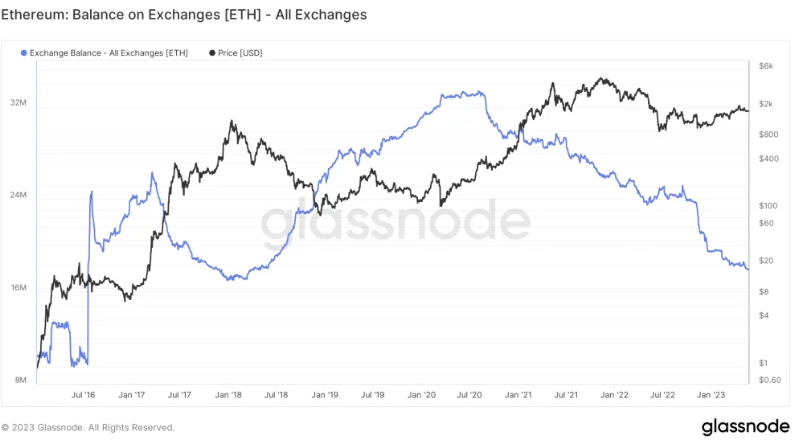
随着时间的推移交易所的ETH余额 |资料来源:Glassnode

提款一直超过存款,导致超过 15.9 亿的ETH从交易所转移。这一变化表明投资者希望从上行潜力中获益并积极参与以太坊生态系统,他们的前景更为长远。
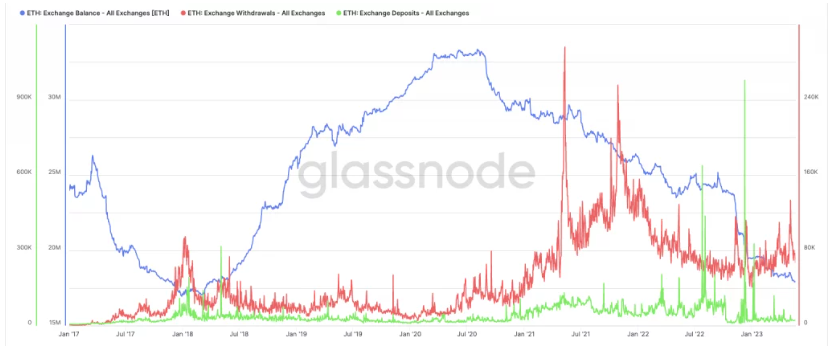
交易所(蓝色)、存款(绿色)和取款(红色)的ETH余额|资料来源:Glassnode

向 PoS 的过渡提供了可扩展性、安全性和可持续性的优势,这有助于减少交易所的ETH余额。当网络升级到以太坊 2.0 时,许多投资者选择将ETH存放在个人钱包中并参与 Staking。

ETH在交易所的下跌也反映了 DeFi 平台的日益普及,这些平台为用户提供基于以太坊区块链智能合约的各种金融服务。这种向去中心化解决方案的转变代表了以太坊生态系统的成熟特性。
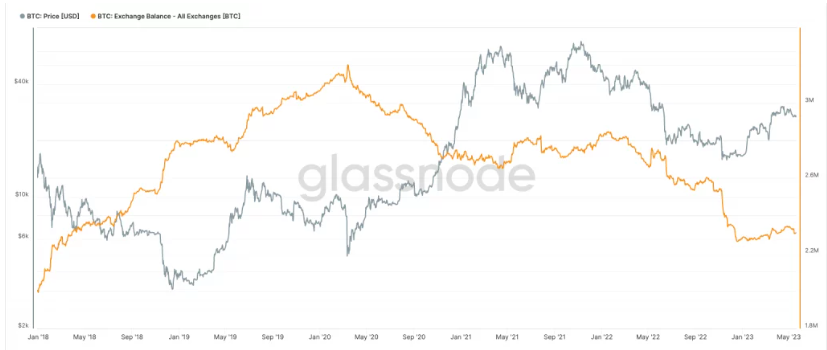
BTC交易余额随时间变化 |资料来源:Glassnode

虽然交易所ETH余额下降表明市场情绪乐观,但有必要承认加密市场固有的波动性。投资者在作出任何投资决定前应进行深入研究并寻求专业意见。

综上所述,综上所述,交易所持有的ETH数量处于历史低位表明人们对以太坊未来前景的信心不断增强。向去中心化解决方案的转变、PoS 的转变以及 DeFi 的日益普及都有助于人们对ETH的价值及其作为领先区块链平台的地位持乐观态度。


Похожее

CPU, Quietly Returning to the Center of the AI Computing Power Stage

Over the past three years, AI computing power narratives have been dominated by GPUs. However, starting in 2026, this story began to shift. While training large models remains GPU-intensive, the rapid growth of inference and AI agent workloads, which require high levels of task orchestration, concurrency, and data flow management, has highlighted a renewed critical role for CPUs. These are tasks GPUs are not designed to handle. Intel's recent launch of the Xeon 6+ processor, built on its Intel 18A process and featuring up to 288 efficiency cores (E-cores), exemplifies this strategic pivot. It is positioned not as a mere companion to GPUs but as the essential "control plane" for AI infrastructure, optimized for high-density, energy-efficient, and high-throughput workloads characteristic of AI agents and inference. This "CPU resurgence" is not about CPUs outperforming GPUs in raw computation. It reflects a systemic bottleneck: as AI scales from training single models to deploying countless intelligent agents, the demand for coordination and data handling surges. Major cloud providers are also developing their own high-density ARM-based server CPUs for similar workloads. However, Intel's success with this strategy faces significant challenges. Competition includes NVIDIA's integrated CPU-GPU solutions, the expanding adoption of cloud vendors' in-house ARM CPUs, and the crucial market test of Intel's 18A manufacturing process against rivals like TSMC's N2. In conclusion, CPUs are indeed reclaiming a central, though redefined, role in AI compute—managing the complex orchestration that enables massive-scale AI deployment. While the trend is clear, which company will ultimately lead this CPU resurgence remains an open question to be decided in the data centers of 2027 and beyond.

marsbit18 мин. назад

CPU, Quietly Returning to the Center of the AI Computing Power Stage

marsbit18 мин. назад

After Collaborating with 35+ DeFi Projects, Pink Brains Discovers the New 2026 KOL Marketing Rules

After collaborating with over 35 leading DeFi projects on marketing over three years, Pink Brains identifies a key shift for effective marketing in 2026: prioritizing the user journey over traditional campaign tactics. The most effective marketing mirrors how users actually behave—starting with discovery on social platforms like X (formerly Twitter), followed by data-driven verification on sites like DefiLlama, and finally, participation with small test funds. Success hinges on genuine, verifiable mechanisms, not just marketing hype. Current user interest centers on several key themes: new DeFi trends (RWA, perps, crypto x AI), meaningful airdrops requiring real contributions, real yield from protocol revenue, and tokens with value capture mechanisms directly tied to product usage. Case studies like Hyperliquid's HYPE (with its aggressive buyback program) and Venice's VVV (linking demand to AI compute) exemplify how strong tokenomics foster user retention. New trading venues like prediction markets, collectibles platforms, and GambleFi are also gaining traction, driven by verifiable activity. The article outlines common mistakes in DeFi KOL marketing, such as using creators unfamiliar with the product, generic messaging, or relying on a few top-tier KOLs. Instead, effective strategies align with different KOL types—educators, content creators, airdrop hunters, and niche experts—for various stages of the user journey. Ultimately, long-term user retention depends on a combination of a genuinely useful product, responsive support, community-aligned tokenomics, and strategic community building. The core takeaway is that sustainable growth stems from products whose value is validated by data and real-world utility, not just promotional efforts.

marsbit36 мин. назад

After Collaborating with 35+ DeFi Projects, Pink Brains Discovers the New 2026 KOL Marketing Rules

marsbit36 мин. назад

Торговля

Спот
Фьючерсы
活动图片