Ripple Vs. SWIFT Battle Heats Up With ‘Fax Machine Vs. Internet’ Comment Fanning The Flames

bitcoinistDipublikasikan tanggal 2025-10-07Terakhir diperbarui pada 2025-10-07

Abstrak

The decades-long rivalry between Ripple and SWIFT took a new turn this week after a bold comment from SWIFT’s Chief...

Trusted Editorial content, reviewed by leading industry experts and seasoned editors. Ad Disclosure

The decades-long rivalry between Ripple and SWIFT took a new turn this week after a bold comment from SWIFT’s Chief Innovation Officer, Tom Zschach, drew sharp reactions from the Ripple and XRP community. Zschach argued that calling a private token a “bridge currency” was like calling a fax machine ”the internet.” The remark set off heated debates among Ripple supporters, many of whom felt the analogy was either misguided or a thinly veiled jab at XRP’s role in global cross-border settlements

Ripple Community Fires Back At SWIFT’s “Fax Machine” Remarks

In a post on X social media, Zschach sparked controversy by dismissing the idea of private tokens serving as bridge currencies. His analogy of a fax machine and the internet ignited discussions across the Ripple community, adding that while private tokens can offer speed, they are only revolutionary in a world without WiFi.  

One Ripple supporter, known as 24HRSCRYPTO on X, countered Zschach’s analogy by flipping it back on SWIFT itself. They argued that SWIFT’s decades-old infrastructure resembled the fax machine while XRP represented the internet of value. 

Other community members pointed out that XRP is not a private token, but rather a publicly traded and openly accessible asset across the XRP Ledger, CEXs, and DEXs, highlighting its transparency compared to proprietary, bank-owned solutions. They also mocked Zschach for asking Grok what a private token was, suggesting it exposed a weak understanding of the subject and proved why SWIFT is slowly being replaced.  

The criticism of Zschach’s remarks went further when market analyst Crypto Sensei questioned why SWIFT had ignored blockchain technology for years if it truly lacked revolutionary value. He suggested that SWIFT’s recent experiments with digital assets only confirmed that blockchain was indeed a competitive force reshaping the global payments landscape. 

Ripple Dev Matt Hamilton also joined the discussion, emphasizing that public, permissionless tokens like XRP ultimately stand a better chance of adoption compared to private, closed systems that banks seek to control. The debates and discussions on X highlighted not just a clash of technologies, but a deeper battle between centralized legacy finance and decentralized open-source innovation. 

SWIFT’s Legacy Fees Face Scrutiny

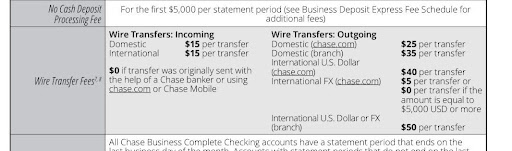
The controversy sparked by Zschach’s remarks did not stop there. In a detailed follow-up post, 24HRSCRYPTO exposed what they described as the hidden costs of the SWIFT system. Having worked within the industry, they revealed that sending a simple wire transfer could cost $17.50 from the sending bank and another $17.50 from the receiving bank, amounting to $35 in fees before the money is even moved. In some cases, if funds went missing, customers are charged an additional “investigation fee” just to trace their own transaction. 

According to the post, this fee-driven model highlighted how SWIFT’s profitability stemmed from friction rather than efficiency. Ripple, by contrast, seeks to eliminate that friction with near-instant settlement and transaction costs reduced to a fraction of a cent. 
Ripple
Source: Chart from 24HRSCRYPTO on X

24HRSCRYPTO went further, stating that banks are already adapting to the evolving financial landscape by shifting to digital assets rather than clinging to outdated infrastructure. While banks may lose billions in transfer fees, the argument suggested they could regain financial ground by accumulating XRP, the new power of the emerging financial system.

Ripple
XRP trading at $2.98 on the 1D chart | Source: XRPUSDT on Tradingview.com
Featured image from Getty Images, chart from Tradingview.com
Editorial Process for bitcoinist is centered on delivering thoroughly researched, accurate, and unbiased content. We uphold strict sourcing standards, and each page undergoes diligent review by our team of top technology experts and seasoned editors. This process ensures the integrity, relevance, and value of our content for our readers.

Scott Matherson is a leading crypto writer at Bitcoinist, who possesses a sharp analytical mind and a deep understanding of the digital currency landscape. Scott has earned a reputation for delivering thought-provoking and well-researched articles that resonate with both newcomers and seasoned crypto enthusiasts. Outside of his writing, Scott is passionate about promoting crypto literacy and often works to educate the public on the potential of blockchain.

Bacaan Terkait

Keduanya Menderita Kerugian Lebih dari 90 Miliar Dolar, Mana yang Lebih Berbahaya, Strategy atau Bitmine?

**Bitmine dan Strategy Rugi Miliaran Dolar, Siapa Lebih Berisiko?** Dalam pasar yang terus turun, dua raksasa perusahaan aset kripto berbasis perbendaharaan (DAT), Strategy dan Bitmine, menghadapi kerugian mengambang yang sangat besar. Saat ini, Strategy dilaporkan rugi sekitar 100 miliar dolar AS, sementara Bitmine sekitar 90 miliar dolar AS. Meski sama-sama rugi, tekanan keuangan keduanya berbeda. Bitmine terutama mendanai pembelian ETH melalui penerbitan saham, tanpa utang besar. Perusahaan ini masih memiliki cadangan tunai sekitar 446 juta dolar AS dan pendapatan dari staking ETH. Mereka juga berencana mengumpulkan 300 juta dolar AS lagi melalui penerbitan saham prioritas. Sebaliknya, Strategy membeli BTC dengan menggunakan utang besar, termasuk sekitar 6,7 miliar dolar AS dalam obligasi konversi. Perusahaan ini juga memiliki kewajiban membayar dividen saham prioritas (STRC) yang besar, sekitar 1,7 miliar dolar AS per tahun. Dengan cadangan tunai yang terbatas, Strategy menghadapi tekanan likuiditas yang signifikan jika harga BTC terus turun, berpotensi memaksa mereka menjual BTC untuk memenuhi kewajiban. Kesimpulannya, meski kedua perusahaan menghadapi tekanan pasar, **Strategy dianggap lebih berisiko karena struktur pendanaan berbasis utang dan kewajiban dividen yang memberatkan,** sementara Bitmine memiliki posisi keuangan yang lebih fleksibel.

marsbit4m yang lalu

Keduanya Menderita Kerugian Lebih dari 90 Miliar Dolar, Mana yang Lebih Berbahaya, Strategy atau Bitmine?

marsbit4m yang lalu

Berada di Dalam Cahaya, Memahami Rantai Industri Modul Optik dan CPO dalam Satu Artikel

**Berdiri di Dalam Cahaya: Memahami Industri Modul Optik dan CPO** AI yang berkembang pesat menciptakan permintaan besar akan pusat data, di mana hambatan utama bukan lagi daya komputasi, tetapi **transfer data**. Di sinilah modul optik, sang "penerjemah" yang mengubah sinyal listrik dari chip menjadi sinyal cahaya untuk ditransmisikan melalui serat optik, memainkan peran kunci. Namun, modul optik plug-and-play tradisional menghadapi batasan: **batas bandwidth, konsumsi daya tinggi, dan redaman sinyal**. CPO (Co-Packaged Optics) muncul sebagai solusi generasi berikutnya. Dengan mengintegrasikan "mesin optik" langsung ke dalam paket chip switch (ASIC), CPO **secara drastis mengurangi jarak, daya, dan latensi**. Beberapa teknologi terkait juga muncul: **NPO** (versi CPO yang lebih sederhana, populer di Tiongkok), **LPO** (modul plug-and-play tanpa DSP untuk hemat daya), **OIO** (integrasi lebih dalam dengan chip komputasi), dan **OCS** (switch optik murni). Rantai industri CPO kompleks dan melibatkan banyak pemain: * **Pendefinisi Arsitektur**: NVIDIA, Broadcom, Marvell (memegang kendali). * **Pengemasan & Manufaktur Canggih**: TSMC (kunci), ASE, Amkor. * **Laser ("Jantung" CPO)**: Lumentum, Coherent (EML); Source Photonics, Shijia Photon (CW - jalur dengan terobosan Tiongkok). * **Chip Silicon Photonics (Otak Mesin Optik)**: Intel, Cisco/Acacia; Accelink, Source Photonics. * **Komponen Koneksi Serat Optik (Pasar Baru)**: FAU, PMF, Fiber Shuffle, MPO. Corning (pemimpin global), Tianfu Communication (pemimpin domestik Tiongkok). * **Serat Optik & Kabel**: Corning, Yangtze Optical Fibre (pemimpin global). * **PCB/Substrat**: Shenghong Technology (pemasok kunci untuk NVIDIA). * **DSP & Chip SerDes**: Fungsinya diintegrasikan ke dalam ASIC pada era CPO. * **Produsen Modul Optik**: Beralih dari produsen modul ke pemasok mesin optik CPO (mis., Zhongji Innolight, Eoptolink). **Peta Waktu Investasi**: * **Jangka Pendek (2026-2027)**: Puncak permintaan modul plug-and-play 800G/1.6T + CPO mulai produksi skala. * **Menengah (2027-2029)**: CPO meluas, NPO memuncak di Tiongkok. * **Panjang (2029-2032+)**: CPO/OIO menembus skenario *scale-up*, menggantikan kabel tembaga. CPO bukan hanya tentang kecepatan, tetapi **efisiensi energi**. Masa depan infrastruktur AI akan dibangun di atas **sistem saraf optik** yang cepat dan hemat daya ini, menciptakan peluang besar di sepanjang rantai pasokannya.

marsbit17m yang lalu

Berada di Dalam Cahaya, Memahami Rantai Industri Modul Optik dan CPO dalam Satu Artikel

marsbit17m yang lalu

Trading

Spot
Futures
活动图片