TradFi in One Minute: What is TradFi?

marsbitPublished on 2026-07-18Last updated on 2026-07-18

Abstract

"TradFi in a Minute: What is TradFi?" provides an introductory explanation of TradFi, or Traditional Finance. It describes TradFi as the foundational system that drives the flow of funds and market operations. The article emphasizes that even the cryptocurrency (Crypto) market must operate within the rules established by this traditional financial framework. The content is presented alongside an introductory video, framing this as the first episode in a series called "TradFi 101" aimed at exploring the underlying logic of the traditional financial system.

Understanding the true meaning of TradFi: It is the underlying system that drives capital flow and market operation, and even the crypto market cannot escape its rules.

What is TradFi?

TradFi (Traditional Finance) is traditional finance. It is the underlying system that drives capital flow and market operation.

In the first episode of "TradFi 101," we will provide an in-depth analysis of the underlying logic of the traditional financial system and explain why even cryptocurrencies (Crypto) must follow its rules.

Trending Cryptos

Related Questions

QWhat does TradFi stand for?

ATradFi stands for Traditional Finance.

QAccording to the article, what is TradFi's fundamental role?

AIt is the underlying system that drives the flow of capital and the operation of markets.

QDoes the cryptocurrency market operate independently of TradFi's rules?

ANo, the article states that even the cryptocurrency (Crypto) market must follow the rules of TradFi.

QWhat does the article suggest the video 'TradFi 101' will explain?

AIt will deeply analyze the underlying logic of the traditional financial system and why cryptocurrencies must follow its rules.

QWhere is the introductory video for this article embedded from?

AThe video is embedded from Bilibili.

Related Reads

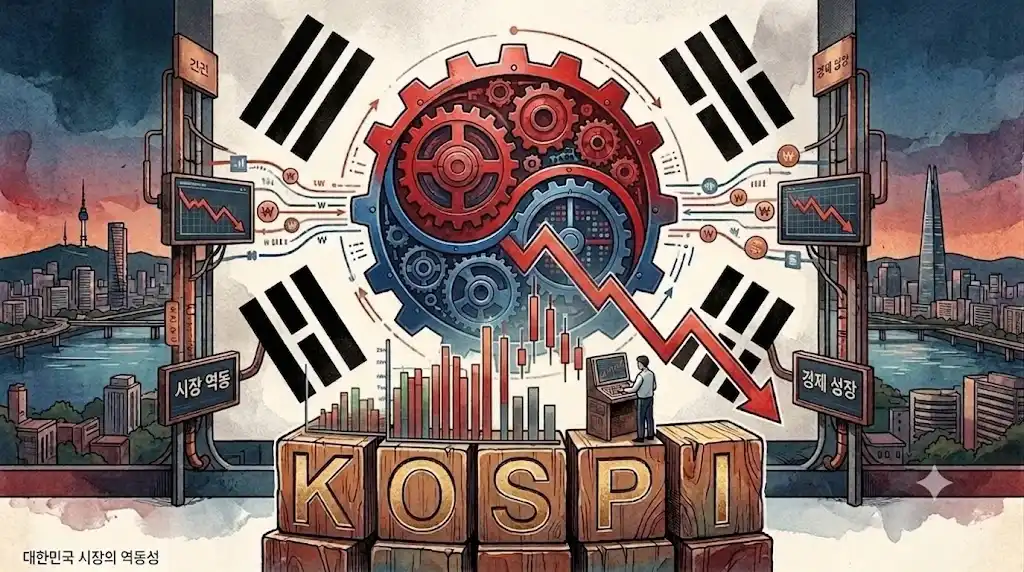
From the "National Fortune ETF" to "Bloody July": How to Defuse South Korea's Stock Market Leverage Crisis?

From "National Destiny ETF" to "Bloody July": How South Korea's Stock Market Leverage Crisis Unfolded In mid-July, South Korea's stock market experienced an epic "deleveraging" storm. Leveraged ETFs tied to semiconductor giants like Samsung and SK Hynix, once marketed as a shortcut to wealth, turned into financial shredders as market sentiment reversed. Over nine trading days, losses in popular leveraged ETFs exceeded 59.5 billion USD, with retail investors bearing 60% of the impact. Data shows散户 investors suffered losses of around 1.45 billion USD in a month. A severe wave of margin calls affected over 1.2 million accounts, leading to the complete liquidation of 460,000 accounts, 62% of which belonged to investors in their 20s and 30s. The crisis peaked around July 13th, with SK Hynix plunging over 15% and related 2x leveraged ETFs crashing 30%. The daily rebalancing mechanism within leveraged ETFs amplified the sell-off into a stampede. The situation was worsened by a credit crunch, as major banks neared their annual household lending caps, leaving散户 unable to borrow funds to meet margin calls. An unexpected 25-basis-point rate hike by the Bank of Korea on July 16th further intensified the panic. Facing mounting political pressure, President李在明 intervened. Financial authorities quickly announced seven stringent measures, including banning new sales of single-stock leveraged ETFs, raising investment thresholds, and strengthening risk warnings. The regulatory approach focused not on forcibly liquidating existing products but on restricting new inflows, aiming for a gradual market cool-down. However, risks persist, with over 235.5 billion USD in margin loan balances still outstanding in the market. The crisis served as a stark reminder of the dangers of excessive leverage, especially for retail investors, when speculative bubbles built on easy credit and complex products inevitably burst.

marsbit1h ago

From the "National Fortune ETF" to "Bloody July": How to Defuse South Korea's Stock Market Leverage Crisis?

marsbit1h ago

Trading

Spot

Hot Articles

How to Buy ONE

Welcome to HTX.com! We've made purchasing Harmony (ONE) simple and convenient. Follow our step-by-step guide to embark on your crypto journey.Step 1: Create Your HTX AccountUse your email or phone number to sign up for a free account on HTX. Experience a hassle-free registration journey and unlock all features.Get My AccountStep 2: Go to Buy Crypto and Choose Your Payment MethodCredit/Debit Card: Use your Visa or Mastercard to buy Harmony (ONE) instantly.Balance: Use funds from your HTX account balance to trade seamlessly.Third Parties: We've added popular payment methods such as Google Pay and Apple Pay to enhance convenience.P2P: Trade directly with other users on HTX.Over-the-Counter (OTC): We offer tailor-made services and competitive exchange rates for traders.Step 3: Store Your Harmony (ONE)After purchasing your Harmony (ONE), store it in your HTX account. Alternatively, you can send it elsewhere via blockchain transfer or use it to trade other cryptocurrencies.Step 4: Trade Harmony (ONE)Easily trade Harmony (ONE) on HTX's spot market. Simply access your account, select your trading pair, execute your trades, and monitor in real-time. We offer a user-friendly experience for both beginners and seasoned traders.

4.3k Total ViewsPublished 2024.03.29Updated 2026.06.02

How to Buy ONE

Discussions

Welcome to the HTX Community. Here, you can stay informed about the latest platform developments and gain access to professional market insights. Users' opinions on the price of ONE (ONE) are presented below.

活动图片