# Hawkish Related Articles

HTX News Center provides the latest articles and in-depth analysis on "Hawkish", covering market trends, project updates, tech developments, and regulatory policies in the crypto industry.

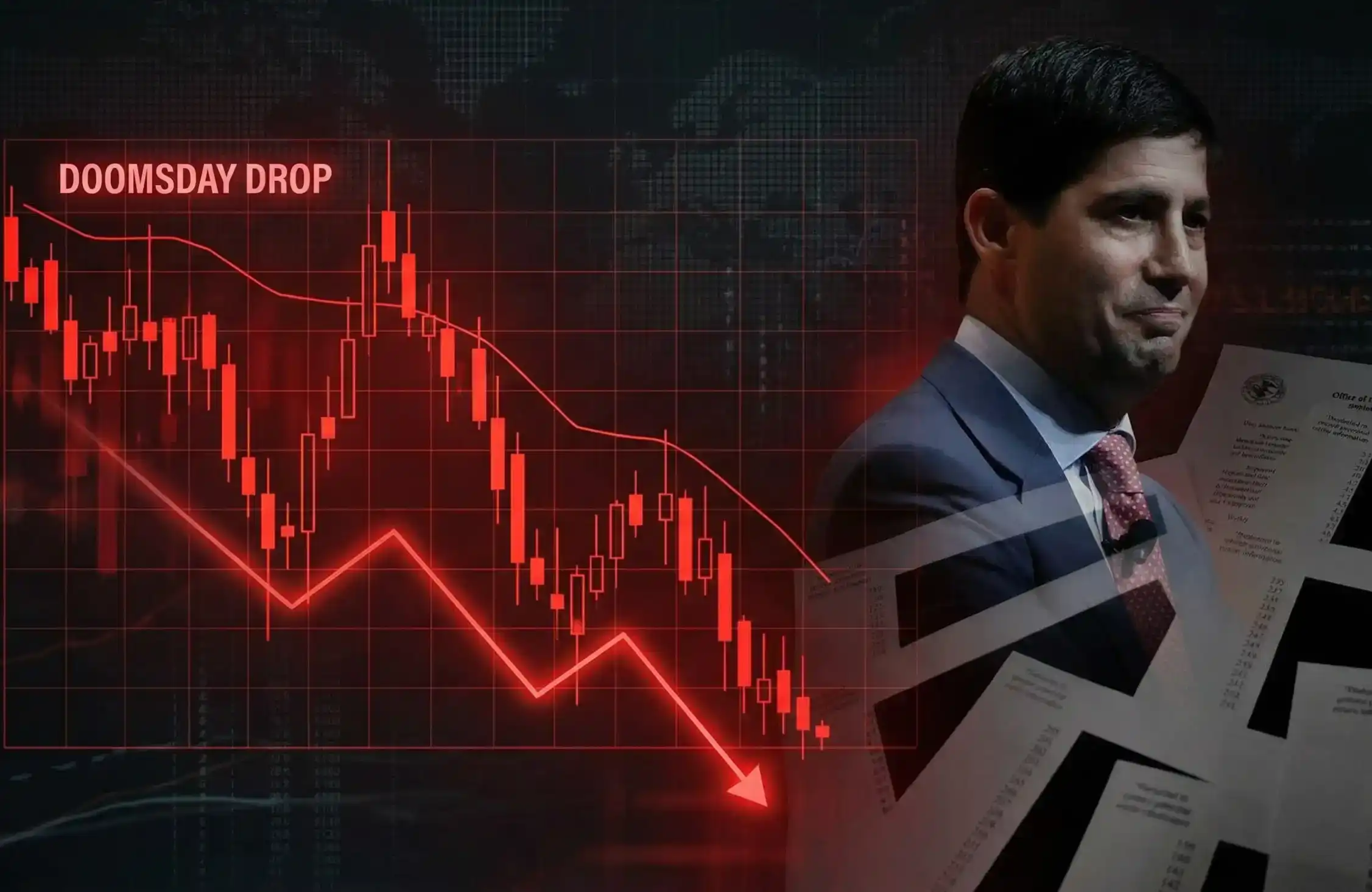
The Real Culprit Behind the Crypto Crash: The Warsh Effect

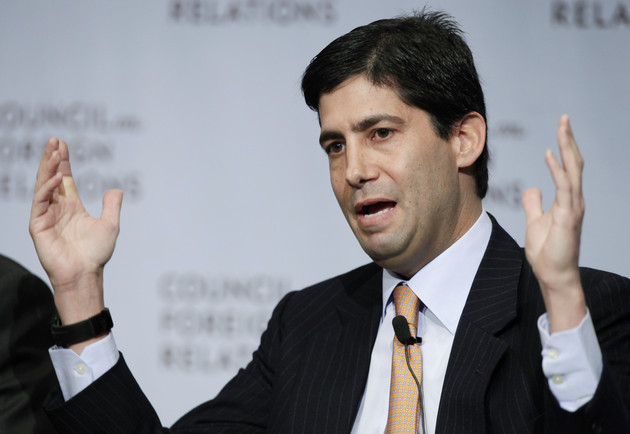
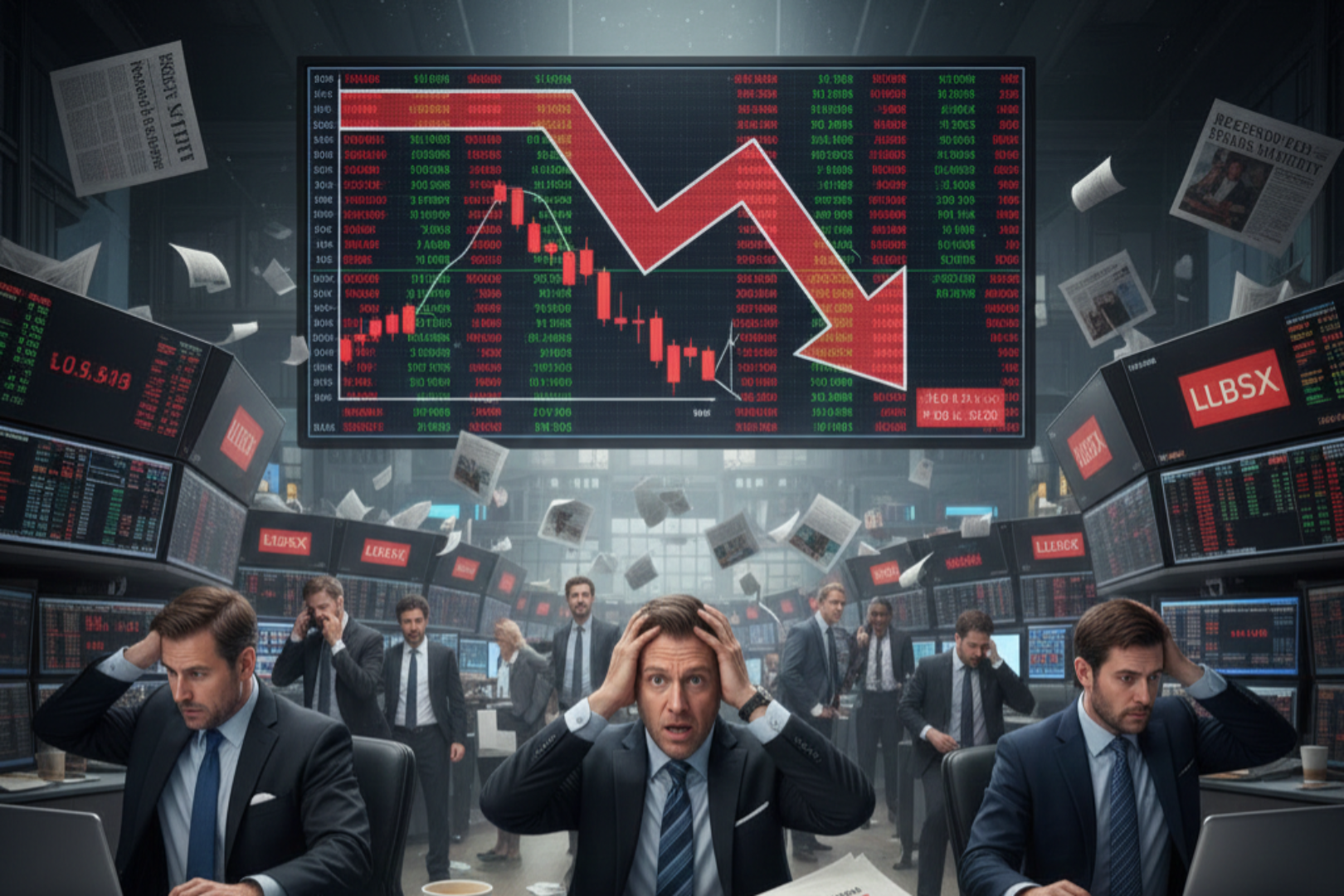
The cryptocurrency market crash, termed the "Warsh Effect," is attributed to former Federal Reserve Governor Kevin Warsh's potential nomination as the next chair. Following the announcement, Bitcoin fell to $78,214 (down 6.9% in 24 hours, 12.4% weekly), Ethereum to $2,415 (down 10.5% in 24 hours, 18.2% weekly), and other major altcoins like Solana also experienced significant double-digit losses. Warsh, known as a monetary policy hawk, has historically emphasized inflation vigilance and criticized post-2008 crisis stimulus measures. Markets reacted negatively due to expectations of tighter monetary policy, higher real interest rates, and reduced liquidity—conditions unfavorable for risk assets like crypto. This triggered over $1 billion in net outflows from US Bitcoin and Ethereum ETFs, initiating a cascade of liquidations that accelerated the sell-off. However, Warsh has also expressed constructive views on Bitcoin, calling it a valuable policy barometer and highlighting the US strategic interest in leading crypto development. His appointment requires Senate confirmation and, even if approved, he would only be one vote on the FOMC, which currently holds a cautious consensus on rate cuts. The market's reaction reflects a clash between the bearish narrative of tighter liquidity and a bullish perspective that considers Warsh's pro-innovation stance and political context. The key upcoming event is his Senate confirmation hearing, which will provide clearer signals on future monetary and regulatory policy.

Odaily星球日报02/01 11:13
The Real Culprit Behind the Crypto Crash: The Warsh Effect

Odaily星球日报02/01 11:13

The Eve of the Storm: Powell Holds Rates, Trump Announces New Fed Chair?

The Federal Reserve is widely expected to hold interest rates steady in its first policy decision of 2026, with markets pricing in a near-100% probability of no change. While this outcome is largely anticipated, the focus has shifted to future policy direction and the potential announcement of a new Fed Chair by former President Trump. Key uncertainties remain regarding the pace of potential rate cuts in 2026. Although the Fed began a rate-cutting cycle in late 2025 due to a softening labor market, persistent inflation at 2.8%—above the 2% target—has led to a more cautious stance. The composition of the voting members on the Federal Open Market Committee (FOMC) has also shifted, with two new "hawkish" regional bank presidents joining, which may influence future decisions. Chair Powell’s post-meeting remarks will be closely watched for signals on the duration of the pause and the likelihood of further easing. Simultaneously, Trump has indicated he may soon nominate a new Fed Chair, with candidates narrowed down to four individuals. Rick Rieder, BlackRock’s Global Chief Investment Officer of Fixed Income and a proponent of lower rates, is currently the betting favorite. Trump may choose to announce his nominee around the time of the FOMC meeting to shift market attention away from any potentially hawkish signals from Powell and instead emphasize a more dovish long-term outlook. The timing and choice of nominee could significantly influence market sentiment and expectations for monetary policy.

Odaily星球日报01/28 11:33

The Eve of the Storm: Powell Holds Rates, Trump Announces New Fed Chair?

Odaily星球日报01/28 11:33

活动图片