# EU Related Articles

HTX News Center provides the latest articles and in-depth analysis on "EU", covering market trends, project updates, tech developments, and regulatory policies in the crypto industry.

France Cracks Down Hard on Polymarket, 30 Countries Follow, Forcing EU to Redefine Prediction Markets

French gambling regulator ANJ has ordered nationwide ISP blocking of Polymarket, a crypto-based prediction market platform, escalating a four-year regulatory battle. ANJ classified it as illegal gambling rather than an unlicensed crypto exchange, focusing on consumer harm instead of financial market risks. This distinction carries significant legal implications and may influence other EU regulators. Despite a 2024 ban on financial transactions, Similarweb data showed over 205,000 unique French visitors in June 2026, prompting the site-blocking order. Investigations cite alleged weather data manipulation affecting contracts and a trader ("Fredi9999") suspected of manipulating odds for the 2024 US election. ANJ justifies the ban by highlighting the platform's lack of mandatory consumer protection features like betting limits and self-exclusion tools. Over 30 countries have restricted Polymarket. As the largest EU economy, France's move sets a potential precedent. Its classification conflicts with the EU's MiCA framework, which treats such markets as crypto assets. If adopted EU-wide, this could lead to blanket bans under gambling laws, diverging from the financial regulatory path taken by compliant platforms like US-based Kalshi. The effectiveness of France's block and the outcome of related legal cases will be closely watched by other EU members.

Foresight News07/21 09:31

France Cracks Down Hard on Polymarket, 30 Countries Follow, Forcing EU to Redefine Prediction Markets

Foresight News07/21 09:31

In the MiCA Era, Europe's New Cryptography Landscape: Why is Germany Taking Center Stage?

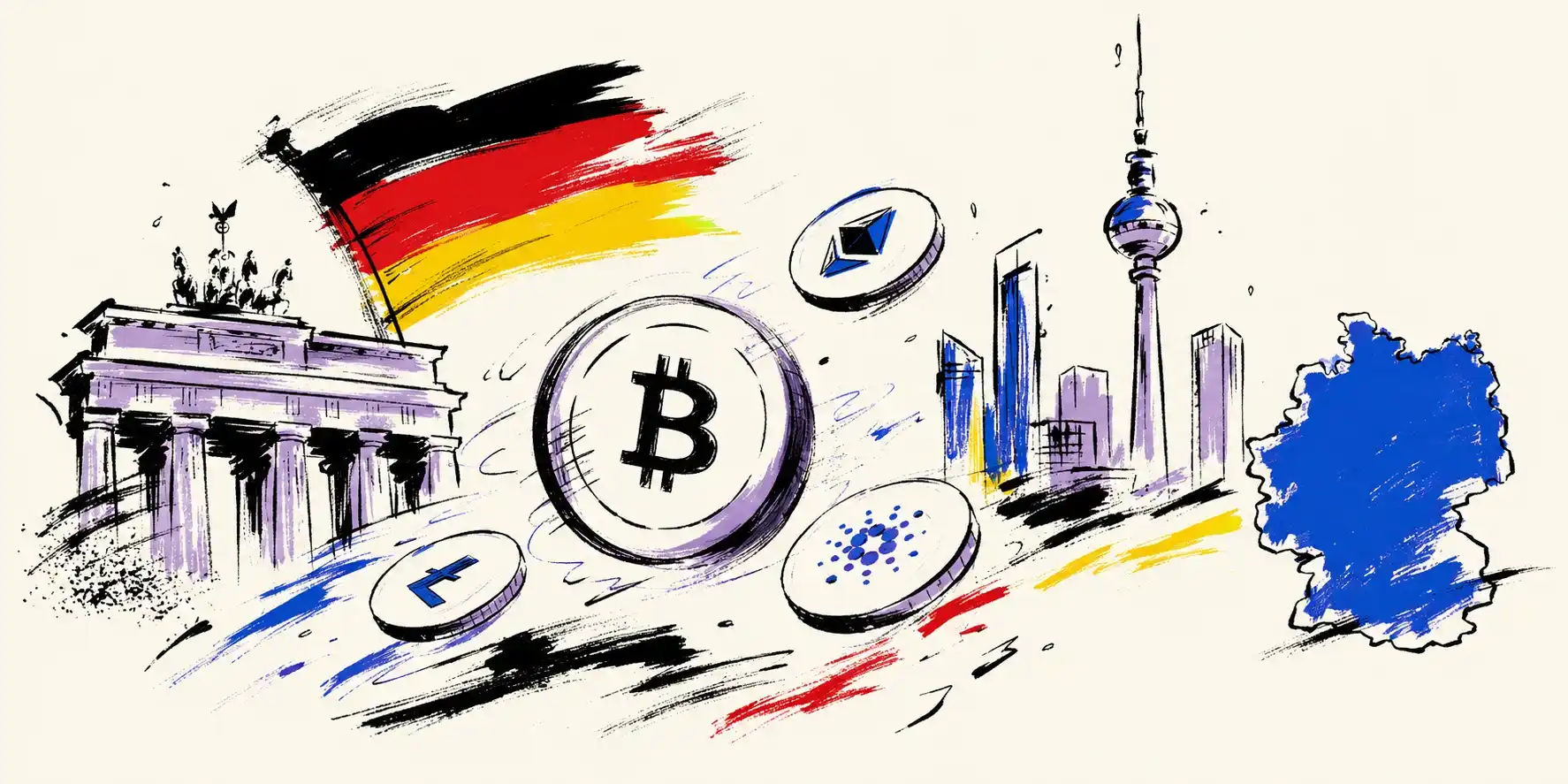
With MiCA's transitional arrangements concluding, Europe's crypto industry has undergone a regulatory consolidation. Post-MiCA, platforms must secure CASP authorization to operate compliantly within the EU. As of July 1st, only about 12% of crypto firms have received authorization, with Germany emerging as a key player, holding 57 authorizations (roughly 23% of the EU total). This positions Germany as a primary compliance gateway to the EU's unified market. Germany's advantage stems from its established, function-based regulatory framework, which integrated crypto activities into existing banking, securities, and payment systems pre-MiCA. This allowed a smoother transition and attracted both domestic platforms (like Bitcoin.de, BISON) and international ones (like Coinbase Germany). A distinctive trend is German banks becoming direct retail entry points for crypto services. Examples include DZ Bank integrating "meinKrypto" into its VR Banking App and the Sparkassen savings bank network planning to offer crypto trading via DekaBank. This mainstreams crypto access for ordinary users. Beyond trading, Germany is evolving into a digital asset infrastructure hub. Deutsche Börse Group's Clearstream is developing a next-generation platform for issuing, settling, and servicing both traditional and tokenized securities. Furthermore, German banks like DekaBank and DZ Bank are key participants in the Qivalis project, a European initiative for a regulated euro stablecoin, positioning Germany at the intersection of critical future capabilities like custody, settlement, and cross-border services.

marsbit07/09 07:00

In the MiCA Era, Europe's New Cryptography Landscape: Why is Germany Taking Center Stage?

marsbit07/09 07:00

活动图片