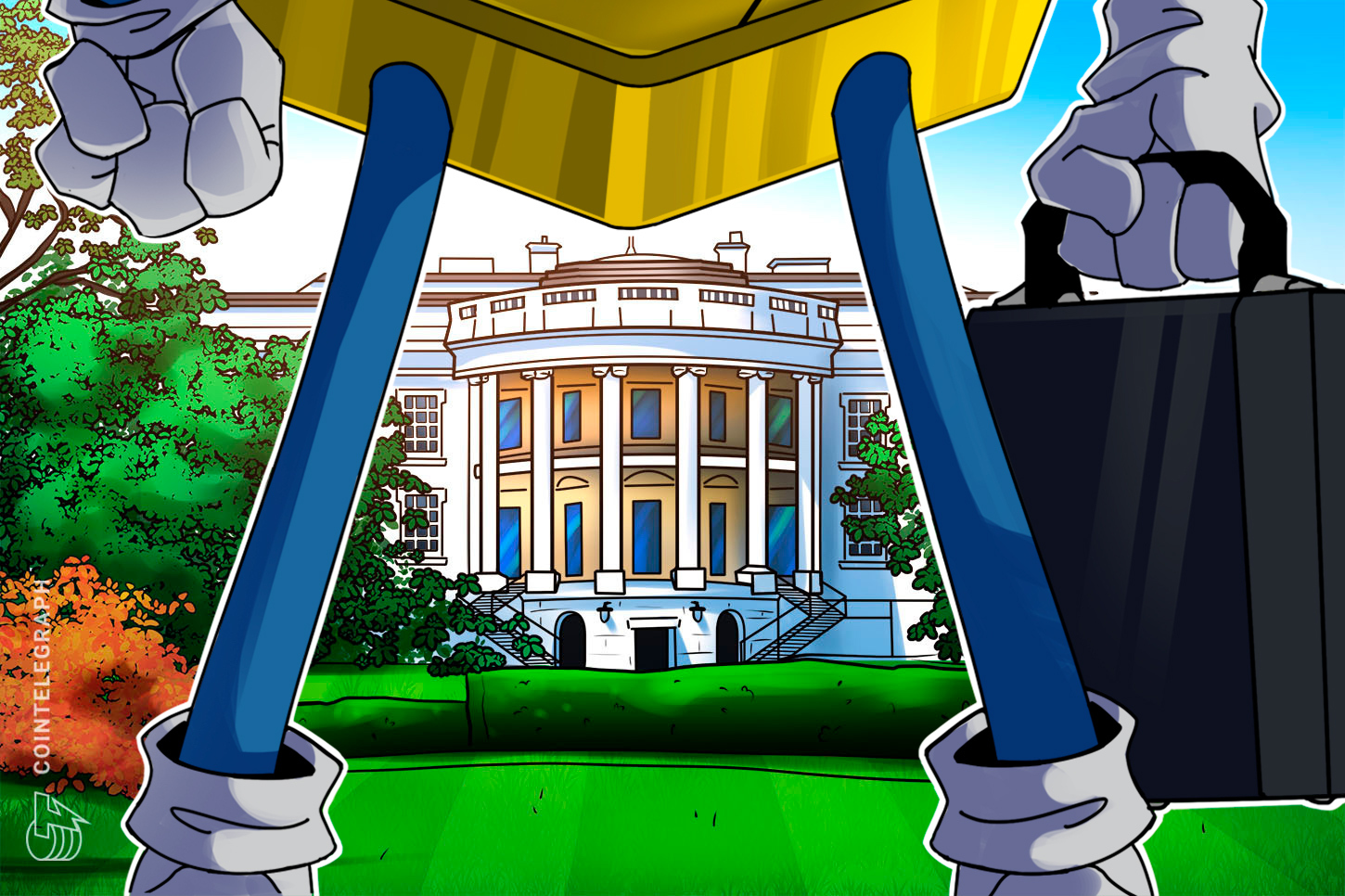
SEC Approves Tokenized Securities—DTCC To Establish Blockchain Standards

ccn.comPublicado a 2025-12-12Actualizado a 2025-12-12

Resumen

The U.S. Securities and Exchange Commission (SEC) has approved the DTCC to develop a securities tokenization program. Its subsidiary, the Depository Trust Company, will establish standards for recording ownership of stocks, ETFs, and Treasuries on blockchain. This initiative aims to launch a pilot program in the second half of 2026. As the core of U.S. financial infrastructure, the DTCC processes quadrillions in transactions annually and will now define objective technology standards for tokenization. While it won’t mandate a specific blockchain, it will maintain a list of approved networks that meet its criteria. This move is expected to shape the future of tokenized securities globally, including decisions on approved blockchains and token data inscription requirements.

The Securities and Exchange Commission (SEC) has granted the Depositary Trust and Clearing Company (DTCC) approval to develop a securities tokenization program.

The Depository Trust Company, a DTCC subsidiary, is now tasked with developing standards to record the ownership of stocks, ETFs, and Treasuries on the blockchain.

Tokenization at the Heart of U.S. Financial Infrastructure

Some of the first tokenized securities in the U.S. include money market funds like Franklin Templeton’s FOBXX and BlackRock’s BUIDL.

Although these are real, regulated products, they exist outside of DTCC clearing and settlement.

Up until now, blockchain-powered issuance and settlement have existed as parallel rails that remain subordinate to the core financial infrastructure.

With a no-action letter from the SEC, the DTCC will move forward with a pilot tokenization scheme expected to launch in the second half of 2026.

DTCC To Set Blockchain Standards

As the United States’ primary central securities depository, pretty much every transfer of U.S. equities, corporate bonds, or notes runs through the DTCC, which processed transactions worth $3 quadrillion in 2023.

When it sets standards, they have implications for capital markets around the world.

In other words, the future of securities tokenization—questions like which blockchains will be approved and what kind of information tokens must be inscribed with—now rests with the DTC.

Rather than prescribing a particular blockchain, the SEC has tasked the DTC with defining objective technology standards that platforms must meet.

In practice, however, the organization will maintain a list of approved blockchains that meet its criteria.

Participants in the tokenization pilot are expected to receive this list in the coming months.

Lecturas Relacionadas

VCs on 2025 Crypto Investments: 84% of 118 Tokens Break Issue Price, Only One Type of Company is Quietly Making Money

Crypto investor Ching Tseng categorizes the market into four quadrants based on two axes: crypto-native vs. traditional finance (TradFi)-oriented, and having traction vs. no traction. In 2025, 84.7% of 118 tracked token launches fell below their issuance price, with a median fully diluted valuation drop of 71%. Crypto-native projects without traction are experiencing massive capital destruction, often relying on speculative narratives without sustainable revenue or user retention. Crypto-native teams with traction, often built in prior cycles, generate real revenue but face structural challenges with their tokens lacking direct value capture mechanisms. While some have implemented successful buyback programs, the core issue remains finding growth beyond crypto volatility. TradFi-oriented startups without traction face long, costly enterprise sales cycles but benefit from a robust M&A environment, with crypto acquisitions reaching a record $8.6 billion in 2025. The current winners are TradFi-oriented companies with traction, particularly in the Real World Asset (RWA) tokenization space, which grew from $5.5B to $18.6B in 2025. They are winning through enterprise sales, building alliances, and improving unit economics on established compliance stacks. Their main risk is being bypassed by large incumbent institutions building their own infrastructure. The overarching theme is market maturation, where narrative alone is insufficient for long-term success.

marsbitHace 13 min(s)

VCs on 2025 Crypto Investments: 84% of 118 Tokens Break Issue Price, Only One Type of Company is Quietly Making Money

marsbitHace 13 min(s)

Trading

Spot
Futuros
活动图片