Recent On-Chain Review: No Clear Narrative Under U.S. Stock Market Pressure, Just Hype

marsbitPublished on 2026-06-12Last updated on 2026-06-12

Abstract

This article analyzes the current state of the Solana meme coin and community token ecosystem, highlighting a market caught between two dominant forces: attention-based PvP and a gradual return to community-centric projects. The first part explores the "Attention PvP" dynamic, where success is driven by celebrity endorsements, viral events, and speed. Examples include $JOTCHUA, which surged after its meme creator's social media activity, and $WORLDCUP, which outperformed a similar Base chain project ($PITCH) largely due to influencer support. The recent "pump.fun GO" feature, allowing bounty tasks for token promotion, is critiqued for fostering sensationalist and often negative stunts—like people getting token tickers tattooed on their bodies for rewards—reminiscent of old internet shock content. In contrast, the article points to a resurgence of organic, community-driven tokens that survive market volatility through strong holder bases and shared ideology, not just hype. Influencer Ansem is cited, arguing that durable meme coins rely on communities willing to endure losses and promote their core message daily. Examples given are older tokens like $neet (anti-work ethos), $troll, $buttcoin, and $triplet, which have maintained relative price stability. A prime example of this community-build model is the new project $KINS, the token for the browser-based MMORPG Kintara. Its success stems not from advanced graphics but from consistently delivering updates, fostering player t...

After the ETH mainnet gradually grew quiet, degens have returned to be active on Solana once again. Despite this, it's hard to say there is a clear main narrative for the activity on Solana. To summarize, it might be fitting to describe it as "oscillating between a return to community and attention PvP."

Attention PvP

Ever since Trump issued a token, the meme coin market has grown accustomed to the playbook of relying on celebrity endorsements, hot events, and competing on speed for a long time.

Everyone is used to it, so even with poor liquidity, people still follow this playbook to find opportunities, thus forming an inertia for this kind of strategy.

$JOTCHUA, a dog meme that became popular in Spanish and English-speaking circles in 2021. On January 24, 2021, Instagram user @_kingorange uploaded an inspirational poster featuring a crudely drawn dog picture with the text "JOTCHUA," which received over 29,000 likes within three months.
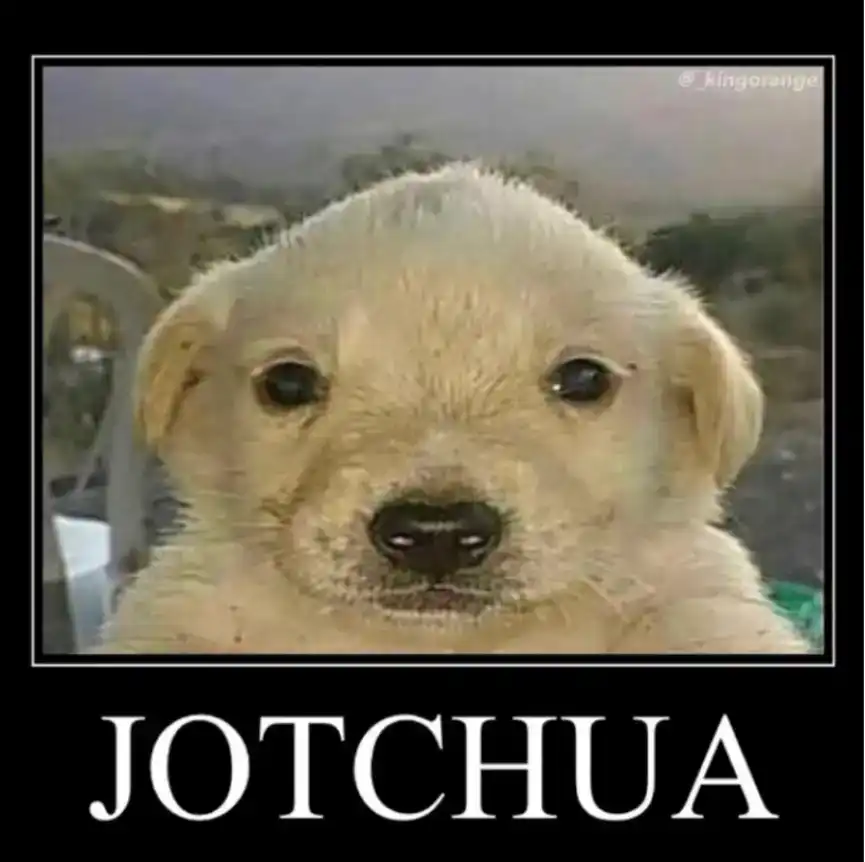
Its market cap once neared $9 million at its peak. The community has significant debates over whether this token is "organic," because its launch did not occur after the meme's creator @_kingorange claimed it, making it almost impossible to say the "claim" was the direct cause of the price surge.

Many players believe this token is another instance of "setting up a play," or attribute it to KOL Ansem sparking market speculation about his purchase being related to this token when he claimed on June 9th that he had returned to buying Solana meme coins for the first time in over a year.

The same concept, even the same ticker, but your coin just doesn't pump. $JOTCHUA on the ETH mainnet was deployed as early as December 2023, and has had consistent content and community, but it couldn't compete with getting the creator to click a few buttons and claim it.

A similar situation happened with the World Cup concept. $WORLDCUP on Solana, due to bonkguy's purchase and detailed analysis, saw its market cap surge from around $5 million to once break $12 million. Meanwhile, the World Cup concept project $PITCH on Base had fallen from a peak market cap of about $7 million to nearly $700,000.

Although $PITCH indeed has its own issues, mainly on the communication front. The project is not inactive, it keeps updating, but the dev rarely speaks up, and their X (Twitter) account got repeatedly suspended and still hasn't sorted out a new one. But admittedly, without any endorsements, similar concepts and playstyles lose out in the battle for attention.

The recent new feature from pump.fun, pump.fun GO, allows anyone to post paid bounty tasks on pump.fun.

This did attract mainstream media attention, but unfortunately, once again in a negative light reaching the masses.

$Bountywork, this token's market cap once approached $2.5 million at its peak. Its dev @ayushquantt's strategy is to continuously post new tasks on pump.fun, creating hype for this token.

He certainly succeeded—by offering a bounty of 40 SOL to have someone tattoo $bountywork on their forehead.

An Indian man actually got it tattooed, and strictly followed a typo the dev made in the description—missing an 'n', incorrectly writing the ticker as $boutywork.
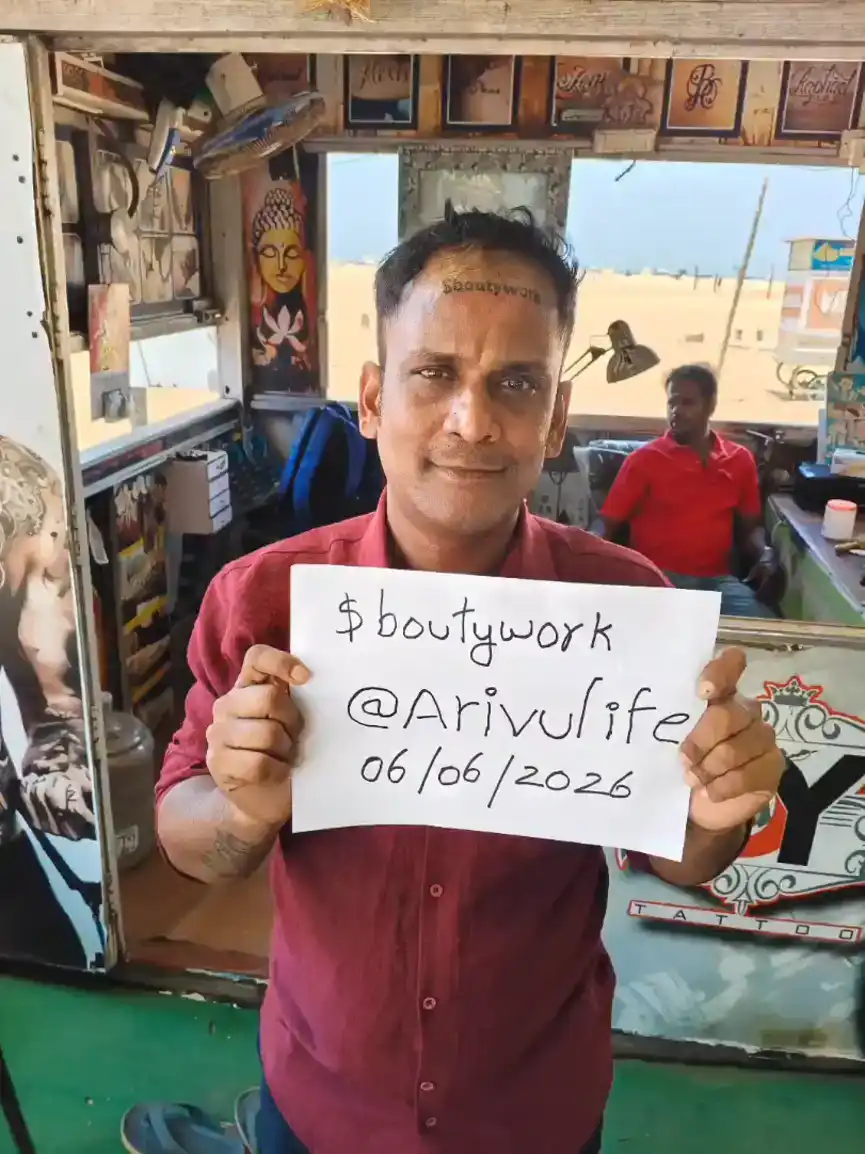
Initially, his bounty application was rejected because the tattoo was missing the letter 'n', and the dev demanded he correct the tattoo. Then, someone launched a new token using the incorrect tattoo as the ticker, $boutywork.

Finally, the 40 SOL bounty reward was still given to him, and the creator revenue from the new token was also given to him, earning him a total of about $48,000.

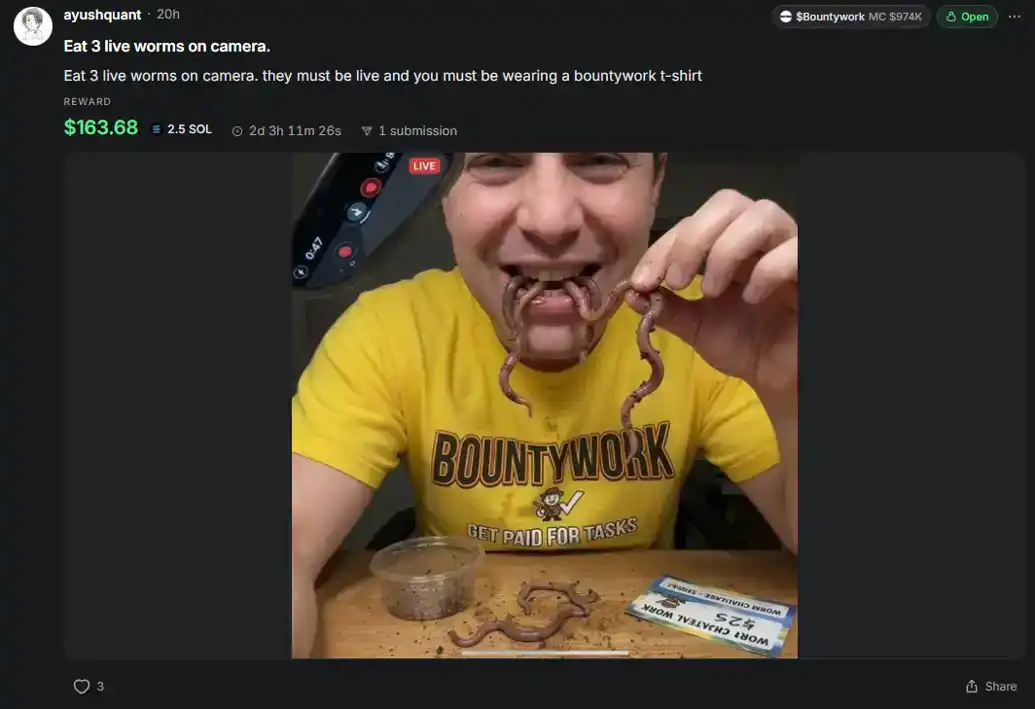
Then, as the hype faded, $boutywork has essentially gone to zero. The dev of $Bountywork is still continuously posting new bounties trying to replicate this "success," for example, having someone eat 3 insects on camera while wearing a $Bountywork t-shirt.
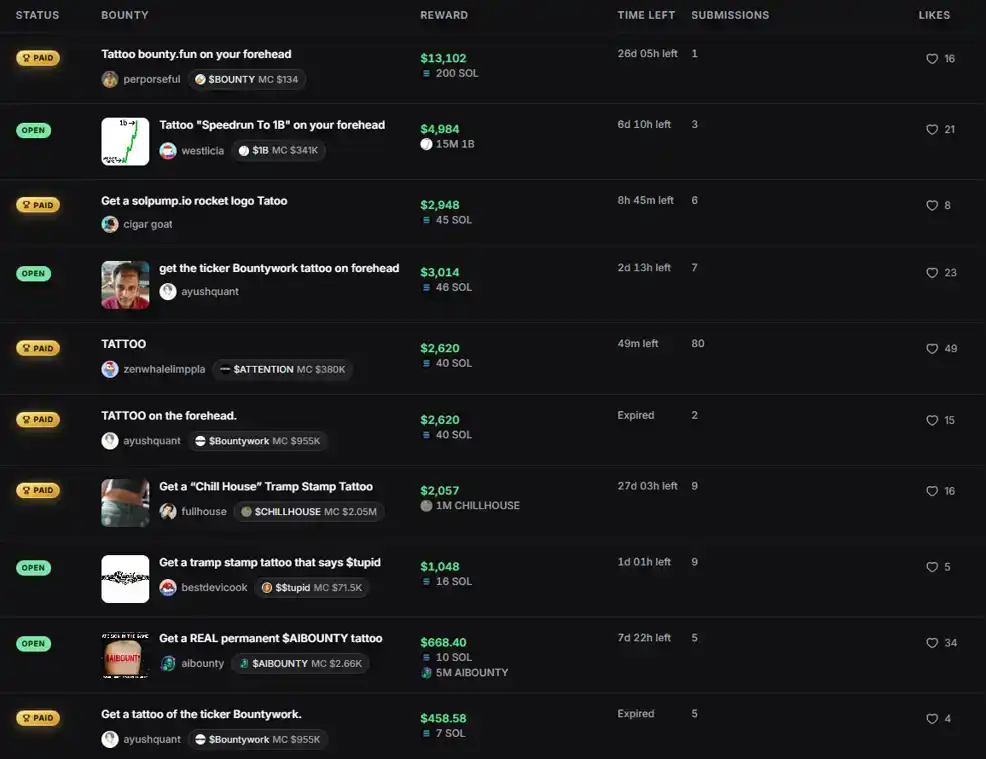
There are quite a few tattoo-related tasks on pump.fun; some have received up to 200 SOL in return for tattooing their own face.
Honestly, this isn't much different from the days when big brothers on Kuaishou tipped people to eat raw eggs or gulp down white liquor...

The Return of Community

Let's continue the discussion around pump.fun's new feature. Almost all bounty tasks are related to generating attention-hype for specific tokens. The only one not treated as a joke might be this bounty task for $neet—organizing a gathering in New York for people who resist work.
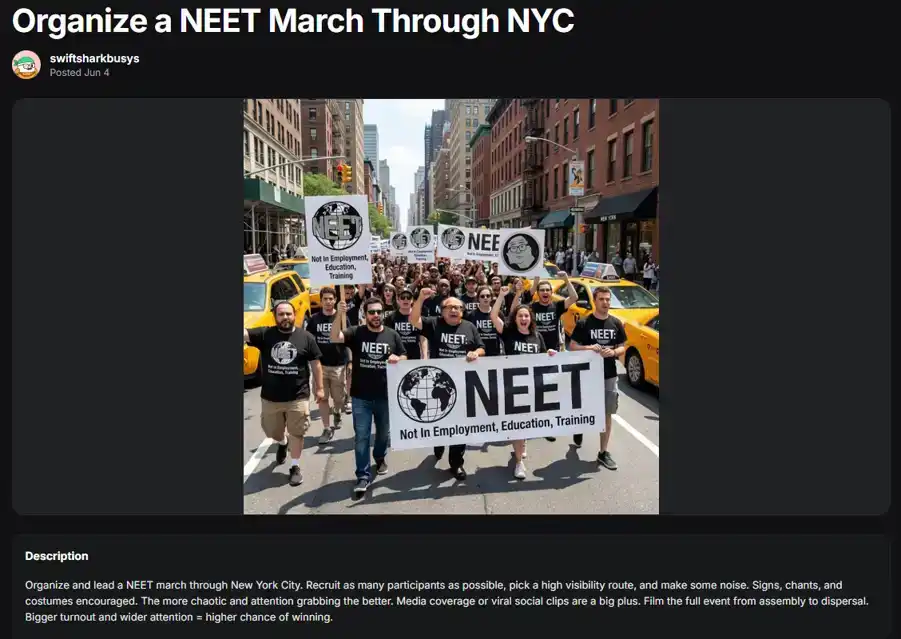
The reward for this bounty is paid in $neet, equivalent to over $15,000. The $neet community has previously self-organized 2 offline "anti-work gatherings" in the US; if this bounty is completed, it will be the 3rd.

Although it's unclear what pump.fun's intention is in supporting community-type meme coins, their official Twitter always features promotions for such community tokens. Although the performance of these tokens varies—for instance, $chillhouse's price has been sluggish for a while—the ones pump.fun officially picks out are generally quite community-driven and organic.

Currently, those with relatively stable visibility and price performance, besides $neet, include $troll, $buttcoin, and $triplet. A brief introduction to the survival status and themes of these community-type tokens:

- $neet: Deployed 410 days ago, peak market cap ~$51 million, current market cap ~$27 million. The community's mission is to make more people realize that dedicating most of one's life to work means losing one's own life.

- $troll: Deployed 416 days ago, holds the copyright to the classic meme Troll, listed on Coinbase. Peak market cap ~$290 million, current market cap ~$65 million.

- $triplet: Deployed 107 days ago, an abbreviation for "Tung Tung Tung Sahur," the hottest breakout character from last year's viral "Italian Classic of Mountains and Seas." Peak market cap ~$13.6 million, current market cap ~$6.6 million.

- $buttcoin: Deployed 153 days ago, originated from a 2011 joke on the Bitcoin forum, a pun on Bitcoin as "Buttcoin" (Butt coin). Peak market cap ~$68.6 million, current market cap ~$27 million.

Mentioning these tokens and the return of community-type coins brings us back to Ansem. After he mentioned returning to buy Solana memes, someone told him to just post the CA (contract address), and if he did, they would aggressively buy 1% to add to their position.
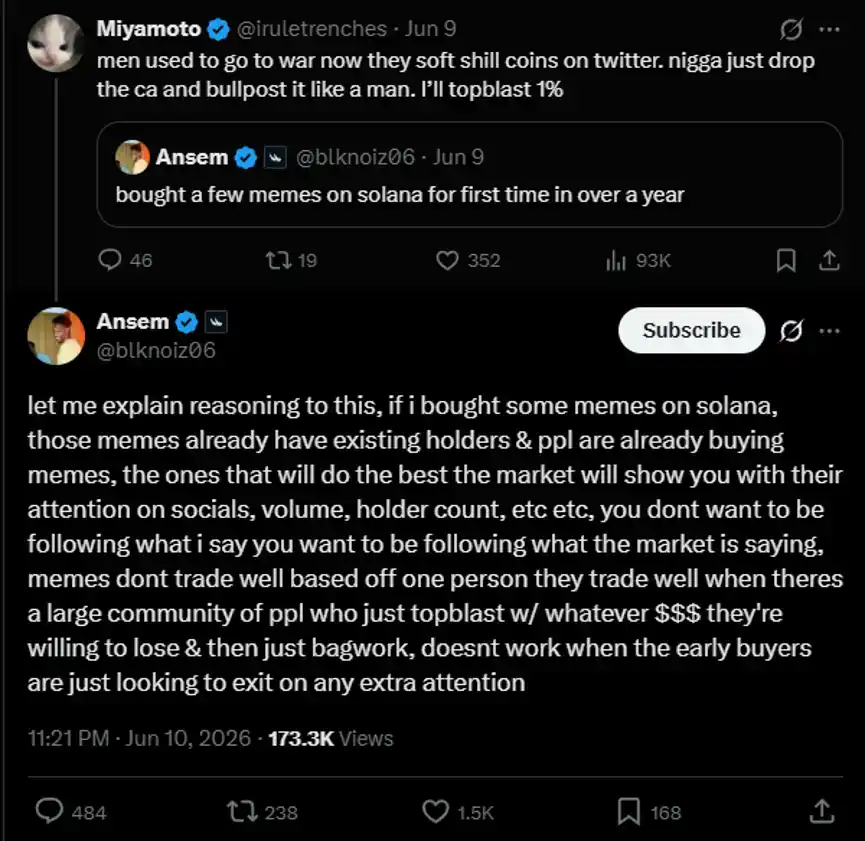
Ansem's response sparked much discussion:

"Let me explain why I don't post CAs. If I buy some Solana meme coins, and these coins already have good holders, the market will tell you which ones are good through social media performance, trading volume, holder count, etc. You shouldn't listen to me, but to the market. Meme coins relying on a group of holders who just compete on speed, wait for endorsements to dump, won't be good. Only tokens with a large community, where people within the community are willing to endure losses and promote their beliefs day after day, will succeed. Tokens dependent on a single celebrity won't do well."

Besides the older tokens mentioned above that have survived long and maintained relatively stable prices, there are indeed new tokens emerging that align with Ansem's view, such as $KINS.

$KINS is the token for Kintara, which is a blockchain game. Interestingly, Kintara hasn't led the Solana gaming sector because its rise wasn't due to the game's polish, but rather its step-by-step actions to earn community trust.

A brief introduction to $KINS' mechanism. This is an MMORPG playable in a browser; to play, your wallet needs 1,000 $KINS. Once in, you can chop wood, mine, fish, buy houses, fight monsters and bosses, and PvP.
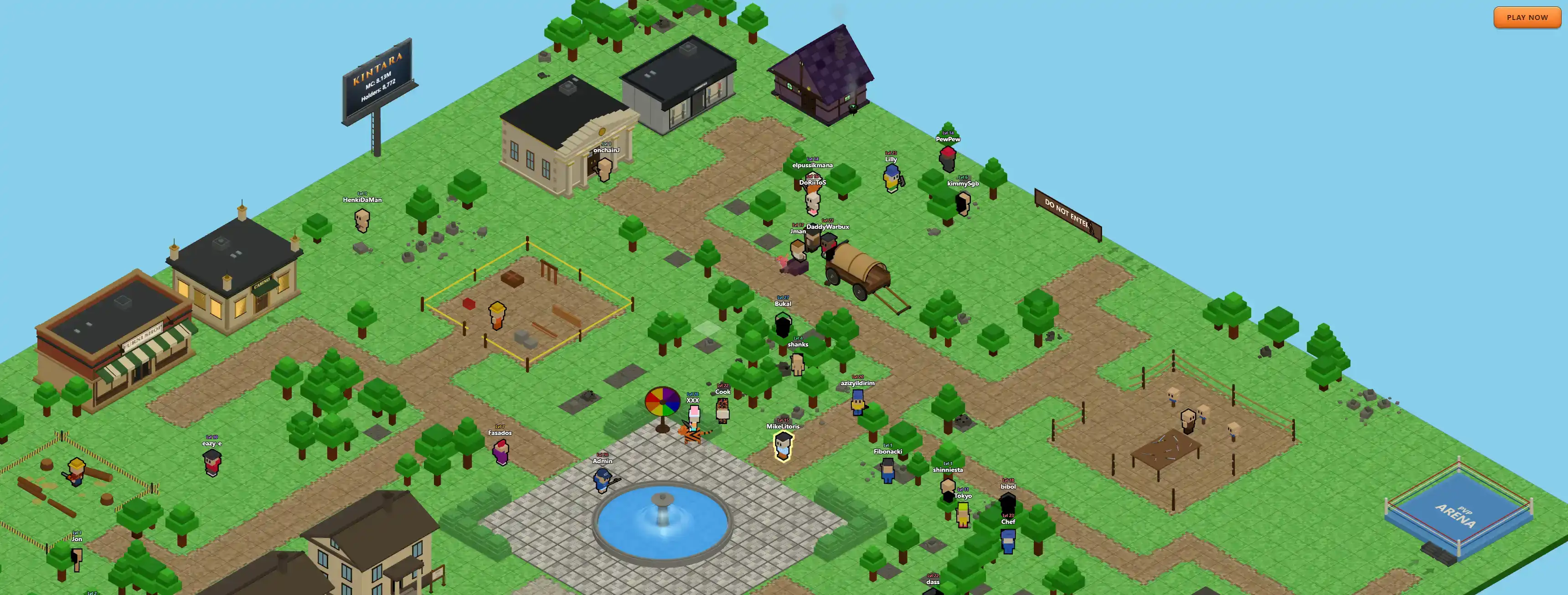
The game has no other pay-to-win options, only a reward wheel. If players don't want to spin only once a day, they can spend $3 worth of $KINS to continue spinning. 50% of this revenue is used for token buyback and burn, 50% for project maintenance and development.

The core gameplay loop is roughly: gather resources -> craft items -> challenge tougher monsters. If players lack resources, they need to use the in-game currency "Gold" to buy from other players. Players can sell "Gold" in the game priced in $KINS, with 5% going to the treasury and 95% to the player.

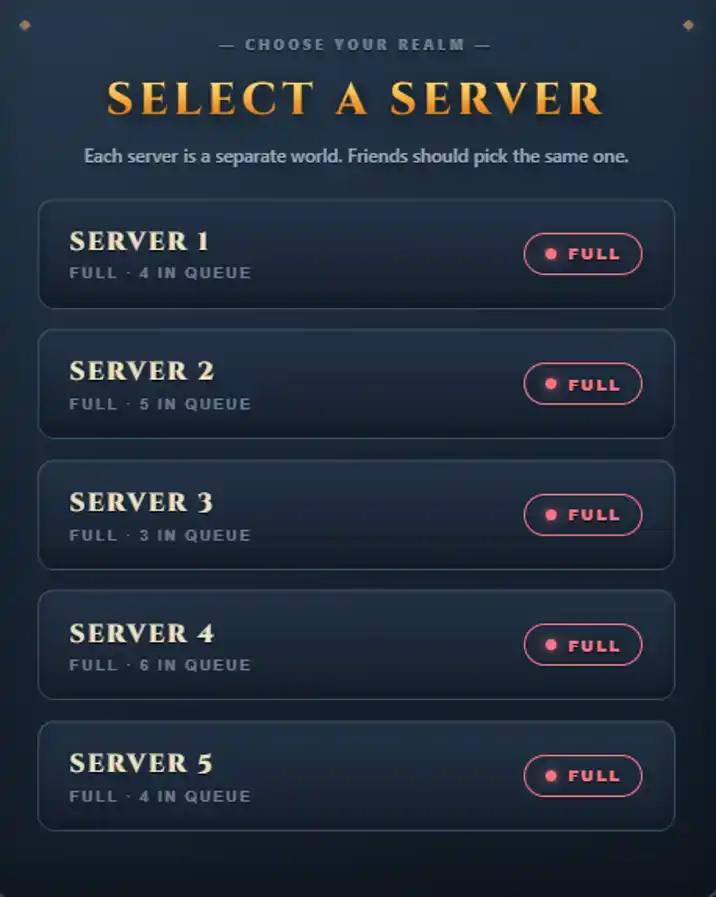
It sounds fairly ordinary, and the data isn't particularly impressive either (so far, 0.5% of $KINS has been repurchased), but the project's consistent delivery has built solid trust. Perhaps because the market is so disheartening, many players have genuinely gotten into it. The number of people fishing in the game daily is increasing. The project has expanded to 5 servers, but there's still a queue...
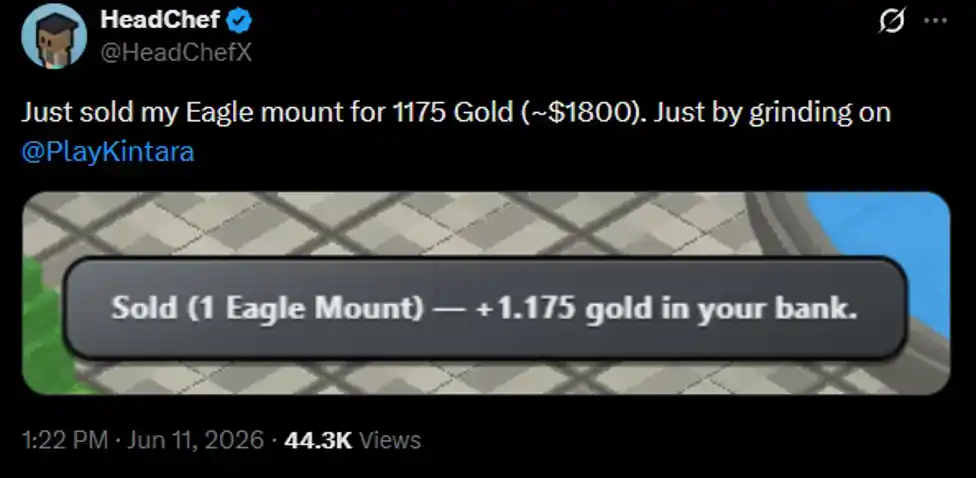
A player successfully sold a rare mount obtained from fishing and earned $1,800:
The project team of this game almost "doesn't promote play-to-earn," instead focusing heavily on "how to build network effects and a sense of player belonging." For example, integrating various Solana community meme coins or newly hot tokens into game elements, such as auctioning mansions in the game.

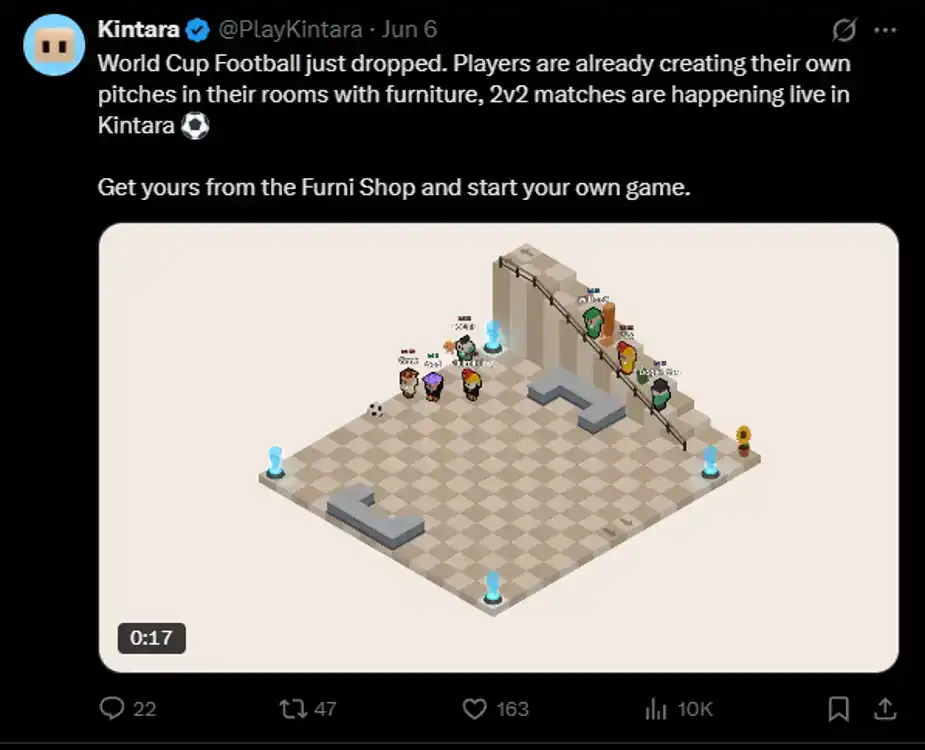
Or, promoting people organizing World Cup football matches in their houses:
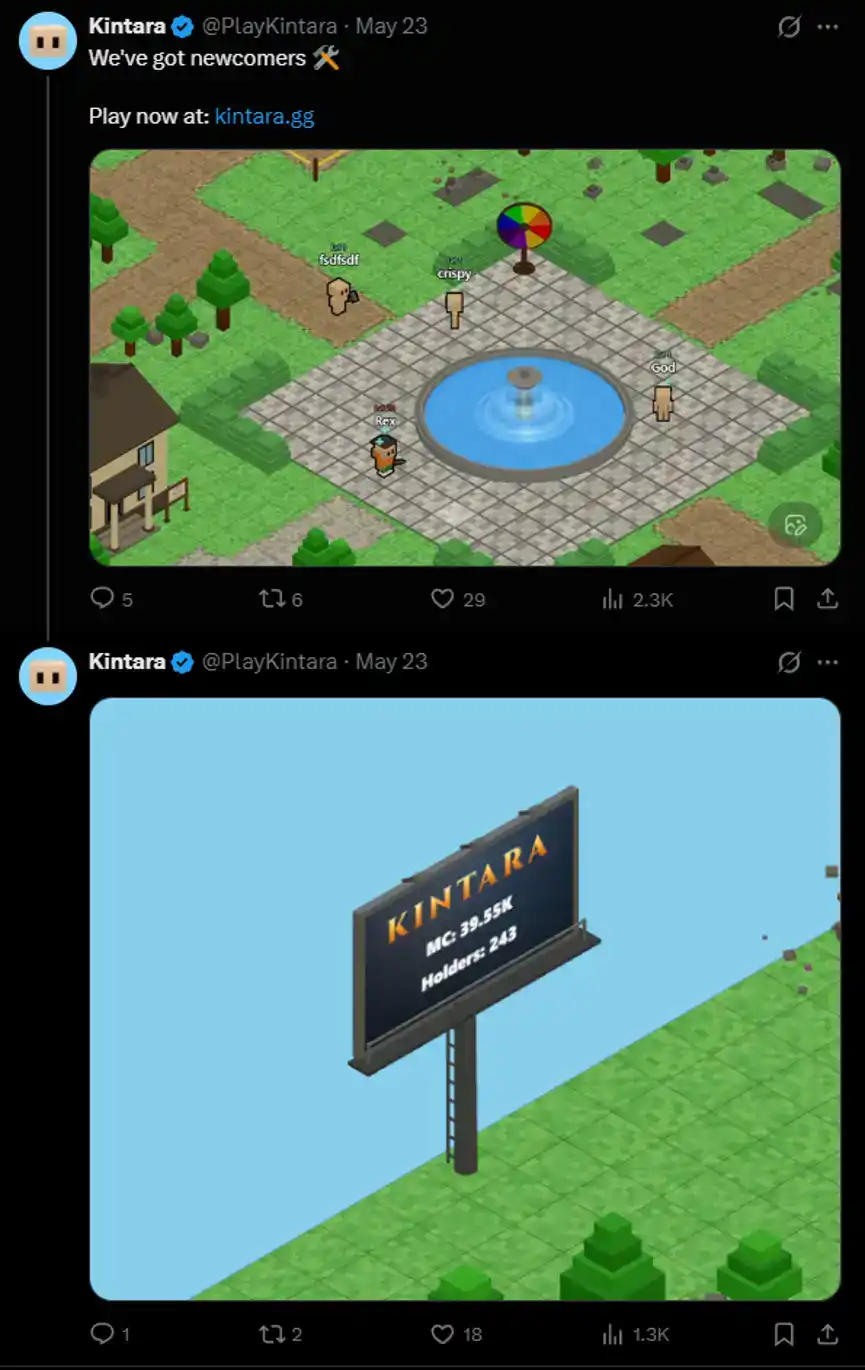
When it was still obscure, with less than $40,000 market cap and 243 holders, this early phase of "unheard of and unknown" was written on the stats board in the game's main map. Everyone watched Kintara persistently and rapidly update game content, slowly gaining people's trust, gradually attracting KOLs like Gake and Ansem to become part of the game as players.
So no one calls this kind of project a "set-up play."

"What are we constantly chasing after all along? A game of mutual trust, or a game of mutual deception?"

This is a recent question Zhàn Háo has been asking himself.

Hopefully, such questioning can persist and ultimately lead to a healthier market.

Related Questions

QWhat are the two main competing themes or approaches observed in the current Solana meme coin market, according to the article?

AThe two main competing themes are 'Attention PvP' and the 'Return of the Community'. Attention PvP relies on quick, hype-driven plays involving celebrity endorsements, hot events, and speed-based speculation. The Return of the Community focuses on meme coins with organic, long-term communities built around a shared culture or purpose, where members are willing to endure price fluctuations and consistently promote their project's ideals.

QHow did the $JOTCHUA meme coin benefit from the 'Attention PvP' dynamic, and what controversy surrounded its success?

AThe $JOTCHUA coin gained attention and its price surged largely after the meme's creator, @_kingorange, 'claimed' the coin on social media. However, its success is controversial because the coin's launch and initial pump did not happen after the creator's claim. Many believe the surge was due to market speculation triggered by KOL Ansem announcing his return to buying Solana meme coins, suggesting it was another 'pump group' setup rather than an organic community-driven event.

QWhat is the core mission of the $neet community, and how does it distinguish itself from typical 'Attention PvP' coins?

AThe core mission of the $neet community is to promote the idea that dedicating most of one's life to work means losing one's own life. It distinguishes itself from 'Attention PvP' coins by being a long-term, community-driven project. The community has organically organized offline 'anti-work' gatherings in the U.S. and focuses on a shared cultural belief rather than relying on short-term hype or celebrity endorsements for price action.

QAccording to Ansem's statement quoted in the article, what are the key characteristics of a successful meme coin that does not rely on a single influencer?

AAccording to Ansem, a successful meme coin that doesn't rely on a single influencer should have a large, genuine community. Members of this community should be willing to endure losses and consistently promote the project's underlying philosophy or culture day after day. Success should be indicated by market data like social media activity, trading volume, and holder count, not by the endorsement of any single key opinion leader (KOL).

QHow did the project behind the $KINS token (Kintara) build trust and a sustainable community, as described in the article?

AThe Kintara project ($KINS) built trust and a sustainable community through consistent delivery and focusing on player engagement rather than financial speculation. Key strategies included: rapidly updating game content, integrating other community meme coins into the game, organizing in-game community events (like house auctions and soccer tournaments), and having a transparent tokenomics model where 50% of optional spin revenue is used for token buyback/burns. This approach fostered a sense of belonging and network effect, attracting genuine players and even respected KOLs who became part of the community.

Related Reads

The Foundation of SpaceX's Trillion-Dollar Valuation: Who is Dividing Up Musk's Annual Tens of Billions in Capital Expenditure?

SpaceX's trillion-dollar valuation is built on its three core businesses: Starlink (profitable, 60% of revenue), rockets (driving down launch costs), and AI (a major investment area). This creates a financial cycle: Starlink funds rocket development, which enables low-cost launches for AI hardware, generating future revenue. This cycle fuels annual capital expenditures of tens of billions, flowing to a vast supply chain. Suppliers are categorized by their replaceability. The first group includes irreplaceable players like NVIDIA (GPU/CUDA ecosystem), Eutelsat (critical radio spectrum), Filtronic (specialized amplifiers), Materion (strategic beryllium), and STMicroelectronics (antenna chips). The second group consists of hard-to-replace suppliers due to high switching costs, such as Honeywell (flight control), Carpenter Technology (specialty alloys), Hexcel (carbon fiber), Broadcom (data exchange), and Linde (industrial gases). The third group comprises high-volume, cost-critical suppliers for mass-produced items like Starlink terminals. Key names include Wistron NeWeb (primary manufacturer) and several A-share companies like Shenzhen Sunway (connectors), Pies New Materials (forgings), Western Superconducting (alloys), and Yingliu (castings). Other niche players include Trimble (timing), Astronics (power distribution), and CTS (thermal management). The article argues that investing in these suppliers, rather than SpaceX stock directly, offers an alternative opportunity. The rationale is threefold: procurement is just beginning to scale, SpaceX's IPO brings new transparency to its supply chain, and the situation mirrors early stages of past "super terminal" ecosystems like Apple or Tesla. While risks exist (commodity cycles, geopolitical factors, technology shifts), the core thesis is that SpaceX's massive, ongoing procurement will translate into reliable revenue for its key suppliers, regardless of its own stock price volatility.

marsbit9m ago

The Foundation of SpaceX's Trillion-Dollar Valuation: Who is Dividing Up Musk's Annual Tens of Billions in Capital Expenditure?

marsbit9m ago

SpaceX's Trillion-Dollar Valuation Base: Who's Sharing in Musk's Annual Tens of Billions in Capital Expenditure?

**Title: The Foundation of SpaceX's Trillion-Dollar Valuation: Who Benefits from Musk's Annual $100 Billion Capital Expenditure?** This article argues that investors seeking to benefit from SpaceX's growth might find greater opportunities in its supply chain rather than directly investing in the company itself, drawing parallels to historical successes with Apple, Tesla, and NVIDIA suppliers. **SpaceX's Business Model & Cash Flow:** SpaceX generates revenue from three main areas: 1. **Starlink:** Its profitable core, earning $11.3B in 2023 (60% of revenue), funding other ventures. 2. **Rockets (Falcon/Starship):** Requires $3B+ in annual R&D but achieves the world's lowest launch costs. 3. **AI:** Currently unprofitable (-$6B+ in 2023), investing heavily in ground-based supercomputers (220,000 GPUs) and future orbital data centers. The cycle is: Starlink profits → fund cheaper rockets → low-cost launches deploy AI hardware → AI compute rentals generate future revenue. This cycle drives annual procurement spending of tens of billions of dollars. **The Supply Chain Beneficiaries:** Suppliers are categorized by their replaceability: **1. Nearly Irreplaceable (High Barriers to Entry):** * **NVIDIA:** Powers the Colossus supercomputer; its CUDA ecosystem creates immense switching costs. * **Eutelsat (SATS):** Controls critical radio spectrum for satellite communications; holds a ~3% stake in SpaceX. * **Filtronic (FTC):** Supplies millimeter-wave signal amplifiers for Starlink satellites; SpaceX constitutes 83% of its revenue. * **Materion (MTRN):** Global leader in beryllium production, a strategic material used in Starship structures. * **STMicroelectronics (STM):** Supplies phased-array antenna chips for Starlink satellites. **2. Replaceable, but Switching Cost is Prohibitively High:** * **Honeywell (HON):** Provides flight control and inertial navigation systems with decades of certification. * **Carpenter Technology (CRS):** Manufactures ultra-pure specialty steel alloys for Raptor engines. * **Hexcel (HXL):** Supplies custom carbon fiber composites developed over a decade with SpaceX. * **Broadcom (AVGO):** Manages high-speed data switching. * **Linde Group:** Supplies industrial gases (liquid oxygen/nitrogen) from facilities built near SpaceX launch sites. **3. High-Volume, Cost-Critical Manufacturing:** Focuses on mass-producing components like Starlink user terminals (target: 30 million units). * **Key Players:** Wistron NeWeb (6285, primary terminal manufacturer), several Chinese A-share companies (e.g., Sunway Communication, PAX New Materials, Western Metal Materials, Yingliu Co.), and smaller US firms like Trimble (TRMB, timing systems). **Why Now?** Three factors make the supply chain opportunity timely: 1. **Volume Ramp-Up:** SpaceX plans 100 launches in 2026, aims for 30 million Starlink terminals, and will deploy AI data centers, meaning procurement will accelerate. 2. **Increased Transparency:** The IPO provides public financial data, allowing investors to track supplier order growth. 3. **Historical Precedent:** The current phase is likened to Tesla's early mass-production stage (circa 2018), suggesting a long growth runway for suppliers. **Conclusion:** The article posits that while investing in SpaceX stock is betting on Elon Musk's ambitious vision at a high valuation, investing in its established suppliers is a bet on the tangible, recurring revenue from its massive procurement budget, which is largely decoupled from day-to-day stock price volatility.

链捕手13m ago

SpaceX's Trillion-Dollar Valuation Base: Who's Sharing in Musk's Annual Tens of Billions in Capital Expenditure?

链捕手13m ago

The U.S. Government Blocked the Anthropic Model. It Wasn't About 'Jailbreaking' at All.

Last Friday, the U.S. Commerce Department issued an enforcement letter that forced Anthropic to take its two most advanced AI models, Fable 5 and Mythos 5, offline. The stated reason was unspecified national security concerns, initially linked to potential "jailbreaks" of the models' safeguards. However, new details suggest the action stemmed more from a deteriorating relationship between the Trump administration and Anthropic, rather than a genuine technical threat. According to reports, the government cited a little-known export control regulation, compelling Anthropic to block access for all non-U.S. persons, including its own international employees. The company complied, shutting down the models without a court order or specific technical details from the government. Cybersecurity expert Katie Moussouris revealed she was privately shown a research paper detailing a potential safeguard bypass in Fable 5. She argued the described method was minor and did not warrant an export ban, stating that attempts to "fix" it would only weaken the model's defensive capabilities. Moussouris and other experts have since called for the order to be revoked, warning it dangerously removes advanced cybersecurity tools from U.S. defenders. Analysts like Justin Hendrix suggest the move appears retaliatory and sets a dangerous precedent, signaling that the U.S. government can unilaterally shut down a tech company's products. The incident has raised concerns about the reliability of American AI and the potential for political interference in the tech industry, serving as a warning to the broader sector.

marsbit16m ago

The U.S. Government Blocked the Anthropic Model. It Wasn't About 'Jailbreaking' at All.

marsbit16m ago

Ray Dalio: AI Bull Market Continues to Soar, Should Investors Go All In or Cash Out and Leave the Field?

In his latest notes, Ray Dalio addresses a critical question for investors amid the AI-driven stock market surge: how should one allocate assets during a transformative technological revolution? Dalio emphasizes that technological advancement does not automatically make related stocks attractive. Historical tech cycles—marked by excitement, crowding, volatility, and eventual shakeouts—show that even long-term winners like Microsoft and Apple experienced severe drawdowns. Today's AI sector faces similar uncertainties: overinvestment, intensifying competition, geopolitical tensions (e.g., Taiwan's chip supply), tax policy shifts, anti-AI sentiment, and potential disruption from future technologies like quantum computing. Dalio's core argument focuses on the highly concentrated market structure, where a few tech giants dominate major indices. He warns investors against unknowingly holding concentrated, correlated exposures. Instead of chasing a handful of AI leaders, he advocates for a robust, diversified portfolio of 15 or more high-quality, uncorrelated investments, risk-balanced to match an investor's volatility tolerance. Mathematically, such diversification significantly improves the risk-return ratio—for example, holding 15 uncorrelated assets can boost the ratio by over four times compared to a single concentrated bet. Dalio cautions that future equity returns appear low, with his bubble indicator suggesting real returns could be negative over the next 5-10 years. He stresses that knowing what you don't know is as important as knowing what you do. In an environment of high uncertainty and concentration, avoiding large, concentrated bets on AI stocks is prudent. The optimal strategy is disciplined diversification—the "holy grail" of investing—to navigate this technologically driven cycle with lower risk and comparable or better returns.

marsbit20m ago

Ray Dalio: AI Bull Market Continues to Soar, Should Investors Go All In or Cash Out and Leave the Field?

marsbit20m ago

Trading

Spot
Futures

Hot Articles

How to Buy HYPE

Welcome to HTX.com! We've made purchasing Hyperliquid (HYPE) simple and convenient. Follow our step-by-step guide to embark on your crypto journey.Step 1: Create Your HTX AccountUse your email or phone number to sign up for a free account on HTX. Experience a hassle-free registration journey and unlock all features.Get My AccountStep 2: Go to Buy Crypto and Choose Your Payment MethodCredit/Debit Card: Use your Visa or Mastercard to buy Hyperliquid (HYPE) instantly.Balance: Use funds from your HTX account balance to trade seamlessly.Third Parties: We've added popular payment methods such as Google Pay and Apple Pay to enhance convenience.P2P: Trade directly with other users on HTX.Over-the-Counter (OTC): We offer tailor-made services and competitive exchange rates for traders.Step 3: Store Your Hyperliquid (HYPE)After purchasing your Hyperliquid (HYPE), store it in your HTX account. Alternatively, you can send it elsewhere via blockchain transfer or use it to trade other cryptocurrencies.Step 4: Trade Hyperliquid (HYPE)Easily trade Hyperliquid (HYPE) on HTX's spot market. Simply access your account, select your trading pair, execute your trades, and monitor in real-time. We offer a user-friendly experience for both beginners and seasoned traders.

3.3k Total ViewsPublished 2024.03.29Updated 2026.06.02

How to Buy HYPE

Discussions

Welcome to the HTX Community. Here, you can stay informed about the latest platform developments and gain access to professional market insights. Users' opinions on the price of HYPE (HYPE) are presented below.

活动图片