Popular Interactive Collection | The Beacon Season 1 Pre-registration; GenLayer Latest Testnet Interaction (May 15th)

Odaily星球日报Published on 2026-05-15Last updated on 2026-05-15

Abstract

This article from Odaily introduces three recent interactive opportunities in the crypto/blockchain space. First, **The Beacon**, a fantasy action RPG backed by Arbitrum, has opened pre-registration for its Season 1 starting May 25th. With a prize pool of 7.7 million BCN tokens, this is presented as a final chance to earn BCN before its Token Generation Event (TGE). Second, **GenLayer**, an AI-native blockchain platform, has launched a testnet for its FUD Markets project. The tutorial guides users through signing in, obtaining test USDC on Base Sepolia, making a test trade, sharing their experience on X, and submitting the post to GenLayer's portal for potential rewards. Finally, **Seismic**, an EVM-compatible privacy-focused L1, has launched its testnet. The guide explains how to claim test tokens (requiring social verification), deploy a contract, and join the official Discord community to aim for early contributor status. All three projects represent active testnet or pre-launch phases where users can interact for potential future airdrops or rewards.

Original | Odaily Planet Daily (@OdailyChina)

Author | Asher (@Asher_0210)

The Beacon: Fantasy Action Blockchain Game

Project Introduction
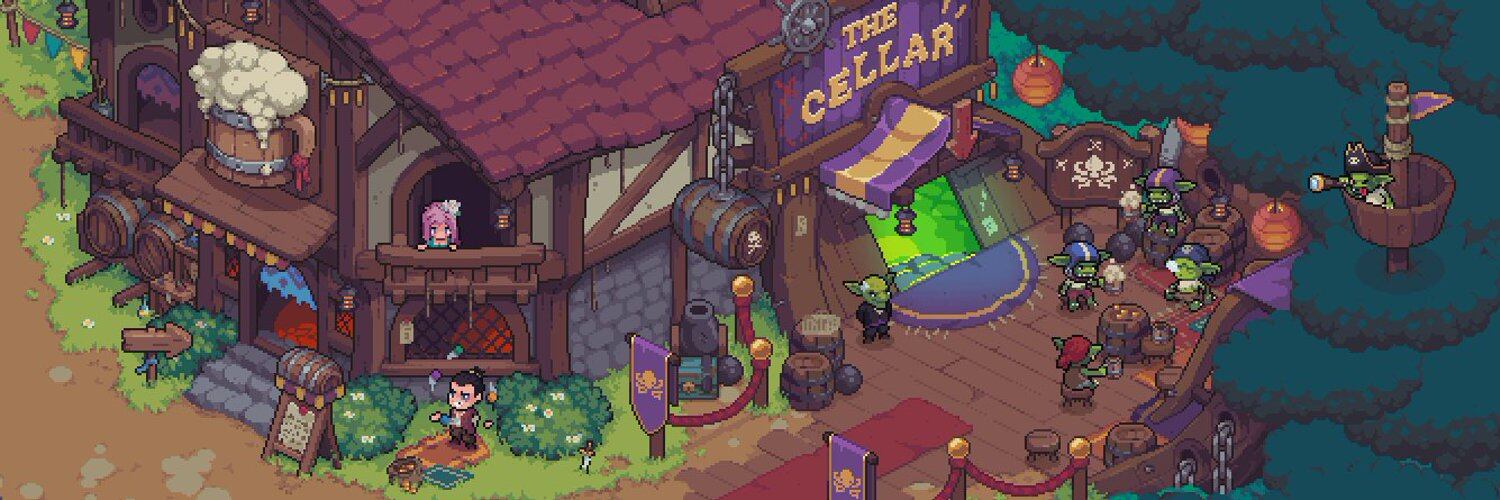
The Beacon, incubated by TreasureDAO, is a fantasy action RPG that blends Roughlite elements and is funded by the Arbitrum Foundation. In The Beacon, players choose a basic weapon to enter dungeons for exploration, where they can upgrade their weapons for better combat. Dungeons are procedurally generated, ensuring a different experience each time.

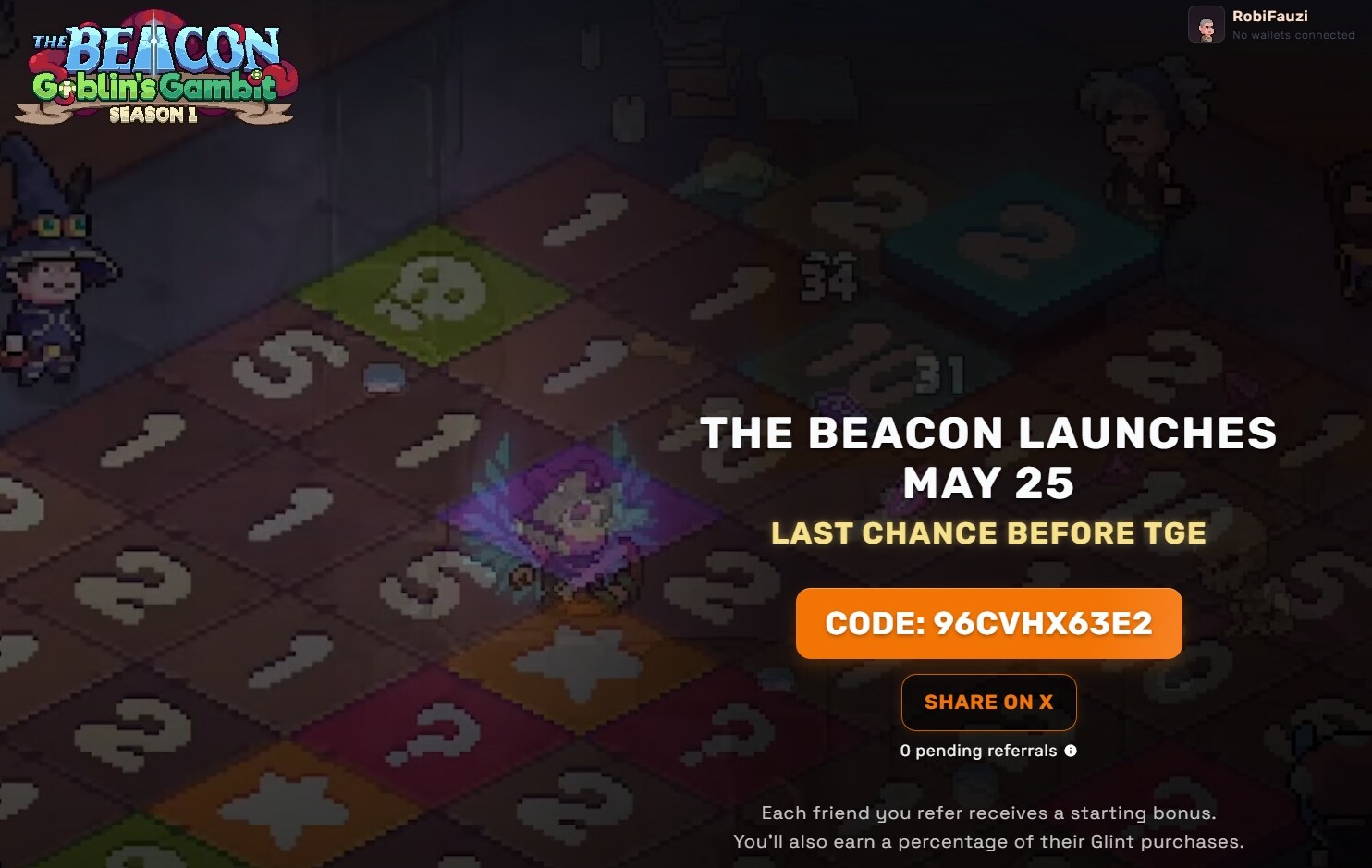
This week, The Beacon announced on platform X that Season 1 will launch on May 25th, and pre-registration is now open. Additionally, the total prize pool for Season 1 is 7.7 million BCN tokens. The Beacon also stated this is the final opportunity to earn BCN tokens before TGE.

Interaction Tutorial

Go to the website (Link: https://app.thebeacon.gg/pre-register) to complete the pre-registration for the Season 1 event.
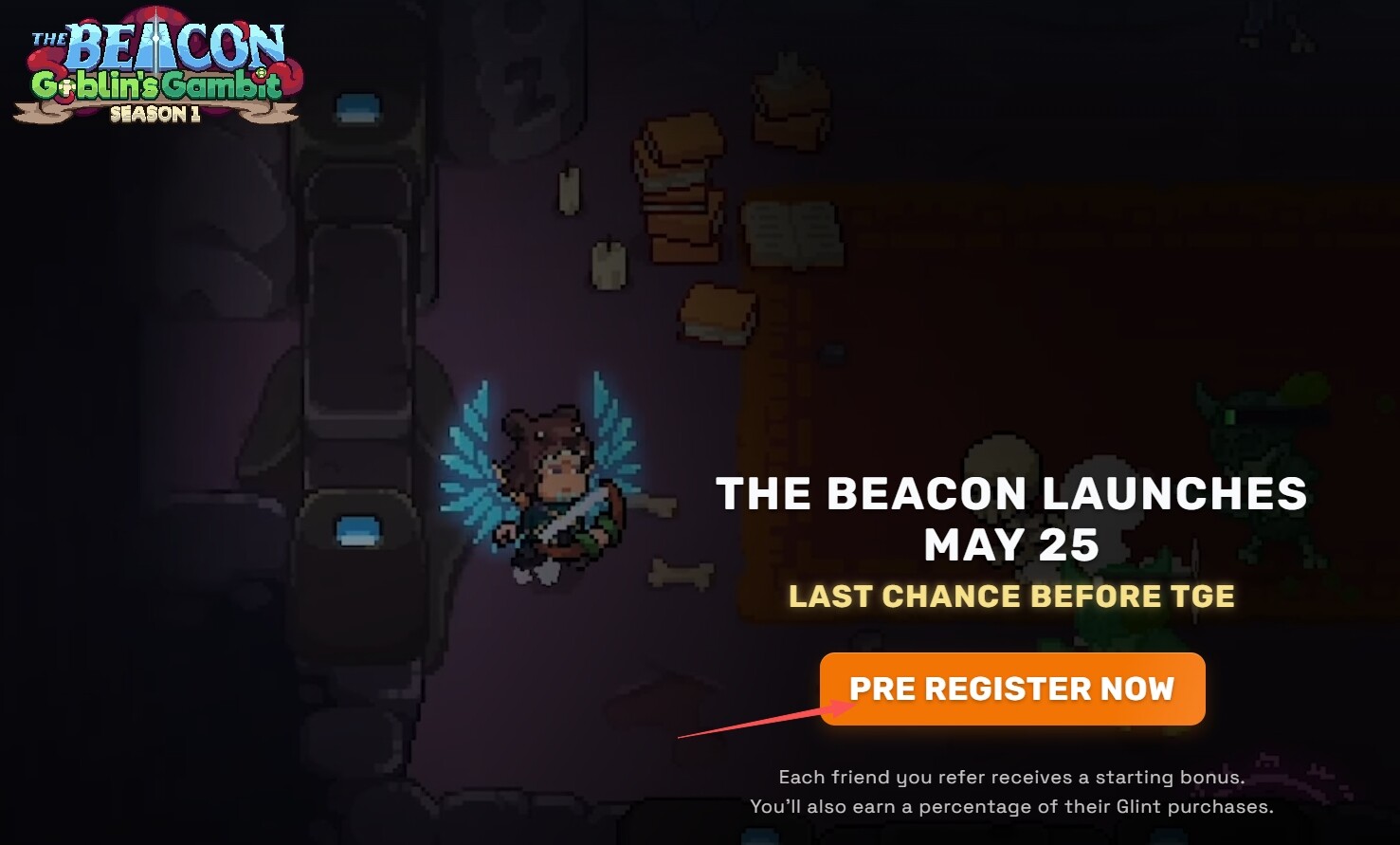
Furthermore, inviting friends can earn you extra rewards.
GenLayer: AI-Native Blockchain Platform

Project Introduction

GenLayer is an AI-native blockchain platform designed to overcome the limitations of traditional smart contracts. The platform employs an Optimistic Democracy consensus, consisting of validator nodes running different AI models (LLMs). Consensus on subjective decisions is achieved through majority voting and an appeals mechanism, functioning as an on-chain "synthetic judicial system."

On August 20, 2024, GenLayer announced the completion of a $7.5 million seed funding round, led by North Island Ventures, with participation from Node Capital, Arrington Capital, and others.

On May 13th, its ecosystem project FUD Markets launched on the testnet, allowing users to participate and earn points through interaction.

Interaction Tutorial

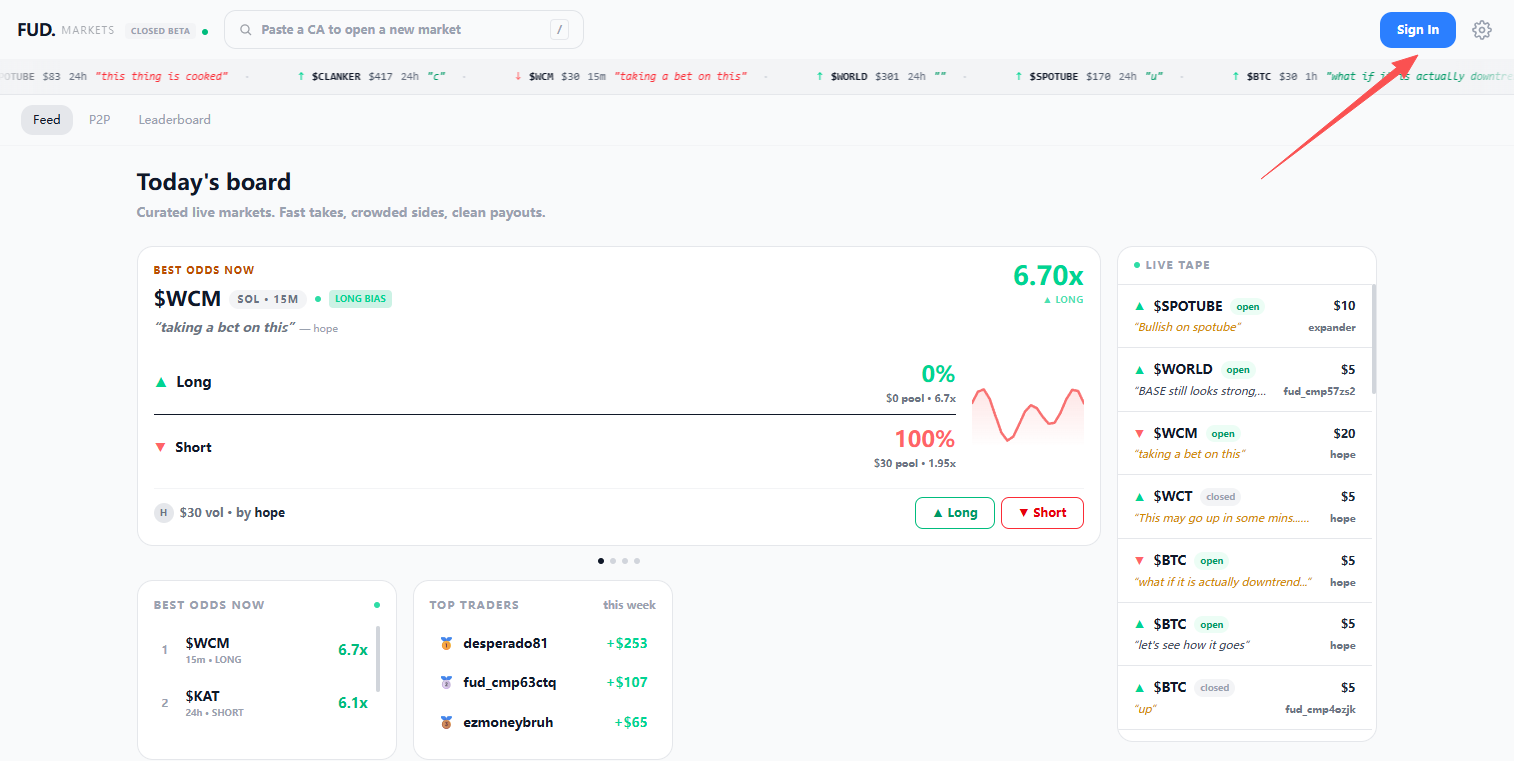
STEP 1. Go to the website (Link: https://fud.markets/), click "Sign in" to log in to your account.
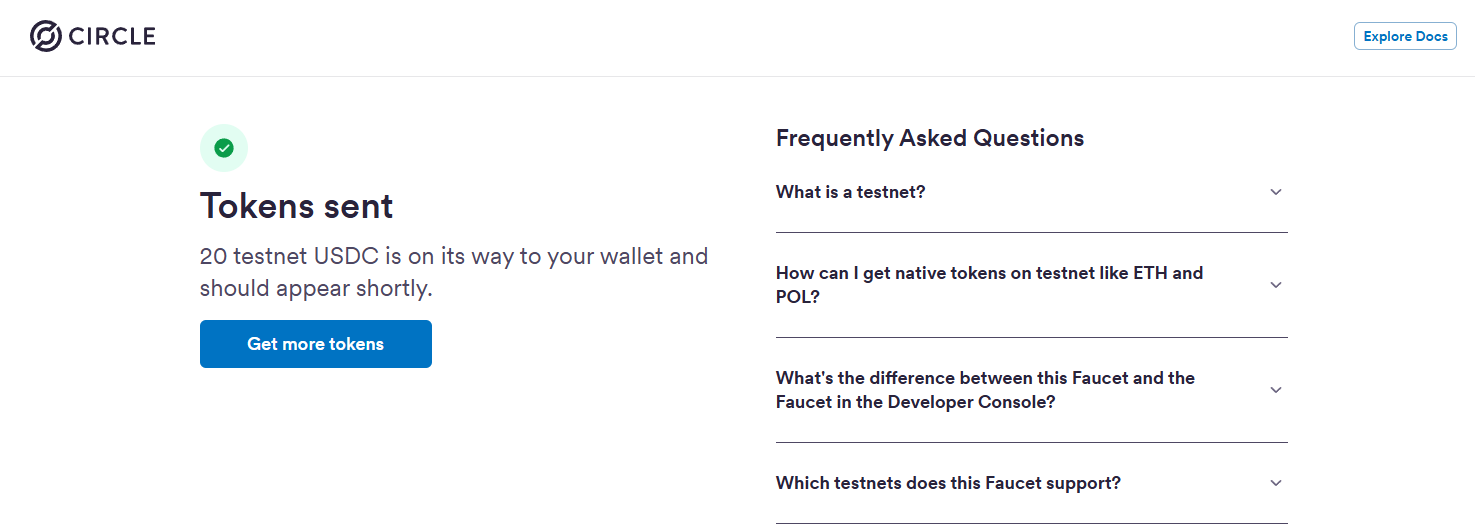
STEP 2. Claim test tokens (Link: https://faucet.circle.com/), enter the address generated upon registration, select the Base Sepolia network, and claim 20 USDC test tokens.
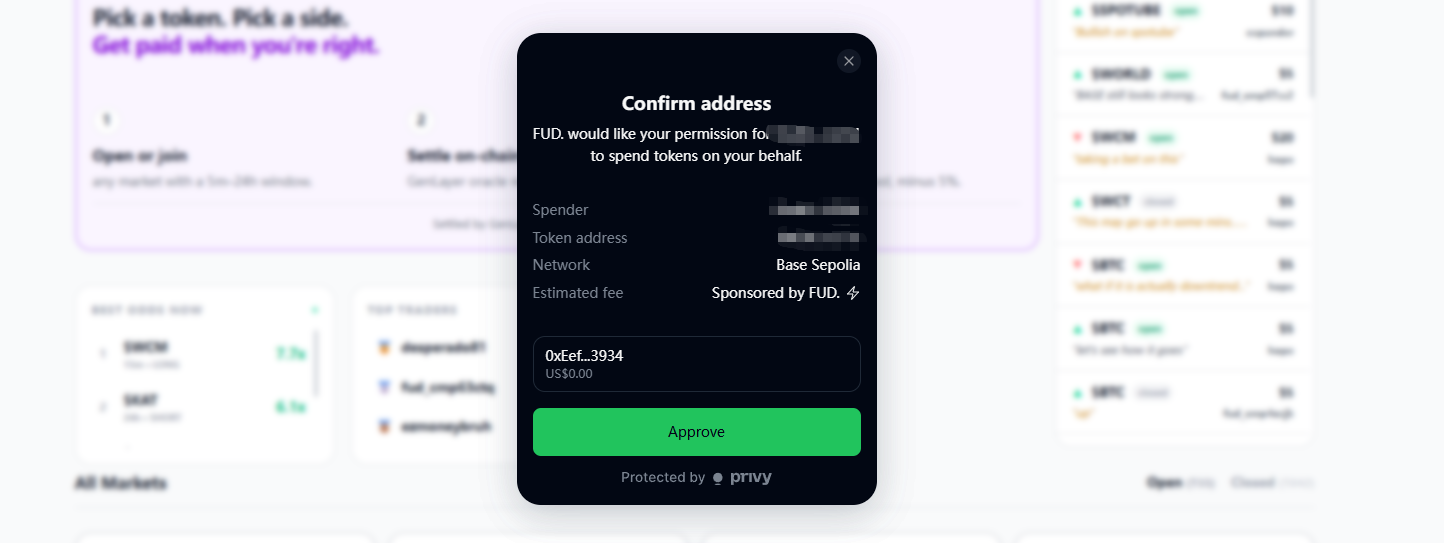
STEP 3. Return to the FUD Markets website to complete transaction confirmation.
STEP 4. Choose any token and complete an order placement operation.
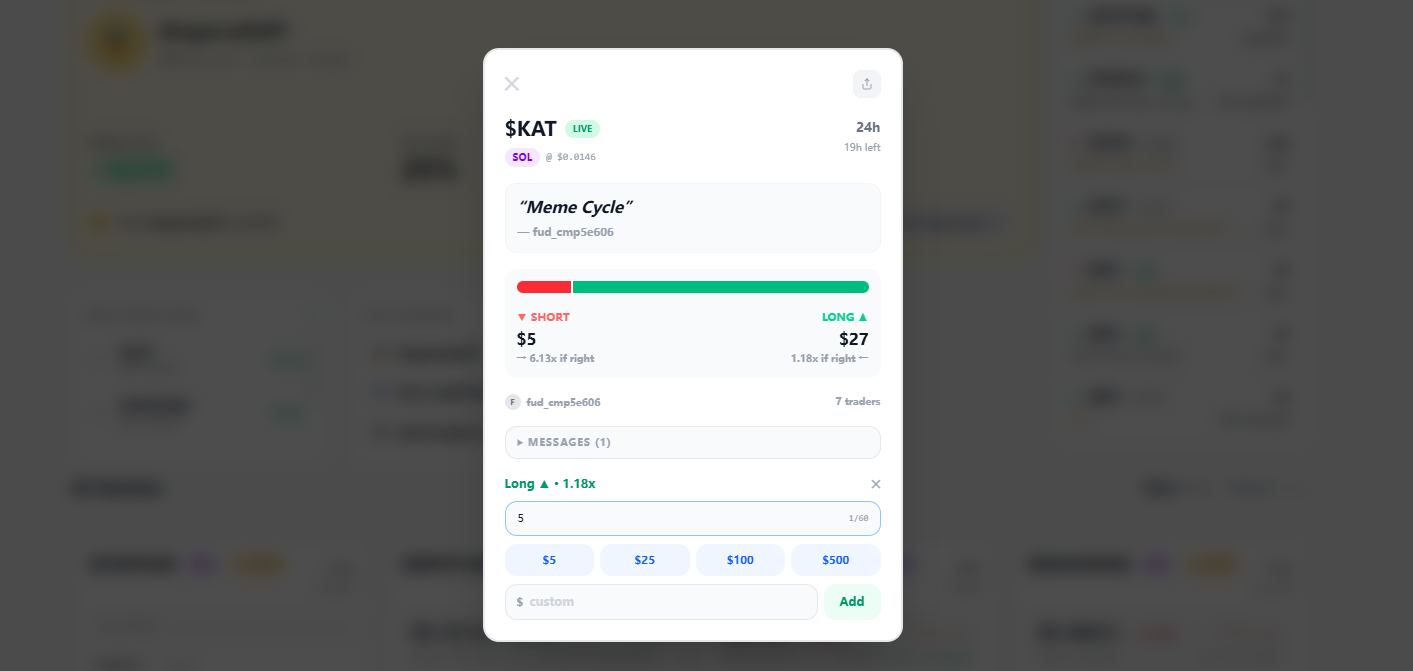
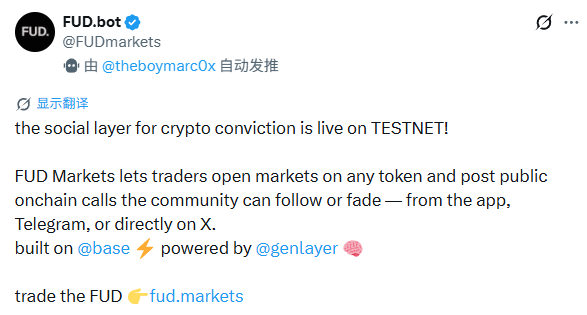
STEP 5. Quote this official X post (Link: https://x.com/FUDmarkets/status/2054584001562562986?s=20) and share your trading experience.
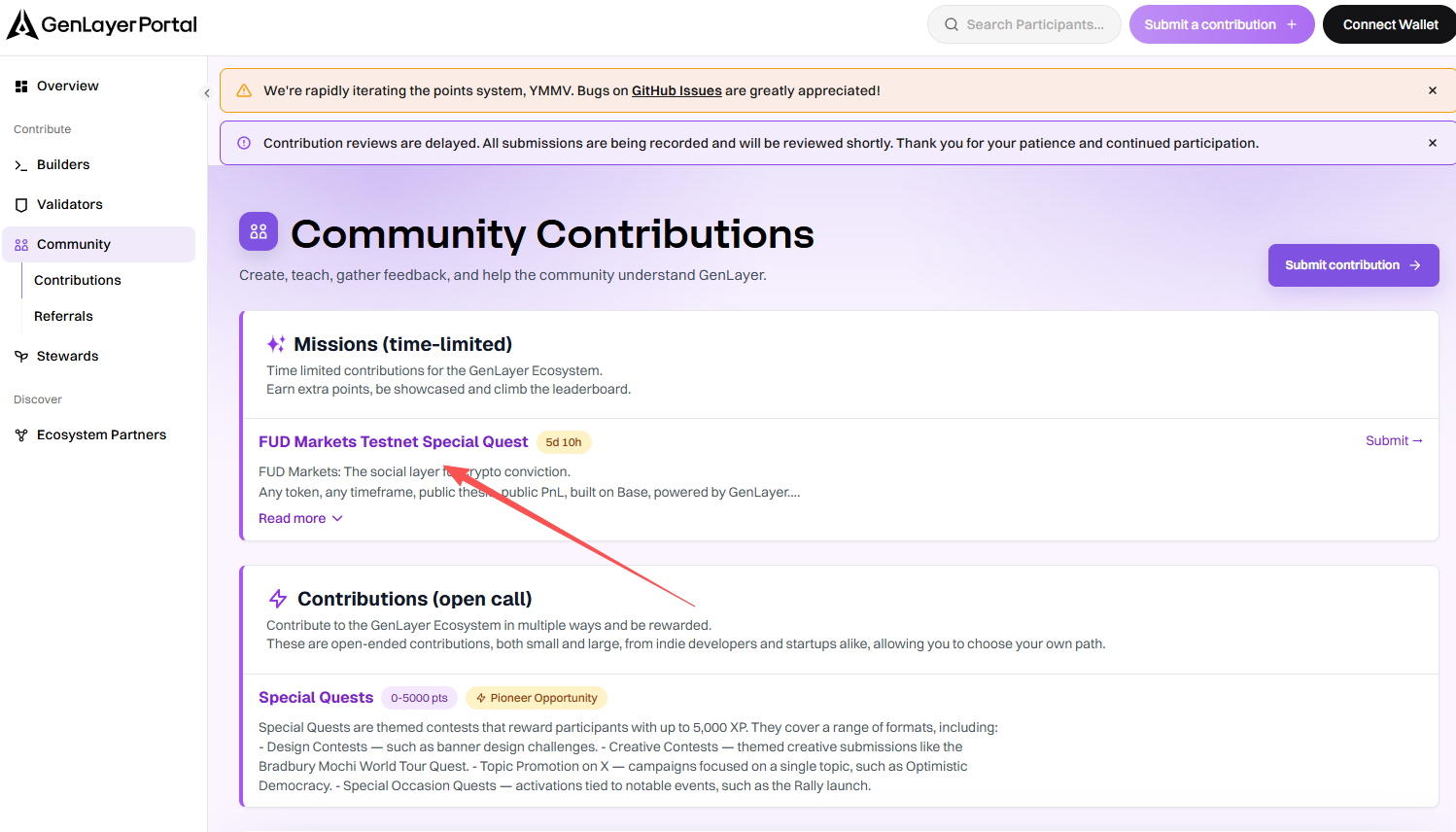
STEP 6. Go to the GenLayer portal website (Link: https://portal.genlayer.foundation/#/community/contributions), select "Community," then click "Contributions," and finally choose "FUD Market Testnet Special Quest" to submit your experience tweet.
Seismic: Privacy-Focused L1 Project

Project Introduction

Seismic is an L1 project in the privacy sector, providing an EVM-compatible privacy solution through Intel TDX Trusted Execution Environment for protocol-level encryption. To date, Seismic has completed two funding rounds this year, totaling $17 million:

  • On March 6, 2025, Seismic announced the completion of a $7 million funding round led by a16z Crypto, with participation from Polychain, 1kx, NGC, and dao5.
  • On November 12, 2025, Seismic announced the completion of a $10 million funding round led by a16z crypto, with participation from Polychain, Amber Group, TrueBridge, dao5, and LayerZero.

On May 13th, Seismic announced that its testnet is officially live.

Interaction Tutorial

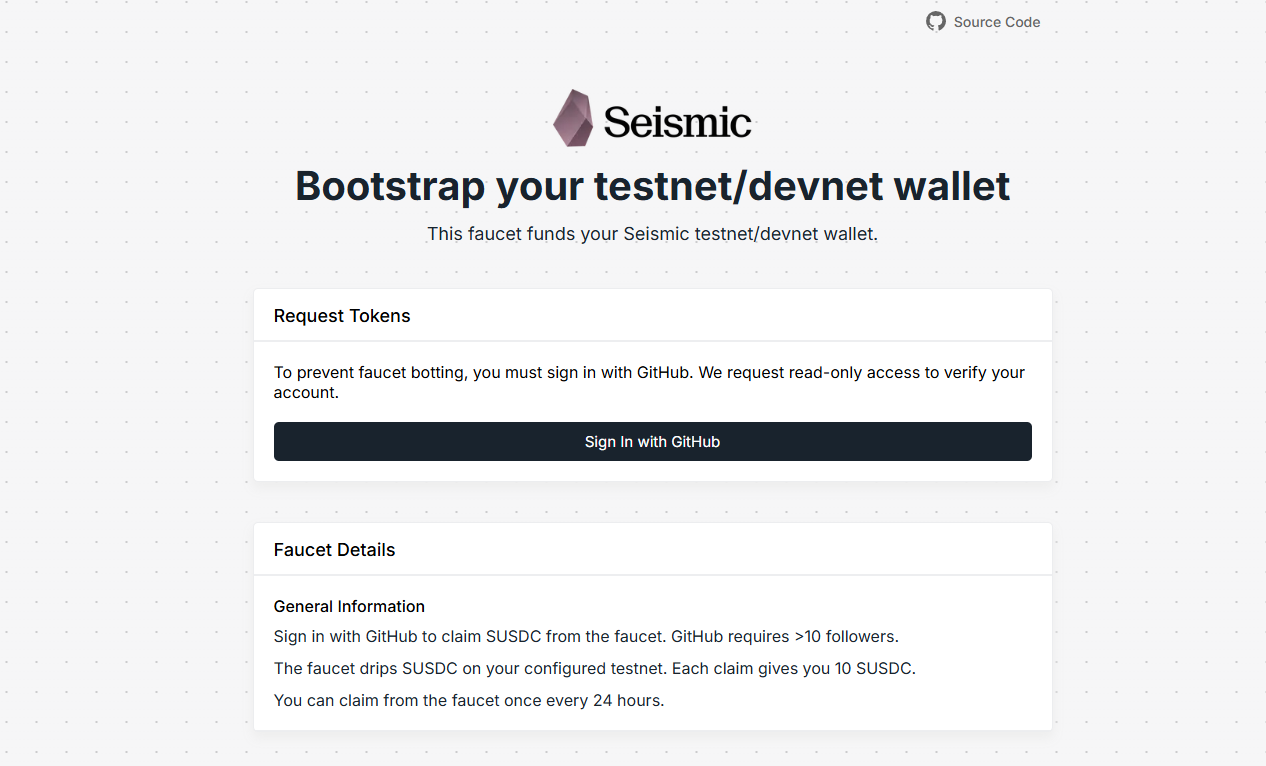
STEP 1. Claim test tokens (Link: https://faucet.seismictest.net/). Verification via X (50+ followers) or GitHub (10+ followers) is required. You can claim 10 sUSDC or 0.5 ETH every 24 hours.
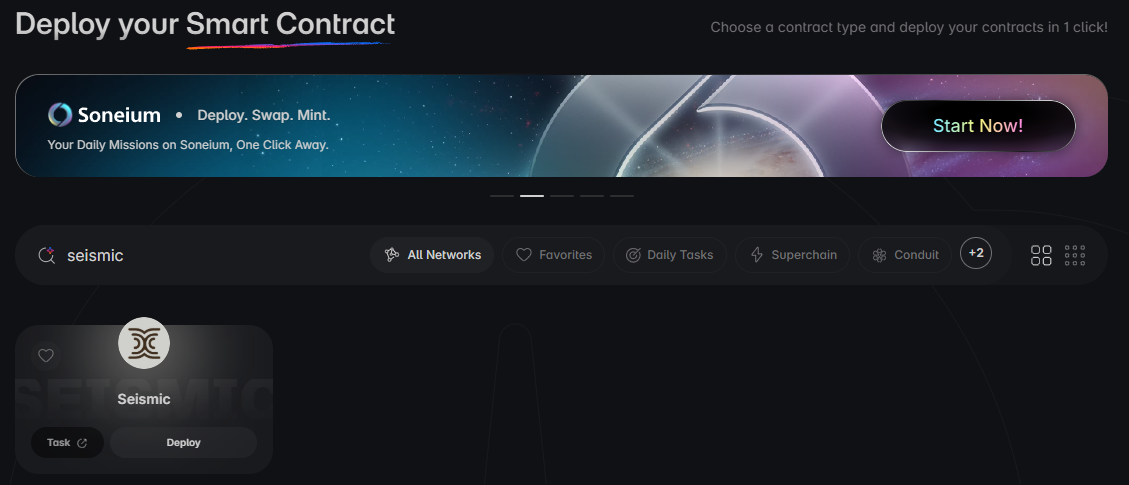
STEP 2. Deploy a contract (Link: https://www.onchaindaily.io/), connect your wallet, and switch to the Seismic Devnet.
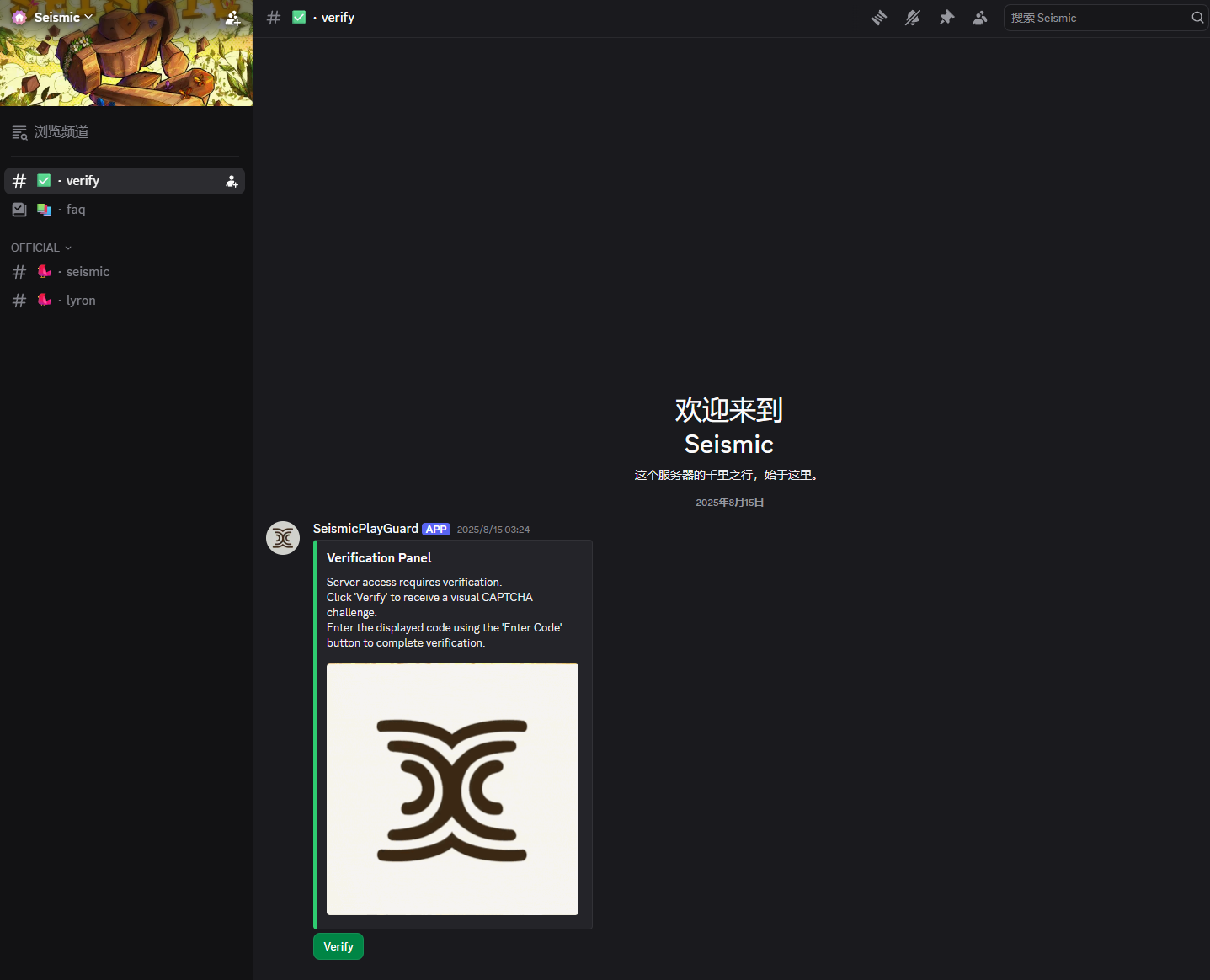
STEP 3. Join the official Discord (Link: https://discord.gg/seismic), stay active in the community, and strive to obtain early access roles.
Related Questions

QWhat is The Beacon, and what significant event is happening on May 25th?

AThe Beacon is a fantasy action RPG incubated by TreasureDAO and funded by the Arbitrum Foundation. It features roguelike elements with procedurally generated dungeons. On May 25th, The Beacon is launching its Season 1 event, which is now open for pre-registration, offering a total prize pool of 7.7 million BCN tokens.

QWhat is the core innovation of the GenLayer platform, and what is its FUD Markets project?

AGenLayer is an AI-native blockchain platform that aims to overcome the limitations of traditional smart contracts. Its core innovation is the Optimistic Democracy consensus, which uses a network of validator nodes running different AI models (LLMs) to reach consensus on subjective decisions through majority voting and appeal mechanisms, essentially creating an on-chain 'synthetic judicial system'. FUD Markets is an ecosystem project on GenLayer's testnet where users can interact to earn points.

QWhat is Seismic, and what technology does it use to provide its privacy solution?

ASeismic is a privacy-focused Layer 1 blockchain project. It provides an EVM-compatible privacy solution by leveraging Intel TDX (Trusted Domain Extensions) technology at the protocol layer to create a trusted execution environment for encryption.

QAccording to the article, what are the steps to participate in the FUD Markets testnet interaction?

AThe steps are: 1) Sign in to the FUD Markets website. 2) Claim test tokens (20 USDC) on the Base Sepolia network via the provided faucet. 3) Return to FUD Markets and confirm a transaction. 4) Place an order (open a position) for any token. 5) Quote the official FUD Markets tweet and share your trading experience. 6) Submit your tweet link in the 'FUD Market Testnet Special Quest' section on the GenLayer portal website.

QWhat is the total funding amount raised by Seismic in 2025, as mentioned in the article, and who were the lead investors?

ASeismic raised a total of $17 million across two funding rounds in 2025. The first round in March was $7 million led by a16z Crypto. The second round in November was $10 million, also led by a16z crypto.

Related Reads

Codex Goal Mode Usage Guide: How to Make AI Continuously Pursue a Specific Objective

"Codex Goal Mode: How to Make AI Work Continuously Toward a Specific Goal" OpenAI's Codex "goal mode" (/goal) transforms the AI from a reactive code assistant into a proactive execution agent capable of working autonomously for hours or even days to achieve a defined objective. To maximize its effectiveness, follow these key principles: 1. **Define Clear, Verifiable Exit Criteria:** The goal prompt should be a concise, measurable success condition, not a lengthy specification. Use quantifiable metrics like "reduce build time by 30%" or "achieve 100% test parity." 2. **Provide Initial Guidance and Tools:** Direct Codex toward likely problem areas and specify available tools (e.g., browsers, testing environments) to prevent it from exploring unproductive paths. 3. **Enable Progress Measurement:** Equip Codex with ways to track advancement, such as creating comparison tools for visual tasks or evaluation sets, ensuring it can gauge its own progress. 4. **Use a Realistic Execution Environment:** For tasks like performance optimization, provide access to environments that closely mimic production (e.g., similar configs, databases) to yield valid results. 5. **Be Cautious with Visual Goals:** Avoid vague "pixel-perfect" instructions. Instead, supplement visual references with functional checklists or design system specifications to prevent Codex from obsessing over minor details. 6. **Implement Progress Tracking:** For long-running tasks, have Codex commit code to draft PRs, update progress documents, or send Slack updates to maintain visibility into its work. 7. **Review and Consolidate Results:** Once the goal is met, instruct Codex to review its work, clean up ineffective experimental code, and reflect on what strategies succeeded or failed. Ultimately, using goal mode shifts the developer's role from writing prompts to managing a persistent engineering agent—defining objectives, establishing metrics, configuring environments, and conducting final reviews.

marsbit8m ago

Codex Goal Mode Usage Guide: How to Make AI Continuously Pursue a Specific Objective

marsbit8m ago

From Ethereum to AI's 'CROPS': What Exactly Is This 'Slow Variable' That Vitalik Has Repeatedly Emphasized?

Recently, Vitalik Buterin has frequently emphasized the concept of "CROPS," first outlined in the Ethereum Foundation's March mandate as core principles guiding its focus: Censorship Resistance, Capture Resistance, Open Source, Privacy, and Security. CROPS represents Ethereum's commitment to providing foundational capabilities for user sovereignty—enabling asset ownership, identity expression, and coordination without reliance on centralized platforms or surrendering ultimate control. This framework is gaining new urgency with the rise of AI, particularly AI agents managing digital assets and automating transactions. While AI offers convenience, it risks centralizing user data, intent, and control if dependent on opaque, centralized services. Vitalik argues for "CROPS AI"—AI that is open, privacy-preserving, secure, and capable of local execution to maintain user agency. He highlights convergence between "CROPS Ethereum access layers" and "CROPS AI," such as using zero-knowledge proofs for private remote LLM calls and Ethereum RPC reads, ensuring users can access services without exposing sensitive information. Ultimately, CROPS is not just an abstract ideal but a practical guide for Ethereum's development and AI integration. It addresses the critical long-term question: as digital systems grow more powerful, how can users retain control over their privacy, assets, and autonomy? In an AI-driven era, these principles may define Ethereum's enduring value—prioritizing verifiable, secure, and user-centric design over short-term optimizations like speed and cost alone.

marsbit12m ago

From Ethereum to AI's 'CROPS': What Exactly Is This 'Slow Variable' That Vitalik Has Repeatedly Emphasized?

marsbit12m ago

Trading

Spot
Futures
活动图片