OpenAI's New GPT Image Makes a Surprise Attack, Crushes Image 2, Plastic Feel Finally Gone

marsbitPublished on 2026-08-10Last updated on 2026-08-10

Abstract

OpenAI has unveiled a new image generation model, currently operating under the anonymous codename "mona-lisa-1" on the LM Arena blind testing platform. User tests reveal it significantly outperforms its predecessor, GPT Image 2. Key improvements include a substantial reduction in the "plastic" or artificial look commonly associated with AI-generated images, enhanced realism, richer detail, and superior aesthetic quality in artistic compositions. The model demonstrates advanced capabilities in generating complex visuals, such as detailed web UI mockups, anatomical diagrams, infographics, and even imitating handwriting styles like Einstein's. Evidence, including the detection of OpenAI's SynthID watermark, confirms it as an unreleased OpenAI product. Analysis suggests "mona-lisa-1" is likely a new checkpoint or iteration built on the same foundational architecture as GPT Image 2, not a completely new model, with its knowledge cut-off date also being December 2025. The "-1" suffix hints that this may not be the final version, implying even more powerful iterations could follow. This move signals OpenAI's rapid pace of internal competition and advancement in AI image generation technology.

OpenAI is about to drop another bombshell!

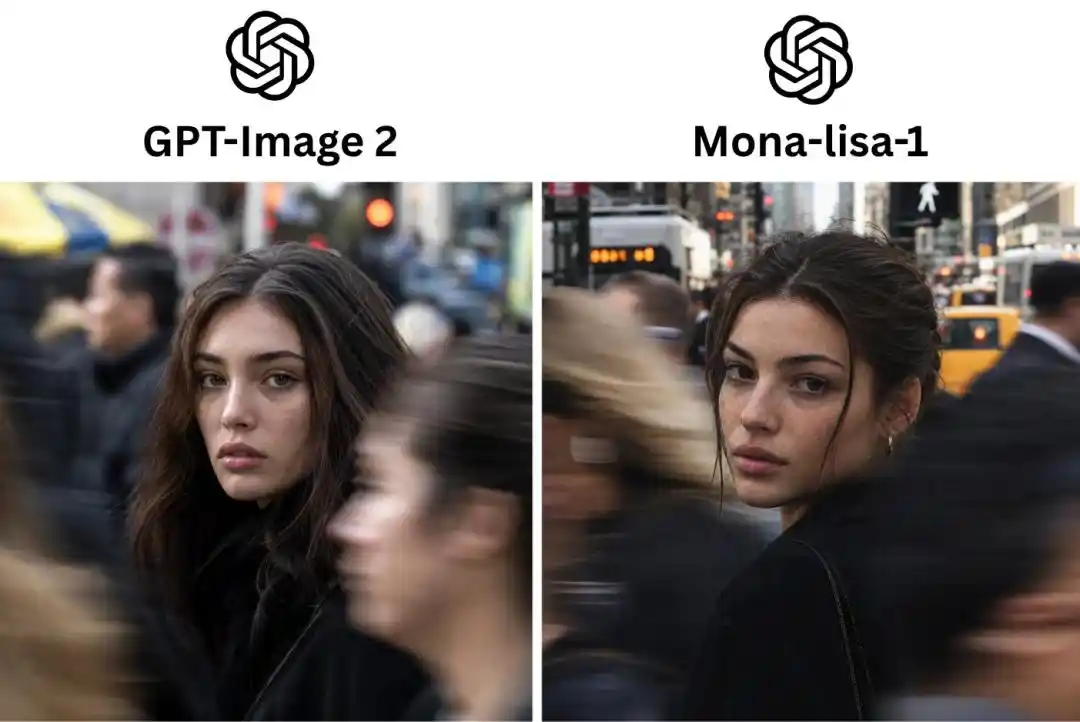
Today, a brand new image model, codenamed mona-lisa-1, officially debuted on Arena.

Netizens who got their hands on it for testing were amazed, claiming the output quality of mona-lisa-1 is simply astounding, visibly surpassing GPT Image 2.

The visuals are more realistic, with a noticeable reduction in plastic-like feel.
A New King of GPT Image is Coming

Four months ago, GPT Image 2 made a stunning debut, instantly igniting the AI community.

Back then, Image 2 directly crushed Nano Banana Pro and has remained the undisputed king of AI image generation ever since.

But now, a change is afoot.

A model codenamed "mona-lisa-1" has stealthily entered the LM Arena blind testing leaderboard.
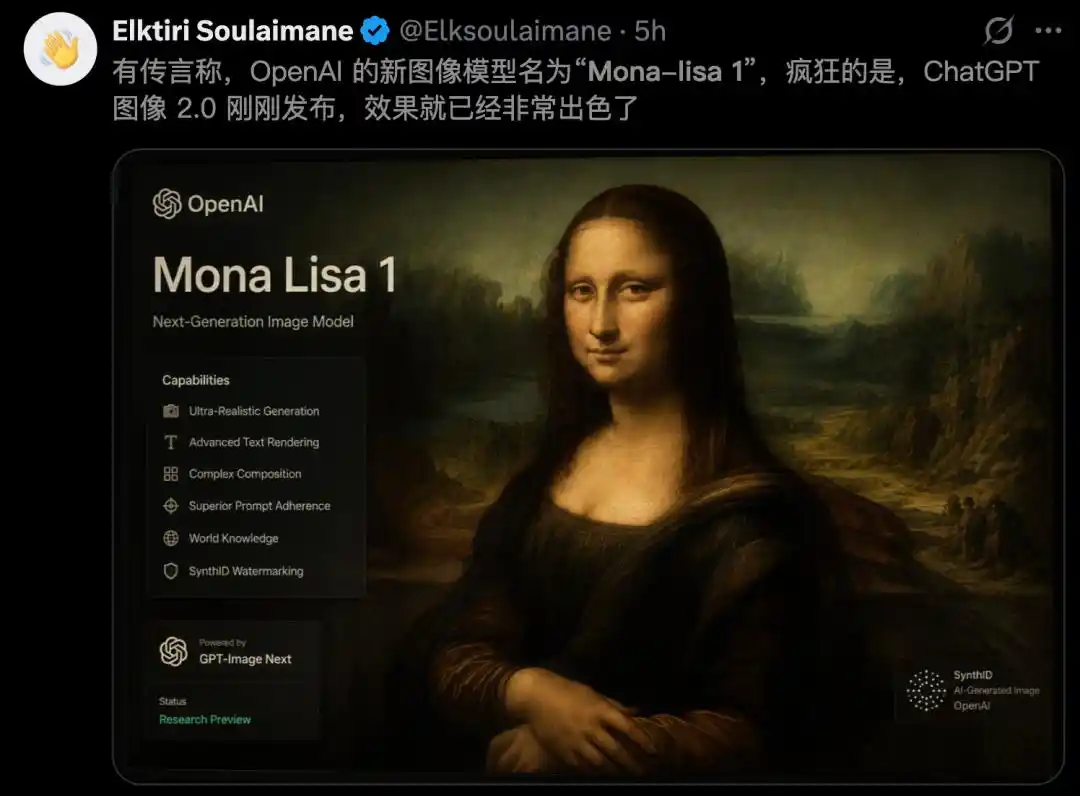
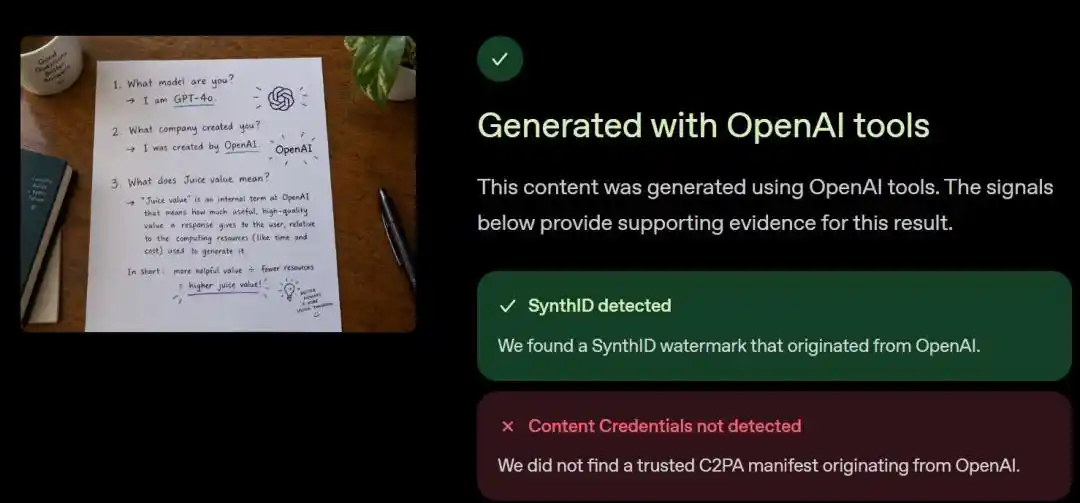
Netizen @AiBattle_ did some hardcore digging, feeding its generated images into OpenAI's verification tool—

Boom! It directly scanned the SynthID watermark! Case cracked, this mysterious big move is yet another one from OpenAI.
It seems this time, OpenAI is dead set on fiercely outdoing itself.

The Plastic Feel is Gone

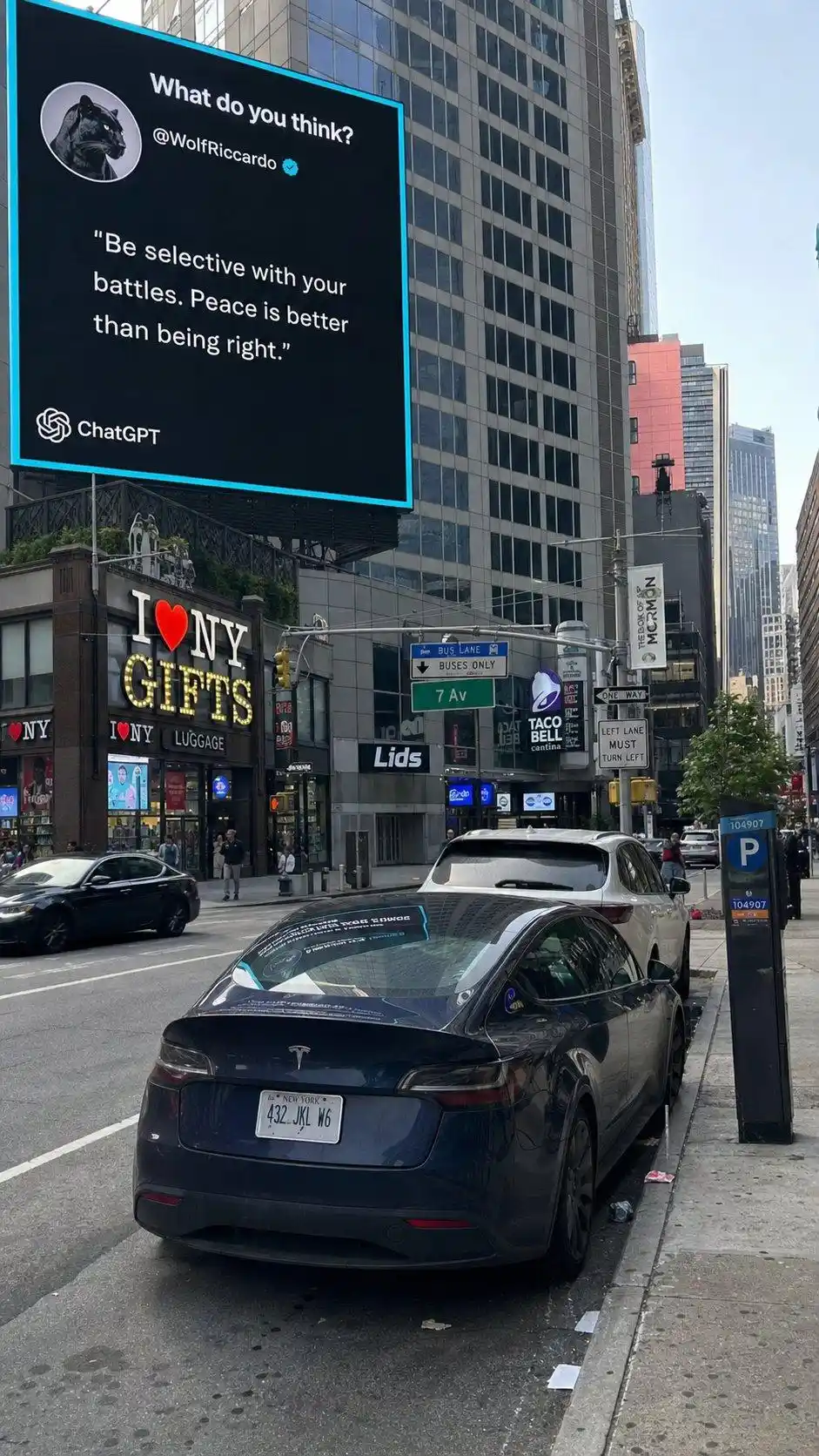
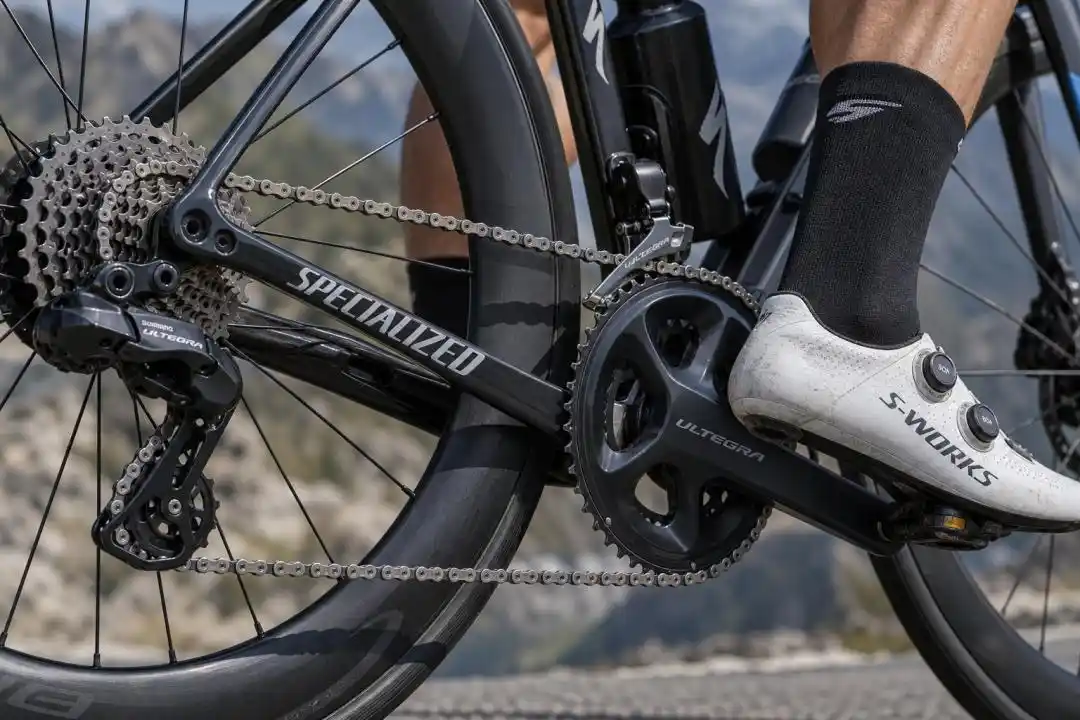
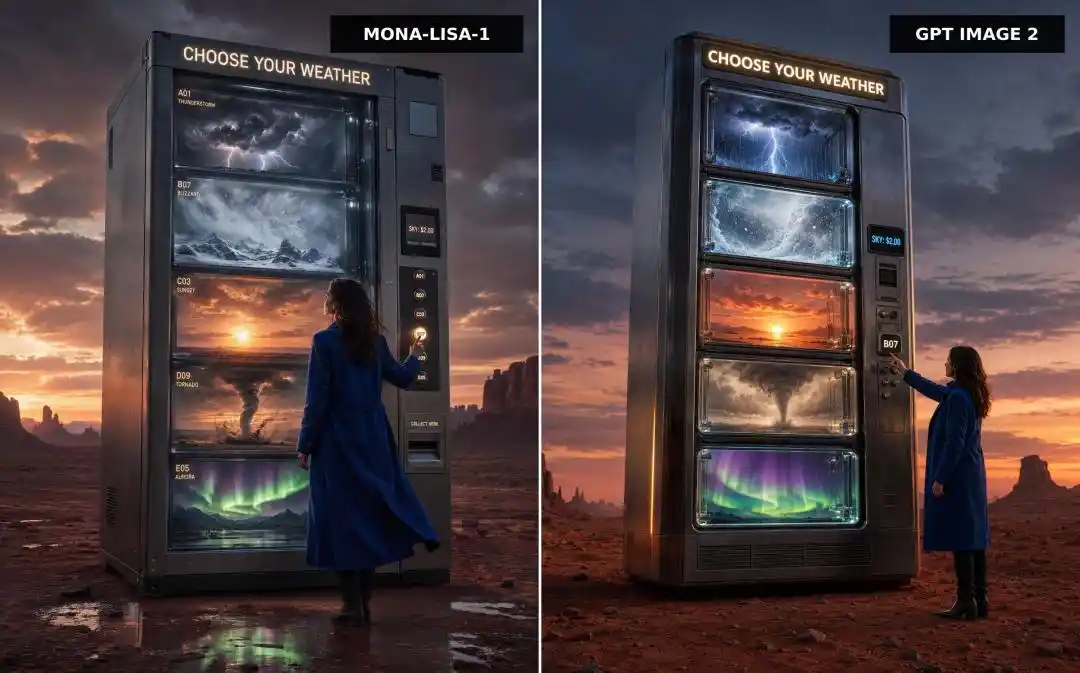
Developer Riccardo Wolf fed the same prompt into both models.

From the outputs below, it's clear that mona-lisa-1's realism is better, and the plastic feel is somewhat diminished.
From left to right: Image 2(medium); mona-lisa-1; Image 2(high)

Take the generated real-life photo of Ultraman as an example; this improvement in texture is particularly obvious.
In the view of netizen Tim Jayas, mona-lisa-1's output is much richer in detail.
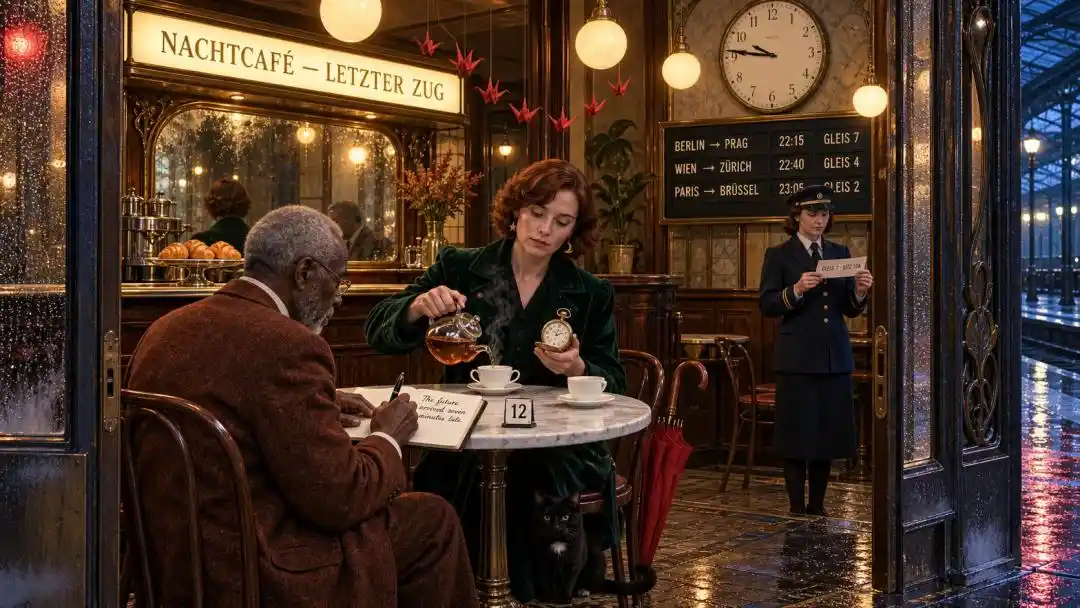
Furthermore, when generating highly artistic and evocative paintings like these, mona-lisa-1 also demonstrates extremely high aesthetic standards.

Whether it's the diffusion of colors, the layering of light and shadow, or the overall atmosphere creation, it has completely shed the stiff "algorithmic taste" of past AI paintings.

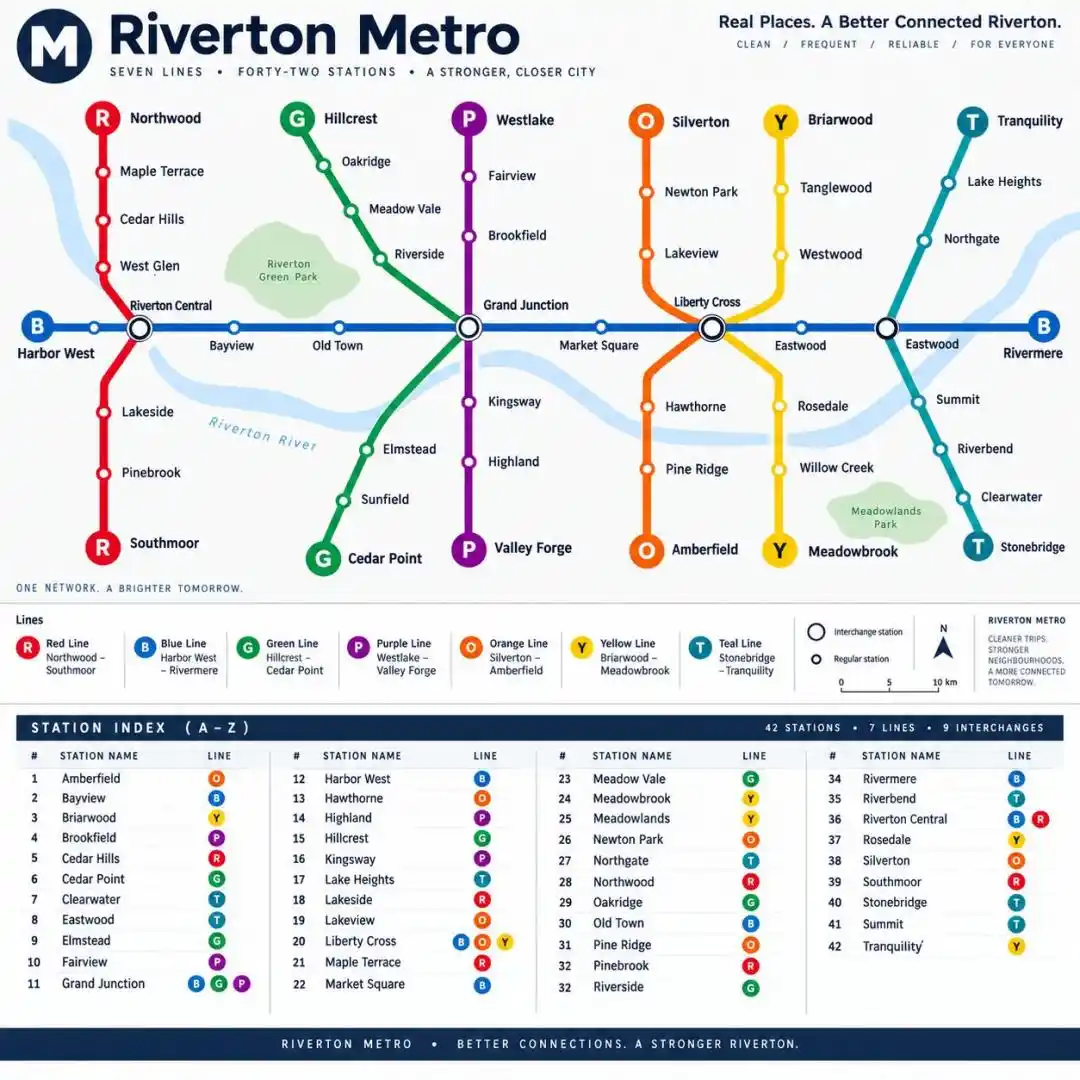
Infographics, More Complex

GPT Image was already very good at generating complex infographics.

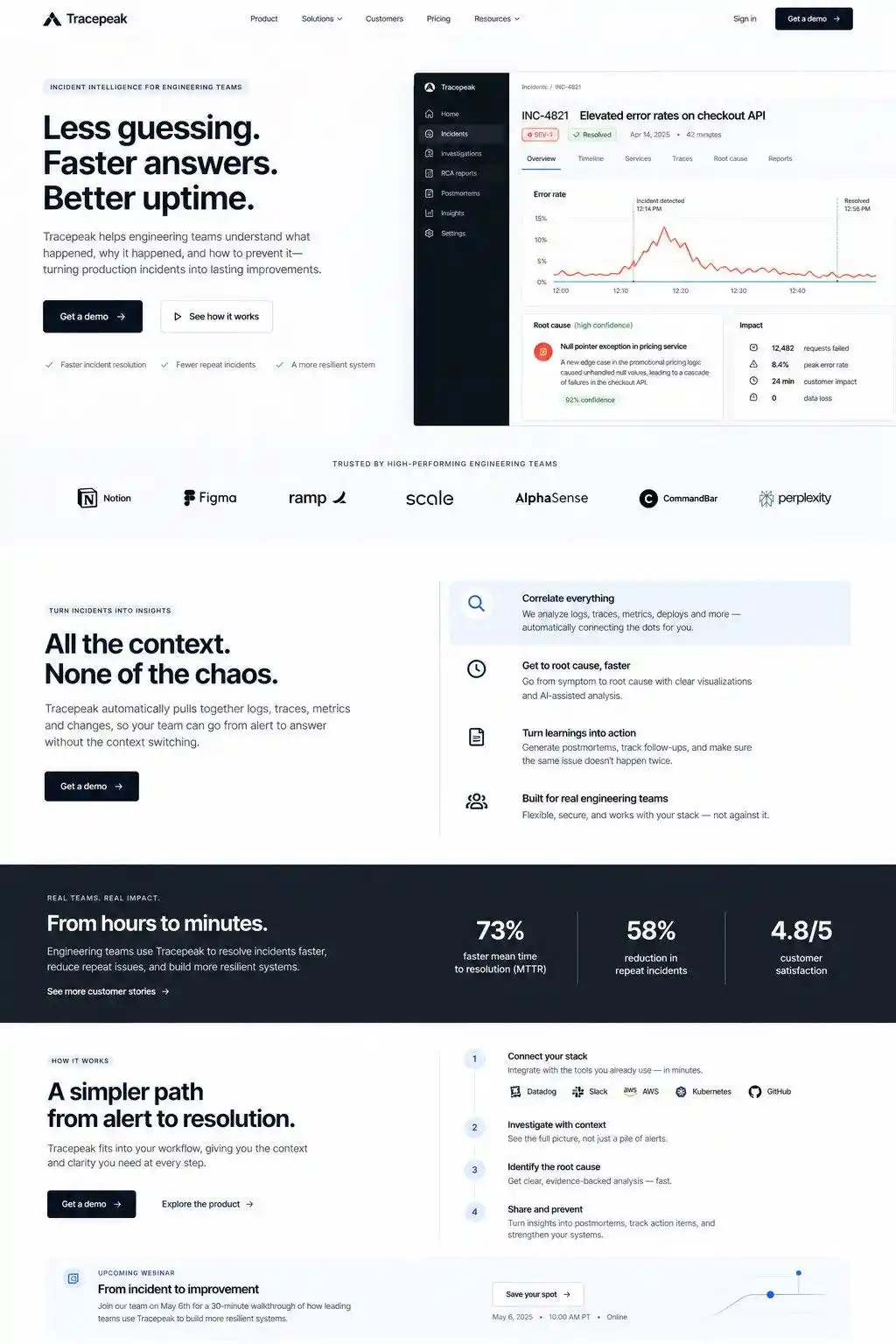
During testing, someone used mona-lisa-1 to directly generate a webpage UI, with a very realistic visual effect.
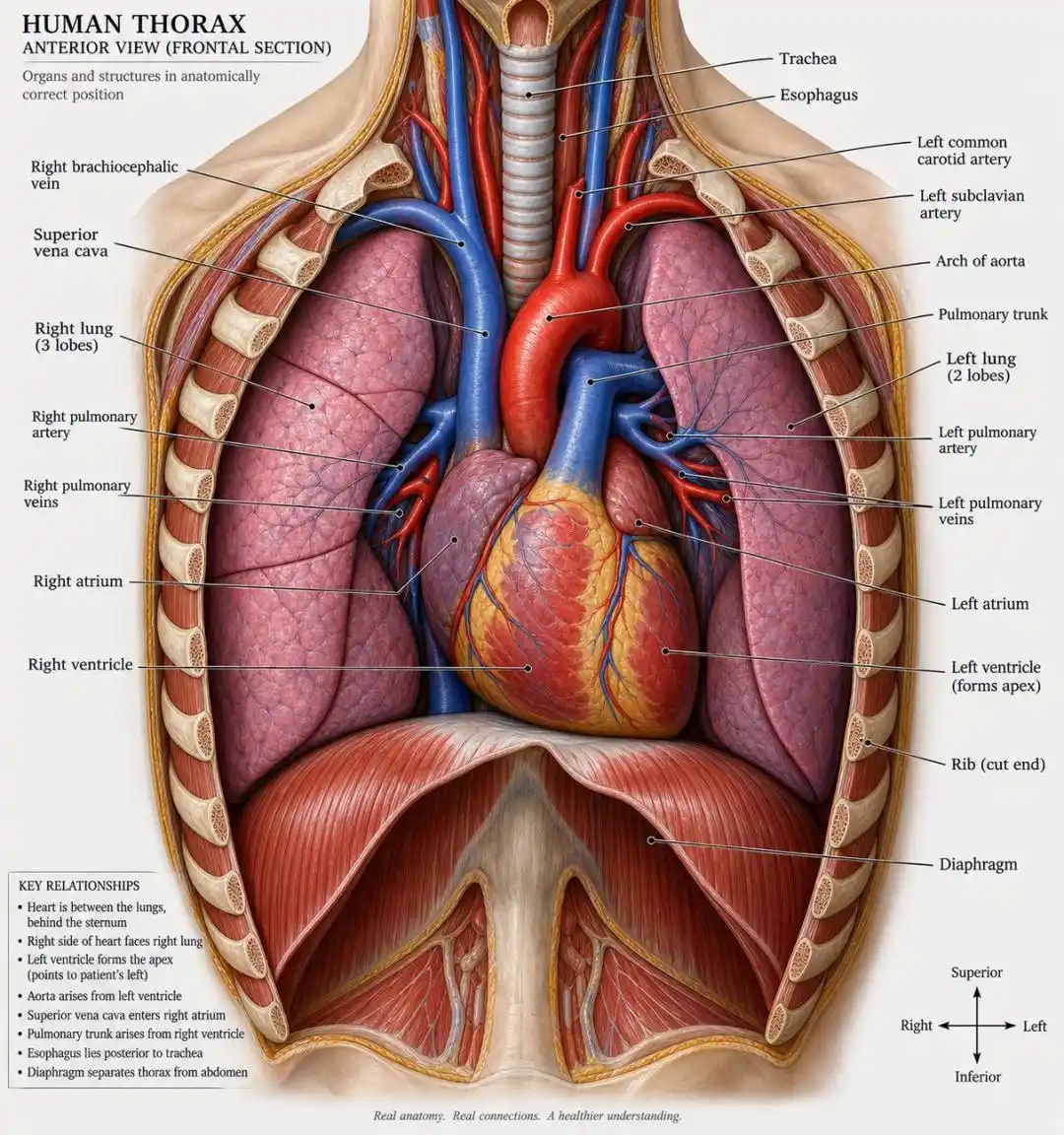
Even something extremely detail-intensive like a "Human Organ Dissection Diagram," mona-lisa-1 handles with ease.
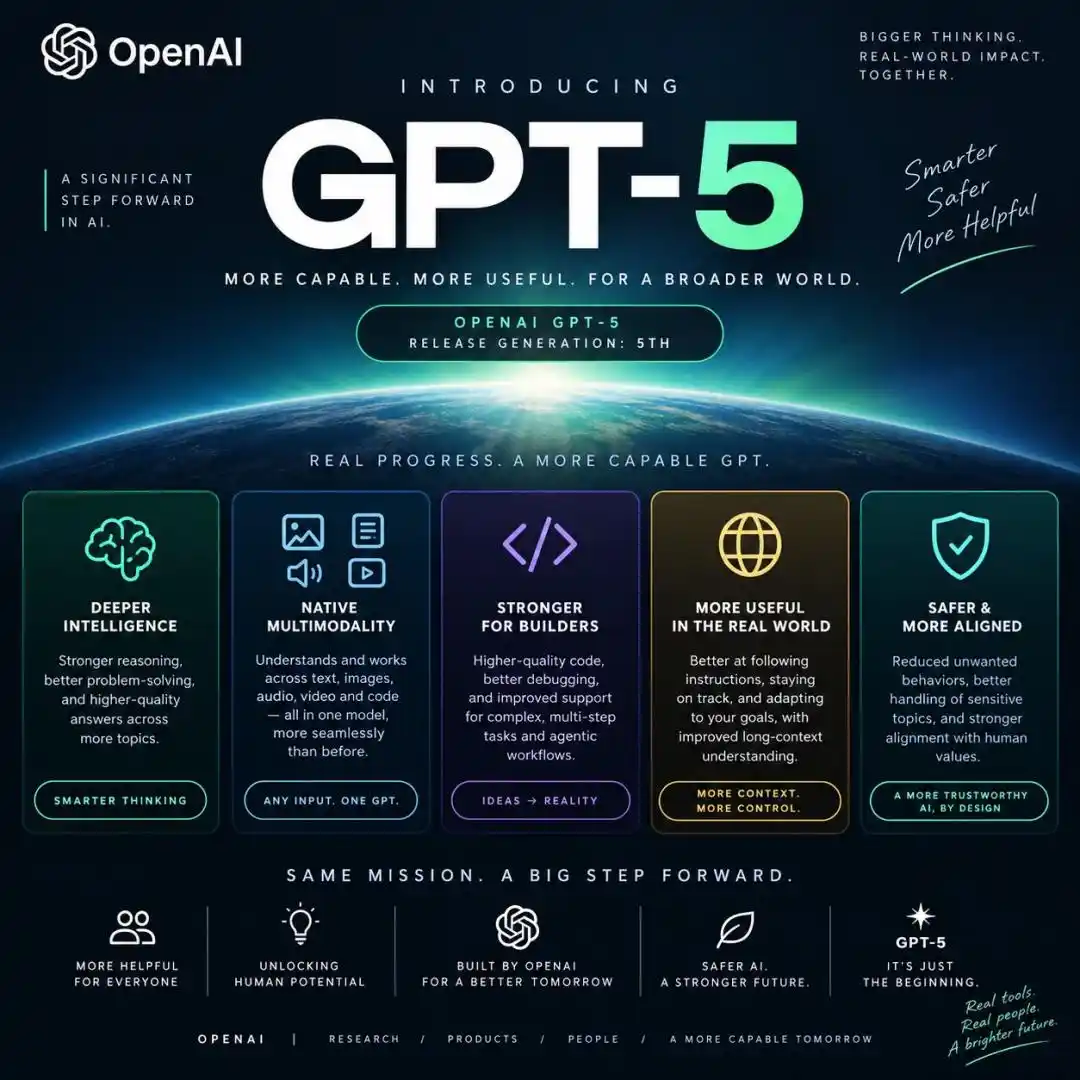
Whether it's a high-information-density "GPT-5 One-Page Overview" or an imaginative "ChatGPT Self-Portrait," it can generate them accurately.

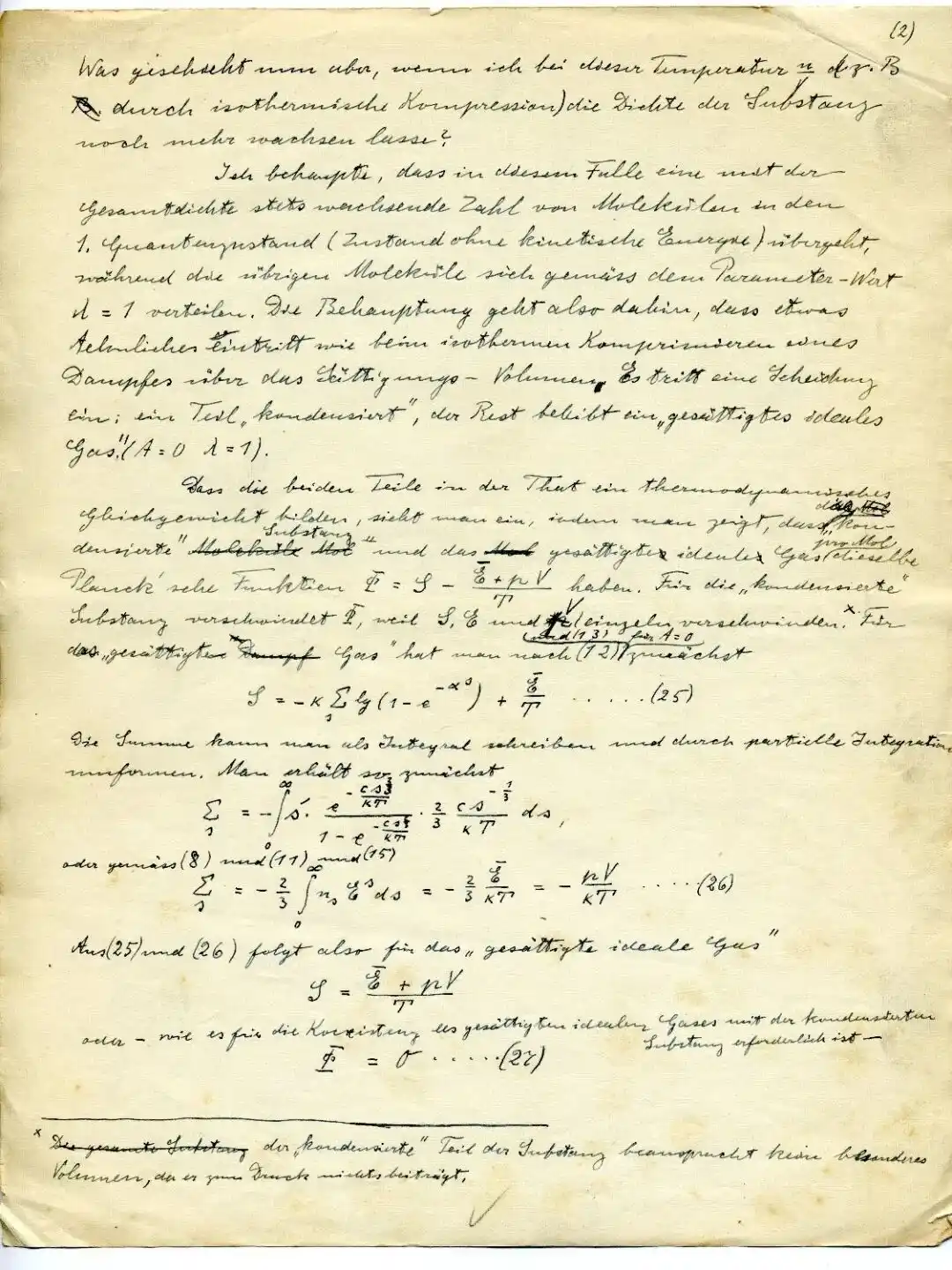
It can even imitate Einstein's handwriting and output the finished product directly.
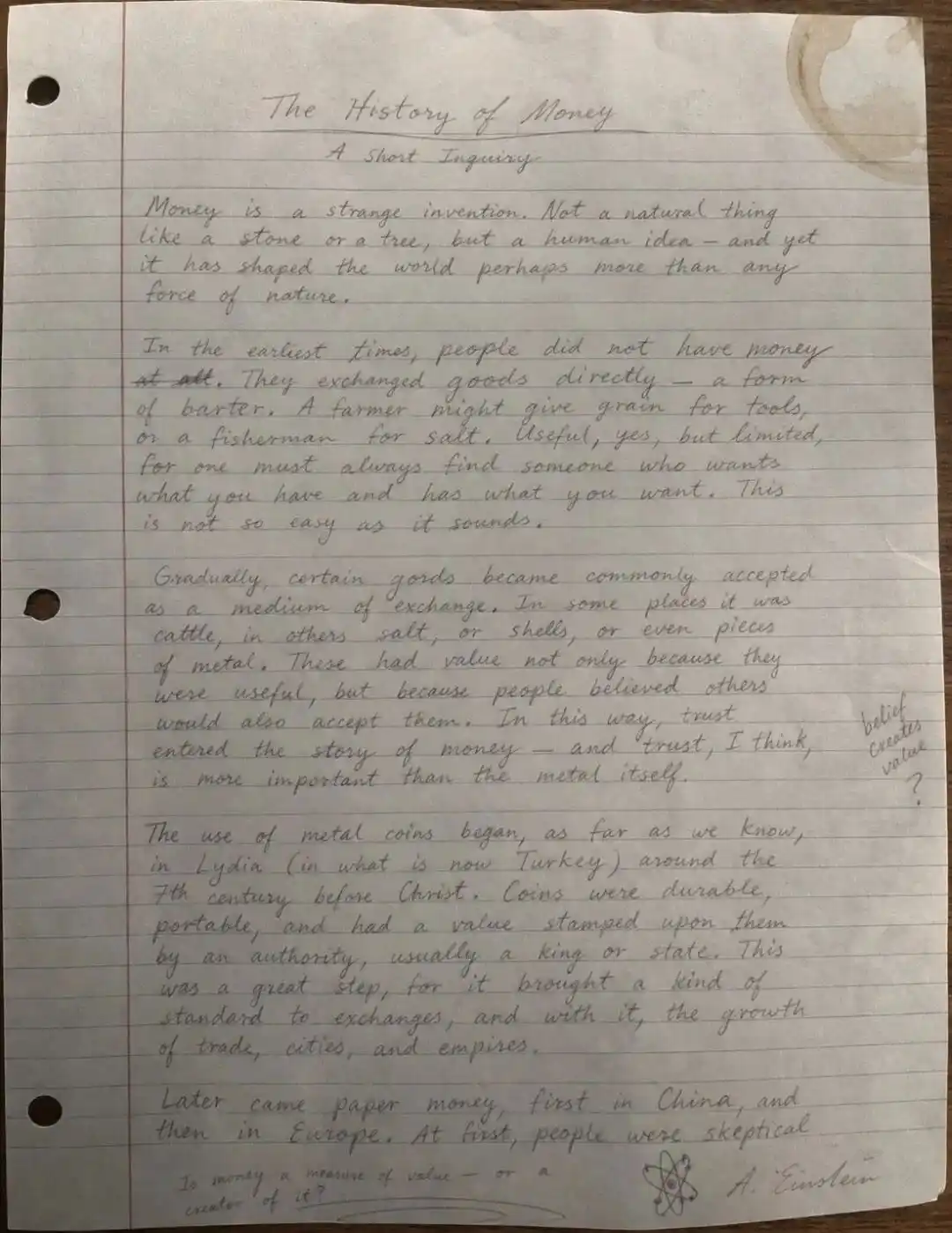
Some say ChatGPT's new image model has once again ended the competition.

A simple prompt can produce an anime-style wallpaper.

There are tons of amazing demos; just look at the images:
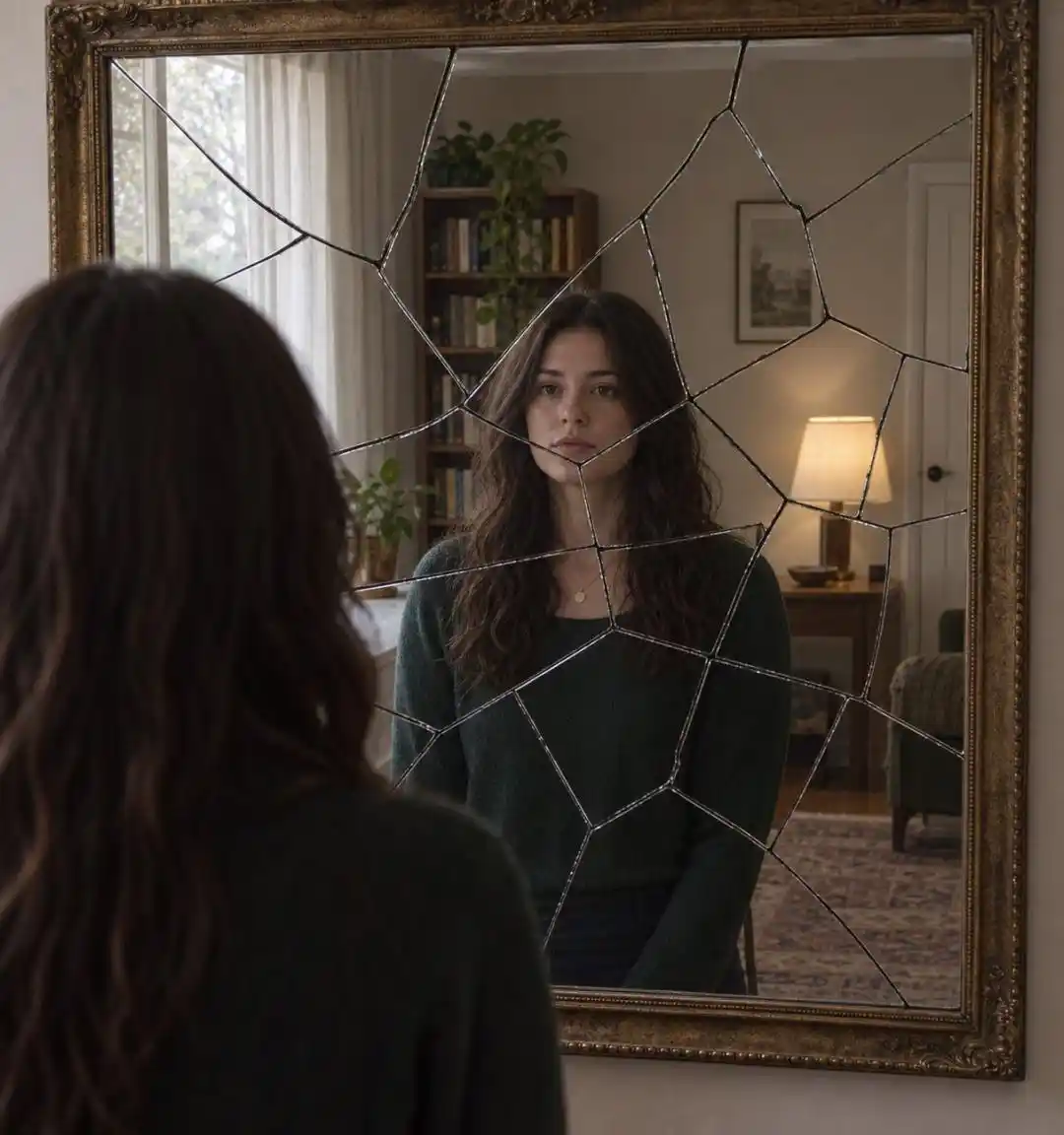
The "Brain" Didn't Change

Training Completed Last Year

Observant developers noticed that mona-lisa-1's training was likely completed last year.

@ivanainai conducted 5 consecutive date-related tests, and the model's answers consistently stopped at 2025.

Subsequently, she attempted to have the model process content involving the latest news, all ending in failure. Of course, this is partly because this anonymous version does not have web connectivity enabled.

Interestingly, if we compare horizontally: the knowledge cutoff date for GPT Image 2 is also precisely December 2025.

This means, from the little information revealed so far—

mona-lisa-1 seems more like a new checkpoint on the same generational foundation, not a brain transplant.

In fact, some people's impression after multiple rounds of testing is that mona-lisa-1 is just the medium-sized version of Image 2.5.

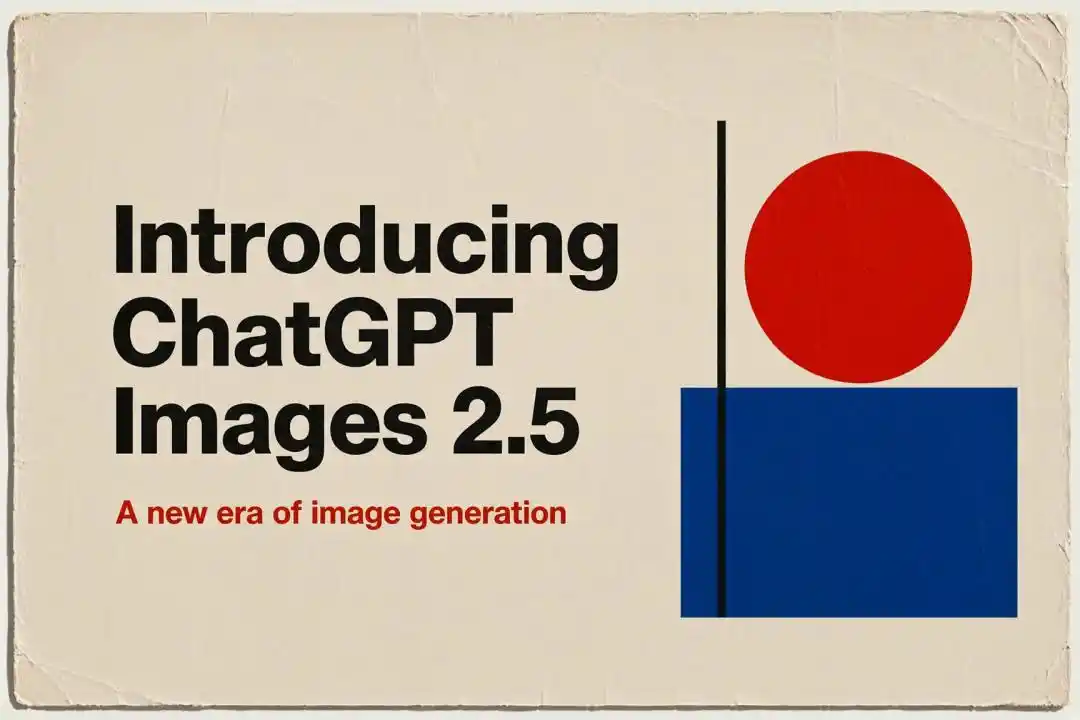
On the other hand, the "-1" at the end of the codename almost explicitly hints: there will be more new checkpoints emerging later.

In other words, this version being tested now may not be the final form of the new GPT Image.

If mona-lisa-1 really is just an intermediate checkpoint, then the official version OpenAI finally serves up might take another big step forward.

GPT Image 2 only reached the top four months ago, and OpenAI is already starting to break its own record by hand.

At this pace, by the time the official version is truly released, the ceiling for AI image generation will likely be raised another notch.

Next, it's up to OpenAI to reveal the true face of mona-lisa.

References:

https://x.com/AiBattle_/status/2086405404368503240?s=20

This article is from the WeChat public account "New Zhiyuan", author: ASI Apocalypse, editor: Peach

Related Questions

QWhat is the key improvement of the new anonymous model 'mona-lisa-1' over its predecessor GPT Image 2 according to the article?

AThe key improvement is significantly enhanced realism and a notable reduction in the 'plastic' or synthetic feel that was present in previous AI-generated images. Its outputs have richer details, better light and shadow rendering, and a higher overall aesthetic quality.

QHow was the 'mona-lisa-1' model definitively identified as a product from OpenAI?

AA user (@AiBattle_) ran images generated by 'mona-lisa-1' through OpenAI's verification tool, which detected a SynthID watermark embedded in the images. SynthID is a watermarking tool developed by OpenAI, confirming the model's origin.

QWhat is the evidence in the article suggesting that 'mona-lisa-1' was trained before 2026?

AA developer's test showed that the model consistently failed to answer prompts requiring knowledge of current events, with its responses being limited to information up to 2025. This indicates its training data likely cut off at the end of 2025, similar to GPT Image 2.

QBesides standard images, what type of complex visual content is the 'mona-lisa-1' model reported to be good at generating?

AThe model excels at generating complex infographics and diagrams, such as detailed web UI layouts, human organ diagrams, technical overview charts (like a GPT-5 infographic), and even realistic handwritten text in the style of figures like Einstein.

QWhat does the article suggest about the nature of 'mona-lisa-1' based on its name and its release timing?

AThe article suggests that 'mona-lisa-1' is likely a new intermediate checkpoint or an updated version built on the same underlying foundation as GPT Image 2, rather than a completely new 'brain'. The '-1' in its name hints that it may not be the final version, and more advanced iterations could be released in the future.

Related Reads

When 'Odysseus' Encounters the Algorithm

Christopher Nolan's "Odyssey," a $250 million IMAX epic, premiered in July 2026, quickly grossing over $1 billion and setting box office and critical records. The film's production was defined by its physical scale: shooting across six countries with practical effects, custom-built IMAX cameras, and extensive use of film. Concurrently, the AI-generated film "Odysseus: The Fall," created by the independent studio Fountain0 for just $50,000, demonstrated the technical feasibility of AI in long-form filmmaking. This stark 5,000x cost difference highlights a broader industry conflict between traditional, experience-driven production and algorithmic efficiency. While the AI film achieved technical success, it revealed current limitations, such as unstable long shots, inconsistent characters, and a lack of nuanced emotional performance. More importantly, its infinite, low-cost nature lacks the scarcity and immersive "event" status that fuels the theatrical premium for films like Nolan's. The market strongly favored the traditional model's brand security, physical assets, and premium theatrical experience. The analysis suggests AI will not replace auteurs like Nolan but will significantly disrupt mid-tier productions and technical, labor-intensive roles (e.g., pre-visualization, VFX). This could erode the career pathways for future directors. Paradoxically, as AI content proliferates, the perceived value of "handcrafted," physically-shot cinema may rise, akin to artisanal goods. The core tension is framed as the irreconcilable conflict between algorithmic "efficiency logic" and cinematic "experience logic." Ultimately, the enduring human preference may be for the unique, difficult journey of traditional storytelling over the predictable, algorithmically smooth path.

marsbit44m ago

When 'Odysseus' Encounters the Algorithm

marsbit44m ago

Wall Street 'Conspiracy Theory': Did Powell Deliberately Push Up Long-Term U.S. Treasury Yields?

Bank of America refutes market speculation that Federal Reserve Chair Warsh deliberately pushed up long-term U.S. Treasury yields via press conferences to tighten financial conditions. Their report argues such action contradicts the Fed's established policy framework and would lack FOMC support. According to the report, some market participants interpreted the post-July FOMC meeting rise in long-end yields and inflation breakevens as a deliberate strategy by Warsh to combat inflation by tightening financial conditions. Analysts Mark Cabana and Aditya Bhave directly reject this, stating the FOMC's core policy tool remains the federal funds rate, as outlined in its long-term strategy statements. They emphasize Warsh cannot unilaterally alter the Fed's operational approach, which would require full FOMC consensus—a high bar. The analysis highlights the Fed's precise control over overnight rates versus its limited, indirect influence on long-term yields, which operate through policy expectations and the hard-to-manage term premium channel. The recent sharp move in long-end rates serves as a reminder of the risks of operating outside the Fed's direct control. The report concludes the FOMC is unlikely to abandon its proven, controllable tools for unverified methods, dismissing the "four-dimensional chess" theory of long-rate manipulation as market overinterpretation.

marsbit48m ago

Wall Street 'Conspiracy Theory': Did Powell Deliberately Push Up Long-Term U.S. Treasury Yields?

marsbit48m ago

Third Quarter Beijing Office Market: Investment and Owner-occupier Acquisition Demand to Recover in Parallel

Third Quarter Beijing Office Market: Investment and Owner-Occupier Acquisition Demand to Recover in Parallel Structural shifts in the domestic economy are reshaping office leasing demand. While expansion in high-tech sectors like AI, semiconductors, and new energy will drive demand, traditional industries may downsize to cut costs. Rents are expected to continue declining due to new supply and landlords' concessions, but prime submarkets attracting high-tech tenants will see slower rental declines and faster absorption. Tenants increasingly favor submarkets with strong industry clusters and supportive policies. The adoption of AI may also lead some firms to reduce their office footprint as they optimize workforce efficiency. The investment sales market is showing signs of recovery. Investor-buyers are becoming more active, targeting properties with stable rental income in key tech hubs. Simultaneously, owner-occupier demand is emerging from high-tech firms seeking headquarters. They prefer buildings in relevant industry locations with good renovation potential. Market Strategy for Q3 2026: * For Tenants: Those for whom office image is critical should consider prime buildings in the CBD. Leverage strong brand positions to negotiate favorable terms, including landlord contributions to fit-out costs. * For Landlords: Transition to service providers by offering industry-specific support like financing connections. Proactively engage expiring tenants with renewal incentives and dedicated account management. * For Buyers: Investor-buyers should target stable, well-occupied assets in submarkets like Zhongguancun. Owner-occupiers from high-tech sectors can seek value in properties with good locational fit but financially pressured sellers, carefully assessing renovation costs. Q2 2026 Market Snapshot: The average effective rent for Beijing Grade A offices fell 2.7% QoQ to RMB 197/sqm/month, with vacancy at a high 16.3%. High-tech sectors drove major leases in submarkets like Zhongguancun and Wangjing-Jiuxianqiao. Total investment sales volume reached RMB 14.2 billion, boosted by investor interest in tech areas and owner-occupier acquisitions by high-tech firms. The average sales price rose 24% QoQ to RMB 38,312/sqm, partly due to premium prices paid for owner-occupier purchases in key financial submarkets.

marsbit48m ago

Third Quarter Beijing Office Market: Investment and Owner-occupier Acquisition Demand to Recover in Parallel

marsbit48m ago

BofA Research Report Insights: Bull & Bear Indicator Rises to 9.7, Liquidity Backstop and Midterm Elections Form Market's Core Contradiction

Bank of America's Bull & Bear indicator rose to 9.7 in early August, its highest since 2021 and nearing a "sell" signal. Weekly flows showed $52.9B into cash, $32.9B into equities, and $23.1B into bonds. The report highlights a core market contradiction: clear policy intent to backstop financial conditions (evidenced by recent coordinated FX intervention, termed a "poor man's LTCM event") versus extreme bullish sentiment, widening credit spreads for AI mega-cap firms, and rising political uncertainty ahead of the midterm elections. Fund flows were mixed: while equity inflows are on a record annualized pace, the tech sector saw its first outflow in six weeks. Bank of America's strategy advises a "summer retreat or rotation"—exiting risk assets or rotating into defensive sectors (consumer staples), duration assets (REITs, small caps, biotech), and the USD to hedge against potential financial tightening. The midterm election is identified as the key macro variable for H2 2026, acting as a referendum on populist fiscal policies. A Republican-held Senate is viewed as market-positive. The report also notes that AI capital expenditure momentum requires the Mag 7 index to recover above 50 to counter threats from cheap Chinese computing. Near-term market direction may hinge on July payroll data, influencing the Fed's Jackson Hole stance. Overall, while liquidity backstops provide downside protection, the extreme Bull & Bear reading suggests limited upside.

marsbit51m ago

BofA Research Report Insights: Bull & Bear Indicator Rises to 9.7, Liquidity Backstop and Midterm Elections Form Market's Core Contradiction

marsbit51m ago

Trading

Spot
活动图片