New York's "Egg Giveaway" Battle: Polymarket Opens a Store, Kalshi Issues Coupons, What Are the Giants Up To?

marsbitPublished on 2026-02-04Last updated on 2026-02-04

Abstract

Two prediction market giants, Kalshi and Polymarket, are launching offline promotional campaigns in New York to attract users and influence regulatory perception. Ahead of the Super Bowl, Kalshi offered $50 worth of free groceries at a local market through a limited-time pop-up event, encouraging participation in low-stakes predictions like local gas price changes. Polymarket went further, announcing the opening of a “free grocery store” in New York and donating $1 million to a food bank, while distributing free produce like tomatoes and eggs—a tactic reminiscent of classic user-acquisition strategies in China. The $50 offer holds significant value in New York: it can buy about 1.5 pounds of beef, five McDonald’s meals, or cover two days of food for an average person. Both campaigns drew considerable public attention, with long queues reported. Beyond user growth, these moves appear strategically timed amid regulatory scrutiny. New York state lawmakers are considering bills to restrict prediction markets, likening them to unregulated gambling. By addressing food affordability—a key issue aligned with local political discourse—Kalshi and Polymarket may be attempting to shape a more favorable regulatory environment, even though direct oversight falls to state and federal authorities.

"Each generation has its own eggs to claim," and the value of this statement continues to rise!

This time, the two titans of the prediction market—Kalshi and Polymarket—are the ones stirring up this egg scramble.

In a bid to grab more attention ahead of the "American Super Bowl," the two platforms recently launched their own "offline promotion performances"—Kalshi offered users $50 worth of free groceries at a market in New York; Polymarket went even further, unveiling its months-in-the-making "first free grocery store in New York," set to open on February 12. In the battle for attention and user growth, the prediction market giants, valued at billions, have chosen the oldest but most effective route: "ground-level offline promotions."

Regarding this, we immediately contacted our New York-based colleague Connie for the latest on "Kalshi and Polymarket's offline promotions" and practical details like "how much can $50 actually buy in New York City?" to share with our readers.

When Prediction Market Giants Dive into Offline Promotions: Kalshi's Pop-Up, Polymarket's "Instant Store Launch"

As one of America's premier metropolises, New York has become a crucial battleground and focal point for Kalshi and Polymarket, the two prediction market giants.

Addressing the growing cost-of-living pressures in New York and across the U.S., both Kalshi and Polymarket have rolled out major initiatives—
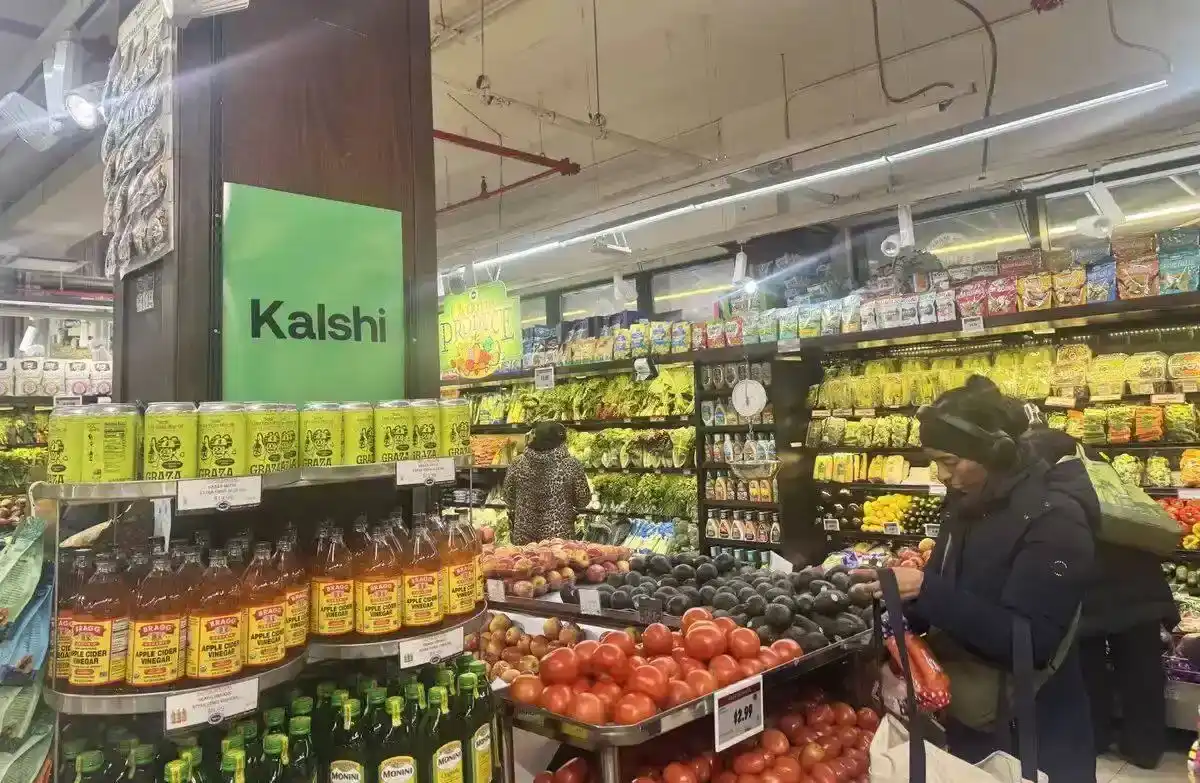
On February 3, Kalshi offered select users a【limited-time】$50 free grocery benefit at Westside Market on Third Avenue and 84th Street, aiming to attract more users to participate in various real-world event predictions on their platform.

Judging from the surrounding "flyers," "supermarket posters," and other materials, Kalshi's offline promotion resembled an impromptu "pop-up event"—partnering with a local market to deploy temporary offline materials, using "free $50 worth of groceries" as bait to draw crowds to line up and engage. This was confirmed by Connie.
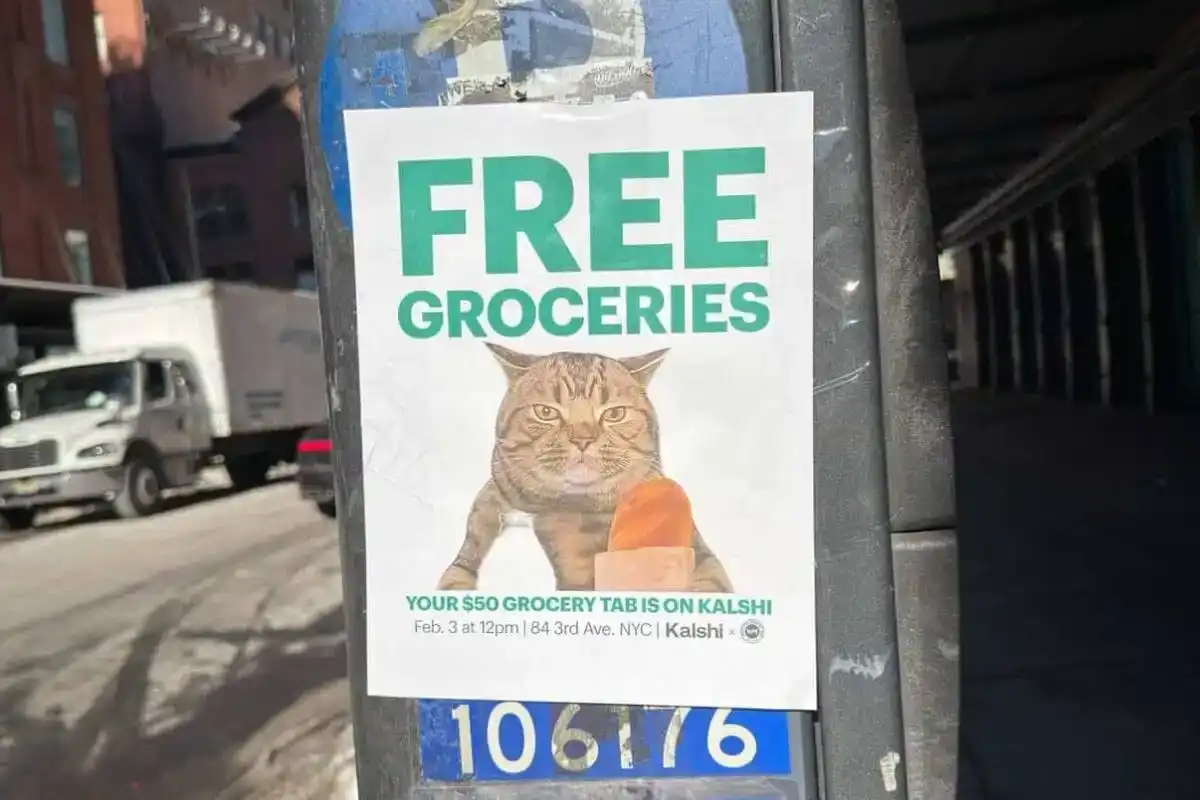
Additionally, through this pop-up, Kalshi hopes to attract more people to join prediction markets with accessible, low-barrier questions like "Will New York City's gas prices exceed $3.3 this year?" thereby achieving brand marketing and user acquisition goals.

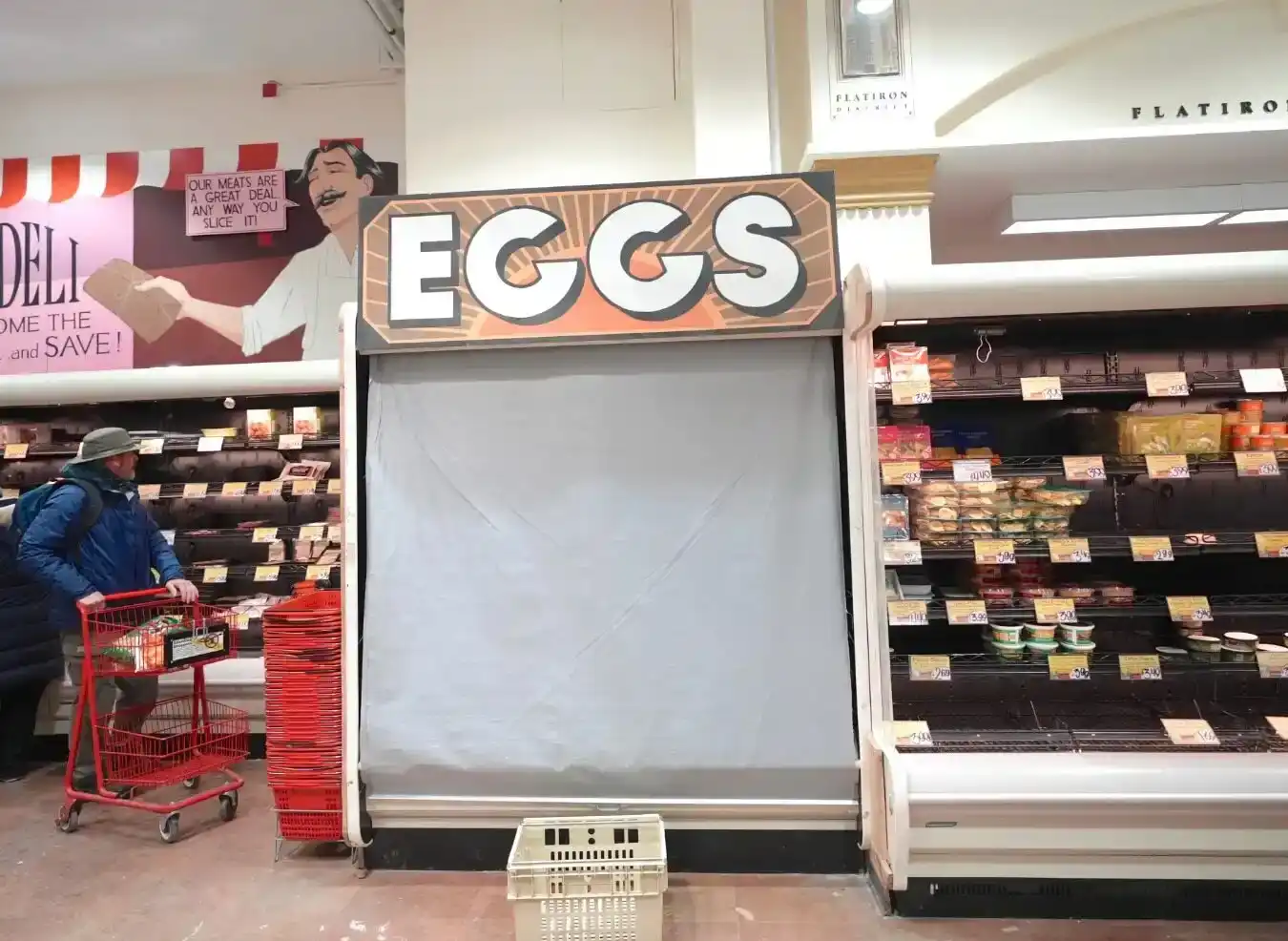
Compared to Kalshi's somewhat rough and highly commercial approach, Polymarket's preparations were undoubtedly more thorough.

On February 3, slightly ahead of Kalshi's announcement, Polymarket officially announced that after months of careful planning, it plans to open "New York's first free grocery store" on February 12 (EST) by leasing a physical storefront. Additionally, Polymarket donated $1 million to the New York City Food Bank to address the region's "hunger issues."
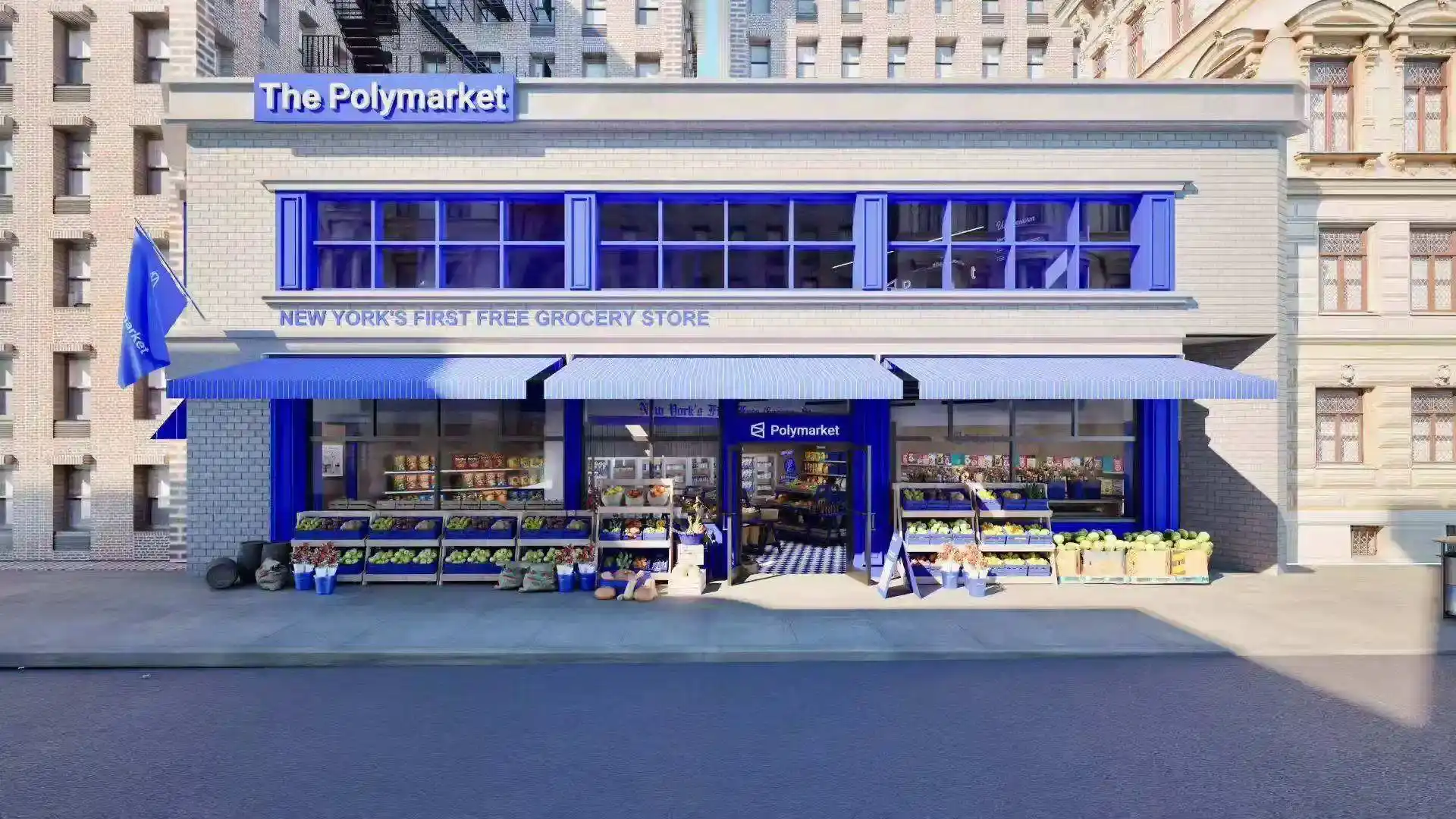
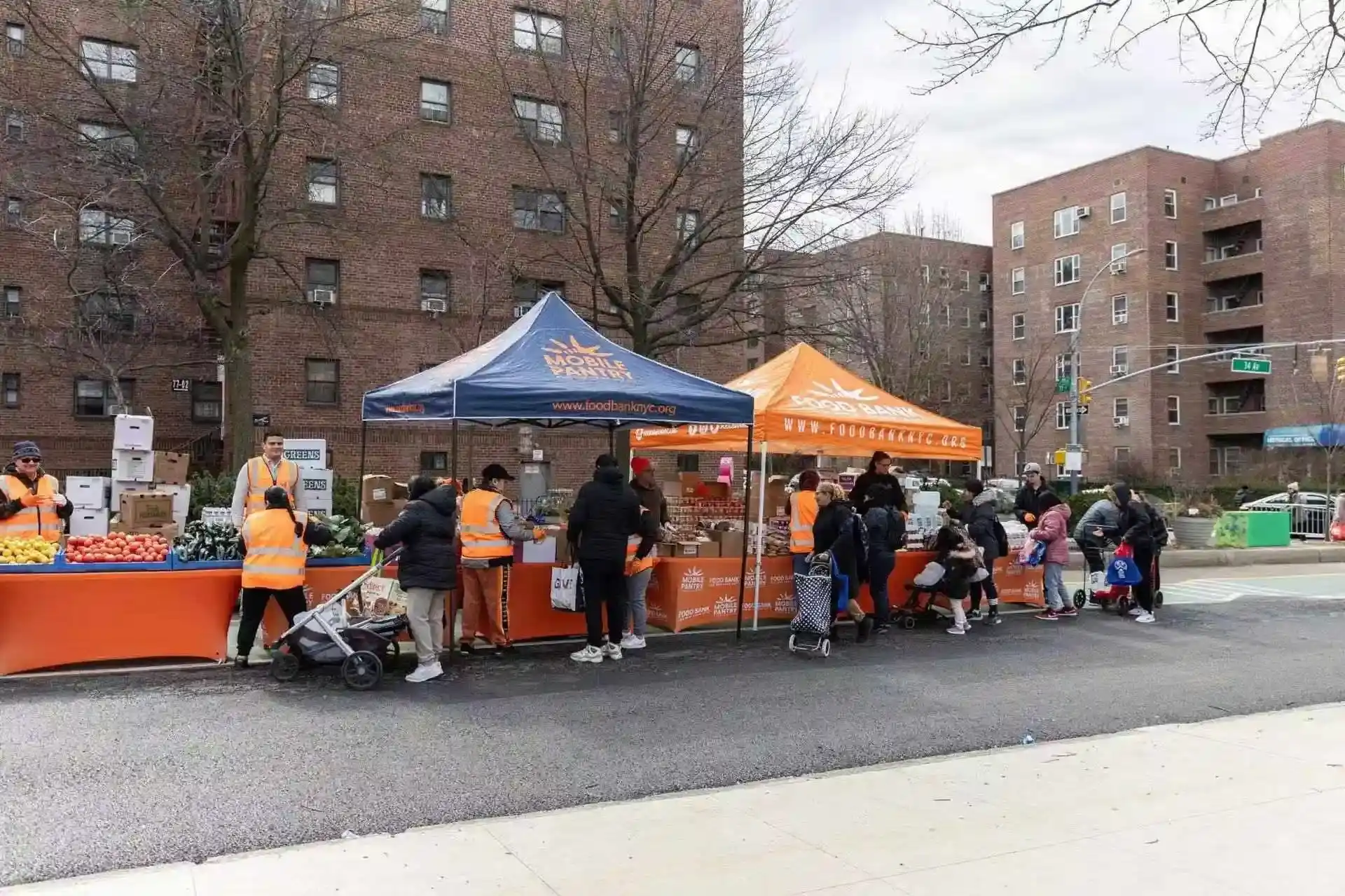
Polymarket also released actual photos of distributing vegetables like tomatoes and eggplants offline, instantly reminiscent of the domestic internet platform promotion era, full of "download the APP get free eggs" and "first recharge gift package" vibes.
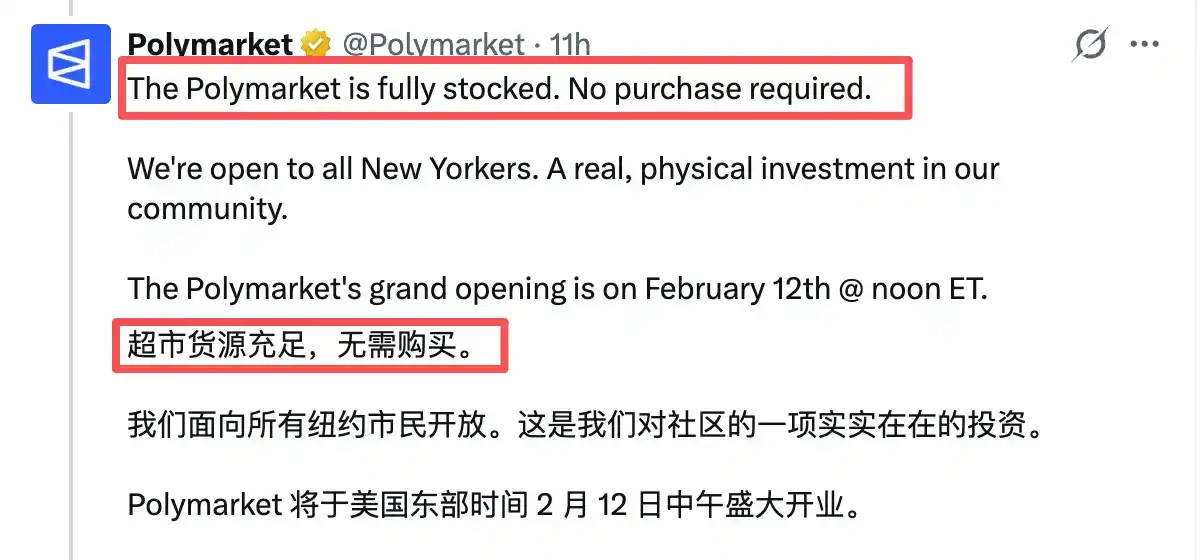
It's worth noting that Polymarket not only emphasized that "Polymarket's offline store is well-stocked, no purchase necessary" but also ended its post by encouraging donations to the New York City Food Bank, urging people to take practical action to address the real "hunger issues" caused by high food costs and the soaring cost of living.
Seeing this, one can't help but remark—

Fake crypto project promotions: Host offline conferences, feast on seafood, shill various scam tokens;

Real crypto project promotions: Give away vegetables, eggs, open offline stores for free food, engage in charity and public welfare, call for donations and compassion.
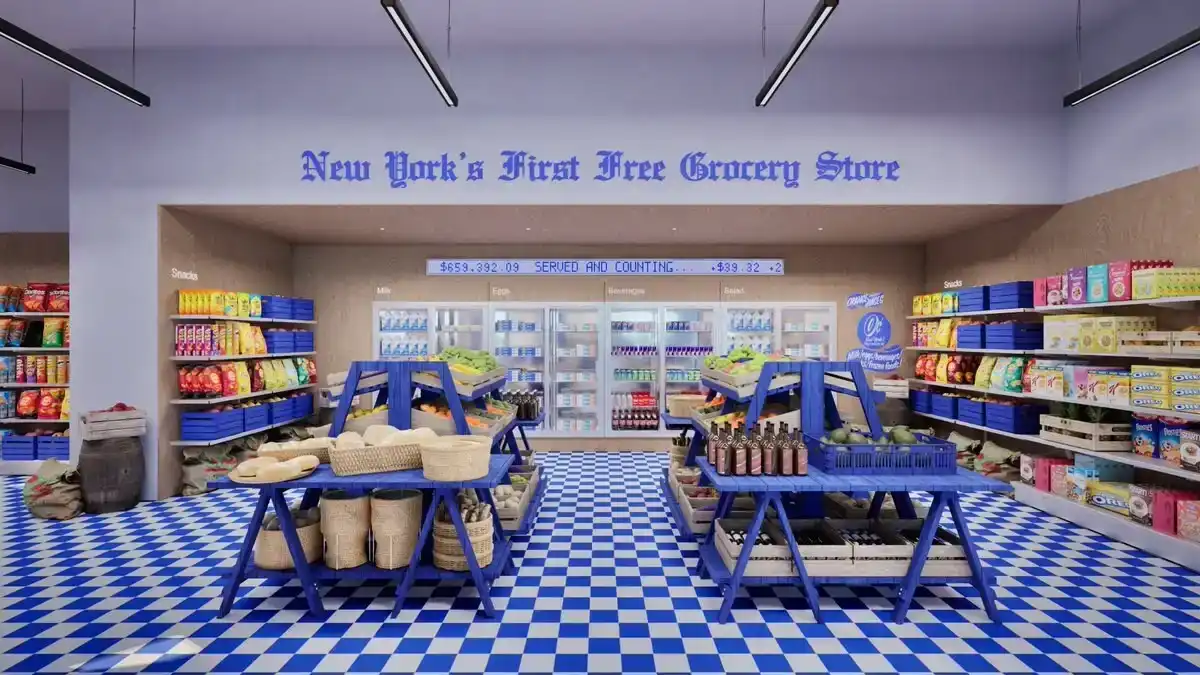
Regarding the actual purchasing power of Kalshi and Polymarket's "egg collection activities," we also discussed in detail with Connie.

The Real Purchasing Power of $50 in New York, USA: 5 McDonald's Meals, 1.5 lbs of Beef, or 2 Days of Food for the Average Person

According to Connie, $50 holds considerable value in New York City.

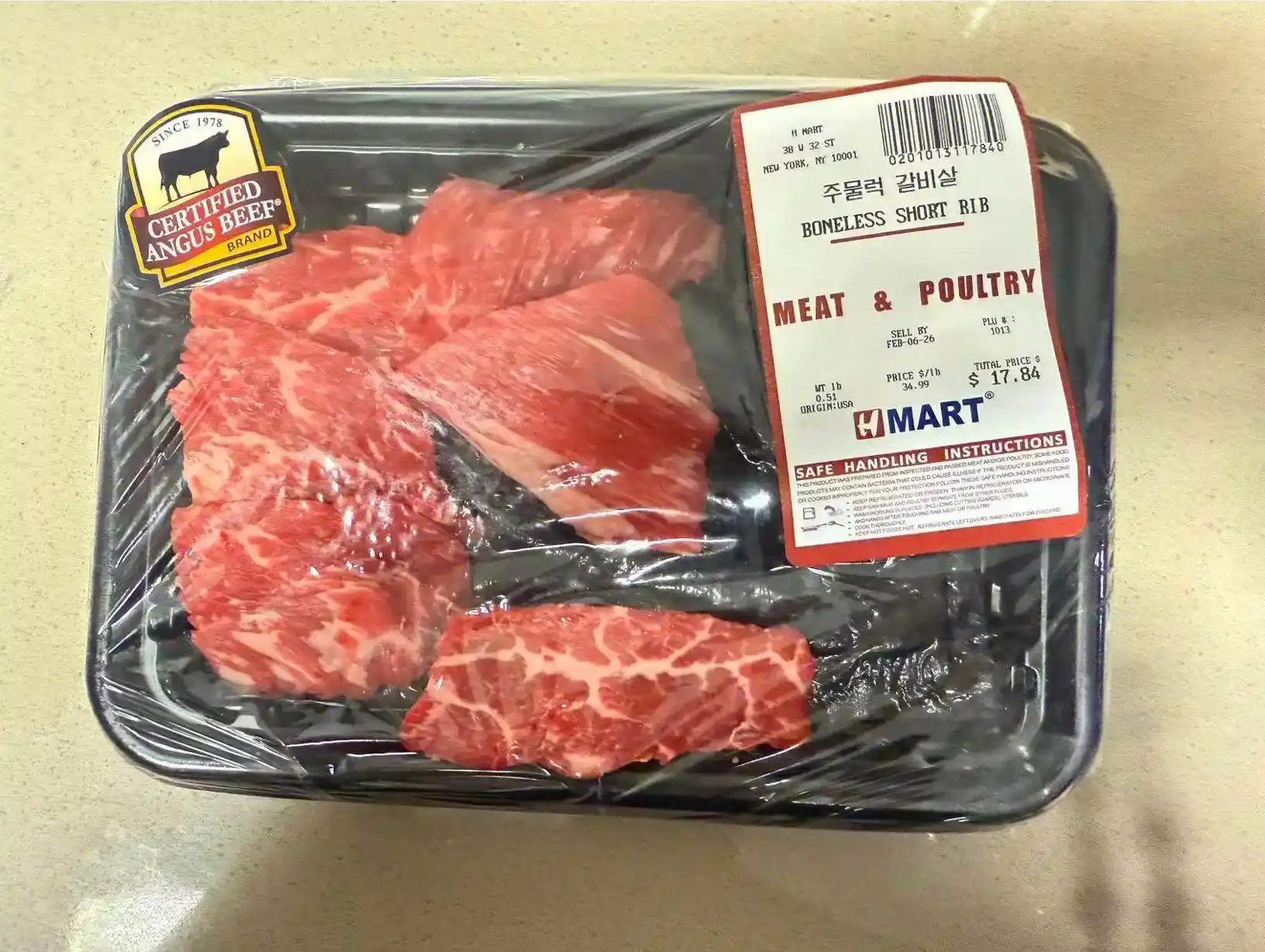
"Buying a 0.5 lb (about 0.45 kg) portion of beef at a local New York supermarket costs around $18, so $50 can buy about 1.5 lbs of beef"—enough protein for an adult's three meals a day. For comparison, a pound of beef in China costs only about 30 yuan, roughly 1/8th the cost in New York.
Converting to the well-known "Big Mac Index," the real purchasing power of $50 is quite impressive—a cheeseburger meal外卖 (takeout) with 800-1000 calories costs about $10.89, so $50 can buy about 5 meals; a double burger with 580 calories costs only about $7.20. Of course, these prices are "sky-high" compared to China, where the same burger meal costs only 25-40 yuan, half the price of New York's.
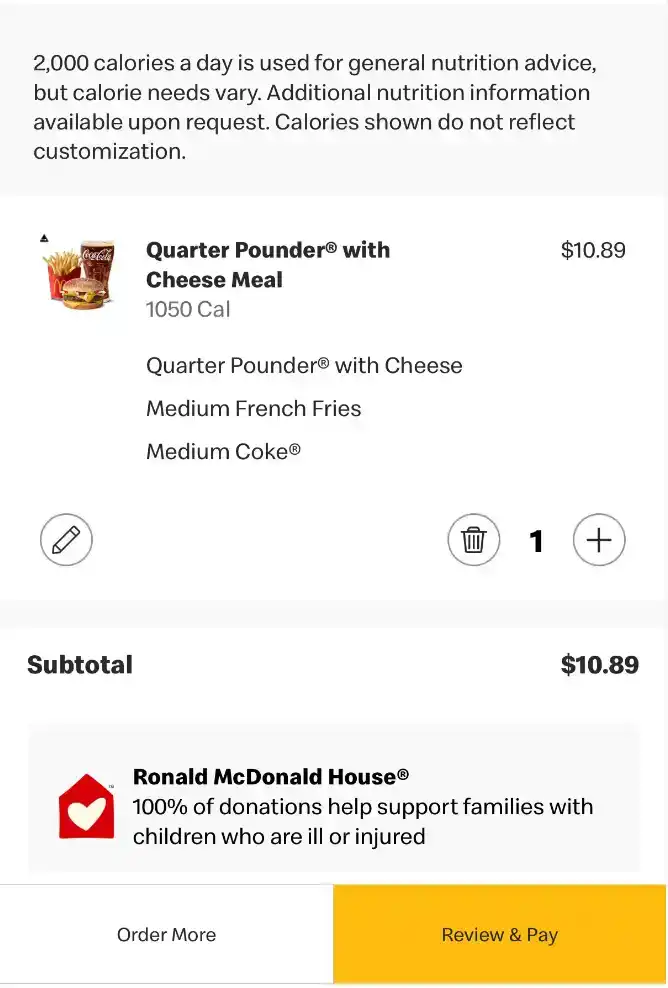
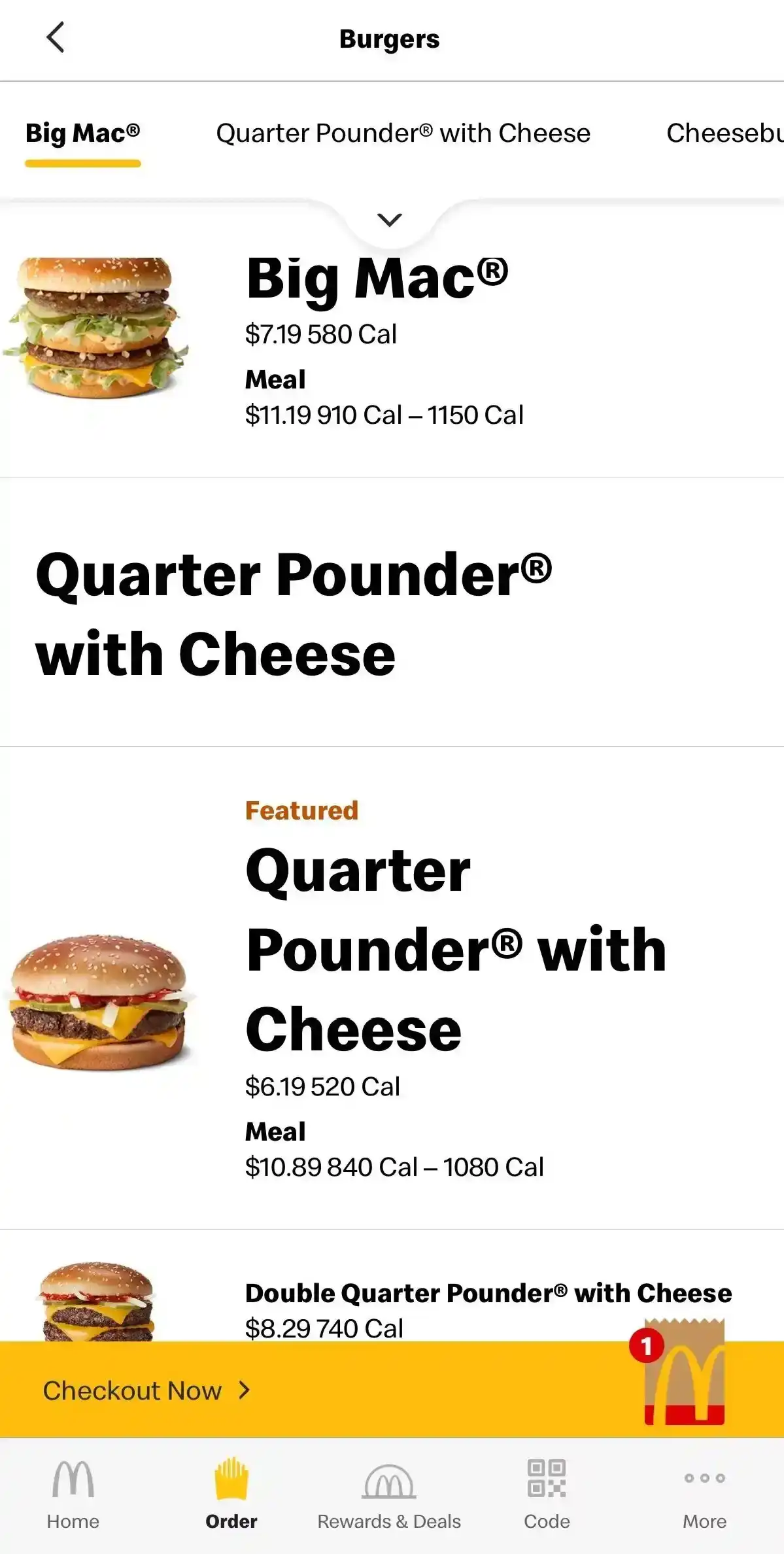
In other words, spent frugally, $50 can nearly cover an average person's food costs for about 2 days in New York (based on 5-6 meals). According to Connie, Kalshi's event attracted many Americans to line up for "free food," and "Americans' enthusiasm for queuing for freebies might even surpass that of Chinese people." Polymarket's "offline free grocery store" is also expected to draw large crowds. Based on the information released by Kalshi and Polymarket, the hard costs for these campaigns are likely at least $50,000 to $100,000.

Beyond charity and compassion, Kalshi and Polymarket have their own "business calculations" behind these substantial investments in manpower and resources.

The "Business Strategy" Behind Prediction Platforms' "Egg Giveaways": Influencing Institutional Regulation with Political Issues

Both Kalshi and Polymarket's food donation activities were conducted without coordination or communication with the New York City government; they are voluntary corporate actions.

However, the wording and objectives of their public statements closely align with the "policies" repeatedly emphasized by New York's new mayor, Zohran Mamdani, during his campaign—he proposed "opening publicly owned grocery stores in New York's five boroughs to lower food prices." Zohran Mamdani noted that city-run stores could reduce rental and operational costs through non-profit models and the use of public property. This proposal is still in the pilot stage, with no final implementation timeline yet determined.

On another front, as a key state, New York's legislators are busy drafting new bills targeting the emerging prediction market industry. Among them, the "ORACLE Act" aims to restrict or prohibit New York residents from betting on certain prediction market events and impose stricter regulations on event-based prediction markets; another piece of legislation plans to require prediction market operators to obtain a state-issued license before operating.

It's clear that some lawmakers still have concerns about prediction markets, viewing them as akin to unregulated gambling or susceptible to insider manipulation.

Given this, although the New York mayor has no direct jurisdiction over prediction market regulation (author's note: regulatory authority for prediction market platforms lies with state and federal governments), Kalshi and Polymarket's actions might be an attempt to indirectly seek more favorable regulations.

Finally, regardless of the ultimate impact of their "egg giveaway" efforts, we must admit that Chinese internet platforms' promotion models are likely at least 5-10 years ahead of the Western world.


Related Questions

QWhat are Kalshi and Polymarket doing in New York to attract users and what is the main goal of their campaigns?

AKalshi is distributing $50 worth of free food at a local market as a limited-time flash event, while Polymarket is opening a free grocery store in New York and has donated $1 million to the New York City Food Bank. Their main goal is to attract more users to their prediction market platforms, increase brand visibility, and potentially influence regulatory perceptions through public goodwill.

QHow does the purchasing power of $50 in New York compare to China, according to the article?

AIn New York, $50 can buy about 1.5 pounds of beef or 5 McDonald's cheeseburger meals, which is enough for approximately 2 days of meals for an average person. In contrast, the same amount of beef costs about one-eighth of the price in China, and a McDonald's meal is about half the cost compared to New York.

QWhat regulatory challenges are prediction markets like Kalshi and Polymarket facing in New York?

ANew York lawmakers are considering legislation such as the ORACLE Act, which aims to restrict or ban residents from betting on certain prediction market events and impose stricter regulations. Some legislators view prediction markets as unregulated gambling or susceptible to insider manipulation, leading to potential licensing requirements and tighter controls.

QHow does Polymarket's approach to 'giving away eggs' differ from typical crypto project promotions?

AUnlike typical crypto project promotions that involve hosting conferences, expensive dinners, and promoting speculative tokens, Polymarket's approach focuses on practical benefits like giving away free vegetables, eggs, and groceries, donating to charity, and encouraging public donations to address real-world issues like hunger and high living costs.

QWhat political context in New York is related to the actions of Kalshi and Polymarket, even though they didn't coordinate with the government?

ATheir initiatives align with New York Mayor Zohran Mamdani's campaign proposal to open publicly owned grocery stores to lower food prices, though his plan is still in the pilot stage. While the mayor has no direct regulatory authority over prediction markets, their actions may be an attempt to gain favor and influence state-level regulatory attitudes indirectly.

Related Reads

Korean Youth, Making a 'Last Stand' in an Epic Bull Market

South Korea is experiencing an unprecedented stock market boom in the first half of 2026, with the KOSPI index doubling in six months, driven primarily by tech giants Samsung Electronics and SK Hynix. This "epic bull run," tied to the semiconductor cycle, has sparked a nationwide frenzy for stock trading. The country, with a population of just over 50 million, now has over 105 million securities accounts. The article, from the perspective of a Chinese national living in Seoul, explores how this speculative fever reflects deeper societal anxieties among Korean youth. Facing stagnant wages, high costs of living, housing pressures, and rigid social stratification, many young people see the volatile market as a "last chance" to alter their predetermined life trajectories and escape financial precarity. Stories include a young office worker investing her meager savings, a couple delaying marriage due to financial pressures, and a seasoned trader navigating exclusive social circles where market information is currency. However, the boom also exposes and exacerbates existing inequalities. While some achieve windfalls, others face devastating losses, with borrowing to invest reaching record highs. The narrative contrasts the illusion of equal opportunity with the harsh reality that the ability to absorb risk is unevenly distributed. Ultimately, the market frenzy is portrayed not as a solution, but as a symptom of a generation's struggle against a system offering limited upward mobility, where daily life is a precarious balance of bills, debts, and societal expectations.

marsbit14m ago

Korean Youth, Making a 'Last Stand' in an Epic Bull Market

marsbit14m ago

Young South Koreans, Making a 'Last-Ditch Effort' in an Epic Bull Market

This article explores how an unprecedented stock market boom in South Korea during the first half of 2026, driven by the semiconductor industry, is transforming the lives of ordinary people, particularly the youth. The KOSPI index doubled in six months, fueled by giants Samsung and SK Hynix, leading to a frenzy of retail investing. With over 105 million stock accounts in a population of just over 50 million, a sense of "FOMO" (fear of missing out) is pervasive. Through the perspective of Li Yuning, a Chinese woman living in Seoul, the piece follows several young Koreans who see the market as a last chance to escape stifling economic pressures, high housing costs, and narrow social mobility. Individuals like Minji, a low-paid office worker, and Junho, saving for marriage, invest their limited savings, while experienced traders like Suhu navigate exclusive social circles. The narrative reveals that this speculative fever stems less from greed and more from deep-seated anxiety about being left behind in a society with growing wealth inequality and rigid class structures. However, the boom also exposes stark social divides. It exacerbates wealth gaps, as those with family support or existing capital fare better. The pressure to succeed is immense, with stories of devastating losses leading to personal tragedy. Ultimately, the article suggests the牛市 acts as a pressure valve and a temporary illusion of opportunity in a system where traditional paths to advancement seem increasingly closed, leaving young people to gamble on the market as a final, desperate bid for a better future.

链捕手20m ago

Young South Koreans, Making a 'Last-Ditch Effort' in an Epic Bull Market

链捕手20m ago

Doubao Charges More than GPT, While DeepSeek Slashes Prices Dramatically: Who Will Win?

The article discusses the divergent pricing strategies of two major Chinese AI companies. In May, Doubao (by ByteDance) began testing fees, with its professional tier priced higher than ChatGPT Plus. Meanwhile, DeepSeek permanently cut prices for its V4-Pro API to a quarter of the original, setting new global lows. Doubao, with high user traffic from ByteDance apps like TikTok, leads in monthly active users but faces massive compute costs from its free model. Its move to a freemium model targets heavy users, aiming to balance scale and monetization amid substantial investments. DeepSeek's price cut is attributed to architectural innovations that slash inference costs, adaptation to domestic hardware reducing dependency, and engineering optimizations. It focuses on the enterprise (B2B) market, aiming to become a leading model base. Both companies are currently unprofitable. The article contrasts their approaches with Anthropic, which is profitable by primarily serving enterprises with high-value use cases like coding and agents. It argues that sustainable AI business models require integrating AI into real workflows to deliver tangible ROI, rather than just offering chat services. DeepSeek's recent $7 billion funding round, including investments from Tencent, is noted to bolster its B2B position. The ultimate winner will be the player that successfully transforms AI into measurable returns, whether through consumer productivity ecosystems or enterprise platforms.

marsbit29m ago

Doubao Charges More than GPT, While DeepSeek Slashes Prices Dramatically: Who Will Win?

marsbit29m ago

Promised Year of Crypto IPOs? Only One Went Public in Six Months, Down 70%

The much-anticipated wave of crypto IPOs in 2026 has failed to materialize, with market conditions worsening dramatically. While SpaceX prepares for the largest IPO in history, raising $75 billion at a $1.75 trillion valuation, the crypto sector faces a frozen pipeline. The sole crypto IPO success this year, BitGo, serves as a cautionary tale. After launching on the NYSE in January at $18, its stock has plummeted approximately 70%. Other major contenders have stalled or delayed. Kraken, which secretly filed in late 2025, has put its plans on ice, seeing its valuation drop 33% to $13.3 billion. Consensys has postponed its filing until autumn at the earliest, and Bitpanda is poised to miss its self-imposed H1 deadline for a Frankfurt listing. This widespread retreat is driven by a severe liquidity crunch. Bitcoin has fallen below $60,000, with capital being diverted to AI stocks and the massive SpaceX offering. The poor performance of earlier crypto listings like Gemini and the stagnant price of Coinbase further dampen investor appetite. A key underlying pressure is the impending US midterm elections in November, which could alter the currently favorable regulatory landscape. Companies had hoped to go public during this window of policy certainty, but challenging market dynamics have overridden those plans. The transparency that comes with being a public company is now seen as a potential liability rather than a benefit in a down market. The industry's fate now hinges on a few critical watchpoints: whether Kraken restarts its process in H2, if Consensys files in the fall, and if SpaceX's debut can revitalize market liquidity. Otherwise, the promised "crypto IPO year" will likely be pushed beyond the election.

marsbit43m ago

Promised Year of Crypto IPOs? Only One Went Public in Six Months, Down 70%

marsbit43m ago

Trading

Spot
Futures

Hot Articles

Discussions

Welcome to the HTX Community. Here, you can stay informed about the latest platform developments and gain access to professional market insights. Users' opinions on the price of S (S) are presented below.

活动图片