Middle East Risks Escalate, Trump's Options on the Table: How Will Bitcoin React?

比推Published on 2026-01-16Last updated on 2026-01-16

Abstract

Amid escalating tensions in the Middle East in mid-January 2026, the U.S. began precautionary evacuations from key bases like Al Udeid Air Base in Qatar, signaling a shift from rhetorical deterrence to tangible risk. Markets responded by pricing in uncertainty rather than a definitive outcome. Gold and silver hit record highs as investors sought traditional safe havens, while Bitcoin surged to $97,694, reflecting its role as a macro hedge asset sensitive to liquidity and geopolitical stress. The key market focus is not whether conflict occurs, but its potential scale and impact on energy markets, dollar strength, and global liquidity. Bitcoin’s trajectory hinges on whether the situation escalates into a broader crisis—driving hedging demand—or remains contained, avoiding severe financial tightening.

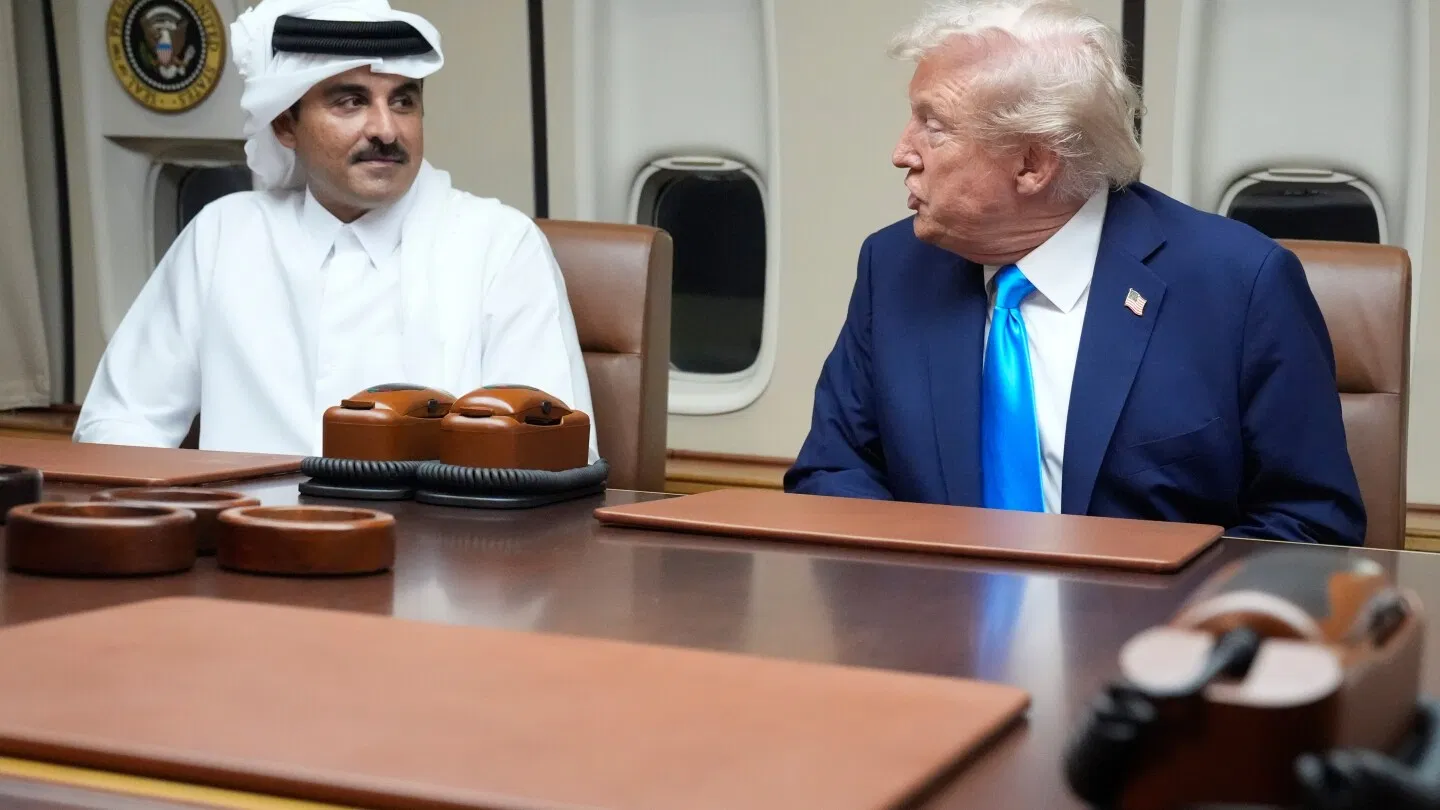
In mid-January 2026, the market is not facing a publicly announced war plan, but rather a rapidly escalating cycle of tensions with deliberately ambiguous official statements: the United States has begun evacuating or advising the evacuation of some personnel from key areas in the Middle East, including the Al Udeid Air Base in Qatar. According to the Financial Times, the base is home to approximately 10,000 U.S. military personnel; Reuters also noted that as regional tensions escalate and Iranian officials warn of retaliation against neighboring countries hosting U.S. forces if the U.S. launches an attack, the U.S. has taken preventive evacuation measures.
For investors, the most important signal is that these actions are not mere "verbal deterrence" or media manipulation—the movement of personnel and assets is extremely costly in reality and is usually done not just for show; but at the same time, these measures do not yet constitute confirmation of an imminent military operation, meaning the market is pricing in a "probability distribution" rather than a single certain outcome.
Why This Change Is Quickly Reflected in Asset Prices

When geopolitical risks rise from background noise to actionable tail risks, the assets that react first are often those that directly price uncertainty. This week's market movements illustrate this: Reuters reported that on January 14, 2026, spot gold hit a historic high of $4,639.42 per ounce, and spot silver also broke through $90 per ounce for the first time, with the rise attributed to a combination of interest rate cut expectations and geopolitical uncertainty; the following day, as Trump signaled a "pause in action, wait and see" approach, gold retreated, and the market saw profit-taking.
This process itself is significant, as it shows that the market is currently in a state where investors are willing to pay a premium for safety when the situation is unresolved; but once official statements tilt toward de-escalation, panic sentiment is quickly digested.
Bitcoin's Position in This Macro Environment

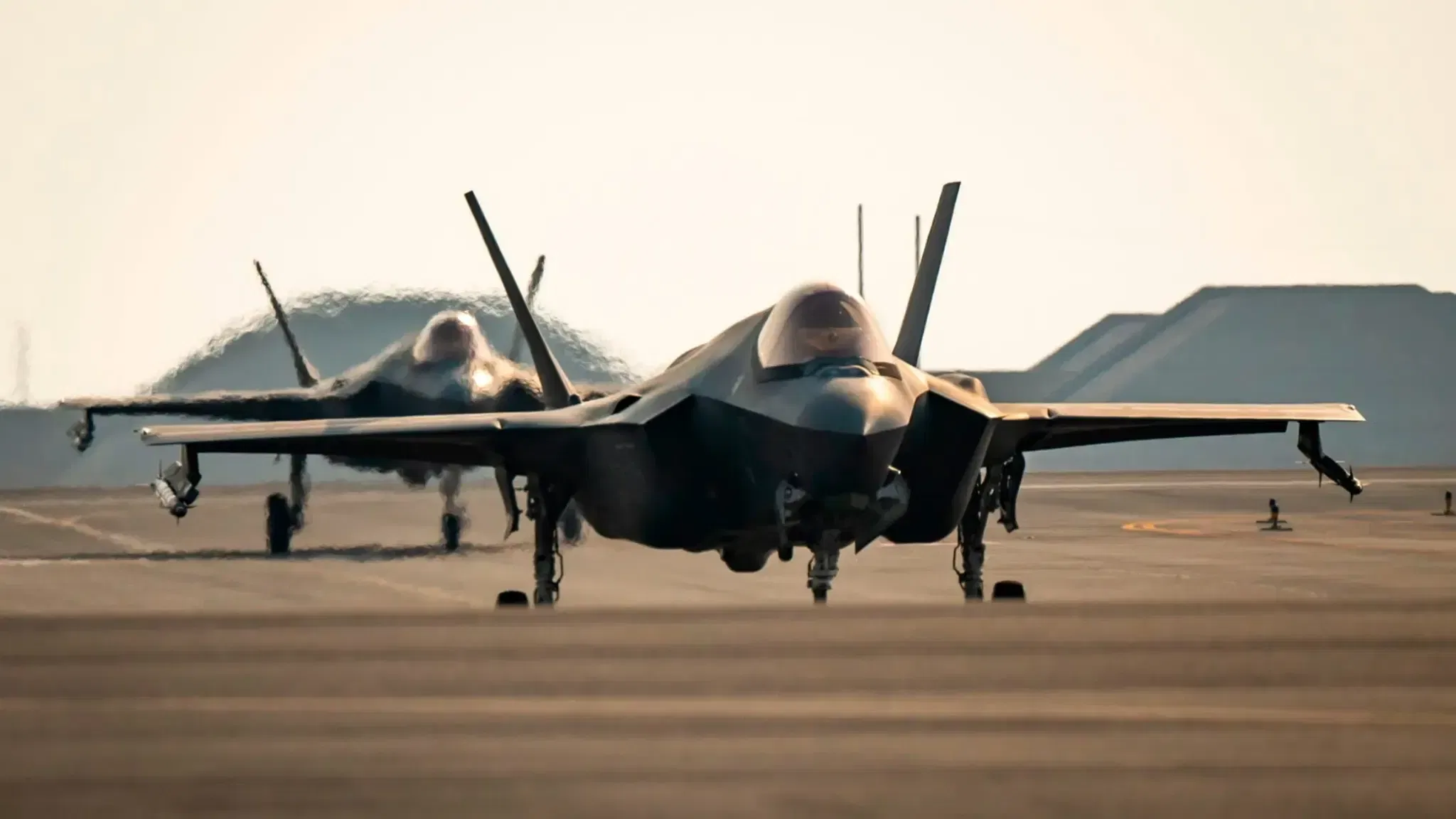
Bitcoin's reaction is often simplistically categorized as a "risk asset" or "safe-haven asset," but a more accurate description is: it is a macro asset highly sensitive to liquidity. Its short-term movements depend on whether the dominant market transmission path is "panic" (which may push up the U.S. dollar and tighten financial conditions) or "hedging demand" (which drives funds toward non-sovereign stores of value).
In this round of events, Bitcoin clearly participated in the "macro hedging asset" rally. Bloomberg reported that Bitcoin rose to $97,694 during intraday trading on January 14, 2026, with a daily gain of up to 3.9%, hitting its highest level since mid-November; at the same time, this rise liquidated over $500 million in bearish crypto options positions, indicating a significant release of structural pressure in the market.

The Core Issue Is Not "Whether to Use Force," but "How It Escalates"

For the market, what is more tradable is not the yes-or-no question of "whether Trump will launch a strike," but rather the nature and scale of potential escalation, and its impact on oil prices, the U.S. dollar's trajectory, and global liquidity. Even within the "digital gold" narrative framework, these variables still dominate Bitcoin's short-term direction.
If the conflict is contained within a limited timeframe and does not affect energy supplies, the market can often digest this shock relatively quickly, especially against a backdrop of loose monetary policy expectations; but if the escalation scenario involves regional energy disruptions or triggers broader retaliation, risk assets as a whole may face liquidity tightening pressure, including high-leverage positions in the crypto market.

What to Focus on Next

The key to judging whether the market has moved from the "risk premium phase" to "crisis mode" lies not in a single news item, but in whether preventive actions evolve into sustained military posture adjustments and whether official statements become consistent across different agencies. Isolated defensive measures may be mere caution, while coordinated actions across agencies and regions usually indicate a higher intent to act.
Current public reports show that Reuters emphasizes preventive evacuations due to Iranian warnings, while the Financial Times and Associated Press focus more on U.S. efforts to reduce potential retaliation risks. Together, this information paints a strategic posture of "preparing for volatility but not yet publicly committing to action."

Conclusion

Based on public information, it is impossible to determine whether Trump will definitely use force against Iran, but the market already views this possibility as a non-negligible risk. This is why traditional safe-haven assets like gold hit new highs, and it explains why Bitcoin was able to rise to around $97,000 amid macro hedging sentiment.
Bitcoin's next direction will likely depend not on a single breaking headline, but on whether the evolving situation increases the probability of an energy shock and a stronger U.S. dollar (which is typically unfavorable for liquidity-sensitive assets) or further strengthens hedging demand in an environment of combined political and monetary uncertainty—in the latter scenario, Bitcoin has often benefited in sync with gold in the past.


Twitter:https://twitter.com/BitpushNewsCN

Bitpush TG Discussion Group:https://t.me/BitPushCommunity

Bitpush TG Subscription: https://t.me/bitpush

Original link:https://www.bitpush.news/articles/7603433

Related Questions

QWhat was the key signal to investors regarding the US military movements in the Middle East in mid-January 2026?

AThe key signal was that the US had begun evacuating or advising the evacuation of personnel from key areas in the Middle East, including the Al Udeid Air Base in Qatar. These actions, involving high real-world costs, indicated the situation was more than just 'verbal deterrence' or media manipulation, yet they did not confirm an imminent military strike, meaning the market was pricing a 'probability distribution' rather than a single certain outcome.

QHow did Bitcoin react to the escalation of geopolitical tensions on January 14, 2026, and what does this indicate about its nature?

AOn January 14, 2026, Bitcoin's price rose to $97,694, with a single-day gain of up to 3.9%, reaching its highest level since mid-November. This indicates that Bitcoin acted as a 'macro hedge asset' in this event. Its short-term direction is highly sensitive to liquidity and depends on whether the dominant market narrative is 'panic' (which could strengthen the dollar and tighten financial conditions) or 'hedging demand' (driving capital into non-sovereign stores of value).

QAccording to the article, what is the more critical question for the market than whether the US will launch a military strike?

AThe more critical and tradeable question for the market is not a simple 'will they or won't they' regarding a military strike, but rather the nature and scale of any potential escalation, and its impact on oil prices, the US dollar's trajectory, and global liquidity.

QWhat are the two potential scenarios described for how the conflict could impact markets, including Bitcoin?

AThe two scenarios are: 1) If the conflict is contained in duration and does not disrupt energy supplies, the market could digest the shock relatively quickly, especially amid expectations of loose monetary policy. 2) If the escalation involves regional energy disruption or triggers broader retaliatory actions, risk assets overall could face liquidity tightening pressure, putting leveraged positions—including those in crypto markets—under stress.

QWhat does the article suggest is the key indicator for determining if the market moves from a 'risk premium phase' to 'crisis mode'?

AThe key indicator is not a single news headline, but whether preventive actions evolve into sustained adjustments in military posture and whether official statements become consistent across different government agencies. Isolated defensive measures might just be prudent behavior, while coordinated actions across agencies and regions typically signal a higher intent to act.

Related Reads

SpaceX, OpenAI, Anthropic: The Three AI Giants Racing for IPO, Which One Is Worth Betting On?

SpaceX, OpenAI, and Anthropic are poised for historic IPOs within weeks, potentially raising a combined $180 billion—a sum exceeding the entire internet bubble's fundraising. The hosts of the Limitless Podcast argue this isn't just individual company financing but an unprecedented capital concentration for AI infrastructure, driven by an insatiable need for compute, data centers, power, and chips. SpaceX's IPO is notable for reportedly changing market index rules to allow faster inclusion, potentially funneling trillions in passive retirement funds into its stock, despite its unproven space-based data center business model. In contrast, Anthropic demonstrates explosive growth, with ARR reportedly hitting $45 billion and approaching profitability, fueled by strong enterprise adoption of products like Claude Code. Google's separate $80 billion raise highlights the immense capital pressure, even for giants. The discussion acknowledges bubble risks but leans optimistic. The hosts contend the massive spending is building essential physical infrastructure for the next technological era. A key bottleneck isn't capital but the real-world limits of chip manufacturing and construction speed. As long as demand for AI compute outstrips supply, this investment cycle represents a foundational build-out rather than a purely financial bubble. All three companies are seen as foundational bets on the future, with Anthropic often cited as the most immediately compelling due to its proven revenue trajectory.

marsbit2h ago

SpaceX, OpenAI, Anthropic: The Three AI Giants Racing for IPO, Which One Is Worth Betting On?

marsbit2h ago

Trading

Spot
Futures

Hot Articles

Discussions

Welcome to the HTX Community. Here, you can stay informed about the latest platform developments and gain access to professional market insights. Users' opinions on the price of S (S) are presented below.

活动图片











