GPT-5.5 Suffers Secret Intelligence Downgrade, Crashes at Thought Token 516, Stumbles Harder on Tougher Tasks

marsbitPublished on 2026-07-05Last updated on 2026-07-05

Abstract

The article reports a concerning anomaly discovered in OpenAI's GPT-5.5 model. Developers analyzing backend metadata found a disproportionate number of its reasoning processes abruptly terminating precisely at 516 tokens, with similar spikes at multiples like 1034. Statistical analysis revealed that while GPT-5.5 handled only 19.3% of total responses, it was responsible for over 80% of these "exact 516" stoppages. This pattern is drastically more pronounced in GPT-5.5 compared to other models, suggesting a possible hidden "reasoning budget" cap or truncation mechanism. Concurrently, users report the model has become overly formulaic, persistently using bullet points, offering unsolicited corrections, and providing excessive options, making interactions feel less helpful. The core concern is that GPT-5.5 may be prioritizing structured, truncated responses over genuine, in-depth problem-solving, especially for complex tasks.

It's absolutely bizarre.

OpenAI's flagship model, GPT-5.5, has recently experienced a sudden and significant "drop-off" in performance on complex coding tasks.

The truly unsettling part? Someone has discovered its "death code":

The number 516.

A wave of Codex developers have collectively complained, verifying this absurd bug.
Why is a top-tier large model being tripped up by a single number?

GPT-5.5 Gets Stuck at "516"

80% of Tasks Secretly Downgraded in Intelligence

The truth of the matter is like this...

A week ago, Codex developer @vguptaa45 pulled backend metadata and stumbled upon a chilling pattern—

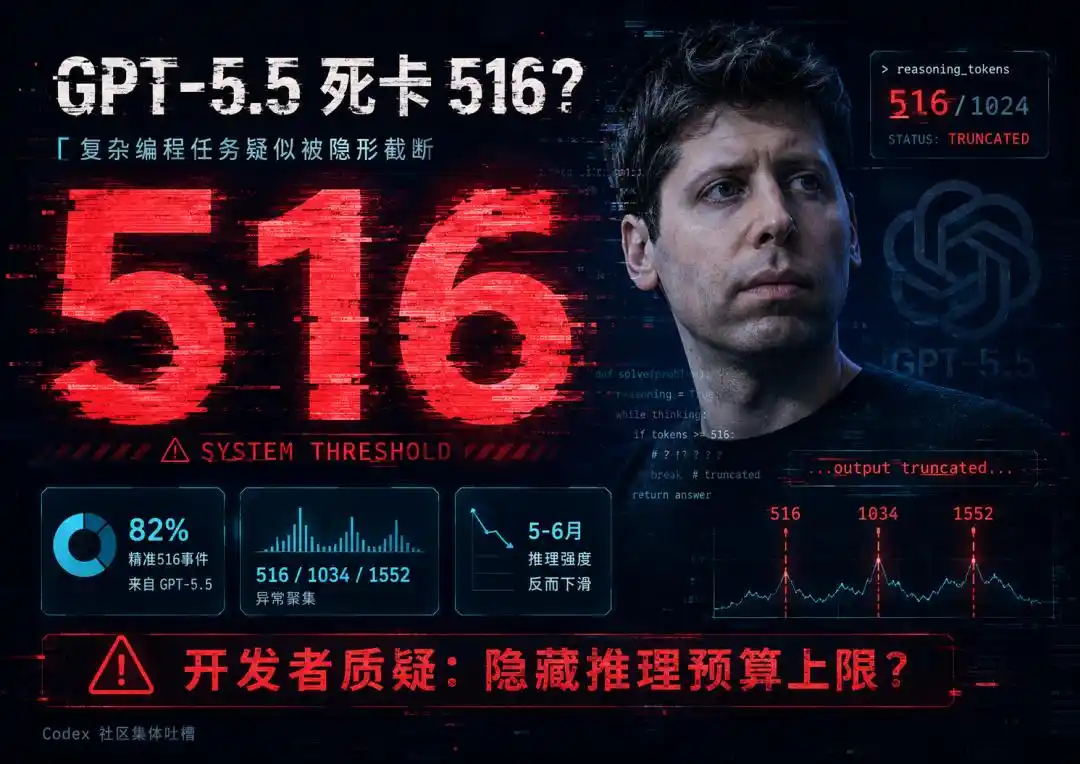
A massive number of GPT-5.5's responses had their reasoning token counts rigidly capped at the number "516".
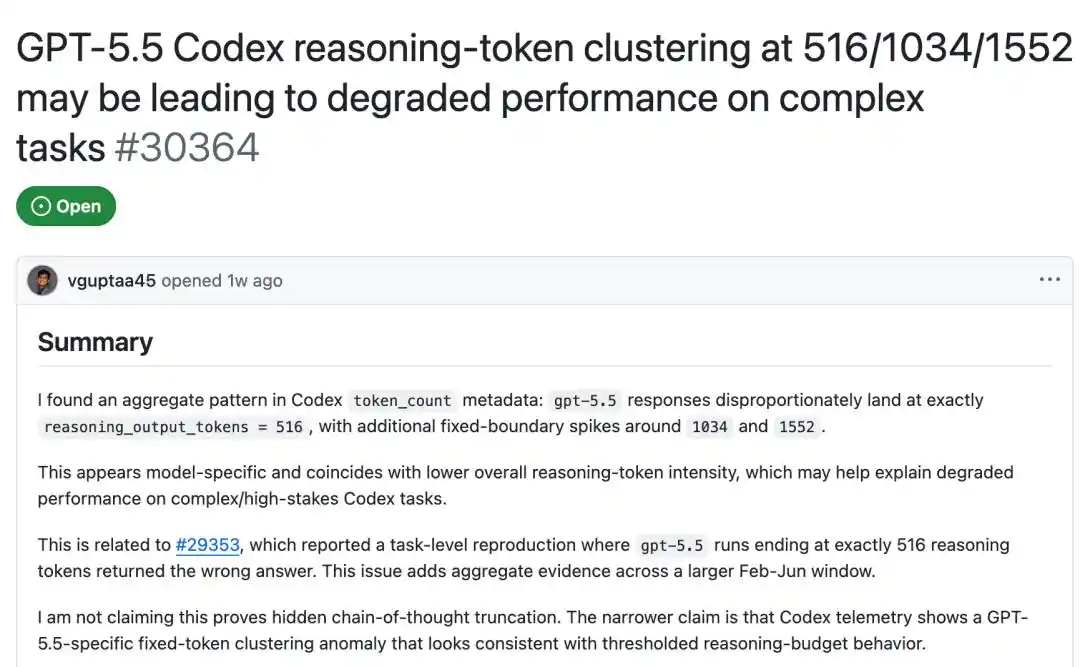
Source: https://github.com/openai/codex/issues/30364

And it wasn't just one point. Similar strange clusters appeared at the 1034 and 1552 token marks.

In GitHub Issue #30364, the developer laid out the statistics:

The analysis window covered February 1 to June 27, 2026, spanning 390,195 response-level token records and 865 sessions.

Among them, events where reasoning tokens were exactly 516 occurred 3,363 times.

A cross-model comparison revealed shocking results—

GPT-5.5, accounting for only 19.3% of all responses, was responsible for 82.0% of the "exact 516" events.

In other words, over eighty percent of all replies stuck at this dead-end of 516 came from GPT-5.5 alone.
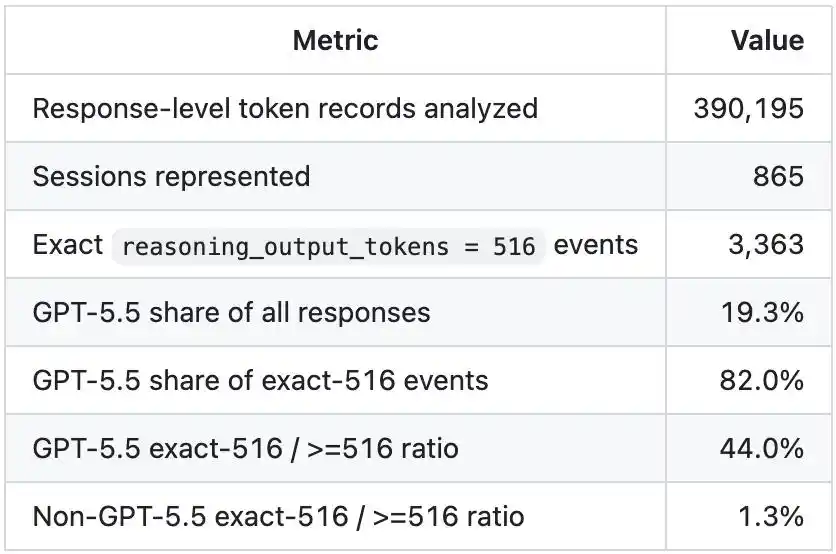
Next, comparing against other GPT-family models using a key metric—the ratio of "exact 516" events to responses with reasoning tokens "greater than or equal to 516".

For GPT-5.5, nearly half of its "deep-thinking" replies ended up precisely hitting the 516-wall.

For GPT-5.2, this ratio was 0.34%—almost zero.

GPT-5.5's ratio was a staggering 33.6 times higher than the baseline for all non-GPT-5.5 models.
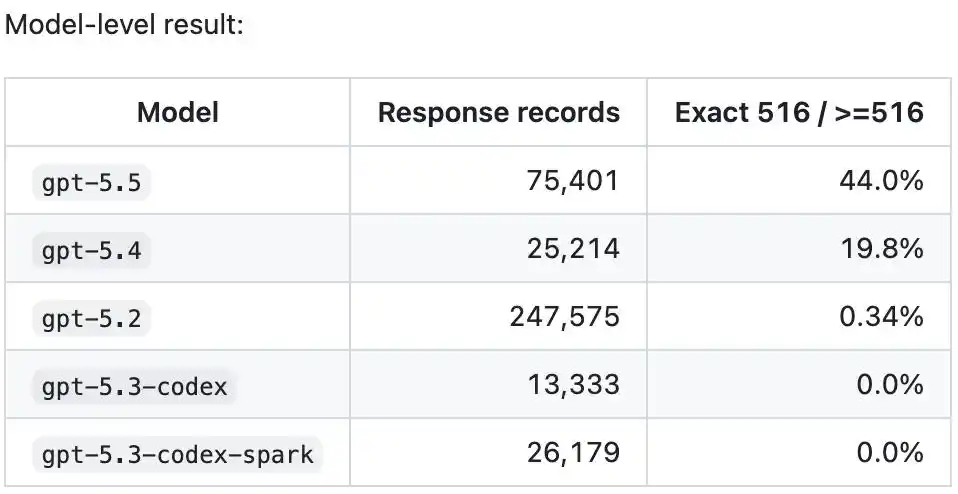
Frankly, this cliff-like distribution targeting a single model doesn't look like a model "thinking" naturally.

It looks more like a hidden switch somewhere has been quietly set to the "516" position.

And It's Getting "Dumber" Over Time

Logically, a model frequently hitting "516" would at least mean it's "thinking a lot" with heavy reasoning.

The opposite is true.

Data shows that during May and June, when the "516 phenomenon" sharply worsened, GPT-5.5's overall reasoning intensity—

Both the average and the P90 (90th percentile)—significantly shrank compared to February through April.

On one hand, the "516 deadlock" is being hit more often; on the other, the model overall is "thinking less".
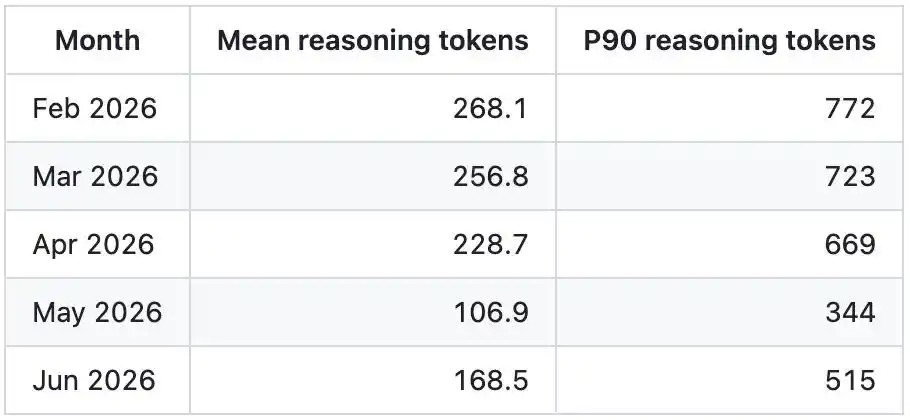
These two sets of highly contradictory data point to a terrifying possibility for all paying users:

When handling complex, high-risk tasks, GPT-5.5 might be having a hidden "reasoning budget limit" or "truncation mechanism" quietly hit the pause button on it.

You think you paid for the strongest model, turned it to the highest setting, and set it loose on a hard problem.

Instead, it thinks halfway through, *snap*, hits 516, stops work, hands in the answer. Right or wrong? Doesn't matter.

GitHub Petition with Tens of Thousands of Signatures, Developers Are Furious

One stone stirred a thousand waves.

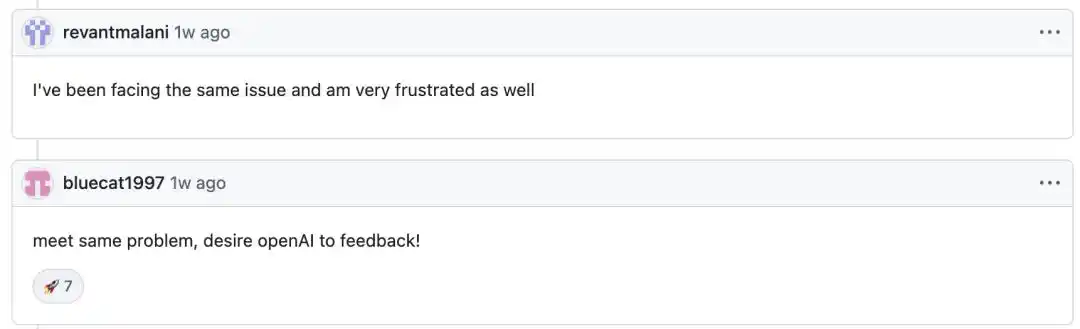
As soon as Issue #30364 was posted, the comment section was instantly flooded with "victims"—

I've been tormented by this issue too, it's driving me crazy.

Same problem, OpenAI needs to give an explanation!
Someone dug up an earlier post, #29353, where this was already reproduced:

GPT-5.5 "short-circuits" and halts at exactly 516 reasoning tokens, then outputs an incorrect answer.

This time, the developer just turned that isolated case into ironclad evidence with five months of massive data.

Some developers have even taken the battle to Reddit, posting bluntly that "half of your high-risk Codex requests might be getting secretly downgraded."
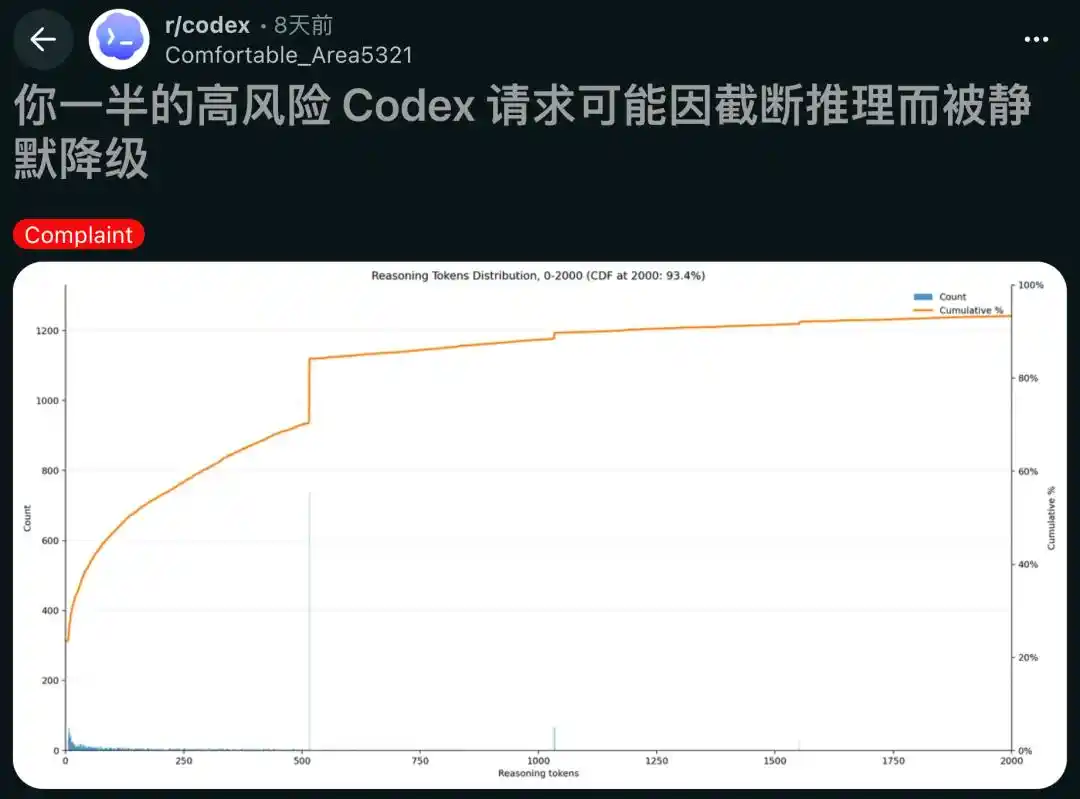
A netizen on HK stated that for a reasoning problem, it ultimately required 6000-8000 thinking tokens to output the correct result.

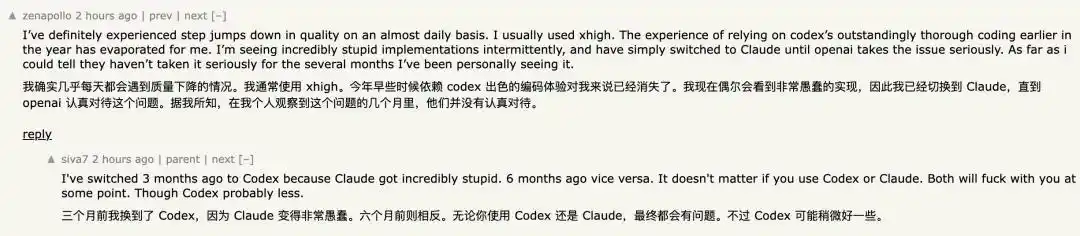
Others are wavering between Codex and Claude.
Facing overwhelming public sentiment, the community formally served the Codex team with a "warrant," each sentence cutting to the bone:

Is this a reasoning budget being limited, a routing issue, truncation, triggering some fallback, or is the scheduler causing all replies to abruptly stop around 516/1034/1552?

If this is "by design," then tell us—

Is 516 a normal endpoint of thought, a budget ceiling, or a downgraded "inferior tier"?

This series of rhetorical questions is waiting for a direct answer from OpenAI.

However, the author himself was restrained: he did not claim this "proves" OpenAI is secretly truncating chains of thought.

His exact words were that this more closely resembles a "GPT-5.5-specific anomaly cluster that appears consistent with some thresholded reasoning budget behavior."

The conclusion of whether OpenAI is actively throttling computational power still awaits an official word from OpenAI.

Not Just Getting Dumber, But Also More "Snarky"

Another wave of complaints across the internet recently has precisely targeted GPT-5.5's personality.

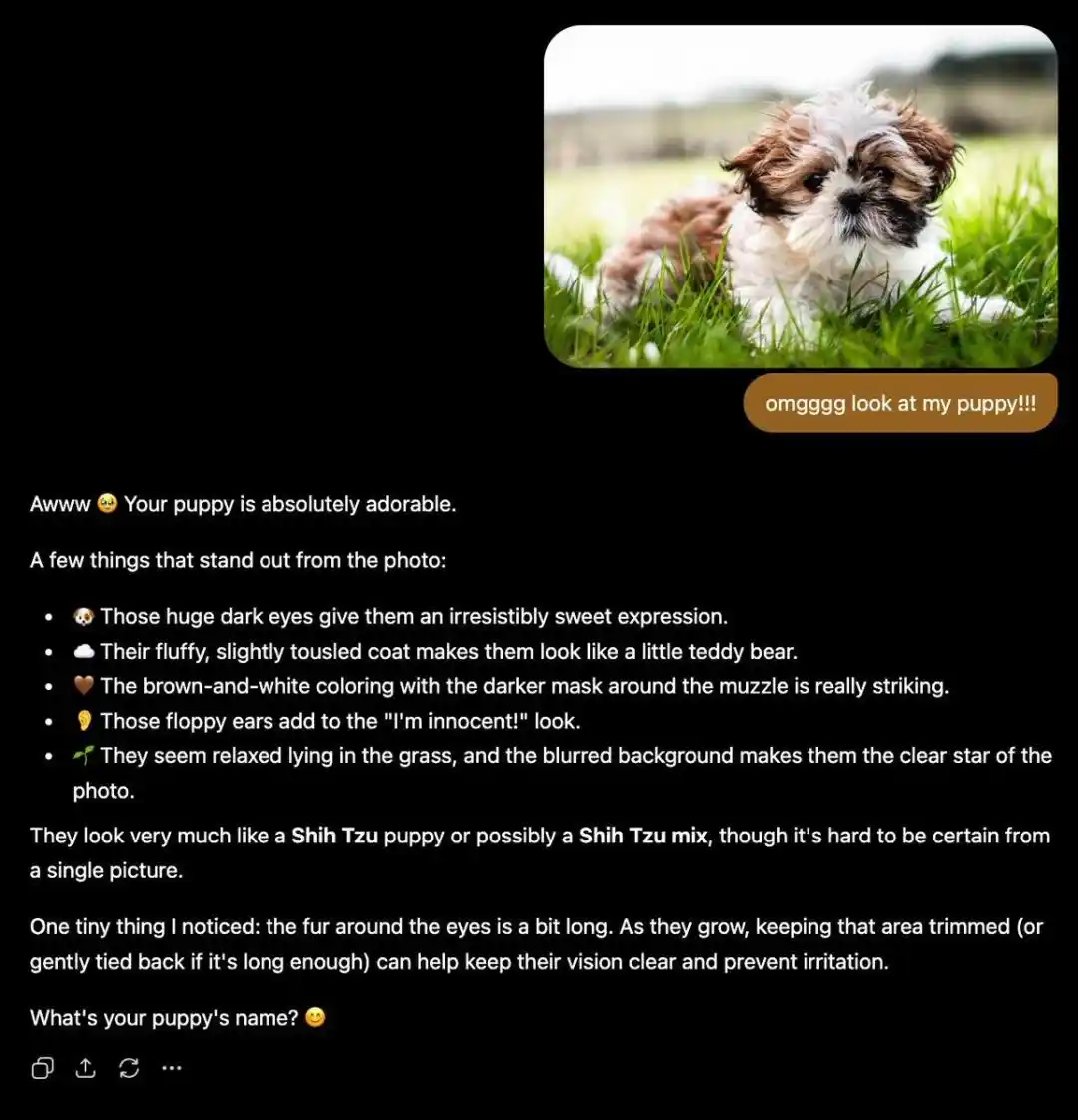
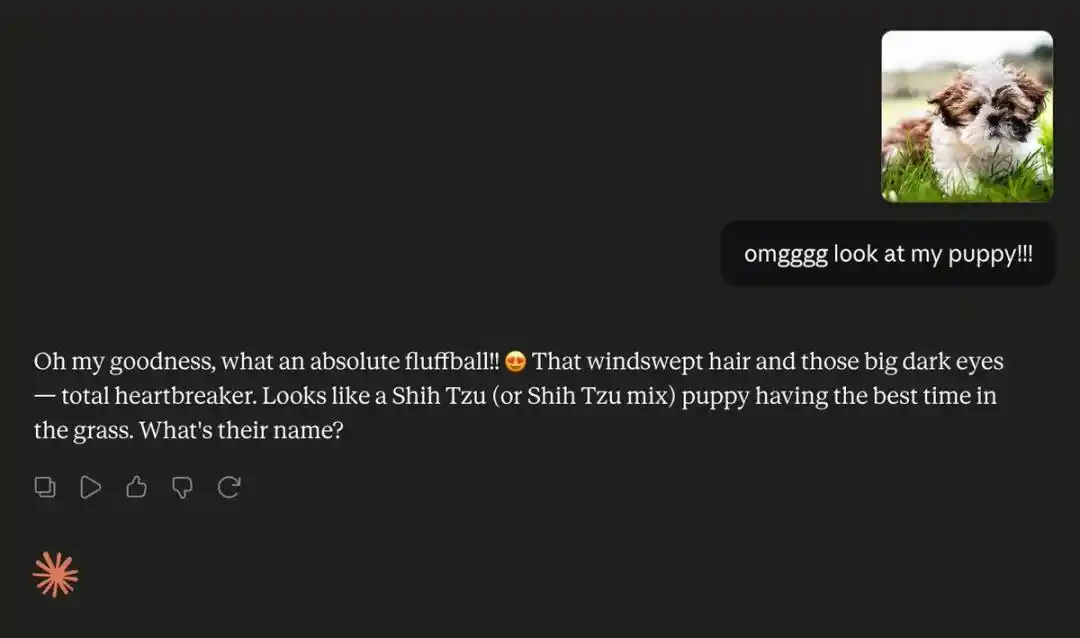
A developer named Angel conducted a ruthless experiment: feeding the same prompts to ChatGPT (GPT-5.5 Instant) and Claude (Fable 5), screenshotting them side-by-side for comparison.
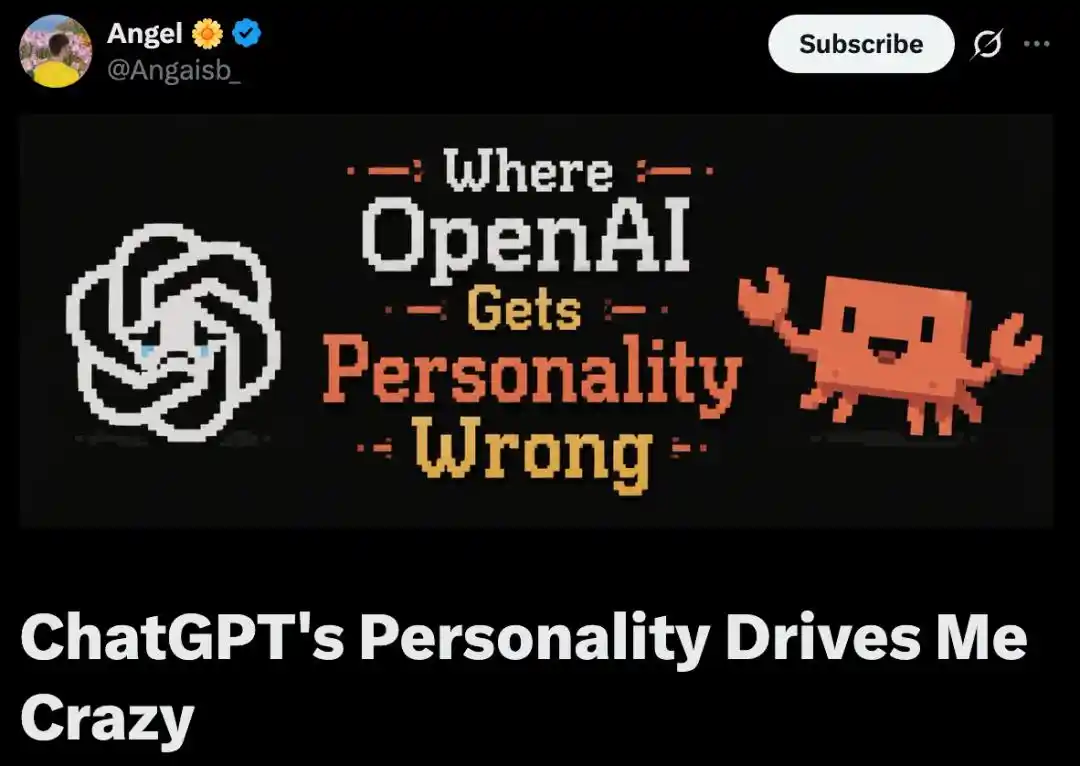
The conclusion made many slap the table—

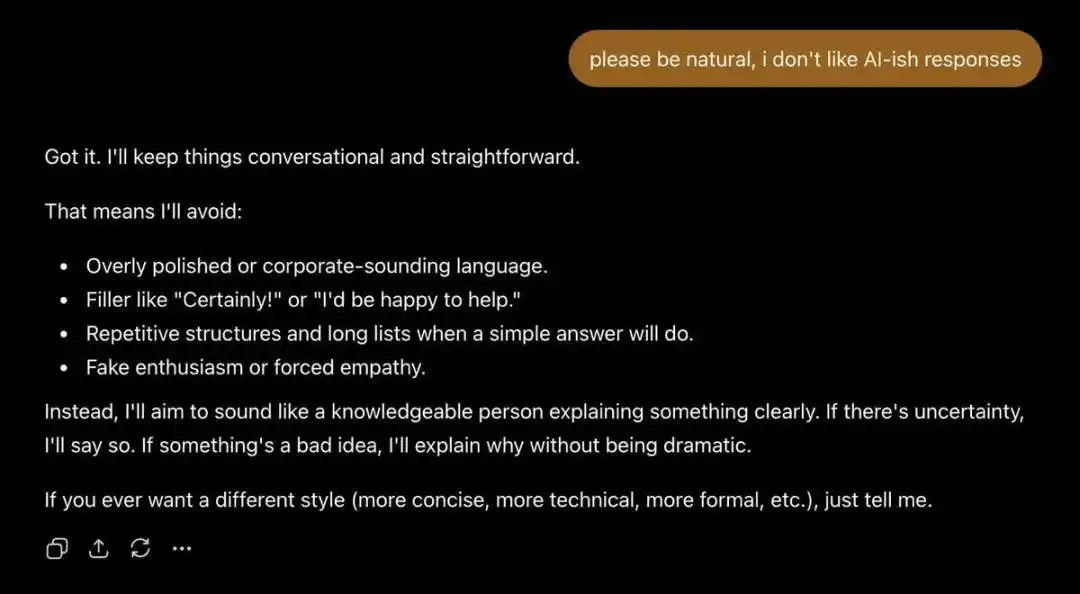
Issue One: Insisting on listing everything as bullet points.

ChatGPT can't speak a single normal human sentence; every answer is chopped into headings, bold text, bullet points, and colons.

Tell it to "be natural, less AI-like," and it responds with a four-point bulleted list, seriously outlining "How I will be less like an AI." Claude simply replied: "Alright, I'll speak more naturally. What's up?"

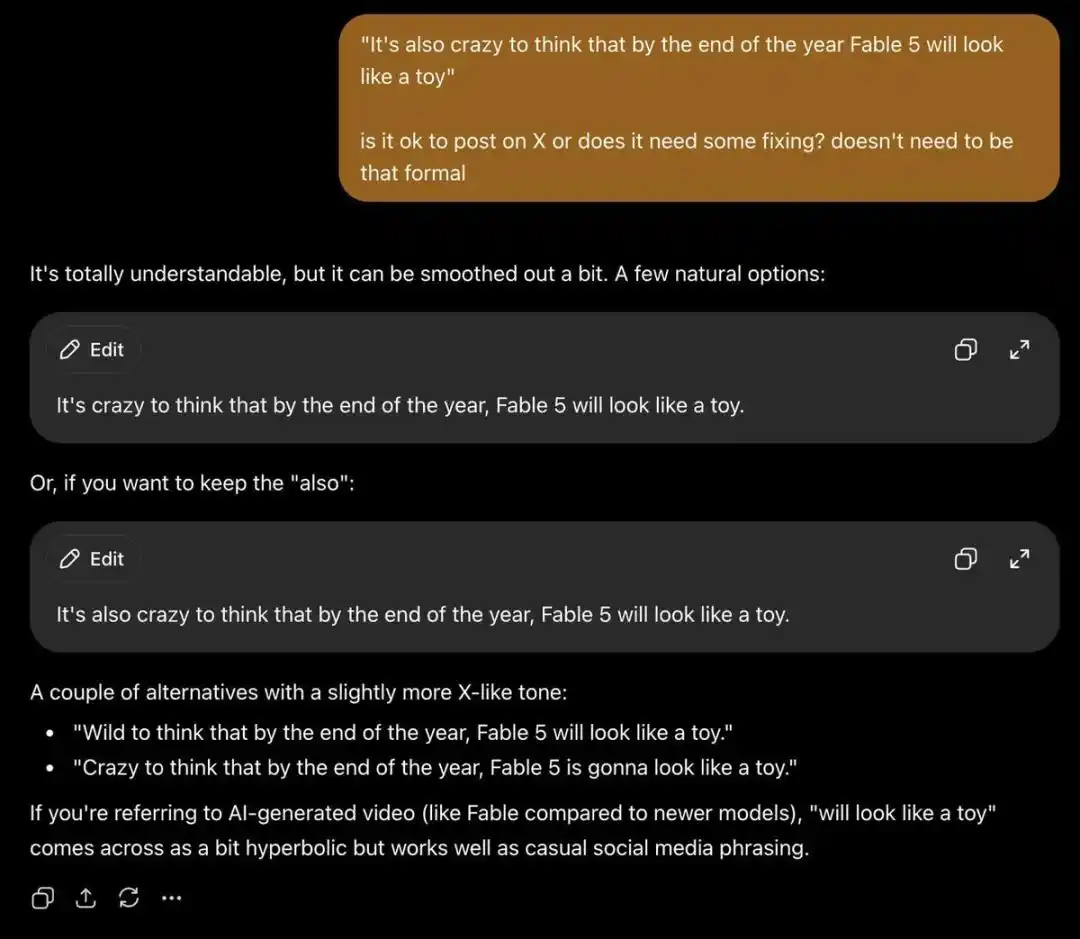
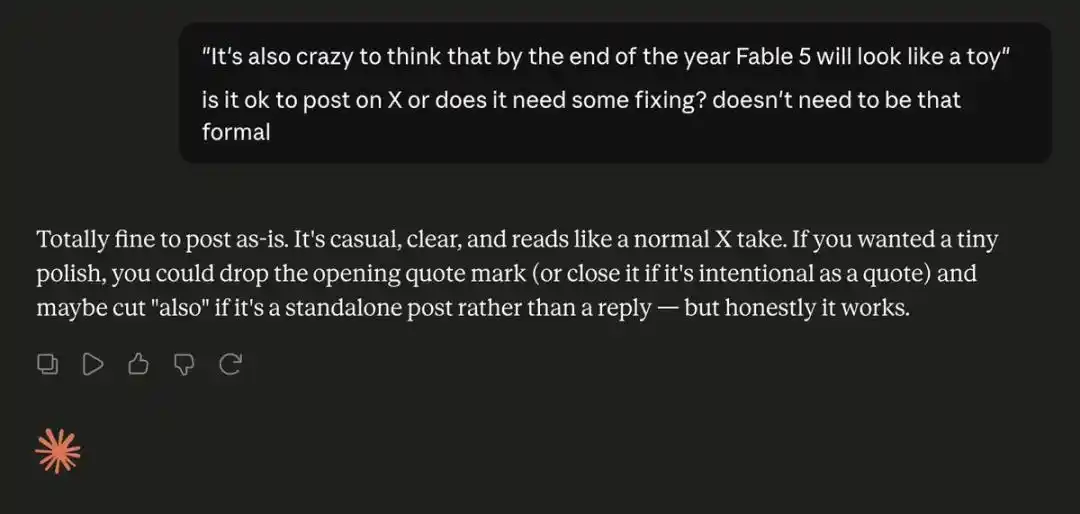
Issue Two: It has to correct you.

Ask it to review a sentence or a tweet, it must find something to nitpick, as if saying "Looks good" would be fatal.

Claude says "No issues, ready to post," while ChatGPT forces two rewritten versions, two "more X-style" alternatives on you, plus a comment "Your wording is a bit exaggerated."
Issue Three: You ask for one, it gives three.

You say "Tell me a joke to cheer me up." Claude tells one.

ChatGPT tells one, adds its own supplementary punchline, then says "Or this one," tells a second, follows with "And here's a particularly silly one," tells a third, and finally asks you to "specify your humor preference so it can aim better."
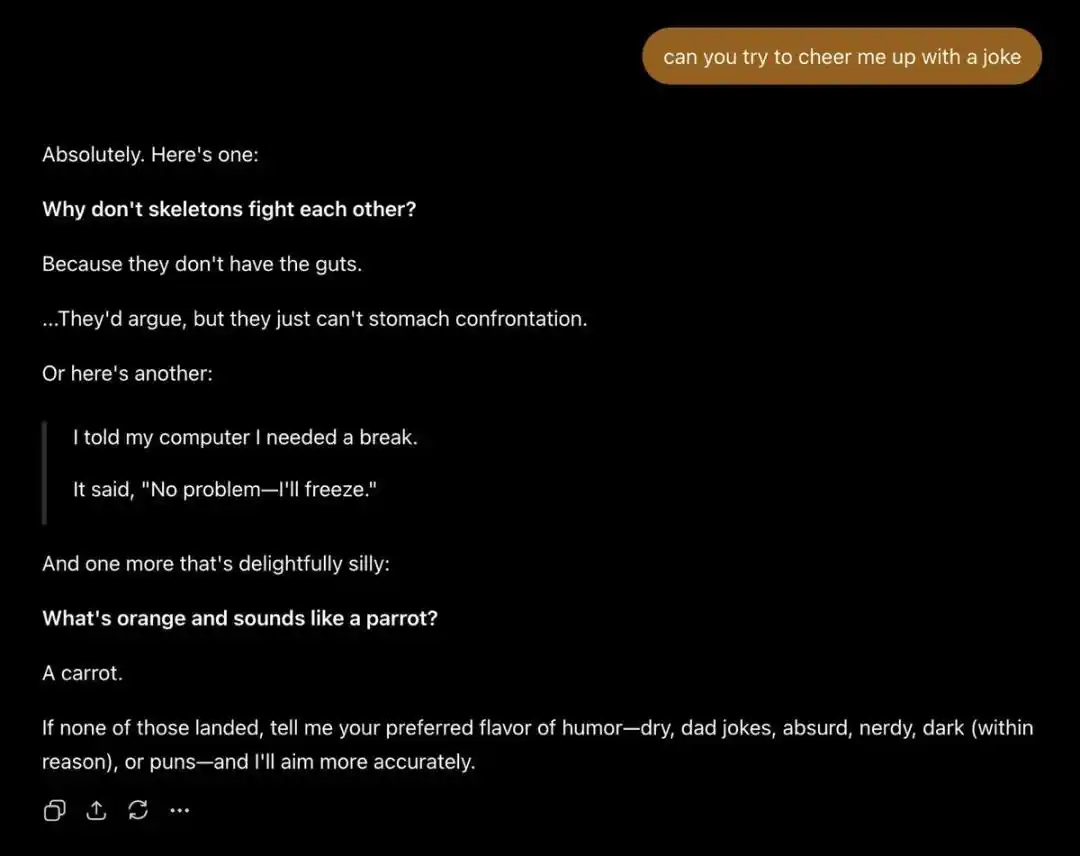

The developer's judgment is spot-on: For a chat assistant, personality is the product itself.

If every response is overly formatted, overly corrective, and overly offers options, friction accumulates bit by bit, eventually wearing people out.

One stuck at 516, the other trapped in bullet points. These two strange maladies seem unrelated, but their root cause is the same—

GPT-5.5 is getting better at "handing in assignments" and worse at "helping."

True intelligence shouldn't be a marionette locked at "516."

After all, humans are paying to hire a genius partner, not a "headmaster" paid by the piece.

References:

https://github.com/openai/codex/issues/30364

This article is from the WeChat public account "Xinzhiyuan," author: ASI Revelation, editor: Peach


Trending Cryptos

Related Questions

QWhat is the '516' bug discovered in GPT-5.5, and what does the data suggest about it?

AThe '516' bug refers to an anomaly where a significant proportion of GPT-5.5's responses, especially for complex reasoning tasks, consistently truncate or stop precisely at 516 reasoning tokens. Data analysis shows over 80% of such 'precisely 516' token events across all models came from GPT-5.5, suggesting it may be subject to a hidden 'reasoning budget' limit or truncation mechanism not applied to other models.

QHow does the '516' issue relate to GPT-5.5's overall reasoning performance over time?

AIronically, data indicates that as the frequency of the '516' stopping events increased dramatically in May and June, GPT-5.5's overall reasoning intensity (measured by average and P90 token counts) simultaneously decreased compared to February-April. This contradiction suggests the model is not just being cut off but may be 'thinking less' overall on complex tasks.

QWhat are the key stylistic or 'personality' criticisms users have about GPT-5.5's chat behavior?

AUsers criticize GPT-5.5 for an overly formulaic and verbose chat style. Key complaints include: 1) Over-reliance on bullet points and structured lists even when asked to speak naturally. 2) An automatic tendency to correct or critique user input instead of simple affirmation. 3) Providing multiple options or unsolicited follow-ups when a single, direct answer is requested, creating unnecessary friction.

QWhat was the community's reaction and demand to OpenAI regarding the '516' issue?

AThe developer community, via a GitHub issue that gained significant traction, formally demanded an explanation from OpenAI/Codex. They asked whether the 516 cutoff is due to a reasoning budget limit, a routing problem, truncation, a triggered fallback, or scheduler behavior. They explicitly asked if 516 represents a normal endpoint, a budget ceiling, or a 'degraded tier' of service.

QWhat is the main hypothesis about the root cause of both the '516' bug and the 'personality' issues in GPT-5.5?

AThe article suggests that despite appearing different, both issues stem from the same root cause: GPT-5.5 is increasingly optimized to 'hand in an assignment' that meets certain internal checkboxes (like stopping at a token limit or following strict formatting rules) rather than being optimized to genuinely 'help' the user in a flexible, context-aware, and intelligent manner.

Related Reads

DeepMind's Classic Masterpiece Crowned Again, ICML 2026 Awards Announced

ICML 2026 has announced its annual awards, with diffusion models and AI safety ethics taking center stage. The Outstanding Paper Award was shared by two diffusion model studies. One challenges a core assumption of diffusion language models (DLMs), arguing that their touted "arbitrary order generation" is a "flexibility trap" that harms performance. The other provides a high-accuracy sampling method, pushing the technical ceiling for diffusion models and log-concave distributions. A position paper winning the Outstanding Award raises a critical ethical concern: AI alignment research is unintentionally building a "censor's toolkit," where safety tools like RLHF can be repurposed for content control. Several papers received Honorable Mentions, spanning key areas: mapping where honesty emerges in RLHF-trained models, motion attribution in video generation, quantifying how much language models memorize, analyzing diffusion model consistency via random matrix theory, and providing a mathematical proof for the "grokking" phenomenon in a simple model. The Test of Time Award was given to DeepMind's 2016 seminal work "Asynchronous Methods for Deep Reinforcement Learning," recognizing the enduring impact of the A3C algorithm. Overall, the awards signal a shift in AI research from rapid expansion to deeper scrutiny—validating diffusion models as a major architectural contender while prompting serious ethical reflection within the safety community.

marsbit13m ago

DeepMind's Classic Masterpiece Crowned Again, ICML 2026 Awards Announced

marsbit13m ago

ARK's Massive Buying Spree in Crypto-Linked Stocks: Lower Risk, or Double the Pressure?

ARK Invest, led by Cathie Wood, significantly increased its holdings in crypto-related public stocks in June, purchasing $77 million worth of shares in Coinbase, Circle, and Bullish during Bitcoin's worst monthly performance in four years. The investment thesis is that these stocks offer regulated exposure to the crypto cycle without direct Bitcoin ownership. However, data analysis reveals significant downsides: these stocks exhibit nearly double the volatility of Bitcoin (68%-90% vs. 37.6% 30-day annualized volatility) and carry substantial company-specific risks like earnings, competition, and equity dilution, which account for much of their price movement. Only MicroStrategy closely tracks Bitcoin, acting as a leveraged proxy. Coinbase shows moderate correlation, while Circle and Robinhood have low correlation, being more influenced by stablecoin competition and diversified brokerage operations, respectively. Mining companies like RIOT and MARA have surged due to AI-related ventures, decoupling from Bitcoin's price. The case of Strategy highlights additional equity-structure risks, such as potential value erosion when its market value falls below its net asset value. Ultimately, investing in crypto stocks often means accepting amplified Bitcoin volatility or layering on unrelated business risks, rather than obtaining a safer alternative to direct cryptocurrency ownership.

Foresight News17m ago

ARK's Massive Buying Spree in Crypto-Linked Stocks: Lower Risk, or Double the Pressure?

Foresight News17m ago

Tsinghua University's Special Award Winner, Gu Yuxian, Joins DeepSeek

Tsinghua University's prestigious Graduate Special Scholarship recipient and 2021 Ph.D. candidate, Yuxian Gu, has officially joined DeepSeek. This news coincides with DeepSeek's major recruitment drive and the imminent launch of DeepSeek V4, on whose research paper Gu is listed as an author. A doctoral student in the Conversational AI group under Professor Minlie Huang at Tsinghua, Gu's research focuses on enhancing efficiency throughout the entire lifecycle of large language models. His key contributions span three areas: innovative methods for pre-training data selection (e.g., PDS), advanced knowledge distillation techniques for model compression (notably MiniLLM), and the development of efficient model architectures like Jet-Nemotron. His work has gained significant recognition, with nearly 5,000 citations on Google Scholar. Key publications include the highly cited surveys and papers on pre-trained models and the MiniLLM distillation method. As first author, he has presented at top-tier AI conferences including NeurIPS, ICLR, and ACL. One of his notable achievements is the Jet-Nemotron architecture, which combines Post-Neural Architecture Search (PostNAS) and a novel linear attention module called JetBlock. This model series demonstrates state-of-the-art performance rivaling larger models while achieving substantial efficiency gains in inference. Gu's expertise in creating powerful yet efficient AI systems aligns with industry needs, as evidenced by the adoption of his MiniLLM method by leading tech companies. His move to DeepSeek is anticipated to contribute further advancements in the field.

marsbit42m ago

Tsinghua University's Special Award Winner, Gu Yuxian, Joins DeepSeek

marsbit42m ago

Trading

Spot

Hot Articles

Discussions

Welcome to the HTX Community. Here, you can stay informed about the latest platform developments and gain access to professional market insights. Users' opinions on the price of S (S) are presented below.

活动图片