Exploit Wallet Converts Stolen Tokens Into 18,510 ETH And 1,548 BNB

bitcoinistPublished on 2026-06-13Last updated on 2026-06-13

Abstract

An exploit-linked wallet has reportedly converted stolen assets into 18,510 ETH (approximately $30.83 million) and 1,548 BNB ($924,000). According to on-chain tracking data cited by WuBlockchain and Lookonchain, the attacker sold compromised "H tokens" to obtain these more liquid assets and still holds an additional 111.36 million H tokens worth about $14 million. This conversion into major cryptocurrencies like ETH and BNB is a common step after an exploit, as attackers move from illiquid, traceable tokens toward deeper, more liquid assets. This consolidation can signal potential next steps, such as moving funds through bridges or mixers, and complicates recovery efforts for security teams. While blockchain analysis provides real-time visibility into such transactions, the identity of the wallet controller often remains uncertain. The data serves as a valuable snapshot of fund movement, highlighting the role of on-chain monitors in tracking security incidents before official investigations are complete.

An exploit-linked wallet has reportedly converted compromised assets into 18,510 ETH and 1,548 BNB, according to an on-chain tracking alert shared by WuBlockchain citing Lookonchain.

The conversion is notable because post-exploit wallets often move from illiquid or easily traceable tokens into deeper, more liquid assets before attempting to bridge, mix or cash out funds. ETH and BNB both offer deeper liquidity than many smaller exploit tokens, making them common destinations for consolidation.

WuBlockchain reported that the attacker was associated with compromised “H tokens,” although wallet labels and exploit attribution are based on third-party on-chain monitoring rather than a direct law enforcement statement.

Why The Fund Flow Matters

The ETH portion alone was valued at about $30.83 million at the time of the swap, according to the capture notes. The BNB portion totaled 1,548 BNB, worth roughly $924,000 at the time.

Large post-exploit swaps can matter for several reasons. First, they can create pressure on the assets being sold if liquidity is thin. Second, they can signal the attacker’s next step, such as moving funds toward bridges, mixers or centralized exchange deposit addresses. Third, they provide investigators and security researchers with fresh transaction paths to monitor.

The important point is that blockchains make these movements visible, but not always simple to interpret. A wallet can be tracked in real time, while the identity of the controller may remain uncertain.

On-Chain Tracking Is Useful, But Labels Can Change

Readers should treat the figures as a snapshot rather than a final recovery or loss estimate. Exploit-linked wallets can split funds quickly, move assets across chains or use intermediate addresses that complicate tracing.

That is why the best framing is not speculation about who controls the wallet, but a data-focused look at how stolen funds are being consolidated. The conversion into ETH and BNB shows the attacker moving toward more liquid assets, which is a common stage in post-exploit fund movement.

The episode also highlights why on-chain monitoring accounts such as Lookonchain and WuBlockchain remain widely followed during security incidents. They do not replace official incident reports, but they can surface wallet activity before a full forensic investigation is published.

Source / Media Note

Preferred embed: raw X blockquote for the WuBlockchain post, with screenshot fallback.

This report is based on a WuBlockchain post citing Lookonchain on-chain tracking.

Security teams also watch these conversions because they can affect recovery options. Funds that remain in the original exploit tokens may be easier to freeze, blacklist or trace through specific pools. Once the value is converted into highly liquid assets and split across chains, the recovery path can become more difficult and time-sensitive.


View Source on X at WuBlockchain on X

Trending Cryptos

Related Questions

QAccording to the article, what cryptocurrencies did the exploit-linked wallet convert the stolen assets into, and what were their approximate values?

AThe exploit-linked wallet converted the stolen assets into 18,510 ETH and 1,548 BNB. At the time of the swap, the ETH portion was valued at about $30.83 million, and the BNB portion was worth roughly $924,000.

QWhy is the conversion of stolen assets into ETH and BNB notable, according to the article?

AThe conversion is notable because post-exploit wallets often move from illiquid or easily traceable tokens into deeper, more liquid assets like ETH and BNB before attempting to bridge, mix, or cash out funds. These assets offer greater liquidity than many smaller exploit tokens, making them common destinations for consolidation.

QWhat are some reasons why large post-exploit swaps matter, as outlined in the article?

ALarge post-exploit swaps matter for several reasons: 1) They can create selling pressure on the assets being sold if liquidity is thin. 2) They can signal the attacker's next step, such as moving funds toward bridges, mixers, or centralized exchange deposit addresses. 3) They provide investigators and security researchers with fresh transaction paths to monitor.

QWhat important point does the article make about the visibility and interpretation of fund movements on blockchains?

AThe article points out that while blockchains make fund movements visible, they are not always simple to interpret. A wallet can be tracked in real time, but the identity of the controller may remain uncertain.

QWhy do security teams monitor these types of conversions, and what impact can they have on recovery efforts?

ASecurity teams monitor these conversions because they can affect recovery options. Funds that remain in the original exploit tokens may be easier to freeze, blacklist, or trace through specific pools. Once the value is converted into highly liquid assets and split across chains, the recovery path can become more difficult and time-sensitive.

Related Reads

Bank of Japan Signals Interest Rate Hike Despite Keeping Them at 1%

The Bank of Japan (BOJ) kept its benchmark interest rate at 1% on July 31, as widely expected, following a June hike to a 31-year high. The decision passed with an 8-1 vote, with board member Hajime Takata again dissenting in favor of a hike to 1.25%. Despite holding rates steady, the BOJ signaled a hawkish tilt, warning that underlying inflation is likely to accelerate and exceed 2% from the latter half of the fiscal year. While it slightly lowered its core inflation forecast for FY2026, officials expressed stronger confidence that an overshoot will occur later, driven by yen weakness, corporate pricing behavior, and lingering energy shock effects. Markets were focused on the BOJ's forward guidance. Analysts noted the central bank appeared to balance short-term caution with a long-term warning of tighter policy. Governor Kazuo Ueda faces the challenge of reconciling a government reluctant to tighten further with bond markets already pricing in additional hikes, with the timing of the next move debated. Adding complexity, the BOJ reportedly intervened in currency markets hours before the rate decision, buying yen to support the currency which had fallen to 40-year lows against the dollar. Yen weakness stems from the wide U.S.-Japan interest rate gap, high fuel prices, and market skepticism about the pace of BOJ policy normalization. The yield on Japan's 10-year government bonds fell to 2.8%, indicating investor expectations for future monetary tightening.

cryptonews.ru4m ago

Bank of Japan Signals Interest Rate Hike Despite Keeping Them at 1%

cryptonews.ru4m ago

Why Are Leveraged ETFs like 7709 Inherently Negative EV Products?

This article argues that the SK H力士 2x Leveraged ETF (7709) is fundamentally a negative expected value (EV) product, rather than simply a "double SK H力士" investment. Its core issue stems from its daily rebalancing mechanism to maintain a 2x leverage target. After a price move, the fund must buy more after a rise or sell after a fall to readjust its leverage, creating a systematic pattern of buying high and selling low. This introduces a "delay loss": it always reacts to past price changes, missing potential gains from adjusting earlier during an uptrend and suffering greater losses from adjusting later during a downtrend. While more frequent intraday rebalancing would improve returns in strong, smooth trending markets by reinvesting profits or cutting losses sooner, it also dramatically increases volatility drag (frictional losses) during choppy, oscillating markets due to more frequent high-buy/low-sell trades. The author draws a parallel to an option seller who delta hedges (short gamma), which involves similar "buy high, sell low" dynamic hedging. However, unlike an option seller who receives upfront premium (IV and theta) as compensation for this risk, the leveraged ETF investor receives no such compensation. Instead, they bear all the path-dependent volatility decay, plus additional costs like swap/derivatives financing, management fees, and trading slippage. Thus, the product's return profile can be framed as: 2x directional return minus realized variance drag minus financing costs minus derivatives costs minus management fees minus transaction costs. For the investor to profit, SK H力士's price must not only rise significantly but do so in a strong, sustained, and smooth trend to overcome these inherent structural costs. High volatility and frequent price reversals are particularly damaging. The article also notes that while the ETF has no explicit liquidation line like perpetual futures, avoiding a sudden "blow-up," its net asset value can still decay towards zero over time through this combination of volatility drag and fees. For experienced traders, directly managing leverage via perpetual contracts may offer more control and potentially lower costs than this packaged, mechanistic product.

marsbit11m ago

Why Are Leveraged ETFs like 7709 Inherently Negative EV Products?

marsbit11m ago

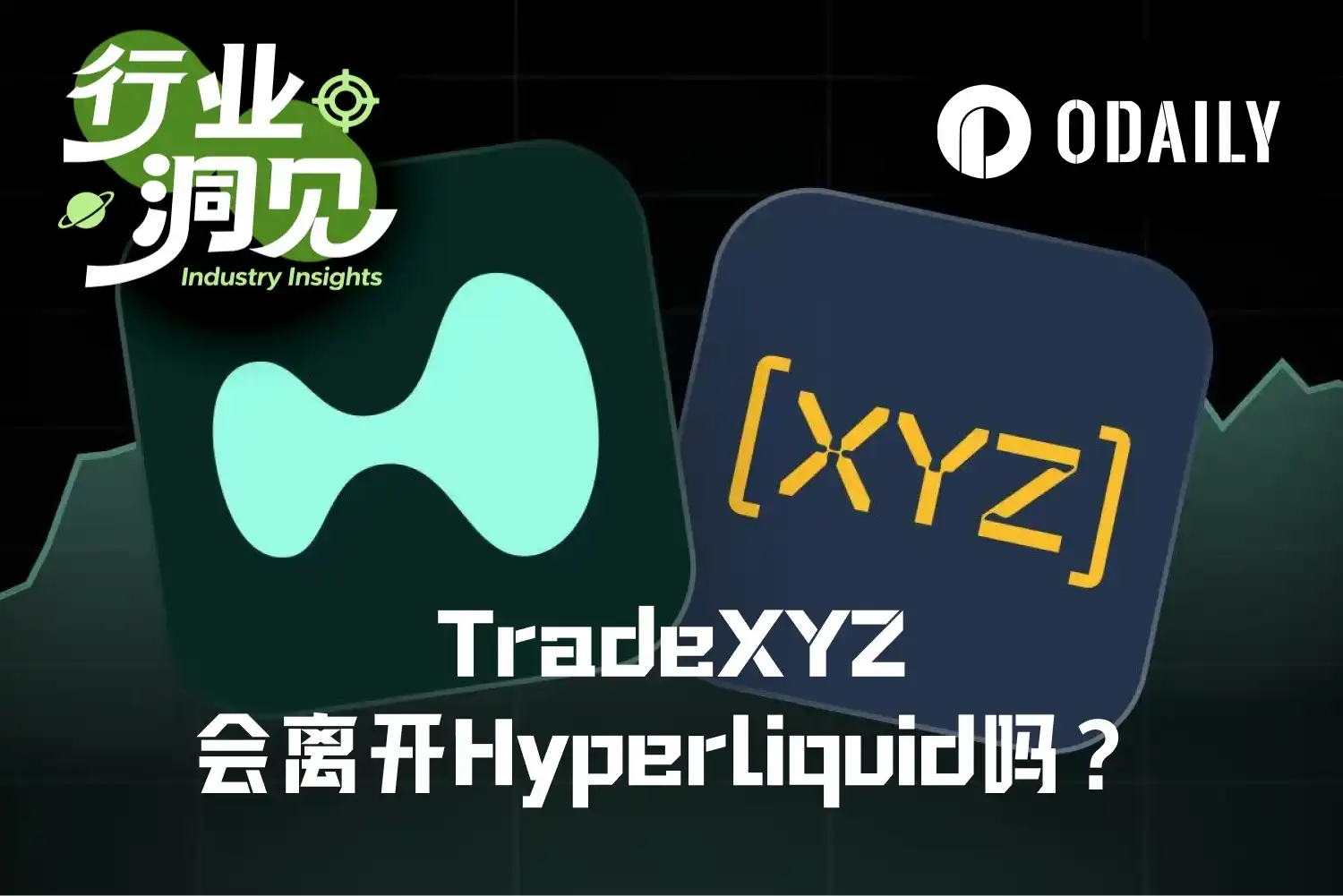
'Backstabbing' or 'Win-Win'? How Likely Is TradeXYZ to Break Away from Hyperliquid and Go Solo?

The article discusses the growing debate over whether TradeXYZ, which dominates Hyperliquid's HIP-3 market with over 90% of its volume, might break away to build its own independent trading platform. This possibility is fueled by TradeXYZ's immense market influence and the common industry trend of successful projects seeking more control and profit capture. Key arguments for a potential split include TradeXYZ's overwhelming contribution to Hyperliquid's metrics and the financial incentive to retain all transaction fees, as it currently splits them 50/50 with Hyperliquid. The piece draws parallels to other cases, like Anthropic's "Claude Code" competing with its former partner Cursor, suggesting "betrayal" can occur when business leverage shifts. However, strong counterarguments suggest a split is unlikely or would be detrimental. TradeXYZ relies on Hyperliquid's high-performance infrastructure and its platform as a primary user acquisition channel. Building a comparable system would be challenging. Furthermore, the founders of both projects share a history of trust and mutual admiration. The analysis concludes that a separation would likely be a lose-lose scenario: Hyperliquid would lose a major growth narrative and trading volume, while TradeXYZ would face technical hurdles, user migration issues, and reputational damage, potentially allowing competitors to seize market share. The most rational path is seen as continued collaboration, with TradeXYZ potentially negotiating better terms while leveraging Hyperliquid's established strengths.

marsbit21m ago

'Backstabbing' or 'Win-Win'? How Likely Is TradeXYZ to Break Away from Hyperliquid and Go Solo?

marsbit21m ago

Trading

Spot

Hot Articles

Discussions

Welcome to the HTX Community. Here, you can stay informed about the latest platform developments and gain access to professional market insights. Users' opinions on the price of ETH (ETH) are presented below.

活动图片