Argentina is considering allowing local financial institutions to engage more directly with cryptocurrencies in a move that would mark a significant shift from its previous restrictive stance, according to a local media report.
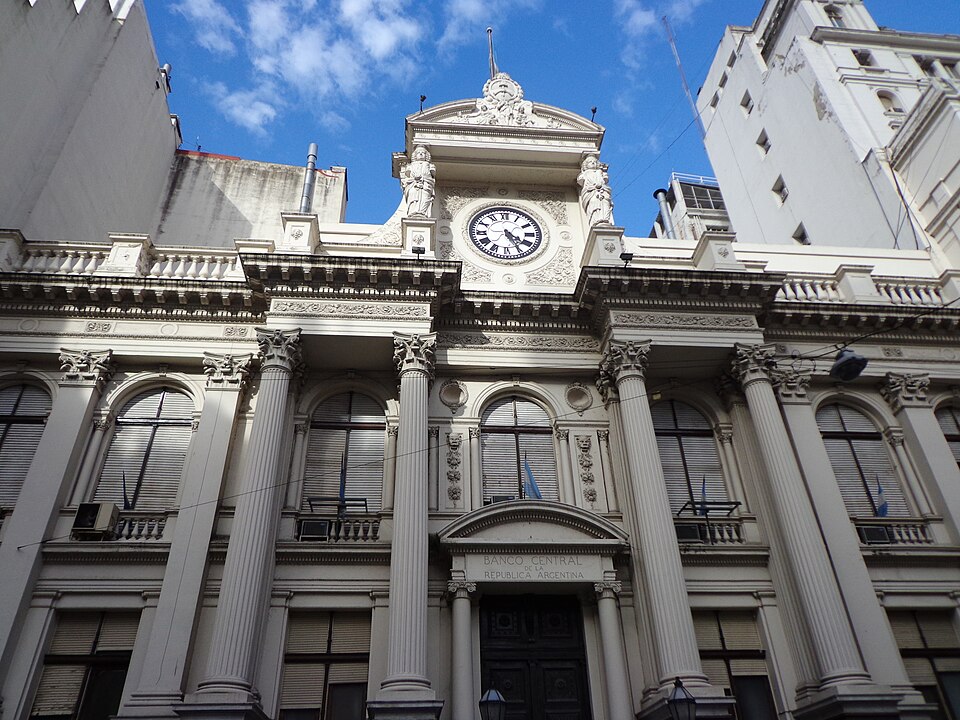
According to a Friday report by local news outlet La Nacion, Banco Central de la República Argentina (BCRA), Argentina’s central bank, is considering allowing traditional banks to trade cryptocurrencies. The story cited “sources close to the organization,” and Cointelegraph has not independently verified the claims.
The BCRA stepped in to ban financial institutions from offering crypto trading just days after two of the country’s largest banks signaled they were opening up to digital assets back in May 2022. The BCRA said that such initiatives pose risks to users and “to the financial system as a whole.”
New cryptocurrency rules are reportedly being drafted, though La Nación’s sources did not specify when they might be finalized or implemented. Representatives of a locally operated exchange suggested to the outlet that the measure could be approved as early as April 2026.
Rumors about a potential shift have circulated for some time among crypto exchanges, bankers and people close to regulators, the report said. A representative of local crypto exchange Lemon told the outlet that the company believes “that a more open financial ecosystem will be a key driver for the mass adoption of digital assets in Argentina.”
Related: An overview of the cryptocurrency regulations in Argentina
Argentina reviews its stance on crypto
The regulatory change suggested in the report aligns with the direction recently taken by Argentina’s government. In mid-March, Argentina’s securities regulator finalized rules for virtual asset service providers, setting clear guidelines for the industry. Crypto service providers have been required to register with local regulators since April 2024.
This followed publicly traded US crypto exchange Coinbase receiving a green light from Argentina’s regulators to expand services in the country in January. In October 2024, Binance also announced that its mobile and web applications are now “fully available” to users in Argentina after it was registered as an official crypto service provider. Similarly, crypto exchange Bybit was approved for operations in Argentina in mid-August 2024.
Related: Argentine state-owned energy giant weighs crypto payments for fuel: Report
Argentina sees booming crypto adoption
The country’s crypto industry has also been growing at a steady pace, overtaking Brazil as the top Latin American country in terms of estimated crypto inflows by users in early October 2024. Separate data from July 2024 suggested Argentina was leading the Western Hemisphere in crypto adoption, with analysts often pointing to the peso’s extreme weakness and inflation that had reached around 276% as key drivers.
Until recently, regulators were largely hostile to that trend. In May 2023, the central bank banned payment providers from offering crypto transactions, reinforcing earlier limits on how formal financial institutions could interact with digital assets.
Magazine: Review: The Devil Takes Bitcoin, a wild history of Mt. Gox and Silk Road






