Penulis: Andy Hall, Profesor di Stanford Graduate School of Business dan Hoover Institution
Kompilasi: Felix, PANews (Artikel ini telah disunting)
Judul Asli: Ketika AI Belajar Memalsukan Opini Publik, Bagaimana Pasar Prediksi Menghadapi Ujian Manipulasi Besar?
Bayangkan skenario ini: Oktober 2028, Vance dan Mark Kuban bersaing ketat dalam pemilihan presiden. Tingkat dukungan untuk Vance di pasar prediksi tiba-tiba melonjak. CNN, karena bermitra dengan Kalshi, melaporkan harga pasar prediksi secara terus-menerus sepanjang hari.
Sementara itu, tidak ada yang tahu penyebab awal lonjakan harga tersebut. Kaum Demokrat bersikeras bahwa pasar telah "dimanipulasi". Mereka menunjuk pada sejumlah besar transaksi mencurigakan yang, tanpa adanya jajak pendapat baru atau alasan jelas lainnya, mendorong pasar mendukung Vance.
Pada saat yang sama, The New York Times menerbitkan laporan yang menyebutkan bahwa trader yang didukung dana kekayaan sovereign Arab Saudi telah memasang taruhan besar di pasar pemilihan, dengan tujuan agar CNN memberikan pemberitaan yang menguntungkan Vance. Kaum Republik mengatakan harga tersebut wajar, menunjuk tidak adanya bukti bahwa lonjakan harga mempengaruhi hasil pemilihan, dan menuduh kaum Demokrat mencoba menekan kebebasan berbicara dan menyensor informasi seputar pemilu. Kebenarannya masih sulit dipastikan.
Artikel ini akan menjelaskan mengapa skenario semacam itu sangat mungkin terjadi dalam beberapa tahun ke depan — meskipun kasus manipulasi pasar prediksi yang berhasil jarang terjadi, dan hampir tidak ada bukti bahwa hal itu mempengaruhi perilaku pemilih.
Upaya memanipulasi pasar-pasar ini tidak terhindarkan, dan ketika manipulasi terjadi, dampak politiknya mungkin jauh melebihi dampak langsung terhadap hasil pemilihan. Dalam lingkungan yang sangat mudah menganggap setiap keanehan sebagai konspirasi, bahkan distorsi sesaat pun dapat memicu tuduhan intervensi asing, korupsi, atau kolusi elit. Kepanikan, saling menyalahkan, dan hilangnya kepercayaan, dapat mengaburkan dampak sebenarnya dari tindakan awal.
Namun, meninggalkan pasar prediksi adalah langkah yang salah. Seiring jajak pendapat tradisional menjadi lebih rentan di lingkungan yang jenuh AI — tingkat respons yang sangat rendah, para pewawab kesulitan membedakan respons AI dengan responden manusia nyata — pasar prediksi menawarkan sinyal pelengkap yang berguna, yang mengintegrasikan informasi yang tersebar dengan insentif finansial nyata.
Tantangannya terletak pada tata kelola: membangun sistem yang dapat mempertahankan nilai informasi pasar prediksi sekaligus mengurangi penyalahgunaan. Ini mungkin berarti memastikan lembaga penyiaran fokus melaporkan pasar yang lebih aktif dan lebih sulit dimanipulasi, mendorong platform untuk memantau tanda-tanda manipulasi terkoordinasi, serta mengubah cara menafsirkan fluktuasi pasar, melihatnya dengan sikap rendah hati daripada panik. Jika ini dapat dilakukan, pasar prediksi dapat berkembang menjadi komponen yang lebih kuat dan transparan dalam ekosistem informasi politik: sebuah alat yang membantu publik memahami pemilu, bukan menjadi pembawa ketidakpercayaan.
Belajar dari Sejarah: Waspadai Upaya Memanipulasi Pasar
"Sekarang semua orang menatap pasar taruhan. Fluktuasinya disoroti dengan penuh perhatian oleh para pemilih biasa, yang tidak dapat mengetahui sendiri arah opini publik, dan hanya bergantung buta pada pendapat mereka yang mempertaruhkan ratusan ribu dolar pada setiap pemilihan." — The Washington Post, 5 November 1905.
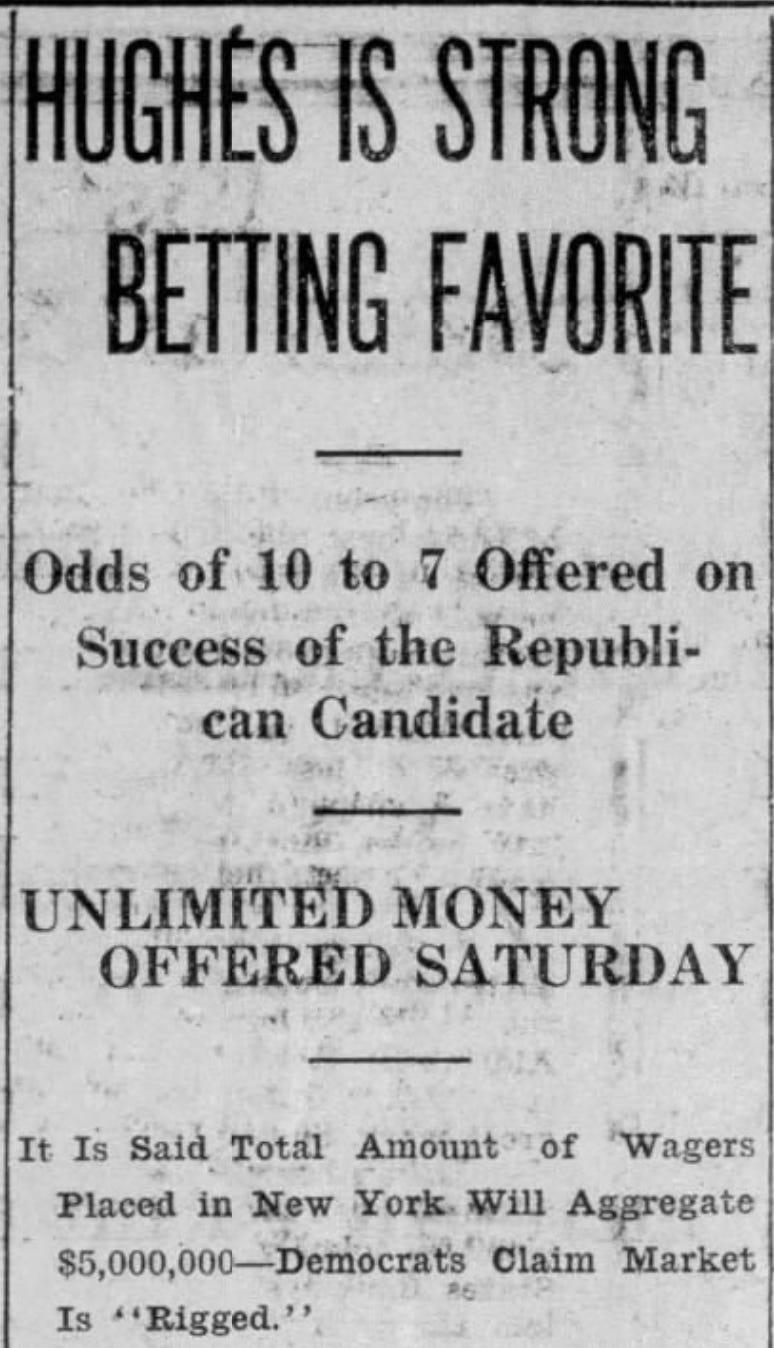
Dalam pemilihan presiden 1916, Charles Evans Hughes unggul atas Woodrow Wilson di pasar taruhan New York. Patut dicatat bahwa dalam politik Amerika era itu, media berita sering melaporkan pasar taruhan. Karena pemberitaan ini, bayang-bayang manipulasi pasar terus menghantui. Pada tahun 1916, kaum Demokrat, yang tidak ingin dilihat tertinggal, mengklaim pasar taruhan "telah dimanipulasi", dan media pun melaporkannya.
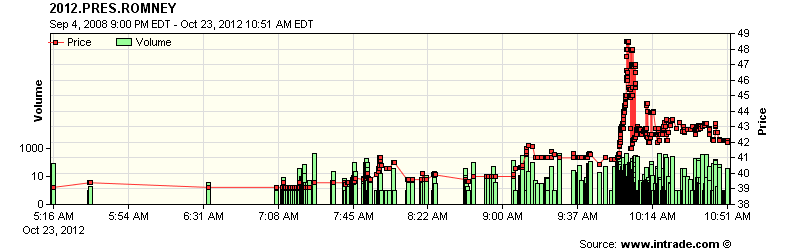
Ancaman potensial manipulasi hasil pemilu tidak pernah hilang. Pada pagi hari 23 Oktober 2012, selama masa kampanye Barack Obama dan Mitt Romney, seorang trader melakukan pembelian dalam jumlah besar atas saham Romney di InTrade, menyebabkan harganya melonjak sekitar 8 poin, dari sedikit di bawah 41 sen menjadi hampir 49 sen — jika harga dipercaya, ini menunjukkan perlombaan yang hampir imbang. Namun harga segera menarik kembali, dan media hampir tidak memperhatikannya. Identitas yang mencoba memanipulasi tidak pernah dikonfirmasi.
Namun, terkadang Anda bahkan akan melihat orang secara terbuka menjelaskan logika mereka mencoba memanipulasi pasar. Sebuah studi tahun 2004 mendokumentasikan kasus manipulasi pasar prediksi yang disengaja dalam pemilihan negara bagian Berlin 1999. Penulis mengutip email nyata dari kantor partai lokal yang mendesak anggotanya untuk bertaruh di pasar prediksi:
"Der Tagesspiegel (salah satu surat kabar terbesar di Jerman) setiap hari menerbitkan pasar saham politik (PSM), saat ini FDP diperdagangkan pada harga 4,23%. Anda dapat melihat PSM di internet melalui http://berlin.wahlstreet.de. Banyak warga tidak menganggap PSM sebagai permainan, tetapi melihatnya sebagai hasil jajak pendapat. Oleh karena itu, penting agar harga FDP dapat naik pada hari-hari terakhir. Seperti bursa mana pun, tingkat harga tergantung pada permintaan. Silakan berpartisipasi dalam PSM dan beli kontrak FDP. Pada akhirnya, kami semua yakin akan kesuksesan partai kami."
Kekhawatiran ini juga terjadi pada tahun 2024. Menjelang pemilu, The Wall Street Journal menerbitkan artikel yang mempertanyakan apakah keunggulan Trump di Polymarket (yang tampaknya jauh melampaui dukungan jajak pendapatnya) adalah hasil pengaruh yang tidak semestinya: "Taruhan besar pada Trump belum tentu berniat jahat. Beberapa pengamat berpendapat, itu mungkin hanya dilakukan oleh seorang penjudi besar yang sangat yakin Trump akan menang, ingin menghasilkan banyak uang. Namun, yang lain melihat taruhan ini sebagai kampanye pengaruh, yang bertujuan untuk menciptakan buzz media sosial untuk mantan presiden tersebut."
Pemeriksaan tahun 2024 ini sangat menarik karena memicu kekhawatiran tentang pengaruh kekuatan asing. Ternyata, taruhan yang mendorong harga Polymarket naik berasal dari seorang investor Prancis — meskipun ada spekulasi, hampir tidak ada alasan untuk menganggap ini sebagai manipulasi. Faktanya, investor tersebut menugaskan jajak pendapat pribadi dan tampaknya fokus untuk menghasilkan uang, bukan memanipulasi pasar.
Sejarah ini mengungkap dua tema. Pertama, serangan terhadap pasar umum terjadi dan dapat diperkirakan akan terjadi lagi di masa depan. Kedua, bahkan jika serangan tidak berhasil, beberapa pihak masih dapat memanaskannya untuk menimbulkan ketakutan.
Seberapa Besar Dampak Serangan Ini?
Apakah langkah-langkah ini mempengaruhi perilaku pemilih bergantung pada dua faktor: apakah manipulasi dapat secara nyata mempengaruhi harga pasar, dan apakah perubahan harga pasar mempengaruhi perilaku pemilih?
Mari kita bahas mengapa memanipulasi pasar (jika bisa dilakukan) akan membantu Anda mencapai tujuan politik: karena ini tidak seperti yang dipikirkan orang.
Berikut adalah dua cara pasar prediksi dapat mempengaruhi hasil pemilihan.
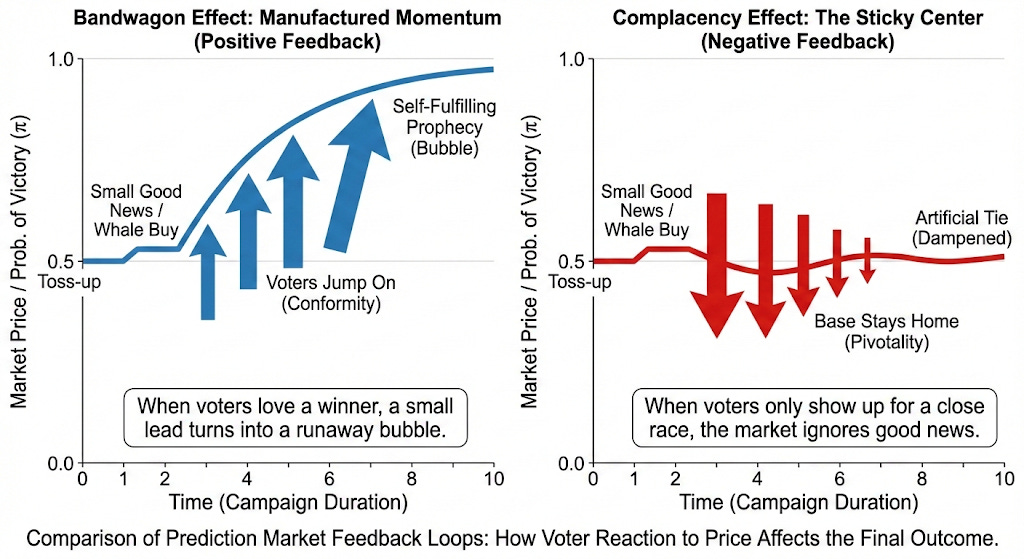
Efek Bandwagon
Efek bandwagon mengacu pada kecenderungan pemilih untuk mendukung kandidat yang tampaknya akan menang, baik karena ikut-ikutan, kepuasan mendukung pemenang, atau keyakinan bahwa odds pasar mencerminkan kualitas kandidat.
Jika popularitas membantu kandidat mendapatkan lebih banyak dukungan, maka menyiarkan harga pasar prediksi di berita akan menciptakan motivasi untuk mendorong harga-harga ini naik. Seorang manipulator mungkin mencoba meningkatkan peluang menang kandidat yang didukungnya, berharap memicu siklus umpan balik: harga pasar naik → pemilih merasakan momentum → pemilih beralih dukungan → harga naik lagi.
Dalam contoh Vance-Kuban, taruhan manipulator adalah, membuat Vance terlihat lebih kuat akan membantunya benar-benar menang.
Efek Ketenangan (Complacency Effect)
Di sisi lain, jika kandidat yang didukung pemilih unggul jauh, mereka mungkin memilih untuk tidak memilih. Tetapi jika perlombaan ketat, atau kandidat yang mereka dukung tampaknya akan kalah, mereka mungkin lebih termotivasi untuk memilih. Dalam hal ini, siaran luas harga prediksi pasar menciptakan tekanan pasar untuk menjaga peluang mendekati imbang. Begitu pasar mulai condong ke satu kandidat, para trader tahu bahwa pendukung kandidat itu mulai kehilangan semangat, sehingga menarik harga turun.
Ini juga memudahkan manipulasi pasar. Seorang kandidat unggul yang khawatir pendukungnya terlalu optimis mungkin diam-diam membeli saham lawan, untuk mengencangkan pasar dan mengisyaratkan persaingan yang lebih ketat. Sebaliknya, pendukung kandidat yang tertinggal mungkin lebih menekan harga sahamnya, untuk memancing orang-orang di kubu lawan berpikir kemenangan sudah pasti dan memilih untuk tidak memilih. Dalam skenario ini, pasar menjadi ramalan yang berlawanan: sinyal yang dimaksudkan untuk mencerminkan ekspektasi justru berbalik mengacaukannya.
Meskipun sangat diperdebatkan, beberapa orang berpendapat bahwa Brexit adalah contoh fenomena ini. Seperti yang ditunjukkan oleh laporan London School of Economics: "Sudah diketahui bahwa jajak pendapat mempengaruhi tingkat partisipasi dan perilaku pemilih, terutama ketika satu pihak tampak pasti menang. Tampaknya lebih banyak pendukung Remain yang memilih untuk tidak memilih — pilihan yang lebih mudah — mungkin karena mereka pikir Remain akan menang."
Pemilih Tidak Terlalu Peduli dengan Ketatnya Pemilu
Masalahnya adalah, bahkan jika ada efek bandwagon atau complacency, bukti yang ada menunjukkan bahwa dampaknya biasanya kecil. Pemilu AS cukup stabil — terutama didorong oleh faktor-faktor fundamental seperti afiliasi partai dan ekonomi — jadi jika pemilih sangat bereaksi terhadap hal-hal seperti siapa yang unggul, hasil pemilihan akan terlihat lebih kacau. Dan, ketika peneliti mencoba secara langsung mengubah persepsi orang tentang ketat atau kritisnya suatu pemilihan, dampak pada perilaku selalu terbatas.
Ambil contoh terdekat yang kita miliki untuk teori "pemilihan yang lebih ketat menghasilkan tingkat partisipasi yang lebih tinggi": studi Enos dan Fowler tentang pemilihan majelis negara bagian Massachusetts yang benar-benar berakhir imbang. Dalam pemilihan ulang, mereka secara acak memberi tahu sebagian pemilih bahwa pemilihan di distrik mereka sebelumnya hanya diputuskan dengan selisih satu suara. Bahkan dengan pendekatan ekstrem seperti ini, dampak pada tingkat partisipasi sangat kecil.
Demikian pula, Gerber dkk. dalam eksperimen lapangan besar-besaran menunjukkan hasil jajak pendapat yang berbeda kepada pemilih. Orang memperbarui pandangan mereka tentang ketatnya persaingan pemilihan, tetapi hampir tidak ada perubahan dalam tingkat partisipasi. Sebuah studi tentang referendum Swiss menemukan dampaknya sedikit lebih besar, tetapi masih sangat terbatas: dalam kasus ini, jajak pendapat ketat yang banyak diperhatikan tampaknya sedikit meningkatkan tingkat partisipasi, tetapi hanya beberapa poin persentase.
Mungkin di beberapa waktu, sinyal pemilihan yang seimbang memang mendorong beberapa pemilih untuk mengubah pikiran, tetapi dampaknya mungkin sangat kecil. Ini bukan berarti tidak perlu khawatir tentang penipuan pemilu, tetapi seharusnya fokus pada dampak kecil dalam pemilihan ketat, bukan pada faktor-faktor distorsi yang mengubah pemilihan ketat menjadi kemenangan satu pihak.
Mempermainkan Pasar Itu Sulit dan Mahal
Ini membawa kita pada masalah kedua: seberapa sulitkah memanipulasi harga pasar prediksi?
Penelitian Rhode dan Strumpf tentang Iowa Electronic Market selama pemilu 2000 menemukan bahwa upaya manipulasi itu mahal dan sulit dipertahankan. Dalam satu kasus khas, seorang trader berulang kali mengirimkan pesanan beli sangat besar ke pasar, mencoba mendorong harga naik untuk mendukung kandidat pilihannya. Setiap dorongan secara singkat mengubah odds, tetapi dengan cepat dihilangkan oleh trader lain yang memanfaatkan arbitrase untuk menarik harga kembali ke tingkat normal. Sang manipulator menginvestasikan banyak tetapi merugi, sementara pasar menunjukkan ketahanan dan regresi ke mean yang kuat.
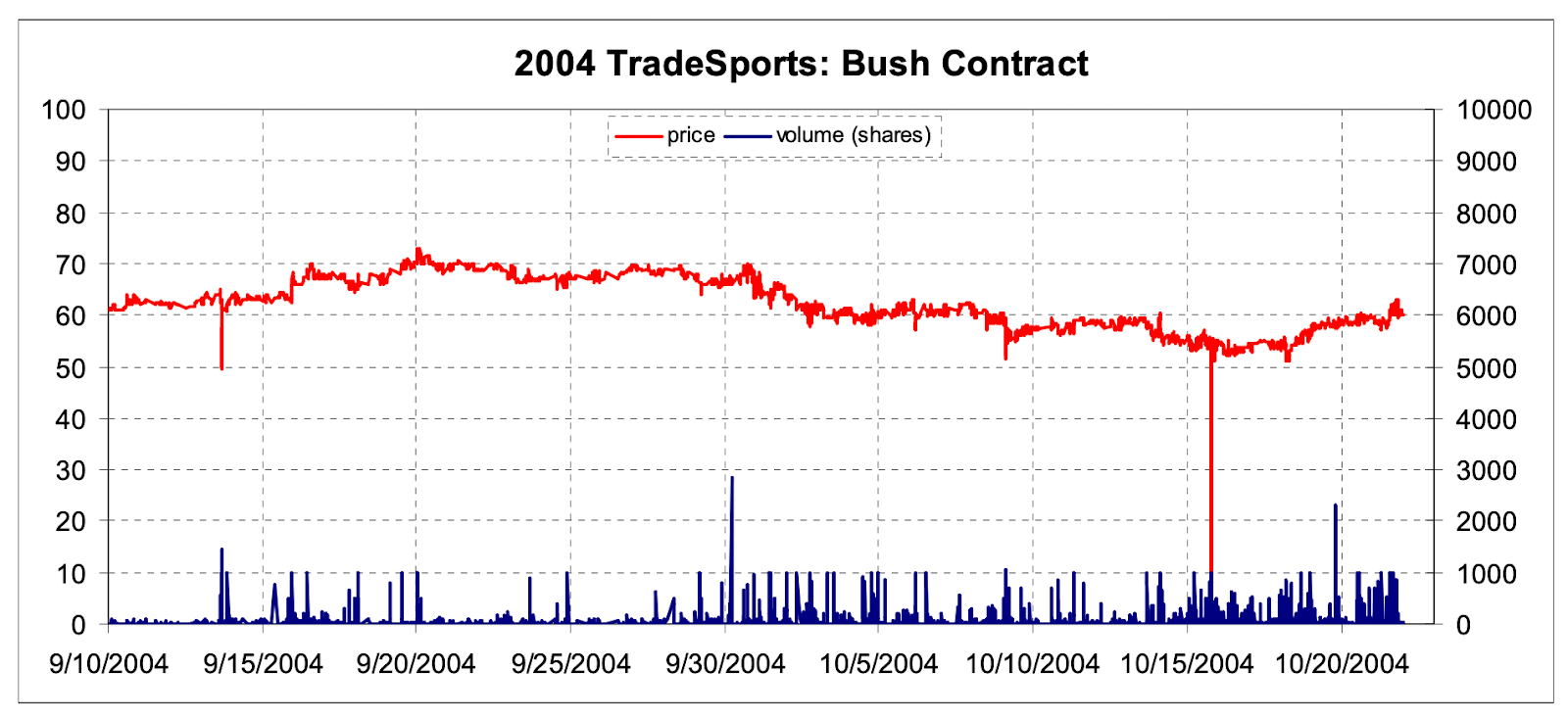
Dalam kasus hipotesis Vance dan Kuban, ini sangat penting. Memanipulasi pasar pemilihan presiden pada bulan Oktober membutuhkan banyak uang, dan akan ada banyak trader yang menunggu untuk menjual setelah harga melonjak. Fluktuasi kecil mungkin bertahan sampai disiarkan di CNN, tetapi pada saat pembawa acara CNN Amerika Anderson Cooper mulai membicarakannya, harga mungkin sudah kembali ke level semula.
Namun, ketika pasar tidak likuid, situasinya berbeda. Para peneliti telah menunjukkan bahwa dalam lingkungan likuiditas rendah, memanipulasi harga untuk waktu yang lama adalah mungkin: tidak ada yang bisa menghentikannya.
Rekomendasi
Mungkin ada bukti bahwa manipulasi pasar pemilihan utama kecil kemungkinannya memiliki dampak besar, tetapi itu tidak berarti tidak ada yang bisa dilakukan. Dalam dunia baru di mana pasar prediksi menyatu dengan media sosial dan berita kabel, dampak manipulasi harga mungkin lebih besar dari sebelumnya. Bahkan jika dampak manipulasi harga kecil, kekhawatiran ini dapat mempengaruhi persepsi bersama tentang keadilan sistem politik. Bagaimana menanggapi masalah ini?
Untuk Lembaga Penyiaran:
Terapkan batas likuiditas bawah. CNN dan organisasi berita lainnya, ketika melaporkan harga pasar prediksi untuk pemilihan dan peristiwa politik lainnya, harus fokus pada pasar dengan perdagangan aktif, karena harga pasar ini lebih mungkin mencerminkan ekspektasi akurat dan lebih mahal untuk dimanipulasi; tidak boleh melaporkan harga dari pasar dengan likuiditas rendah, karena harga pasar ini kurang akurat dan lebih murah untuk dimanipulasi.
Sertakan sinyal ekspektasi pemilihan lainnya. Organisasi berita juga harus memantau closely jajak pendapat dan indikator ekspektasi pemilihan lainnya. Meskipun indikator-indikator ini memiliki kelemahan lain, mereka cenderung kecil kemungkinannya untuk dimanipulasi secara strategis. Jika ditemukan perbedaan signifikan antara harga pasar dan sinyal lainnya, organisasi berita harus mencari bukti manipulasi.
Untuk Pasar Prediksi:
Bangun kapabilitas pemantauan. Bangun sistem dan staf yang dapat mendeteksi perdagangan menipu, spoofing, lonjakan volume perdagangan sepihak, serta aktivitas akun terkoordinasi. Perusahaan seperti Kalshi dan Polymarket mungkin sudah memiliki sebagian kemampuan ini, tetapi jika mereka ingin dilihat sebagai platform yang bertanggung jawab, mereka dapat mengalokasikan lebih banyak sumber daya.
Pertimbangkan intervensi ketika terjadi fluktuasi harga yang drastis dan tanpa alasan jelas. Ini termasuk menerapkan mekanisme circuit breaker sederhana di pasar tidak likuid untuk menanggapi pergerakan harga mendadak, serta menghentikan perdagangan dan kemudian melakukan lelang call untuk menetapkan harga kembali ketika pergerakan harga terlihat tidak normal.
Pertimbangkan cara melaporkan indikator harga untuk meningkatkan ketahanannya terhadap manipulasi. Untuk harga yang ditampilkan di TV, gunakan harga berbobot waktu atau berbobot volume.
Terus tingkatkan transparansi perdagangan. Transparansi sangat penting: publikasikan indikator likuiditas, konsentrasi, dan pola perdagangan yang tidak biasa (tanpa mengungkap identitas individu) sehingga jurnalis dan publik dapat memahami apakah fluktuasi harga mencerminkan informasi nyata atau noise order book. Pasar besar seperti Kalshi dan Polymarket sudah menampilkan order book, tetapi indikator yang lebih detail dan dashboard yang mudah dipahami publik akan sangat berguna.
Untuk Pembuat Kebijakan:
Perangi manipulasi pasar. Langkah pertama adalah dengan jelas menyatakan bahwa upaya apa pun untuk memanipulasi harga prediksi pasar pemilihan (dengan maksud mempengaruhi opini publik atau pemberitaan media) berada dalam ruang lingkup peraturan anti-manipulasi yang ada. Ketika terjadi fluktuasi harga besar yang tidak dapat dijelaskan menjelang pemilihan, regulator dapat bertindak cepat.
Awasi intervensi kekuatan politik domestik dan asing di pasar. Karena pasar pemilihan sangat rentan terhadap pengaruh asing dan masalah pendanaan kampanye, pembuat kebijakan harus mempertimbangkan dua langkah pengamanan:
(1) Awasi manipulasi asing dengan melacak kewarganegaraan trader, berkat hukum "KYC" AS yang berlaku, yang sangat penting untuk operasi pasar prediksi.
(2) Tetapkan aturan pengungkapan atau larangan untuk kampanye, komite aksi politik (PAC), dan staf politik senior. Jika pengeluaran untuk memanipulasi harga merupakan pengeluaran politik yang tidak dilaporkan, regulator harus memperlakukannya sebagai pengeluaran politik.
Kesimpulan
Pasar prediksi dapat membuat pemilihan menjadi lebih jelas daripada lebih kacau, tetapi hanya jika pasar ini didirikan secara bertanggung jawab. Kemitraan CNN dengan Kalshi mengisyaratkan masa depan di mana sinyal pasar akan menjadi bagian dari lingkungan informasi politik, bersama dengan jajak pendapat, model, dan pelaporan. Ini adalah peluang nyata: dalam dunia yang jenuh AI, dibutuhkan alat yang dapat menggali informasi tersebar tanpa mendistorsi. Namun prospek ini bergantung pada tata kelola yang baik, termasuk standar likuiditas, regulasi, transparansi, dan cara menafsirkan dinamika pasar yang lebih hati-hati. Jika aspek-aspek ini ditangani dengan baik, pasar prediksi dapat meningkatkan pemahaman publik tentang pemilu dan mendukung ekosistem demokrasi yang lebih sehat di era algoritme.
Twitter:https://twitter.com/BitpushNewsCN
Grup Komunikasi TG Bitpush:https://t.me/BitPushCommunity
Langganan TG Bitpush: https://t.me/bitpush