As part of an agreement announced on August 25, Bitdeer's subsidiary, Dory Creek, will install its owned Sealminer A2 Pro Air machines at Soluna's "Project Kati 1" site in Willacy County. Deployment will begin in September and be carried out in batches, with the equipment being placed within the K1BC phase of the site.
Project Kati 1 is an 83 MW wind-powered data center that achieved its first gross profit in the second quarter of 2026. Publicly traded company Soluna currently operates data centers with a total capacity of 192 MW across Texas and Kentucky, with an additional 14 MW under construction as part of Project Kati 1, and a development project portfolio totaling 6.3 gigawatts.
This is not a standard 'plug in miners and collect rent' hosting contract. Soluna provides the site, electricity, and handles day-to-day operations, while Bitdeer owns and supplies the mining equipment. Instead of simply receiving a hosting fee, both companies share the revenue from Bitcoin mining generated by the deployed equipment.
This allows Soluna to approach the economics of real Bitcoin mining without spending on acquiring application-specific integrated circuits (ASICs). Bitdeer gains the opposite advantage, increasing computational power without needing to spend years acquiring land, securing grid connections, and building additional power plants.
Bitcoin Mining Continues to Thrive Alongside Bitdeer's AI System
The deal comes at a time when Bitcoin miners are increasingly directing valuable megawatts towards artificial intelligence (AI) and high-performance computing (HPC), seeking greater profitability from existing energy portfolios. Bitdeer also aims for this profit, but its growing AI operations have hardly pushed Bitcoin mining into the background.
In its June 2026 operational report, Bitdeer reported its proprietary mining capacity at 73 EH/s and an additional 15.9 EH/s engaged in collaborative mining. In June, the company managed approximately 243,000 of its own mining units and mined 990 Bitcoins, a 388% increase compared to the previous year, with second-quarter mining output totaling 2,694 Bitcoins.
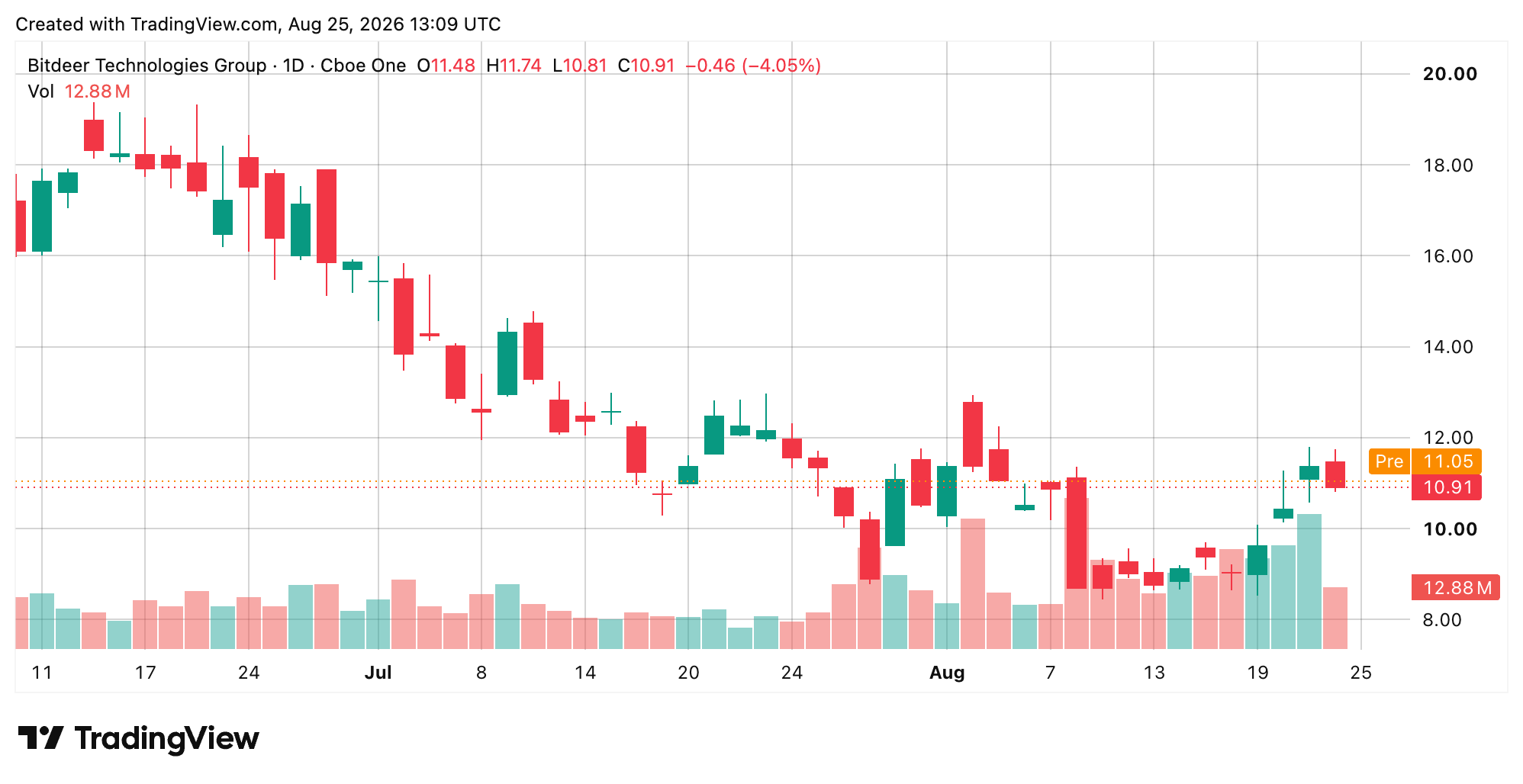
Recent operational reports from Bitdeer, published on X, disclosed Bitcoin mining data, but there is an important nuance here: the mined BTC belongs to Bitdeer's clients, not the company itself. The Soluna deployment adds approximately another 1.93 EH/s to the capacity of this collaborative mining platform.
Bitdeer manufactures its own Sealminer equipment and can then send these machines to third-party sites where someone else has already taken on the costly work of providing power, infrastructure, and operations. Meanwhile, Bitdeer is investing significantly in artificial intelligence.
Its plans include utilizing Nvidia GB300 NVL72 computational capacity in Malaysia, where a five-year agreement covering roughly half of a 9.5 MW facility secures about $400 million in contracted revenue. Bitdeer plans to reach AI cloud data center capacity of up to 350 MW by the first quarter of 2028.
Bitdeer also has a 16-year, $4.7 billion lease agreement for AI and HPC needs, covering 121 MW of IT capacity in Tidal, Norway. The company's strategy is becoming hard to ignore: Bitcoin mining continues to generate revenue, while the company builds a much larger and longer-term AI business.
Kati 1 Stays on Bitcoin While Soluna Bets on AI Elsewhere
For Soluna, the agreement with Bitdeer is not another Bitcoin center to be dismantled and converted into a GPU farm for AI. Galaxy Digital also occupies 48 MW of Kati 1 capacity for Bitcoin mining, while the Bitdeer deployment consumes most of the remaining mining capacity of the complex.
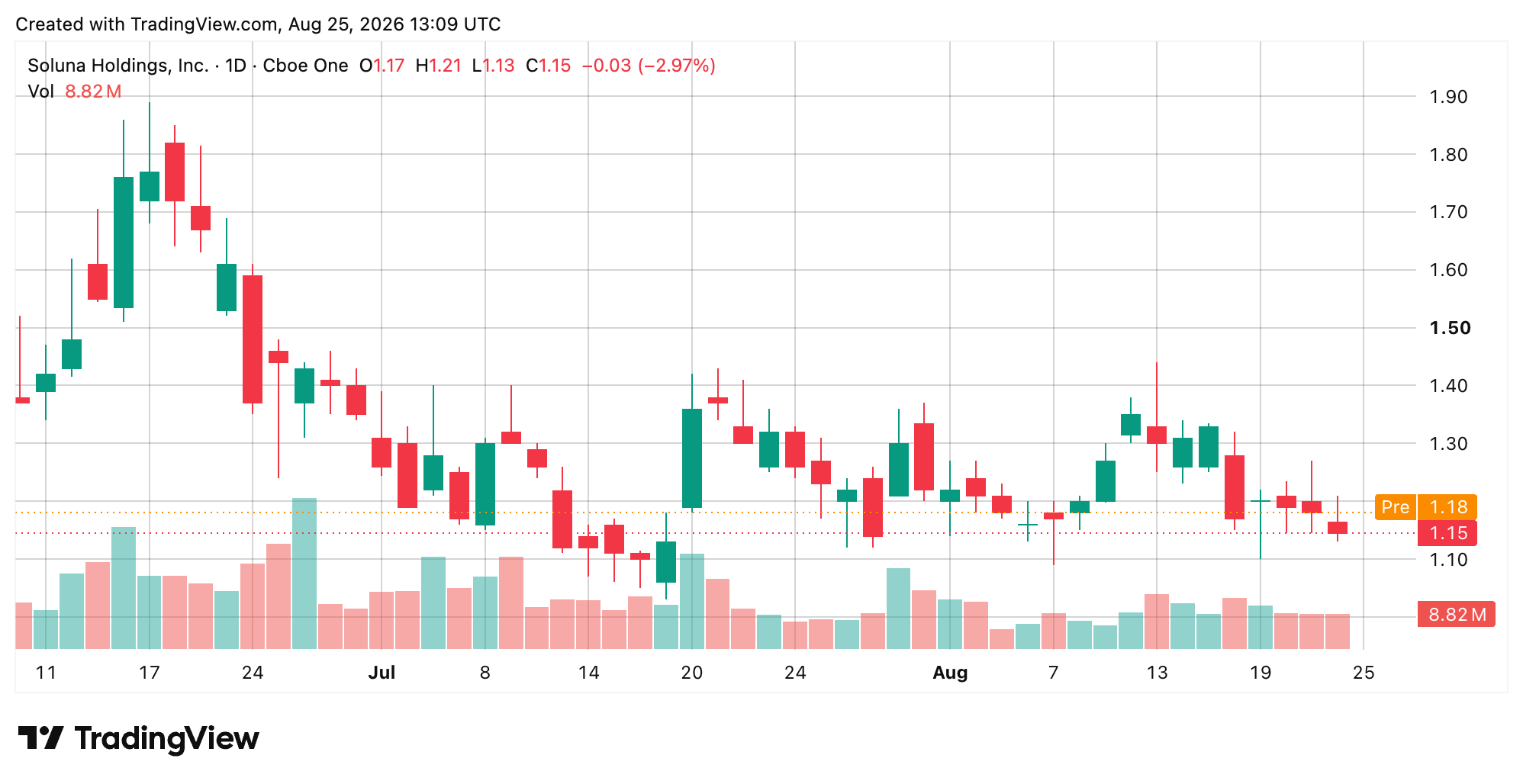
Separate Soluna projects—Kati 2 and Dorothy 3—are positioned for AI and HPC development. This separation allows Soluna to pursue AI development without sacrificing the existing Bitcoin mining economics at Kati 1 or leaving ready mining infrastructure waiting for another client.
The next test will be in September, when Bitdeer begins the phased installation of its Sealminer fleet. Investors will be watching how quickly the 28 MW comes online, what profit the revenue-sharing model yields in practice, and whether Soluna participates in collaborative mining elsewhere, as Bitcoin and AI increasingly compete for the same valuable megawatts.
end-content