OpenClaw and Cursor Just Invaded Phones! Agents Are Now in Your Pocket

marsbitPublished on 2026-06-30Last updated on 2026-06-30

Abstract

AI Agents have officially arrived on mobile. In a landmark move, both OpenClaw and Cursor launched native mobile apps on the same day, fundamentally shifting how AI assistants are accessed and controlled. OpenClaw has released full-featured native apps for iOS and Android. Its "local-first" architecture, developed by the OpenClaw Foundation, keeps user data private by running the agent on a user's private Gateway. The mobile app now allows seamless remote control and approval of the agent's actions directly from a smartphone, with access to device capabilities like the camera, GPS, and contacts. Simultaneously, Cursor, the AI-powered coding tool, launched a public beta of its native iOS app. It enables developers to start and manage cloud-based AI coding agents from their phones. These agents can work asynchronously for extended periods—debugging, writing code, and creating pull requests—while developers are away from their computers. The app sends notifications for key decisions, allowing users to review and merge PRs from anywhere. Together, these releases signal a major shift: AI agents are no longer confined to desktop browsers or terminals. They are becoming persistent, autonomous assistants that work independently in the cloud, with humans transitioning from constant operators to mobile supervisors who approve key steps. The era of pocket-sized, on-demand AI is now here.

【New Zhiyuan Insights】AI has completely broken free from the cubicle! Just now, OpenClaw and Cursor released native apps on the same day, packing full-fledged Agents right into the iPhone. The "palm-sized era" of dispatching AI armies anytime, anywhere, is truly here.

AI Agents are officially loaded into phones!

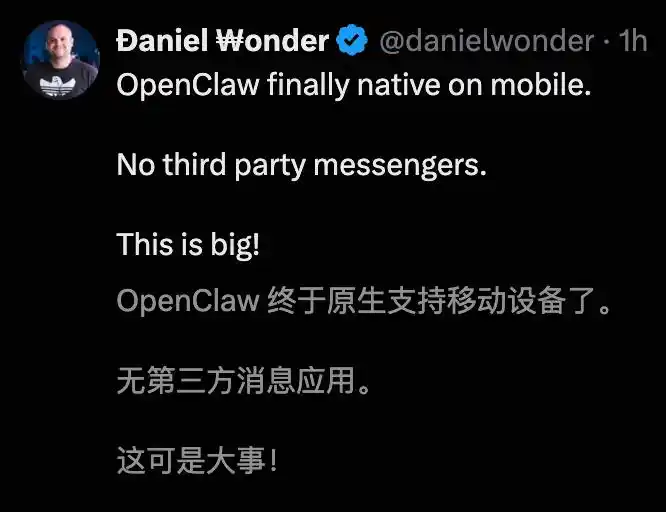
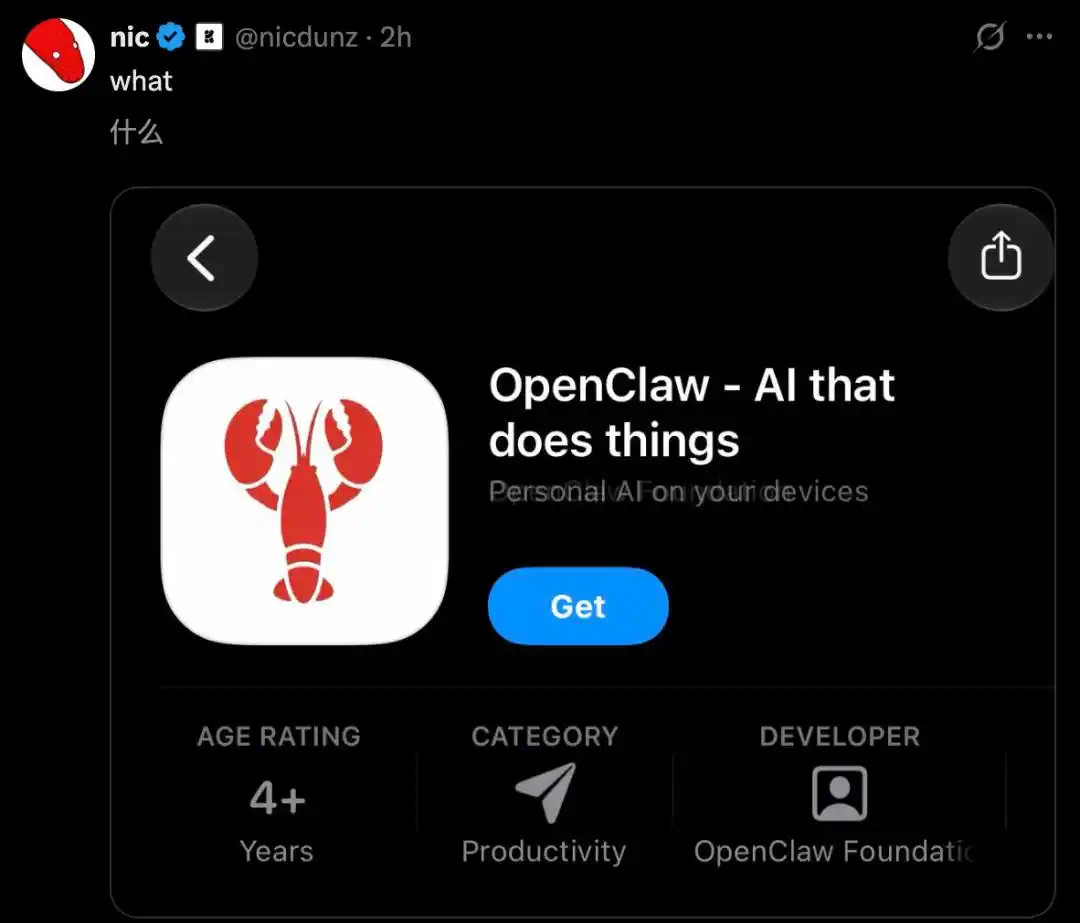
Just now, OpenClaw made a major announcement: the native mobile app has landed on both iOS and Android platforms.

From now on, you can download it directly from the App Store and Google Play.
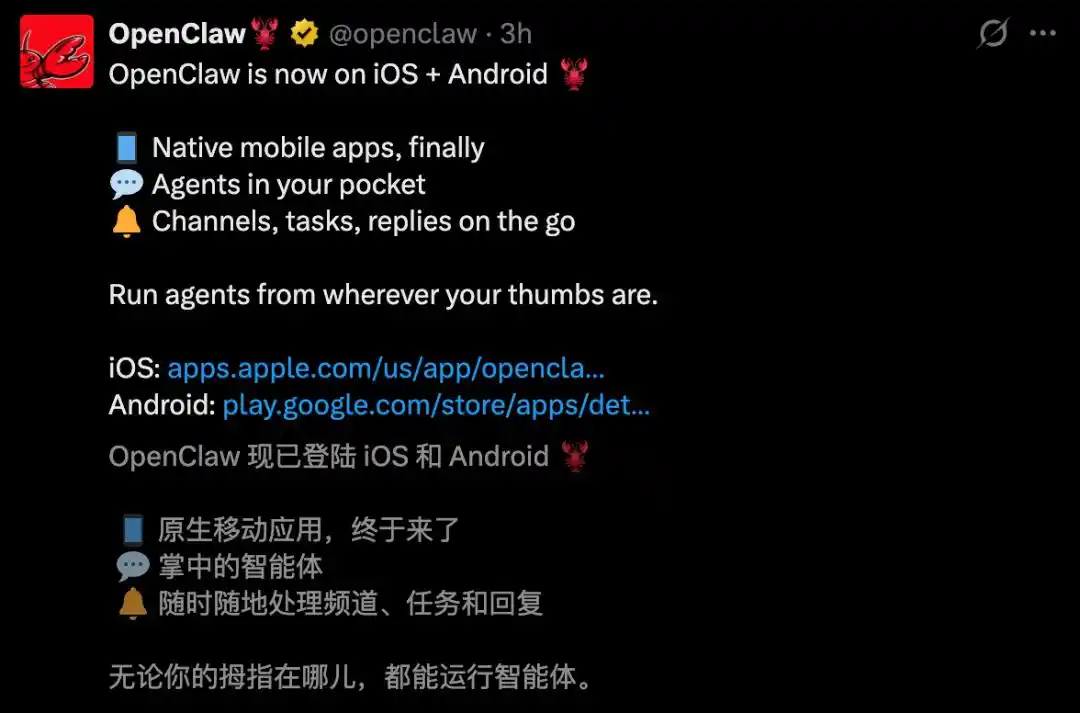
The all-powerful "Lobster" is now in everyone's palm, ready to serve anytime, anywhere.

Almost simultaneously, the well-known AI coding tool Cursor, acquired by Musk, released a public beta of its native iOS app.
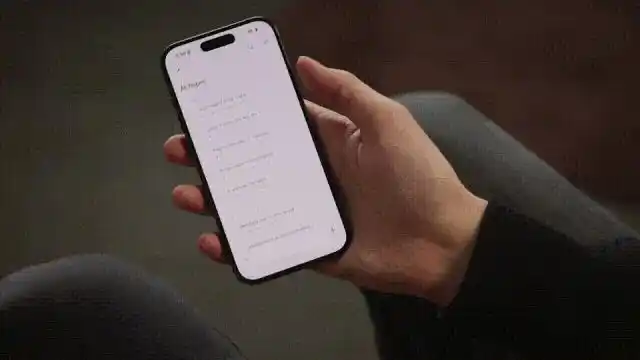
One lets you command AI armies on your phone, the other lets you write code and merge PRs on your phone.

The AI Agent, once confined to racing within web browsers and terminal command lines, has now been genuinely stuffed into everyone's pocket.

OpenClaw Native APP Debuts

Loaded Into Every Phone

Let's start with this phenomenal "Lobster"—OpenClaw.

It rose to fame in early 2026, personally endorsed by Jensen Huang at GTC as "the operating system for personal AI."

Its positioning is extremely hardcore: a fully local-running AI Agent. Managing files/browsers, cleaning tens of thousands of emails, automatically submitting PRs—all handled with ease.

But previously, using it on the go was awkward—you had to rely on tools like Telegram or WhatsApp to remotely "issue commands."

But starting today, the experience is completely revolutionized!

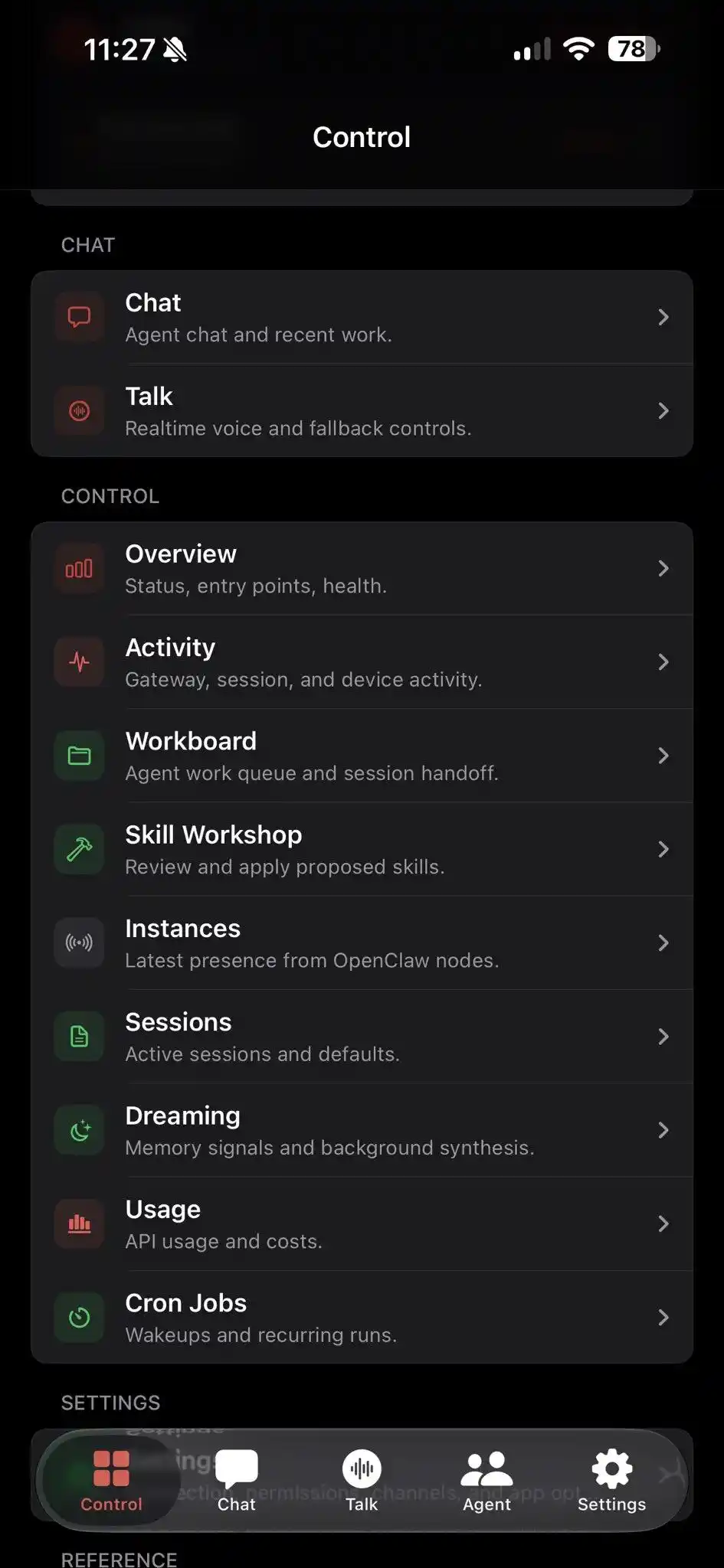
OpenClaw has launched a full-blooded native app, delivering a silky-smooth experience directly.
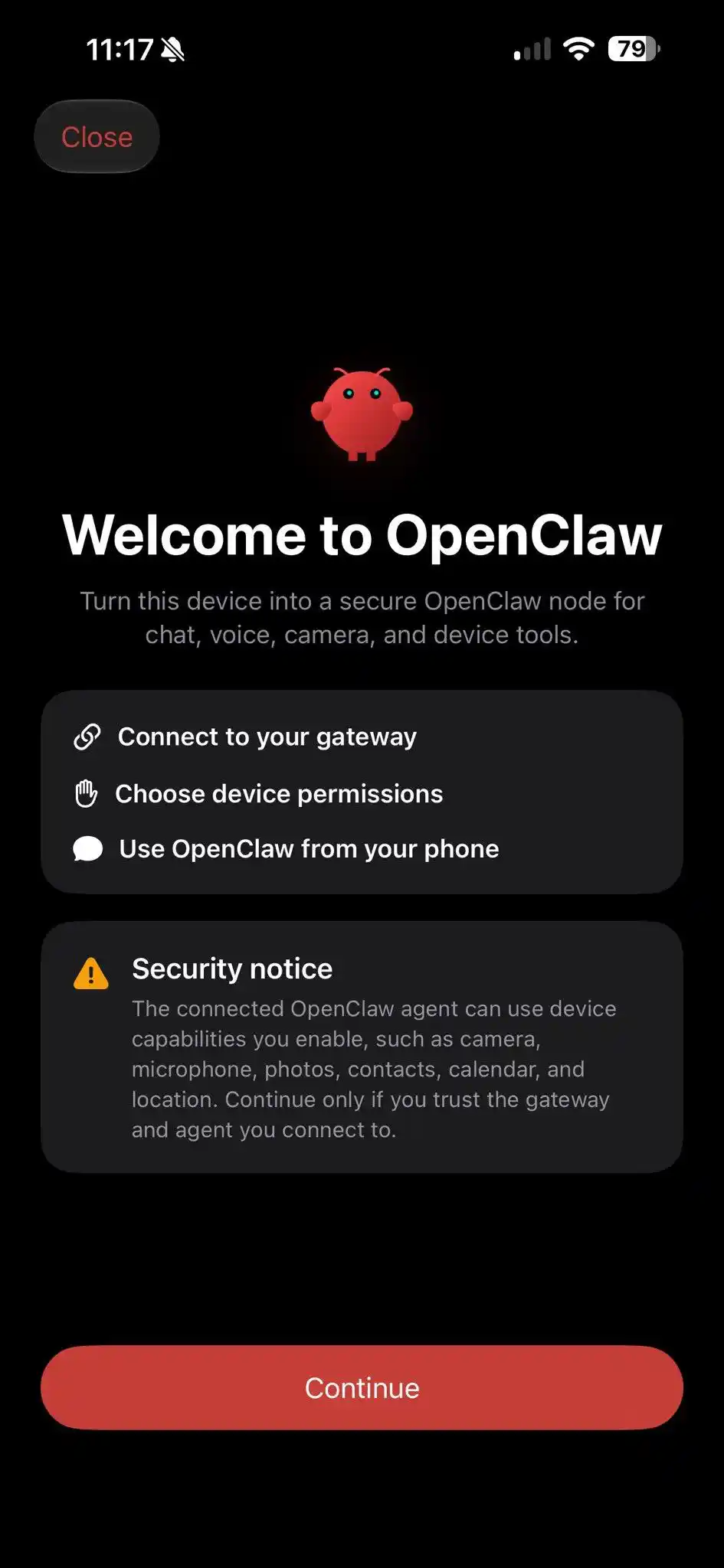
Simply take out your phone, scan a QR code or enter a pairing code to directly connect to your private Gateway, and you can instantly start seamless interaction:

Not only can you chat directly and run real-time or background Talk modes, but you can also remotely control and approve every step of the Agent's operational decisions.

Even more hardcore, its underlying device capabilities have been fully unlocked.

Camera, screen, GPS location, system photo library, down to contacts, calendar, and reminders—the switch for hardware permissions is completely under your control as needed.

See a message to reply to, an automation task to approve? A gentle tap of your thumb while on the subway or in a coffee shop queue gets it done.

As their ambitious slogan states, "Let the Agent run wild wherever your thumb can reach."
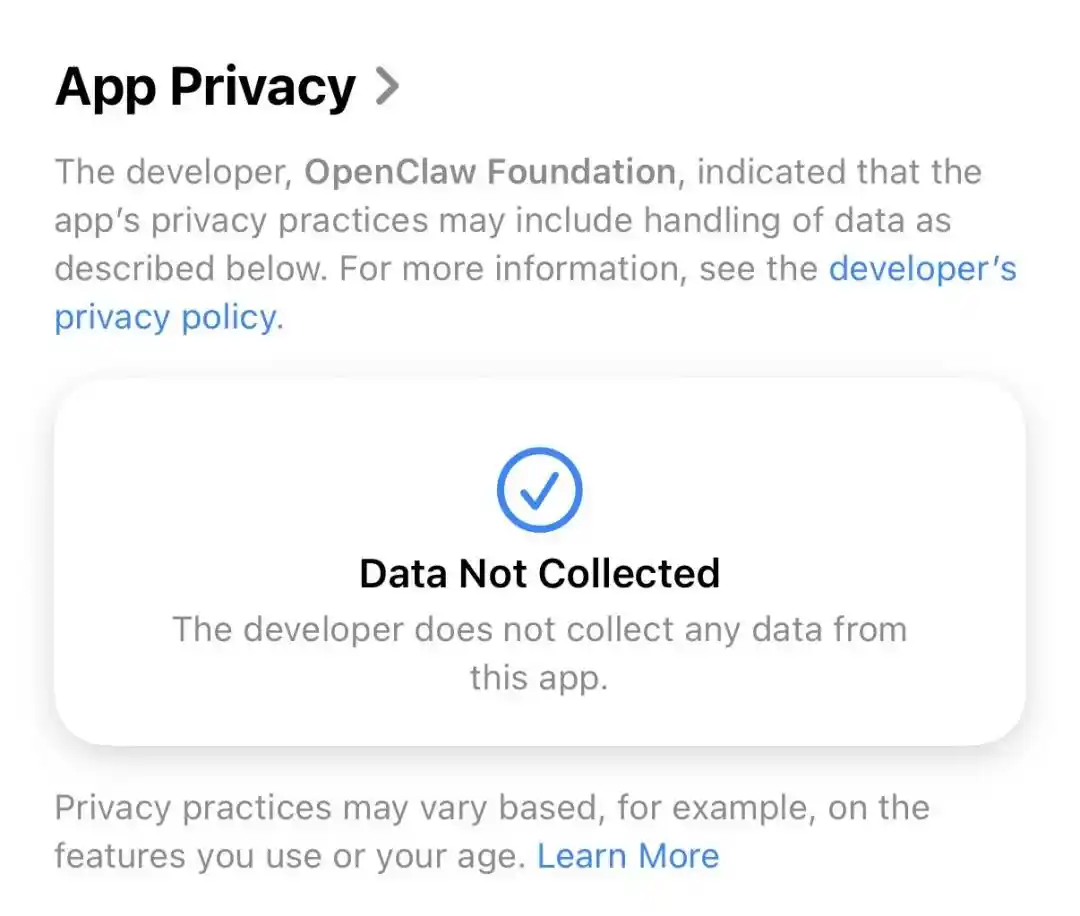
It's worth mentioning that OpenClaw emphasizes a local-first architecture this time.

Developed by the OpenClaw Foundation, keys, configurations, and permissions are all in your own hands, emphasizing no data collection.
The free version offers 20 Gemini-powered messages per day, while $20 per month provides unlimited messages.

Of course, risks must be clarified: it is susceptible to prompt injection attacks and requires extensive system permissions on the Gateway device.

Cursor's iOS Version Arrives, Coding on the Go

While OpenClaw puts a "private assistant army" in your pocket, Cursor packs an entire cloud computer into the iPhone.

Today, Cursor officially released a public beta of its native iOS app, open to all paid users, requiring iOS 26.0 or higher.
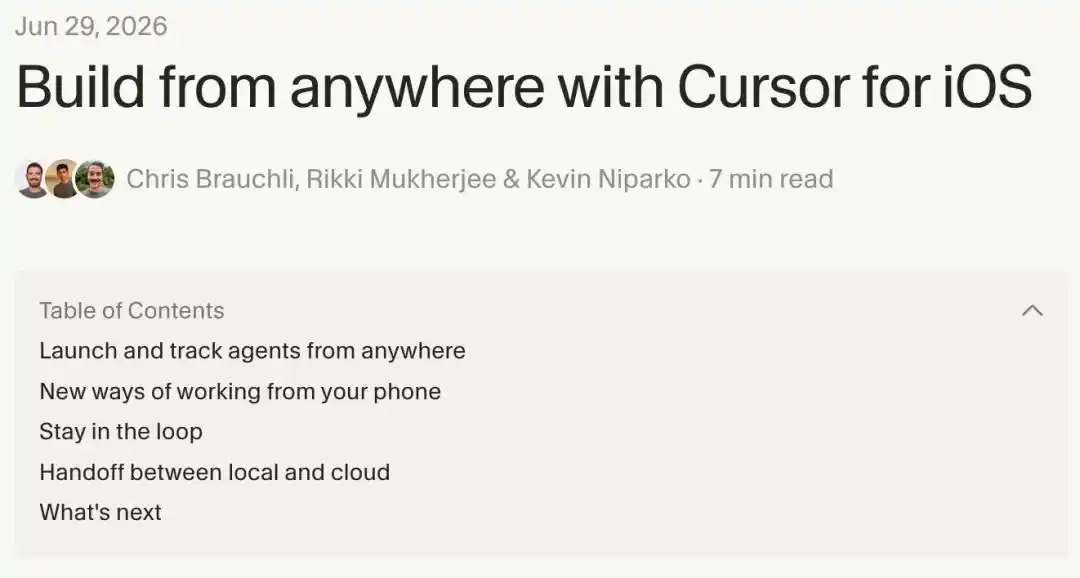
Its killer feature can be summed up in one sentence:

Your local machine can be off, the cloud Agent keeps racing ahead.

Open the app, select a code repository, choose a cutting-edge large model, and launch an Agent just like on the desktop.

You can even dictate requirements verbally, guiding it to work with / commands. There are mainly two ways to play—

  • Cloud Agent: Runs in an isolated virtual machine with a full development environment, can run asynchronously for longer, self-iterates until it produces a mergeable PR.
  • Remote Control: Continue directing an Agent that's already running on your computer from your phone. To keep the computer always online, there's even a "Keep Computer Awake" setting in the app.

All the developer needs to do is wait for notifications on the phone.

Cursor perfectly adapts to iOS's "Live Activities" and lock-screen notifications:

When the Agent finishes, needs your approval, or results are ready for review, your phone alerts you immediately.

Then you can be on the subway, in the kitchen, directly review the diff, leave follow-up instructions, even merge the PR with one tap.
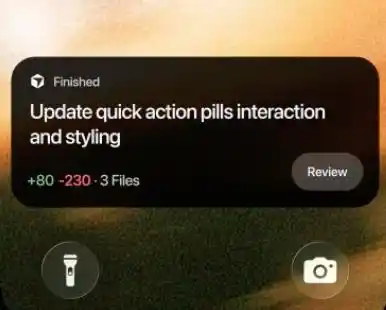
The real-world usage examples given by the Cursor team in their official blog hit the pain points of workers one by one.

Get an on-call alert during lunch? Just throw an Agent at it to investigate and propose a fix; when you return to your desk, the PR is already waiting for review;
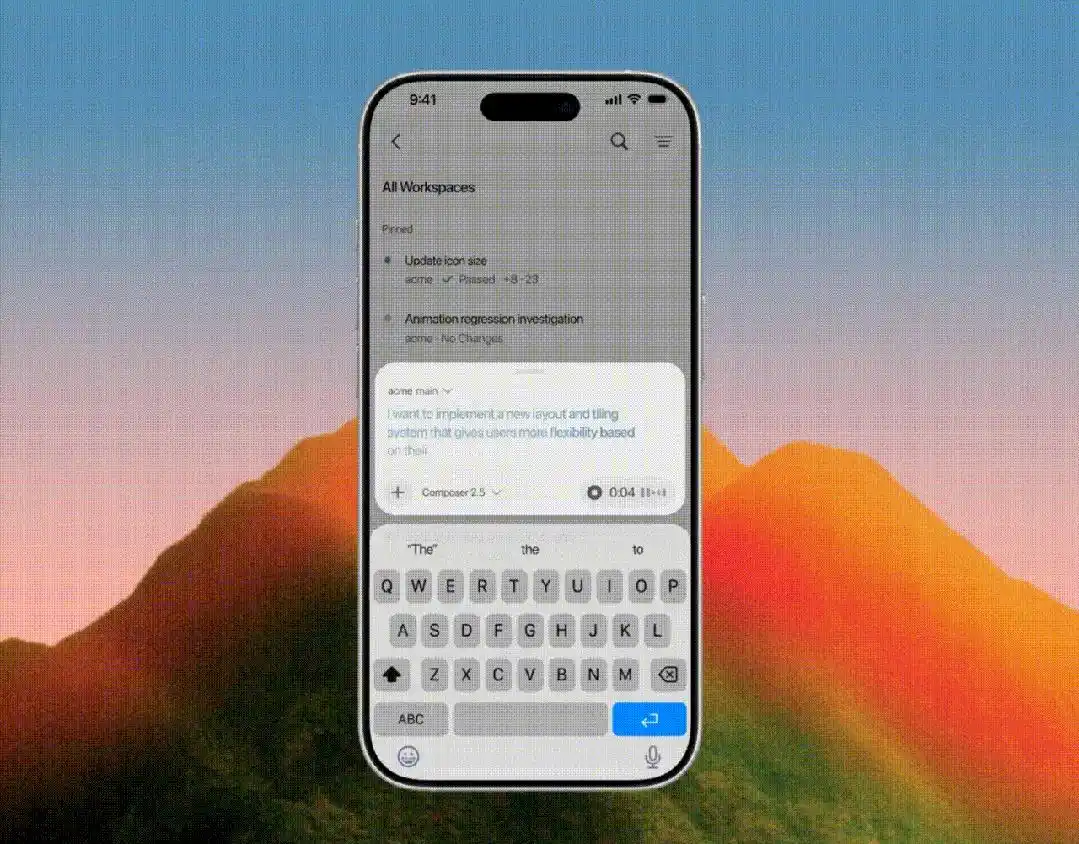
A client reports an urgent bug, and you're not at your computer? Still, launch an Agent from your phone to reproduce, locate, and fix it;

See a user complaint on X? Take a screenshot, annotate it, toss it to the Agent as visual context—often the quickest starting point for UI changes.

This is what the Cursor team coined a new term for: FOMAT (Fear of Missing Agent Time).

Developers used to be tied to their laptops, running around with lids half-open and coffee in hand. Now, work can start whenever inspiration strikes.

AI On-Demand, Human Workstyle Reshaped

What happened today is far more than just "two more apps."

The simultaneous arrival of OpenClaw and Cursor apps sends a clear enough signal:

The operational domain of Agents is becoming completely decoupled from "human physical coordinates."

In the past, no matter how fast AI Agents ran, they were confined to racing within web pages or terminal command lines, essentially "nailed" to the office desk.

But now—

OpenClaw makes your phone a mobile node for your private AI army;

Cursor makes your phone a remote control for commanding cloud-based development on the go.
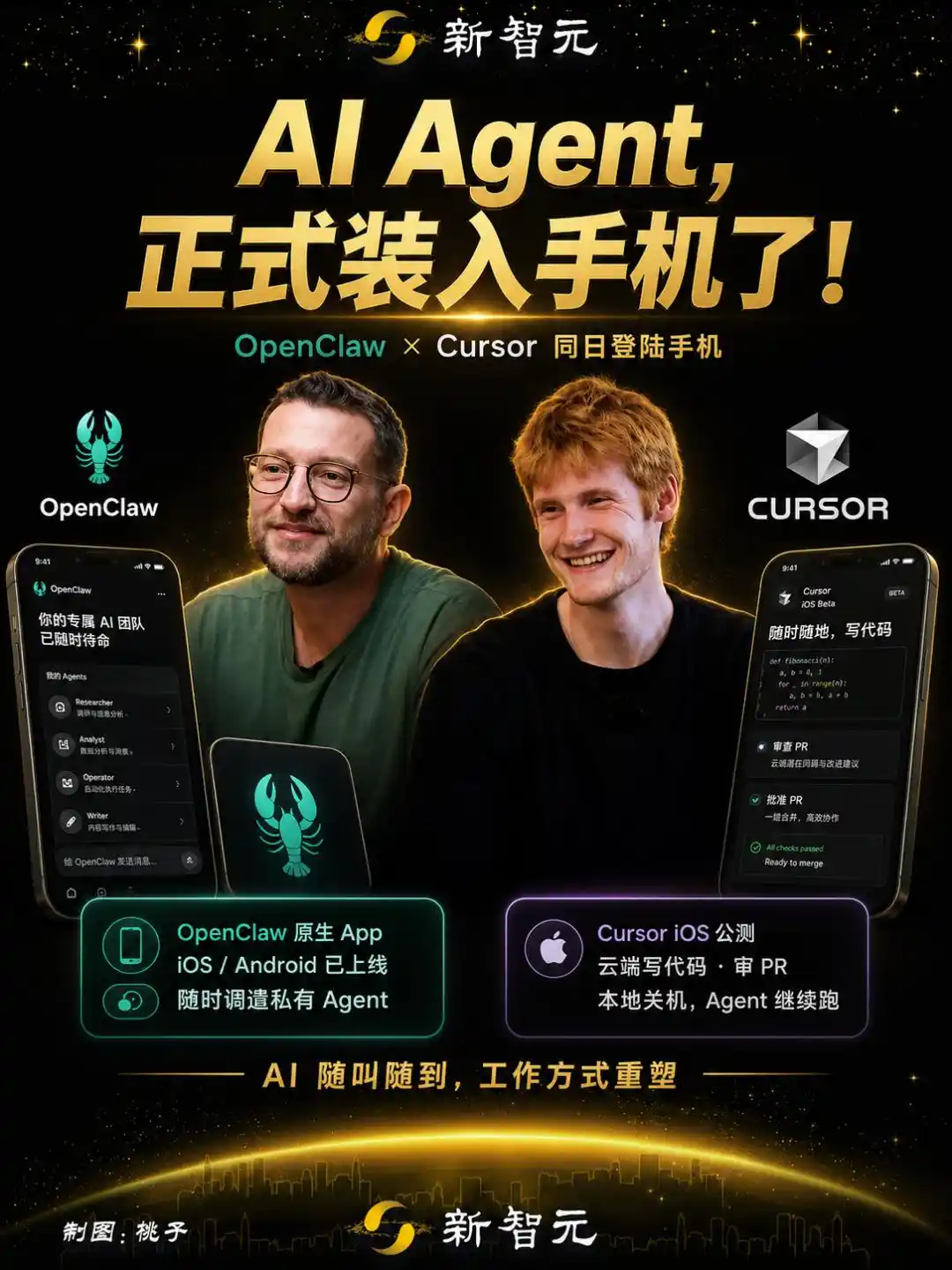
They address the same pain point: people leave their workstations, but tasks shouldn't stop.

From "humans sitting in front of computers operating AI" to "humans walk away, AI runs by itself, calls you back to approve when done"—what lies between is a tangible evolution in Agent autonomy.

Cloud Agents can run independently for 24 hours, testing themselves, producing demos, iterating until a PR is merge-ready.

The human role is subtly but meaningfully shifting from "operator" to "approver."

As Cursor states: In the future, the experience of running Agents in the cloud will become "indistinguishable" from running them on a local computer.

When the runtime environment is fully virtualized, when the command interface is fully mobilized, AI doing work has, for the first time, truly achieved "anytime, anywhere."

The era of dispatching AI armies anytime, anywhere has hit the accelerator.

The pocket-sized AI era has truly arrived.

References:

https://x.com/openclaw/status/2071688039114342592?s=20

https://cursor.com/blog/ios-mobile-app

https://www.macrumors.com/2026/06/29/openclaw-ios-app/

This article is from the WeChat public account "New Zhiyuan," edited by: Peach

Trending Cryptos

Related Questions

QWhat major announcement did OpenClaw and Cursor make on the same day?

AOpenClaw announced its full-fledged native mobile applications for both iOS and Android, and Cursor released the public beta of its native iOS application. These releases bring full-featured AI Agents directly to smartphones.

QHow does the OpenClaw mobile app fundamentally change the user experience?

APreviously, users had to use tools like Telegram or WhatsApp to remotely command their OpenClaw agent. Now, the native app offers a seamless, direct interface, allowing users to chat, manage real-time tasks, and control or approve the agent's decisions from anywhere, directly from their phone.

QWhat is the core new capability enabled by Cursor's mobile iOS app for developers?

ACursor's iOS app allows developers to launch, monitor, and direct cloud-based AI Agents directly from their phone. These agents can run asynchronously for extended periods in virtual machines, work independently to produce PRs, and the user can review diffs and merge PRs from their mobile device, effectively 'coding on the go'.

QWhat key challenge does the article suggest these mobile Agent apps help solve?

AThey solve the problem where AI tasks were previously tied to a computer. Now, even when a person is away from their workstation, the AI Agent can continue working autonomously, and the user can review and approve results remotely, preventing interruptions to workflows.

QWhat major shift in the human-AI relationship is highlighted by the simultaneous release of these apps?

AThe role of the human is subtly shifting from being an 'operator' of the AI to an 'approver' or supervisor. The AI gains increased autonomy to run tasks independently for long periods, and the human interacts at key decision points, often from a mobile device, making AI assistance ubiquitous.

Related Reads

AAVE Rallies 30% in a Week, Is It Back on Track?

Over the past week, the price of AAVE surged from around $70 to nearly $100, a rebound exceeding 30%. This occurred despite Aave's TVL continuing to decline following the Kelp DAO security incident. The price movement was partly driven by market rumors, first reported by CoinDesk, that Kraken was negotiating to acquire a stake in Aave. While Aave founder Stani Kulechov denied the specific terms, he confirmed discussions with multiple parties about purchasing Aave Labs' AAVE tokens. He also revealed ongoing work on Tokenomics 3.0, featuring an automated buyback mechanism, and plans to expand into securities-backed lending. Analysts remain optimistic about Aave's long-term prospects. Standard Chartered gave an extremely bullish $3,500 price target for 2030, citing DeFi revival and RWA tokenization. Grayscale offered a more conservative one-year target of $175. However, competitors like Morpho are gaining traction, with recent reports highlighting its advantages in capital efficiency and customization. Morpho also secured a massive $175 million funding round. Fundamentally, Aave maintains its dominance as the leading DeFi lending protocol. Its TVL is nearly double that of second-place Morpho and rivals the combined total of the next several competitors. Key metrics like active borrowing, total supply, and revenue significantly outpace rivals. While Aave faces challenges from newer, more flexible protocols, its deep liquidity and established position make it a preferred choice for large, yield-seeking users. The article concludes that despite setbacks, Aave's long-tested protocol merits ongoing attention in a market with increasingly scarce quality projects.

Foresight News28m ago

AAVE Rallies 30% in a Week, Is It Back on Track?

Foresight News28m ago

Real-life 'Black Mirror' Pumpfun Go: 40 Yuan to Lick Toilets, 14,000 USD for a Logo Tattoo on the Forehead

The article discusses the controversial new platform "Pumpfun Go," a bounty task platform launched by the meme coin platform Pump.fun. Its slogan is "Pay anyone to do anything." The platform allows users to anonymously post tasks with cryptocurrency rewards, which are held in escrow until completion and verification. The piece highlights extreme and disturbing tasks that have gained notoriety, such as licking a gas station toilet floor for roughly $5.63, eating live insects, getting a company logo tattooed on one's forehead for $14,000, and even a now-removed $700,000 bounty for suicide. These tasks are often linked to promoting specific meme coins by generating shocking, attention-grabbing content. While some tasks involve community-building or charity, critics, including New York Governor Kathy Hochul, condemn the platform for exploiting economic desperation and encouraging humiliating or dangerous behavior. They argue it mirrors dystopian narratives from shows like "Black Mirror" and movies like "Nerve," where online dares escalate for viewers' entertainment. Supporters and some participants counter that the platform provides much-needed income opportunities for the financially struggling. One user claimed the bounty money far exceeded his monthly salary. The article concludes by questioning the morality of a system where the wealthy pay for spectacle and the poor trade dignity for survival, reflecting a long history of public consumption of others' suffering. It suggests hope may lie in future technological abundance freeing people from such desperate choices.

marsbit52m ago

Real-life 'Black Mirror' Pumpfun Go: 40 Yuan to Lick Toilets, 14,000 USD for a Logo Tattoo on the Forehead

marsbit52m ago

Faked Trades, Clone Websites, 1105 Videos: Polymarket Under CFTC Scrutiny

The U.S. Commodity Futures Trading Commission (CFTC) has launched a wide-ranging investigation into prediction market platform Polymarket. The probe, triggered by a Wall Street Journal report, focuses on allegations of systematic marketing fraud. The report revealed Polymarket allegedly hired dozens of student content creators to post over 1,100 videos showing fake, profitable trades on cloned websites, without disclosing the paid relationships. These videos, with over 140 million views, were pivotal to user growth. Simultaneously, the National Association of Consumer Advocates (NACA) filed a lawsuit in Washington D.C., accusing Polymarket and its executives of deceptive advertising targeting college students. The suit details off-campus promotions and payments made through the CMO's personal PayPal account to influencers who failed to disclose sponsorships. The investigation places CFTC Chairman Michael Selig in a difficult position, as he has been a vocal advocate for prediction markets and is currently suing multiple states to assert federal jurisdiction over them. This case tests the CFTC's dual role as both promoter and enforcer. This marks Polymarket's second major clash with the CFTC. After a 2022 settlement and U.S. ban, it regained approval to operate in September 2025, secured a $20 billion investment, and saw its valuation soar. The current crisis, compounded by a recent $3.1 million front-end supply chain attack, represents the platform's most severe multi-front challenge since its founding.

Foresight News54m ago

Faked Trades, Clone Websites, 1105 Videos: Polymarket Under CFTC Scrutiny

Foresight News54m ago

Trading

Spot

Hot Articles

Discussions

Welcome to the HTX Community. Here, you can stay informed about the latest platform developments and gain access to professional market insights. Users' opinions on the price of AI (AI) are presented below.

活动图片