Crypto Bill Stalls Amid Senate Focus On Inflation – A Quick Look

bitcoinistPublished on 2026-01-22Last updated on 2026-01-22

Abstract

A major US cryptocurrency bill has stalled in the Senate as lawmakers shift focus to inflation and housing initiatives. The delay comes amid pushback from industry players like Coinbase, which withdrew support over concerns that the proposed rules could restrict stablecoin operations. The uncertainty has contributed to market volatility, with Bitcoin's price fluctuating around $89,927. Meanwhile, an alternative legislative approach is emerging from the Senate Agriculture Committee, which proposes regulating certain digital tokens as commodities rather than securities. This could provide a separate pathway forward amid the current deadlock. Although the bill is not considered dead, time is running short due to upcoming elections and competing legislative priorities. Supporters continue working behind the scenes to revise the proposal and gather votes, but if an agreement isn’t reached by late February, the legislation may not pass.

Now hanging in uncertainty, a big US cryptocurrency bill meant to set firmer ground for trading platforms, digital tokens and stablecoins lost its urgent status among Congress leaders. Attention shifting elsewhere, several influential senators paused work on it this week. Talks continue behind the scenes, aiming to fix unresolved parts before moving forward.

Lawmakers Focus On Housing

A handful of senators shift attention toward affordable housing plans linked to US President Donald Trump’s priorities. This move shrinks the chance for quick approval of the cryptocurrency legislation. Time runs short as political energy flows elsewhere.

Now the Banking Committee changed its timeline because of that move, so the expected vote on the bill got delayed for now. This puts a pause on efforts to build one clear system.

Big Industry Pushback

Out of nowhere, Coinbase stopped backing the plan. Its executives said the proposal might limit how stablecoins work, affecting services people rely on. That shift made them step away quietly. Right after, the group in charge paused things as well.

That shift laid bare growing tensions. Not every bank welcomed the rise of stablecoins. Rivalry looms when digital coin returns gain wider reach. Some financial players see threat in that growth.

BTCUSD now trading at $89,927. Chart: TradingView

Industry Response And Market Effects

Fear spread through trading floors. When talks got delayed, digital currencies started falling because people began questioning how much longer the arguing could last – alongside what kind of outcome might finally emerge.

Useful, perhaps, if waiting brings sharper rules. Still, dragging too long risks confusing banks more, leaving them unsure when to act.

Separate Tracks Emerge

Ahead of the curve, some lawmakers are eyeing a fresh approach where certain digital tokens fall under commodity rules. This version, quietly shared by the Senate Agriculture team, might follow its own path forward – timing unclear.
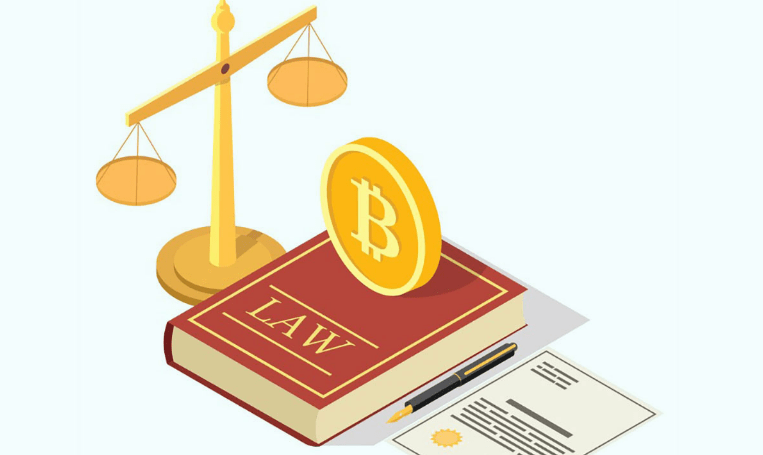
Image: AI-CIO

While others debate classification, this draft sidesteps the main gridlock and suggests an alternate route through regulatory terrain.

One path might still move forward, even if the Banking Committee’s proposal gets stuck. Still, running two versions at once brings up concerns – how will they merge them should both make it to debate?

Crypto Bill: What Might Happen Next

Few believe it’s dead, though time slips fast. Elections loom; attention wanders. Agreement must come soon, or nothing sticks.

Some members of Congress quietly say pushing into late February could kill chances, yet backers still meet out of view to adjust the proposal and pull in more votes.

Featured image from Unsplash, chart from TradingView

Related Questions

QWhy did the US cryptocurrency bill lose its urgent status in Congress?

AThe bill lost its urgent status because several influential senators shifted their attention to affordable housing plans linked to President Trump's priorities, reducing the chance for quick approval.

QWhat was Coinbase's reason for withdrawing support for the cryptocurrency bill?

ACoinbase stopped backing the plan because its executives believed the proposal might limit how stablecoins work, which could affect services that people rely on.

QHow did the delay in legislative talks affect the cryptocurrency market?

AThe delay caused fear and uncertainty in trading floors, leading to a fall in digital currency prices as investors questioned how long the arguing would last and what the final outcome might be.

QWhat alternative regulatory approach are some lawmakers considering for digital tokens?

ASome lawmakers are considering a fresh approach where certain digital tokens would fall under commodity rules, as proposed in a draft quietly shared by the Senate Agriculture team.

QWhat is the potential consequence if an agreement on the crypto bill is not reached soon?

AIf an agreement is not reached soon, the bill may not pass due to looming elections and shifting political attention, with some Congress members suggesting that pushing into late February could kill its chances.

Related Reads

Ethereum Hong Kong Meetup Successfully Concludes First Monthly Offline Gathering

Ethereum Hong Kong Meetup Successfully Concludes Its First Monthly Offline Gathering Supported by the Ethereum Foundation's "Ethereum Everywhere" initiative and co-organized by SNZ and ETHTAO, the Hong Kong Ethereum Community Hub successfully held its first offline event on January 24. This marked the public debut of Asia’s first physical Ethereum hub and established a new tradition of monthly meetups for the local Ethereum community. The event attracted over 150 participants, fostering a vibrant atmosphere for in-depth exchanges among the Ethereum Foundation team, local developers, researchers, entrepreneurs, institutional partners, and enthusiasts. This reflects the Foundation’s increased engagement in supporting ecosystem growth in Hong Kong and Asia through closer communication. Highlights of the event included a trilingual (English, Mandarin, Cantonese) keynote by Adrian Li, the Ethereum Foundation’s Ecosystem Development Lead for Asia, outlining strategic development and future opportunities in the Asia-Pacific region. Three core panel discussions followed: 1. Programmable Privacy and Compliance: Experts from SNZ Holding, the Ethereum Foundation, Yunfeng Financial, and Brevis explored the application and regulatory boundaries of privacy technology. 2. Real-World Assets (RWA) from Protocol to Practice: Representatives from China Asset Management (Hong Kong), Chainlink, HashKey Group, and Asseto discussed institutional asset tokenization and regulatory outlook. 3. DeFi’s New Chapter on Layer 2: Leaders from Spark, Taiko, Morpho, SuperReturn, and Cap Money shared insights on Layer 2 ecosystem development and protocol innovation. The event also featured networking sessions and a tour of the Hub space, strengthening community ties. Moving forward, the Hong Kong Ethereum Community Hub will host regular monthly events and offer membership services, coworking spaces, and event venues to support Ethereum innovation and solidify Hong Kong’s role as a leading Web3 hub in Asia.

marsbit1h ago

Ethereum Hong Kong Meetup Successfully Concludes First Monthly Offline Gathering

marsbit1h ago

Trading

Spot
Futures
活动图片