Original | Odaily Planet Daily (@OdailyChina)
Author | Asher (@Asher_ 0210)

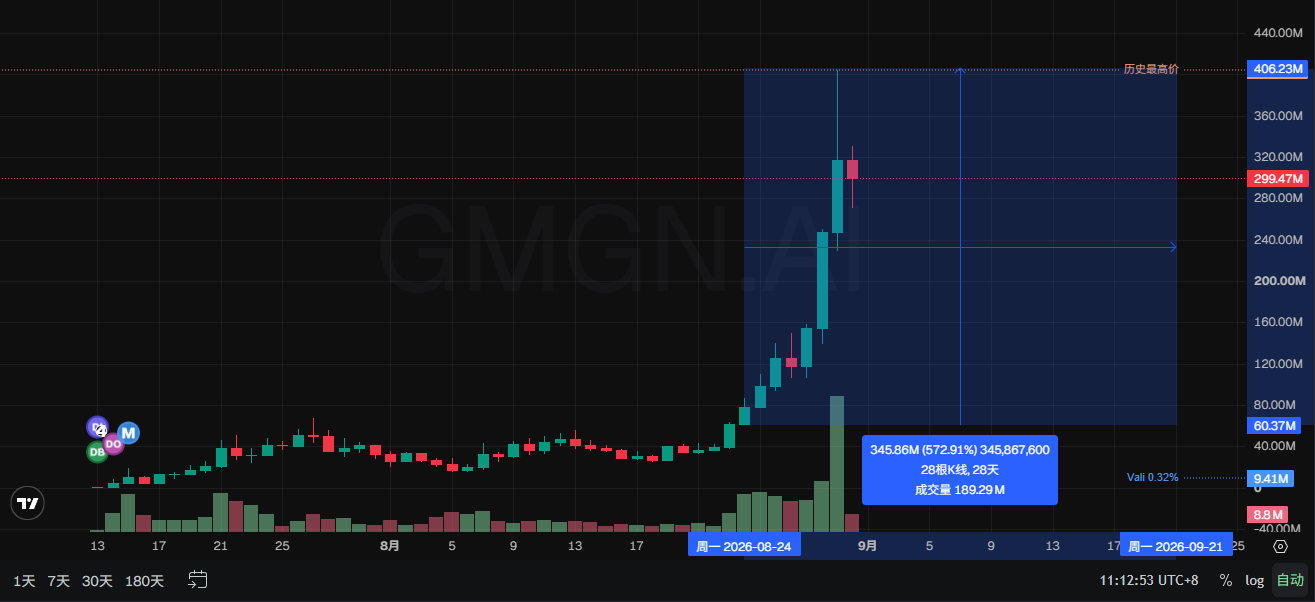
The enthusiasm of the "P Crew" for Memecoins on Robinhood Chain remains high, and PONS, the platform token of the token issuance platform Pons, has seen a new round of surge. According to GMGN data, in just one week, PONS's market capitalization rose from $60 million to a peak of $400 million, currently falling back to around $300 million.
(In the previous Odaily Planet Daily article introducing PONS, its market cap was only $40 million. Related content can be read: Platform Token Surges 15x in Half a Month, Pons Tops Robinhood Chain in Both Token Issuance and Trading)
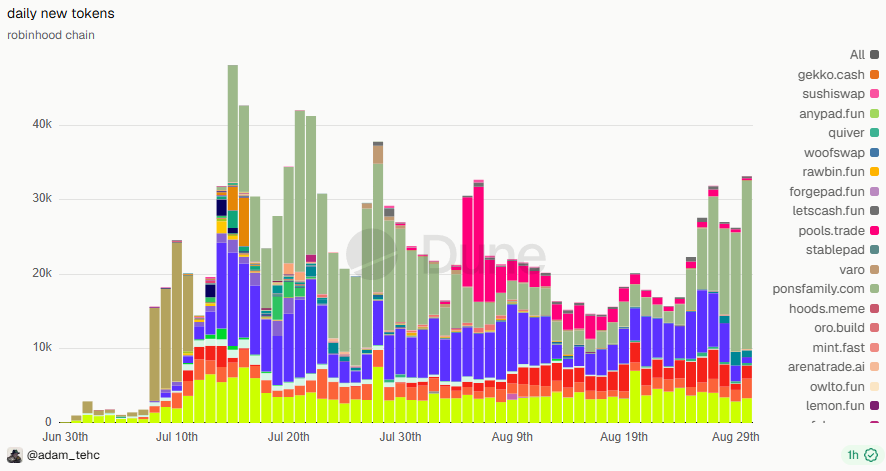
The surge of PONS is inseparable from the rapid growth of Pons's token issuance volume and trading share on Robinhood Chain. Dune data shows that on August 27, Pons issued over 12,000 tokens in a single day, surpassing Flap again to top the Robinhood Chain token issuance platforms. Since then, Pons has consistently maintained the highest daily token issuance volume, gradually widening the gap with platforms like Flap. Yesterday, Pons issued over 22,000 tokens, accounting for 66% of Robinhood Chain's daily issuance volume; the trading volume generated by newly issued tokens via Pons accounted for 78% of the chain's daily trading volume for new tokens.
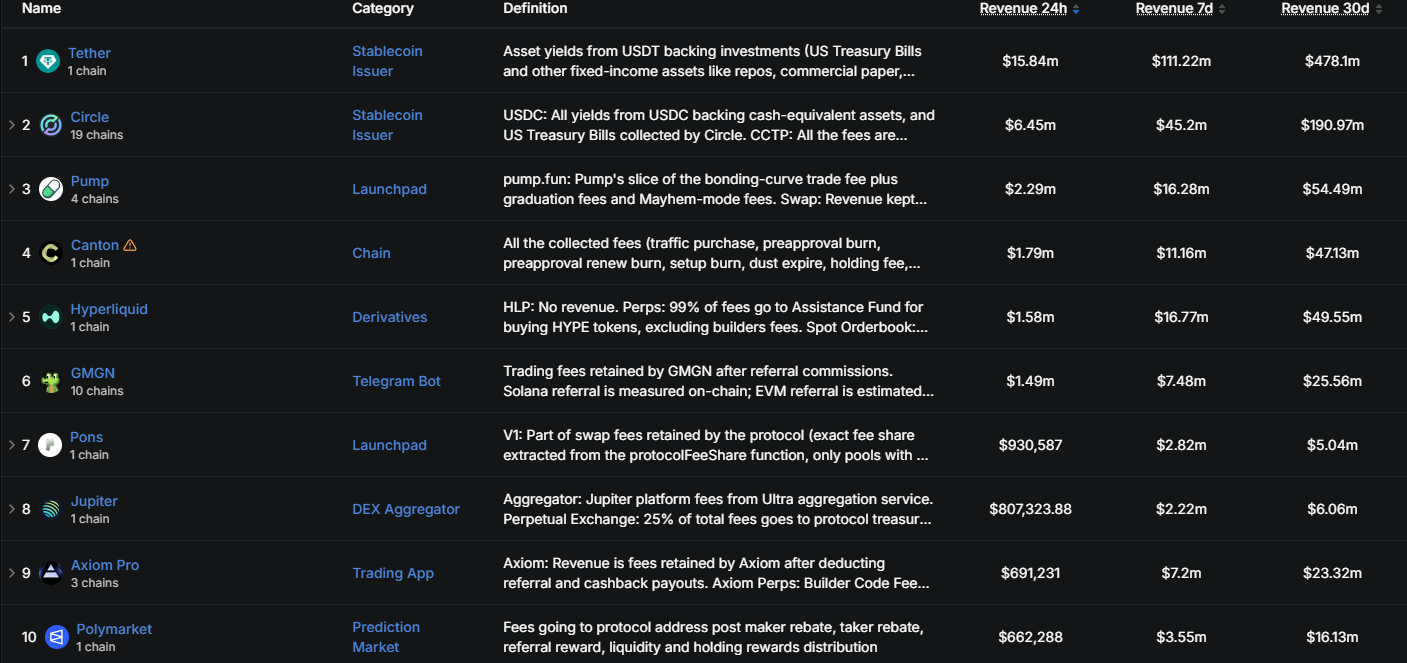
The skyrocketing trading volume has also brought substantial platform revenue. DefiLlama data shows that Pons's revenue in the past 24 hours reached $930,000, surpassing Jupiter ($800,000) and Polymarket ($660,000), ranking seventh in protocol revenue rankings.
Pons's Positive Flywheel: More Issuance, Higher Revenue, Stronger Buybacks
Trading Fees Split 7:3 Between Creator and Platform
Pons is a token issuance and trading platform specifically built around Robinhood Chain, operated by Pons Labs, and is not an official Robinhood product. Users can create and trade tokens on the platform, with all operations completed via personal wallet signatures; Pons does not custody user assets.
Currently, the total supply of each new token on Pons is fixed at 1 billion, with a creation cost of only 0.0005 ETH. The platform charges a 1% fee on trades. Creators only need to fill in the token name, symbol, image, and social links to complete issuance.
Low barriers only attract creators to enter; what truly drew market attention to Pons is its fee distribution model. According to official documentation, for tokens issued via the new Pons contract, trading fees are distributed between the creator and the protocol in a 70% and 30% ratio. Furthermore, from the protocol's share of fees, 80% is used to buy back PONS from the market and burn it, while the remaining 20% is used for infrastructure and team operations. On August 28, the official announced that 29% of PONS's total supply had already been burned.
Nearly $750,000 in Buyback Demand in the Last 24 Hours
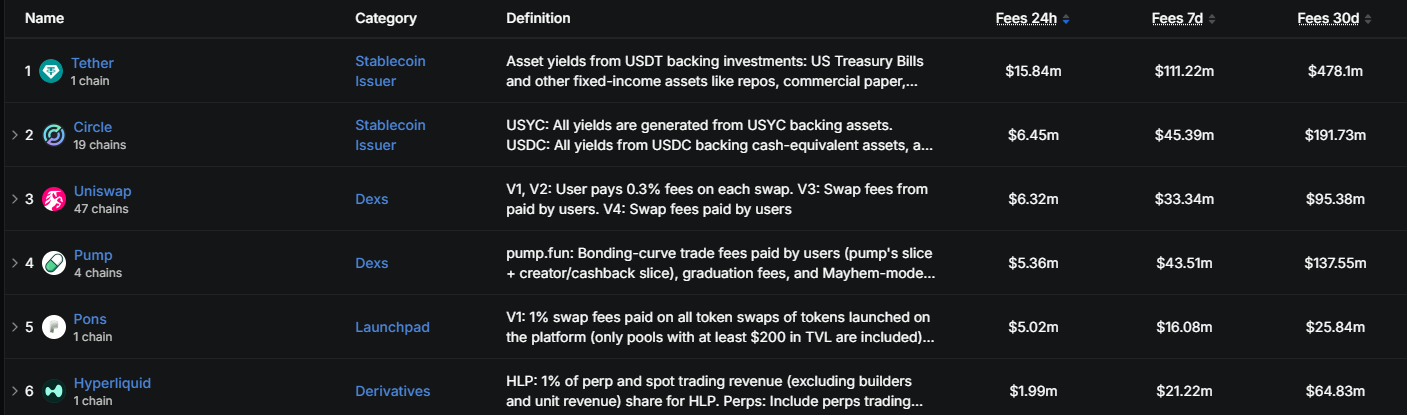
Taking the last 24 hours as an example, DefiLlama data shows that total user fees spent on the Pons platform were $5.02 million. Most of this was allocated to token creators and other participants, with approximately $930,000 in protocol revenue ultimately belonging to Pons. Based on the current 80% allocation ratio, about $740,000 of that would be used to buy back and burn PONS from the market, with the remaining ~$190,000 used for team operations.
Under this distribution mechanism, each trade on Pons generates income for creators while also converting the protocol's share into buyback demand for PONS. Thus, Pons has formed a mutually reinforcing cycle: the higher the creator's share, the more new tokens are issued on the platform; the more new tokens, the higher the trading volume and fees; growth in protocol revenue in turn leads to more PONS buybacks. After PONS rises, the platform gains more market attention, further attracting creators and traders.
How Long Can PONS Keep Rising?
PONS's market cap has risen from less than $40 million a month ago to around $300 million, peaking at a nearly 10x increase. To assess whether PONS can continue to rise, and for how long, I will focus on the following three points:
First, observe how long this round of Memecoin frenzy on Robinhood Chain can last. Over the past week, discussions surrounding Robinhood Chain Memecoins have noticeably heated up on X, driving on-chain Memecoin trading volume up, with Pons capturing more issuance and trading demand. Once the discussion heat around Robinhood Chain subsides and the "P Crew" shifts to other ecosystems, PONS would not only lose external buying pressure but also potentially see its buyback intensity weaken as protocol revenue declines.
Second, observe whether Pons can maintain its leading position as the token issuance platform. Sustained high popularity of Robinhood Chain does not guarantee that Pons will benefit; the key is which platform ultimately captures the new issuance and trading demand. Previously, when Flap's daily issuance volume exceeded Pons's, PONS's market cap remained stagnant between $30-40 million. Compared to the absolute issuance number, it's more crucial to watch whether Pons can maintain its high share on Robinhood Chain.
Finally, for PONS's market cap to rise further to $500 million or $1 billion, perhaps a truly breakout Memecoin needs to emerge. What Pons lacks now are high-market-cap Memecoins that can continuously attract capital and discussion. If the platform can recently produce a Memecoin that rapidly reaches a market cap of $50 million or even $100 million, Pons's wealth effect will be further enhanced, potentially sparking a new wave of FOMO for PONS.