Bitcoin's Pursuit of a Monetary Standard

marsbitPublished on 2026-02-04Last updated on 2026-02-04

Abstract

The article "Bitcoin's Pursuit of a Monetary Standard" by Thejaswini M A, based on a reading of Saifedean Ammous' "The Bitcoin Standard," explores the concept of money as a technology for transferring value across time, space, and scale. It emphasizes "salability" and introduces the critical idea of "hardness"—money whose supply is difficult to increase. The author reviews historical examples of money, such as Yap's Rai Stones, African Aggry beads, and wampum, which all lost value when their supply was easily expanded by new technology or trade. Precious metals, particularly gold, emerged as superior due to their scarcity and high stock-to-flow ratio. The critique then shifts to government-issued fiat currency, arguing it represents an unbacked, easily inflated system that erodes savings and leads to economic instability. While acknowledging the book's persuasive framework and its effective use of historical anecdotes, the author remains unconvinced by its one-sided, Austrian economics-influenced narrative that blames fiat for modern societal ills. The key takeaway is a new perspective on evaluating any asset: to critically ask how easily new units can be created and to be wary of anyone who can print money faster than one can earn it.

Written by: Thejaswini M A

Compiled by: Block unicorn

I've always wanted to slowly study "The Bitcoin Standard"—read it from start to finish and see how it affects my thinking. It often appears in the background of many Bitcoin discussions, revered as a foundational work. People would say, "As Saifedean explained..." and then you realize that everything they're referencing is based on a meme or a cover screenshot.
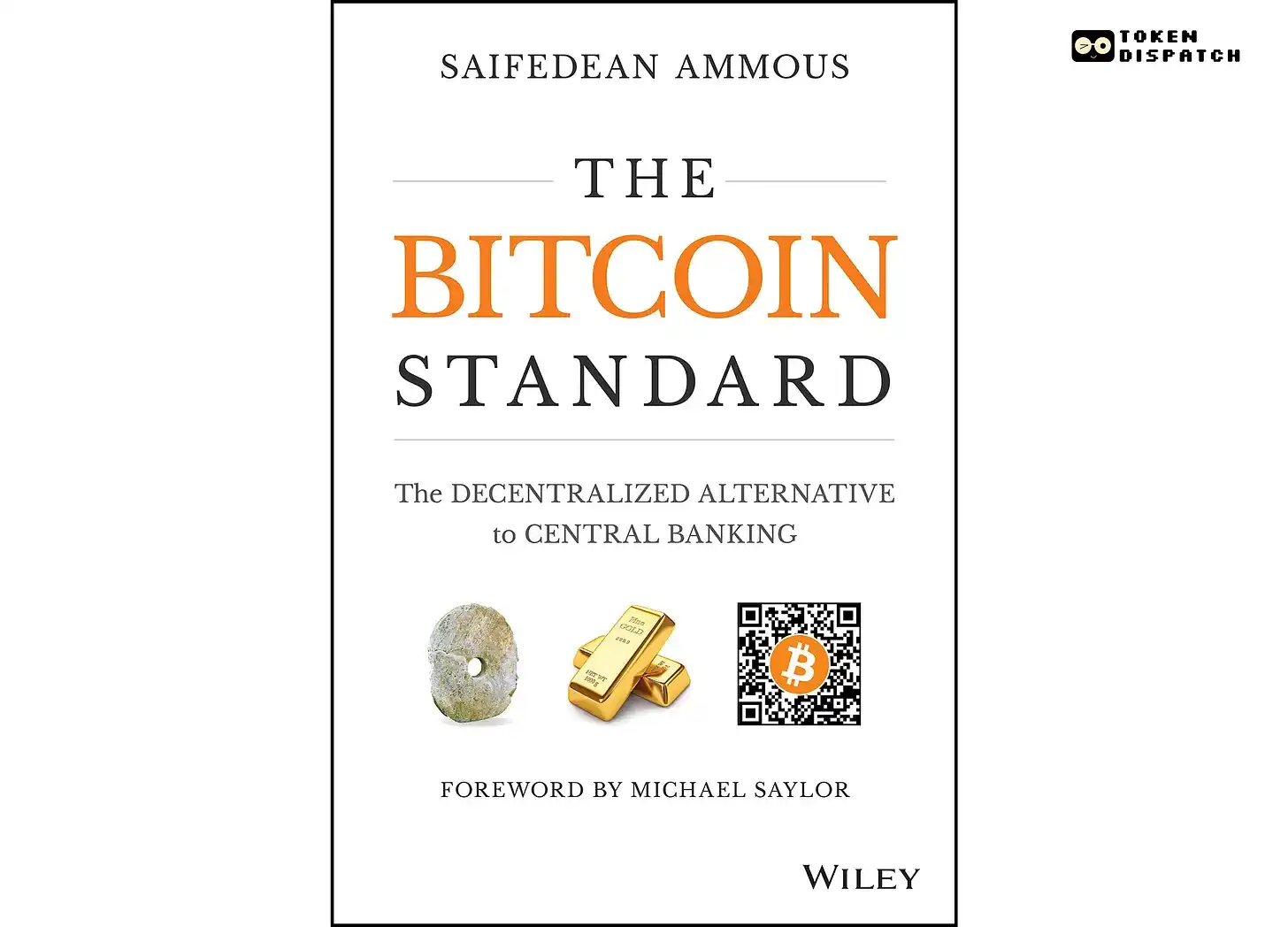
So, I will read this book in its entirety, divided into three parts. This is the first part.

We are still in the early chapters and haven't reached the later sections that fully critique fiat money for ruining everything from architecture to waistlines. For now, Saifedean Ammous is laying the groundwork, trying to convince you that money is a technology, that some forms of money are "harder" than others, and that history is essentially a process of continuous selection, with the harder options ultimately prevailing. If he can make you understand this, Bitcoin will then emerge as the "hardest money to date," and you'll feel it's inevitable.

I'm not entirely convinced yet, but I must admit it's a tricky framework.

The book begins by stripping money of its romanticized veneer, revealing its core essence. It is not a "social contract," nor a "product of the state," but simply a tool for transferring value across time and space, something people don't need to think too much about every day.

Ammous repeatedly emphasizes the concept of "Salability." A good monetary asset should be easily sold anytime, anywhere, without significant loss. To be salable, it must meet three conditions: across space—so you can carry it with you and use it to exchange for what you need; across time—so it doesn't rot or collapse in value; and across scale—so it can be used for any purpose, from a cup of tea to a house, without needing a calculator or a large bag of change.
Next, the book's truly decisive word appears: hardness. Hard money is money whose supply is difficult to increase. Soft money is easy to print. This is the essence. The core logic is simple: Why would you store your life's work in something that others can easily create?
You can feel the influence of the Austrian School of Economics in every sentence, but once you strip away the ideology, the book leaves you with a very useful question: If I invest my savings in X, how easy is it for others to earn more X?

Once you view your life through this lens—whether it's rupees, dollars, stablecoins, Bitcoin, or any other monetary combination—it's hard to ignore.

After setting up this framework, the book takes you on a tour of a small "Museum of Broken Money."

The first exhibit is Yap Island and its Rai Stones. These huge circular limestone discs, some weighing up to four tons, were quarried from other islands and arduously transported to Yap. Ammous writes that this worked surprisingly well for centuries. The stones were bulky and difficult to move or steal. Everyone in the village knew which stone belonged to whom. Payment was made by announcing the change of ownership to the community. The stones were "easily salable anywhere on the island" because they were known everywhere on the island; they also stood the test of time because the cost of obtaining new stones was so high that the existing stock was always far greater than the new supply that could be produced in a given period... The stock-to-flow ratio of Rai stones was very high."

Then, technology arrived.

In 1871, an Irish-American captain named David O'Keefe was shipwrecked on Yap Island. After recovering, he left and later returned with a large ship and explosives, realizing he could quarry Rai stones in large quantities using modern tools. The villagers were divided. The chief deemed his stones "too easy" to produce, banned their quarrying, and insisted that only traditional stones counted. Others disagreed and began quarrying the newly discovered stones. Conflict ensued. The stones' use as money gradually faded. Today, they are mostly used for ceremonial purposes.

It's a neat, perhaps overly neat, parable. But it makes a point: once a monetary commodity loses its hardness (once someone can produce it cheaply and in large quantities), those who once held it end up subsidizing later arrivals.

Beads and shells followed the same pattern. West Africa's Aggry Beads were valuable because they were scarce and time-consuming to make. Later, European merchants began importing them in large quantities from glass factories. Ammous describes how this importation "slowly but surely" turned them from "hard money" into "cheap money," "undermining their salability and causing the purchasing power of these beads in the hands of African owners to decline over time, ultimately impoverishing them as their wealth was transferred to the Europeans, who could now easily obtain the beads."
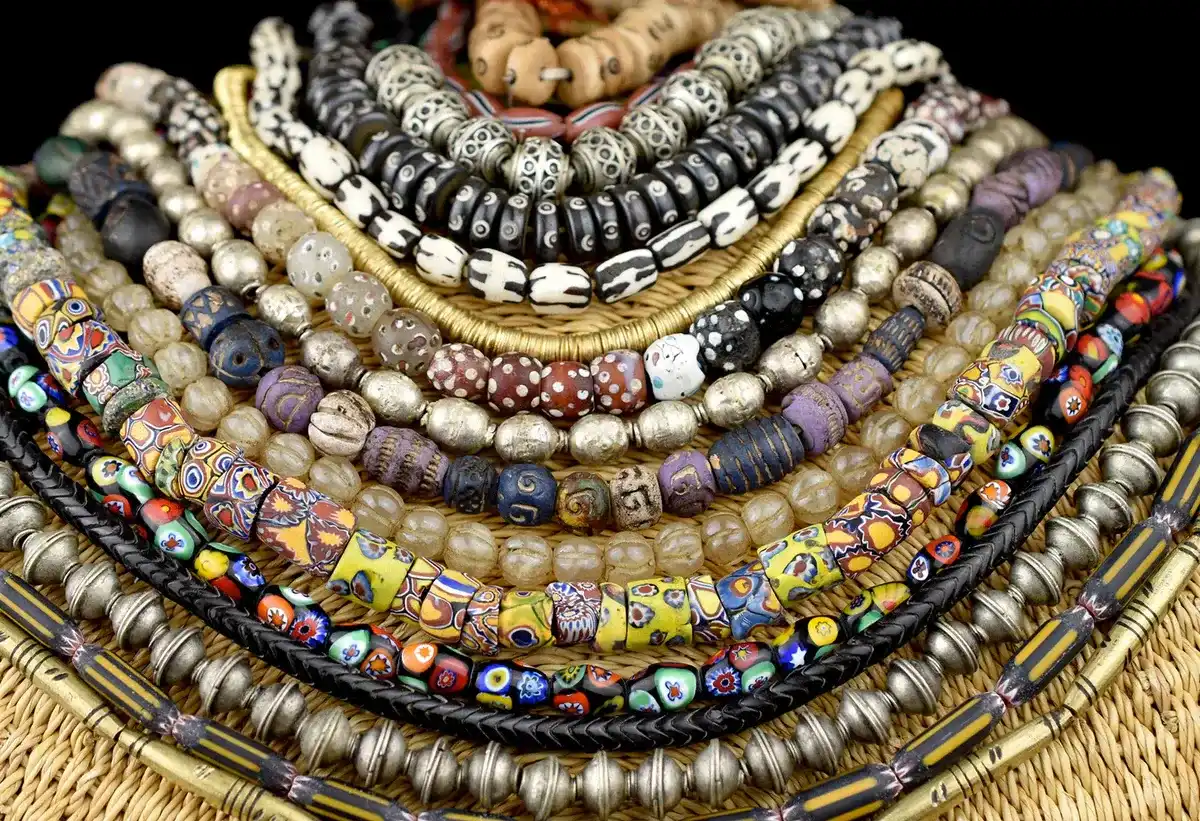
Cowrie shells and wampum experienced similar trajectories. They were initially scarce hard money, difficult to obtain, with high stock-to-flow ratios. Later, with the advent of industrial ships, "their supply expanded dramatically, causing their value to decline and their salability to be lost over time." and by 1661, they had lost their status as legal tender.

You'll find stories of cattle, salt, tally sticks, and cigarettes in prisoner-of-war camps. Each story does the same thing: trains your intuition to feel that if the supply of new units can suddenly be greatly increased at very low cost, then the stock held by savers is essentially making a donation.

You could criticize these historical narratives as being too tidy. There's little mention of violence, politics, or culture in these small stories. Everyone acts like a hyper-rational economic actor with perfect memory. But as a means of making you suspicious of easily printed money, it works.

After you're thoroughly horrified by shells and beads, metals emerge as the mature solution.

Metals solved many salability problems. They didn't spoil like grain. They were more portable than巨石. They could be minted into uniform coins, making pricing and accounting easier. Over time, gold and silver ultimately prevailed because they were the most resistant to inflation. The annual mining output only increased the existing stock by a small fraction, so no single miner could devalue everyone's savings.

Thus began the long era of metallic money, and later, gold-backed paper money. The book doesn't dwell too much on these details. Its purpose is to make you feel that once humans discovered gold, they found a near-perfect money: portable, durable, divisible, and most importantly, expensive to produce.

You'll later see how this sets the stage for Bitcoin's emergence. If you fully accept the notion that "given the physical and metallurgical conditions of the time, gold was the best substance we could make," then "Bitcoin is digital gold with even greater hardness" sounds logical.

What interests me is that in this section, gold is portrayed less as a mystical object and more as a clever workaround to physical limitations. If you imagine ancient societies as constantly trying to answer the question, "How do we preserve the fruits of a harvest or a voyage in a form that can be passed down to future generations?" then gold is a relatively clever, albeit imperfect, yet reasonable answer.

This framework also benefits Bitcoin. It is no longer "magic internet money," but rather "another attempt to solve the same problem with new tools."

The book hasn't reached that point yet, but you can feel the runway being laid.

Then, government money enters the scene as the villain.

So far, monetary collapses have stemmed from external factors. New technology emerged, breaking the rigidity of the monetary system, leaving savers with nothing. Now, the villain comes from within: governments and central banks have the legal authority to print money without any scarce commodity to back it.

In this narrative, fiat money is the product of governments realizing they could completely separate monetary symbols from real assets. The monetary unit was retained, but the constraints were removed. Governments told people their paper money had value because the law said so, because taxes had to be paid with it, not because it was backed by any physical asset.
Under a gold or silver standard, money could be devalued or debased, but you didn't get Zimbabwe-style collapses where wages became worthless within months. But under a fiat system, this can happen. And some governments have indeed done it repeatedly.

Ammous spends considerable time explaining the social consequences of this phenomenon. To survive, people are forced to sell capital, and productive activity is eroded. Long-term contracts break down because no one trusts them. Political extremism thrives amidst anger and chaos. Weimar Germany is a prime example. Monetary collapse is just the precursor to worse things.

It's not wrong that most fiat currencies depreciate against physical goods over the long term. This is somewhat by design of the monetary system.

Where my mind starts to push back against the book is not the facts themselves, but its framing. Almost all the ills of modern society are blamed on the fiat monetary system. Central banks are portrayed almost entirely as tools that secretly tax savers to subsidize borrowers. Any benefits of having a flexible lender of last resort are downplayed as "but they will abuse it," which has some truth, but it's not the only question society must answer.

Even if you don't like central banks, the idea that "the entire twentieth century was a mistake from the moment we abandoned the full metal standard" feels a bit extreme.

What impressed me

So, beyond adding more quotable classics to the timeline, what practical impact did Part One actually have on me?

Strangely, it didn't make me more convinced about Bitcoin. It just clarified a question I hadn't asked carefully enough before.

I rarely look at my money the way Ammous does. I consider risk and returns, volatility, how much time I'm willing to put into crypto versus boring things. I don't systematically sit down and scrutinize who can print how much of each crypto I handle and under what rules.

Then I saw a Bloomberg chart showing the S&P 500 not priced in dollars, but in gold. It's so unfair. Priced in gold, the US stock market is back to where it was over a decade ago, in the post-global financial crisis era. All those dollar-denominated all-time highs, all the post-pandemic frenzy, are just noise on a flat line.
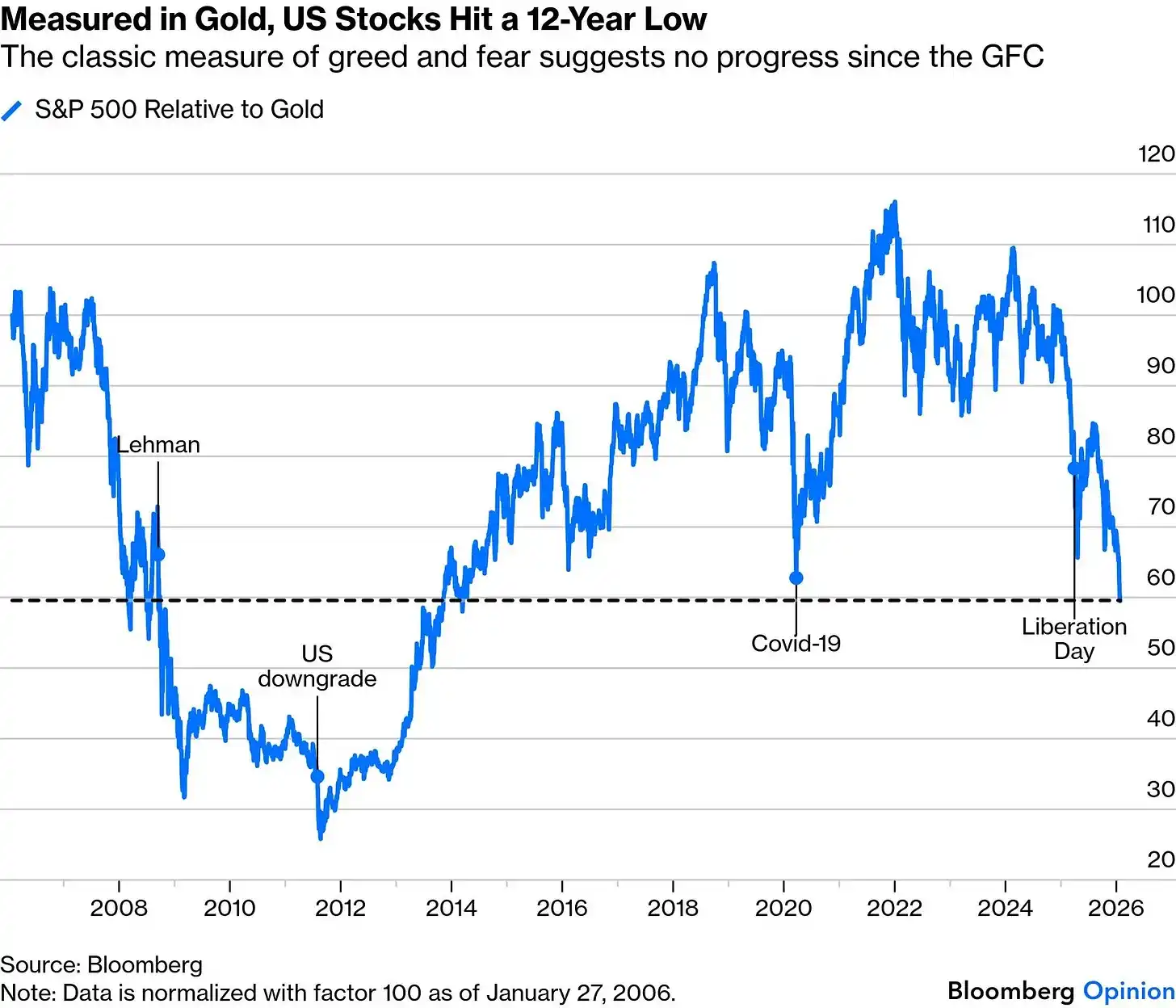
Once you understand this, it's hard to ignore the simple truth Ammous has been hammering home: performance is always "performance relative to what?" If your base unit is slowly depreciating, even if your index hits new highs, your performance in harder units might still be stagnant.

I realize the book leaves out a lot. It barely seriously discusses credit as a social tool, nor does it mention that states don't just destroy money; they also create the legal and military environments that allow markets to flourish. It doesn't delve into the idea that some groups might sacrifice some economic strength for greater resilience to shocks. Everything revolves around one core: are the savers' interests being diluted?

Maybe that's the point. It's a polemic, not a textbook. But I don't want to pretend it's the whole truth.

For now, I'm happy to treat it as a perspective, not a creed. Whenever I see a central bank's balance sheet, a new secondary bond issuance plan, or some "stable yield" product promising 18% returns in dollars, a Saifedean-esque voice echoes in my ear: How hard is this money really? And how many O'Keefes are already in the water with dynamite?

For now, I just want to remember this: money stores our future choices. Choose your monetary unit carefully, and be wary of anyone who can print more than you earn.

Related Questions

QWhat is the core concept of 'hard money' as described in the book 'The Bitcoin Standard'?

AHard money refers to a form of currency that is difficult to increase in supply, making it resistant to inflation and devaluation. It contrasts with 'soft money,' which can be easily created or printed.

QHow did the introduction of modern technology disrupt the Rai Stone monetary system on Yap Island?

AModern technology, such as ships and explosives brought by David O'Keefe, made it easier to mine and transport Rai Stones. This led to an oversupply, devaluing the existing stones and ultimately causing the collapse of their use as money.

QWhat is 'salability' in the context of money, and what are its three dimensions?

ASalability refers to the ease with which a monetary asset can be sold without significant loss. Its three dimensions are: across space (portability), across time (durability and resistance to decay), and across scale (divisibility for transactions of any size).

QWhy does the author argue that fiat money is problematic compared to commodity-based money like gold?

AFiat money is problematic because it can be easily printed by governments and central banks without any backing by scarce commodities. This leads to devaluation, loss of purchasing power, and economic instability, as seen in historical hyperinflation episodes like Weimar Germany.

QWhat historical examples does the book use to illustrate the downfall of previously 'hard' currencies?

AThe book uses examples like Rai Stones on Yap Island, Aggry beads in West Africa, and wampum shells, which were initially scarce and hard to produce but lost their value when technological advances or industrial methods made them easy to mass-produce.

Related Reads

Trading

Spot
Futures

Hot Articles

BITCOIN là gì

Hiểu về HarryPotterObamaSonic10Inu (ERC-20) và Vị Trí của Nó trong Không Gian Crypto Trong những năm gần đây, thị trường tiền điện tử đã chứng kiến sự gia tăng mạnh mẽ về sự phổ biến của các đồng meme, thu hút sự quan tâm không chỉ của các nhà giao dịch mà còn của những người tìm kiếm sự gắn kết cộng đồng và giá trị giải trí. Trong số các token độc đáo này là HarryPotterObamaSonic10Inu (ERC-20), một dự án thú vị kết hợp các tham chiếu văn hóa vào cấu trúc tiền điện tử. Bài viết này đi sâu vào các khía cạnh chính của HarryPotterObamaSonic10Inu, khám phá cơ chế, tinh thần hướng tới cộng đồng và sự tương tác của nó với bối cảnh crypto rộng lớn hơn. HarryPotterObamaSonic10Inu (ERC-20) là gì? Như tên gọi của nó, HarryPotterObamaSonic10Inu là một đồng meme được xây dựng trên blockchain Ethereum, được phân loại theo tiêu chuẩn ERC-20. Khác với các tiền điện tử truyền thống có thể nhấn mạnh vào công dụng thực tiễn hoặc tiềm năng đầu tư, token này phát triển dựa trên giá trị giải trí và sức mạnh của cộng đồng. Dự án nhằm mục đích tạo ra một môi trường nơi người dùng gắn bó có thể tập hợp lại, chia sẻ ý tưởng và tham gia vào các hoạt động được truyền cảm hứng từ các hiện tượng văn hóa đa dạng. Một đặc điểm nổi bật của HarryPotterObamaSonic10Inu là không có thuế trên các giao dịch. Yếu tố hấp dẫn này nhằm khuyến khích việc giao dịch và sự tham gia của cộng đồng, không có các khoản phí bổ sung có thể răn đe các nhà giao dịch quy mô nhỏ. Tổng cung của đồng tiền này được đặt ở mức một tỷ token, một con số đánh dấu ý định duy trì sự lưu thông đáng kể trong cộng đồng. Người sáng lập HarryPotterObamaSonic10Inu (ERC-20) Nguồn gốc của HarryPotterObamaSonic10Inu phần nào bị bao trùm trong sự bí ẩn; các thông tin cụ thể về người sáng lập vẫn chưa được biết đến. Sự phát triển của token này thiếu một đội ngũ xác định hoặc một kế hoạch rõ ràng, điều này không phải là hiếm trong lĩnh vực đồng meme. Thay vào đó, dự án đã xuất hiện một cách tự nhiên, với tiến trình phụ thuộc nặng nề vào sự nhiệt tình và tham gia của cộng đồng. Nhà đầu tư của HarryPotterObamaSonic10Inu (ERC-20) Về các khoản đầu tư và hỗ trợ bên ngoài, HarryPotterObamaSonic10Inu cũng vẫn mơ hồ. Token này không liệt kê bất kỳ quỹ đầu tư nào nổi tiếng hoặc sự hỗ trợ tổ chức đáng kể. Thay vào đó, nguồn sống của dự án là cộng đồng cơ sở, điều này định hình sự phát triển và tính bền vững thông qua hành động tập thể và sự tham gia trong không gian crypto. HarryPotterObamaSonic10Inu (ERC-20) hoạt động như thế nào? Với tư cách là một đồng meme, HarryPotterObamaSonic10Inu chủ yếu hoạt động bên ngoài các khuôn khổ truyền thống thường chi phối giá trị tài sản. Có một số khía cạnh đặc biệt định nghĩa cách thức hoạt động của dự án: Giao dịch không thuế: Với không có phí thuế cho các giao dịch, người dùng có thể tự do mua và bán token mà không lo ngại về các khoản chi phí ẩn. Gắn kết cộng đồng: Dự án phát triển dựa trên sự tương tác trong cộng đồng, tận dụng các nền tảng mạng xã hội để tạo ra sự chú ý và thúc đẩy sự tham gia. Các cuộc thảo luận, chia sẻ nội dung và tương tác là những yếu tố quan trọng giúp mở rộng tầm với và tạo sự trung thành giữa các người ủng hộ. Không có tính hữu dụng thực tiễn: Cần lưu ý rằng HarryPotterObamaSonic10Inu không cung cấp giá trị hữu hình nào trong hệ sinh thái tài chính. Thay vào đó, nó được phân loại chủ yếu là một token dành cho giải trí và các hoạt động cộng đồng. Tham chiếu văn hóa: Token này khôn ngoan tích hợp các yếu tố từ văn hóa đại chúng để thu hút sự quan tâm, kết nối với những người yêu thích meme và những người theo dõi crypto. HarryPotterObamaSonic10Inu là một ví dụ về cách mà các đồng meme hoạt động khác biệt so với các dự án tiền điện tử truyền thống hơn, gia nhập thị trường như những cấu trúc xã hội sáng tạo thay vì các tài sản hữu ích. Lịch sử HarryPotterObamaSonic10Inu (ERC-20) Lịch sử của HarryPotterObamaSonic10Inu nổi bật với một số cột mốc đáng chú ý: Sự ra đời: Token này xuất hiện từ một meme lan truyền, thu hút trí tưởng tượng của nhiều người đam mê crypto. Ngày tạo ra cụ thể không có sẵn, điều này nhấn mạnh sự gia tăng tự nhiên của nó. Niêm yết trên các sàn giao dịch: HarryPotterObamaSonic10Inu đã xuất hiện trên nhiều sàn giao dịch khác nhau, tạo điều kiện thuận lợi cho việc truy cập và giao dịch của cộng đồng. Các sáng kiến gắn kết cộng đồng: Các hoạt động liên tục nhằm nâng cao sự tương tác trong cộng đồng, bao gồm các cuộc thi, chiến dịch truyền thông xã hội và tạo nội dung từ người hâm mộ và những người ủng hộ. Kế hoạch mở rộng tương lai: Lộ trình của dự án bao gồm việc ra mắt bộ sưu tập NFT, hàng hóa và một trang thương mại điện tử liên quan đến các chủ đề văn hóa của nó, thu hút thêm sự gắn bó của cộng đồng và cố gắng thêm nhiều khía cạnh cho hệ sinh thái của nó. Các điểm chính về HarryPotterObamaSonic10Inu (ERC-20) Tính chất hướng tới cộng đồng: Dự án ưu tiên sự tham gia và sáng tạo của tập thể, đảm bảo rằng sự tham gia của người dùng là trung tâm trong sự phát triển của nó. Phân loại đồng meme: Nó đại diện cho biểu tượng của tiền điện tử dựa trên giải trí, khác biệt so với các phương tiện đầu tư truyền thống. Không có mối liên hệ trực tiếp với Bitcoin: Dù có sự tương đồng trong tên ký hiệu, HarryPotterObamaSonic10Inu là một thực thể độc lập và không có mối quan hệ nào với Bitcoin hay các tiền điện tử đã được thành lập khác. Tập trung vào sự hợp tác: HarryPotterObamaSonic10Inu được thiết kế để tạo ra một không gian cho sự hợp tác và chia sẻ văn hóa giữa các nhà giữ, cung cấp một con đường cho sự sáng tạo và sự gắn kết trong cộng đồng. Triển vọng tương lai: Tham vọng mở rộng vượt ra ngoài ý tưởng ban đầu vào NFT và hàng hóa vạch ra một con đường cho dự án để có khả năng gia nhập các phương diện chính thống hơn trong văn hóa kỹ thuật số. Khi các đồng meme tiếp tục thu hút trí tưởng tượng của cộng đồng tiền điện tử, HarryPotterObamaSonic10Inu (ERC-20) nổi bật nhờ vào mối liên hệ văn hóa và cách tiếp cận tập trung vào cộng đồng của nó. Trong khi nó có thể không phù hợp với khuôn mẫu điển hình của một token dựa trên tiện ích, bản chất của nó nằm trong niềm vui và tình bạn được duy trì giữa các người ủng hộ, làm nổi bật bản chất đang tiến hóa của tiền điện tử trong một thời đại ngày càng số hóa. Khi dự án tiếp tục phát triển, sẽ rất quan trọng để theo dõi cách mà động lực cộng đồng ảnh hưởng đến hướng đi của nó trong bối cảnh công nghệ blockchain đang thay đổi.

400 Total ViewsPublished 2024.04.01Updated 2024.12.03

Làm thế nào để Mua BTC

Chào mừng bạn đến với HTX.com! Chúng tôi đã làm cho mua Bitcoin (BTC) trở nên đơn giản và thuận tiện. Làm theo hướng dẫn từng bước của chúng tôi để bắt đầu hành trình tiền kỹ thuật số của bạn.Bước 1: Tạo Tài khoản HTX của BạnSử dụng email hoặc số điện thoại của bạn để đăng ký tài khoản miễn phí trên HTX. Trải nghiệm hành trình đăng ký không rắc rối và mở khóa tất cả tính năng. Nhận Tài khoản của tôiBước 2: Truy cập Mua Crypto và Chọn Phương thức Thanh toán của BạnThẻ Tín dụng/Ghi nợ: Sử dụng Visa hoặc Mastercard của bạn để mua Bitcoin (BTC) ngay lập tức.Số dư: Sử dụng tiền từ số dư tài khoản HTX của bạn để giao dịch liền mạch.Bên thứ ba: Chúng tôi đã thêm những phương thức thanh toán phổ biến như Google Pay và Apple Pay để nâng cao sự tiện lợi.P2P: Giao dịch trực tiếp với người dùng khác trên HTX.Thị trường mua bán phi tập trung (OTC): Chúng tôi cung cấp những dịch vụ được thiết kế riêng và tỷ giá hối đoái cạnh tranh cho nhà giao dịch.Bước 3: Lưu trữ Bitcoin (BTC) của BạnSau khi mua Bitcoin (BTC), lưu trữ trong tài khoản HTX của bạn. Ngoài ra, bạn có thể gửi đi nơi khác qua chuyển khoản blockchain hoặc sử dụng để giao dịch những tiền kỹ thuật số khác.Bước 4: Giao dịch Bitcoin (BTC)Giao dịch Bitcoin (BTC) dễ dàng trên thị trường giao ngay của HTX. Chỉ cần truy cập vào tài khoản của bạn, chọn cặp giao dịch, thực hiện giao dịch và theo dõi trong thời gian thực. Chúng tôi cung cấp trải nghiệm thân thiện với người dùng cho cả người mới bắt đầu và người giao dịch dày dạn kinh nghiệm.

2.7k Total ViewsPublished 2024.12.12Updated 2025.03.21

$BITCOIN là gì

VÀNG KỸ THUẬT SỐ ($BITCOIN): Phân Tích Toàn Diện Giới thiệu về VÀNG KỸ THUẬT SỐ ($BITCOIN) VÀNG KỸ THUẬT SỐ ($BITCOIN) là một dự án dựa trên blockchain hoạt động trên mạng Solana, nhằm kết hợp các đặc điểm của kim loại quý truyền thống với sự đổi mới của công nghệ phi tập trung. Mặc dù nó chia sẻ tên với Bitcoin, thường được gọi là “vàng kỹ thuật số” do được coi là một kho lưu trữ giá trị, VÀNG KỸ THUẬT SỐ là một token riêng biệt được thiết kế để tạo ra một hệ sinh thái độc đáo trong bối cảnh Web3. Mục tiêu của nó là định vị mình như một tài sản kỹ thuật số thay thế khả thi, mặc dù các chi tiết về ứng dụng và chức năng của nó vẫn đang được phát triển. VÀNG KỸ THUẬT SỐ ($BITCOIN) là gì? VÀNG KỸ THUẬT SỐ ($BITCOIN) là một token tiền điện tử được thiết kế rõ ràng để sử dụng trên blockchain Solana. Trái ngược với Bitcoin, vốn cung cấp một vai trò lưu trữ giá trị được công nhận rộng rãi, token này có vẻ tập trung vào các ứng dụng và đặc điểm rộng hơn. Những khía cạnh đáng chú ý bao gồm: Hạ tầng Blockchain: Token được xây dựng trên blockchain Solana, nổi tiếng với khả năng xử lý các giao dịch nhanh và chi phí thấp. Động lực Cung cấp: VÀNG KỸ THUẬT SỐ có tổng cung tối đa được giới hạn ở 100 triệu triệu token (100P $BITCOIN), mặc dù các chi tiết về nguồn cung lưu hành hiện tại chưa được công bố. Tiện ích: Mặc dù các chức năng chính xác chưa được nêu rõ, có những dấu hiệu cho thấy token có thể được sử dụng cho nhiều ứng dụng khác nhau, có thể liên quan đến các ứng dụng phi tập trung (dApps) hoặc các chiến lược token hóa tài sản. Ai là Người sáng tạo VÀNG KỸ THUẬT SỐ ($BITCOIN)? Hiện tại, danh tính của những người sáng tạo và đội ngũ phát triển đứng sau VÀNG KỸ THUẬT SỐ ($BITCOIN) vẫn không rõ. Tình huống này là điển hình trong nhiều dự án đổi mới trong không gian blockchain, đặc biệt là những dự án liên quan đến tài chính phi tập trung và hiện tượng đồng meme. Mặc dù sự ẩn danh như vậy có thể thúc đẩy một văn hóa cộng đồng, nhưng nó cũng làm gia tăng mối quan ngại về quản trị và trách nhiệm. Ai là Nhà đầu tư của VÀNG KỸ THUẬT SỐ ($BITCOIN)? Thông tin hiện có cho thấy VÀNG KỸ THUẬT SỐ ($BITCOIN) không có bất kỳ nhà đầu tư tổ chức nào hoặc các khoản đầu tư vốn mạo hiểm nổi bật. Dự án dường như hoạt động theo mô hình ngang hàng tập trung vào sự hỗ trợ và chấp nhận của cộng đồng hơn là các con đường tài trợ truyền thống. Hoạt động và tính thanh khoản của nó chủ yếu nằm trên các sàn giao dịch phi tập trung (DEXs), chẳng hạn như PumpSwap, thay vì các nền tảng giao dịch tập trung đã được thiết lập, càng làm nổi bật cách tiếp cận từ cơ sở của nó. Cách VÀNG KỸ THUẬT SỐ ($BITCOIN) Hoạt động Cơ chế hoạt động của VÀNG KỸ THUẬT SỐ ($BITCOIN) có thể được giải thích dựa trên thiết kế blockchain và các thuộc tính mạng lưới của nó: Cơ chế Đồng thuận: Bằng cách tận dụng bằng chứng lịch sử (PoH) độc đáo của Solana kết hợp với mô hình bằng chứng cổ phần (PoS), dự án đảm bảo xác thực giao dịch hiệu quả, góp phần vào hiệu suất cao của mạng lưới. Tokenomics: Mặc dù các cơ chế giảm phát cụ thể chưa được mô tả chi tiết, tổng cung token tối đa khổng lồ cho thấy rằng nó có thể phục vụ cho các giao dịch vi mô hoặc các trường hợp sử dụng ngách vẫn chưa được xác định. Tính tương tác: Có tiềm năng tích hợp với hệ sinh thái rộng lớn hơn của Solana, bao gồm nhiều nền tảng tài chính phi tập trung (DeFi). Tuy nhiên, các chi tiết về các tích hợp cụ thể vẫn chưa được xác định. Thời gian của các sự kiện quan trọng Dưới đây là một thời gian biểu nổi bật các cột mốc quan trọng liên quan đến VÀNG KỸ THUẬT SỐ ($BITCOIN): 2023: Việc triển khai ban đầu của token diễn ra trên blockchain Solana, được đánh dấu bằng địa chỉ hợp đồng của nó. 2024: VÀNG KỸ THUẬT SỐ trở nên nổi bật khi nó có sẵn để giao dịch trên các sàn giao dịch phi tập trung như PumpSwap, cho phép người dùng giao dịch nó với SOL. 2025: Dự án chứng kiến hoạt động giao dịch không thường xuyên và sự quan tâm tiềm năng từ các hoạt động do cộng đồng dẫn dắt, mặc dù chưa có các quan hệ đối tác đáng chú ý hoặc tiến bộ kỹ thuật nào được ghi nhận cho đến nay. Phân tích quan trọng Điểm mạnh Khả năng mở rộng: Hạ tầng Solana hỗ trợ khối lượng giao dịch cao, điều này có thể nâng cao tiện ích của $BITCOIN trong nhiều kịch bản giao dịch khác nhau. Khả năng tiếp cận: Giá giao dịch tiềm năng thấp cho mỗi token có thể thu hút các nhà đầu tư bán lẻ, tạo điều kiện cho sự tham gia rộng rãi hơn nhờ cơ hội sở hữu phân đoạn. Rủi ro Thiếu minh bạch: Việc thiếu các nhà đầu tư, nhà phát triển hoặc quy trình kiểm toán công khai có thể tạo ra sự hoài nghi về tính bền vững và độ tin cậy của dự án. Biến động thị trường: Hoạt động giao dịch phụ thuộc nhiều vào hành vi đầu cơ, điều này có thể dẫn đến sự biến động giá đáng kể và sự không chắc chắn cho các nhà đầu tư. Kết luận VÀNG KỸ THUẬT SỐ ($BITCOIN) nổi lên như một dự án thú vị nhưng mơ hồ trong hệ sinh thái Solana đang phát triển nhanh chóng. Mặc dù nó cố gắng tận dụng câu chuyện “vàng kỹ thuật số”, sự khác biệt của nó so với vai trò đã được thiết lập của Bitcoin như một kho lưu trữ giá trị nhấn mạnh sự cần thiết phải phân biệt rõ hơn về tiện ích và cấu trúc quản trị của nó. Sự chấp nhận và áp dụng trong tương lai có thể sẽ phụ thuộc vào việc giải quyết tình trạng không minh bạch hiện tại và xác định rõ hơn các chiến lược hoạt động và kinh tế của nó. Lưu ý: Báo cáo này bao gồm thông tin tổng hợp có sẵn tính đến tháng 10 năm 2023, và có thể đã có những phát triển xảy ra ngoài khoảng thời gian nghiên cứu.

86 Total ViewsPublished 2025.05.13Updated 2025.05.13

Discussions

Welcome to the HTX Community. Here, you can stay informed about the latest platform developments and gain access to professional market insights. Users' opinions on the price of BTC (BTC) are presented below.

活动图片