The Quantum Computing Threat to Bitcoin

marsbitPublished on 2026-02-02Last updated on 2026-02-02

Abstract

Bitcoin faces an existential threat from quantum computing, which could break the elliptic curve digital signature algorithm (ECDSA) securing the network. Approximately 25% of all bitcoin—including the 1.1 million BTC in Satoshi’s wallet—are stored in vulnerable early "pay-to-public-key" addresses, where public keys are exposed on the ledger. Later address types only reveal public keys during transactions, creating a brief attack window. The timeline for quantum computing is uncertain, but if it emerges before Bitcoin transitions to post-quantum cryptography (PQC), attackers could steal and liquidate billions in bitcoin, causing a market collapse. A coordinated migration to quantum-resistant algorithms is urgently needed, though implementing PQC could take 6 months to 2 years. A controversial proposal suggests "burning" un-migrated coins to prevent mass theft, but this risks setting a precedent for confiscation and contradicts Bitcoin’s core principles of individual sovereignty. As the largest financial "honeypot" with direct and liquid value, Bitcoin is a prime target. The network must proactively upgrade before quantum computers become capable of breaking current encryption.

Author: Bitcoin Magazine Pro

Compiled by: Plain Language Blockchain
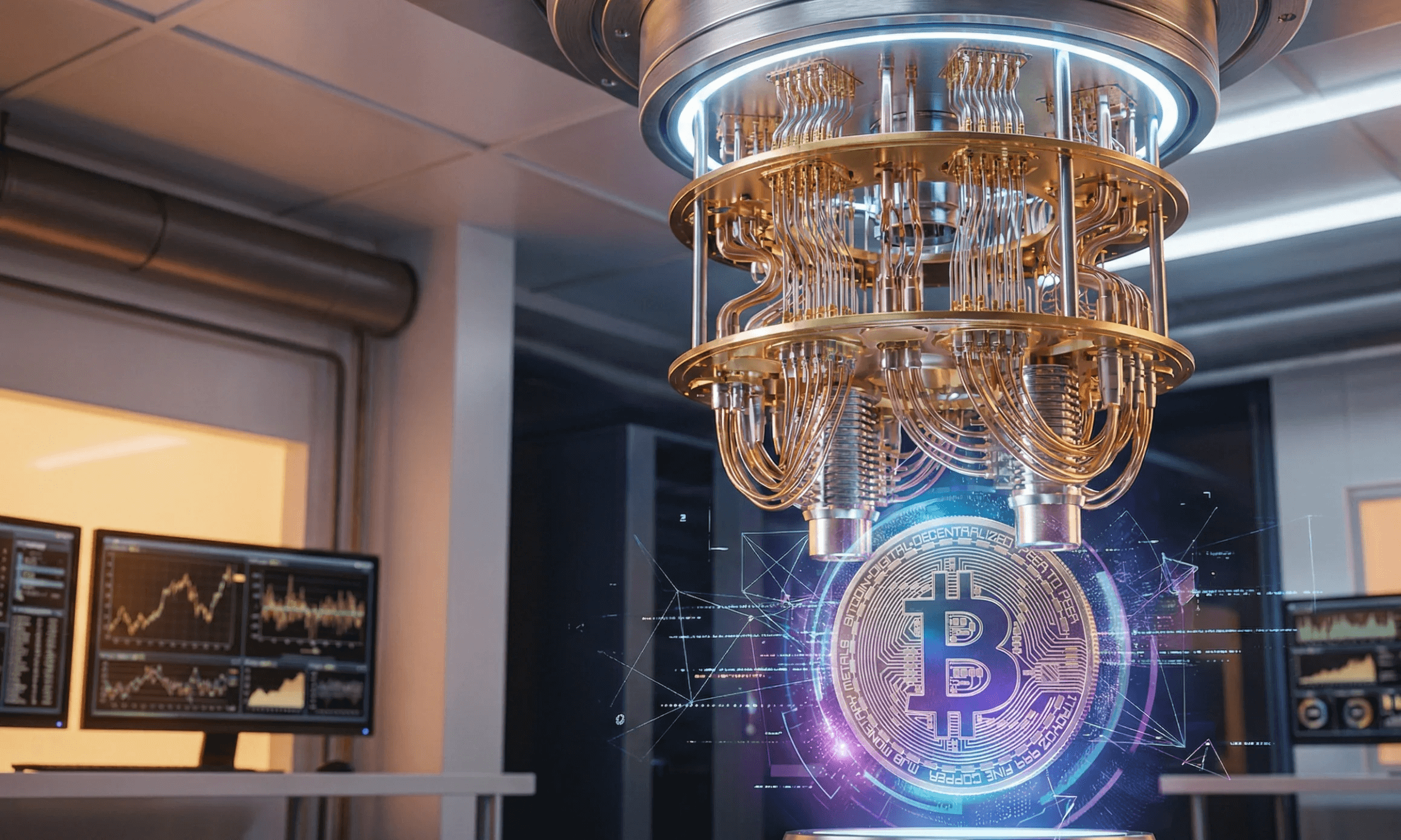
Bitcoin is facing its first real existential threat, not from government bans or market crashes, but from quantum computing. The 1.1 million bitcoins (worth approximately $100 billion) held in Satoshi Nakamoto's wallet, along with about 25% of the circulating supply, are currently exposed to outdated cryptographic keys that are highly vulnerable to quantum attacks. When quantum computers mature—whether in 5 or 25 years—these bitcoins will be cracked.

The Nature of the Threat

Bitcoin's security relies on the Elliptic Curve Digital Signature Algorithm (ECDSA). These algorithms make it extremely difficult to forge Bitcoin signatures mathematically without knowing the private key. For traditional computers, cracking such a signature would take millions of years. However, quantum computers operate entirely differently and have the potential to solve the discrete logarithm problem underlying ECDSA in minutes or hours.
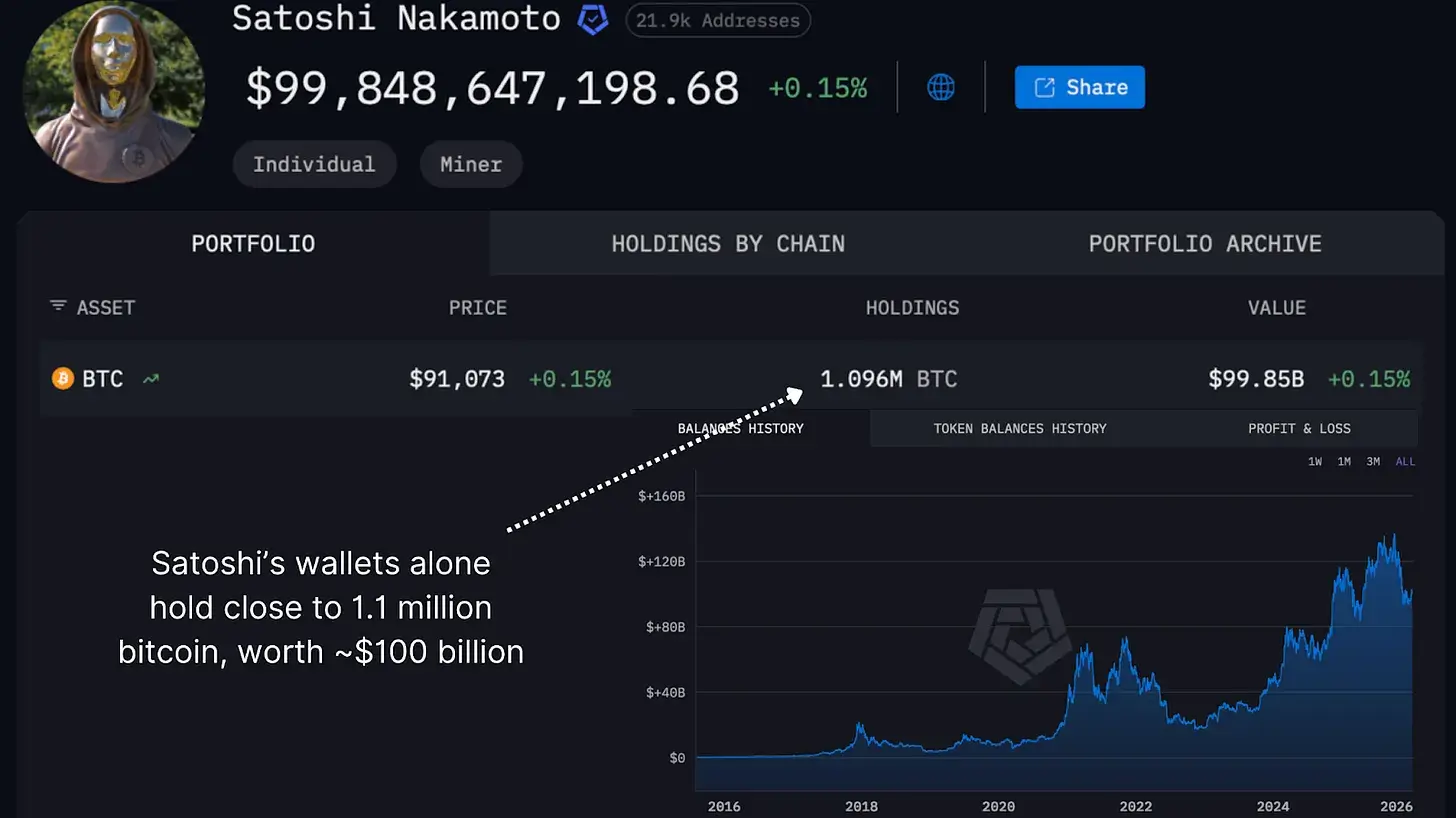
Figure 1: Satoshi Nakamoto's wallet holds nearly 1.1 million bitcoins.

Not all bitcoins face the same level of risk. Early Pay-to-Public-Key (P2PK) addresses, including Satoshi's, have their public keys directly visible on the ledger. For these bitcoins, a quantum computer is like a "master key" that can directly access the wallet. In contrast, later address types (like P2PKH) hide the public key behind a cryptographic hash, exposing it only when a transaction is initiated. This creates a brief window of vulnerability: between the moment you reveal the public key to send a transaction and when it is confirmed by miners, a sufficiently powerful quantum computer could theoretically intercept it.

Uncertain Timeline

The timeline for quantum computing is highly uncertain. It could arrive within a year, or it might never materialize. But uncertainty is the enemy because Bitcoin requires proactive migration, not reactive adaptation. If quantum computers emerge before Bitcoin has migrated to post-quantum cryptography (PQC), Bitcoin will be defeated. Trillions of dollars worth of public keys would be exposed, and attackers could begin stealing and dumping bitcoins onto the market, causing a catastrophic price collapse.
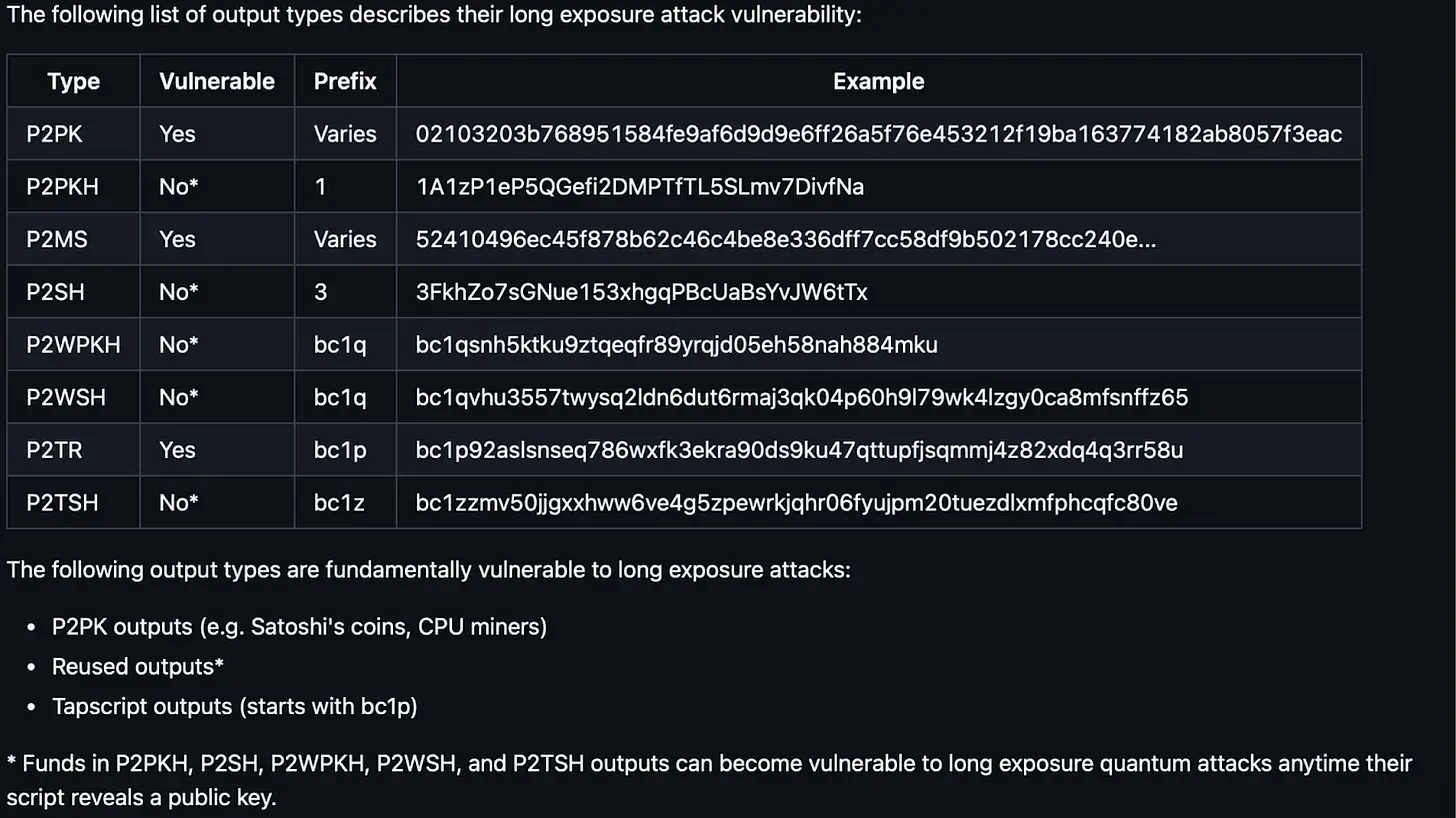
Figure 2: Comparison of long-term exposure attack vulnerabilities for different Bitcoin address types.

Under the most optimistic scenario, finalizing the code and reaching consensus for a PQC solution would take 6 to 12 months; depending on signature optimization, the migration process could require an additional 6 months to 2 years.

Coin Burning

The question is whether a deadline should be set to "burn" bitcoins that have not been migrated to quantum-resistant addresses by the cutoff date. If approximately 20-30% of the supply were simultaneously unlocked (compromised), Bitcoin would face a massive crisis of confidence, and its "hard money" thesis would collapse. A supply sell-off of this magnitude would create bear market conditions and could jeopardize Bitcoin's entire philosophy.
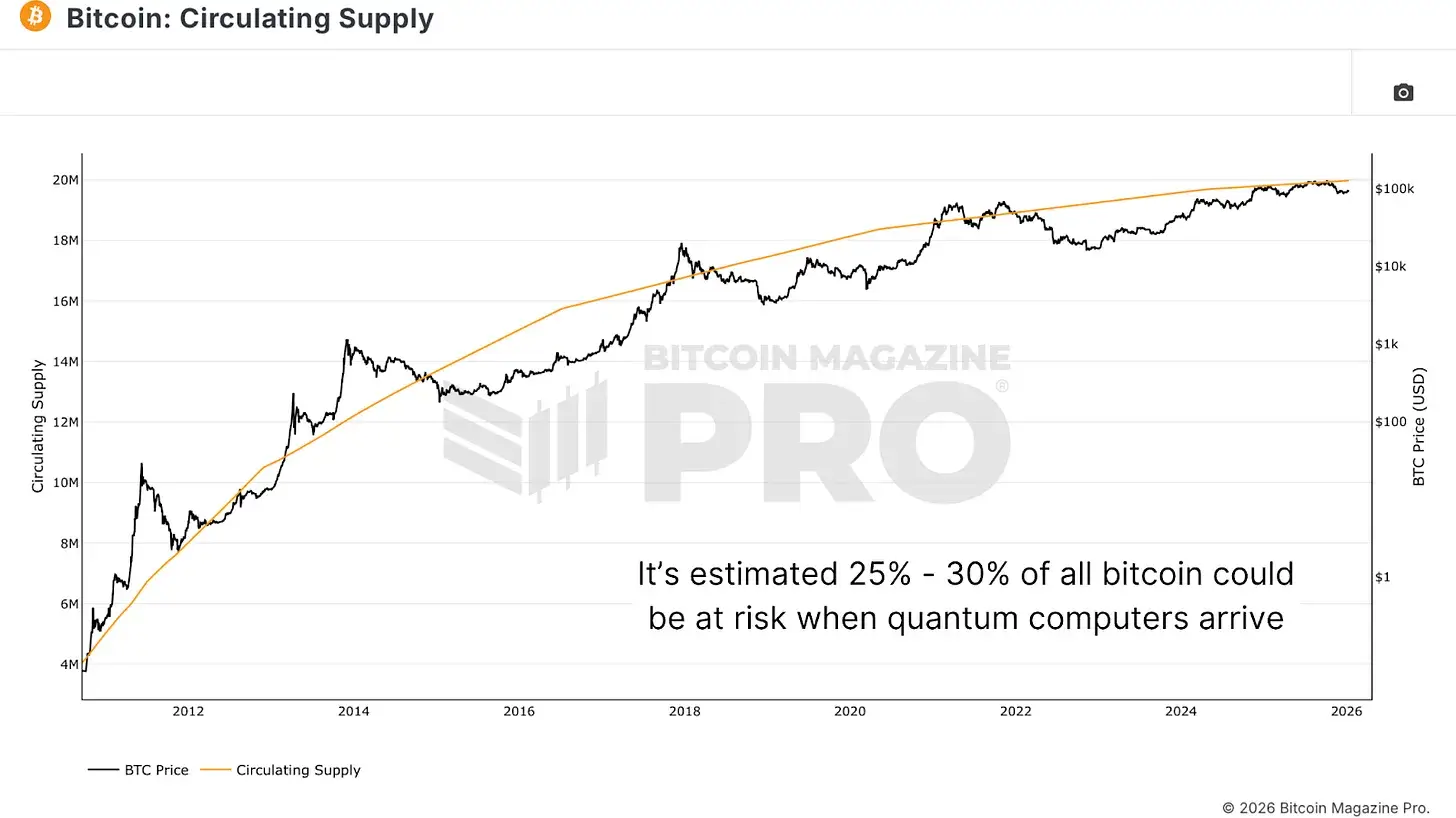
Figure 3: Bitcoin circulating supply.

However, coin burning faces significant philosophical obstacles. It would essentially mean that Bitcoin property could become subject to confiscation. If the network decides it can redeem itself by burning coins, what would stop a government or controller from deciding which addresses (e.g., those of terrorists or dissidents) can be burned and censored? This would set a precedent that destroys the sovereign individual's ownership of assets.

Primary Target

Bitcoin is the world's largest "honeypot." It is the only financial network where you can directly steal value and have 24/7 liquidity to cash out. The US dollar cannot do this—stealing large sums leads to blocked transfers, and even if hacked, institutions refund customers. Bitcoin has no such luxury; it is built purely on trust in code.
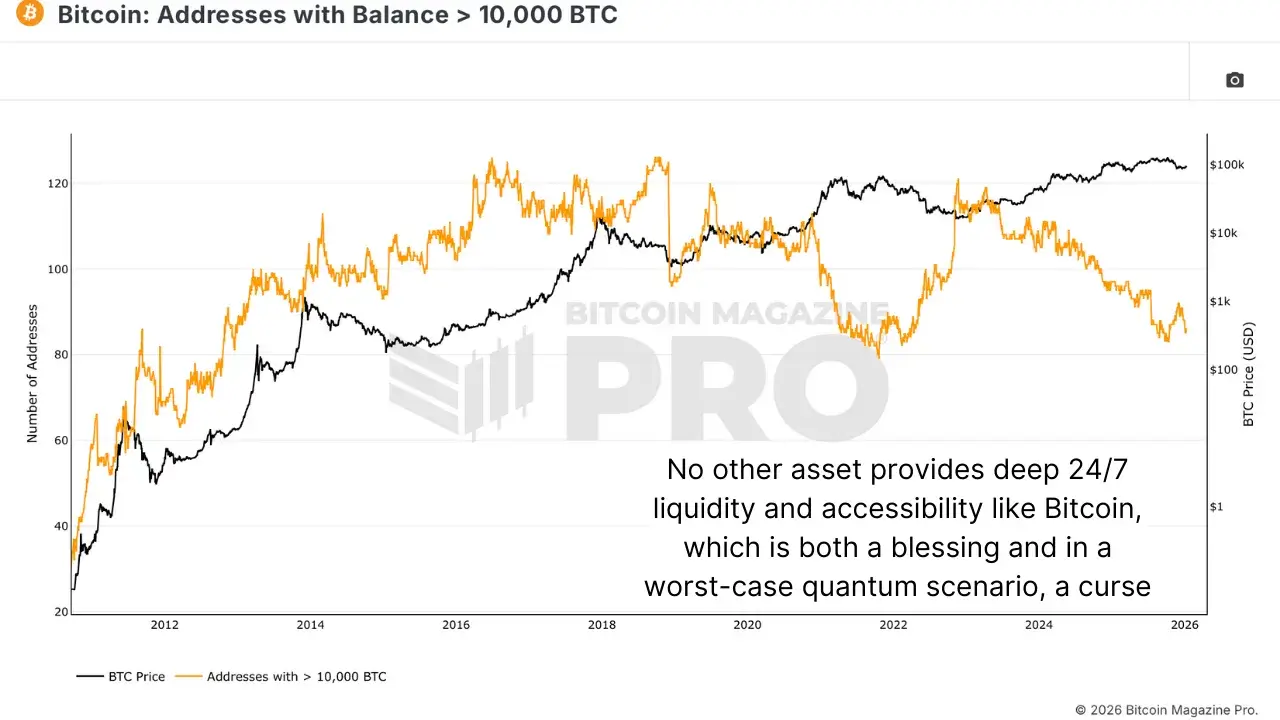
Figure 4: The number of addresses holding over 10,000 BTC is significant.

If someone achieves quantum computing capability to break encryption, Bitcoin wallets will be the primary target because they are easier to liquidate and offer a first-mover advantage. If the money is already taken by the first cracker, the second will get nothing.

Conclusion

Although this existential-level vulnerability has long been recognized in cryptographic literature, the window for preventive action is narrowing, requiring immediate strategic attention from miners, exchanges, wallet providers, and individual stakeholders. The real test is not whether the threat exists, but whether the network can coordinate and methodically migrate to quantum-resistant signature algorithms before a quantum computer with sufficient computational power emerges.

Related Questions

QWhat is the primary security threat to Bitcoin discussed in the article, and why is it considered existential?

AThe primary existential threat to Bitcoin discussed is quantum computing. It endangers Bitcoin because quantum computers could potentially break the Elliptic Curve Digital Signature Algorithm (ECDSA) used by Bitcoin, allowing attackers to steal funds from vulnerable addresses, particularly those with publicly exposed public keys like early P2PK addresses, including Satoshi Nakamoto's wallet.

QWhich types of Bitcoin addresses are most vulnerable to quantum attacks and why?

AEarly Pay-to-Public-Key (P2PK) addresses, such as Satoshi Nakamoto's, are most vulnerable because their public keys are directly visible on the ledger. Later address types like P2PKH hide public keys behind cryptographic hashes, only exposing them during a transaction, which creates a brief window of vulnerability rather than a permanent one.

QWhat is the proposed solution to mitigate the quantum computing threat, and what are the challenges in implementing it?

AThe proposed solution is migrating Bitcoin to post-quantum cryptography (PQC) algorithms. Challenges include the uncertain timeline of quantum computing advancement, the need for code finalization and consensus (which could take 6-12 months), and the migration process itself, which may require an extra 6 months to 2 years. Additionally, there are philosophical debates about setting a deadline to 'burn' non-migrated coins, which conflicts with Bitcoin's principle of sovereign individual ownership.

QWhy does the article suggest that Bitcoin is a prime target for quantum computing attacks compared to traditional financial systems like the US dollar?

ABitcoin is a prime target because it is a global 'honey pot' with direct, irreversible value transfer and 24/7 liquidity for cashing out. Unlike traditional systems where stolen funds can be blocked or refunded by institutions, Bitcoin operates on trust in code with no central authority to reverse transactions, making it easier for attackers to profit quickly and anonymously.

QWhat philosophical conflict arises from the idea of 'burning' Bitcoin that hasn't migrated to quantum-resistant addresses?

ABurning non-migrated Bitcoin introduces a philosophical conflict because it implies that the network can confiscate property, undermining Bitcoin's core principle of sovereign individual ownership. This could set a precedent for governments or controllers to decide which addresses (e.g., those of terrorists or dissidents) can be censored or destroyed, eroding trust in Bitcoin as a decentralized, censorship-resistant asset.

Related Reads

The Economist: In Asia, Stablecoins Are Becoming the New Financial Infrastructure

Stablecoins are rapidly emerging as a new financial infrastructure across Asia, driven by real-world needs for efficient and low-cost transactions. Despite cautious or strict regulatory stances in countries like India, cryptocurrency adoption continues to thrive. India, which imposes heavy taxes and transaction fees, still leads the global crypto adoption index, with inflows reaching approximately $338 billion from mid-2024 to 2025. A key application is cross-border remittances. With 24 million migrant workers in Southeast Asia, traditional remittance fees averaging 6.5% per $200 transfer pose a significant burden. Stablecoins, unlike volatile cryptocurrencies like Bitcoin, offer a stable, fast, and accessible alternative. From January to July last year, global stablecoin transfers exceeded $4 trillion. Businesses are also adopting stablecoins to streamline payments, reducing intermediaries, delays, and costs. Monthly stablecoin transactions between enterprises surged from under $100 million in early 2023 to over $6 billion by mid-2025. Additionally, Asia’s vast gig economy—over 210 million workers—benefits from instant salary settlements via stablecoins, bypassing traditional banking delays. However, the same features that benefit legitimate transactions—speed, low cost, and accessibility—also risk being exploited for illicit activities. The future of stablecoins in Asia will depend on how effectively regulators balance innovation with oversight. Success could reshape global finance; failure may leave crypto with a practical—but illegal—use case.

marsbit49m ago

The Economist: In Asia, Stablecoins Are Becoming the New Financial Infrastructure

marsbit49m ago

Pump.fun Launches GitHub Creator Fee Sharing: Integrating 'Tipping' into the Meme Coin Factory's Funding Pipeline

Pump.fun, a prominent and controversial meme coin launch platform on Solana, has introduced a new feature allowing users to direct "creator fees" to any GitHub account via its mobile app. This update, presented as a way to support developers, is more than a simple tipping mechanism; it represents a strategic shift in the platform’s incentive structure and growth model. The platform enables users to create and trade tokens with extreme ease, leading to the minting of millions of mostly speculative meme coins. However, high failure rates and intense attention competition have posed significant challenges. By integrating GitHub—a core identity system for developers—Pump.fun aims to productize financial support for open-source contributors, incorporate external developers into its incentive flow, and build a narrative that shifts from pure speculation to “supporting builders.” This move is part of a broader trend toward social and community-oriented features, reflecting Pump.fun’s effort to evolve from a high-volume “token factory” into a sustainable ecosystem. Potential benefits include attracting new users and transactions, though risks remain around fee redistribution, speculative token dynamics, and increased regulatory and content moderation complexity. The update underscores Pump.fun’s attempt to balance growth, incentives, and narrative in the volatile meme coin market.

marsbit1h ago

Pump.fun Launches GitHub Creator Fee Sharing: Integrating 'Tipping' into the Meme Coin Factory's Funding Pipeline

marsbit1h ago

Trading

Spot
Futures

Hot Articles

Що таке BITCOIN

Розуміння HarryPotterObamaSonic10Inu (ERC-20) та його позиції у крипто-просторі Останніми роками ринок криптовалют спостерігав за зростанням популярності мем-коінів, які привертають інтерес не тільки трейдерів, але й тих, хто шукає спілкування та розважальну цінність. Серед цих унікальних токенів є HarryPotterObamaSonic10Inu (ERC-20), інтригуючий проект, що поєднує культурні посилання з тканинами криптовалюти. Ця стаття досліджує ключові аспекти HarryPotterObamaSonic10Inu, вивчаючи його механізми, спільноту та його взаємодію з ширшим крипто-ландшафтом. Що таке HarryPotterObamaSonic10Inu (ERC-20)? Як випливає з його назви, HarryPotterObamaSonic10Inu є мем-коіном, побудованим на блокчейні Ethereum, класифікованим за стандартом ERC-20. На відміну від традиційних криптовалют, які можуть підкреслювати практичну корисність або інвестиційний потенціал, цей токен процвітає завдяки розважальній цінності та силі своєї спільноти. Проект спрямований на створення середовища, де зацікавлені користувачі можуть об'єднуватися, ділитися ідеями та брати участь у заходах, натхненних різноманітними культурними явищами. Однією з примітних особливостей HarryPotterObamaSonic10Inu є нульовий податок на транзакції. Цей привабливий елемент має на меті заохочувати торгівлю та участь у спільноті, позбавлену додаткових витрат, які можуть відлякувати дрібних трейдерів. Загальна пропозиція монет становить один мільярд токенів, що позначає намір підтримувати суттєву циркуляцію в межах спільноти. Творець HarryPotterObamaSonic10Inu (ERC-20) Походження HarryPotterObamaSonic10Inu дещо окутане таємницею; деталі про творця залишаються невідомими. Розвиток цього токена позбавлений впізнаваної команди або чіткої стратегії, що не є рідкістю в секторі мем-коінів. Натомість проект виник органічно, а його розвиток значною мірою залежить від ентузіазму та участі його спільноти. Інвестори HarryPotterObamaSonic10Inu (ERC-20) Щодо зовнішніх інвестицій та підтримки, HarryPotterObamaSonic10Inu також залишається невизначеним. Токен не зазначає жодних відомих інвестиційних фондів або значної організаційної підтримки. Натомість життєва сила проекту полягає в його базовій спільноті, яка інформує про його зростання та стійкість через колективні дії та залученість у крипто-просторі. Як працює HarryPotterObamaSonic10Inu (ERC-20)? Як мем-коін, HarryPotterObamaSonic10Inu функціонує передусім поза традиційними рамками, що часто регулюють вартість активів. Є кілька відмінних аспектів, що визначають, як працює проект: Транзакції без податку: Завдяки відсутності податкових зборів на транзакції, користувачі можуть вільно купувати та продавати токен, не турбуючись про приховані витрати. Залучення спільноти: Проект процвітає завдяки взаємодії спільноти, використовуючи соціальні медіа для створення шуму та сприяння залученню. Обговорення, обмін контентом та залученість є ключовими елементами, що допомагають розширити його охоплення та зміцнити лояльність серед прихильників. Відсутність практичної корисності: Слід зазначити, що HarryPotterObamaSonic10Inu не пропонує конкретної корисності в рамках фінансової екосистеми. Натомість він класифікується як токен, що призначений в основному для розваги та спільнотних активностей. Культурне посилання: Токен кмітливо вплітає елементи популярної культури, щоб привернути інтерес, зв'язуючи з ентузіастами мемів та крипто-стежками. HarryPotterObamaSonic10Inu ілюструє, як мем-коіни функціонують інакше, ніж традиційні криптовалютні проекти, увійшовши на ринок як інноваційні соціальні конструкти, а не утилітарні активи. Хронологія HarryPotterObamaSonic10Inu (ERC-20) Історія HarryPotterObamaSonic10Inu відзначена кількома значними етапами: Створення: Токен виник з вірусного мему, захопивши уяву багатьох крипто-ентузіастів. Конкретні дати створення недоступні, що підкреслює його органічний розвиток. Лістинг на біржах: HarryPotterObamaSonic10Inu з'явився на різних біржах, дозволяючи зручніший доступ і торгівлю спільноти. Ініціативи залучення спільноти: Ведення діяльності, спрямованої на покращення взаємодії спільноти, включаючи конкурси, кампанії в соціальних мережах та створення контенту від фанатів та прихильників. Плани на майбутнє: Дорожня карта проекту включає запуск колекції NFT, мерчандайзинг та електронну комерцію, пов'язану з його культурними темами, що далі залучає спільноту та намагається додати більше вимірів до його екосистеми. Ключові моменти про HarryPotterObamaSonic10Inu (ERC-20) Спільнотний підхід: Проект надає пріоритет колективному внеску та креативності, забезпечуючи, щоб участь користувачів була в центрі його розвитку. Класифікація як мем-коін: Це є його епігенез розважальної криптовалюти, що відрізняється від традиційних інвестиційних інструментів. Жодного прямого відношення до Bitcoin: Незважаючи на схожість у назві, HarryPotterObamaSonic10Inu є відмінним і не має жодного зв’язку з Bitcoin або іншими усталеними криптовалютами. Зосередженість на співпраці: HarryPotterObamaSonic10Inu створено для того, щоб надати простір для співпраці та обміну історіями серед його власників, забезпечуючи шлях для творчості та спільного зв'язку. Перспективи на майбутнє: Амбіція розширитися за межі початкової концепції в NFT та мерчандайз відкриває шлях для проекту потенційно потрапити в більш мейнстрімні сфери цифрової культури. Оскільки мем-коіни продовжують захоплювати уяву спільноти криптовалют, HarryPotterObamaSonic10Inu (ERC-20) вирізняється своїми культурними зв'язками та орієнтованим на спільноту підходом. Хоча він може не відповідати типовій моделі утилітарного токена, його суть полягає в радощах і товариськості, що підтримуються серед його прихильників, підкреслюючи еволюційну природу криптовалют в усе більш цифрову епоху. Оскільки проект продовжує розвиватися, важливо спостерігати за тим, як динаміка спільноти вплине на його траєкторію в постійно змінюваному ландшафті технології блокчейн.

829 Total ViewsPublished 2024.04.01Updated 2024.12.03

Як купити BTC

Ласкаво просимо до HTX.com! Ми зробили покупку Bitcoin (BTC) простою та зручною. Дотримуйтесь нашої покрокової інструкції, щоб розпочати свою криптовалютну подорож.Крок 1: Створіть обліковий запис на HTXВикористовуйте свою електронну пошту або номер телефону, щоб зареєструвати обліковий запис на HTX безплатно. Пройдіть безпроблемну реєстрацію й отримайте доступ до всіх функцій.ЗареєструватисьКрок 2: Перейдіть до розділу Купити крипту і виберіть спосіб оплатиКредитна/дебетова картка: використовуйте вашу картку Visa або Mastercard, щоб миттєво купити Bitcoin (BTC).Баланс: використовуйте кошти з балансу вашого рахунку HTX для безперешкодної торгівлі.Треті особи: ми додали популярні способи оплати, такі як Google Pay та Apple Pay, щоб підвищити зручність.P2P: Торгуйте безпосередньо з іншими користувачами на HTX.Позабіржова торгівля (OTC): ми пропонуємо індивідуальні послуги та конкурентні обмінні курси для трейдерів.Крок 3: Зберігайте свої Bitcoin (BTC)Після придбання Bitcoin (BTC) збережіть його у своєму обліковому записі на HTX. Крім того, ви можете відправити його в інше місце за допомогою блокчейн-переказу або використовувати його для торгівлі іншими криптовалютами.Крок 4: Торгівля Bitcoin (BTC)Легко торгуйте Bitcoin (BTC) на спотовому ринку HTX. Просто увійдіть до свого облікового запису, виберіть торгову пару, укладайте угоди та спостерігайте за ними в режимі реального часу. Ми пропонуємо зручний досвід як для початківців, так і для досвідчених трейдерів.

3.4k Total ViewsPublished 2024.12.12Updated 2025.03.21

Що таке $BITCOIN

ЦИФРОВЕ ЗОЛОТО ($BITCOIN): Комплексний аналіз Вступ до ЦИФРОВОГО ЗОЛОТА ($BITCOIN) ЦИФРОВЕ ЗОЛОТО ($BITCOIN) — це проект на основі блокчейну, що працює в мережі Solana, який має на меті поєднати характеристики традиційних дорогоцінних металів з інноваціями децентралізованих технологій. Хоча він має таку ж назву, як і Bitcoin, який часто називають “цифровим золотом” через його сприйняття як засобу збереження вартості, ЦИФРОВЕ ЗОЛОТО є окремим токеном, розробленим для створення унікальної екосистеми в ландшафті Web3. Його мета — позиціонувати себе як життєздатний альтернативний цифровий актив, хоча деталі щодо його застосувань і функціональностей все ще розробляються. Що таке ЦИФРОВЕ ЗОЛОТО ($BITCOIN)? ЦИФРОВЕ ЗОЛОТО ($BITCOIN) — це токен криптовалюти, спеціально розроблений для використання в блокчейні Solana. На відміну від Bitcoin, який виконує широко визнану роль зберігання вартості, цей токен, здається, зосереджується на більш широких застосуваннях і характеристиках. Помітні аспекти включають: Інфраструктура блокчейну: Токен побудований на блокчейні Solana, відомому своєю здатністю обробляти швидкі та низьковартісні транзакції. Динаміка постачання: ЦИФРОВЕ ЗОЛОТО має максимальне постачання, обмежене 100 квадрильйонами токенів (100P $BITCOIN), хоча деталі щодо його обігового постачання наразі не розголошуються. Утиліта: Хоча точні функціональності не викладені, є вказівки на те, що токен може бути використаний для різних застосувань, потенційно пов'язаних з децентралізованими додатками (dApps) або стратегіями токенізації активів. Хто є творцем ЦИФРОВОГО ЗОЛОТА ($BITCOIN)? На даний момент особа творців і команди розробників, що стоять за ЦИФРОВИМ ЗОЛОТОМ ($BITCOIN), залишається невідомою. Ця ситуація є типовою для багатьох інноваційних проектів у сфері блокчейну, особливо тих, що пов'язані з децентралізованими фінансами та феноменом мем-коінів. Хоча така анонімність може сприяти культурі, орієнтованій на спільноту, вона посилює занепокоєння щодо управління та підзвітності. Хто є інвесторами ЦИФРОВОГО ЗОЛОТА ($BITCOIN)? Доступна інформація вказує на те, що ЦИФРОВЕ ЗОЛОТО ($BITCOIN) не має жодних відомих інституційних спонсорів або помітних венчурних капіталовкладень. Проект, здається, працює за моделлю “рівний до рівного”, зосереджуючись на підтримці та прийнятті спільноти, а не на традиційних шляхах фінансування. Його активність і ліквідність переважно розташовані на децентралізованих біржах (DEX), таких як PumpSwap, а не на встановлених централізованих торгових платформах, що ще більше підкреслює його підхід знизу вгору. Як працює ЦИФРОВЕ ЗОЛОТО ($BITCOIN) Операційні механізми ЦИФРОВОГО ЗОЛОТА ($BITCOIN) можна детальніше розглянути на основі його дизайну блокчейну та характеристик мережі: Механізм консенсусу: Використовуючи унікальний proof-of-history (PoH) Solana в поєднанні з моделлю proof-of-stake (PoS), проект забезпечує ефективну валідацію транзакцій, що сприяє високій продуктивності мережі. Токеноміка: Хоча конкретні дефляційні механізми не були детально описані, велике максимальне постачання токенів вказує на те, що воно може задовольняти мікротранзакції або нішеві випадки використання, які ще потрібно визначити. Інтероперабельність: Існує потенціал для інтеграції з більш широкою екосистемою Solana, включаючи різні платформи децентралізованих фінансів (DeFi). Однак деталі щодо конкретних інтеграцій залишаються невизначеними. Хронологія ключових подій Ось хронологія, яка підкреслює значні віхи, пов'язані з ЦИФРОВИМ ЗОЛОТОМ ($BITCOIN): 2023: Початкове розгортання токена відбувається на блокчейні Solana, позначене його адресою контракту. 2024: ЦИФРОВЕ ЗОЛОТО набуває видимості, оскільки стає доступним для торгівлі на децентралізованих біржах, таких як PumpSwap, що дозволяє користувачам торгувати ним проти SOL. 2025: Проект спостерігає спорадичну торгову активність і потенційний інтерес до ініціатив, очолюваних спільнотою, хоча на даний момент не зафіксовано жодних значних партнерств або технічних досягнень. Критичний аналіз Сильні сторони Масштабованість: Основна інфраструктура Solana підтримує високі обсяги транзакцій, що може підвищити утиліту $BITCOIN у різних сценаріях транзакцій. Доступність: Потенційно низька торгова ціна за токен може привабити роздрібних інвесторів, сприяючи більш широкій участі завдяки можливостям дробового володіння. Ризики Відсутність прозорості: Відсутність публічно відомих спонсорів, розробників або процесу аудиту може викликати скептицизм щодо стійкості та надійності проекту. Волатильність ринку: Торгова активність сильно залежить від спекулятивної поведінки, що може призвести до значної волатильності цін і невизначеності для інвесторів. Висновок ЦИФРОВЕ ЗОЛОТО ($BITCOIN) постає як цікавій, але неоднозначний проект у швидко розвиваючійся екосистемі Solana. Хоча він намагається використати наратив “цифрового золота”, його відхід від встановленої ролі Bitcoin як засобу збереження вартості підкреслює необхідність чіткішого розмежування його передбачуваної утиліти та структури управління. Майбутнє прийняття та адаптація, ймовірно, залежатиме від вирішення поточної непрозорості та більш чіткого визначення його операційних та економічних стратегій. Примітка: Цей звіт охоплює синтезовану інформацію, доступну станом на жовтень 2023 року, і можуть відбутися події, що виходять за межі дослідницького періоду.

75 Total ViewsPublished 2025.05.13Updated 2025.05.13

Discussions

Welcome to the HTX Community. Here, you can stay informed about the latest platform developments and gain access to professional market insights. Users' opinions on the price of BTC (BTC) are presented below.

活动图片