揭开 DeFi 安全面纱:DeFi 协议终极安全指南

BiteyePublished on 2022-12-07Last updated on 2022-12-07

Abstract

不要认为 TVL 高就代表安全,不要盲目相信审计报告。

不要认为 TVL 高就代表安全,不要盲目相信审计报告。

FTX 的崩溃证明了自我托管和风险管理的重要性。但是在 DeFi 中,仍有许多漏洞、Rug Pull 以及合约 BUG,一不小心就会亏钱。

今天这篇文章,我就来说一下如何去评估一个项目的安全性,以保护好自己的资产。

如果你自己本身就是一个经验丰富的智能合约开发者,能够亲自去验证项目代码的安全性,这再好不过了,但是我相信大多数人都不是。

所以没办法,我们只能根据其他数据去评估一个项目,这涉及到一定程度的信任。

TVL 高就一定安全?

众所周知,大多数人通过存入智能合约的资产价值来评估一个 DeFi 项目的好坏。因此,不少人认为 TVL 在一定程度上,是可以反映这个项目的安全性的。

如果锁仓的资产越多,那么说明这个协议的安全性就越高。你可以这么想,能够锁仓这么多资金的协议,那这些存钱的人一定是进行了充分的调查,确认了协议的安全性才敢把钱放进去。

不幸的是,TVL 往往给人一种错误的安全感。一方面,你认为高 TVL 的协议更加安全,但同样黑客也会盯着这些协议进行攻击,因为攻击这些协议能赚取更多的利润。另一方面,低 TVL 也不一定就意味着协议就不安全。

因此,仅仅通过 TVL 去判断一个协议的安全性,不免有些似是而非。

我们根据 TVL 对现有的 DeFi 项目进行一个排名:
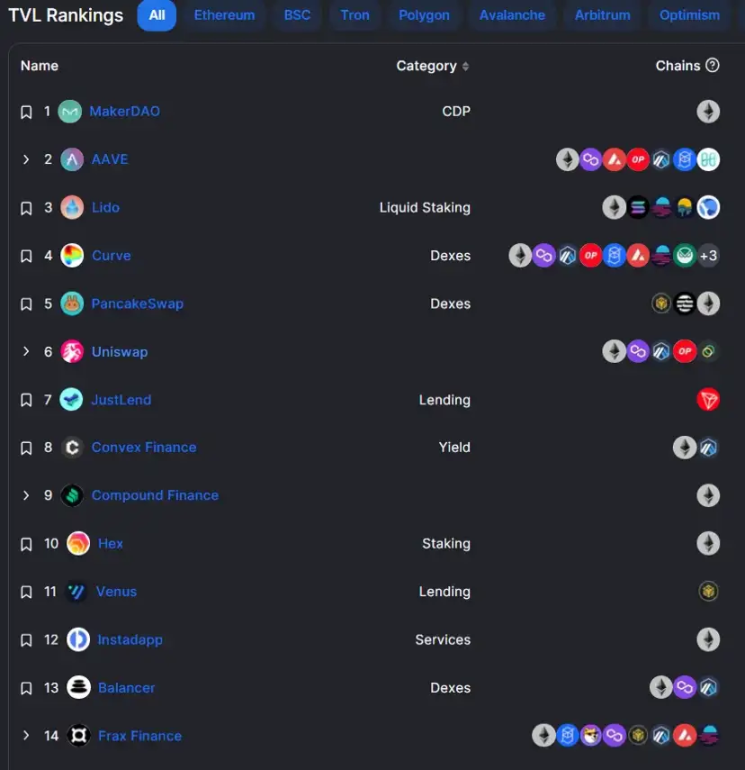
看完这张图后

你还认为高 TVL 一定代表着安全吗?

图中有哪些协议你觉得是不可信的?为什么?

亲自验证

「不信任,只验证」是我们进行智能合约审计的原因。如果不是这样,我们可能不需要审计。因为代码是开源的,社区可以找到代码中的所有问题。然而,社区可能没有正确的动机、激励或专业知识来验证代码。

因此审计人员必须要足够专业,但更加重要的是,审计人员自己不能出问题。例如,著名审计公司 Certik 经手审核的不少项目仍然被黑了,可以说是防不胜防。
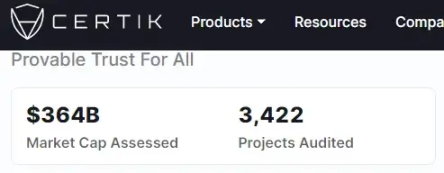
同时,审计公司也在建立自己的声誉。如果他们审核(并评估为安全)的协议被黑,则给人一种不专业的印象。事实上,Certik 已经审核了超过 3422 个项目,所以其中一些项目遭到黑客攻击或存在漏洞也是难以避免的。

所以仅仅进行是通过审计,并不意味着协议是安全的。我见过一些项目自豪地宣布「完成审计」,但当你阅读审计报告时,却发现他们的安全分数实际上很低。

这给我的教训是,不要盲目相信项目方的审计公告,而是通过阅读实际审计报告来验证结果。

我不爱读审计报告怎么办?

事实上,大多数人都不会阅读审计报告,不过 Certik 有一个包含所有已审项目的数据看板,在这个看板里面,你可以检查项目的「信任分数」,数字越高表示安全。
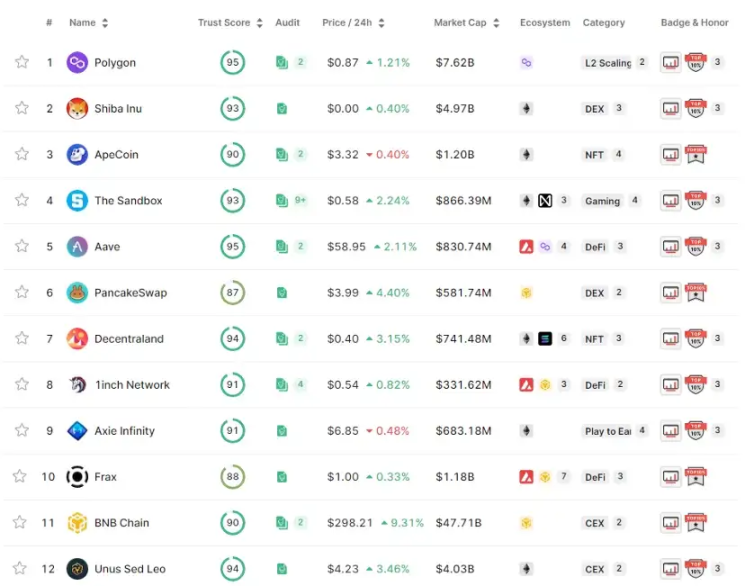
其它审计机构,例如 Hacken,也会有类似的数据看板。或者你可以简单地阅读一下审计摘要,例如下面这个 Trader Joe 的例子, 它是由 Paladin 审计完成的。

译者注:Trader Joe 是 Avalanche 上的一站式交易平台。提供交易和借贷功能,并将其结合能够提供杠杆交易。
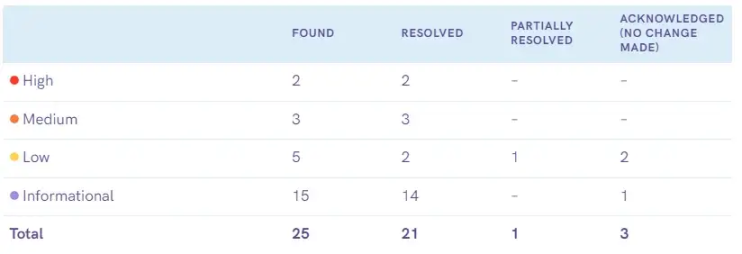
通过这里的数据我们不难看出,Trader Joe 修复了所有的中高风险问题,但是在低风险问题上,却仍有部分未进行修复。

审计只是开始

评估一个项目的安全性,还需要考虑更多:

充分的测试

赏金活动

文档的公开透明

管理控制

Oracle 文档

要考虑的方面那可太多了,要是全部都亲自验证,恐怕先得累死。说到这里,我们就不得不提到 DeFi Safety。它会对这些协议进行一个验证,然后给出安全评分。
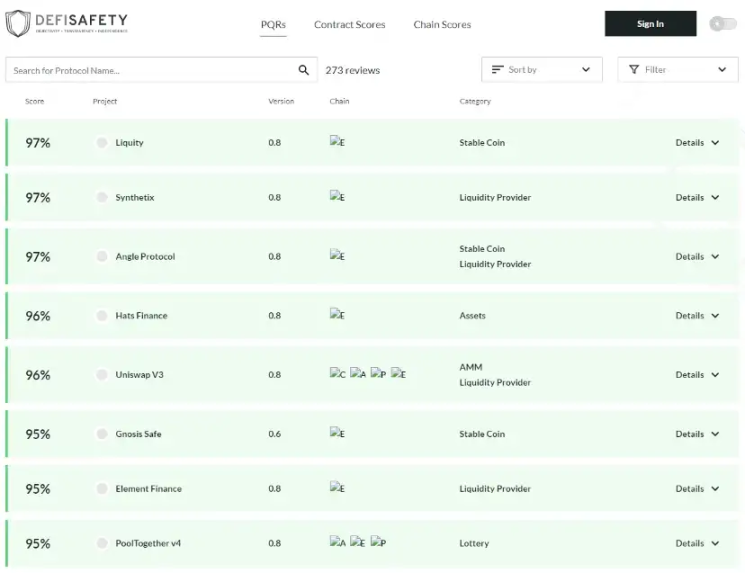
根据它们提供的结果,我们可以很清楚地看到,Liquity Protocol、Synthetix 以及 Angle Protocol 是所有经过验证的 DeFi 协议中最安全的。

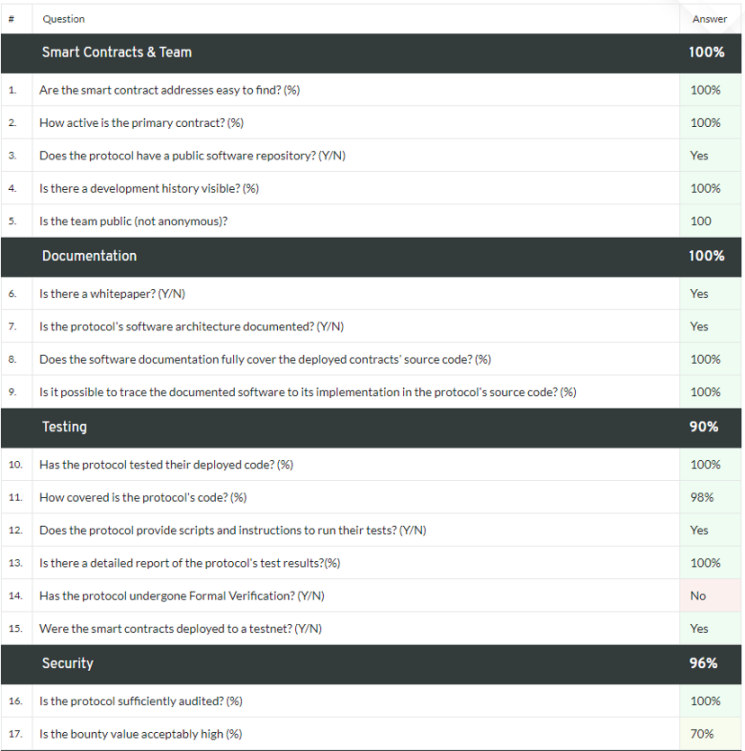
在 Defi Safety 上,你还可以查看更多细节部分的内容。例如,Liquidy protocol 仍然需要形式验证。

译者注:在计算机硬件和软件系统的设计过程中,形式验证的含义是根据某个或某些形式规范或属性,使用数学的方法证明其正确性或非正确性。
此外,你还可以通过 Exponential DeFi,对钱包的投资组合进行一个安全性评估。

「评价钱包」功能会为你提供当前投资的风险分析。例如,在 Tetranode 的资产中,就有 450 万美元的资产是被存入在风险较高(C 级)的协议中。
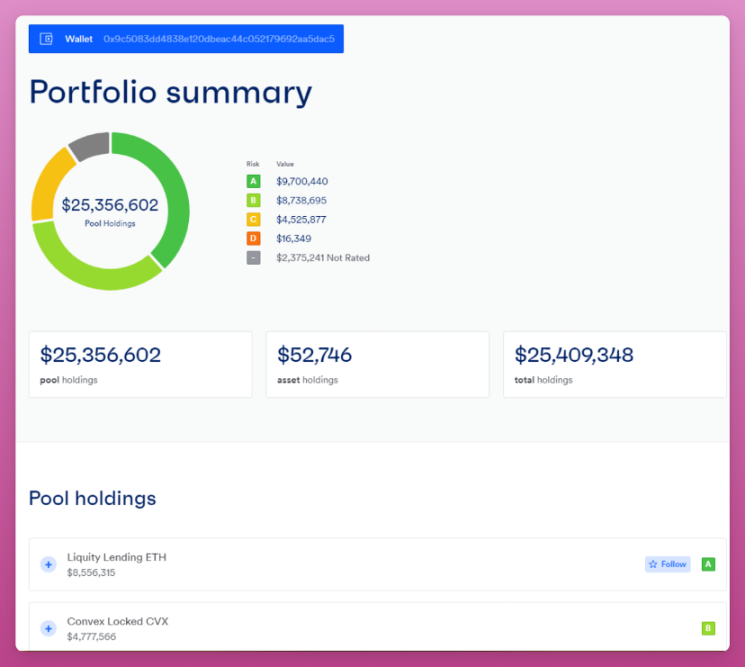
译者注:Tetranode 是一位匿名远古巨鲸,据传他有价值约 10 亿美元的加密资产,他在 2009 年的时候就接触到了比特币,并在此后的日子里始终对其保持高度的信仰。

Elemental DeFi 会根据项目评估给出评分,评估考虑了资产风险、代码质量和资产存放的区块链的安全性。这种简单易懂的风险说明,让我爱不释手。

就拿 Abracadabra 的稳定币 MIM 来举例,它会直接给出警告:SPELL 被用作抵押品可能会导致坏账。
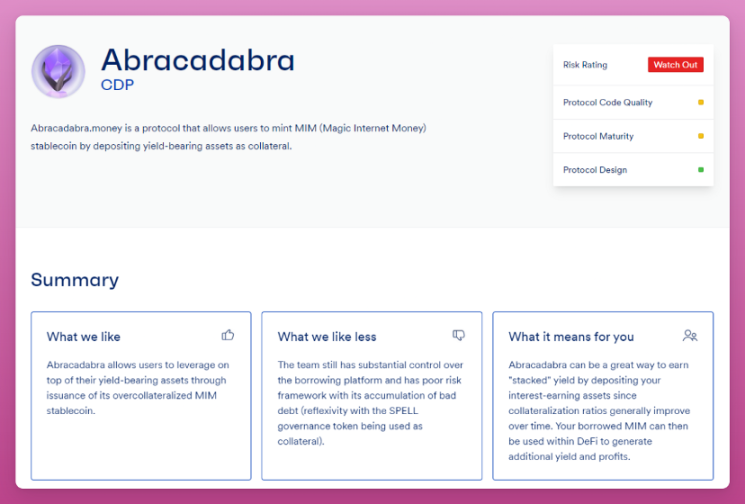
译者注:Abracadabra 是一个生息资产稳定币协议,用户可以使用用生息凭证进行质押并印铸协议原生稳定币 MIM。

不懂就问

最后一个要给大家介绍的方法就是,直接加入项目的社区,然后思考一下下面几个问题:

他们有保险基金吗?

他们会回避提问吗?

他们正在做什么来提高安全性?

例如我之前就曾问过 Stargate 团队,他们是否拥拥有保险基金,以防止项目被黑客入侵。但是有时想要得到一个准确的答案,却并不是那么简单,项目方往往会各种拐弯抹角地回避问题。这似乎是一种危险信号,让人不得不提高警惕。

但是无论发生什么,DeFi 都还很年轻,还有很长的路要走,所以最好不要把所有的鸡蛋都放在一个篮子里!

Related Reads

Uncovering the Truth About Agent Commerce, Payments, and Infrastructure

Decoding Agent Commerce, Payments, and Infrastructure: The Reality Over the past year, I've been building infrastructure for the Agent economy, engaging with major players like Stripe, Visa, Coinbase, Google, and dozens of startups. A clear conclusion emerges: true, large-scale demand does not yet exist. Startups face structural challenges. Data points illustrate this gap. Stripe's Agent commerce platform has over 1,000 merchants but only single-digit transacting agents. Visa's Agent payment token requires 9-month KYC and a $250M revenue threshold, accessible only to giants like Amazon. On-chain analysis reveals actual daily Agent transaction volume is around $17k, half of which are test transactions. The article analyzes four potential markets: **1. Agent-to-Merchant (A2M):** Current AI shopping UX is often inferior to traditional e-commerce for visual, comparison-heavy purchases (clothing, electronics). Chat interfaces are a step back. Real merchant interest is defensive "Agent Engine Optimization," fearing future obsolescence, not current demand. Potential exists in high-frequency, low-decision purchases (e.g., food delivery) or simplifying terrible UX (complex checkouts, non-native shoppers), but these require massive consumer distribution channels dominated by giants like DoorDash and Amazon. **2. Agent-to-API (A2A):** Developers already have subscriptions and billing for core APIs (compute, data). The argument for micro-payments via crypto for sub-dollar API calls is addressed by pre-paid balances today. The deeper issue is supplier resistance; major SaaS firms rely on enterprise contracts, not fractional cent pricing. Opportunity lies in the long tail of niche services, but this is a smaller market catering to developers, a historically low-paying group. **3. Agent-to-Agent (A2A):** This remains a theoretical long-term vision with near-zero current transaction volume. It involves unique challenges: discovery, trust, negotiation, dispute resolution. When it materializes, it will require a fundamentally new settlement infrastructure for high-speed, variable-value, multi-party transactions. It's a real long-term bet, but not the current market. **4. Agent-to-Finance (A2F):** This is the only category with existing, paying demand. Integrating AI into financial workflows (trading, portfolio management) is a natural evolution and enables new capabilities like autonomous rebalancing. However, competition favors incumbents with regulatory licenses, compliance infrastructure, and existing client relationships. **The Real Issue:** Why is infrastructure still being built? Incumbents can afford long-term bets, and payment companies see every problem as a nail for their payment hammer. However, payment is just one piece. The core challenge is *coordination*—orchestrating work between Agents and humans, verifying outcomes, and settling results. Payment is part of settlement, which is part of coordination. Companies that solve the coordination problem will subsume payments, not the other way around. Startups lack the infinite runway of giants and must find today's real market, which, after a year of exploration, lies outside these four categories—in an area with real, growing, and underserved activity.

marsbit1h ago

Uncovering the Truth About Agent Commerce, Payments, and Infrastructure

marsbit1h ago

Kalshi, MTS, and a16z's Ambition

The article "Kalshi, MTS, and a16z's Ambition" explores prediction markets as a focal point of excitement in 2025 for investors, crypto enthusiasts, and media. It traces their intellectual lineage from Friedrich Hayek's ideas on dispersed knowledge and market coordination to Robin Hanson's Logarithmic Market Scoring Rule (LMSR), which incentivizes truthful information sharing. The piece argues that a16z's significant investment in prediction market platform Kalshi (valued at $220B) transcends mere financial speculation. a16z frames prediction markets as a new form of "media" that provides "presence"—a way for individuals to actively engage with and influence world events through financial stakes, countering postmodern detachment. By wagering on outcomes, users become "super observers," and the market's aggregated probabilities gain authoritative power to define event truth and importance. The article uses media company MTS ("Monitoring The Situation") as a case study of a16z's "new media" strategy: rapidly producing high-intensity, multi-format content to "take over the timeline." However, prediction markets like Kalshi are presented as the ultimate piece in this media empire. Their real-money, crowd-sourced probabilities possess a unique "reality distortion field" and perceived objectivity, potentially swaying public opinion and granting a private company unprecedented interpretive power over reality. Ultimately, Kalshi's immense valuation is attributed not just to its exchange model, but to its role as a foundational component in a16z's envisioned new media landscape, where prediction markets define narrative and truth.

链捕手1h ago

Kalshi, MTS, and a16z's Ambition

链捕手1h ago

Trading

Spot
Futures

Hot Articles

How to Buy AVAX

Welcome to HTX.com! We've made purchasing Avalanche (AVAX) simple and convenient. Follow our step-by-step guide to embark on your crypto journey.Step 1: Create Your HTX AccountUse your email or phone number to sign up for a free account on HTX. Experience a hassle-free registration journey and unlock all features.Get My AccountStep 2: Go to Buy Crypto and Choose Your Payment MethodCredit/Debit Card: Use your Visa or Mastercard to buy Avalanche (AVAX) instantly.Balance: Use funds from your HTX account balance to trade seamlessly.Third Parties: We've added popular payment methods such as Google Pay and Apple Pay to enhance convenience.P2P: Trade directly with other users on HTX.Over-the-Counter (OTC): We offer tailor-made services and competitive exchange rates for traders.Step 3: Store Your Avalanche (AVAX)After purchasing your Avalanche (AVAX), store it in your HTX account. Alternatively, you can send it elsewhere via blockchain transfer or use it to trade other cryptocurrencies.Step 4: Trade Avalanche (AVAX)Easily trade Avalanche (AVAX) on HTX's spot market. Simply access your account, select your trading pair, execute your trades, and monitor in real-time. We offer a user-friendly experience for both beginners and seasoned traders.

8.1k Total ViewsPublished 2024.03.29Updated 2026.06.02

How to Buy AVAX

Discussions

Welcome to the HTX Community. Here, you can stay informed about the latest platform developments and gain access to professional market insights. Users' opinions on the price of AVAX (AVAX) are presented below.

活动图片













