Người sáng lập EtherFi chỉ trích: Ứng dụng crypto toàn là biến thể sòng bạc, chúng tôi quyết làm ngân hàng 'nhàm chán'

marsbitPublished on 2026-08-17Last updated on 2026-08-17

Abstract

Người sáng lập EtherFi, Mike Silagadze, chỉ trích nhiều ứng dụng tiền điện tử hiện tại chỉ là biến thể của sòng bạc, tập trung vào cờ bạc để kiếm lợi nhuận cao nhưng không giữ chân được người dùng phổ thông. EtherFi lựa chọn con đường ngược lại: xây dựng một "ngân hàng mới" nhàm chán nhưng bền vững, tích hợp tự lưu ký, nhằm cung cấp các sản phẩm tài chính hữu ích cho đại chúng. Bài viết giải thích lộ trình phát triển của EtherFi theo các "động từ tiền tệ" tuần tự: Tiết kiệm (qua các khoản tái stake thanh khoản), Chi tiêu (qua stablecoin và thẻ EtherFi), và nay bổ sung Đầu tư và Vay mượn trong đợt ra mắt mùa hè. Về Đầu tư, nền tảng giới thiệu cổ phiếu được mã hóa (tokenized stocks) và kim loại, cho phép giao dịch trong cùng một ví tự lưu ký với tài sản crypto. Về Vay mượn, EtherFi hợp tác với Aave để tạo một thị trường cho vay mới với cách tiếp cận bảo thủ, chống lại mô hình "cối xay thịt" của các sàn DeFi cho vay đòn bẩy cao. Hệ thống này có ngưỡng cảnh báo sớm để tạm dừng vay thay vì thanh lý ngay lập tức, nhấn mạnh đây là công cụ tài chính cá nhân chứ không phải để đánh cược. Silagadze tin rằng ngành ngân hàng mới trị giá 3000 tỷ USD là cơ hội thực sự lớn gấp 300 lần DeFi hiện tại. EtherFi đang thử nghiệm hướng đi này và dự kiến ra mắt tính năng "Autumn" tiếp theo, tập trung vào lớp giao dịch ngang hàng (P2P) xã hội, cho phép chuyển tiền dễ dàng mà người nhận không cần tài khoản ngân hàng.

Tác giả: William Peaster

Biên dịch: Deep Tide TechFlow

Dẫn nhập Deep Tide: Kinh doanh sòng bạc crypto lợi nhuận cao, nhưng lại khó giữ chân người dùng bình thường. EtherFi lựa chọn con đường ngược lại, tích hợp chứng khoán, cho vay và tự quản lý vào một cổng ngân hàng mới, có lẽ đây mới là con đường bền vững để tài chính crypto tiến vào dòng chính.

EtherFi đặt cược phản đối nền kinh tế sòng bạc crypto

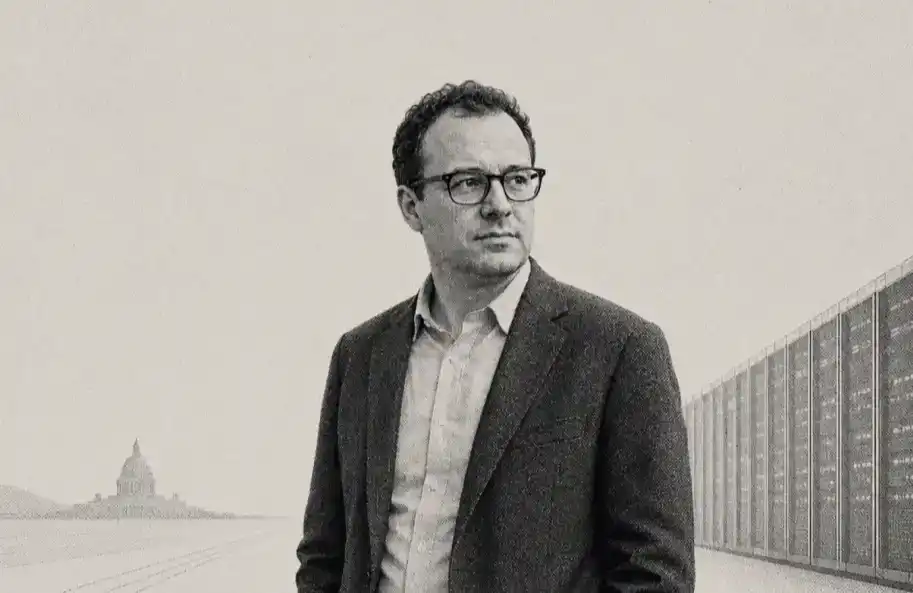
CEO EtherFi, Mike Silagadze cho rằng, ngành công nghiệp crypto không có vấn đề về sản phẩm, mà là vấn đề phân tâm:

"Hãy nhìn vào các ứng dụng tiêu dùng crypto như Pump.fun, sàn giao dịch tập trung, hay thậm chí Polymarket, đều là sòng bạc 1.0, sòng bạc 2.0, chỉ khác nhau về mặt ngoài. 'Bây giờ hãy đến đặt cược vào thời tiết đi.' Điều này rất kiếm được tiền, vì cờ bạc là một ngành có lợi nhuận cực cao."

Trong tập podcast mới nhất, Silagadze đã nói điều này với David Hoffman, đồng thời trình bày giải pháp thay thế mà EtherFi phản đối. EtherFi là một ngân hàng mới tự quản lý, đang phát triển thành một công ty môi giới chứng khoán mới trên thực tế.

EtherFi tuyên bố rõ ràng muốn làm đối lập nhàm chán hơn, bền vững hơn, mục tiêu là cung cấp các sản phẩm tài chính hữu ích thực sự có thể thu hút và giữ chân người bình thường. Tầm nhìn này một cách tự nhiên trở thành động lực cho việc ra mắt tính năng mới mùa hè của nền tảng này, bao gồm mở rộng kênh tiền pháp định, hạn mức tín dụng Aave, cổ phiếu token hóa, v.v.

Như David đã nói trong chương trình, lộ trình của EtherFi cho đến nay là một loạt "động từ tiền bạc" được mở khóa dần dần, đồng bộ với sự trưởng thành của cơ sở hạ tầng Ethereum. Bước đầu tiên là tiết kiệm, nổi tiếng nhờ các kho bạc tái stake thanh khoản. Bước thứ hai là tiêu dùng, stablecoin và thẻ EtherFi biến các tài sản tái stake này thành thứ có thể sử dụng hàng ngày.

Đợt ra mắt mùa hè này bổ sung một lúc hai động từ: đầu tư và vay mượn.

Đầu tư có nghĩa là ứng dụng EtherFi giờ đây có thể nắm giữ cổ phiếu và kim loại token hóa bên cạnh tài sản crypto, khởi đầu với xStocks. Theo Silagadze, tương lai còn có kế hoạch mở rộng không cần phép cho bất kỳ tài sản nào xuất hiện trên Ethereum. "Tôi nghĩ đây là lần đầu tiên một ngân hàng mới crypto cho phép mọi người giao dịch cổ phiếu với cùng những lợi ích tự quản lý." Ông nói.

Vay mượn có nghĩa là EtherFi giờ đây có một thị trường Aave V4 mới, coi toàn bộ danh mục đầu tư của bạn (tài sản crypto, stablecoin, cổ phiếu, vàng, v.v.) như nhau. Người dùng có thể lấy một hạn mức tín dụng duy nhất từ một nhóm tài sản thế chấp, thay vì phải vay riêng cho từng tài sản. Thiết kế của thị trường cho vay này cũng chính là nơi triết lý phản sòng bạc của EtherFi được viết vào mã nguồn. Theo quan điểm của Silagadze, hầu hết các thị trường cho vay DeFi được xây cho dân cờ bạc:

"Nó là một cỗ máy nghiền gỗ. Bạn đưa người dùng vào: họ thua lỗ, bị thanh lý, kiếm lại một ít, rồi lại đầu tư thêm. Đó là mô hình kinh doanh của sòng bạc. Chúng ta không thể đối xử với người dùng như vậy, nếu không chính chúng ta cũng sẽ sụp đổ."

Vì vậy, EtherFi cố ý xây dựng một thứ bảo thủ hơn. Có một số chi tiết đáng biết về sự kết hợp Aave mới này:

Thị trường Aave điển hình chỉ có một đường, vượt qua sẽ bị thanh lý. Thị trường của EtherFi thêm một ngưỡng sớm hơn, ôn hòa hơn, chỉ tạm dừng việc vay thêm, thanh lý chỉ xảy ra khi rất muộn. Như Silagadze đã nói: "Chúng tôi có một ngưỡng bảo thủ, ngay cả khi giá biến động 40% cũng không giết bạn, và một ngưỡng cao hơn nhiều mới thực sự thanh lý. Chúng tôi không muốn mọi người đến đây chơi với đòn bẩy mạo hiểm. Đây nên là một công cụ tài chính cá nhân."

Ngoài ra, thị trường hiện tại là một nhóm thống nhất duy nhất trên Optimism, và được báo cáo là còn có kế hoạch thêm một trục thứ hai cho nhiều hoạt động gốc DeFi hơn. Gửi tiền không cần phép, mở cho bất kỳ ai muốn kiếm lợi nhuận, trong khi vốn bên ngoài thực sự cung cấp tiền cho các khoản vay ở đầu kia.

Về mô hình kinh tế, theo đề xuất quản trị Aave được công bố, kế hoạch là EtherFi giữ lại 80% doanh thu mà thị trường của họ tạo ra, Aave thu 20% làm phí dịch vụ cho cơ sở hạ tầng nền tảng.

Sản phẩm mới này có thành công không? Hãy chờ xem. Nhưng cuối cùng, điểm mấu chốt là sòng bạc crypto dường như đang bỏ qua thu nhập từ những người không phải dân cờ bạc bình thường. Như Silagadze đã nói:

Ngân hàng mới, chưa kể toàn bộ ngành ngân hàng, ngày nay là một ngành công nghiệp 300 tỷ đô la doanh thu. Đó là khoảng gấp 300 lần DeFi. Những trò cờ bạc mà chúng ta đang làm thực ra chỉ là sự phân tâm. Chúng ta càng vượt qua giai đoạn này sớm, lợi nhuận thực tế của tiền mã hóa càng sớm bắt đầu tích lũy.

Tương tự, liệu mô hình công ty môi giới mới có thể thay thế "sòng bạc" trở thành động cơ tăng trưởng lớn nhất của tiền mã hóa hay không, vẫn là một câu hỏi chưa có lời giải. Nhưng EtherFi đã dành nhiều chu kỳ sản phẩm để mài giũa theo hướng này. Nếu có một đội ngũ có thể làm được, họ hiện có cơ hội dẫn đầu.

Trong khi đó, chúng ta chỉ cần nhìn về tương lai, và đã thấy bản xem trước. Phiên bản tiếp theo của EtherFi được báo trước trong chương trình là "Mùa Thu". Theo báo cáo, nó nhằm mục đích thực hiện một lớp ngang hàng xã hội cho ứng dụng. Silagadze mô tả ý tưởng này như sau:

Hãy tưởng tượng, chuyển cho ai đó 10 đô la, người đó mở ra là một tài khoản đầy đủ chức năng, không cần tài khoản ngân hàng. Họ có thể tiêu nó, hoặc chuyển cho người khác. Đơn vị tiền tệ tự thân đã đạt được chủ quyền.

Đây là một ý tưởng khá thú vị, và cũng là lĩnh vực mà EtherFi một cách tự nhiên sẽ mở rộng tiếp theo. Vậy bây giờ, hãy xem liệu những thử nghiệm này có chuyển thành việc áp dụng sâu hơn vào công nghệ của EtherFi hay không.


Trending Cryptos

Related Questions

QCEO của EtherFi, Mike Silagadze, có quan điểm như thế nào về các ứng dụng tiêu dùng tiền mã hóa phổ biến hiện nay?

AMike Silagadze cho rằng các ứng dụng tiêu dùng tiền mã hóa phổ biến như Pump.fun, các sàn giao dịch tập trung, hay Polymarket, về bản chất đều là các "sòng bạc" chỉ được làm mới với các hình thức khác nhau, chứ không phải là các sản phẩm tài chính hữu ích và bền vững.

QEtherFi định vị mình là gì và hướng tới mục tiêu nào thay vì con đường "sòng bạc"?

AEtherFi định vị mình là một ngân hàng mới tự lưu ký (self-custody neo-bank) và đang phát triển thành một nhà môi giới mới (neo-broker). Mục tiêu của họ là cung cấp các sản phẩm tài chính hữu ích, nhàm chán hơn nhưng bền vững, nhằm thu hút và giữ chân người dùng bình thường.

QChiến lược phát triển của EtherFi được mô tả thông qua các "động từ tiền tệ" là gì?

AChiến lược của EtherFi được mô tả thông qua việc mở khóa tuần tự các "động từ tiền tệ": Bước 1 là 'Tiết kiệm' thông qua các khoản tái thế chấp thanh khoản. Bước 2 là 'Chi tiêu' với stablecoin và thẻ EtherFi. Đợt ra mắt mùa hè này bổ sung thêm hai động từ: 'Đầu tư' (vào cổ phiếu, kim loại được mã hóa) và 'Vay mượn' (thông qua thị trường Aave V4).

QTính năng cho vay mới của EtherFi trên Aave V4 có gì đặc biệt so với các thị trường DeFi thông thường?

AThị trường cho vay mới của EtherFi trên Aave V4 được thiết kế một cách thận trọng, chống lại tâm lý cờ bạc. Thay vì chỉ có một ngưỡng thanh lý duy nhất, nó có một ngưỡng 'bảo thủ' thấp hơn sẽ tạm dừng việc vay thêm, và một ngưỡng thanh lý cao hơn nhiều mới thực sự kích hoạt thanh lý. Thiết kế này nhằm giảm rủi ro cho người dùng và định vị đây là một công cụ tài chính cá nhân, không phải để đòn bẩy cao.

QÝ tưởng tiếp theo của EtherFi trong phiên bản "Autumn" được đề cập là gì?

APhiên bản "Autumn" tiếp theo của EtherFi dự kiến sẽ bổ sung một lớp ngang hàng (peer-to-peer layer) có tính xã hội cho ứng dụng. Ý tưởng là cho phép người dùng chuyển tiền cho ai đó, và người nhận sẽ mở ra một tài khoản đầy đủ chức năng ngay lập tức mà không cần tài khoản ngân hàng, từ đó có thể chi tiêu hoặc chuyển tiếp số tiền đó. Điều này hướng tới việc biến đơn vị tiền tệ thành một thực thể tự chủ.

Related Reads

Anthropic, Dario Amodei, and "The Last Private Company"

The article explores the contrasting narratives surrounding Anthropic and its founder, Dario Amodei. He is portrayed as both a cautious "watchman" warning of AI's existential dangers and an ambitious driver racing to build that very future. The core tension lies in Amodei's belief that since powerful AI is inevitable, Anthropic must lead its development to ensure it's done "responsibly." Driven by personal tragedy—his father's death before a cure arrived—Amodei is obsessed with accelerating science. He co-founded Anthropic after leaving OpenAI over governance concerns, aiming to build top models while establishing safety standards. Anthropic developed "Constitutional AI" to align models and proposed risk-based policies, positioning itself as both creator and regulator. Amodei envisions AI bringing immense benefits, like curing diseases within years. However, his roadmap reveals a geopolitical vision: he argues the US and its allies must secure a dominant, "unipolar" advantage in advanced AI to lock in strategic supremacy before sharing benefits. The article critiques this logic. While Amodei eloquently warns of concentrated corporate power and influence, his solutions consistently grant Anthropic more authority. He disqualifies other actors—markets, the public, rival nations—as unfit to steer the future, ultimately positioning Anthropic as the necessary custodian. This culminates in an alleged, unconfirmed internal vision where Anthropic becomes "the world's only private company." The piece concludes that Amodei, sincerely believing he sees the dangers most clearly, has authored his own justification to hold the wheel.

marsbit7m ago

Anthropic, Dario Amodei, and "The Last Private Company"

marsbit7m ago

Trading

Spot

Hot Articles

What is $BANK

Bank AI: A Revolutionary Step in the Future of Banking Introduction In an era marked by rapid advancements in technology, Bank AI stands at the intersection of artificial intelligence (AI) and banking services. This innovative project seeks to redefine the financial landscape, enhancing operational efficiency, security measures, and customer experiences through the power of AI. As we embark on this exploration of Bank AI, we will delve into what the project entails, its operational dynamics, its historical context, and significant milestones. What is Bank AI? At its core, Bank AI represents a transformative initiative aimed at integrating artificial intelligence into various banking operations. This project harnesses the capabilities of AI to automate processes, improve risk management protocols, and enhance customer interaction through personalized services. The primary objectives of Bank AI include: Automation of Banking Functions: By leveraging AI technologies, Bank AI aims to automate routine tasks, reducing the burden on human resources and enhancing efficiency. Enhanced Risk Management: The project utilises AI algorithms to predict and identify risks, thereby fortifying security measures against fraud and other threats. Personalization of Banking Services: Bank AI focuses on offering tailored financial products and services by analysing customer data and behaviours. Improving Customer Experience: The implementation of AI-driven solutions, such as chatbots and virtual assistants, aims to provide users with more human-like interactions, revolutionising the way customers engage with banks. With these goals, Bank AI positions itself as a crucial player in rendering banking more efficient, secure, and user-centric. Who is the Creator of Bank AI? Details regarding the creator of Bank AI remain unknown. As such, no specific individual or organisation has been identified in the available information. The anonymity surrounding the project's inception raises questions but does not detract from its ambitious vision and objectives. Who are the Investors of Bank AI? Similar to the project's creator, specific information regarding the investors or supporting organisations of Bank AI has not been disclosed. Without this information, it is challenging to outline the financial backing and institutional support that might be propelling the project forward. Nevertheless, the importance of having a robust investment foundation is pivotal for sustaining development in such an innovative field. How Does Bank AI Work? Bank AI operates on several innovative fronts, focusing on unique factors that differentiate it from traditional banking frameworks. Below are key operational features: Automation: By applying machine learning algorithms, Bank AI automates various manual processes within banks. This results in reduced operational costs and allows human workers to redirect their efforts towards more strategic activities. Advanced Risk Management: The integration of AI into risk management practices equips banks with tools to accurately predict potential threats such as fraud, ensuring that customer information and assets remain secure. Tailored Financial Recommendations: Through continuous learning from customer interactions, the AI systems develop a nuanced understanding of user needs, enabling them to offer tailored advice on financial decisions. Enhanced Customer Interactions: Utilizing chatbots and virtual assistants powered by AI, Bank AI enables a more engaging customer experience, allowing users to have their queries resolved quickly, thus reducing wait times and improving satisfaction levels. Together, these operational features position Bank AI as a pioneer in the banking sector, establishing new benchmarks for service delivery and operational excellence. Timeline of Bank AI Understanding the trajectory of Bank AI requires a look at its historical context. Below is a timeline highlighting important milestones and developments: Early 2010s: The conceptualization of AI integration into banking services began to gain attention as banking institutions recognised the potential benefits. 2018: A marked increase in the implementation of AI technologies occurred when banks started using AI tools like chatbots for basic customer service and risk management systems for improved security handling. 2023: The sophistication of AI continued to advance, with generative AI being introduced for more complex tasks such as document processing and real-time investment analysis. This year marked a significant leap in the capabilities afforded to banks by AI technology. 2024-Current Status: As of this year, Bank AI is on an upward trajectory, with ongoing research and developments poised to further enhance capabilities in banking operations. Continued exploration of AI applications hints at exciting developments yet to come. Key Points About Bank AI Integration of AI in Banking: Bank AI focuses on adopting artificial intelligence to streamline banking processes and improve user experiences. Automation and Risk Management Focus: The project strongly emphasizes these areas, aiming to shift the burden of routine tasks while enhancing security frameworks through predictive analytics. Personalized Banking Solutions: By harnessing customer data, Bank AI enables tailored banking services that cater to individual user needs. Commitment to Development: Bank AI remains committed to ongoing research and development efforts, ensuring its adaptability and ongoing relevance as technology continues to evolve. Conclusion In summary, Bank AI exemplifies a crucial step forward in the banking industry, leveraging artificial intelligence to reshape operational paradigms, enhance security, and promote customer satisfaction. Despite gaps in information surrounding the creator and investors, the clear objectives and functional mechanisms of Bank AI provide a strong foundation for its ongoing evolution. As AI technology continues to advance and merge with the banking sector, Bank AI is well-positioned to significantly impact the future of financial services, enhancing the way we understand and interact with banking.

1.8k Total ViewsPublished 2024.04.05Updated 2024.12.03

What is $BANK

How to Buy BANK

Welcome to HTX.com! We've made purchasing Lorenzo Protocol (BANK) simple and convenient. Follow our step-by-step guide to embark on your crypto journey.Step 1: Create Your HTX AccountUse your email or phone number to sign up for a free account on HTX. Experience a hassle-free registration journey and unlock all features.Get My AccountStep 2: Go to Buy Crypto and Choose Your Payment MethodCredit/Debit Card: Use your Visa or Mastercard to buy Lorenzo Protocol (BANK) instantly.Balance: Use funds from your HTX account balance to trade seamlessly.Third Parties: We've added popular payment methods such as Google Pay and Apple Pay to enhance convenience.P2P: Trade directly with other users on HTX.Over-the-Counter (OTC): We offer tailor-made services and competitive exchange rates for traders.Step 3: Store Your Lorenzo Protocol (BANK)After purchasing your Lorenzo Protocol (BANK), store it in your HTX account. Alternatively, you can send it elsewhere via blockchain transfer or use it to trade other cryptocurrencies.Step 4: Trade Lorenzo Protocol (BANK)Easily trade Lorenzo Protocol (BANK) on HTX's spot market. Simply access your account, select your trading pair, execute your trades, and monitor in real-time. We offer a user-friendly experience for both beginners and seasoned traders.

6.6k Total ViewsPublished 2025.05.09Updated 2026.06.02

How to Buy BANK

Discussions

Welcome to the HTX Community. Here, you can stay informed about the latest platform developments and gain access to professional market insights. Users' opinions on the price of BANK (BANK) are presented below.

活动图片