Coinbase Membuka Hub MiCA Luxembourg karena Pasar Kripto UE Memasuki Era Regulasi Baru

TheNewsCryptoPublished on 2026-06-25Last updated on 2026-06-25

Abstract

Coinbase secara resmi meluncurkan hub kripto Eropa di Luxembourg sesuai dengan regulasi Pasar Aset Kripto (MiCA) Uni Eropa. Ini terjadi setelah Coinbase memperoleh lisensi MiCA dari otoritas pengawas keuangan Luxembourg pada Juni 2025, lebih dari setahun sebelum batas waktu yang ditetapkan. Dengan lisensi ini, Coinbase dapat menawarkan produk dan layanan kriptonya kepada lebih dari 450 juta orang di pasar Eropa. Perusahaan memilih Luxembourg karena reputasinya sebagai pusat inovasi keuangan dengan regulasi yang jelas dan dukungan terhadap teknologi blockchain. Pencapaian ini menunjukkan pentingnya kerangka regulasi MiCA untuk aset digital di Eropa. Coinbase menyatakan bahwa langkah ini meningkatkan kemampuan kepatuhan mereka dan mendukung inovasi di pasar kripto regional, sekaligus menjadi dasar yang kuat untuk pertumbuhan jangka panjang di Eropa.

Coinbase secara resmi meluncurkan hub kripto Eropanya di Luxembourg sesuai dengan regulasi Pasar Aset Kripto (MiCA) Uni Eropa. Hal ini terjadi setelah Coinbase menerima lisensi MiCA dari badan pengawas keuangan Luxembourg pada Juni 2025. Komisi de Surveillance du Secteur Financier Luxembourg memberikan lisensi tersebut lebih dari satu tahun sebelum batas waktu yang ditetapkan.

Ini berarti Coinbase dapat menawarkan produk dan layanan kriptonya kepada lebih dari 450 juta orang di seluruh pasar Eropa. Nama Coinbase Luxembourg S.A. tercantum dalam daftar otoritas pasar sekuritas Eropa, European Securities and Markets Authority (ESMA), sebagai peserta yang diotorisasi MiCA. Coinbase sudah memiliki lisensi regulasi di berbagai negara Eropa bahkan sebelum memperoleh otorisasi MiCA.

Di antara negara-negara Eropa tempat Coinbase beroperasi adalah Jerman, Prancis, Irlandia, Italia, Spanyol, dan Belanda. Perusahaan ini tercatat di pasar saham publik Nasdaq pada 2021, yang berarti regulator sudah memiliki akses ke catatan operasional dan kepatuhan perusahaan.

Luxembourg Memperkuat Statusnya Sebagai Pusat Inovasi Kripto

Dalam memilih Luxembourg, Coinbase mengandalkan reputasinya di pasar jasa keuangan dan regulasi Eropa. Luxembourg selalu mendukung inovasi tetapi tetap mempertahankan norma regulasi yang jelas untuk pasar keuangan. Luxembourg telah mengambil pendekatan terpadu terhadap teknologi blockchain dan program inovasi DLT. Parlemen Luxembourg telah memberlakukan empat undang-undang tentang blockchain untuk kepentingan ekosistem aset digital negara tersebut.

Coinbase menekankan bahwa Luxembourg menawarkan regulasi yang jelas untuk kripto dan memahami kebutuhan perusahaan-perusahaan kripto. Perusahaan menganggap yurisdiksi ini sebagai landasan yang kokoh untuk tumbuh di Eropa dalam jangka panjang.

MiCA Menawarkan Kemungkinan Baru bagi Pasar Kripto di Eropa

Perkembangan baru ini menunjukkan meningkatnya signifikansi MiCA sebagai rezim regulasi untuk aset digital di Eropa. Peserta pasar kripto memperhatikan bagaimana perusahaan-perusahaan menggunakan lisensi dalam kerangka kerja baru ini.

Menurut Coinbase, pencapaian ini meningkatkan kemampuan mereka untuk mematuhi peraturan dan berkontribusi pada inovasi di pasar kripto Eropa. Perusahaan juga mencatat bahwa mereka akan berdedikasi untuk membantu pembangunan ekonomi di wilayah tersebut.

Berita Kripto yang Disorot:

Korea Selatan Menargetkan 40 Operator Kripto yang Tidak Terdaftar dalam Penertiban Regulasi

TagsBlockchainCrypto MarketEUEuropeEuropean LicenseEuropean UnionEuropeanUnionLuxembourgMiCA

Trending Cryptos

Related Questions

QDi negara mana Coinbase membuka hub kripto Eropa sesuai regulasi MiCA?

ACoinbase membuka hub kripto Eropa di Luksemburg.

QApa yang memungkinkan Coinbase menawarkan layanannya kepada lebih dari 450 juta orang di pasar Eropa?

APerolehan lisensi MiCA dari otoritas pengawas keuangan Luksemburg (CSSF) memungkinkan Coinbase menawarkan produk dan layanan kriptonya ke pasar Eropa.

QMengapa Coinbase memilih Luksemburg sebagai lokasi hub Eropanya?

ACoinbase memilih Luksemburg karena reputasinya dalam pasar jasa keuangan Eropa, regulasi yang jelas, dukungan terhadap inovasi, serta pendekatan terintegrasi terhadap teknologi blockchain dan DLT.

QApa dampak utama dari pencapaian lisensi MiCA bagi Coinbase menurut artikel ini?

APencapaian lisensi MiCA meningkatkan kemampuan Coinbase untuk mematuhi regulasi dan berkontribusi pada inovasi di pasar kripto Eropa, sekaligus memberikan dasar yang kuat untuk pertumbuhan jangka panjang di benua itu.

QBadan otoritas apa di Luksemburg yang memberikan lisensi MiCA kepada Coinbase?

ALisensi MiCA diberikan kepada Coinbase oleh Commission de Surveillance du Secteur Financier (CSSF), yang merupakan otoritas pengawas sektor keuangan Luksemburg.

Related Reads

The Invisible Force in Bitcoin's Bear Market: Accelerating On-Chain Payments and Institutional Adoption

Amidst ongoing Bitcoin price volatility, the quiet acceleration of on-chain payments and tokenized trading holds significant importance for investors and policymakers, especially with legislation like the CLARITY Act on the horizon. Major traditional financial institutions adopting these technologies are driving crucial discussions on compliance, security, and transparency, which are vital for broader market adoption. Key developments are shaping this evolution. First, blockchain traceability is moving beyond a simple "public vs. private" debate. New frameworks aim to standardize how financial data from immutable ledgers is analyzed and interpreted, making it as crucial as standardized financial reporting for building institutional trust. Second, while traditional finance supports clear digital asset regulation, they emphasize that an asset's economic function should dictate its regulatory treatment, advocating for robust consumer protections over broad exemptions. Furthermore, the growth of on-chain deposits at regulated institutions signals a shift. Major banks are leveraging blockchain not to replace but to upgrade existing services—like deposits and cross-border settlements—with benefits like 24/7 operations and programmable treasury management. This trend focuses more on modernizing financial infrastructure than creating speculative assets. Despite market turbulence, these underlying advancements in on-chain infrastructure point toward a more robust foundation for the industry's future.

Foresight News5m ago

The Invisible Force in Bitcoin's Bear Market: Accelerating On-Chain Payments and Institutional Adoption

Foresight News5m ago

Crypto Payment Cards with $1.5 Billion Monthly Transaction Volume, Stuck in the 1990s

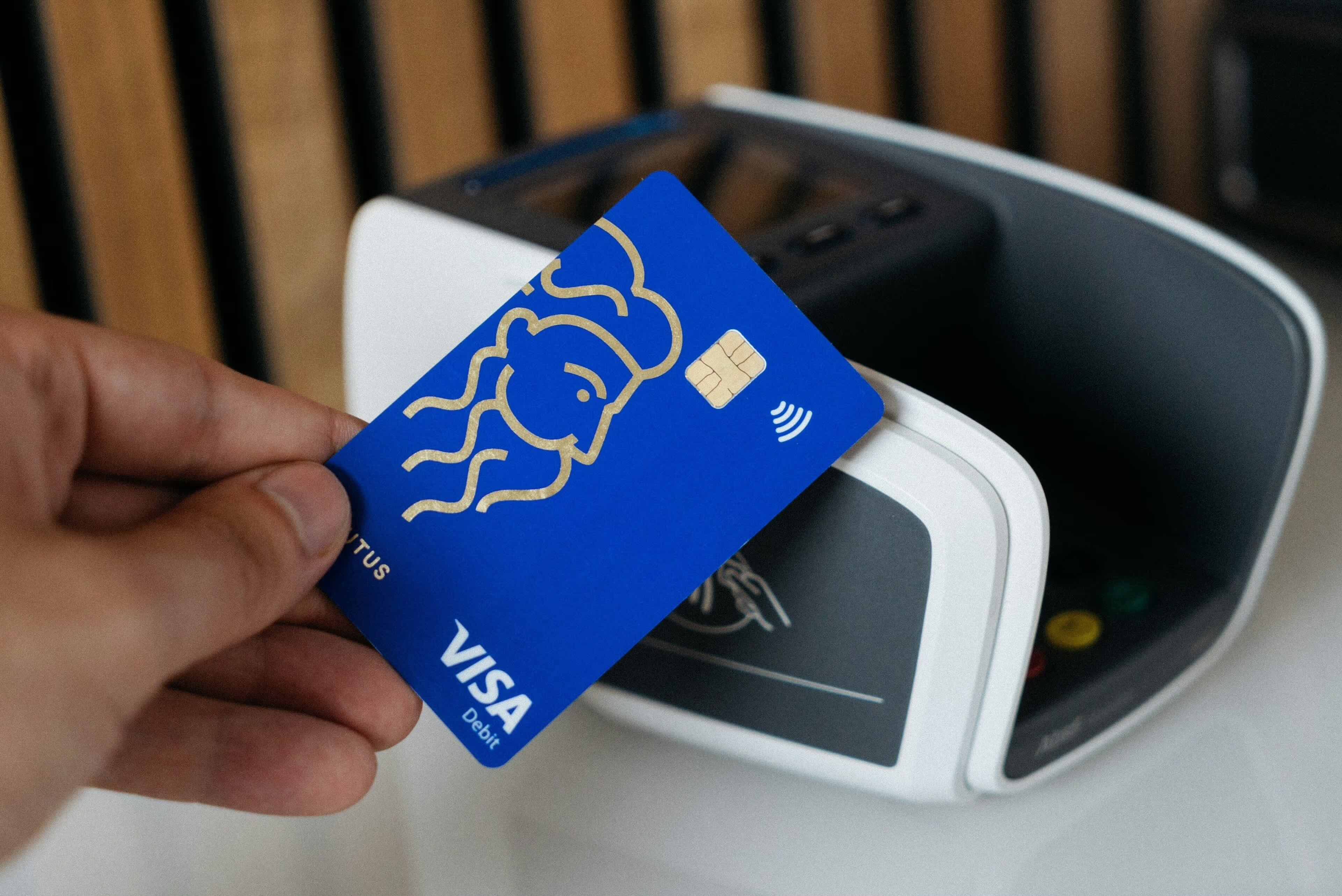
Monthly crypto payment card transaction volume has reached $15 billion, but the industry's development stage is comparable to debit cards in the 1990s, before they became a mainstream financial staple. A key limitation is the lack of established daily financial relationships, such as direct salary deposits and recurring bill payments, with crypto wallets. Despite annualized transaction volumes of approximately $18 billion, the market is concentrated and immature. The leading provider, RedotPay, commands over half the market share. User adoption is heavily skewed towards emerging markets like Bangladesh, India, and Nigeria, where access to USD and stable financial services is limited, rather than developed economies. The sector features four primary business models: 1) Card-issuing infrastructure providers, 2) Exchange-affiliated cards for user retention, 3) Decentralized wallet/DeFi cards with self-custody but high complexity, and 4) Stablecoin-focused digital banks, which dominate transaction volume by offering integrated financial services. The article argues that a pure payment functionality is insufficient for long-term success, mirroring the historical trajectory of traditional debit cards. Future winners will need to: 1) Control the upstream flow of funds, 2) Secure defensible niches in underserved markets, and 3) Most crucially, build core account relationships that integrate into users' daily financial lives. Without this evolution, crypto cards risk remaining niche prepaid tools rather than becoming universal financial infrastructure.

Foresight News35m ago

Crypto Payment Cards with $1.5 Billion Monthly Transaction Volume, Stuck in the 1990s

Foresight News35m ago

$7.8 Billion in Theft and Losses Reveals the Truth: Security Costs Have Become an Unavoidable Liquidity Tax for DeFi

"7.8 Billion in Thefts Reveals the Truth: Security Costs Have Become DeFi's Unavoidable 'Liquidity Tax'" A summary of Q2 2026 data reveals that security risks are now a fundamental capital cost in DeFi, directly impacting user returns and liquidity decisions. DeFiLlama recorded 88 hacking incidents with quantified losses totaling $780.3 million in Q2. April was the worst month with $644.8 million lost. DeFi protocol attacks accounted for $735.8 million, while cross-chain bridge exploits resulted in $354.4 million in losses (note: some event categorizations overlap). Cumulatively, DeFi hacks have reached $7.85 billion, with bridge losses at $3.26 billion. The quarter highlighted two primary risk categories: high-value infrastructure vulnerabilities (e.g., bridges, oracles, admin keys) causing massive single losses, and more frequent contract logic bugs. This signals a critical market shift: from post-incident analysis to preemptive pricing of risk. Users and liquidity providers now implicitly factor in the security of the entire asset pathway—not just pool APY—into their decisions. This hidden "risk premium" manifests through wider spreads, higher liquidity incentives, and capital migration towards perceived safer routes. Cross-chain bridge risks, responsible for over $353 million in Q2 losses, exemplify this change. Asset routing credibility is now part of the transaction. Following incidents like KelpDAO and THORChain, markets are demanding safer bridges, asset insurance, and clearer risk disclosure, increasing the cost of capital for riskier pathways. Consequently, security spending is transforming from a defensive cost into a core distribution cost for attracting liquidity. Protocols must invest more in audits, bug bounties, real-time monitoring, and insurance to remain competitive. Users are increasingly demanding transparency about fund flow paths, associated risks, and contingency plans. The key indicators for the industry's direction will be whether capital continues consolidating in trusted channels, if projects delay launches for enhanced audits, if insurance premiums rise, and if aggregators start displaying security risk metrics. Q2 2026 may be remembered not just as a bad period, but as the point when DeFi underwent a fundamental asset risk repricing, where security became a persistent,隐性 tax on all on-chain activity.

Foresight News1h ago

$7.8 Billion in Theft and Losses Reveals the Truth: Security Costs Have Become an Unavoidable Liquidity Tax for DeFi

Foresight News1h ago

Trading

Spot

Hot Articles

Ethena: Building a New Era of Web3‑Native Digital Dollars

Ethena is an Ethereum‑based synthetic dollar protocol that delivers crypto‑native monetary solutions, including USDe, a synthetic dollar, and sUSDe, a globally accessible U.S. dollar savings asset.

53.4k Total ViewsPublished 2026.03.16Updated 2026.03.16

Ethena: Building a New Era of Web3‑Native Digital Dollars

Discussions

Welcome to the HTX Community. Here, you can stay informed about the latest platform developments and gain access to professional market insights. Users' opinions on the price of ERA (ERA) are presented below.

活动图片