比特币、以太坊两种路径,死猫跳还是破底翻?山寨高抛低吸:SOL、LIQUID、PIPPIN、AAVE

金色财经Published on 2025-12-23Last updated on 2025-12-23

Abstract

比特币和以太坊当前处于关键阻力位附近震荡,比特币若突破88800美元可能上看92000-95000区间,否则可能回踩87720-85220支撑。以太坊需站稳3010美元才能延续反弹,否则将测试2970-2906支撑。整体市场需警惕回调风险,避免重仓操作,建议关注急跌急拉的短线机会。 山寨币方面: SOL需关注121-120支撑区间,突破131压力位后可能开启涨势; PIPPIN已触及0.26目标位,需等待回调机会; AAVE虽团队内讧但基本面尚可,下跌后或现抄底机会; LIQUID采用自动添加LP的创新机制,可保持关注; ASTER短期超卖可能反弹,但长期因基本面薄弱仍看跌; 哈基米处于楔形形态末端,节后可能先回调后上涨; GUA作为AI算命项目,市值1亿美元,庄家护盘明显,可轻仓布局。 全网24小时爆仓2.37亿美元,市场波动剧烈,需严格控制风险,优先采用高抛低吸策略。

关键节点别重仓!当前震荡行情适合高抛低吸,没有效突破前少乱动,方向错了,很容易深套,重点关注BTC、ETH阻力突破情况。美迟早回调,大饼和以太难独善其身,谨防插针打回原形。别现价追单,专心做急跌急拉的短线机会。

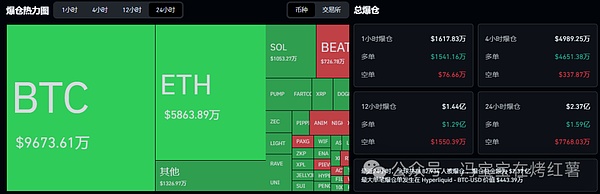
过去24小时全网共有82,934人被被爆仓,爆仓总金额为$2.37亿美元,多单爆仓1.59亿美元,空单爆仓7768.99万美元。
BCT

从近期走势来看,比特币价格试图向上突破关键阻力区,但最终收出一根带长上影线的放量K线,表明上方抛压仍然很大。这根K线出现在下跌趋势线和供应区重合的位置,技术信号十分明确,市场并非没有上涨动力,而是整体结构仍被空头压制。
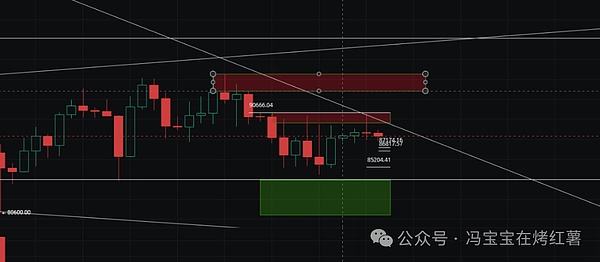
若后续能真正突破88800阻力区,价格有望看向92000至95000区间。上方压力留意89600-90585-91355附近。

每一次冲高都可能是试探,若今天受阻无法收回88800上方,则小级别反弹无力,继续回踩下方支撑87720-86650-85220附近。

ETH

以太坊的走势本质上仍然跟随比特币,即便局部突破了下跌趋势线,但在大周期逻辑未改变前,这类突破的参考意义有限。整体来看,中期至明年上半年,仍维持偏谨慎甚至偏空的判断。
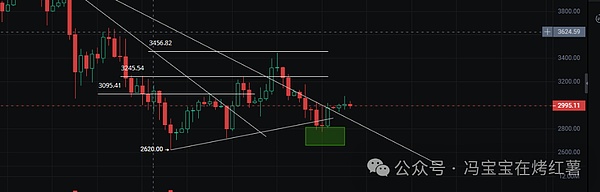
今天留意3010位置,只有站稳此位置上方这波4小时级别回调才算结束行情才会继续上行,上方压力位3043-3078-3115附近。若今天收不上3010上方,那说明小级别反弹没有力度,继续回踩下方支撑2970-2943-2906附近。

山寨

市场从来不会按照任何人的意志运行。真正成熟的交易者,不是预测对了多少次,而是在不同情景下,都提前想好了应对方案。短期看震荡与下行,中期等待更优结构,长期尊重周期。这,才是穿越牛熊的核心逻辑。

$PIPPIN

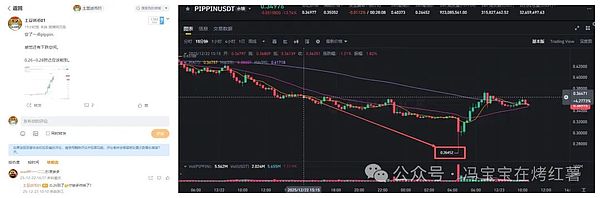
PIPPIN直击0.26目标位,这不是运气,是对趋势的敬畏、对图表的笃定。当所有人追涨时,我等回落,恐慌抛售时,我自从容。下次,你还会怀疑吗?
$SOL

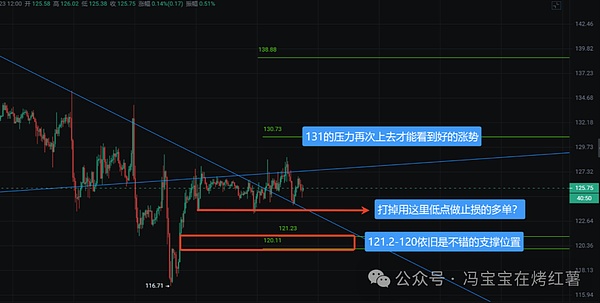
索子上的支撑还是121.2-120之间,要留意下来这里获取流动性的可能。上方压力131还要再次上去才能看到较好的涨势。
$AAVE

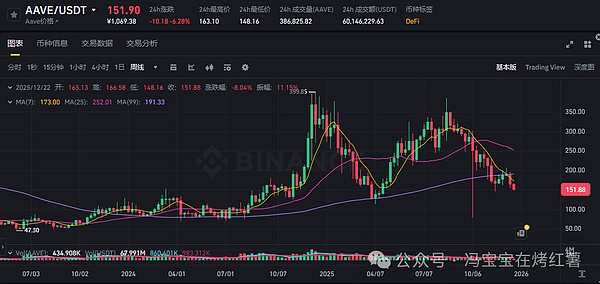
虽然团队开始起内讧,但是从基本面来看AAVE还是优秀的defi借贷项目,跌下来我反而觉得是机会,等再跌跌准备抄底做多试试,大概率不会被埋。
$ASTER

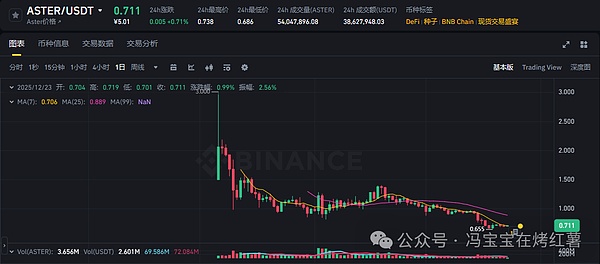
短期下跌应该到头了,技术面超卖、资金面抛压减弱,短线很可能反弹一波。但本质上,这还是个垃圾项目,链上日活才几百人,却撑起几十亿市值,完全不合理!perpdex这个赛道已经有了绝对的龙头那就是HYPE ,ASTER从出生那一刻起就是模仿而不是创新,所以短线反弹之后还会继续下跌。
$哈基米

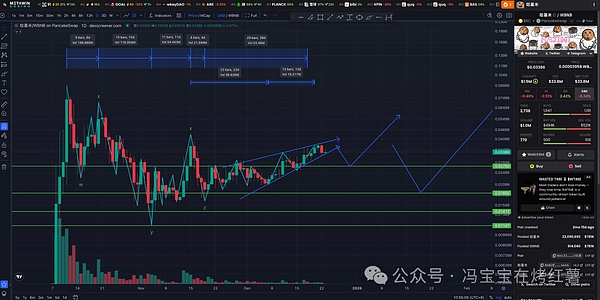
哈基米 楔形形态收尾,马上选方向,短线可盯紧。圣诞节了要,上中文万一出现bug,工程师放假了都没人修。所以新年后中文现货节点可能更好,新年新彩头。没突发情况的话,先回调一波,然后可能是巨大的泵。
$LIQUID

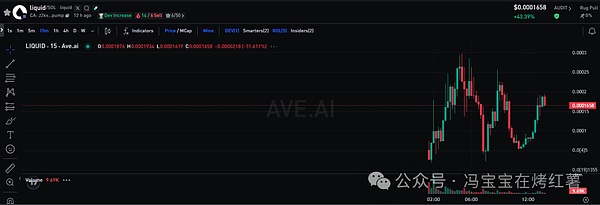
这个币会自动添加LP,是DEV leyten 的项目。对创新机制感兴趣的朋友,可以去关注一下。
$GUA

AI算命项目,刚上合约市值1亿,不算太贵,狗庄非常积极的在维护0.1U的成本,按照Alpha上线至今 26天来算,七位数维护币价的成本是实打实花出去,目前看筑底的样子,止损空间比较窄,可以布局点。

Related Questions

Q比特币当前的关键阻力位和支撑位分别是多少?

A比特币的关键阻力位在88800美元,若突破则可能看向92000至95000区间;下方支撑位在87720-86650-85220附近。

Q以太坊需要站稳哪个位置才能确认4小时级别回调结束?

A以太坊需要站稳3010美元上方,才能确认4小时级别回调结束,行情才会继续上行。

Q文章中提到哪些山寨币适合高抛低吸操作?

A文章提到的适合高抛低吸的山寨币包括SOL、LIQUID、PIPPIN和AAVE。

Q为什么文章对ASTER项目持谨慎态度?

A因为ASTER链上日活仅几百人却撑起几十亿市值,且是模仿HYPE而非创新,基本面不合理,短期反弹后可能继续下跌。

Q当前全网爆仓数据中多单和空单的爆仓金额分别是多少?

A过去24小时全网多单爆仓1.59亿美元,空单爆仓7768.99万美元,总爆仓金额2.37亿美元。

Related Reads

The 'Chip' Challenge and Breakthroughs in China's Optical Industry Chain

China's Photonics Industry: Bottlenecks and Breakthroughs In the global AI race, computing chips dominate the narrative, but the underlying bottleneck increasingly defining the scale of AI clusters is light—or more specifically, optical connectivity. Optical modules, which translate electrical signals to light and vice versa, are crucial for connecting thousands of GPUs in AI data centers, preventing data congestion and ensuring efficient model training. High-speed modules (800G, 1.6T) are now standard, with performance hinging on advanced DSP (Digital Signal Processor) chips. This is where a critical dependency lies. Two US giants—Marvell and Broadcom—collectively dominate over 90% of the high-end DSP chip market. Chinese optical module leaders like Zhongji Innolight and Eoptolink rely on these chips to manufacture modules for overseas AI customers, primarily in North America. While this creates a supply chain vulnerability, complete decoupling is difficult. Marvell derives over half its revenue from Greater China, and the US firms depend on Chinese partners for chip packaging and optical components. The risk from laser chips (e.g., from Lumentum), another key component, is considered more manageable due to multiple global suppliers and faster progress in domestic alternatives from companies like YOFC and Accelink. To mitigate risks, China's industry is pursuing a multi-pronged strategy: diversifying supply chains and locking in long-term orders; fostering a domestic market ecosystem to adopt homegrown DSPs from firms like Huawei HiSilicon and CETC; accelerating R&D in high-speed DSPs and advanced packaging; and investing in next-gen technologies like silicon photonics and Co-Packaged Optics (CPO) to reduce reliance on discrete DSPs. The ultimate solution lies not in short-term博弈 but in persistent advancement of domestic high-end chip R&D and manufacturing. While challenges remain in performance, certification, and ecosystem building, China's vast domestic market and manufacturing base provide a crucial buffer, buying time for the industry to achieve greater technological independence.

marsbit10m ago

The 'Chip' Challenge and Breakthroughs in China's Optical Industry Chain

marsbit10m ago

Behind SpaceX's $2 Trillion Market Cap: Why Does Musk Always Have the Next Move Planned?

On June 12th, SpaceX debuted on the Nasdaq, reaching a valuation that briefly touched $2 trillion. This marked the culmination of a 24-year journey from its founding in 2002, driven by Elon Musk's frustration at the high cost of buying rockets. The company's path was defined by early failures, with its first three Falcon 1 launches ending in explosions before a successful 2008 flight opened the era of commercial spaceflight. Key to its model was a fixed-price NASA contract, incentivizing cost reduction. SpaceX mastered rocket reusability, first achieving a Falcon 9 landing in 2015, which drastically cut launch costs. This enabled its profitable Starlink satellite internet constellation, envisioned years before reusability was proven, to create an internal market for frequent launches. Similarly, the next-generation Starship rocket was in development long before its first flight, with its business case evolving from Mars colonization to supporting the emerging concept of in-orbit data centers for AI—a story now central to its valuation. The company's recent IPO, a reversal of its long-standing "no IPO" stance, is funding this ambitious "space-based compute" vision. While major tech players like Google, Blue Origin, and others are investing heavily, significant technical and cost hurdles remain. Ultimately, SpaceX's history is one of creating its own demand: first with Starlink and now with space-based AI compute, betting that its next rocket will enable its next giant market.

marsbit12m ago

Behind SpaceX's $2 Trillion Market Cap: Why Does Musk Always Have the Next Move Planned?

marsbit12m ago

When Crypto Meets the World Cup: CoinW and Modrić's Art of "Navigating Cycles"

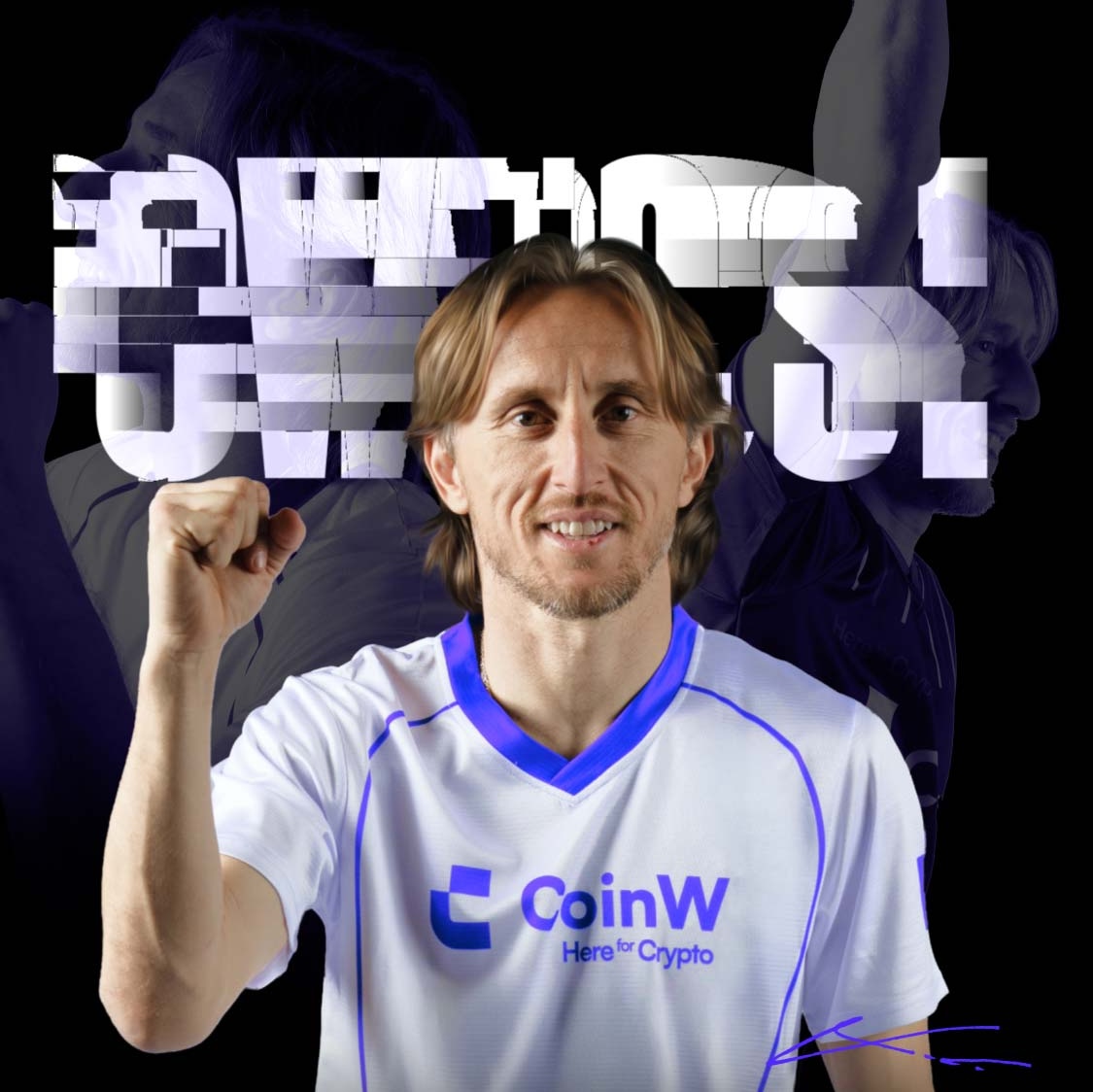
When Encryption Meets the World Cup: CoinW and Modrić's "Transcending Cycles" Philosophy In the context of the 2026 FIFA World Cup and its massive global audience, the crypto exchange CoinW announced football legend Luka Modrić as its global brand ambassador. This move is framed not merely as a marketing tactic, but as a strategic experiment in user profile migration. It targets mature, financially stable football fans—particularly in Europe, Southeast Asia, and Latin America—who traditionally have low crypto awareness but value trusted, time-tested authority figures like Modrić. The article draws parallels between Modrić's enduring, disciplined career—marked by consistency and success at the highest level over two decades—and CoinW's own development path. Founded in 2017 during a volatile industry period, CoinW focused on building robust infrastructure and risk management. It weathered the 2022 industry crisis without major security incidents, subsequently earning recognition like "Europe's Most Trusted Exchange" and growing to over 20 million registered users. This "long-termism" is translated into user-centric products. CoinW Academy lowers the initial knowledge barrier. Its integrated ecosystem (CoinW, GemW, DeriW, PropW) and the recent launch of a TradFi section—offering perpetual contracts on traditional assets like stocks, gold, and oil—aim to create a unified platform for diverse assets. For the World Cup, CoinW launched the "We Are The Game" campaign, collaborating with Alchemy Pay to offer zero-fee deposits and local payment options, aiming to transform spectators into participants and lower entry barriers. Ultimately, CoinW's sports partnerships and product strategy are presented as a concerted effort to build trust and accessibility for the "silent majority" still outside crypto—shifting the industry narrative toward inclusivity and long-term value.

Foresight News18m ago

When Crypto Meets the World Cup: CoinW and Modrić's Art of "Navigating Cycles"

Foresight News18m ago

A Panoramic View of the Solana Privacy Ecosystem: The Complete Privacy Stack from Computation to AI

**Solana Privacy Ecosystem: A Comprehensive Overview from Computation to AI** Solana's privacy ecosystem, while nascent, is rapidly evolving to address key challenges across multiple layers. Key figures like Helius CEO Mert acknowledge that Solana has lagged in privacy but highlight its unique potential for scalable, composable privacy protocols, potentially leveraging technologies like ZK compression without persistent rollups. The foundational layer is **Private Compute**, addressed by providers like Arcium and Magic Block. Arcium utilizes Multi-Party Computation (MPC) networks to process encrypted data off-chain with final settlement on Solana, supporting use cases like confidential payments (via its C-SPL token standard) and encrypted data analysis. Magic Block employs Trusted Execution Environments (TEEs) to create private, ephemeral rollups, offering confidentiality, scalability, and composability. Both enable private order books, dark pools, and DeFi rails. Building on this infrastructure are applications for **Private Transfers and Balances**. Umbra, built on Arcium, offers encrypted token accounts with amount, balance, and sender-receiver linkage privacy, plus compliance features. Privacy Cash uses Tornado-style shielded pools for SOL, while Hush provides private staking and trading with integrated swaps via Jupiter. To eliminate **On-Chain Trails** from everyday activities like trading, protocols like encifherio and VanishTrade are emerging. encifherio privately routes swaps through Jupiter by encrypting transaction details within TEEs. VanishTrade routes trades through shielded liquidity pools. Darklake offers a ZK-native "blind slippage" AMM and private perpetuals to hide trading intent and prevent front-running. More advanced applications include **Private Prediction Markets**. Platforms like Melee Markets use Arcium's MPC to encrypt order books, allowing participants to place hidden bets without revealing their market position until settlement. Finally, the ecosystem is expanding into **Private AI**. Loyal leverages both Magic Block and Arcium to create a decentralized protocol where user-AI interactions, queries, and preferences are encrypted on-chain, giving users ownership and control over their data while enabling private transactions and yield generation. In summary, Solana's privacy stack is developing from core compute and transfer privacy towards sophisticated applications in DeFi, prediction markets, and AI, aiming for a future where Fully Homomorphic Encryption (FHE) and Zero-Knowledge (ZK) proofs combine for a complete privacy solution.

marsbit20m ago

A Panoramic View of the Solana Privacy Ecosystem: The Complete Privacy Stack from Computation to AI

marsbit20m ago

Trading

Spot
Futures

Hot Articles

What is $BITCOIN

DIGITAL GOLD ($BITCOIN): A Comprehensive Analysis Introduction to DIGITAL GOLD ($BITCOIN) DIGITAL GOLD ($BITCOIN) is a blockchain-based project operating on the Solana network, which aims to combine the characteristics of traditional precious metals with the innovation of decentralized technologies. While it shares a name with Bitcoin, often referred to as “digital gold” due to its perception as a store of value, DIGITAL GOLD is a separate token designed to create a unique ecosystem within the Web3 landscape. Its goal is to position itself as a viable alternative digital asset, although specifics regarding its applications and functionalities are still developing. What is DIGITAL GOLD ($BITCOIN)? DIGITAL GOLD ($BITCOIN) is a cryptocurrency token explicitly designed for use on the Solana blockchain. In contrast to Bitcoin, which provides a widely recognized value storage role, this token appears to focus on broader applications and characteristics. Notable aspects include: Blockchain Infrastructure: The token is built on the Solana blockchain, known for its capacity to handle high-speed and low-cost transactions. Supply Dynamics: DIGITAL GOLD has a maximum supply capped at 100 quadrillion tokens (100P $BITCOIN), although details regarding its circulating supply are currently undisclosed. Utility: While precise functionalities are not explicitly outlined, there are indications that the token could be utilized for various applications, potentially involving decentralized applications (dApps) or asset tokenization strategies. Who is the Creator of DIGITAL GOLD ($BITCOIN)? At present, the identity of the creators and development team behind DIGITAL GOLD ($BITCOIN) remains unknown. This situation is typical among many innovative projects within the blockchain space, particularly those aligning with decentralized finance and meme coin phenomena. While such anonymity may foster a community-driven culture, it intensifies concerns about governance and accountability. Who are the Investors of DIGITAL GOLD ($BITCOIN)? The available information indicates that DIGITAL GOLD ($BITCOIN) does not have any known institutional backers or prominent venture capital investments. The project seems to operate on a peer-to-peer model focused on community support and adoption rather than traditional funding routes. Its activity and liquidity are primarily situated on decentralized exchanges (DEXs), such as PumpSwap, rather than established centralized trading platforms, further highlighting its grassroots approach. How DIGITAL GOLD ($BITCOIN) Works The operational mechanics of DIGITAL GOLD ($BITCOIN) can be elaborated on based on its blockchain design and network attributes: Consensus Mechanism: By leveraging Solana’s unique proof-of-history (PoH) combined with a proof-of-stake (PoS) model, the project ensures efficient transaction validation contributing to the network's high performance. Tokenomics: While specific deflationary mechanisms have not been extensively detailed, the vast maximum token supply implies that it may cater to microtransactions or niche use cases that are still to be defined. Interoperability: There exists the potential for integration with Solana’s broader ecosystem, including various decentralized finance (DeFi) platforms. However, the details regarding specific integrations remain unspecified. Timeline of Key Events Here is a timeline that highlights significant milestones concerning DIGITAL GOLD ($BITCOIN): 2023: The initial deployment of the token occurs on the Solana blockchain, marked by its contract address. 2024: DIGITAL GOLD gains visibility as it becomes available for trading on decentralized exchanges like PumpSwap, allowing users to trade it against SOL. 2025: The project witnesses sporadic trading activity and potential interest in community-led engagements, although no noteworthy partnerships or technical advancements have been documented as of yet. Critical Analysis Strengths Scalability: The underlying Solana infrastructure supports high transaction volumes, which could enhance the utility of $BITCOIN in various transaction scenarios. Accessibility: The potential low trading price per token could attract retail investors, facilitating wider participation due to fractional ownership opportunities. Risks Lack of Transparency: The absence of publicly known backers, developers, or an audit process may yield skepticism regarding the project's sustainability and trustworthiness. Market Volatility: The trading activity is heavily reliant on speculative behavior, which can result in significant price volatility and uncertainty for investors. Conclusion DIGITAL GOLD ($BITCOIN) emerges as an intriguing yet ambiguous project within the rapidly evolving Solana ecosystem. While it attempts to leverage the “digital gold” narrative, its departure from Bitcoin's established role as a store of value underscores the need for a clearer differentiation of its intended utility and governance structure. Future acceptance and adoption will likely depend on addressing the current opacity and defining its operational and economic strategies more explicitly. Note: This report encompasses synthesised information available as of October 2023, and developments may have transpired beyond the research period.

380 Total ViewsPublished 2025.05.13Updated 2025.05.13

What is $BITCOIN

Discussions

Welcome to the HTX Community. Here, you can stay informed about the latest platform developments and gain access to professional market insights. Users' opinions on the price of BTC (BTC) are presented below.

活动图片