零知识证明预售拍卖需求火爆,SHIB和Zcash深陷波动困境!

TheNewsCryptoPublished on 2025-12-10Last updated on 2025-12-10

Abstract

加密货币市场持续波动,Shiba Inu(SHIB)价格在0.00000857美元附近小幅震荡,短期阻力位为0.00000863美元,预计将维持横盘走势。Zcash(ZEC)则经历大幅回调,24小时内下跌近20%,现报360美元,较年度高点下跌50%。分析师预测其年底可能回升至531美元左右,但长期前景仍存在不确定性。 在此背景下,Zero Knowledge Proof(ZKP)的预售拍卖成为市场焦点。该拍卖采用每日动态定价机制,持续450天,价格根据当日需求自动波动,无团队干预,强调公平透明。早期参与者有望获得更低入场价格,且系统能避免市场剧烈波动和巨鲸操控,因此被许多投资者视为当前更安全的投资选择。随着预售热度攀升,ZKP正吸引大量寻求稳定收益的用户关注。 总体而言,在市场高度波动时期,ZKP的预售模式因其结构公平性和长期盈利潜力,被认为比SHIB和Zcash更具投资价值。

市场波动持续震荡加密领域,柴犬币的最新走势提醒着交易者们行情变化能有多快。如今持有者们正密切关注这个 meme 币的每一个动向,期待其走势趋于稳定。同样的情绪也蔓延至 Zcash,该币种近几周同样经历了难以预测的起起落落。

由于当前的波动性,零知识证明(Zero Knowledge Proof)的预售拍卖现下成为了加密市场最热门的话题之一。人们之所以关注,是因为这个系统感觉简单、开放且对所有人公平。它还为早期买家提供了随时间推移获取更佳利润的机会,因此许多人将其视为当前最值得购买的加密货币。

本周柴犬币价格分析

柴犬币价格呈现温和波动,在过去24小时上涨1.58%后,交易价格接近0.00000857美元。图表显示局部阻力位在0.00000863美元,价格需要收于该水平附近或上方才能推动其走向0.00000870美元区间。柴犬币价格继续横盘整理,这种情况可能会在未来几天持续。

在更高的时间框架上,情况保持中性。多头和空头都未主导趋势,且价格远离主要水平。这降低了在12月中旬之前出现剧烈波动的可能性。除非出现明确的转变,否则柴犬币价格目前很可能保持其稳定区间。

Zcash 价格展望与 2025 年 12 月预期

Zcash 价格在过去24小时暴跌近20%后经历了急剧回调。其价格从461美元跌至360美元,目前较其736美元的年度高点下跌了约50%。一些分析师认为,如果技术指标改善,它可能会复苏,但其他人警告称,疲软的动能可能会限制任何短期反弹。如果图表走势转强,Zcash 价格到 2025 年 12 月底可能达到 531.22 美元左右。
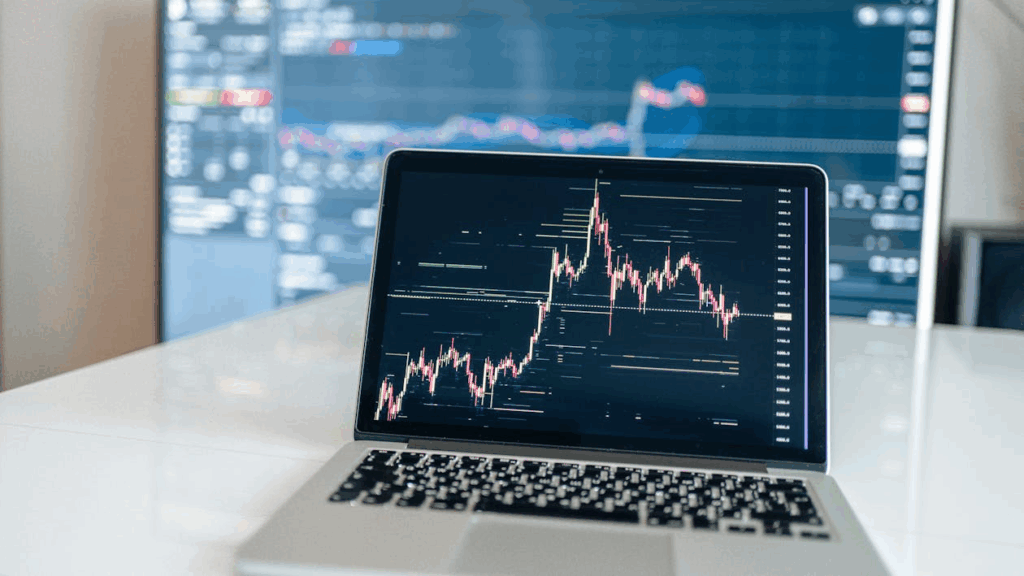
长期预测显示范围很广。一些模型表明,ZEC 可能在 2027 年突破 1000 美元,并有可能在 2030 年升至 2200 美元附近。这些数字取决于稳定的增长和更强的生态系统活动。Zcash 价格在 2025 年可能在 400 多美元中段至 700 美元之间波动,但这些估计存在不确定性。加密市场仍然波动剧烈,实际结果可能有所不同。

零知识证明(ZKP)现场预售拍卖迅速吸引买家!

零知识证明(ZKP)的预售拍卖已经上线,需求每分钟都在激增!许多交易者现在选择这条道路,而不是在波动的市场中下风险赌注。他们将其视为更安全、更稳定的资金增长方式。其结构感觉公正,规则对每个人都清晰明了。仅此一点就吸引了大量正在寻找当前最佳加密货币购买选择的人们的关注。

ZKP 预售拍卖的运作方式简单。它持续 450 天,每天都有各自的拍卖。价格根据当天购买人数的多少每日变化。高需求推高价格,低需求拉低价格。没有团队成员控制它。一切基于数学运行,这使得过程感觉更加诚实和可预测。买家根据加入的时间和花费的金额获得自己的平均价格。

这种每日设置有助于人们更好地规划。早期买家通常能获得最便宜的入场机会,因为在预售拍卖开始时知道的人较少。随着项目变得流行,更多买家加入,价格会稳定在更高水平。这就是为什么许多交易者说真正的机会在于早期阶段。它给了他们在市场升温、利润空间收紧之前增长回报的空间。
人们还喜欢这个系统对每个人都保持公平的方式。没有突然的拉盘计划或巨鲸接管。当代币最终在交易所上市时,公开市场将根据需求最高的日子决定其价值,这意味着所有参与者最终都将受益!许多人相信,随着预售拍卖的继续,需求将会上升。这种公平性、早期盈利潜力和长期价格发现的结合,正是 ZKP 预售目前获得巨大关注的原因。

当前最值得购买的加密货币是哪个?

当市场显示出如此强烈的波动性时,直接跳入信誉良好的加密硬币似乎风险巨大。近期的柴犬币走势凸显了这种担忧,交易者仍在等待更明确的方向。Zcash 价格也出现了类似的模式,剧烈的波动使得长期规划变得困难。

然而,有一个选择似乎比其他选择安全得多。那就是零知识证明(ZKP)!其预售拍卖已经上线,并因其简单公平的结构而获得广泛关注。它为早期买家提供了更好的入场点,并避免了其他币种所见的突然波动。凭借其平衡的系统和稳定的需求,许多人认为,随着市场走向更加不确定的未来,它可能是当前最值得购买的加密货币。

加入零知识证明 (ZKP)

  • 网站: Zkp.com

免责声明:TheNewsCrypto 不认可本页任何内容。本新闻稿中描述的内容不构成任何投资建议。TheNewsCrypto 建议读者根据自己的研究做出决定。TheNewsCrypto 不对本新闻稿中所述内容、产品或服务相关的任何损害或损失负责。


Tags市场SHIBZcash

Related Questions

Q根据文章,Shiba Inu (SHIB) 当前的价格是多少?

AShiba Inu 当前的价格约为0.00000857美元。

QZcash (ZEC) 的价格在最近24小时内下跌了多少?

AZcash 的价格在最近24小时内下跌了近20%。

QZero Knowledge Proof (ZKP) 的拍卖机制是如何运作的?

AZKP的预售拍卖持续450天,每天进行一次拍卖。当天的价格根据当天的购买人数动态变化:需求高则价格上涨,需求低则价格下跌。整个过程由算法控制,确保公平,早期购买者通常能获得更低的进入价格。

Q文章认为,在当前市场波动下,哪个加密货币是更安全的选择?

A文章认为,在当前市场波动下,Zero Knowledge Proof (ZKP) 的预售拍卖是一个更安全、更稳定的选择。

Q文章对Zcash在2025年12月的价格预测是多少?

A文章提到,如果图表技术指标得到加强,Zcash的价格在2025年12月底可能达到约531.22美元。

Related Reads

The Trillion-Yuan Market Cap 'Yi Zhong Tian': Who is the True Value King?

The article analyzes the three leading Chinese optical module companies, collectively nicknamed "Yi Zhong Tian": Xinyisheng, Zhongji Innolight, and TFC Optical Communication. It evaluates their "cost-performance" not by current stock price, but through three lenses: PEG ratio (growth vs. valuation), earnings quality, and premium/discount for certainty. Xinyisheng shows the most attractive PEG ratio and high profitability, but its valuation reflects discounts for risks like high customer concentration and reliance on overseas markets. Zhongji Innolight, the most expensive, commands a premium for its market leadership, dominant share in key products like 800G/1.6T modules, and higher earnings certainty, though it faces geopolitical risks. TFC Optical, as an upstream component supplier ("water seller"), has the highest gross margin and bets on the long-term CPO/NPO architecture trend, but trades at a high valuation with more stable, less explosive growth. The core argument is that while these companies dominate module assembly, the true profit pool and technological moat lie upstream in laser and switch chips, currently controlled by U.S. firms like Lumentum and Coherent. The long-term "cost-performance" for these Chinese leaders hinges on whether the domestic industry, exemplified by companies like Yuanjie Technology, can successfully move up the value chain into high-power laser chips. Otherwise, their high growth may remain confined to the lower-margin assembly segment.

marsbit1m ago

The Trillion-Yuan Market Cap 'Yi Zhong Tian': Who is the True Value King?

marsbit1m ago

Has the Crypto Market Bottomed? Here's What Institutions Think

The crypto market is in a period of significant debate, with leading institutions offering differing views on whether a bottom has been reached. Three prominent firms have published detailed analyses: * **Galaxy Digital** argues Bitcoin has **not yet bottomed**. Their analysis of 13 historical indicators across six dimensions (valuation, profit-taking, miner pressure, etc.) shows only four are fully met. They project a potential bottom range between $30k and $54k. * **NYDIG** states a bottom is **possible but not likely**. While metrics are close to historic bear market extremes, they note the absence of a classic panic-selling event. They also suggest increased institutional adoption may have structurally altered the market cycle, potentially leading to a shallower downturn. * **Standard Chartered Bank** asserts the **bottom has already occurred** at around $59k. They cite two key factors: potential US-Iran diplomatic progress and the anticipated SpaceX IPO, which they believe absorbed capital and caused ETF selling pressure that is now subsiding. They forecast a year-end price target of $100k. Despite the surface-level disagreement, the reports share critical common ground more valuable for long-term investors: 1. All three believe the market bottom will form **within this year**. 2. All agree the current price is **closer to the bottom than to previous highs**. 3. All maintain a **bullish long-term outlook** for Bitcoin and a new cycle. The core takeaway is that while the exact bottom price ($40k, $50k, or $60k) is debated, the consensus is that a bottom is imminent. For long-term holders, the primary focus should not be pinpointing the absolute low, but on the future potential for prices to reach $100k, $200k, or higher. The fundamental thesis for Bitcoin—sovereign debt accumulation, inflation, declining trust in centralized institutions, global digitization, and improved accessibility—remains intact and is arguably strengthening. The overall landscape is viewed as more favorable than in previous crypto winters.

marsbit11m ago

Has the Crypto Market Bottomed? Here's What Institutions Think

marsbit11m ago

The 'Chip' Challenge and Breakthroughs in China's Optical Industry Chain

China's Photonics Industry: Bottlenecks and Breakthroughs In the global AI race, computing chips dominate the narrative, but the underlying bottleneck increasingly defining the scale of AI clusters is light—or more specifically, optical connectivity. Optical modules, which translate electrical signals to light and vice versa, are crucial for connecting thousands of GPUs in AI data centers, preventing data congestion and ensuring efficient model training. High-speed modules (800G, 1.6T) are now standard, with performance hinging on advanced DSP (Digital Signal Processor) chips. This is where a critical dependency lies. Two US giants—Marvell and Broadcom—collectively dominate over 90% of the high-end DSP chip market. Chinese optical module leaders like Zhongji Innolight and Eoptolink rely on these chips to manufacture modules for overseas AI customers, primarily in North America. While this creates a supply chain vulnerability, complete decoupling is difficult. Marvell derives over half its revenue from Greater China, and the US firms depend on Chinese partners for chip packaging and optical components. The risk from laser chips (e.g., from Lumentum), another key component, is considered more manageable due to multiple global suppliers and faster progress in domestic alternatives from companies like YOFC and Accelink. To mitigate risks, China's industry is pursuing a multi-pronged strategy: diversifying supply chains and locking in long-term orders; fostering a domestic market ecosystem to adopt homegrown DSPs from firms like Huawei HiSilicon and CETC; accelerating R&D in high-speed DSPs and advanced packaging; and investing in next-gen technologies like silicon photonics and Co-Packaged Optics (CPO) to reduce reliance on discrete DSPs. The ultimate solution lies not in short-term博弈 but in persistent advancement of domestic high-end chip R&D and manufacturing. While challenges remain in performance, certification, and ecosystem building, China's vast domestic market and manufacturing base provide a crucial buffer, buying time for the industry to achieve greater technological independence.

marsbit25m ago

The 'Chip' Challenge and Breakthroughs in China's Optical Industry Chain

marsbit25m ago

Behind SpaceX's $2 Trillion Market Cap: Why Does Musk Always Have the Next Move Planned?

On June 12th, SpaceX debuted on the Nasdaq, reaching a valuation that briefly touched $2 trillion. This marked the culmination of a 24-year journey from its founding in 2002, driven by Elon Musk's frustration at the high cost of buying rockets. The company's path was defined by early failures, with its first three Falcon 1 launches ending in explosions before a successful 2008 flight opened the era of commercial spaceflight. Key to its model was a fixed-price NASA contract, incentivizing cost reduction. SpaceX mastered rocket reusability, first achieving a Falcon 9 landing in 2015, which drastically cut launch costs. This enabled its profitable Starlink satellite internet constellation, envisioned years before reusability was proven, to create an internal market for frequent launches. Similarly, the next-generation Starship rocket was in development long before its first flight, with its business case evolving from Mars colonization to supporting the emerging concept of in-orbit data centers for AI—a story now central to its valuation. The company's recent IPO, a reversal of its long-standing "no IPO" stance, is funding this ambitious "space-based compute" vision. While major tech players like Google, Blue Origin, and others are investing heavily, significant technical and cost hurdles remain. Ultimately, SpaceX's history is one of creating its own demand: first with Starlink and now with space-based AI compute, betting that its next rocket will enable its next giant market.

marsbit28m ago

Behind SpaceX's $2 Trillion Market Cap: Why Does Musk Always Have the Next Move Planned?

marsbit28m ago

Trading

Spot
Futures

Hot Articles

Discussions

Welcome to the HTX Community. Here, you can stay informed about the latest platform developments and gain access to professional market insights. Users' opinions on the price of S (S) are presented below.

活动图片














