С мая цена акций Nakamoto Holdings упала более чем на 98 %

cryptonews.ruPublished on 2025-02-27Last updated on 2025-10-31

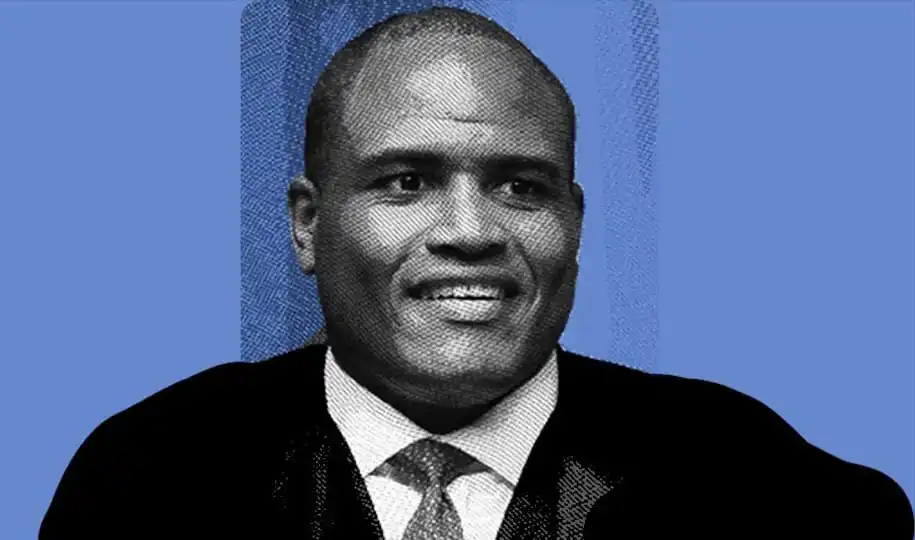
Цена акций Nakamoto Holding упала более чем на 98 % по сравнению с историческим максимумом, достигнутым в мае. Падение произошло из-за частных инвестиций в акционерный капитал (PIPE) на сумму 563 миллиона долларов, что спровоцировало активные продажи со стороны инвесторов.

Модель финансирования компании Bitcoin Treasury предполагала продажу акций с большой скидкой частным инвесторам для финансирования покупки биткоинов, что привело к значительному размыванию капитала существующих акционеров. Сделка провалилась после того, как в сентябре на продажу была выставлена большая партия акций PIPE.

Бейли хочет объединить Nakamoto с другими компаниями

Генеральный директор компании Дэвид Бейли подтвердил, что рынок заполонили ордера на продажу, что привело к резкому падению цен на акции и потере миллиардов рыночной стоимости. Он также призвал инвесторов в письме к акционерам продавать акции, если они были куплены с расчётом на краткосрочную прибыль.

Бейли представил продажу как часть долгосрочной стратегии. Он заявил в недавнем интервью Forbes, что люди, которые просто ищут возможность для обмена, являются дорогостоящим капиталом для компании. Технический руководитель также призвал к долгосрочному сотрудничеству с партнёрами.

Бейли сообщил, что Nakamoto Holdings планирует объединить несколько других своих предприятий, в том числе Bitcoin Magazine, конференцию Bitcoin и UTXO Management, которой принадлежит хедж-фонд 210k Capital, чтобы увеличить денежный поток. Он также считает, что эта инициатива позволит компании стать конгломератом, ориентированным на биткоин.

Nakamoto Holdings владеет 5765 биткоинами на своём балансе, что составляет около 653 миллионов долларов, согласно данным BitcoinTreasuries. Благодаря своим активам компания Bitcoin Treasury занимает 19-е место среди публичных держателей BTC.

Цена акций компании по-прежнему сильно занижена по сравнению с её активами в биткоинах. На момент публикации акции Nakamoto (NAKA) торгуются по цене около 0,9480 доллара, что ниже майского максимума почти в 35 долларов.

В мае Nakamoto Holdings объединилась с KindlyMD, поставщиком медицинских услуг, чтобы создать казначейство BTC. Бейли рассказал о планах компании по развитию экосистемы компаний, использующих биткоин, включая медиа, консалтинговые и финансовые услуги. Все они направлены на ускорение внедрения и использования биткоина.

«Традиционные финансы и рынки, ориентированные на биткоин, сближаются. Секьюритизация биткоина изменит экономическую карту мира. Мы верим, что наступит будущее, в котором каждый баланс — государственный или частный — будет содержать биткоин».

— Дэвид Бейли, генеральный директор Nakamoto Holdings.

Бейли добавил, что компания стремится вывести биткоин на лидирующие позиции на мировых рынках капитала за счёт интеграции в привилегированные акции, собственный капитал, долговые обязательства и новые гибридные структуры. Он также сообщил, что миссия компании заключается в листинге таких инструментов на всех крупных биржах мира. В начале сентября Бейли также поклялся, что он полностью вложился в биткоин.

Стратегия сообщает о положительных результатах в третьем квартале

Стратегия Bitcoin Treasury Майкла Сэйлора продолжает набирать обороты: за третий квартал 2025 года компания получила чистую прибыль в размере 2,8 миллиарда долларов. В прошлом году компания понесла убытки в размере 340 миллионов долларов. Компания BTC Treasury фиксировала убытки до четвёртого квартала 2024 года из-за падения цены биткоина.

Strategy также подтвердила свои прогнозы на весь год: операционная прибыль составит 34 миллиарда долларов, а прибыль от биткоина — 20 миллиардов долларов. В настоящее время компания является крупнейшим в мире корпоративным держателем биткоина: в её активах 640 808 BTC на сумму около 47,44 миллиарда долларов, что обусловлено вниманием президента Дональда Трампа к криптовалютному сектору.

На момент публикации биткоин торгуется по цене 109 816 долларов, что на 1 % выше, чем днём ранее. За последние 7 дней цифровой актив подешевел более чем на 1,2 %, а за последние 30 дней — примерно на 4,27 %.

Сэйлор прогнозирует, что к концу года цена биткоина достигнет 150 000 долларов. Он утверждает, что рост будет обусловлен снижением волатильности и более чёткой структурой рынка. «Бык» биткоина также сообщил, что его долгосрочный прогноз составляет около 30% в год в течение следующих 20 лет, поскольку компания приближается к отметке в 20 миллионов долларов в биткоинах.

Related Reads

Apple and the Power Rebalancing with 'The Microns': Dissecting the Profit Ledger Behind the iPhone

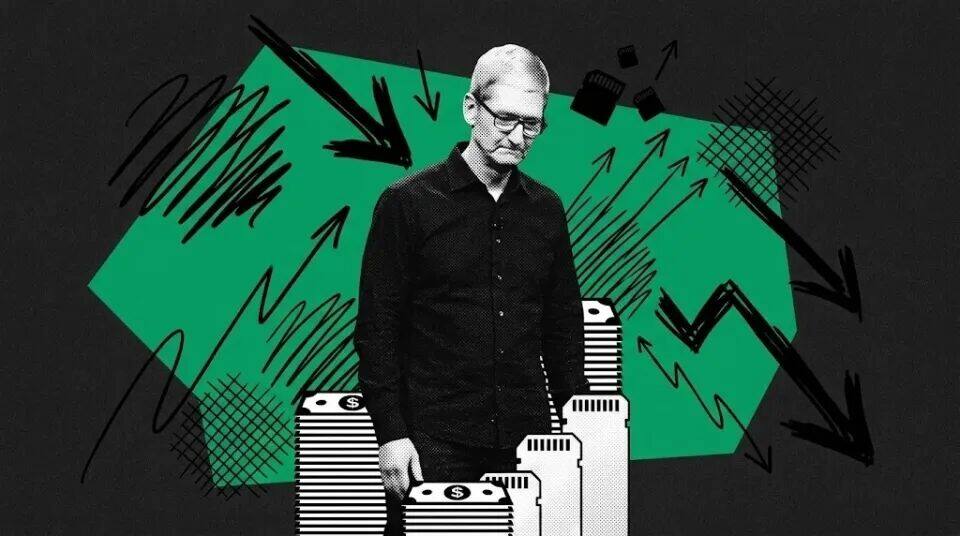
The article analyzes the shifting profit dynamics and power balance between Apple and memory suppliers like Micron within the iPhone supply chain. It highlights a social media post criticizing Apple for raising iPhone prices while blaming memory chip cost increases, despite historically paying suppliers like Micron very little. An estimated iPhone 18 cost breakdown is referenced. Historically, memory was a minor cost component. In 2017's iPhone X, memory accounted for only about 1.6-2.3% of the price, with Apple capturing nearly 50% net profit. Over time, memory's share of the Bill-of-Materials (BOM) cost has grown significantly, reaching an estimated 12-15% for the iPhone 17 series. The core driver of this change is soaring demand for memory from the AI industry, particularly for High Bandwidth Memory (HBM) and AI servers, which is diverting production capacity and squeezing supply for consumer electronics. Memory manufacturers, after enduring periods of low profits, now hold greater pricing power. This is reflected in their recent strong financials, like Micron's 84.6% gross margin. Apple CEO Tim Cook initially described the memory price pressure as unprecedented in his 40-year career, later calling it a "once-in-a-century flood," before Apple announced price hikes across several product lines, causing a significant stock drop. Elon Musk echoed Cook's sentiment about the dramatic cost surge. The article concludes that the era of memory suppliers being at the mercy of Apple's pricing power has temporarily reversed, thanks to AI-driven demand. It notes Apple is reportedly seeking to diversify its supply chain, including exploring chips from China's CXMT.

Odaily星球日报5m ago

Apple and the Power Rebalancing with 'The Microns': Dissecting the Profit Ledger Behind the iPhone

Odaily星球日报5m ago

Conversation with the Founder of 42 Macro: The Fed's 'Boiling the Frog Slowly' and the K-Shaped Economy

In a conversation with Anthony Pompliano, Darius Dale, founder of 42 Macro, discusses the Federal Reserve's monetary policy and the K-shaped U.S. economy. Dale characterizes new Fed Chair Kevin Warsh as a "dove in hawk's clothing," expecting the Fed to signal or enact policy tightening in the coming quarters to create room for later easing. He argues current economic signals, including high deficit spending, debt monetization, and credit growth, strongly indicate inflation is not on a credible path back to 2%, forcing the Fed to act. The discussion highlights the stark "K-shaped" economic reality. While top earners, buoyed by massive cash savings (up ~$8 trillion since pre-pandemic), continue robust spending, those at the bottom face severe financial strain, with delinquency rates on consumer loans reaching crisis-era highs. Dale attributes much of the current social and political anxiety to this divergence, driven by the "Cantillon effects" of monetary expansion, which disproportionately benefits asset owners. He emphasizes that in this environment of "financial repression," individuals must participate in asset markets to avoid being left behind. On equities, Dale notes a rotation from the "Magnificent Seven" tech giants into broader AI-exposed companies, while warning that the tech giants' massive capital expenditure cycles could eventually puncture over-optimistic cash flow projections. Dale concludes by stressing that the core desire across all economic strata is simply the dignity to provide for one's family, a goal currently undermined by systemic policies that act as a "wealth siphon" from the bottom to the top.

marsbit34m ago

Conversation with the Founder of 42 Macro: The Fed's 'Boiling the Frog Slowly' and the K-Shaped Economy

marsbit34m ago

The Domestic Answer to Space Computing Power: Photonics Are More Efficient, Musk and Huang's Approaches Are Too Roundabout

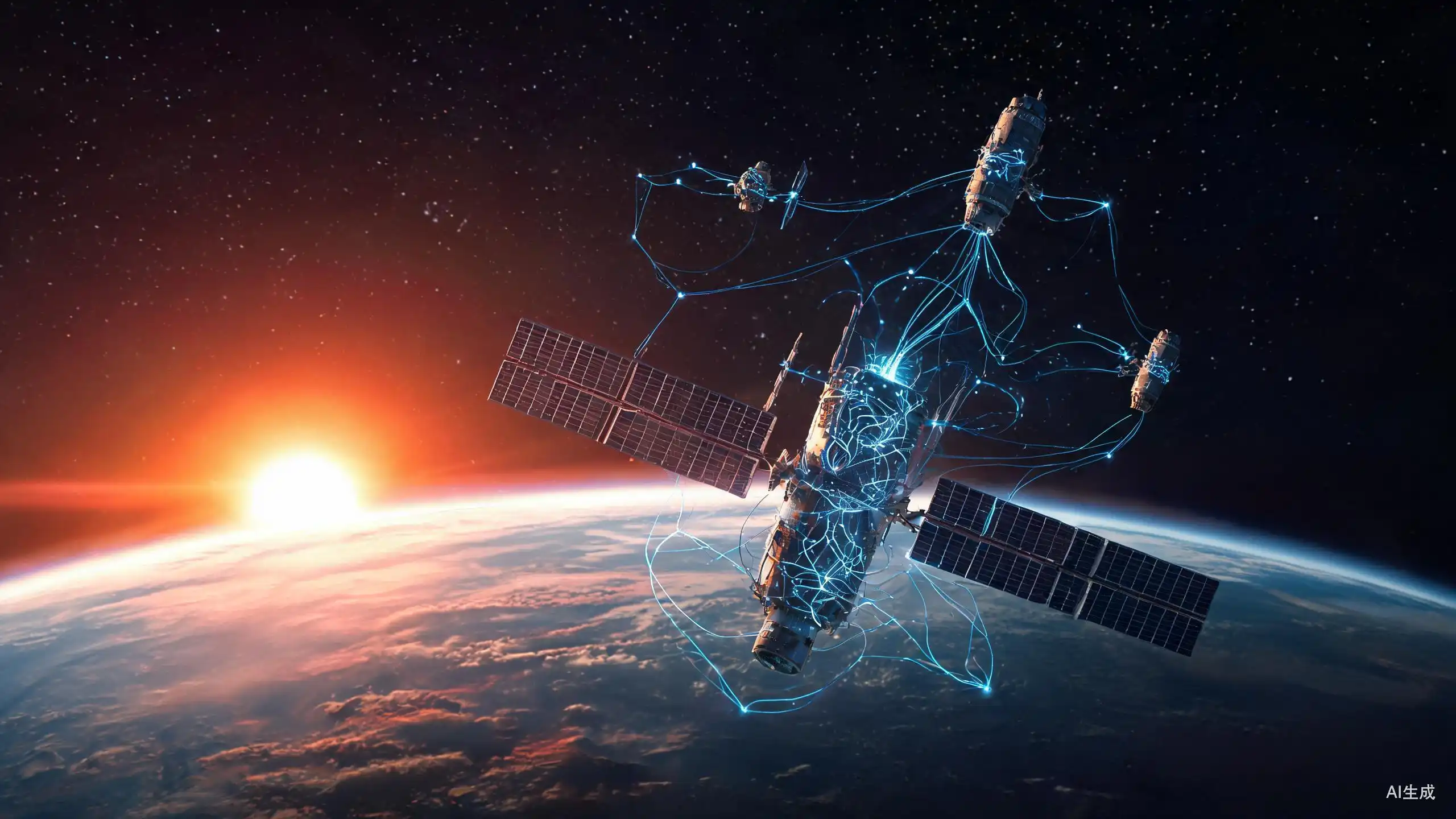
The Space Computing Race: A Photonic Advantage The competition for space-based computing has intensified, with figures like Elon Musk and NVIDIA's Jensen Huang highlighting its potential. Musk predicts solar-powered AI satellites could offer the most cost-effective computing by 2032. However, space presents extreme challenges for traditional electronic chips: radiation from cosmic particles can cause errors, the vacuum environment hinders heat dissipation, and limited solar power constrains energy-hungry systems. Photonic computing, using light instead of electrons, offers a promising solution. Its core advantages for space are threefold: 1) **Radiation Resistance**: Photons are charge-neutral, making them inherently immune to particle interference. 2) **Low Heat Generation**: Light propagation in waveguides generates minimal heat, bypassing critical thermal management issues. 3) **Low Power Consumption**: Photonic chips have near-zero static power draw, aligning perfectly with the energy constraints of satellites. Furthermore, for a given payload weight and volume, photonic systems can potentially deliver higher total compute density. Since they require less bulky cooling and power infrastructure, more space can be allocated to the compute units themselves. While photonic computing holds great promise, current industry approaches face hurdles like the memory-compute bottleneck (separate storage and processing) and challenges in large-scale integration. Engineering for space—withstanding launch vibrations and validating full system operation in orbit—remains a critical step. The path forward resembles the evolution from single GPUs to computing clusters, but via a photonic route. As electronic chips approach physical limits in miniaturization, photonic computing and optical interconnects (光算光联) may provide a key alternative to bypass these constraints and define the next generation of space-based computing capabilities.

marsbit1h ago

The Domestic Answer to Space Computing Power: Photonics Are More Efficient, Musk and Huang's Approaches Are Too Roundabout

marsbit1h ago

Trading

Spot
活动图片