美联储主席之争,11位候选人谁将执掌货币政策大权?

深潮Published on 2025-08-19Last updated on 2025-08-20

11个人,一把椅子,无数种可能。

8月,当美联储主席鲍威尔在杰克逊霍尔年会上发表可能是他任内最后一次重要演讲时,下一届主席的竞争已悄然打响。

现任财政部长斯科特·贝森特手中,握着一份11 个候选人的名单。

从9月1日劳工节开始,贝森特将逐一会见这些候选人,为特朗普总统筛选出最终人选。

此前,特朗普毫不掩饰对现任主席鲍威尔的不满,多次公开称其为"numbskull"(笨蛋)和"moron"(白痴)。他渴望一位更"听话"的美联储主席,但又需要维护美联储的独立性声誉。

谁更有可能成为美联储的下一任主席?我们也对这11位候选人做了一个盘点。
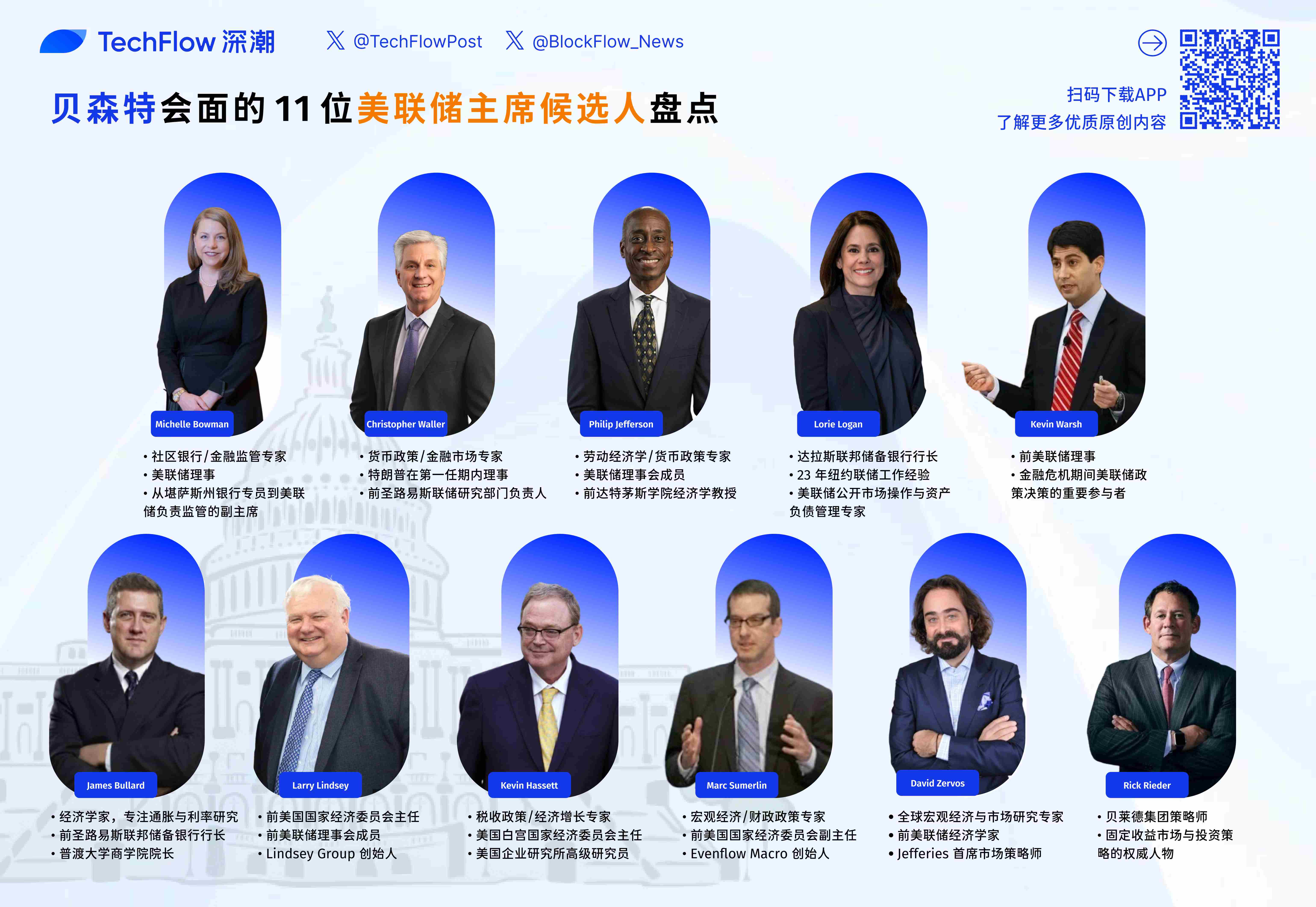
第一梯队:美联储体系内的接班种子

美联储内部的四位高官构成了最具竞争力的第一梯队。

他们熟悉美联储的运作机制,拥有丰富的政策制定经验,最重要的是他们已经在当下的货币政策框架内证明了自己。

Michelle Bowman:监管铁娘子

关键标签:「唯一的异议者」

作为美联储理事会中最年轻的成员之一,54岁的Michelle Bowman却可能是最强硬的鹰派。2024年,当美联储开始降息周期时,她是唯一投下反对票的理事——这种勇气让她在特朗普团队中赢得了尊重。

核心优势:

  • 拥有完整的金融监管履历:从堪萨斯州银行专员到美联储负责监管的副主席

  • 理解社区银行,与特朗普"松绑中小银行"的理念不谋而合

  • 性格强硬,敢于坚持己见

潜在挑战: 她的强硬立场可能让市场担忧货币政策过度紧缩。

Christopher Waller:学者型实干家

关键标签:「鲍威尔2.0」

65岁的Waller可能是最"安全"的选择。他是前圣路易斯联储研究总监,拥有深厚的学术功底与政策实操经验。更重要的是,他是特朗普在第一任期内亲自提名的理事。

核心优势:

  • 货币经济学权威,发表过大量关于央行数字货币和金融稳定的研究

  • 沟通能力出色,演讲常常能精准引导市场预期

潜在挑战: 可能被视为过于"传统",缺乏特朗普期待的改革魄力。

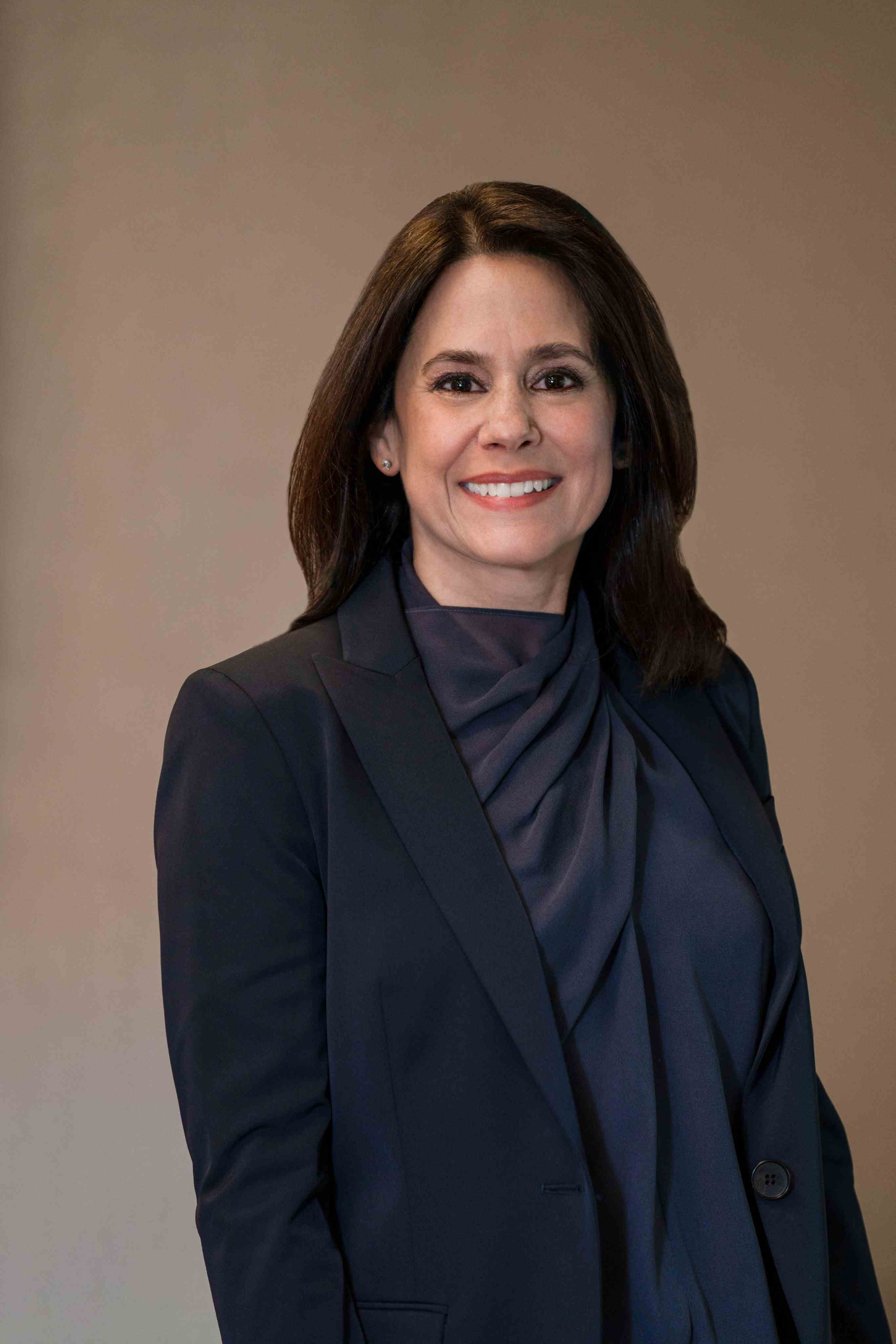
Philip Jefferson:非裔身份,现任副主席

关键标签:「稳健的协调者」

如果当选,63岁的Philip Jefferson将成为美联储历史上首位非裔主席。但他的优势远不止于此。作为现任副主席,他是美联储内部最熟悉日常运作的人。

核心优势:

  • 劳动经济学专家,对就业市场有独到见解,这正是特朗普最关心的指标

  • 学术背景深厚,是达特茅斯学院经济学教授,但又不失实践经验

潜在挑战: 被认为过于谨慎,可能缺乏在危机时刻的果断决策能力。
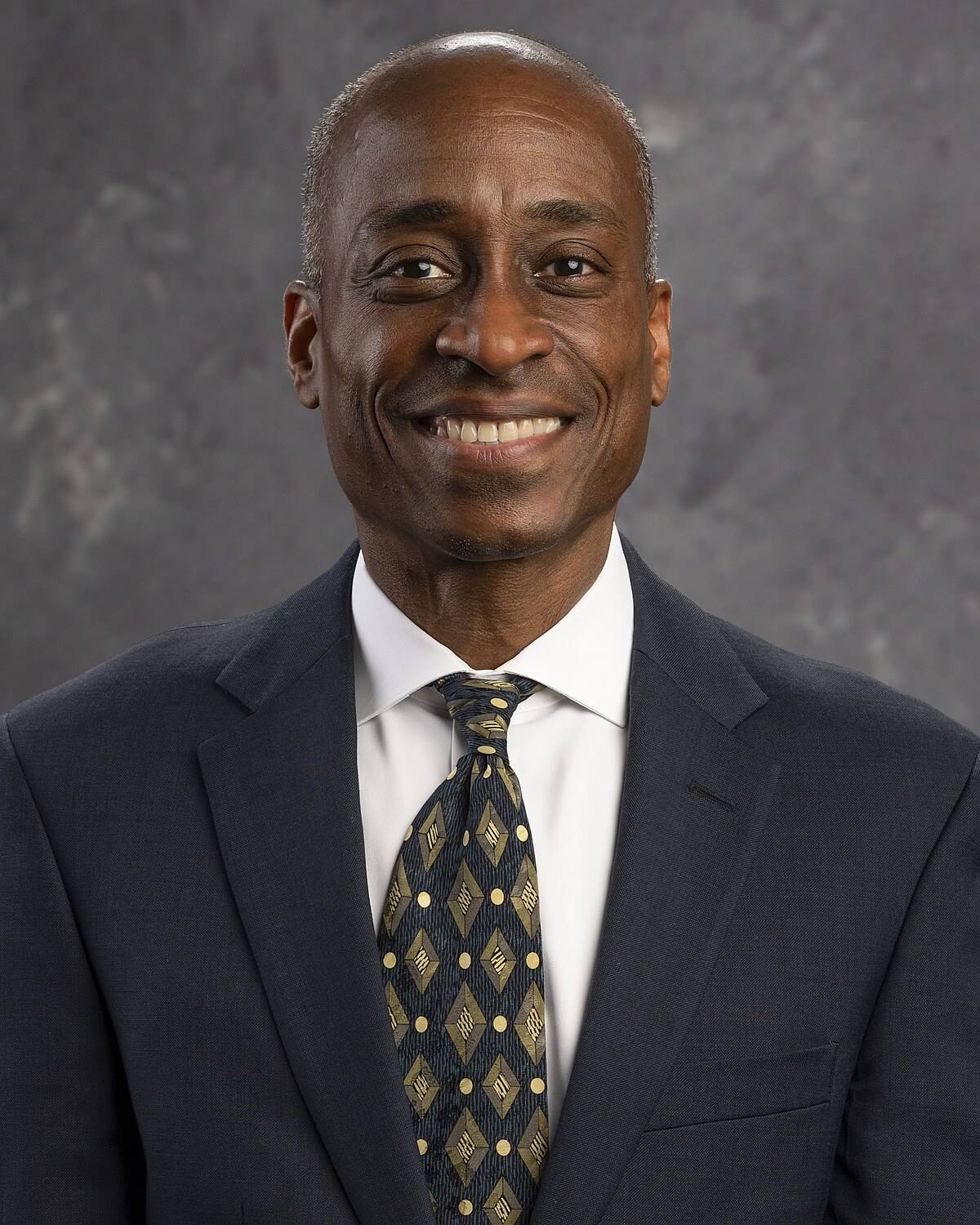
Lorie Logan:市场操作大师

关键标签:「华尔街最懂的央行家」

Lorie Logan 曾是达拉斯联储主席,她曾长期负责纽约联储的市场操作部门,是真正懂得如何"操盘"数万亿美元的专家。

核心优势:

  • 23年纽约联储工作经验,亲手执行过公开市场操作

  • 危机管理经验丰富,参与处理过2008年金融危机和2020年疫情冲击

潜在挑战: 地方联储主席的身份可能成为劣势,缺乏在华盛顿的政治资本。
这四位内部候选人代表着美联储的"建制派"力量。他们的共同优势是能够确保政策连续性,避免市场剧烈动荡。

第二梯队:经验丰富的回归者

以下三位之前离开过美联储,更多是前官员的身份。他们的共同优势在于,既了解美联储的体系运作,又不受现有框架的束缚。

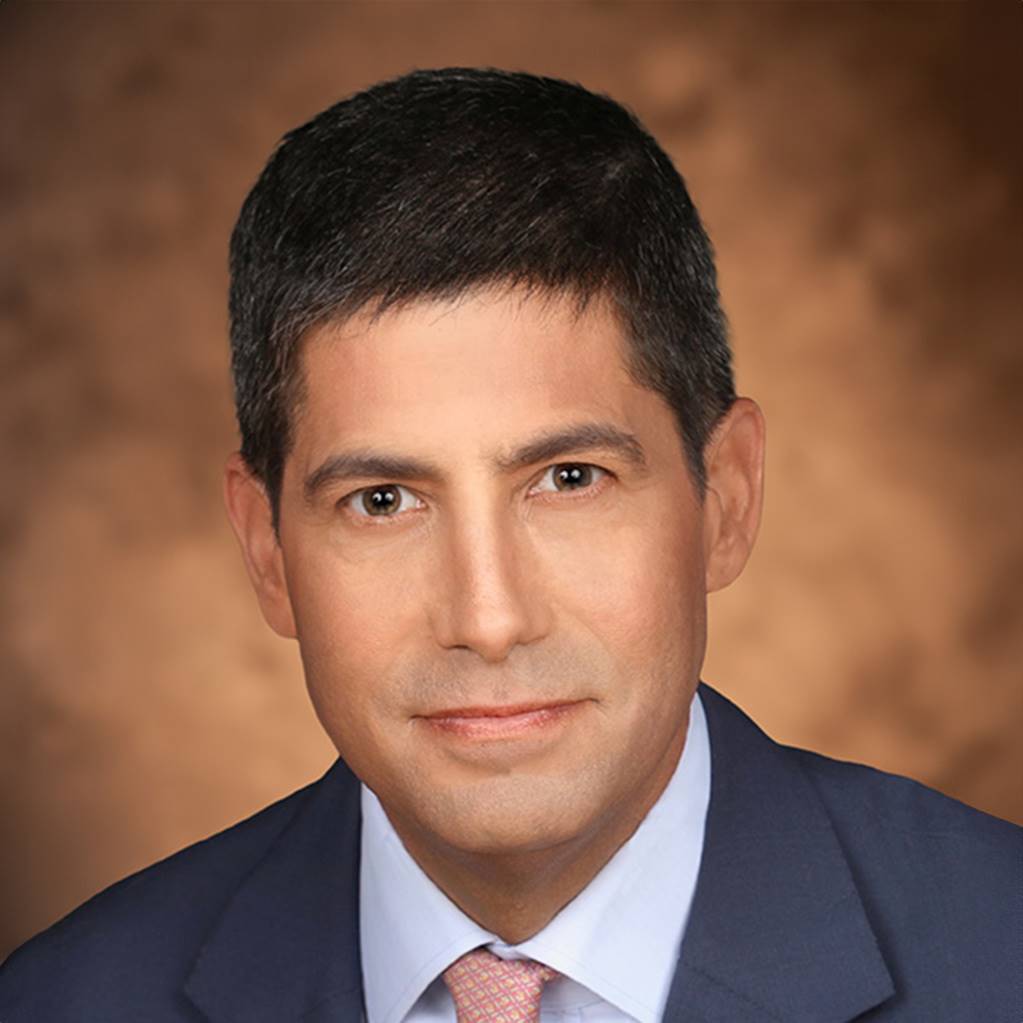
Kevin Warsh:华尔街金童的回归

关键标签:「最年轻的可能」

54岁的Kevin Warsh有着令人艳羡的履历:35岁成为美联储历史上最年轻的理事,在2008年金融危机期间担任伯南克的关键顾问,离开美联储后在斯坦福胡佛研究所潜心研究货币政策改革。

更关键的是,特朗普在选择财政部长时,曾认真考虑过他。

核心优势:

  • 横跨华尔街(摩根士丹利)、美联储和学术界的独特经历

  • 改革思想明确,著有多篇关于美联储制度改革的重磅文章

  • 人脉资源,岳父是化妆品巨头雅诗兰黛继承人,在华尔街和华盛顿都有深厚关系

  • 年富力强,可以为美联储带来新一代领导力

潜在挑战: 2017年曾是美联储主席热门人选却最终落败。
James Bullard:通胀预言家

关键标签:「最懂通胀的人」

如果说谁最早预见了本轮通胀的到来,James Bullard绝对榜上有名。这位前圣路易斯联储主席在2021年就开始警告通胀风险,比美联储主流观点早了整整一年。

核心优势:

  • 通胀预测记录,被媒体称为"通胀鹰王"

  • 现任普渡大学商学院院长,保持着对经济研究的敏锐度

潜在挑战: 个性过于独立。在圣路易斯联储任内,他经常是FOMC会议上的异议者。

Larry Lindsey:政治老手,小布什的经济顾问

70岁的Larry Lindsey可能是所有候选人中最懂得如何在政治与经济之间游走的人。

他曾担任小布什总统的首席经济顾问,也曾在克林顿任内担任美联储理事。这种跨党派的经历,在当今极化的华盛顿极为罕见。

核心优势:

  • 白宫经验,擅长如何协调美联储与行政部门的关系

  • 预测能力出众,曾准确预言互联网泡沫破裂和伊拉克战争的成本

  • 创立了自己的经济咨询公司,与企业界保持密切联系

潜在挑战: 年龄可能成为问题,而且他离开美联储已经20多年,对现代货币政策工具的熟悉度存疑。

第三梯队:总统信任的经济智囊

如果说前两个梯队代表着专业性,那么这个梯队则代表着忠诚度。

这两位候选人最大的优势不是他们对货币政策的理解,而是他们对“特朗普经济学”的理解。

Kevin Hassett:总统的经济导师

关键标签:「特朗普经济学首席布道者」

62岁的Kevin Hassett可能是所有候选人中与特朗普关系最密切的一位。作为现任国家经济委员会主任,他几乎每天都在为总统解读经济数据。更重要的是,他是少数能让特朗普真正坐下来听完整堂经济课的人。

核心优势:

  • 深得特朗普信任,被总统称为"我的经济学教授"

  • 税改专家,是2017年特朗普税改的主要设计者之一

  • 总能找到经济数据中的亮点,特朗普喜欢的风格

潜在挑战: 缺乏央行工作经验,从未在美联储工作过,对货币政策的理解主要来自学术研究。

Marc Sumerlin:建制派变革者

关键标签:「懂华盛顿规则的局外人」

Marc Sumerlin 是个有趣的矛盾体:有着最传统的建制派履历,之前是小布什政府国家经济委员会副主任,却提出了最激进的美联储改革方案。

他主张彻底改革美联储的决策机制,包括缩短联邦公开市场委员会(FOMC)的声明、减少新闻发布会频率、恢复美联储的"神秘感"。

核心优势:

  • 跨党派人脉深厚,曾为多位共和党参议员提供经济建议

  • 创立了Evenflow Macro咨询公司,客户包括华尔街顶级对冲基金

潜在挑战: 知名度相对较低,公众和市场对他缺乏了解。

第四梯队:华尔街新鲜血液

以下这两位候选人拥有在金融机构的实操经验,可以说是站在市场前线的人。

David Zervos:辛辣评论家

56岁的David Zervos是华尔街最有个性的经济学家之一。作为Jefferies首席市场策略师,他的市场评论以辛辣、直接和闻名。

核心优势:

  • 市场嗅觉极其敏锐,2008年提前预警次贷危机,2020年3月在市场最恐慌时大胆看多

  • 拥有联储工作经验(1990年代曾在纽约联储工作),了解央行运作

潜在挑战: 性格过于直率可能在需要外交辞令的美联储引发问题。他曾公开称某些央行政策为"经济自杀"。
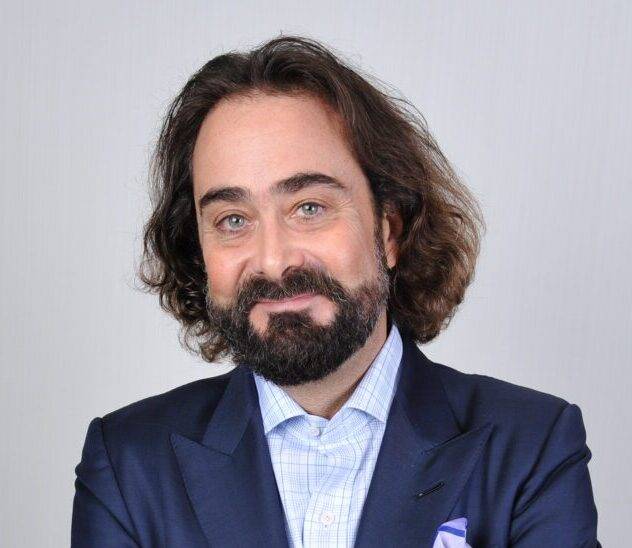
Rick Rieder:巨额资金守护者

关键标签:「管理4万亿美元的男人」

作为贝莱德全球固定收益首席投资官,他管理着超过4万亿美元的资产。

这个数字超过了德国的GDP。每一次美联储政策变动,都直接影响着他的投资组合。

核心优势:

  • 经历过多轮经济周期和危机

  • 管理着遍布全球的债券投资组合

  • 风险管理专家,在2022年债券大屠杀中的损失远低于市场平均

潜在挑战: 从管理私营部门资金到制定影响这些资金的政策,可能面临利益冲突质疑。此外,他的华尔街高薪背景可能引发民粹主义反弹。

传统上,美联储偏好学术背景的领导者,认为他们更能保持独立性和长远视角。但Zervos和Rieder代表着另一种可能,用市场的实战经验指导政策制定。

谁会胜出目前仍是未知数,但历史经验表明,真正定义一位美联储主席的,往往不是他们带来的理念,而是他们面对的危机。

格林斯潘遇到了互联网泡沫,伯南克遭遇了金融海啸,耶伦面对了疫情冲击,鲍威尔经历了通胀复燃。

下一任美联储主席会遇到什么?

数字货币的全面冲击,还是无法想象的"黑天鹅"?

这个未来,与我们每个人息息相关。

11个人,一把椅子,无数种可能。

游戏已经开始。
Related Reads

Sharplink CEO: Ethereum's Future Is Playing Out Now

This article presents a perspective from Joseph Chalom, CEO of Sharplink and a former BlackRock executive. He argues that current controversies surrounding the Ethereum Foundation (EF) and ETH's price miss the bigger picture for institutional adoption. Chalom asserts that Ethereum is decisively winning in the three key attributes institutions value most: trust, security, and liquidity. He cites its dominance in stablecoin settlement, tokenized real-world assets (RWA), and high-value DeFi as evidence. This success is attributed to the EF's consistent, long-term protocol development over a decade, including major upgrades like The Merge and a robust future roadmap. He defends Ethereum's decentralization as a core strength, not a weakness, stating institutions require a neutral infrastructure not controlled by any single entity. Comparing ETH to Amazon, Chalom suggests critics focusing on short-term price are missing its potential to become the foundational settlement layer for the entire global financial system. The article encourages a contrarian "be greedy when others are fearful" investment approach, drawing parallels to Warren Buffett's strategy and BlackRock's continued investment during crypto winters. Chalom concludes that while the EF correctly focuses on core protocol attributes (CROPS: Censorship Resistance, Capture Resistance, Open Source, Privacy, Security), a leadership gap exists in market-facing narrative and institutional adoption. He calls for ecosystem participants, including his own firm Sharplink, to become more vocal advocates to support Ethereum's impending "supercycle" of institutional adoption.

链捕手20m ago

Sharplink CEO: Ethereum's Future Is Playing Out Now

链捕手20m ago

Deconstructing the Investment Methodology of the 'Stock God Serenity' in One Article

"Serenity's Bottleneck Investment Methodology: A Deep Dive" This article dissects the "bottleneck point investment" strategy of the pseudonymous investor Serenity, known for exceptional returns (YTD 4502.45%). The core methodology involves identifying a major technological trend (e.g., AI compute expansion), mapping its supply chain, and investing early in the most irreplaceable, supply-constrained upstream component before the market fully values it. The framework is broken down into a five-factor model: 1. **Deterministic Demand**: Anchored in a large, validated trend. 2. **Constrained Supply**: The component must be difficult to replicate or scale quickly. 3. **Low Market Attention**: Opportunities exist where coverage is sparse. 4. **Value Capture**: The company must have pricing power, high margins, and customer lock-in. 5. **Catalyst**: A near-term event to trigger price discovery (earnings, customer ramp, etc.). The article provides illustrative examples like $AXTI (InP substrates for photonics), $RPI (edge hardware for AI agents), and $AAOI/$LITE (components for cloud ASICs). To apply this method, a six-step process is outlined: identify the macro trend, map the supply chain, pinpoint the true bottleneck, gather evidence (client wins, certifications), assess risks ("anti-thesis table"), and size the position according to research depth. Crucially, the article notes significant limitations: risk of overfitting inferences from sparse data, valuation challenges for pre-revenue companies, liquidity/reflexivity risks due to Serenity's own market influence, and survivor bias amplified by a strong AI bull market. The key takeaway is to emulate the rigorous research process—finding the trend, the bottleneck, the evidence—rather than blindly copying specific stock picks, emphasizing the discipline of "walking through the narrow gate."

marsbit46m ago

Deconstructing the Investment Methodology of the 'Stock God Serenity' in One Article

marsbit46m ago

One Article Deconstructs the Investment Methodology of 'Stock God Serenity'

This article deconstructs the "bottleneck point" investment methodology of the renowned investor known as "Serenity" (aleabitoreddit). Characterized by a YTD return of over 4500%, the strategy involves identifying a major, confirmed trend (e.g., AI data center expansion), mapping its supply chain, and then pinpointing a critical, hard-to-replace upstream bottleneck that the market has yet to fully price in. The core framework is a five-factor model: 1) **Certain Demand** from a clear megatrend; 2) **Constrained Supply** with high barriers to entry and slow replication; 3) **Low Market Attention**, where the company is overlooked; 4) **Value Capture** potential through pricing power and market share; and 5) a near-term **Catalyst** to trigger re-evaluation. Case studies include **$AXTI** (InP substrates for photonics), **$RPI** (edge hardware for AI agents), and companies like **$AAOI** and **$LITE** tied to hyperscaler-specific ASIC demand (e.g., Microsoft Maia, Amazon Trainium). The article provides a six-step guide for applying this approach: 1) Identify a validated macro trend; 2) Map the entire supply chain; 3) Find the true bottleneck; 4) Gather concrete evidence (e.g., filings, customer contracts); 5) Perform rigorous risk assessment ("anti-thesis"); 6) Match position size to depth of research. Key limitations are also noted: the risk of narrative overfitting, difficulty in valuing early-stage companies, Serenity's own market-moving influence creating reflexivity, and potential survivorship bias due to the AI bull market. The essence of the method is not to copy picks but to adopt the research process: find the trend, locate the bottleneck, verify with evidence, assess valuation, await a catalyst, and then invest with discipline. The philosophy is summarized as "walking through the narrow gate"—seeking non-consensus, structurally vital points within booming industries before they become widely recognized.

链捕手55m ago

One Article Deconstructs the Investment Methodology of 'Stock God Serenity'

链捕手55m ago

From Suppliers to Shareholders: The Big Three Memory Chip Giants Jointly Invest in Anthropic, AI Supply Chain Power Structure Undergoing Reshuffle

For the first time, memory chip giants Micron, Samsung, and SK hynix have jointly invested in the same AI company, Anthropic, as part of its massive $65 billion Series H funding round. This strategic move, positioning the three rival HBM suppliers as "strategic infrastructure partners," highlights a fundamental shift in the AI industry's power dynamics. With HBM (High Bandwidth Memory) being a critically scarce resource essential for AI model training and inference, securing a stable supply has become a key competitive differentiator. By making these chipmakers shareholders, Anthropic aims to lock in this vital component for its rapid expansion, which includes securing major compute commitments from Amazon, Google, and others. For the memory trio, this investment represents a strategic bet on defining the future of AI hardware. Each company gains: SK hynix reinforces its dominant position in the NVIDIA supply chain; Samsung diversifies its client base beyond NVIDIA; and Micron leverages its geopolitical significance as the sole US-based HBM maker. Their collective move signals that competition in AI is evolving beyond model capability to encompass control over the entire compute supply chain—from chips and memory to power and networking. This vertical integration trend, where infrastructure providers become direct stakeholders in AI firms, marks the industry's maturation as AI transforms from a research project into essential global infrastructure, setting the stage for a new era of ecosystem competition.

marsbit2h ago

From Suppliers to Shareholders: The Big Three Memory Chip Giants Jointly Invest in Anthropic, AI Supply Chain Power Structure Undergoing Reshuffle

marsbit2h ago

Trading

Spot
Futures
活动图片