Tether Says It’s Planning a Comeback to the U.S. Market

TheCryptoTimesPublished on 2025-07-23Last updated on 2025-07-23

Tether, the world’s biggest stablecoin company, is planning to start doing business in the United States again. According to the CEO, Paolo Ardoino, they are developing a domestic strategy aimed at U.S. institutional markets. 

This comes shortly after President Donald Trump signed the GENIUS Act bill into law on July 18 at the White House. 

In an interview with Bloomberg, Ardoino said, “We are well in progress of establishing our US domestic strategy.” He explained that the plan will focus on offering a fast and reliable stablecoin for payments, interbank settlements, and trading.

Stablecoins are digital tokens tied to traditional money like the U.S. dollar. Tether’s USDT is the most traded stablecoin by volume globally, even more than Bitcoin. But the company hasn’t operated in the U.S. in recent years because of legal troubles. 

The GENIUS Act could change that by opening the door for more companies, including banks and tech firms, to issue their own stablecoins. 

Ardoino attended the bill signing at the White House, along with top names in the crypto world, including Coinbase CEO Brian Armstrong and Gemini co-founders Tyler and Cameron Winklevoss. 

Tether was previously fined nearly $60 million by U.S. authorities in 2021 and was banned from operating in New York. The fine came after claims that the company gave misleading information about its reserves. Ardoino said they’ve recently spoken to auditors about finally doing an official audit.

Right now, Circle is leading the U.S. stablecoin market with its coin, USDC, which has around $64 billion in circulation. Tether’s USDT, however, is much bigger globally, with about $162 billion in circulation. That number has grown by 18% since the beginning of the year. 

Circle went public in June this year, and its stock price has gone up by more than 500%. But Ardoino said Tether has no plans to become a public company. “In general we are not interested in becoming a public company,” he said.

Tether is currently based in El Salvador and continues to grow in emerging markets. Ardoino believes Tether has an edge in those regions. “We have a better technology, we have a much better understanding of this market than anyone else,” he said.

Also Read: VERT Launches $130M Tokenized Credit Platform on XRPL


Related Reads

Li Fei-Fei's Latest Long-Form Article: When Video Generation, Robotics, and NVIDIA All Call Themselves World Models, We Need a Taxonomy

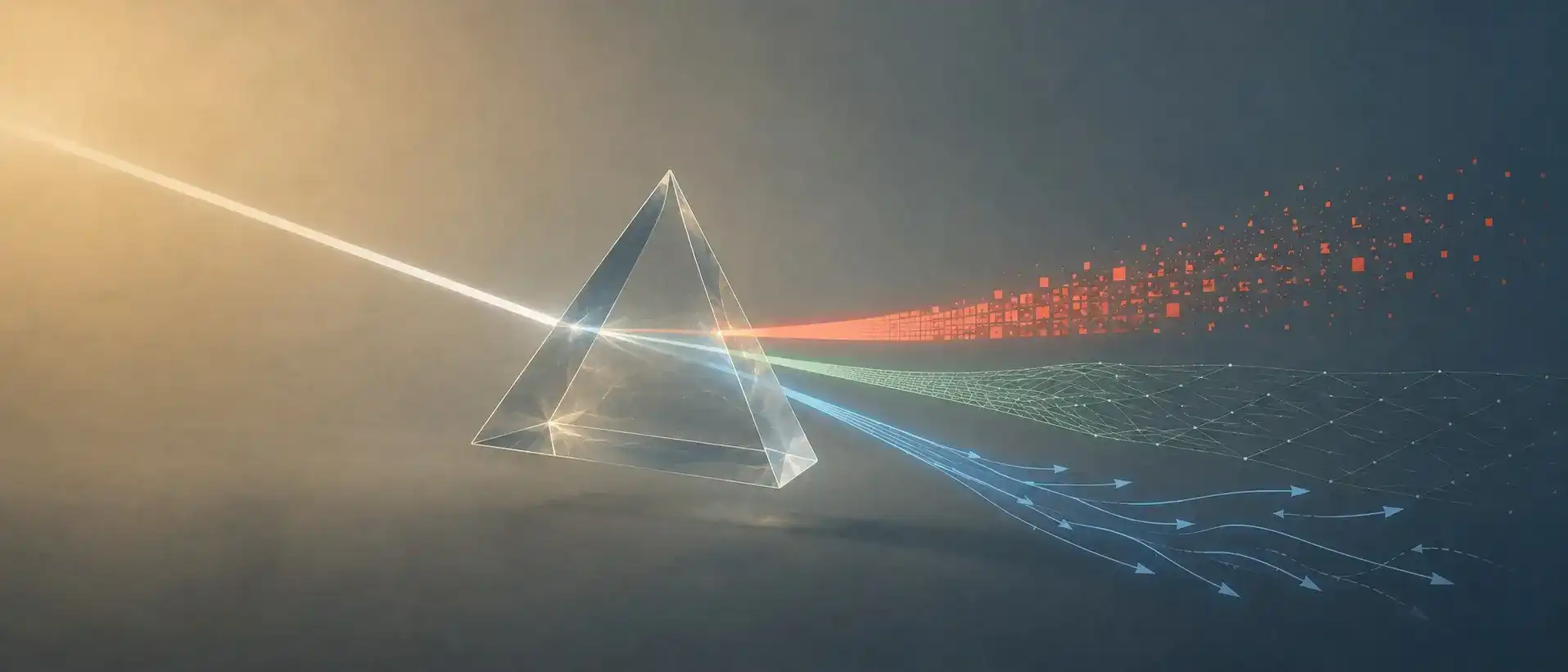
In a new article, Dr. Fei-Fei Li addresses the widespread and often inconsistent use of the term "world model" in AI. She proposes a clear, functional taxonomy rooted in the classic Partially Observable Markov Decision Process (POMDP) loop (agent → action → state → observation → agent). According to this framework, current systems called "world models" are different projections of this loop, categorized by their primary output: 1. **Renderers**: Output observations (pixels). Their goal is visual fidelity for human consumption (e.g., video generation models like Sora). They are the most commercially mature but are limited by a focus on appearance over physical accuracy. 2. **Simulators**: Output states (geometric, physical, dynamic representations). They provide a structurally accurate world for both human professionals (e.g., architects) and computational agents (e.g., robots for training). Li argues simulators are the crucial, underappreciated bridge, as they can underpin both rendering and planning. 3. **Planners**: Output actions. Given an observation and a goal, they decide what an agent should do next (e.g., robotic action models). This area is highly promising but remains the least mature for real-world deployment. Li highlights a key trend: the boundaries between these three categories are beginning to blur, as they all rely on a shared underlying understanding of geometry, physics, and dynamics. The logical endpoint is a unified world foundation model capable of switching between rendering, simulation, and planning based on downstream needs. This convergence, she concludes, is central to advancing spatial intelligence—enabling machines not just to talk about the world, but to truly understand, imagine, and interact with it.

marsbit45m ago

Li Fei-Fei's Latest Long-Form Article: When Video Generation, Robotics, and NVIDIA All Call Themselves World Models, We Need a Taxonomy

marsbit45m ago

Forbes Feature: Stablecoin Cross-Border Payments Are Faster, But Not Yet Cheaper

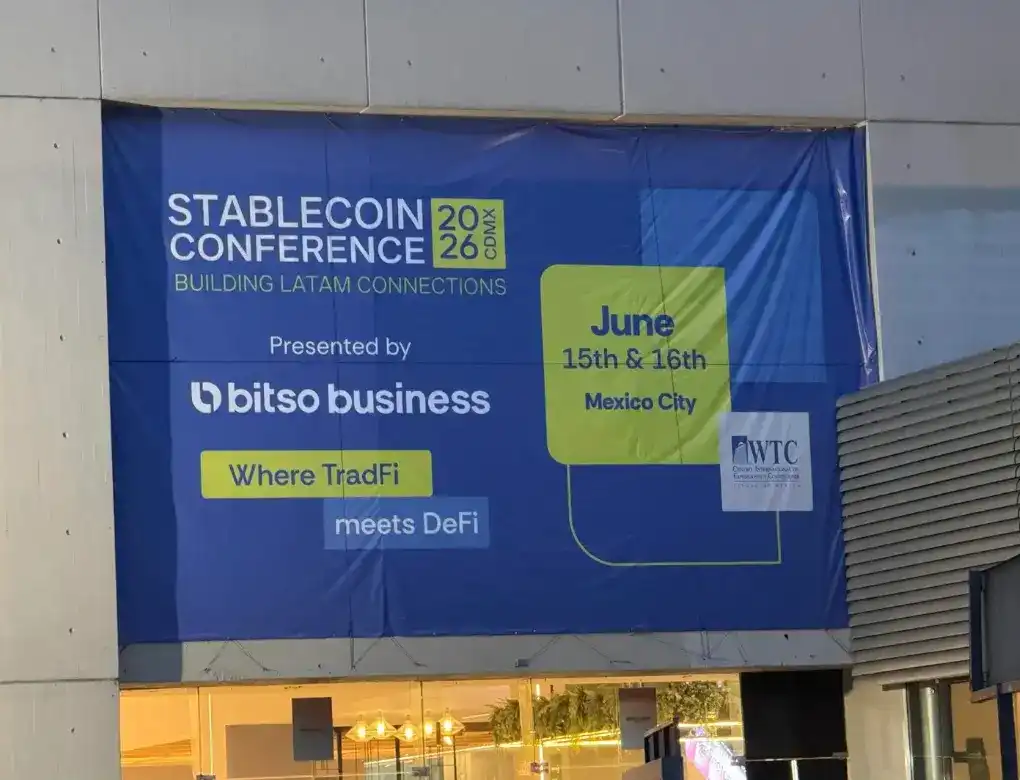
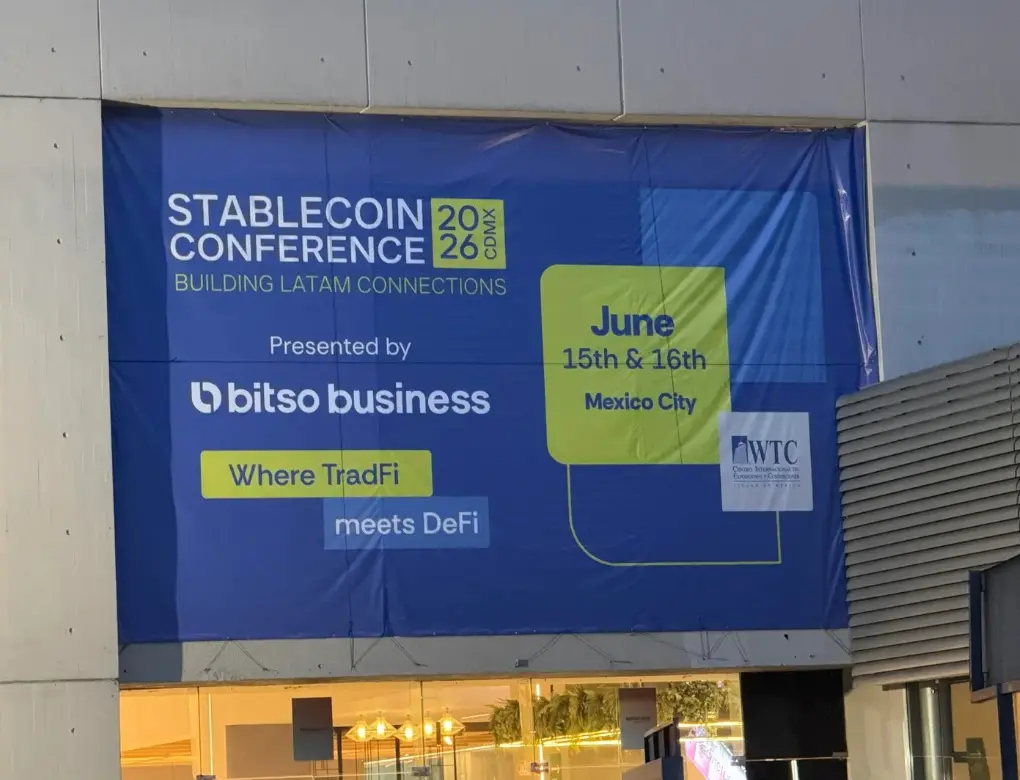
A Forbes feature delves into the state of stablecoin-based cross-border payments, noting rapid growth but a key shortfall: while faster and more accessible, they are not yet cheaper. At a recent industry conference in Mexico City, optimism about technology, regulation, and volume was tempered by discussions with practitioners. The core issue is liquidity. Traditional FX brokers charge 60-70 basis points, and stablecoins promise to slash this to 2-5 basis points. However, this theoretical cost advantage cannot be realized until deep liquidity pools are established at scale, requiring significant institutional capital inflow. A major adoption barrier is trust. Businesses often rely on long-standing relationships with traditional brokers, valuing reliability over marginal cost savings. This shift will be gradual. Furthermore, successful companies in the space are not positioning themselves as replacements for legacy systems like SWIFT, but as complements. They leverage stablecoins for speed while using traditional rails for their standardization and reliability in ensuring accurate payment details—a critical factor for supplier payments to avoid customs issues. Companies like Caliza, experiencing high monthly growth, exemplify this hybrid approach. The industry anticipates consolidation, as long-term viability will depend on securing the essential trifecta: proper licensing, robust fiat on/off-ramps, and deep liquidity. Without these, firms risk being mere intermediaries rather than building sustainable businesses.

marsbit46m ago

Forbes Feature: Stablecoin Cross-Border Payments Are Faster, But Not Yet Cheaper

marsbit46m ago

Li Feifei's Latest Article: When Video Generation, Robotics, and NVIDIA All Claim to Have 'World Models,' We Need a Taxonomy

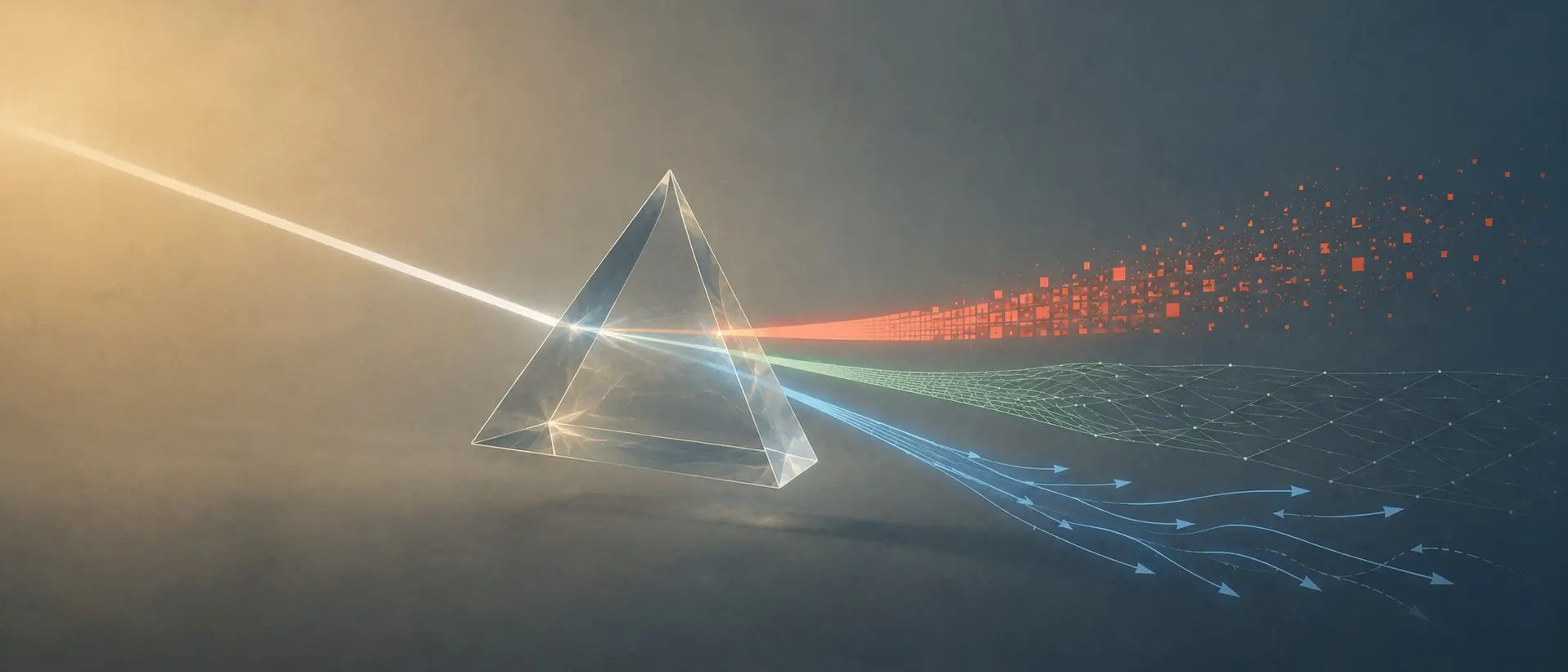
"World Model" has become a widely used yet ambiguous term in AI. Drawing from the classic POMDP framework (agent → action → state → observation), this article proposes a functional taxonomy to clarify the concept. It identifies three distinct types, categorized by their output in the perception-action loop: 1. **Renderers**: Output visual observations (pixels). These models, like advanced video generators, prioritize visual fidelity but often lack underlying physical accuracy. 2. **Simulators**: Output the state of the world (geometry, physics, dynamics). They provide a structurally accurate representation for professionals (e.g., architects) and serve as training environments for robots and AI agents. 3. **Planners**: Output actions. Given an observation and a goal, they determine what an agent should do next, closing the perception-action loop (e.g., vision-language-action models). While renderers are currently the most commercially mature and planners are the most aspirational, the article argues that **simulators are the crucial, underappreciated hub**. By working at the level of geometry and physics, a simulator can project upwards to create visuals for humans and downwards to predict action consequences for agents. The future lies in the convergence of these three functions. Emerging research and products, like World Labs' Marble model which outputs both visual splats and physical collision meshes, are beginning to blur these boundaries. The logical endpoint is a unified world foundation model capable of rendering, simulating, and planning based on a shared understanding of spatial and temporal structures—ultimately enabling machines to understand, imagine, and interact with the physical world.

链捕手57m ago

Li Feifei's Latest Article: When Video Generation, Robotics, and NVIDIA All Claim to Have 'World Models,' We Need a Taxonomy

链捕手57m ago

Trading

Spot
活动图片