XRP Whale вложил 3,7 миллиарда долларов в поддержку стремления Ripple получить банковскую лицензию в США

cryptonews.ruPublished on 2024-06-03Last updated on 2025-07-03

Сделав смелый шаг в сторону традиционных финансов, компания Ripple официально подала заявку на получение национальной банковской лицензии в Управление контролера денежного обращения США (OCC).

Это заявление знаменует собой важный поворотный момент для компании из Сан-Франциско, которая стремится превратиться из криптовалютной фирмы в финансовое учреждение, деятельность которого регулируется на федеральном уровне.

Что лежит в основе новой стратегии Ripple?

Стремление Ripple к национальной банковской хартии является стратегическим шагом по переводу стабильной монеты RLUSD под прямой надзор OCC, создавая двойную структуру регулирующего надзора.

Монета уже получила одобрение влиятельного Департамента финансовых услуг Нью-Йорка (NYDFS), что делает её одной из самых строго регулируемых стейблкоинов на рынке. Её текущая рыночная капитализация составляет около 440 миллионов долларов, а новая активность по чеканке монет свидетельствует о высоком спросе. Только на этой неделе из казны было выпущено 14 миллионов токенов RLUSD, что отражает растущий интерес к активу.

Получив федеральную лицензию, Ripple займёт уникальное положение среди криптовалютных компаний, сочетая свои глубокие корни в сфере инноваций с высочайшими стандартами соответствия требованиям традиционных банков. Генеральный директор Ripple Брэд Гарлингхаус считает это ключевым шагом в укреплении доверия как со стороны институциональных клиентов, так и со стороны регулирующих органов.

В соответствии с нашими давними принципами соблюдения нормативных требований @Ripple подает заявку на получение статуса национального банка в OCC. В случае одобрения мы получим как государственный (через Управление финансовых услуг штата Нью-Йорк), так и федеральный надзор — новый (и уникальный!) критерий доверия на рынке стейблкоинов.

Ранее на этой неделе через... https://t.co/IdiR7x3eWZ

— Брэд Гарлингхаус (@bgarlinghouse) 2 июля 2025 г.

Криптовалютные компании стремятся получить банковские лицензии

Ripple не одинока в своих начинаниях. Circle, один из ведущих конкурентов в сфере стейблкоинов, недавно подал заявку на получение статуса национального трастового банка. Coinbase и Paxos также выразили заинтересованность в получении федеральных банковских лицензий, что свидетельствует о более широкой тенденции. Эти события указывают на то, что в будущем криптовалютные компании и банки могут работать в условиях всё более схожего регулирования.

На данный момент Anchorage Digital остаётся единственной криптовалютной компанией, получившей лицензию национального трастового банка. Выход Ripple на этот рынок может спровоцировать дальнейшие действия со стороны других компаний, которые захотят последовать этому примеру.

Как реагирует рынок?

Пока принимаются меры по регулированию, рынок XRP, собственного токена Ripple, демонстрирует устойчивый рост. На момент публикации XRP торгуется по цене 2,25 доллара США, прибавив более 3 % за последние 24 часа и более 2 % за последнюю неделю. Его рыночная капитализация сейчас превышает 132 миллиарда долларов США, а объём торгов за 24 часа составил 3,5 миллиарда долларов США.

Это происходит на фоне данных о том, что один из крупнейших «китов» XRP продолжает накапливать токены. 2 июля кит совершил три новые покупки на бирже Bithumb на общую сумму почти 14 000 XRP. Текущие активы кита составляют 1,64 миллиарда XRP на сумму около 3,72 миллиарда долларов, что свидетельствует о неизменной уверенности в долгосрочном видении Ripple.

Trending Cryptos

Related Reads

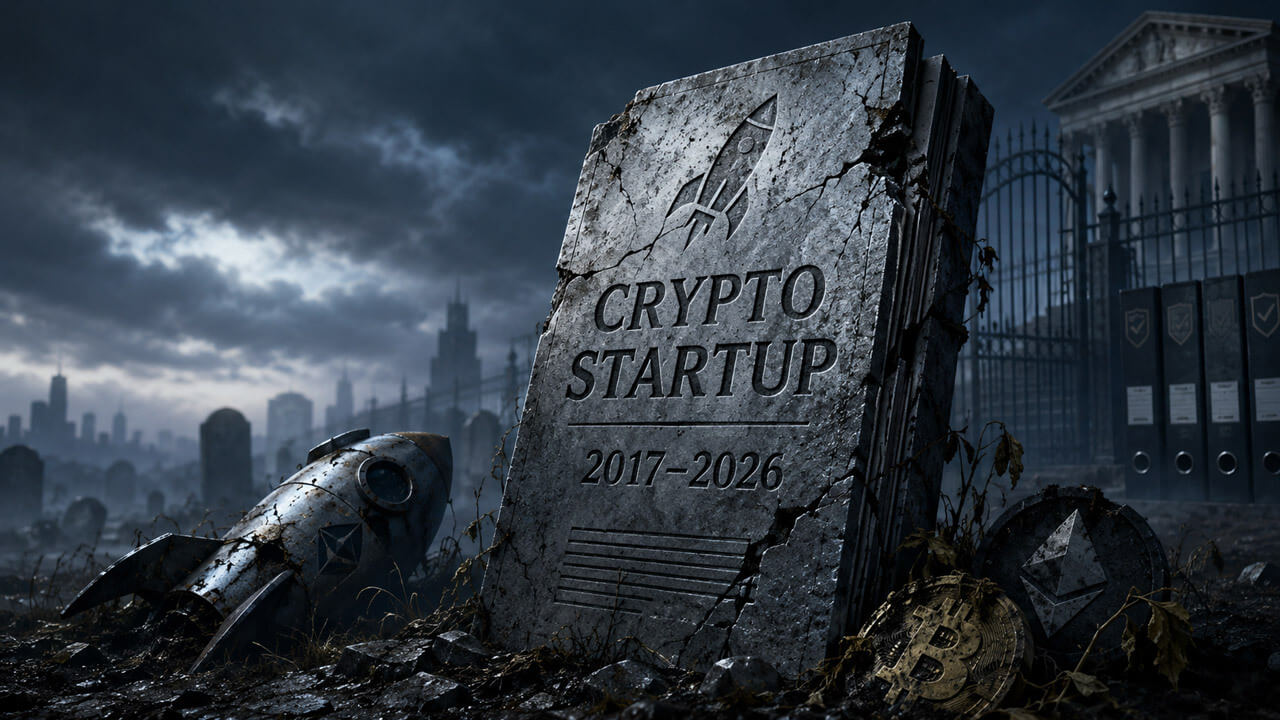
A Decade of Change: The Demise of Crypto Startups

"The Decade-Long Transformation: The Demise of Crypto Startups" The article traces the dramatic evolution of the cryptocurrency industry from its anarchic beginnings to its current highly regulated and institutionalized state. In the early days (circa 2017), launching a crypto startup was remarkably simple: a whitepaper, a GitHub repository, and a Telegram group could attract thousands of retail investors via an Initial Coin Offering (ICO). Founders operated anonymously with near-zero regulatory and financial barriers, enabling rapid, global innovation but also widespread fraud. By 2026, the landscape is fundamentally different. To operate in major markets like the US, EU, and Asia, crypto businesses must now navigate a complex web of regulations akin to traditional finance. Compliance costs are prohibitive: estimates for a US multi-state operation range from $750,000 to $1.2 million in the first three years, with annual costs exceeding $2 million thereafter. Regulations like MiCA in the EU and New York's BitLicense have created high capital and operational hurdles that act as barriers to entry. Simultaneously, venture capital investment has shifted dramatically. Following the collapses of Terra and FTX, funding has concentrated in later-stage, established companies, creating a "barbell market." Early-stage and seed funding has shrunk significantly, while mega-funds like Andreessen Horowitz's $15 billion pool dominate. Most capital now flows to trading platforms, lending infrastructure, and B2B services. This environment favors mergers and acquisitions as the primary path for growth. Companies like Coinbase and Ripple are acquiring firms like Deribit and Hidden Road not for their technology, but for their licenses, banking relationships, and institutional trust—assets far more valuable than code. Distribution channels, compliance, and brand reputation have become the new moats, overshadowing pure technical innovation. The industry's maturation brings benefits: reduced scams, increased institutional participation, and clearer regulatory frameworks. However, it comes at a cost. The low-barrier, experimental ethos that defined crypto's first decade is fading. Entrepreneurs without substantial capital, pre-existing licenses, or institutional connections face immense challenges. Funding for exploratory fields like decentralized social media or novel governance models is drying up. Ultimately, the crypto industry is replicating the consolidation pattern seen in banking and tech after the 2008 financial crisis. While this brings stability and legitimacy, it raises a critical question: in this new, resource-intensive reality, is there still room for the disruptive, from-scratch innovation that gave birth to the sector?

Foresight News32m ago

A Decade of Change: The Demise of Crypto Startups

Foresight News32m ago

Trading

Spot

Hot Articles

What is XRP 2.0

XRP 2.0: A New Frontier in the Cryptocurrency Landscape Introduction to XRP 2.0 In the ever-evolving realm of cryptocurrency, new projects continuously emerge, vying for attention and adoption. One such promising initiative is XRP 2.0, a novel cryptocurrency project designed to leverage advanced blockchain technology and robust encryption methodologies. While the name draws parallels with Ripple’s XRP, it’s crucial to note that XRP 2.0 operates independently, focusing on enhancing transaction security, privacy, and scalability. As the digital financial landscape increasingly embraces decentralized solutions, XRP 2.0 aims to contribute meaningfully to web3 and the overall expansion of crypto projects. What is XRP 2.0? At its core, XRP 2.0 is a cryptocurrency project that aims to create a secure and decentralized digital currency ecosystem. Its foundational technology integrates sophisticated blockchain principles with cutting-edge encryption techniques. The overarching goal of XRP 2.0 is to establish itself as a reliable and efficient platform enabling swift transaction execution while prioritizing enhanced privacy protections for its users. The project is promoted as a solution to many limitations faced by existing cryptocurrencies, proposing a system that can handle a higher volume of transactions with improved speed and privacy. This versatility positions XRP 2.0 as a significant contender in a marketplace riddled with various digital currencies. Who is the Creator of XRP 2.0? The identity of the creator behind XRP 2.0 has been flagged as ‘Wilbur.’ However, comprehensive details regarding Wilbur or their associated entity remain elusive. The anonymity of many cryptocurrency creators is not an uncommon phenomenon in the industry, often designed to maintain a degree of privacy and security. Who are the Investors of XRP 2.0? As of now, specific information related to the investment foundations or organizations supporting XRP 2.0 is not publicly available. In the cryptocurrency sector, the backing by reputed investors can significantly influence a project's credibility and success, yet the transparency regarding the financial supporters of XRP 2.0 has not been established. How Does XRP 2.0 Work? XRP 2.0 stands out by employing a combination of blockchain technology and advanced encryption algorithms that ensures secure and decentralized transactions. Its innovative structure includes unique features designed to foster user engagement and broaden functionalities beyond conventional cryptocurrency transactions. Among these features, XRP 2.0 incorporates AI-powered capabilities, such as text-to-image and text-to-speech functionalities. These additions are designed to enhance the interactive experience for users, promoting broader applicability across various sectors. By bridging technological advancements with user-centered design, XRP 2.0 aims to capture the attention of a diverse range of individuals and enterprises looking to integrate cryptocurrency solutions into their operational frameworks. Timeline of XRP 2.0 Understanding XRP 2.0 requires examining the milestones that have defined its journey thus far: July 23, 2023: XRP 2.0 is introduced as a novel cryptocurrency project, aiming to revolutionize secure and decentralized transaction capabilities in the blockchain domain. September 8, 2023: The launching of another project, XRP20, occurs, marking the emergence of an ERC-20 token on the Ethereum blockchain that remains unrelated to XRP 2.0. November 13, 2023: The XRP Ledger undergoes a significant update with the release of rippled server software version 2.0.0. It is essential to note that this development is disconnected from the XRP 2.0 cryptocurrency project. Key Points About XRP 2.0 To distill the essence of XRP 2.0, several critical factors emerge: Unique Features: The inclusion of features like AI-powered text-to-image and text-to-speech further diversifies the potential applications of XRP 2.0. Blockchain Technology: The framework utilizes advanced blockchain mechanisms and encryption protocols, ensuring a secure and decentralized environment for transactions. Scalability and Privacy: XRP 2.0 prioritizes enhanced privacy protections in transaction processes and the scalability necessary to accommodate a growing user base. No Affiliation with Ripple: Importantly, despite its name, XRP 2.0 does not have any allegiance or collaboration with Ripple’s XRP, distinguishing its operational framework and objectives within the cryptocurrency ecosystem. Conclusion XRP 2.0 represents an ambitious venture into the cryptocurrency sphere, aiming to offer a combination of security, privacy, and efficiency in digital transactions. By integrating sophisticated technologies and user-friendly features, the project sets out to broaden the horizons of what cryptocurrency can achieve in today's digital economy. While the anonymity of its creator and lack of disclosed investors might raise questions for some, XRP 2.0's focus on advanced functionalities and decentralisation enhances its appeal amidst an increasingly crowded crypto market. As the cryptocurrency landscape continues to evolve, XRP 2.0 may yet emerge as a pivotal player in the expansion of secure and scalable blockchain solutions.

1.1k Total ViewsPublished 2024.04.01Updated 2024.12.03

What is XRP 2.0

Discussions

Welcome to the HTX Community. Here, you can stay informed about the latest platform developments and gain access to professional market insights. Users' opinions on the price of XRP (XRP) are presented below.

活动图片