孙宇晨主持Token 2049峰会对谈环节,与特朗普次子共话金融自由与去中心化未来

Odaily星球日报Published on 2025-05-02Last updated on 2025-05-02

Abstract

Token 2049峰会上,孙宇晨与特朗普次子共话金融自由与去中心化未来,力推金融自由。

2025 年 5 月 1 日,在迪拜举行的全球区块链与加密货币行业盛会 Token 2049 峰会上,波场 TRON 创始人孙宇晨以主持人身份,与特朗普总统次子埃里克·特朗普(Eric Trump)以及特朗普家族支持的去中心化项目 World Liberty Financial(WLFI)联合创始人 Zach Witkoff 展开了一场备受瞩目的炉边对话。在此次对话上,Zach Witkoff 透露,WLFI 发行的美元稳定币 USD 1 也将原生发行于波场 TRON 链上。此前,WLFI 已在 BNB Chain 上发行稳定币 USD 1 。


这场对话聚焦去中心化金融(DeFi)、金融自由以及波场 TRON 在推动全球金融体系变革中的关键角色,吸引了现场数千名观众,成为本次峰会的一大亮点。
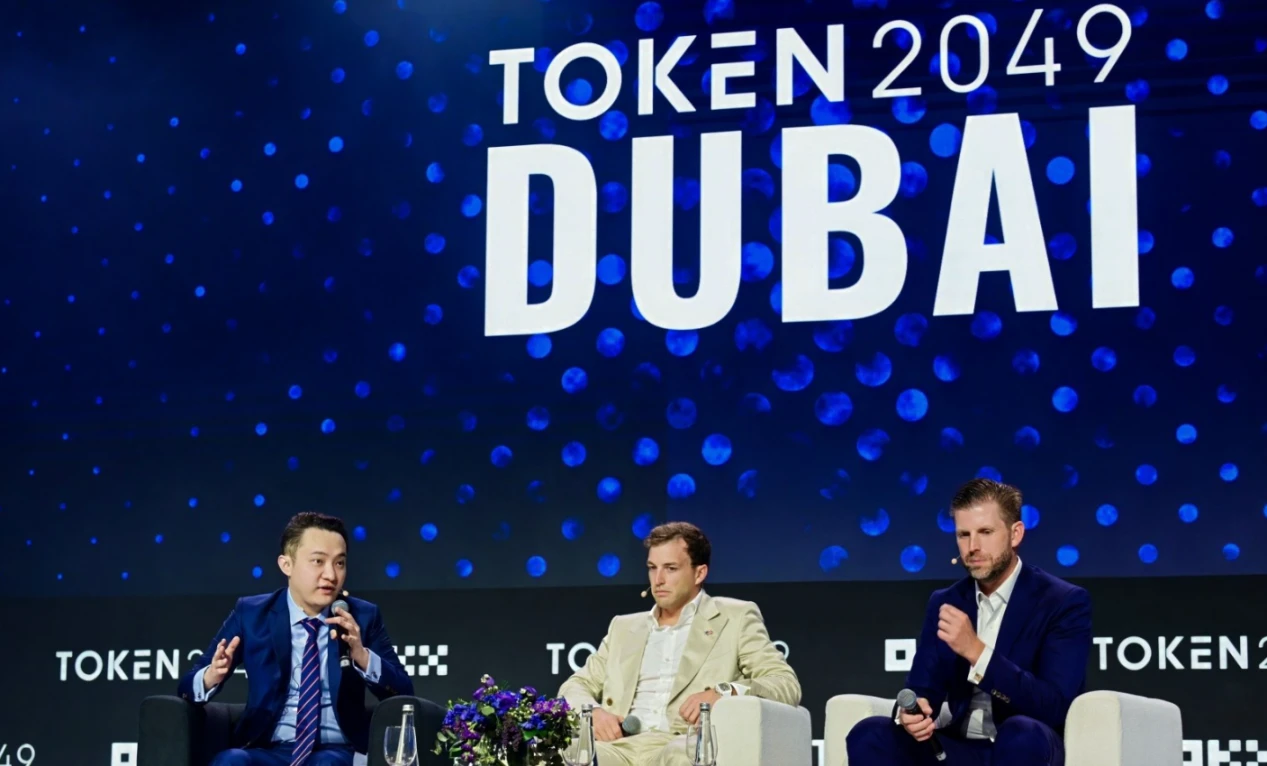
孙宇晨主持Token 2049峰会对谈环节,与特朗普次子共话金融自由与去中心化未来

波场 TRON 与 WLFI 合作再进一步

在对话中,孙宇晨以波场 TRON 的初心为切入点,强调金融自由是区块链技术的核心价值。他表示:“波场 TRON 创立的初衷,不是为了追逐利润,而是为了让全球 80 亿人能够平等参与金融体系,享受金融自由的权利。”这一理念贯穿了波场 TRON 的发展历程,也与 WLFI 的愿景高度契合。


在此次对话中,孙宇晨特别透露了波场 TRON 与 WLFI 即将展开的合作:WLFI 的 USD 1 稳定币将在波场 TRON 区块链上原生集成,首批铸造规模预计达数亿美元,未来有望突破数十亿美元市值。这一合作不仅标志着波场 TRON 在稳定币领域的重大突破,也进一步巩固了其作为全球 DeFi 基础设施的地位。孙宇晨表示:“USD 1 的集成将为波场 TRON 生态带来新的活力,我们的目标是让每一位用户都能通过手机轻松使用稳定币,参与全球金融系统。”他同时指出:“波场 TRON 与 WLFI 的合作,是 DeFi 与传统金融融合的重要一步。我们希望通过 USD 1 ,让全球用户在日常生活中无缝使用稳定币,比如在酒店或商店刷卡消费。”


Eric Trump 对这一合作充满信心:“波场 TRON 的技术实力和用户基础,为 USD 1 的推广提供了完美平台。我们相信,这将推动金融自由的全球化。”Zach Witkoff 进一步透露,WLFI 计划将 USD 1 整合到传统零售 POS 系统中,让用户能够在现实场景中使用稳定币,这一目标与波场 TRON 的普惠金融愿景高度一致。


公开资料显示, 2024 年 11 月,孙宇晨投资 3000 万美元成为 WLFI 代币的最大持有者,并被任命为该项目的顾问。后续他和波场 TRON 投资规模增加至 7500 万美元,这为 WLFI 项目与波场 TRON 网络后续的一系列深度合作奠定了基础。

共同探索推进金融自由 

作为对话的主持人,孙宇晨将话题聚焦于传统金融的局限性、区块链的透明性优势,以及 WLFI 与波场 TRON 合作的未来潜力,探讨了去中心化金融未来发展的可能性。


在对话中,Eric Trump 分享了特朗普家族因政治原因被传统银行“取消”账户的不愉快经历。他表示,这一经历让他深刻认识到加密货币的价值:“加密社区与我们一样,相信硬资产,追求自由。区块链的透明性和去中心化特性,让金融系统不再被少数人操控。”孙宇晨对此深表认同,并进一步提问:“金融系统不仅仅是工具,它还承载了文化和价值观。我们如何通过 WLFI 和 USD 1 重塑金融体系?”这一问题引发了热烈的讨论。
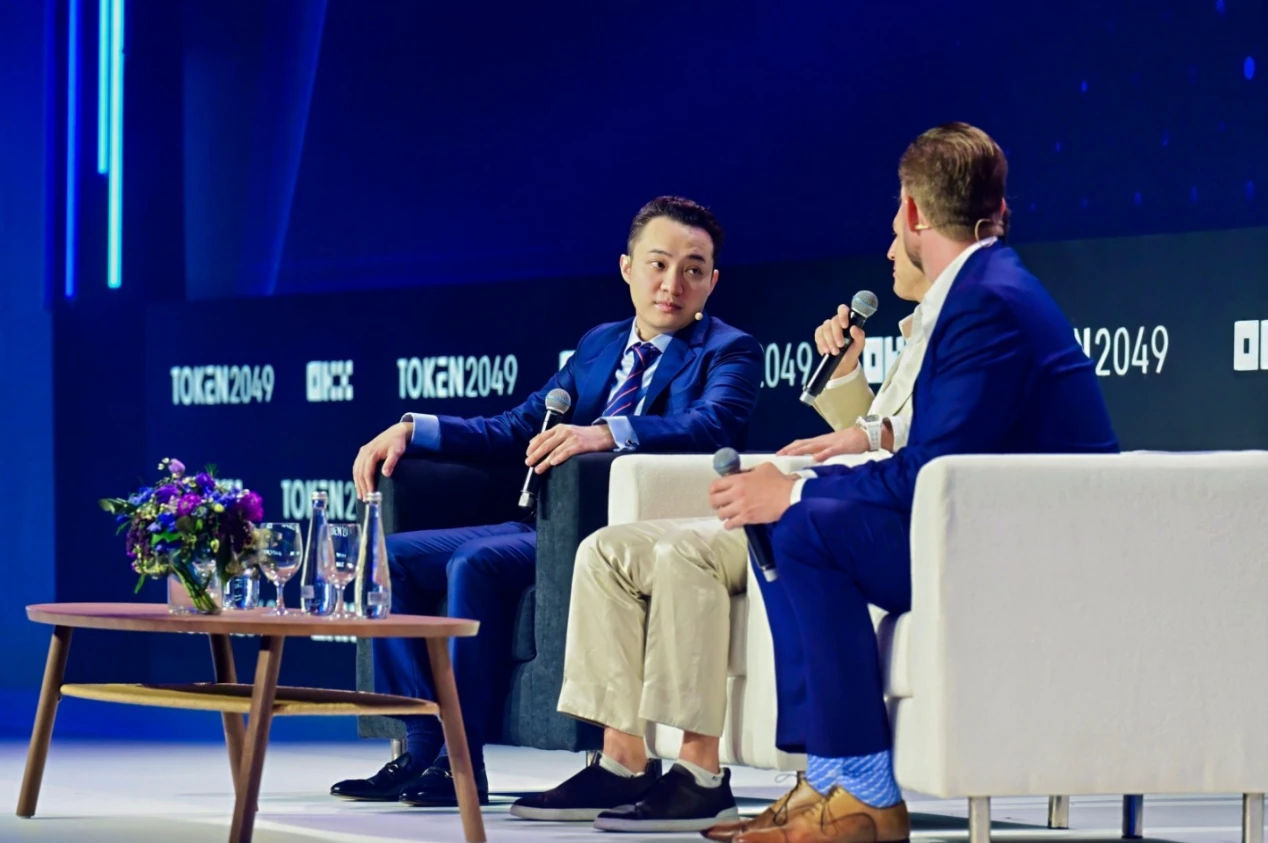
孙宇晨主持Token 2049峰会对谈环节,与特朗普次子共话金融自由与去中心化未来

Zach Witkoff 则详细介绍了 WLFI 的使命与进展。他指出,WLFI 旨在弥合传统金融与 DeFi 之间的差距,USD 1 稳定币由短期国债和现金等价物 1: 1 支持,致力于成为全球最透明、最受监管的稳定币。孙宇晨则指出,波场 TRON 的高性能区块链能够确保 USD 1 的交易快速、透明且成本低廉,这正是 DeFi 与传统金融融合的关键。


孙宇晨还在此次对话中展望了 DeFi 的未来:“五年后,DeFi 与传统金融将深度融合,波场 TRON 将扮演连接两者的桥梁角色。”他呼吁行业加强自我监管,提升用户体验,以加速大规模采用。Eric Trump 对此表示赞同:“区块链行业需要更友好的用户体验,就像房地产行业注重客户服务一样。只有这样,我们才能击败那些落后的传统银行。”


此次 Token 2049 峰会上的炉边对话,不仅展现了波场 TRON 在全球区块链行业的影响力,也彰显了孙宇晨作为行业思想引领者的远见卓识。通过与 Eric Trump 和 Zach Witkoff 的深度交流,孙宇晨向世界传递了一个清晰的信息:波场 TRON 不仅是技术平台,更是金融自由的践行者。


随着 USD 1 在波场 TRON 上的原生集成,以及与 WLFI 的深度合作,波场 TRON 正在加速推动 DeFi 与传统金融的融合,为全球用户带来更透明、更高效、更普惠的金融服务。


未来,波场 TRON 将继续秉持初心,与全球伙伴共同书写金融自由的新篇章。正如孙宇晨所言:“我们的使命远未结束,直到地球上的每一个人都能通过波场 TRON,享受到金融自由的权利。”
Related Reads

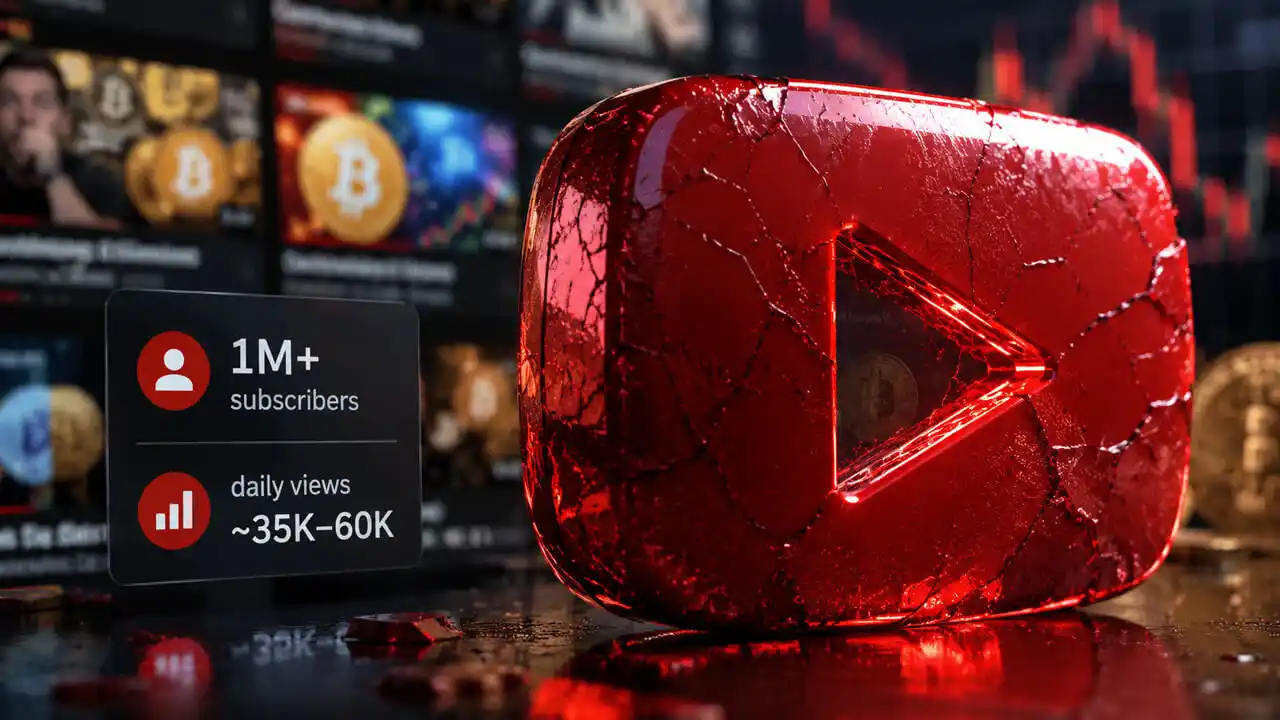
YouTube Crypto Channel Views Drop 70% by 2026, Retail Attention Crisis Reshaping Next Cycle

Major cryptocurrency YouTube channels are experiencing a severe decline in viewership, signaling a potential crisis in retail investor attention for the next market cycle. Analysis of six top channels shows monthly view counts have plummeted 27% to 79% compared to January 2025, with four channels down approximately 75%. While subscriber counts remain high (e.g., Coin Bureau with 2.72M, Altcoin Daily with 1.65M), current engagement tells a different story. Recent 30-day view counts are significantly lower: Coin Bureau at 1.24M views, Crypto Banter at 1.06M, with Altcoin Daily and Benjamin Cowen performing relatively better at 1.79M and 1.8M respectively. The core issue is that subscriber numbers are cumulative and reflect past interest, while views measure current demand. The dramatic drop indicates a fragmented and more selective retail audience. This contrasts sharply with the 2021 bull market, where channels reportedly garnered 3-4 million daily views. Now, daily views for major channels range from roughly 35,000 to 60,000. This divergence suggests a new type of market cycle. Bitcoin's price can be sustained by ETFs and institutional activity, but without strong retail engagement via content channels, the dynamics of the next bull run will be fundamentally different. The real signal for a retail resurgence will be a sustained increase in daily and monthly view counts, not subscriber growth. If viewership fails to recover, long-form YouTube content may become a lagging indicator, with retail attention shifting to other, faster formats.

marsbit1h ago

YouTube Crypto Channel Views Drop 70% by 2026, Retail Attention Crisis Reshaping Next Cycle

marsbit1h ago

Confirmed: Claude Code Secretly Inspects Users, Time Zone and Chinese AI Labs Are Key Factors

Today was a significant day for Anthropic. The company announced the launch of Claude Sonnet 5, described as its most agentic model yet, and separately confirmed that the U.S. Department of Commerce has lifted export controls on its Claude Fable 5 and Mythos 5 models, allowing their distribution to resume. However, a separate controversy has emerged regarding its coding assistant, Claude Code. Developers have exposed that certain versions of the tool allegedly contain hidden code designed to detect specific user data. This code reportedly checks for the use of Chinese time zones (like Asia/Shanghai), the presence of custom API proxy URLs, and connections to domains associated with Chinese tech companies and AI labs. If triggered, this information is said to be encoded into the system prompt sent to the AI cloud, using subtle, nearly indistinguishable variations in characters (like different Unicode apostrophes in the "Today's date" line) as a form of steganography. The core issue is the covert nature of this data collection. While telemetry for security and abuse prevention is common, implementing it through hidden channels within the prompt—without user awareness or documented disclosure—fundamentally breaches trust. This is particularly sensitive for a coding assistant that operates with access to source code and system commands. Following the exposure, an Anthropic engineer acknowledged the code's existence and stated it would be removed in an upcoming release. The incident raises serious questions about transparency and the boundaries of data collection in AI developer tools.

marsbit2h ago

Confirmed: Claude Code Secretly Inspects Users, Time Zone and Chinese AI Labs Are Key Factors

marsbit2h ago

Grayscale: After Halving, BTC is Nearing the Bottom of This Cycle

Grayscale Research suggests Bitcoin's recent decline below $60,000, a >50% drop from its October peak, represents a cyclical correction within a long-term uptrend rather than a trend reversal. Key factors behind the pullback include a shift in market expectations toward Federal Reserve rate hikes under new Chair Kevin Warsh, uncertainty around the CLARITY Act's Senate passage, pressure on leveraged entities like Strategy, and concerns over quantum computing risks. The path out of the current bear market hinges on upcoming catalysts. An optimistic scenario, where the CLARITY Act passes, leverage is contained, and the Fed refrains from hiking, could mean Bitcoin is nearing its cycle bottom. A pessimistic scenario, featuring legislative failure, further deleveraging, and Fed rate hikes, could lead to additional moderate downside. Grayscale does not expect a historically deep ~80% drawdown due to a more measured prior bull run and stickier institutional demand. Despite short-term headwinds, Grayscale remains highly optimistic about crypto's long-term structural prospects, driven by institutional adoption of public blockchains, unsustainable government debt, declining trust in intermediaries, and AI's potential demand for alternative systems. The report concludes that while the exact cycle low depends on near-term catalysts, current valuations present an attractive entry point for long-term investors betting on the decade-ahead growth of digital assets.

marsbit3h ago

Grayscale: After Halving, BTC is Nearing the Bottom of This Cycle

marsbit3h ago

Trading

Spot
活动图片