R3 Sustainability и Chintai запускают токенизированный ESG-фонд на $795 млн

cryptonews.ruPublished on 2024-05-05Last updated on 2025-02-05

R3 Sustainability объединилась с Chintai для запуска нового устойчивого инвестиционного фонда на основе блокчейна.

R3 Sustainability будет использовать блокчейн первого уровня (L1) Chintai (CHEX) для разработки фонда токенизации реальных активов (RWA) на $795 млн, ориентированного на инвестиции в экологическое, социальное и корпоративное управление (ESG).

Фонд является частью растущего сектора токенизации RWA, который относится к финансовым и другим материальным активам, выпущенным на неизменяемом блокчейн-реестре, что повышает доступность для инвесторов и торговые возможности.

По словам Джоша Гордона, управляющего директора Chintai, токенизация создает более «прямые, эффективные и масштабируемые способы доступа к ликвидности».

Сокращая инвестиционные расходы, фонд стремится открыть новые возможности финансирования инфраструктуры для более широкой аудитории, сказал Гордон.

«Речь идет не только об ESG — речь идет о фундаментальном преобразовании того, как капитал поступает в отрасли, в которых десятилетиями доминировали дорогие инвестиционные банки», — добавил он.

Фонд в размере 795 миллионов долларов появился на фоне растущего интереса к сектору RWA, на следующий день после того, как ончейн RWA достигли нового рекордного максимума в 17,1 миллиарда долларов среди 82 000 держателей активов, исключая стоимость стейблкоинов, согласно данным RWA.xyz.

Фонд может стать «игровым переломным моментом» для устойчивой коммунальной инфраструктуры США

Устойчивая коммунальная инфраструктура — это «огромный и растущий инвестиционный сектор в США, в значительной степени обусловленный ростом оншоринга производства», по словам Кайла Грановски, основателя R3 Sustainability.

«Обычно для завершения этих проектов требуется несколько раундов инвестиций — область, в которой блокчейн и токенизация обеспечивают значительные преимущества», — рассказал Грановски.

Фонд содержит четыре основные программы устойчивого развития, включая программу энергоэффективного жилья для удаленной работы персонала стоимостью 50 миллионов долларов с краткосрочными возможностями расширения на сумму 150 миллионов долларов капитала.

Во-вторых, фонд развития на ранней стадии в размере 165 миллионов долларов для промышленных проектов и фонд в размере 180 миллионов долларов для опреснительной установки с обратным осмосом, ориентированной на обслуживание крупного промышленного комплекса в Техасе.

Наконец, фонд RWA выделит 300 миллионов долларов на программу эффективности ресурсов, направленную на преобразование твердых частиц сточных вод из химического производственного комплекса в продукт удобрения для Северной Америки.

Грановски объяснил, что возможности фонда RWA заключаются в масштабе и инвестиционных характеристиках коммунальной инфраструктуры.

«ASCE оценивает дефицит финансирования в размере 105 миллиардов долларов в инфраструктуре водоснабжения и сточных вод США, и эта цифра только растет с ростом центров обработки данных и промышленных комплексов. Эти активы часто имеют контрактные сроки от 20 до 40 лет, что делает вторичные рынки фактором, меняющим правила игры для ликвидности и инвестиционной гибкости», — пояснил он.

Некоторые из крупнейших финансовых учреждений и консалтинговых фирм по бизнесу прогнозируют, что сектор RWA к 2030 году вырастет более чем в 50 раз и достигнет от 4 до 30 триллионов долларов.

Related Reads

Li Fei-Fei's Latest Long-Form Article: When Video Generation, Robotics, and NVIDIA All Call Themselves World Models, We Need a Taxonomy

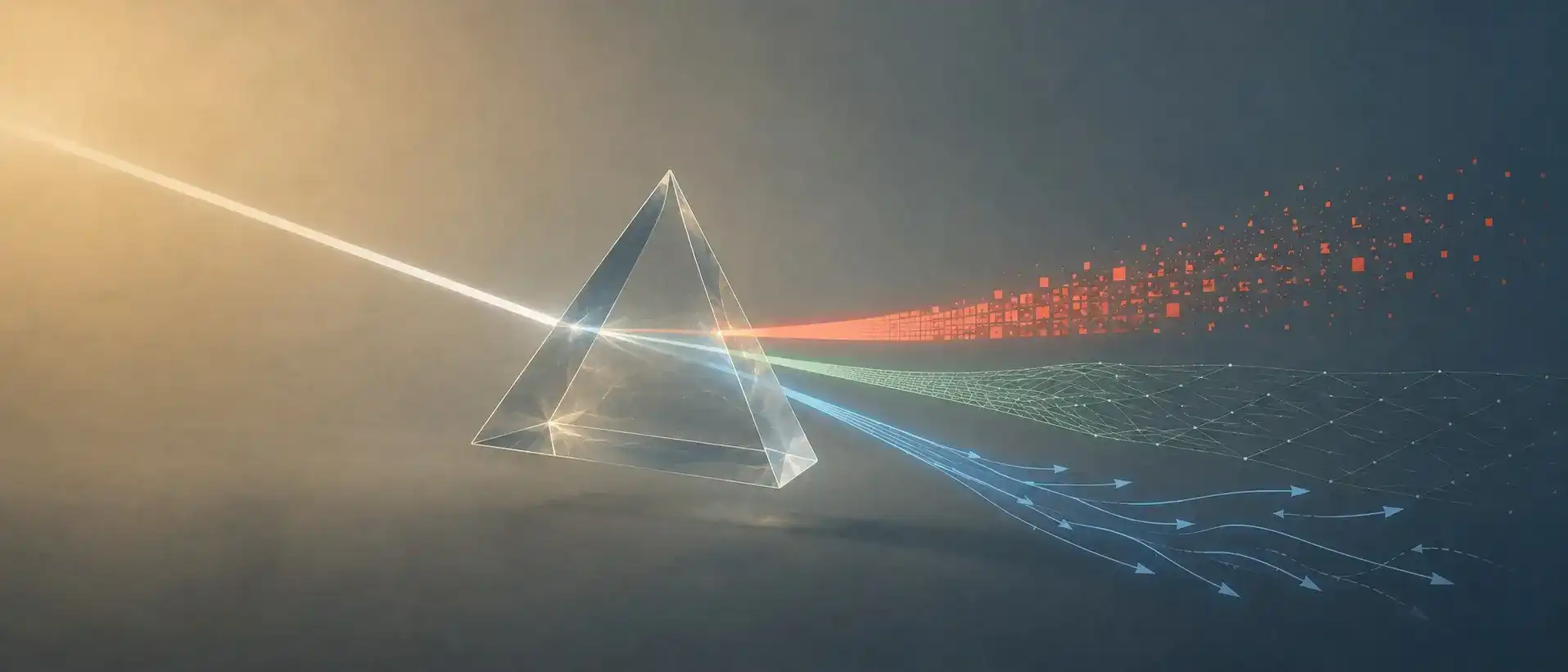
In a new article, Dr. Fei-Fei Li addresses the widespread and often inconsistent use of the term "world model" in AI. She proposes a clear, functional taxonomy rooted in the classic Partially Observable Markov Decision Process (POMDP) loop (agent → action → state → observation → agent). According to this framework, current systems called "world models" are different projections of this loop, categorized by their primary output: 1. **Renderers**: Output observations (pixels). Their goal is visual fidelity for human consumption (e.g., video generation models like Sora). They are the most commercially mature but are limited by a focus on appearance over physical accuracy. 2. **Simulators**: Output states (geometric, physical, dynamic representations). They provide a structurally accurate world for both human professionals (e.g., architects) and computational agents (e.g., robots for training). Li argues simulators are the crucial, underappreciated bridge, as they can underpin both rendering and planning. 3. **Planners**: Output actions. Given an observation and a goal, they decide what an agent should do next (e.g., robotic action models). This area is highly promising but remains the least mature for real-world deployment. Li highlights a key trend: the boundaries between these three categories are beginning to blur, as they all rely on a shared underlying understanding of geometry, physics, and dynamics. The logical endpoint is a unified world foundation model capable of switching between rendering, simulation, and planning based on downstream needs. This convergence, she concludes, is central to advancing spatial intelligence—enabling machines not just to talk about the world, but to truly understand, imagine, and interact with it.

marsbit1h ago

Li Fei-Fei's Latest Long-Form Article: When Video Generation, Robotics, and NVIDIA All Call Themselves World Models, We Need a Taxonomy

marsbit1h ago

Forbes Feature: Stablecoin Cross-Border Payments Are Faster, But Not Yet Cheaper

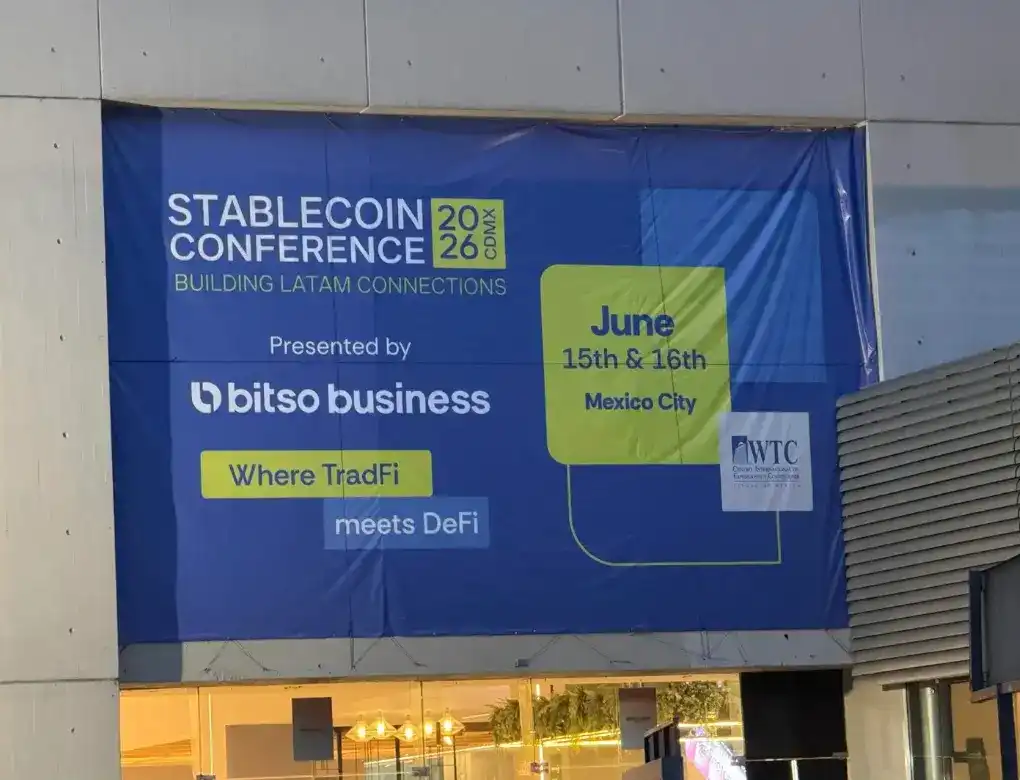
A Forbes feature delves into the state of stablecoin-based cross-border payments, noting rapid growth but a key shortfall: while faster and more accessible, they are not yet cheaper. At a recent industry conference in Mexico City, optimism about technology, regulation, and volume was tempered by discussions with practitioners. The core issue is liquidity. Traditional FX brokers charge 60-70 basis points, and stablecoins promise to slash this to 2-5 basis points. However, this theoretical cost advantage cannot be realized until deep liquidity pools are established at scale, requiring significant institutional capital inflow. A major adoption barrier is trust. Businesses often rely on long-standing relationships with traditional brokers, valuing reliability over marginal cost savings. This shift will be gradual. Furthermore, successful companies in the space are not positioning themselves as replacements for legacy systems like SWIFT, but as complements. They leverage stablecoins for speed while using traditional rails for their standardization and reliability in ensuring accurate payment details—a critical factor for supplier payments to avoid customs issues. Companies like Caliza, experiencing high monthly growth, exemplify this hybrid approach. The industry anticipates consolidation, as long-term viability will depend on securing the essential trifecta: proper licensing, robust fiat on/off-ramps, and deep liquidity. Without these, firms risk being mere intermediaries rather than building sustainable businesses.

marsbit1h ago

Forbes Feature: Stablecoin Cross-Border Payments Are Faster, But Not Yet Cheaper

marsbit1h ago

Li Feifei's Latest Article: When Video Generation, Robotics, and NVIDIA All Claim to Have 'World Models,' We Need a Taxonomy

"World Model" has become a widely used yet ambiguous term in AI. Drawing from the classic POMDP framework (agent → action → state → observation), this article proposes a functional taxonomy to clarify the concept. It identifies three distinct types, categorized by their output in the perception-action loop: 1. **Renderers**: Output visual observations (pixels). These models, like advanced video generators, prioritize visual fidelity but often lack underlying physical accuracy. 2. **Simulators**: Output the state of the world (geometry, physics, dynamics). They provide a structurally accurate representation for professionals (e.g., architects) and serve as training environments for robots and AI agents. 3. **Planners**: Output actions. Given an observation and a goal, they determine what an agent should do next, closing the perception-action loop (e.g., vision-language-action models). While renderers are currently the most commercially mature and planners are the most aspirational, the article argues that **simulators are the crucial, underappreciated hub**. By working at the level of geometry and physics, a simulator can project upwards to create visuals for humans and downwards to predict action consequences for agents. The future lies in the convergence of these three functions. Emerging research and products, like World Labs' Marble model which outputs both visual splats and physical collision meshes, are beginning to blur these boundaries. The logical endpoint is a unified world foundation model capable of rendering, simulating, and planning based on a shared understanding of spatial and temporal structures—ultimately enabling machines to understand, imagine, and interact with the physical world.

链捕手1h ago

Li Feifei's Latest Article: When Video Generation, Robotics, and NVIDIA All Claim to Have 'World Models,' We Need a Taxonomy

链捕手1h ago

Trading

Spot
活动图片