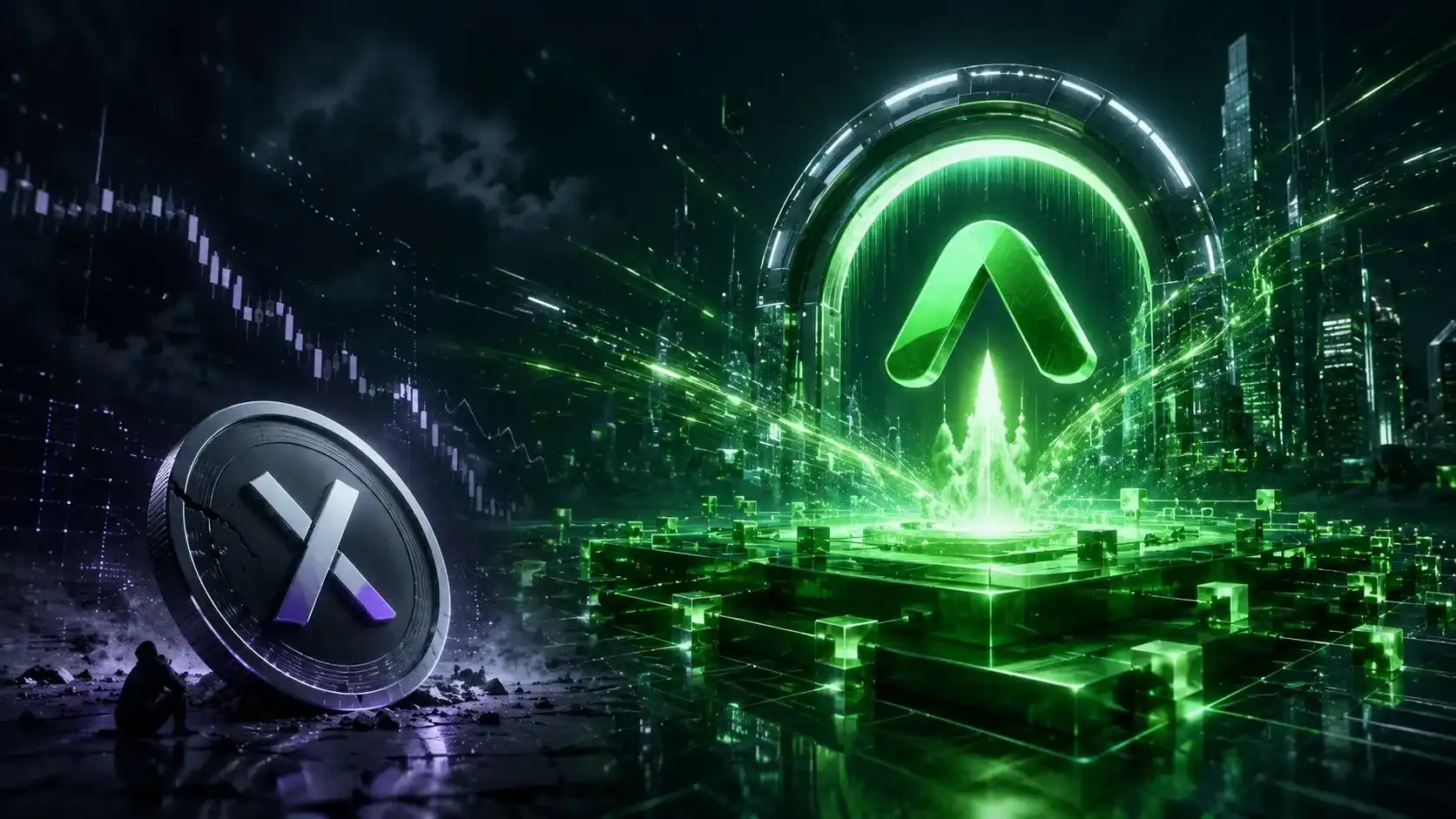
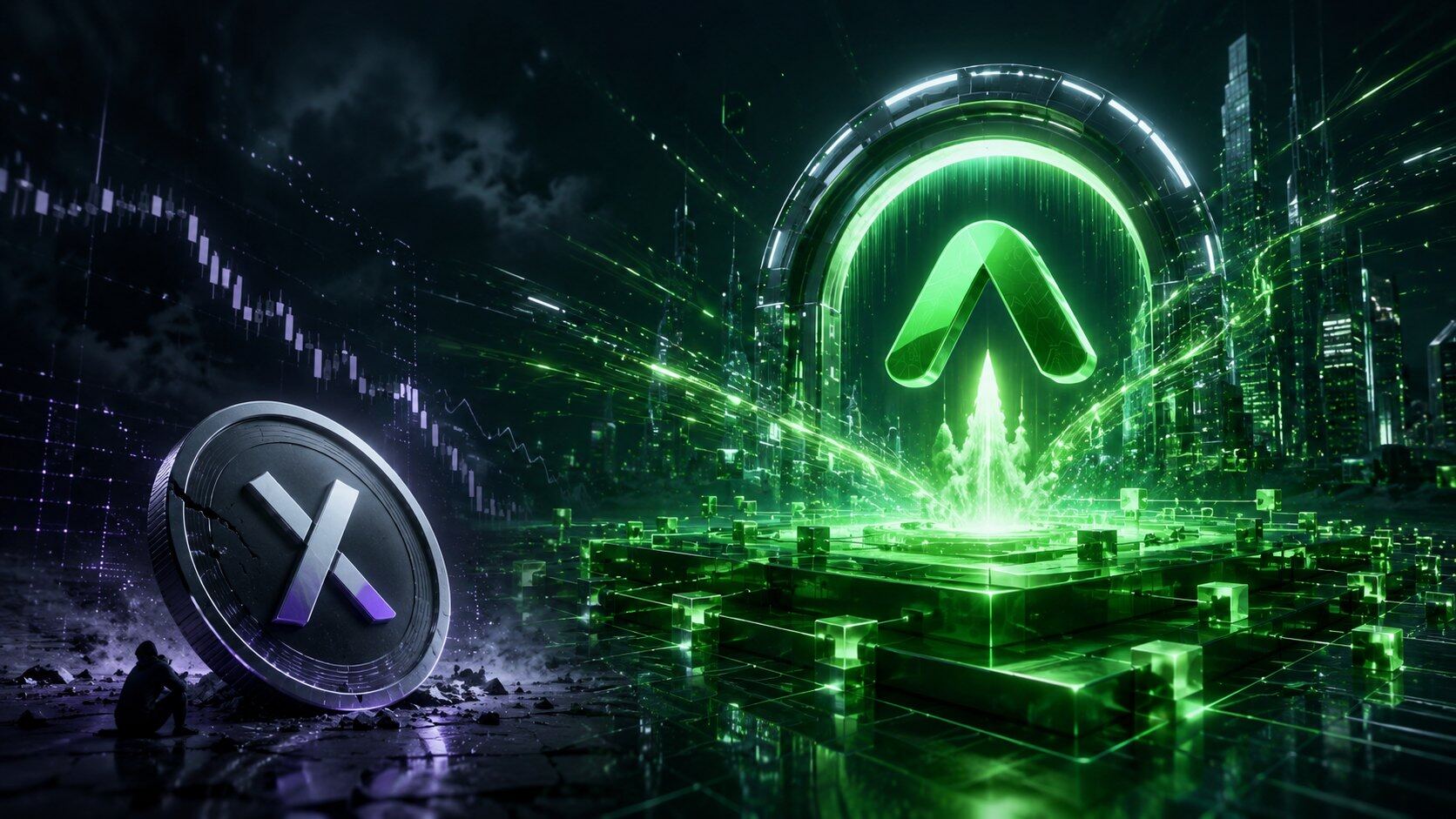
Модель дефицита Ripple укрепляет экосистему RLUSD и XRP

cryptonews.ruPublished on 2025-01-04Last updated on 2025-01-04

  • В пятницу Ripple выпустила 600 000 токенов RLUSD в казначействе RLUSD.
  • Компания контролирует дефицит RLUSD, чтобы он не затмил XRP.
  • Аналитик Артур предсказал, что 20 января может стать хорошим днем для расширения поставок.

RLUSD от Ripple, поддерживаемый долларом стейблкоин, запущенный в прошлом году, поддерживал ограниченное предложение с момента своего дебюта, достигнув своего предела вскоре после выпуска. Финтех-гигант, похоже, применяет стратегический подход к чеканке, стремясь контролировать дефицит и создавать долгосрочную ценность для держателей.

В пятницу в казначействе RLUSD Ripple было отчеканено более 600 000 токенов RLUSD, что стало первым значительным увеличением предложения за несколько месяцев. Трейдер XRP Артур, выступая на X (ранее Twitter), подчеркнул важность дефицита для поддержания стоимости RLUSD.

«Резкий рост предложения может привести к инфляции, снижению цен и дестабилизации доверия рынка», — отметил Артур.

Why is @Ripple limiting RLUSD circulation to 53,1M?🚨
Despite hitting the cap on the first days, the supply hasn’t increased. Is Ripple being cautious, or is there a bigger strategy at play? Let’s dive into it. THREAD🧵👇

— Arthur (@XrpArthur) January 2, 2025

В настоящее время общий запас RLUSD составляет 53,1 млн токенов. Ripple, похоже, отдает приоритет органическому спросу перед дальнейшим увеличением оборота. Преждевременный вывод токенов на рынок может привести к девальвации, что подорвет целевую цену стейблкоина в $1.

Дефицит как стратегическое преимущество

Подход Ripple к дефициту сигнализирует о ее приверженности долгосрочной стабильности и внедрению, а не погоне за краткосрочными рыночными тенденциями. Артур подчеркнул, что эта стратегия, ориентированная на дефицит, укрепляет репутацию Ripple как ответственного управления RLUSD.

Осторожный подход Ripple также может быть связан с нормативными соображениями. Фирма, вероятно, имеет значительный резерв токенов RLUSD, но выпускает их выборочно, чтобы избежать потенциального контроля за рыночными манипуляциями или проблемами соответствия.

Читайте также: Рыночная устойчивость XRP: топ-3, несмотря на продолжающийся судебный процесс SEC

Кроме того, наводнение рынка RLUSD может затмить XRP, флагманскую криптовалюту Ripple, которая недавно стала бычьей после длительного периода застоя. Артур предположил, что Ripple может ждать более широкого институционального принятия или значительного рыночного спроса, прежде чем расширять предложение RLUSD.

Артур предсказал, что 20 января может стать важной датой для увеличения предложения RLUSD, что может совпасть с более широкими институциональными изменениями или ясностью регулирования.

Trending Cryptos

Related Reads

Zuckerberg Gave the AI Bull Market a Fright

Mark Zuckerberg and Meta inadvertently sent shockwaves through the AI stock market. News that Meta plans to sell its "excess" AI computing power to external clients triggered a trillion-dollar sell-off in AI infrastructure stocks like Nvidia and AMD, while Meta's stock rose. This seemingly simple business move—renting out idle resources—shook a core assumption underpinning the two-year AI bull market: the belief that computing power ("compute") would be perpetually scarce. This scarcity narrative had fueled valuations across the entire supply chain, from GPUs to power suppliers. Meta's motivations are layered: improving hardware utilization during non-peak R&D periods, executing a strategic pivot, and redefining AI infrastructure. Unlike rivals selling APIs, Meta's open-source approach with Llama appears aimed at building an ecosystem where it ultimately profits from the underlying compute, similar to how AWS transformed from Amazon's internal capacity. Meta is essentially offering an integrated "AI factory" service, not just raw GPU rental. The market's fear wasn't Meta selling a few chips, but the signal that GPU supply might become more shareable and efficient, transitioning the industry from a Capex-driven "hoarding" model to an Opex-driven "utilization" model. This could fundamentally reset valuation logic from scarcity to efficiency. While the sell-off reversed somewhat as investors realized this shift is long-term, the direction is set. The move marks a potential inflection point: the era of easy valuation gains from simply buying GPUs may be ending, giving way to an era where operational efficiency and return on AI assets take center stage.

marsbit3m ago

Zuckerberg Gave the AI Bull Market a Fright

marsbit3m ago

Arcus Chooses "Stepfather" Robinhood Chain, "Biological Father" dYdX Awkwardly Attempts to Salvage the Situation

Robinhood officially launched its own Layer 2 network, Robinhood Chain. In response, many major DeFi protocols like Uniswap and Chainlink announced integration. A key point of discussion was Arcus, a new decentralized exchange (DEX) developed by the dYdX team, which chose to launch on Robinhood Chain instead of the native dYdX Chain. Arcus offers 24/7, zero-fee trading of 95 tokenized stocks and perpetual contracts. This move sparked community concerns about dYdX Chain potentially being sidelined, causing DYDX token's price to drop over 12%. Critics questioned if dYdX Labs' focus is shifting to Arcus and how DYDX token holders would benefit from Arcus's future growth, especially as its founder mentioned a future Arcus token would allocate a portion to the dYdX community. dYdX founder Antonio Juliano clarified that dYdX Chain will continue operating, but acknowledged its deep decentralization involved trade-offs in performance and user experience. He stated Arcus is a separate product led by a new CEO, responding to market demands for faster, simpler platforms. The dYdX Foundation also confirmed DYDX's role remains unchanged for dYdX Chain governance and staking, with no plans for token migration. However, the core uncertainty remains: if Arcus succeeds, how will that value flow back to dYdX Chain and its DYDX token holders?

Odaily星球日报1h ago

Arcus Chooses "Stepfather" Robinhood Chain, "Biological Father" dYdX Awkwardly Attempts to Salvage the Situation

Odaily星球日报1h ago

Trading

Spot

Hot Articles

What is XRP 2.0

XRP 2.0: A New Frontier in the Cryptocurrency Landscape Introduction to XRP 2.0 In the ever-evolving realm of cryptocurrency, new projects continuously emerge, vying for attention and adoption. One such promising initiative is XRP 2.0, a novel cryptocurrency project designed to leverage advanced blockchain technology and robust encryption methodologies. While the name draws parallels with Ripple’s XRP, it’s crucial to note that XRP 2.0 operates independently, focusing on enhancing transaction security, privacy, and scalability. As the digital financial landscape increasingly embraces decentralized solutions, XRP 2.0 aims to contribute meaningfully to web3 and the overall expansion of crypto projects. What is XRP 2.0? At its core, XRP 2.0 is a cryptocurrency project that aims to create a secure and decentralized digital currency ecosystem. Its foundational technology integrates sophisticated blockchain principles with cutting-edge encryption techniques. The overarching goal of XRP 2.0 is to establish itself as a reliable and efficient platform enabling swift transaction execution while prioritizing enhanced privacy protections for its users. The project is promoted as a solution to many limitations faced by existing cryptocurrencies, proposing a system that can handle a higher volume of transactions with improved speed and privacy. This versatility positions XRP 2.0 as a significant contender in a marketplace riddled with various digital currencies. Who is the Creator of XRP 2.0? The identity of the creator behind XRP 2.0 has been flagged as ‘Wilbur.’ However, comprehensive details regarding Wilbur or their associated entity remain elusive. The anonymity of many cryptocurrency creators is not an uncommon phenomenon in the industry, often designed to maintain a degree of privacy and security. Who are the Investors of XRP 2.0? As of now, specific information related to the investment foundations or organizations supporting XRP 2.0 is not publicly available. In the cryptocurrency sector, the backing by reputed investors can significantly influence a project's credibility and success, yet the transparency regarding the financial supporters of XRP 2.0 has not been established. How Does XRP 2.0 Work? XRP 2.0 stands out by employing a combination of blockchain technology and advanced encryption algorithms that ensures secure and decentralized transactions. Its innovative structure includes unique features designed to foster user engagement and broaden functionalities beyond conventional cryptocurrency transactions. Among these features, XRP 2.0 incorporates AI-powered capabilities, such as text-to-image and text-to-speech functionalities. These additions are designed to enhance the interactive experience for users, promoting broader applicability across various sectors. By bridging technological advancements with user-centered design, XRP 2.0 aims to capture the attention of a diverse range of individuals and enterprises looking to integrate cryptocurrency solutions into their operational frameworks. Timeline of XRP 2.0 Understanding XRP 2.0 requires examining the milestones that have defined its journey thus far: July 23, 2023: XRP 2.0 is introduced as a novel cryptocurrency project, aiming to revolutionize secure and decentralized transaction capabilities in the blockchain domain. September 8, 2023: The launching of another project, XRP20, occurs, marking the emergence of an ERC-20 token on the Ethereum blockchain that remains unrelated to XRP 2.0. November 13, 2023: The XRP Ledger undergoes a significant update with the release of rippled server software version 2.0.0. It is essential to note that this development is disconnected from the XRP 2.0 cryptocurrency project. Key Points About XRP 2.0 To distill the essence of XRP 2.0, several critical factors emerge: Unique Features: The inclusion of features like AI-powered text-to-image and text-to-speech further diversifies the potential applications of XRP 2.0. Blockchain Technology: The framework utilizes advanced blockchain mechanisms and encryption protocols, ensuring a secure and decentralized environment for transactions. Scalability and Privacy: XRP 2.0 prioritizes enhanced privacy protections in transaction processes and the scalability necessary to accommodate a growing user base. No Affiliation with Ripple: Importantly, despite its name, XRP 2.0 does not have any allegiance or collaboration with Ripple’s XRP, distinguishing its operational framework and objectives within the cryptocurrency ecosystem. Conclusion XRP 2.0 represents an ambitious venture into the cryptocurrency sphere, aiming to offer a combination of security, privacy, and efficiency in digital transactions. By integrating sophisticated technologies and user-friendly features, the project sets out to broaden the horizons of what cryptocurrency can achieve in today's digital economy. While the anonymity of its creator and lack of disclosed investors might raise questions for some, XRP 2.0's focus on advanced functionalities and decentralisation enhances its appeal amidst an increasingly crowded crypto market. As the cryptocurrency landscape continues to evolve, XRP 2.0 may yet emerge as a pivotal player in the expansion of secure and scalable blockchain solutions.

1.1k Total ViewsPublished 2024.04.01Updated 2024.12.03

What is XRP 2.0

Discussions

Welcome to the HTX Community. Here, you can stay informed about the latest platform developments and gain access to professional market insights. Users' opinions on the price of XRP (XRP) are presented below.

活动图片