日元将再次用于您的加密货币投资

币界网Published on 2024-08-19Last updated on 2024-08-19

币界网报道:

日元再次展示了它的力量,如果你对加密货币感兴趣,是时候注意了。最近,日元兑美元汇率出现了一些严重波动,并且正在全面反弹。

自周四晚些时候以来,日元兑美元汇率飙升2.4%,达到145日元兑1美元。这种突然的强势对于比特币和其他加密货币等风险较高的投资来说是个坏消息,因为它通常预示着投资者会转向安全。

日元也给澳元、欧元和英镑等其他主要货币带来了困难。日元兑澳元(通常被视为市场风险偏好的衡量标准)上涨了1%以上。

日元走强与比特币暴跌

本月早些时候,当日元最后一次展示其力量时,比特币受到了打击。在短短八天内,它从约7万美元跌至5万美元,然后又回升至6万美元。

现在,比特币陷入了整合。它一直保持在5.8万至6万美元的区间内,目前还没有明确的迹象表明它会朝哪个方向发展。截至发稿时,其交易价格约为58652美元,比前一天下跌1.6%。

问题?有抛售压力,没有足够的买家介入。这可能意味着未来几天会有更多的横盘交易。所以,如果你在等待突破,你可能会等待很长时间。

8月是一个艰难的月份,比特币下跌了约9%。与全球股市相比,全球股市实际上上涨了近1%,是的,你明白了。

比特币本周早些时候试图突破62000美元的阻力位,但没有发生。分析师们看到了疲软的迹象,当你希望反弹时,这从来都不是一件好事。

即使是交易所交易基金(ETF)也没有为提振情绪做太多。比特币ETF最近的净流量约为1300万美元,这听起来可能很多,但还不足以扭转局面。

总体而言,曾经围绕这些投资工具的热情似乎正在消退。如果你担心美国政府将缴获的比特币投放市场,你并不孤单。

这可能会给价格带来更大的下行压力,使比特币更难卷土重来。
Related Reads

The Domestic Answer to Space Computing Power: Photonics Are More Efficient, Musk and Huang's Approaches Are Too Roundabout

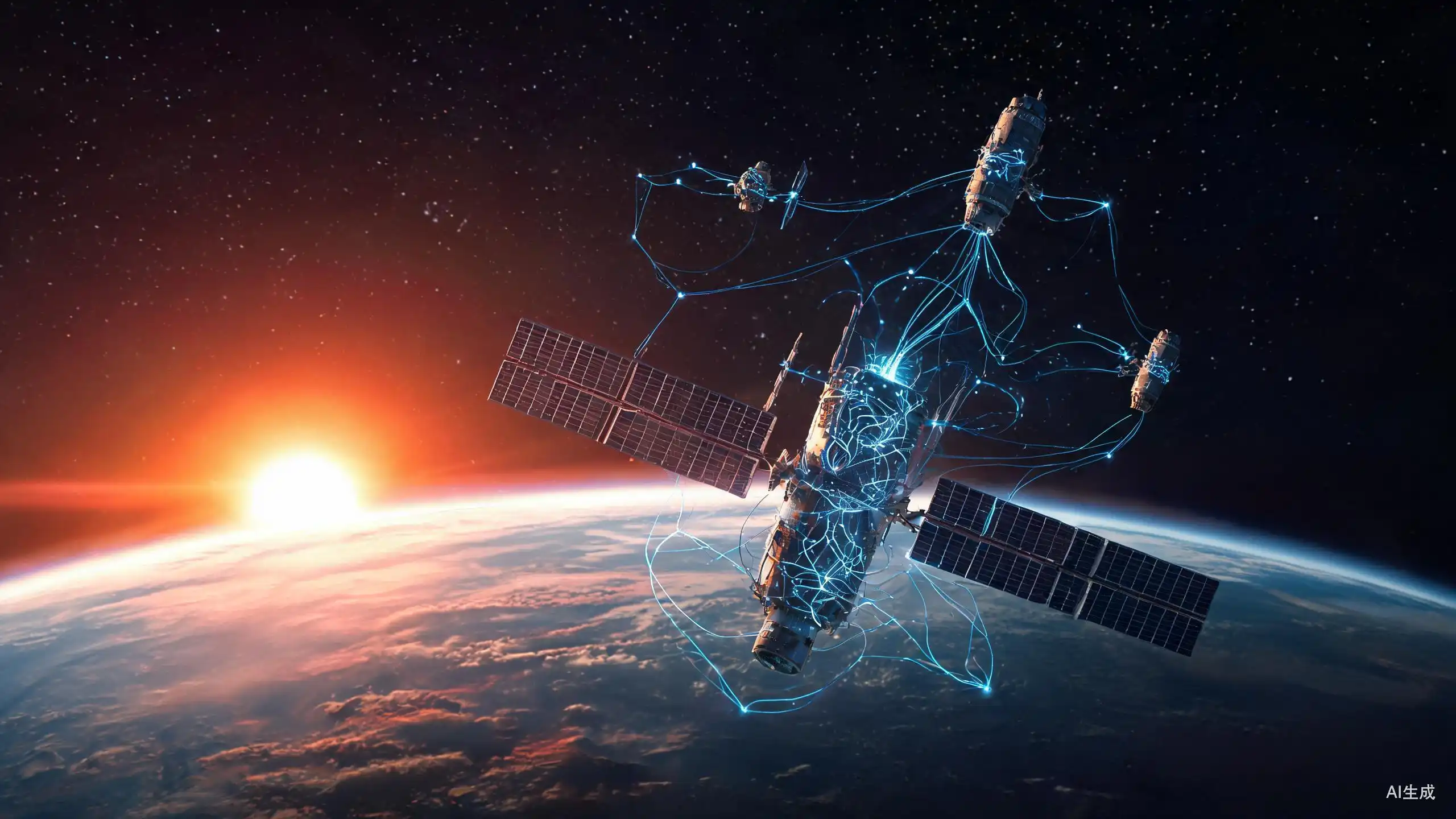
The Space Computing Race: A Photonic Advantage The competition for space-based computing has intensified, with figures like Elon Musk and NVIDIA's Jensen Huang highlighting its potential. Musk predicts solar-powered AI satellites could offer the most cost-effective computing by 2032. However, space presents extreme challenges for traditional electronic chips: radiation from cosmic particles can cause errors, the vacuum environment hinders heat dissipation, and limited solar power constrains energy-hungry systems. Photonic computing, using light instead of electrons, offers a promising solution. Its core advantages for space are threefold: 1) **Radiation Resistance**: Photons are charge-neutral, making them inherently immune to particle interference. 2) **Low Heat Generation**: Light propagation in waveguides generates minimal heat, bypassing critical thermal management issues. 3) **Low Power Consumption**: Photonic chips have near-zero static power draw, aligning perfectly with the energy constraints of satellites. Furthermore, for a given payload weight and volume, photonic systems can potentially deliver higher total compute density. Since they require less bulky cooling and power infrastructure, more space can be allocated to the compute units themselves. While photonic computing holds great promise, current industry approaches face hurdles like the memory-compute bottleneck (separate storage and processing) and challenges in large-scale integration. Engineering for space—withstanding launch vibrations and validating full system operation in orbit—remains a critical step. The path forward resembles the evolution from single GPUs to computing clusters, but via a photonic route. As electronic chips approach physical limits in miniaturization, photonic computing and optical interconnects (光算光联) may provide a key alternative to bypass these constraints and define the next generation of space-based computing capabilities.

marsbit58m ago

The Domestic Answer to Space Computing Power: Photonics Are More Efficient, Musk and Huang's Approaches Are Too Roundabout

marsbit58m ago

Trading

Spot
活动图片