SignalPlus波动率专栏(20231116):BTC ETF再次被延迟

Odaily星球日报Published on 2023-11-16Last updated on 2023-11-16

Abstract

虽然美国经济数据仍持续偏向鸽派,不过美债的反弹在昨天稍缓,收益率回吐了部分周二的走势,上涨约10个基点。从SEC针对Hashdex ETF的回应文件来看,批准ETF的决策再次被延迟,不过币价仍稳定,BTC重回3.7万美元,ETH突破2,000美元。

SignalPlus波动率专栏(20231116):BTC ETF再次被延迟

SignalPlus波动率专栏(20231116):BTC ETF再次被延迟

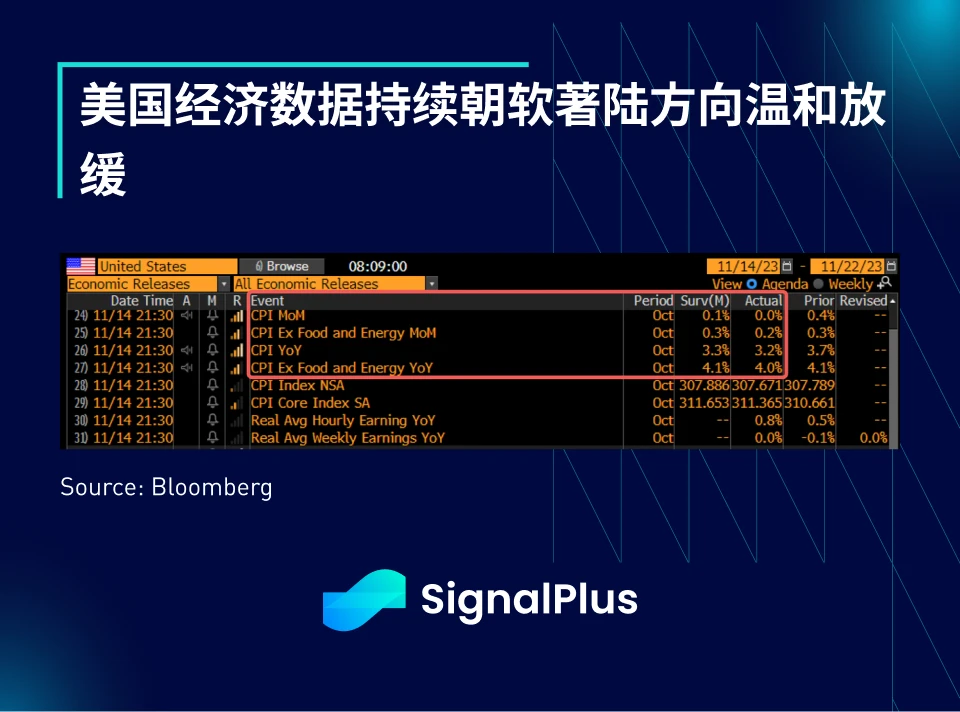
虽然美国经济数据仍持续偏向鸽派,不过美债的反弹在昨天稍缓,收益率回吐了部分周二的走势,上涨约 10 个基点。

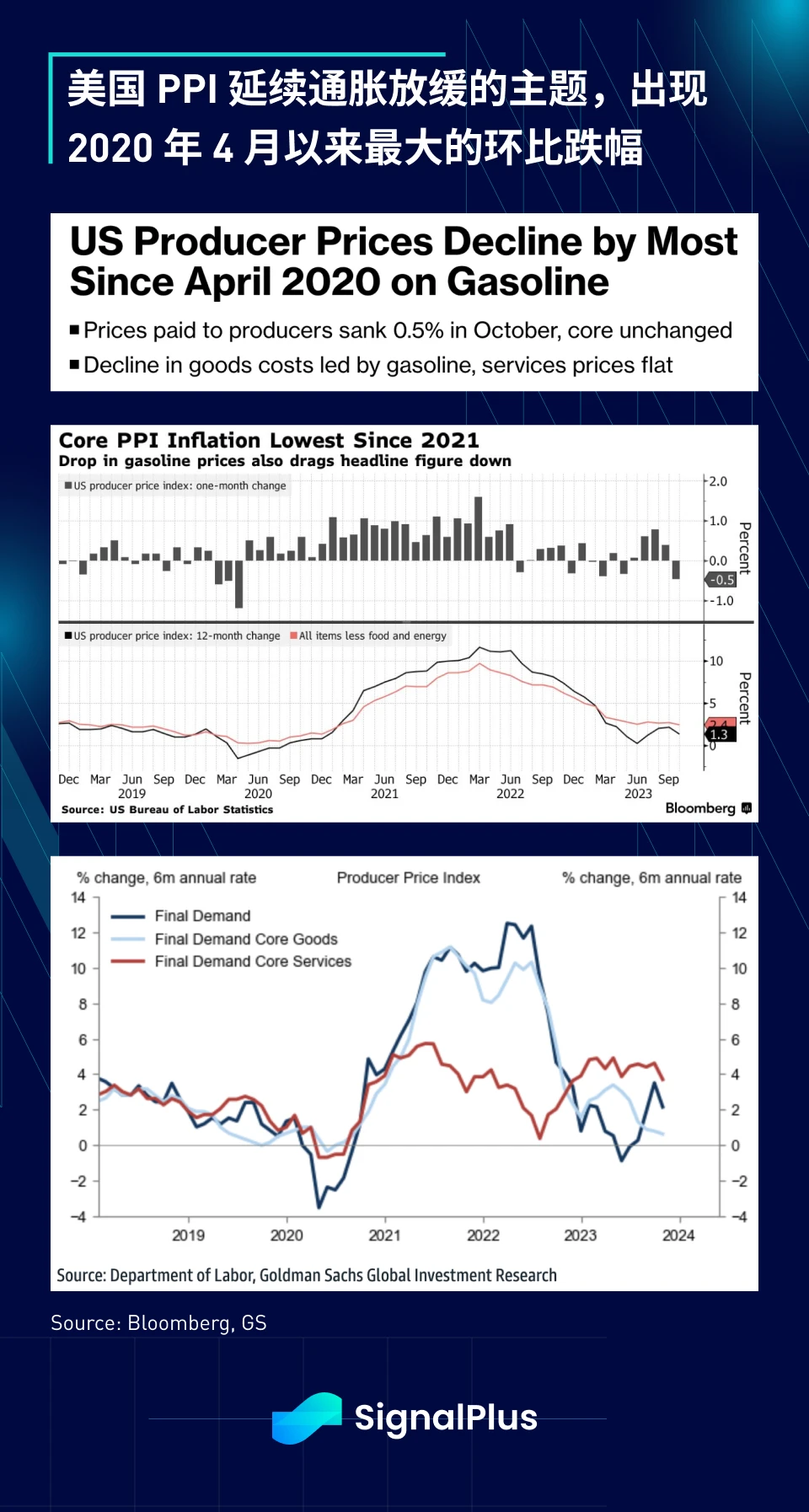
10 月零售销售数据接近市场预期,环比下滑 0.1% ,上个月前值则上修,其中汽车和汽油销售表现疲软;PPI 数据则引起更大的关注,由于汽油价格下跌,PPI 出现 2.5 年来最大跌幅,环比下滑 0.5% ,远低于市场预期的增长 0.1% ,扣除食品、能源和商务服务的核心 PPI 环比增长 0.1% ,不过整体 PPI 同比仍增长 1.3% 。
SignalPlus波动率专栏(20231116):BTC ETF再次被延迟

SignalPlus波动率专栏(20231116):BTC ETF再次被延迟

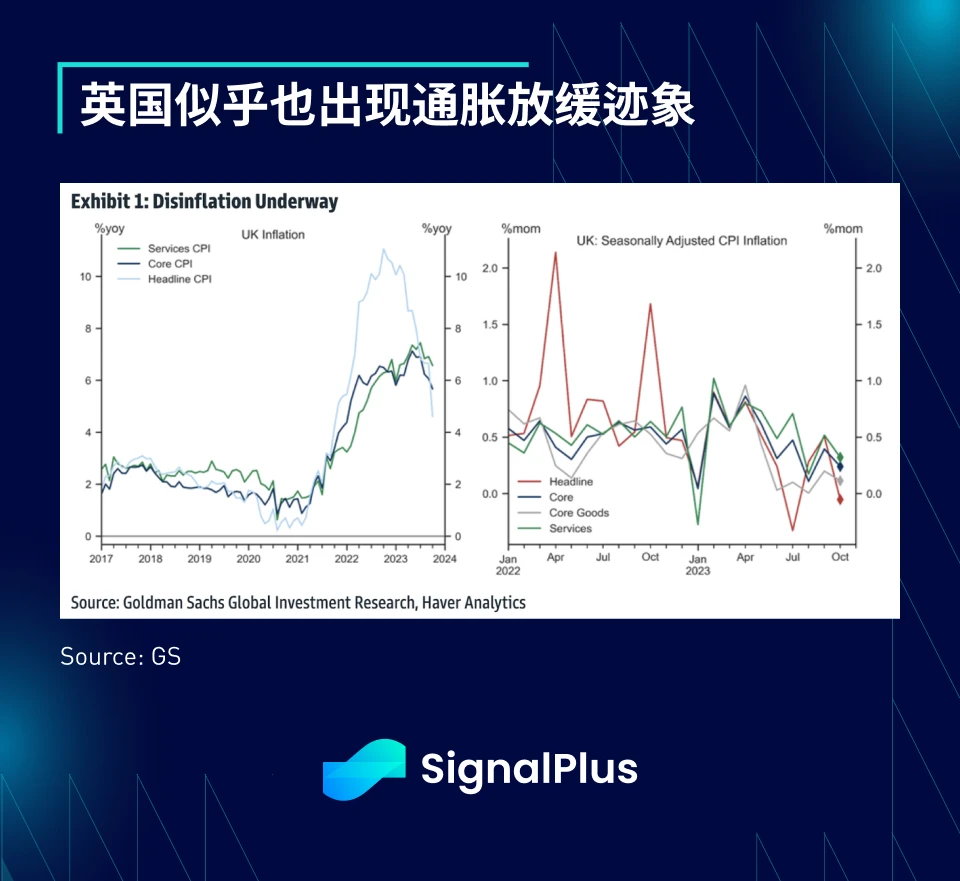
英国也出现了类似的通胀放缓迹象,核心和服务 CPI 的价格压力都显著下降,为全球央行在 2024 年转向宽松政策提供了窗口。
SignalPlus波动率专栏(20231116):BTC ETF再次被延迟

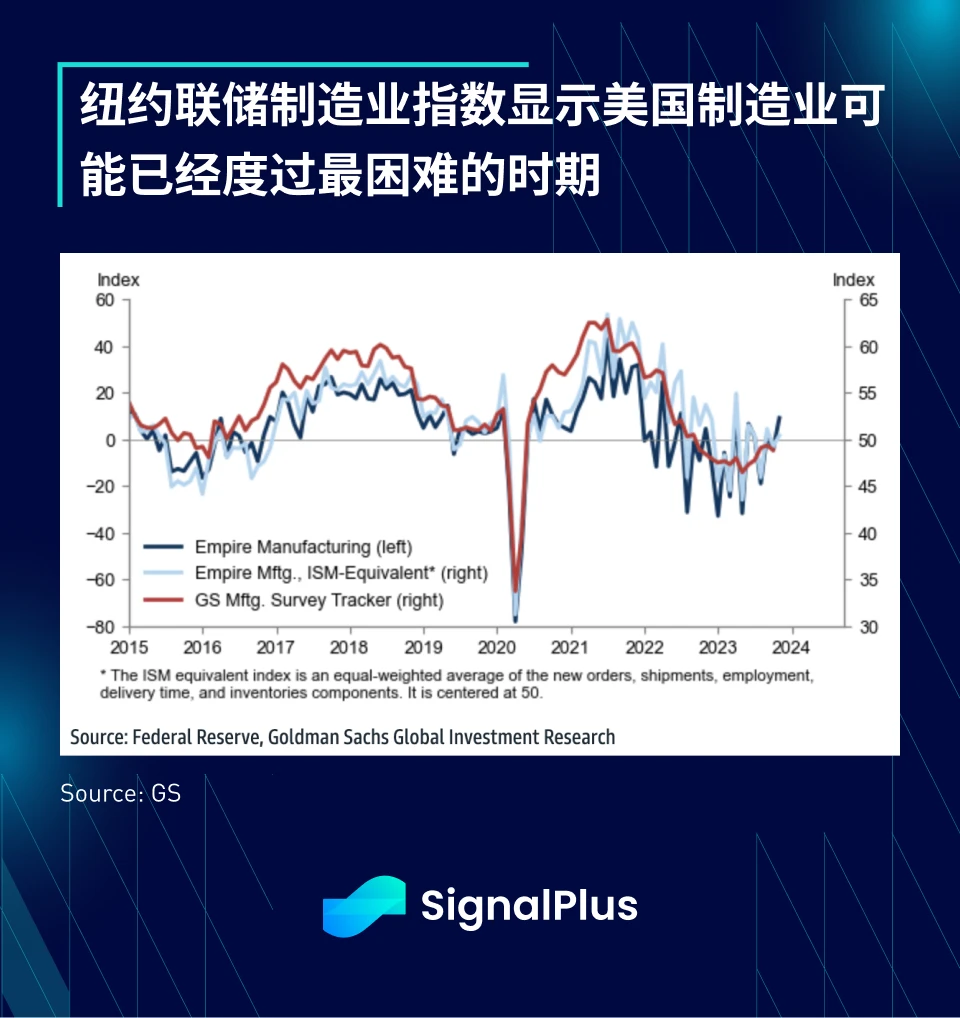
纽约联储制造业指数也支持软著陆的叙事,在过去一个月出现不错的反弹,与其他 PMI 指数相呼应,显示美国制造业可能已经度过最困难的时期,正如利率有望在 2024 年进入较为宽松的阶段。
SignalPlus波动率专栏(20231116):BTC ETF再次被延迟

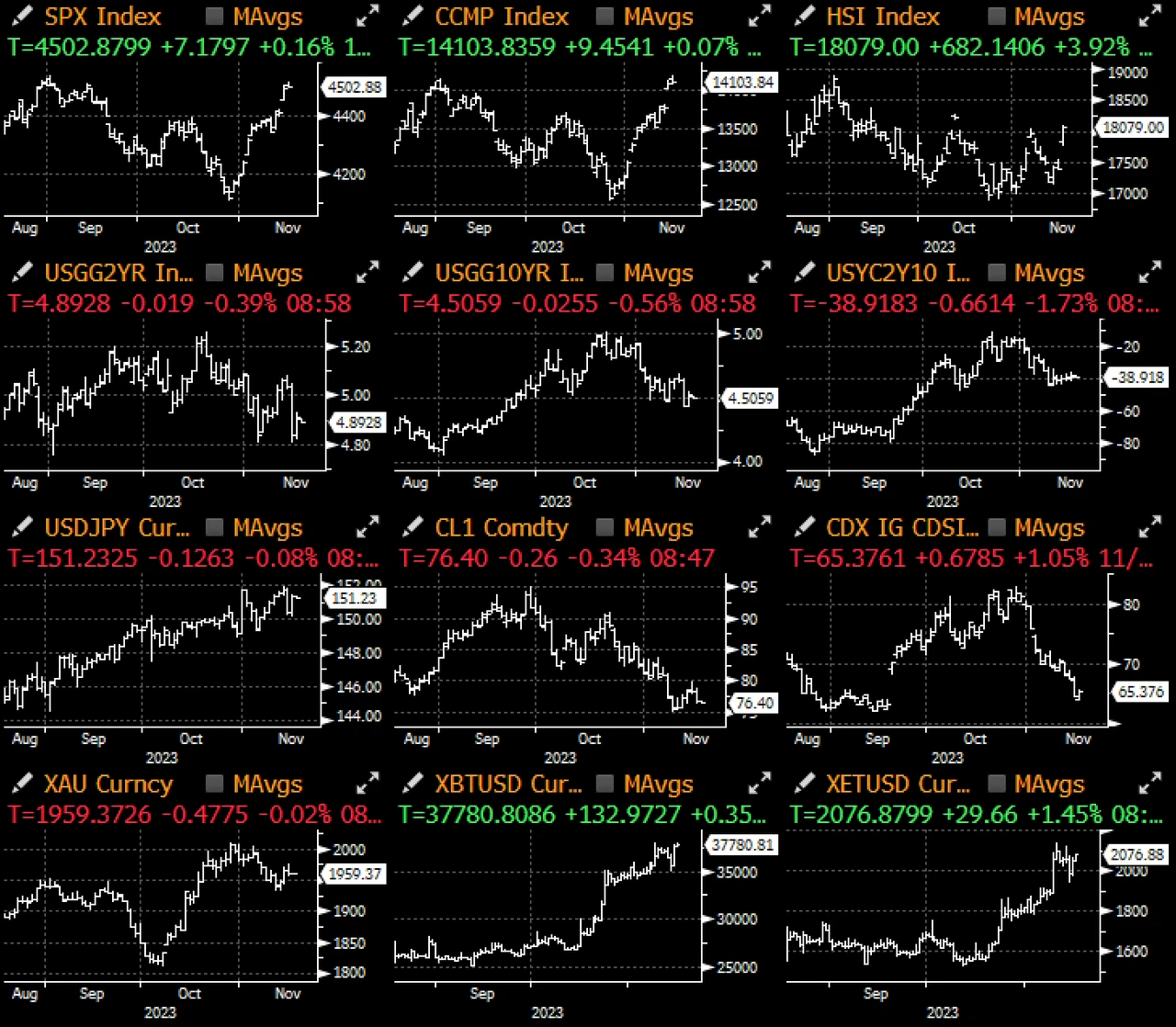
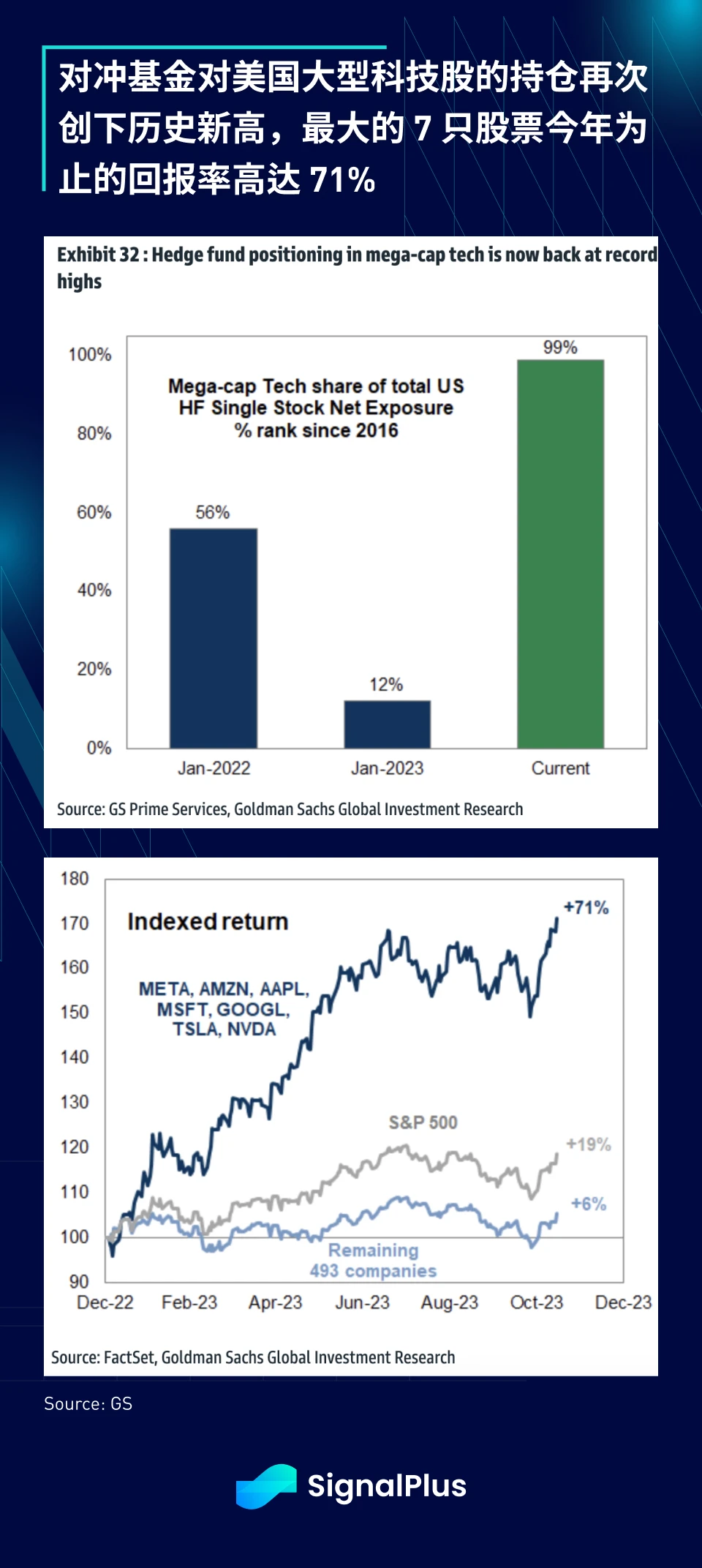
在股票方面,尽管 Cisco 的获利不如预期,且在微软推出首款自研 AI 芯片后,Nvidia 的股价也出现下跌,但由于投资者仍处于逢低买入的模式,股价仍保持上涨;实际上,高盛研究表明,对冲基金对大型股的持仓现已回到历史高点,S&P 500 指数今年的回报率已经是非常可观的 19% ,而最大的 7 只股票今年为止的回报率则高达 71% ,尽管在经济上各种警钟不断被敲响,但美国资本市场今年对买入持有型投资者来说非常友好,基本上只要跟随 beta 即可...
SignalPlus波动率专栏(20231116):BTC ETF再次被延迟

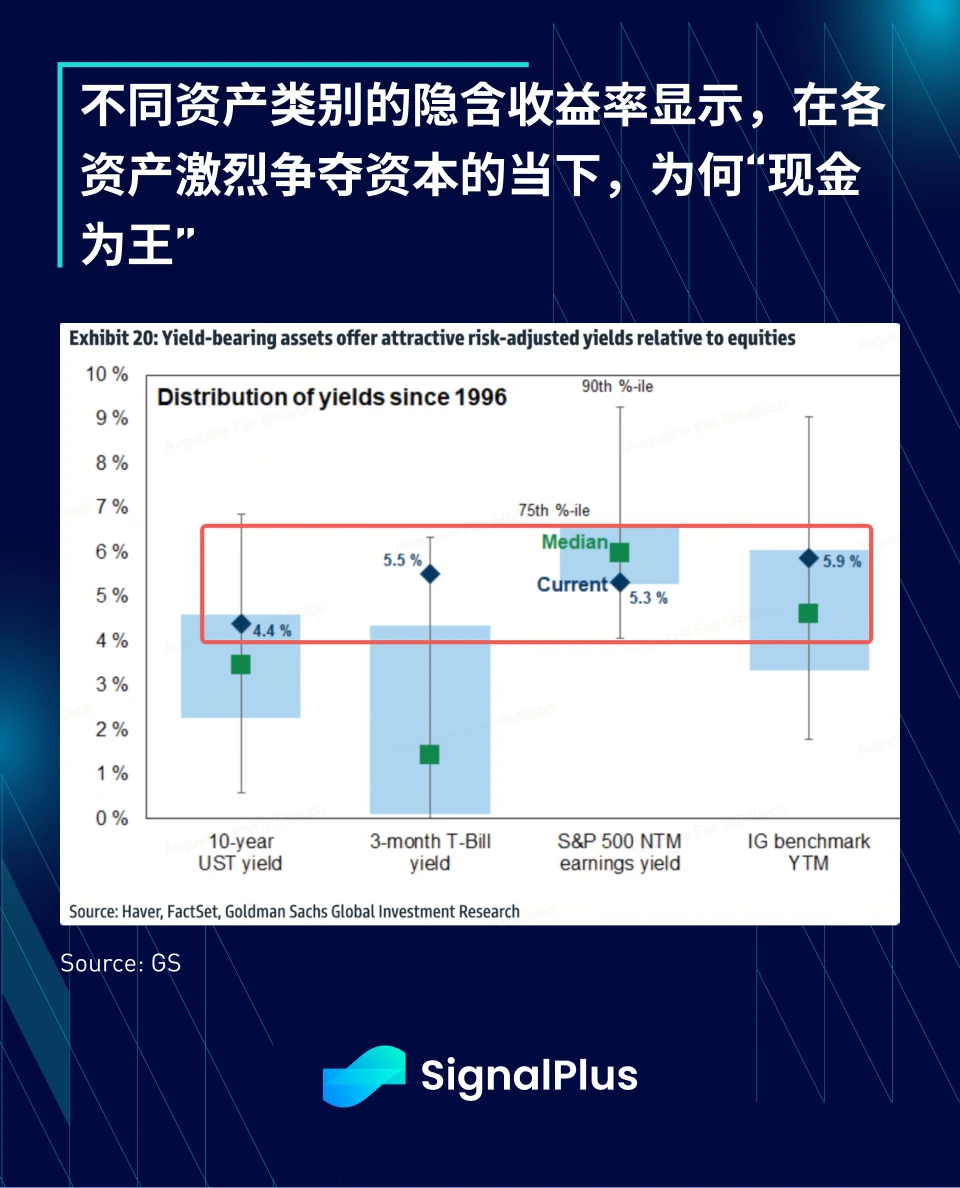
有趣的是,在当前价格下,不同资产类别的隐含收益率多年来首次集中在一个相近的区间内,现金、股票和投资等级债券的收益率都在 5-6% 之间,甚至 10 年期美债的收益率也在区别不大的 4.5% 左右,现在不同资产正为资本展开激烈的竞争,下图清楚地说明了为什么“现金”现在是一个正当的资产配置类别。
SignalPlus波动率专栏(20231116):BTC ETF再次被延迟

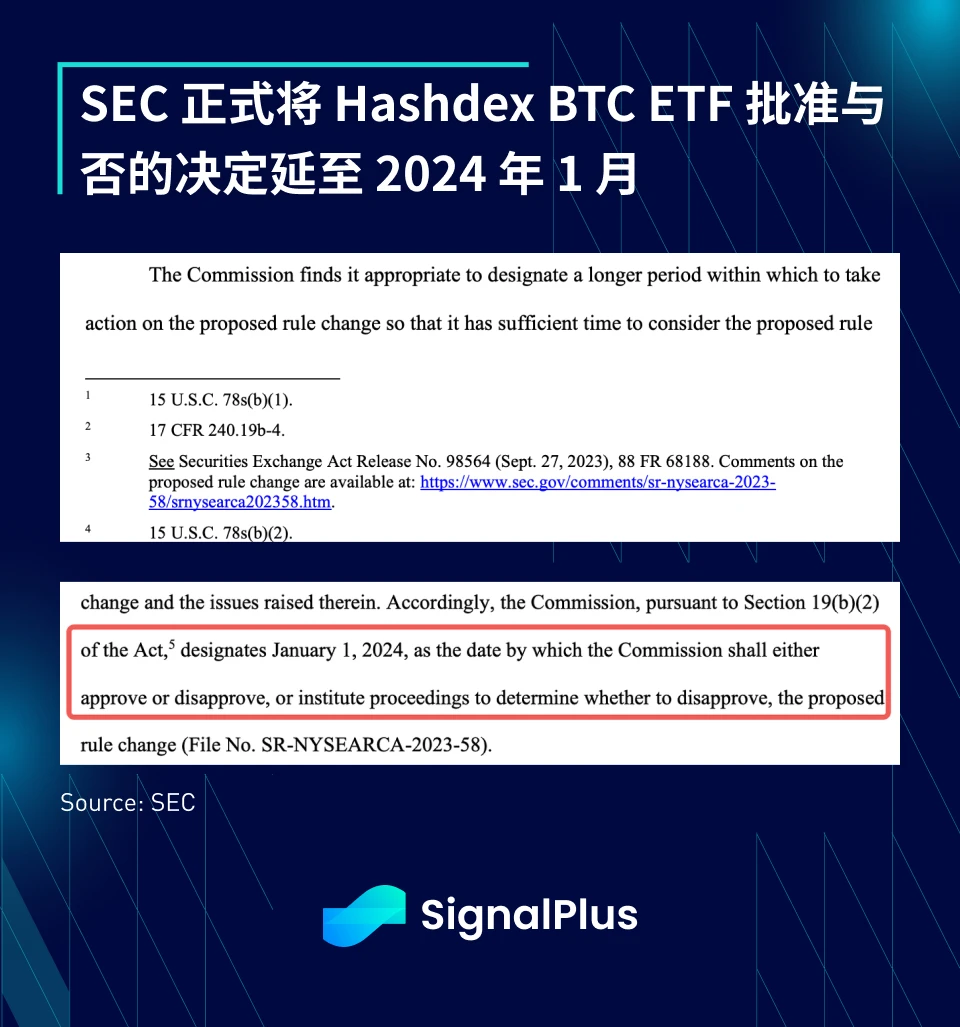
在加密货币方面,从 SEC 针对 Hashdex ETF 的回应文件来看,批准 ETF 的决策再次被延迟,不过币价仍稳定,BTC 重回 3.7 万美元,ETH 突破 2, 000 美元,SEC 原先必须在本周五前对该申请做出回应,但现在已回应将把决定推迟到 2024 年,很可能也会影响其他资产管理公司的申请。
SignalPlus波动率专栏(20231116):BTC ETF再次被延迟

SignalPlus波动率专栏(20231116):BTC ETF再次被延迟

您可在 ChatGPT 4.0 的 Plugin Store 搜索 SignalPlus ,获取实时加密资讯。如果想即时收到我们的更新,欢迎关注我们的推特账号@SignalPlus_Web3 ,或者加入我们的微信群(添加小助手微信:xdengalin)、Telegram 群以及 Discord 社群,和更多朋友一起交流互动。

SignalPlus Official Website:https://www.signalplus.com

Related Reads

Codex Goal Mode Usage Guide: How to Make AI Continuously Pursue a Specific Objective

"Codex Goal Mode: How to Make AI Work Continuously Toward a Specific Goal" OpenAI's Codex "goal mode" (/goal) transforms the AI from a reactive code assistant into a proactive execution agent capable of working autonomously for hours or even days to achieve a defined objective. To maximize its effectiveness, follow these key principles: 1. **Define Clear, Verifiable Exit Criteria:** The goal prompt should be a concise, measurable success condition, not a lengthy specification. Use quantifiable metrics like "reduce build time by 30%" or "achieve 100% test parity." 2. **Provide Initial Guidance and Tools:** Direct Codex toward likely problem areas and specify available tools (e.g., browsers, testing environments) to prevent it from exploring unproductive paths. 3. **Enable Progress Measurement:** Equip Codex with ways to track advancement, such as creating comparison tools for visual tasks or evaluation sets, ensuring it can gauge its own progress. 4. **Use a Realistic Execution Environment:** For tasks like performance optimization, provide access to environments that closely mimic production (e.g., similar configs, databases) to yield valid results. 5. **Be Cautious with Visual Goals:** Avoid vague "pixel-perfect" instructions. Instead, supplement visual references with functional checklists or design system specifications to prevent Codex from obsessing over minor details. 6. **Implement Progress Tracking:** For long-running tasks, have Codex commit code to draft PRs, update progress documents, or send Slack updates to maintain visibility into its work. 7. **Review and Consolidate Results:** Once the goal is met, instruct Codex to review its work, clean up ineffective experimental code, and reflect on what strategies succeeded or failed. Ultimately, using goal mode shifts the developer's role from writing prompts to managing a persistent engineering agent—defining objectives, establishing metrics, configuring environments, and conducting final reviews.

marsbit31m ago

Codex Goal Mode Usage Guide: How to Make AI Continuously Pursue a Specific Objective

marsbit31m ago

From Ethereum to AI's 'CROPS': What Exactly Is This 'Slow Variable' That Vitalik Has Repeatedly Emphasized?

Recently, Vitalik Buterin has frequently emphasized the concept of "CROPS," first outlined in the Ethereum Foundation's March mandate as core principles guiding its focus: Censorship Resistance, Capture Resistance, Open Source, Privacy, and Security. CROPS represents Ethereum's commitment to providing foundational capabilities for user sovereignty—enabling asset ownership, identity expression, and coordination without reliance on centralized platforms or surrendering ultimate control. This framework is gaining new urgency with the rise of AI, particularly AI agents managing digital assets and automating transactions. While AI offers convenience, it risks centralizing user data, intent, and control if dependent on opaque, centralized services. Vitalik argues for "CROPS AI"—AI that is open, privacy-preserving, secure, and capable of local execution to maintain user agency. He highlights convergence between "CROPS Ethereum access layers" and "CROPS AI," such as using zero-knowledge proofs for private remote LLM calls and Ethereum RPC reads, ensuring users can access services without exposing sensitive information. Ultimately, CROPS is not just an abstract ideal but a practical guide for Ethereum's development and AI integration. It addresses the critical long-term question: as digital systems grow more powerful, how can users retain control over their privacy, assets, and autonomy? In an AI-driven era, these principles may define Ethereum's enduring value—prioritizing verifiable, secure, and user-centric design over short-term optimizations like speed and cost alone.

marsbit36m ago

From Ethereum to AI's 'CROPS': What Exactly Is This 'Slow Variable' That Vitalik Has Repeatedly Emphasized?

marsbit36m ago

Trading

Spot
Futures
活动图片