Scams within the crypto landscape are evolving with dizzying complexity. Just recently, Ripple Chief Technology Officer, David Schwartz, showed how phishing attacks have also been carried out against unsuspecting Coinbase users–the largest cryptocurrency exchange. It is a biting reminder of the dangers lurking within the digital space, and even the most seasoned professionals can be fooled by audacious fraudsters.
Ripple CTO Reveals Latest Scam
Schwartz took to social media to disclose all the details of the scam message he received from where their sender claimed to be a Coinbase representative. The scammers misrepresented themselves as being from the asset shielding department and told him that an investigation was ongoing into his account.
It started with a phone call and an email with the case ID and representative name. In order to deceive, they give a false image of legality.
Yet another elaborate scam attempt today using both SMS and email. This is a scam. Do not fall for it. pic.twitter.com/Bb7EVDhIOb
— David “JoelKatz” Schwartz (@JoelKatz) October 4, 2024
However, it was from an unofficial domain. Now, that’s a definite signal for something fishy. Many victims tend to ignore this piece of information when things are at their most intense moment during the attack, despite the warning sign. The story of Schwartz typifies just how fraudsters use social engineering tactics for gaining trust and siphoning sensitive information from unsuspecting individuals.
A Growing Concern In Crypto
This incident is not an isolated occurrence. Additionally, Jacob Canfield, a distinguished crypto trader, recently disclosed his unfortunate encounter with a comparable fraud. He received a text message alerting him to modifications to his account’s two-factor authentication settings.
Subsequently, he received telephone calls from individuals who claimed to be Coinbase support personnel. They even went so far as to send him an email that appeared to be from Coinbase’s official address, which further complicated the situation. Canfield’s experience shows how these schemes can ensnare even the most vigilant users.
By declining to furnish verification codes when requested, he successfully circumvented the scam. Nevertheless, a significant number of individuals have not been as fortunate; reports suggest that up to 30 individuals have already lost substantial sums of money as a result of this particular fraud.
Top Targets
With 38% of all brand phishing assaults in Q1 2024, Microsoft was the brand most frequently targeted. With 11% more of the same kind of attacks, Google came next. Cybercriminals have been tricking users into divulging private information, such as login credentials, by sending emails that seem authentic.
These emails have posed problems for the consumers since they tend to sound like formal letters, and these are confusing for a consumer to determine between real and fake ones. According to a recent survey, malicious emails have surged by 341% in just this year alone.
One of the largest European retailers, Pepco Group, was attacked by phishing scammers worth approximately €15.5 million in February 2024. Fraudsters herein spoofed valid employee emails to mislead finance staff into remitting funds.
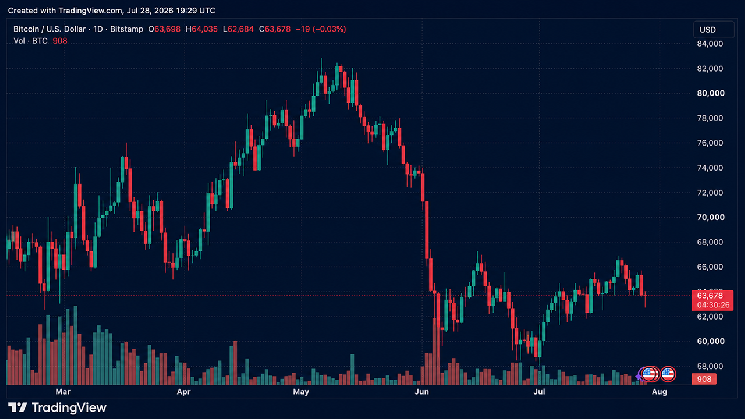
Featured image from Pexels, chart from TradingView

Related Posts