Indepth Research

Provide in-depth research reports and independent analysis, leveraging data, technology, and economic insights to deliver a comprehensive examination of the blockchain ecosystem, project potential, and market trends.

Ondo Perps: Bringing Wall Street Prime Brokerage On-Chain?

Ondo Perps aims to bring traditional prime brokerage services on-chain by addressing key limitations in existing DeFi and tokenized stock markets. While crypto-native assets like BTC and ETH have mature derivatives markets, real-world assets (RWA), such as stocks, struggle due to structural flaws: over-reliance on stablecoin collateral, isolated liquidity pools, and inefficient capital utilization. Ondo introduces three innovations: allowing tokenized stocks as direct collateral, implementing cross-asset margin systems similar to traditional portfolio margining, and leveraging off-chain liquidity from traditional exchanges like Nasdaq/NYSE instead of building fragmented on-chain markets. This transforms stocks from static assets into active collateral, improves capital efficiency, and enables unified risk management across asset classes. The platform essentially functions as a multi-asset financial account system, blending decentralized and traditional finance. If successful, it could redefine asset boundaries, enhance institutional participation, and create a more integrated financial ecosystem. However, risks remain around liquidity reliability, complex cross-asset清算, and regulatory uncertainty for tokenized securities. The core question Ondo raises is whether traditional distinctions between "money" and "assets" remain relevant when diverse assets can mutually collateralize and interact in a unified market.

marsbit3h ago

Ondo Perps: Bringing Wall Street Prime Brokerage On-Chain?

marsbit3h ago

Crypto Bear Market Startup Guide Part 2: The Token Relay Station - Exchanging Crypto Tokens for AI Tokens

"Token Relay Station: A Guide to Starting a Crypto Bear Market Business (Part 2) - Exchanging Crypto Tokens for AI Tokens" This article explores the business opportunity of creating an AI token relay station, a service that acts as an API aggregation layer. It allows users to pay with cryptocurrency (Crypto Tokens) to access credits for various AI models (AI Tokens), bypassing traditional payment barriers. The piece highlights a significant, underserved market: using crypto to directly purchase AI API credits and the potential "reverse export" of cheaper, high-performing Chinese models (like Qwen, Kimi, GLM) to overseas users. It uses OpenRouter, co-founded by OpenSea's ex-CTO Alex Atallah, as a key case study of a successful pivot from crypto to AI infrastructure, noting its support for crypto payments. The analysis reveals market challenges, including widespread fraud where users pay for premium models but receive inferior ones, and unstable supply chains reliant on bulk accounts prone to bans. It outlines three business models: global/developer-focused (OpenRouter), multi-modal/China-focused (APIMart.ai), and hyper-localized operations. Substantial risks are also detailed: high capital requirements for API procurement and infrastructure, the necessity of stable supply channels, complex legal and compliance issues around data resale and cross-border regulations, and the critical importance of user trust. Ultimately, the article posits this as a viable, revenue-generating business model for the crypto bear market, built on real API usage-based income rather than speculative token narratives.

Odaily星球日报6h ago

Crypto Bear Market Startup Guide Part 2: The Token Relay Station - Exchanging Crypto Tokens for AI Tokens

Odaily星球日报6h ago

Six-Year Evolution of Web3 Airdrops: From Uniswap to Monad, How Should Ordinary People Properly 'Farm Airdrops' in 2026?

Web3 airdrops have evolved significantly from Uniswap's 2020 genesis event, where early users were simply rewarded for protocol usage, to complex systems emphasizing genuine participation, identity verification, and attention economics. Key phases include: - **Phase 1 (2020)**: DeFi airdrops like Uniswap, with no Sybil resistance or tasks—pure reward for usage. - **Phase 2 (2021)**: ENS introduced the concept of "users as shareholders," focusing on governance and contribution. - **Phase 3 (2022-2023)**: Airdrops became growth hacking tools (e.g., Aptos, Arbitrum, Celestia), using multi-tier scoring and cross-ecosystem criteria. - **Phase 4 (2024-2026)**: Points systems (e.g., Blast, EigenLayer) prioritize TVL, duration, and liquidity locking over transaction volume. Future trends indicate: - Chain-level airdrops are declining; ecosystem-level airdrops (e.g., restaking, lending) will dominate. - Rising capital requirements and AI-driven allocation using on-chain reputation and behavior analysis. - A shift from rewards to attention economics, where community influence and identity matter most. For 2026, focus on: - Technical contributions (e.g., testnet nodes). - Completed quests and points systems. - Active community engagement (Discord, social media). - Long-term participation and identity building. Airdrops are no longer just token distributions but tools for user acquisition, governance, and community building. Success requires strategy升级: avoid meaningless farming, contribute value, and maintain a persistent, authentic presence.

marsbitYesterday 03:13

Six-Year Evolution of Web3 Airdrops: From Uniswap to Monad, How Should Ordinary People Properly 'Farm Airdrops' in 2026?

marsbitYesterday 03:13

Non-Dollar Stablecoins Are Winning the Wrong Battle

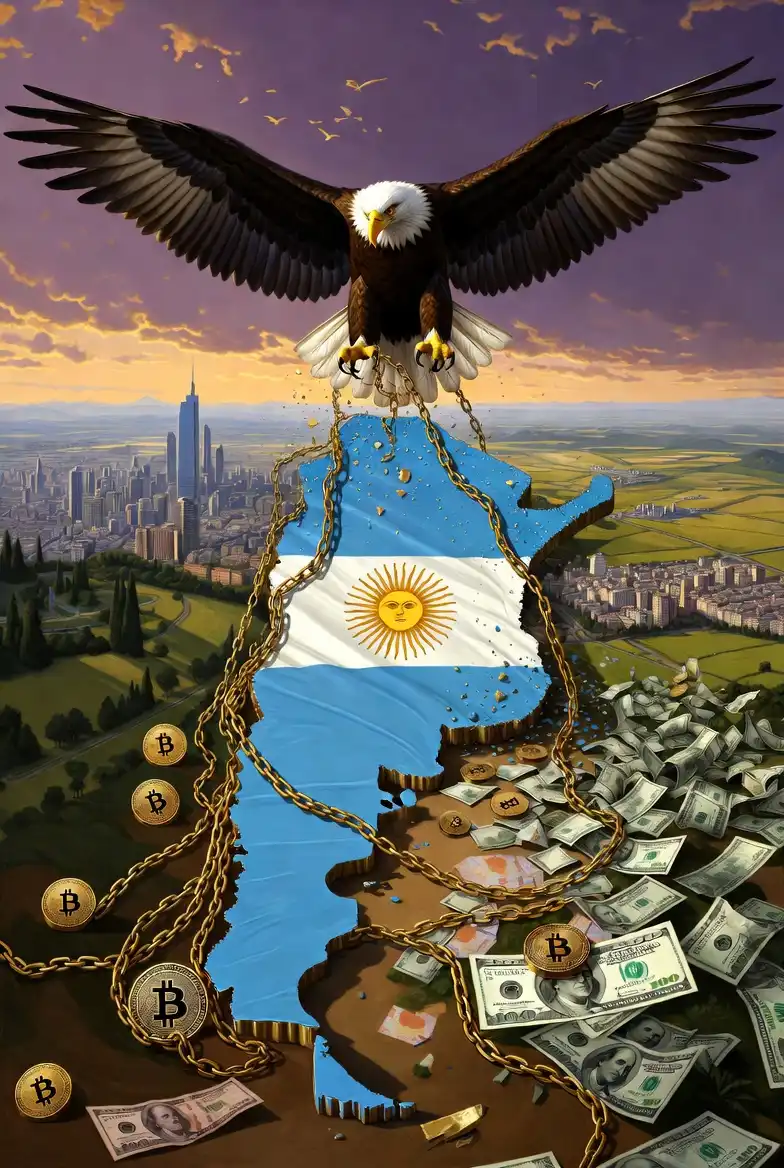
The article argues that non-USD stablecoins (euros, local currencies) create a misleading impression of challenging dollar dominance by merely changing the currency label, without altering the underlying monetary power structure. True monetary sovereignty is analyzed through three layers: 1. **Pricing Layer (most visible):** The currency unit used for pricing. Non-USD stablecoins win here, but this is a superficial, low-cost change—like changing a shop's sign without changing its ownership. 2. **Settlement Layer (most valuable):** The actual infrastructure (banking, payments, compliance, liquidity networks) through which money moves. This "plumbing" is controlled by existing players. Changing the currency flowing through these pipes doesn't change who owns them. 3. **Freeze Layer (most powerful):** The ultimate authority to freeze, blacklist, or halt transactions. This final control often remains with external entities enforcing KYC/AML and sanctions. The case of Argentina's $LIBRA token scandal is used to illustrate that such initiatives are often not genuine innovation but a symptom of a failing local currency. When a national currency loses its pricing power and trust (e.g., due to hyperinflation), external digital credit (like dollar-based or crypto narratives) rushes in to fill the void. The dependency merely shifts from traditional dollar systems to on-chain dollar networks; the underlying power dynamics remain. The conclusion is that non-USD stablecoins are expanding monetary expression but not rewriting monetary power. The real battle isn't about which currency is used for pricing, but about who controls the settlement infrastructure and the ultimate authority to freeze assets. Until that changes, "de-dollarization" remains superficial.

marsbitYesterday 00:08

Non-Dollar Stablecoins Are Winning the Wrong Battle

marsbitYesterday 00:08

Ray Dalio's New Article: The World Is Entering a War Cycle

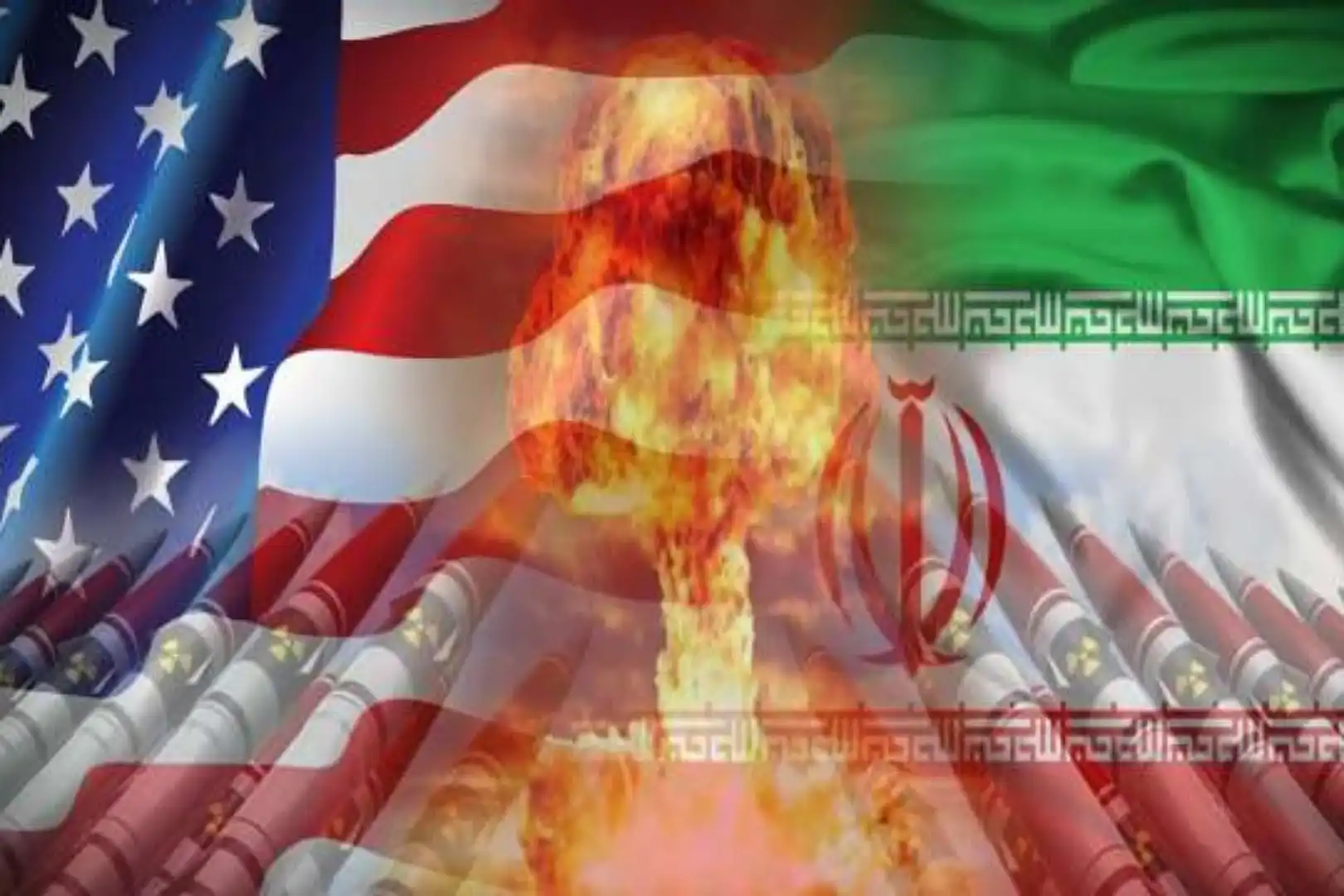
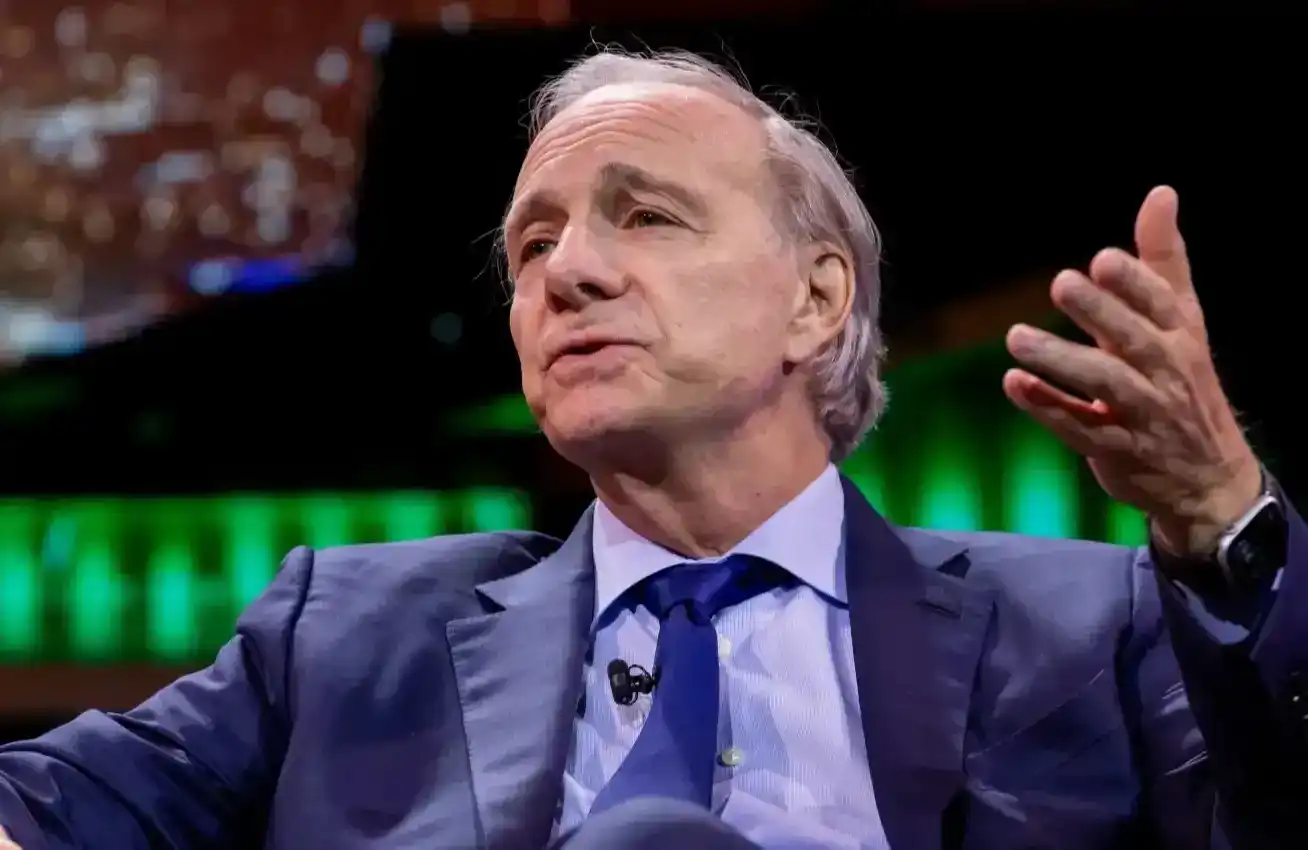
Ray Dalio argues that the world is in the early stages of a prolonged "world war" that is unlikely to end soon. This conflict is not a single declared war but a combination of multiple regional hot wars (e.g., Russia-Ukraine, Israel-Gaza, US-Iran) and non-shooting wars (economic, technological, capital, and geopolitical influence wars). These interconnected conflicts are reshaping global order, driven by shifting alliances, resource competition, and the weaponization of critical trade routes like the Strait of Hormuz. Key powers are aligning into opposing blocs: China, Russia, Iran, and North Korea versus the US, Israel, Gulf states, Japan, and Australia. Dalio emphasizes that victory in such conflicts depends not on absolute strength but on which side can endure prolonged pain and resource depletion. He warns that the US, while powerful, is overextended globally and may struggle to manage multiple fronts simultaneously. The current phase resembles historical pre-war periods (e.g., 1913–1914, 1938–1939), where economic and military tensions escalate into broader conflicts. Dalio urges observers to look beyond short-term events and focus on structural shifts: rising debt, internal political pressures, and the erosion of the US-led multilateral order into a "might-makes-right" system. He assesses a >50% probability of at least one major conflict escalating within five years, including scenarios in Ukraine, Korea, or the South China Sea.

marsbitYesterday 15:29

Ray Dalio's New Article: The World Is Entering a War Cycle

marsbitYesterday 15:29

活动图片