The Story of the $5,000 Diamond Whose NFT Sold for $43,000

cryptonews.ruPubblicato 2026-08-07Pubblicato ultima volta 2026-08-07

Introduzione

In 2021, during the peak of NFT mania, macroeconomist Tasha Che announced a plan to buy a $5,000 diamond, create an NFT from it, and then physically destroy the gem. The goal was to prove that while physical objects can be destroyed, their digital representations can preserve the notion of value, an idea widely criticized in the crypto community. Che purchased a 1.3-carat diamond online and, after unsuccessful attempts with a hammer, eventually had it shattered by a mechanic with specialized tools. She then created an NFT representing the destroyed diamond for auction. Surprisingly, in September 2021, the NFT sold for 5.5 ETH (roughly $17,000 at the time), more than tripling the diamond's original price. Che claimed this validated her idea, though critics noted this single sale didn't prove digital assets universally retain value after physical destruction. The NFT was later owned by DeFi advocate and investor Ivan Zhang, who sold it in October 2025 for 11 ETH ($43,000). While the NFT's value nearly tripled during this period, prices for one-carat diamonds fell by almost 40%. Zhang argued diamond prices will continue declining due to easier synthetic diamond production and weaker retail demand, suggesting if the NFT were truly tied to the physical asset's value, its price should have fallen too. The experiment ultimately demonstrated that NFT prices are driven more by speculative hype than by underlying economic fundamentals or the preservation of physical value.

In 2021, at the height of the $NFT mania, macroeconomist Tascha Che (Tascha Labs) announced plans to buy a $5,000 diamond, create an $NFT from it, and then smash the precious stone to pieces.

All of this was meant to prove that physical objects could be destroyed, but their digital versions could forever preserve a representation of value. This idea was criticized by most cryptocurrency and $NFT communities.

Nevertheless, in August 2021, Tascha bought a 1.3-carat diamond online and began working on ways to destroy it. At first, she wanted to hit the diamond with a hammer, but, of course, she did not succeed. In the end, she managed to find a mechanic who selected the right tool and split the stone into pieces.

The next step was to create an $NFT on a marketplace so people could bid on it. Surprisingly, fortune smiled upon her. In September 2021, one user purchased the $NFT for 5.5 $ETH, which at that time was valued at $17,000—more than three times the price Che paid for the diamond.

Che actively posted about how her idea was correct, though in reality this sale did not prove that all digitized assets retain their value despite the destruction of the physical prototype.

After acquiring the $NFT, decentralized finance advocate and investor Ivan Zhang owned it until October 2025, and sold the token for 11 $ETH or $43,000. Thus, the value of the destroyed diamond $NFT nearly tripled, while prices for one-carat diamonds over the same period fell by almost 40%.

At the same time, Zhang wrote that diamond prices would continue to fall, as the production of synthetic diamonds becomes easier and retail demand declines.

Accordingly, if the $NFT were meant to preserve the value of the destroyed physical commodity, one would expect its value to decline correspondingly.

Che's experiment convincingly proved that $NFT prices are driven by hype, not by economic fundamentals.

end-content

Crypto di tendenza

Domande pertinenti

QWhat was the main idea behind macroeconomist Tascha Che's NFT project involving a diamond?

AThe main idea was to prove that physical objects can be destroyed, but their digital representations (NFTs) can preserve the notion of value forever.

QHow much did Tascha Che initially pay for the diamond, and what was the first sale price of the corresponding NFT?

ATascha Che initially paid $5,000 for the 1.3-carat diamond. The NFT was first sold for 5.5 ETH, which was worth about $17,000 at the time.

QHow much did Ivan Zhang sell the 'Destroyed Diamond NFT' for in October 2025, and what was the sale price in ETH and USD?

AIn October 2025, Ivan Zhang sold the 'Destroyed Diamond NFT' for 11 ETH, which was equivalent to $43,000.

QAccording to the article, what did Tascha Che's experiment convincingly prove about NFT prices?

AThe experiment convincingly proved that NFT prices are driven by hype and speculation, rather than economic fundamentals.

QHow did the price of the Destroyed Diamond NFT change compared to the price of one-carat diamonds over the same period?

AThe price of the Destroyed Diamond NFT nearly tripled from its first sale to its sale in 2025, while the prices of one-carat diamonds fell by almost 40% over the same period.

Letture associate

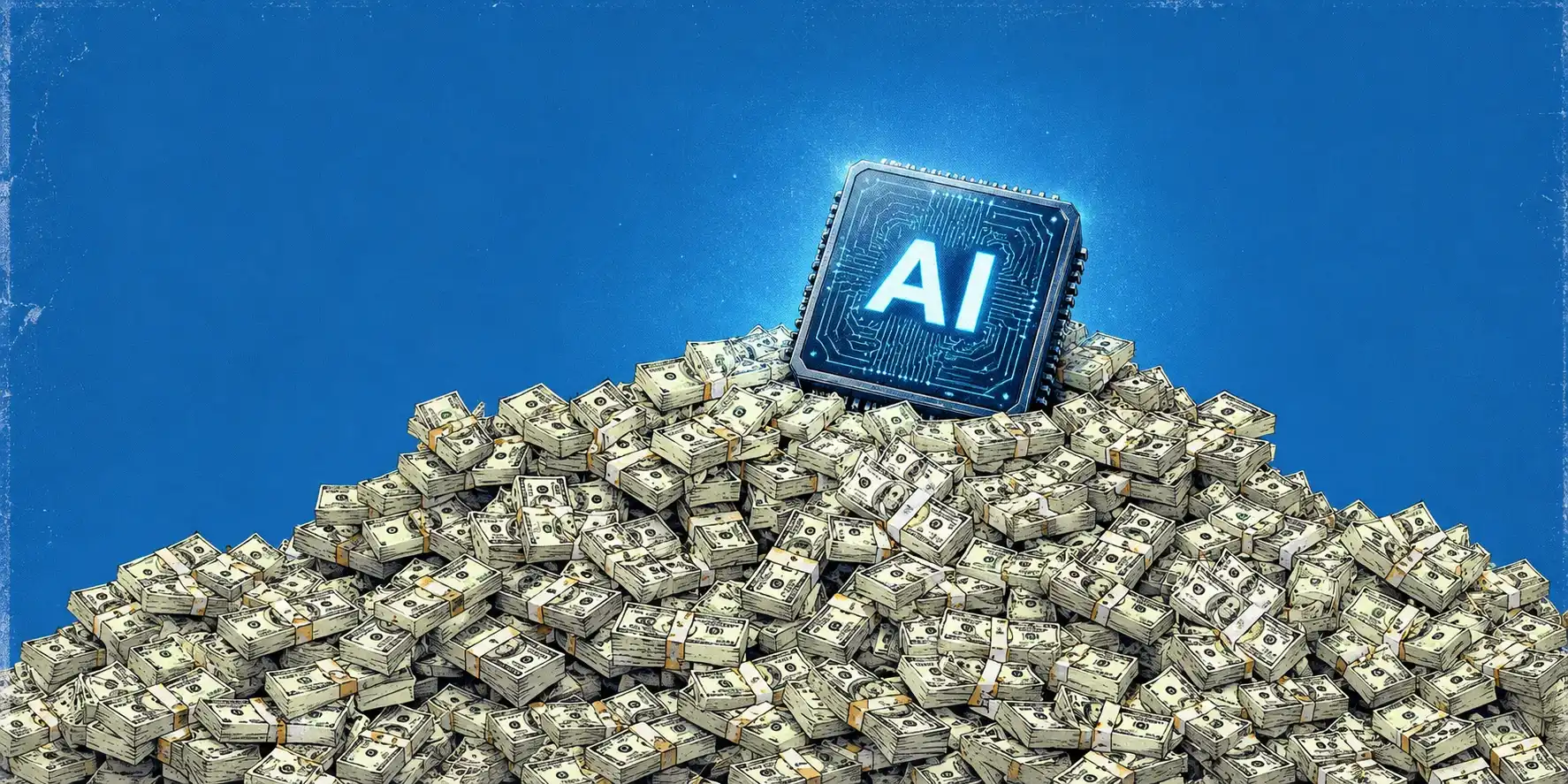
$2 Trillion: Countdown to AI's Largest IPO in History

The countdown for the largest IPO in AI history, a potential $2 trillion listing for Anthropic, is underway for October. The staggering valuation, reportedly projected by several investors, contrasts with the company's own internal restraint on setting a public target. Founded five years ago by former OpenAI core members, Anthropic's growth has been meteoric. Annual recurring revenue (ARR) surged from ~$9B in late 2025 to $47B by May 2026, with Q2 2026 revenue of $11.5B marking a 14x year-over-year increase. Bank valuations are even based on internal 2028 revenue forecasts of $190-200B. A key growth driver is Claude Code, its AI coding assistant. Its ARR quintupled in five months to $2.5B by February 2026, now constituting nearly 20% of total revenue. Surveys indicate Anthropic commands roughly 40% of enterprise LLM spending, doubling OpenAI's share in programming-specific use. However, alongside this explosive growth, reports detail significant internal cultural strife. Critics describe a divisive "priesthood" of PhD executives, led by CEO Dario Amodei, who promote a "save humanity" narrative that some employees find cult-like and alienating. This has reportedly created a demoralized workforce and a covert "underground network" of dissent among engineers torn between lucrative pre-IPO equity and a toxic work environment. Anthropic now faces a pivotal paradox: pursuing its mission of "safe" AI requires immense capital for compute, yet that capital demands relentless commercial growth. As it approaches its historic IPO, the company must navigate intense regulatory scrutiny, soaring operational costs, and internal tensions—any of which could destabilize its post-listing trajectory, much like SpaceX's significant post-IPO stock drop. The stage is set for a defining moment in tech history.

marsbit52 min fa

$2 Trillion: Countdown to AI's Largest IPO in History

marsbit52 min fa

AI Boosting Efficiency and Cutting Costs Makes VC Increasingly Expensive

"AI for Cost Reduction Makes VC Funding More Expensive" Despite the "cost-reduction and efficiency" narrative of AI, venture capital (VC) investment in the AI sector is becoming increasingly costly. While AI tools lower the initial costs for many startups—with team sizes shrinking across funding stages—the market is polarizing. For top-tier AI teams, especially those from leading companies like Google and OpenAI, funding rounds are now larger and valuations are higher than ever at the seed and early stages. For example, new ventures by prominent researchers are securing billions in funding with valuations reaching tens of billions before having a mature product. This creates a "barbell" market: lightweight startups need less capital, while elite AI firms attract massive investments early on. This dynamic raises the cost for VCs to acquire and maintain meaningful ownership stakes. As valuations soar early, securing the same equity percentage requires significantly larger capital commitments. VCs must now invest more upfront and reserve substantial funds for follow-on rounds to avoid dilution, prompting large firms like Accel and a16z to raise massive new funds. Consequently, capital is concentrating intensely in a few perceived winners like OpenAI and Anthropic, widening the gap between large and small VC funds. While high valuations bake in future growth expectations, they also compress potential returns, demanding that portfolio companies achieve unprecedented scale. For major VCs, the core strategy is clear: secure early positions in potential winners and maintain the capital to keep investing as valuations rapidly escalate.

marsbit1 h fa

AI Boosting Efficiency and Cutting Costs Makes VC Increasingly Expensive

marsbit1 h fa

An Eight-Year Investment Takes a Sharp Turn: Why Did Ethereum Suddenly Abandon Poseidon?

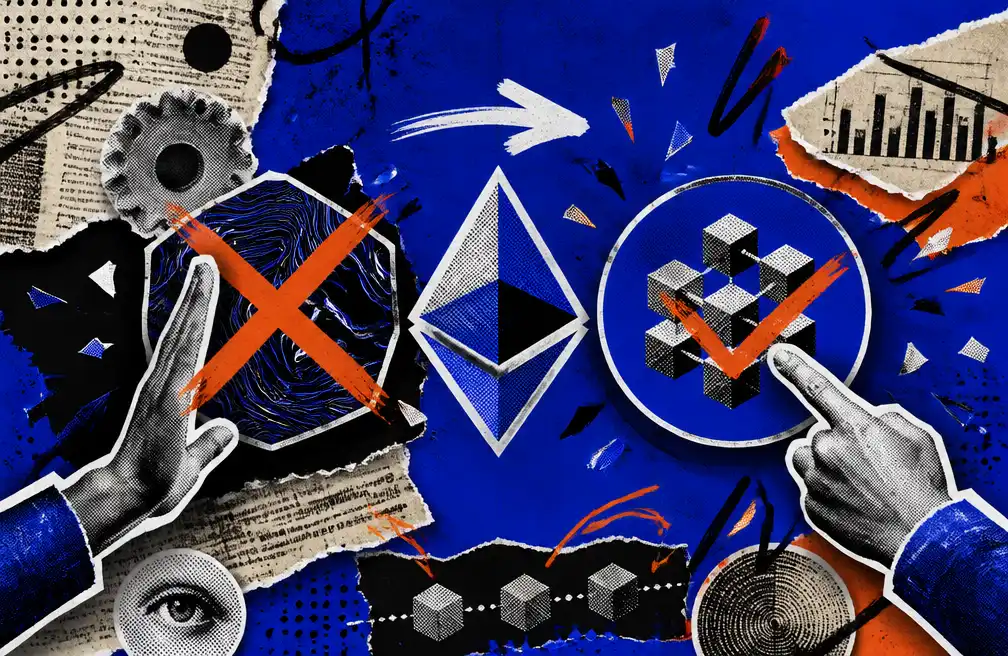
On August 13, Ethereum researcher Justin Drake announced a significant shift in Ethereum's Layer-1 cryptographic roadmap: abandoning the SNARK-friendly hash function Poseidon in favor of traditional functions like SHA2 or BLAKE2. This decision ends eight years of research and investment, marking a major revision to the post-quantum security strategy. Poseidon, introduced in 2019, was highly efficient for zkRollups and zkVMs within SNARK circuits. However, its need for prolonged cryptanalysis and the pressing timeline for quantum resistance revealed limitations. Recent breakthroughs in SNARK design, specifically using binary fields, now enable traditional, battle-tested hash functions to perform as efficiently as Poseidon within SNARKs. Benchmarks show modern laptops can now verify over a million traditional hash calls per second. This change is partly driven by accelerated concerns over quantum computing threats. Reports warn that "Cryptographically Relevant Quantum Computers" could break current blockchain signatures like ECDSA by the early 2030s, risking trillions in assets. Ethereum's response focuses on hash-based post-quantum signature schemes, deemed more quantum-resistant than some lattice-based alternatives under pressure from AI cryptanalysis. Ethereum's updated post-quantum roadmap targets a production-ready "leanVM" for signature aggregation by 2027, with full deployment across consensus, execution, and data layers by 2028. The shift to mature hash functions like SHA2 reduces reliance on newer algorithms and aligns with the goal of using widely analyzed cryptographic primitives. Other major blockchains are also preparing. Solana's core teams have independently chosen the NIST-standardized Falcon signature scheme for its compact size. Starknet plans a phased migration, starting with replacing its Pedersen hash with BLAKE2. Ethereum's move signifies a strategic pivot towards proven security foundations for the quantum era.

marsbit2 h fa

An Eight-Year Investment Takes a Sharp Turn: Why Did Ethereum Suddenly Abandon Poseidon?

marsbit2 h fa

Programmers Worldwide Are Wasting Money on Anthropic! The Company Can't Stand It Anymore

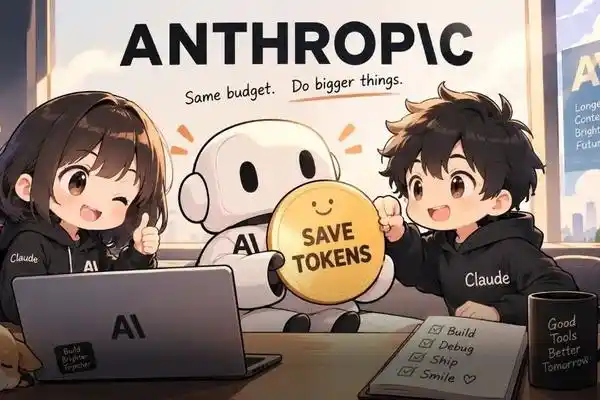
Anthropic recently published guidelines to help developers using Claude Code reduce unnecessary token costs. The key recommendations include: 1) Clear (/clear) conversations after completing a task to avoid carrying irrelevant file reads and command outputs into the next task. 2) Set the model and reasoning effort level at the start of a session, as switching mid-session invalidates the prompt cache, requiring a full-price recalculation of the entire dialog history. 3) Attach files using @ references instead of typing paths manually to avoid extra tool calls and searches that bloat the context. 4) Add quiet flags to verbose commands (e.g., in CLAUDE.md) to minimize lengthy output in the dialog history. 5) Use /compact while the session cache is still warm (before breaks) to compress the dialog at one-tenth the cost. 6) Offload large-output tasks to a sub-agent, which runs in an isolated context and only returns conclusions, preventing intermediate outputs from polluting the main dialog. The article explains token pricing: input tokens (prefill) are processed in parallel, while output tokens (decode) are generated serially, making output tokens five times more expensive. Caching is crucial for savings—if a request's prefix (system prompt, CLAUDE.md, dialog history) matches the previous one byte-for-byte, reading it costs only 10% of the standard input price. However, cache invalidation occurs when changing models, effort levels, fast mode, compressing dialogs, after cache expiration, or when resuming old sessions. Dialog history also grows quadratically (O(n²)) as file contents and command outputs accumulate, increasing costs per round. Proactive context management—like isolating noisy tasks, using /rewind to trim unproductive turns, and task-based session clearing—is becoming an essential skill for cost-effective AI-assisted development.

marsbit4 h fa

Programmers Worldwide Are Wasting Money on Anthropic! The Company Can't Stand It Anymore

marsbit4 h fa

Pax Silica vs. WAICO: The US Wants to Prohibit Europe from Using Chinese Artificial Intelligence

The United States is preparing to demand that European and other partners abandon Chinese artificial intelligence initiatives, threatening exclusion from the American-led "Pax Silica" coalition, according to a leaked U.S. State Department document. This ultimatum forces signatories of the "AI Opportunity Statement" to choose between the Western technological ecosystem and alternative frameworks, with China not explicitly named but clearly targeted. Pax Silica is a U.S. strategy for AI and semiconductor hegemony, launched in late 2025. Its European presence expanded significantly in mid-2026. Concurrently, China, Russia, and 27 other nations established the World AI Cooperation Organization (WAICO) in July 2026 as an independent intergovernmental platform promoting AI governance based on UN principles. This situation creates a difficult choice, especially for European nations balancing strategic autonomy with dependence on U.S. tech and security. It also pressures Global South countries with pragmatic ties to both Washington and Beijing. The formation of competing blocks risks fragmenting the global tech landscape, forcing companies to split supply chains, increasing costs, and potentially leading to incompatible standards and protocols. The era of open globalization in AI may be ending, replaced by geopolitical confrontation where technological sovereignty trumps economic efficiency. The decisions made will shape the global digital economy for decades.

cryptonews.ru6 h fa

Pax Silica vs. WAICO: The US Wants to Prohibit Europe from Using Chinese Artificial Intelligence

cryptonews.ru6 h fa

Trading

Spot

Articoli Popolari

Come comprare NFT

Benvenuto in HTX.com! Abbiamo reso l'acquisto di APENFT (NFT) semplice e conveniente. Segui la nostra guida passo passo per intraprendere il tuo viaggio nel mondo delle criptovalute.Step 1: Crea il tuo Account HTXUsa la tua email o numero di telefono per registrarti il tuo account gratuito su HTX. Vivi un'esperienza facile e sblocca tutte le funzionalità,Crea il mio accountStep 2: Vai in Acquista crypto e seleziona il tuo metodo di pagamentoCarta di credito/debito: utilizza la tua Visa o Mastercard per acquistare immediatamente APENFTNFT.Bilancio: Usa i fondi dal bilancio del tuo account HTX per fare trading senza problemi.Terze parti: abbiamo aggiunto metodi di pagamento molto utilizzati come Google Pay e Apple Pay per maggiore comodità.P2P: Fai trading direttamente con altri utenti HTX.Over-the-Counter (OTC): Offriamo servizi su misura e tassi di cambio competitivi per i trader.Step 3: Conserva APENFT (NFT)Dopo aver acquistato APENFT (NFT), conserva nel tuo account HTX. In alternativa, puoi inviare tramite trasferimento blockchain o scambiare per altre criptovalute.Step 4: Scambia APENFT (NFT)Scambia facilmente APENFT (NFT) nel mercato spot di HTX. Accedi al tuo account, seleziona la tua coppia di trading, esegui le tue operazioni e monitora in tempo reale. Offriamo un'esperienza user-friendly sia per chi ha appena iniziato che per i trader più esperti.

688 Totale visualizzazioniPubblicato il 2024.12.10Aggiornato il 2025.03.21

Come comprare NFT

Cosa è AINFT

EternaFi Agents e $AINFT: Un'Analisi Completa dell'Infrastruttura NFT Potenziata dall'AI nell'Ecosistema Web3 L'intersezione tra intelligenza artificiale (AI) e tecnologia blockchain sta rapidamente evolvendo, stabilendo piattaforme innovative che ridefiniscono i modelli di proprietà e partecipazione economica. EternaFi Agents, insieme al suo token nativo $AINFT, esemplifica un approccio rivoluzionario alla tokenizzazione delle infrastrutture AI attraverso i token non fungibili (NFT). Lanciato a luglio 2025 dal team di sviluppo di Nova Club, EternaFi unisce i progressi dell'AI con i meccanismi finanziari decentralizzati della blockchain, presentando un'opportunità di investimento unica per i partecipanti all'interno dell'ecosistema web3. Questo articolo mira a fornire una valutazione approfondita di EternaFi Agents, coprendo i suoi componenti principali, la funzionalità e il significato nel panorama crypto. Introduzione e Panoramica del Progetto EternaFi Agents si presenta come un esempio saliente di come la tecnologia blockchain possa democratizzare l'accesso a capacità avanzate di AI. Il progetto si impegna a rimodellare il paradigma della proprietà dell'AI diversificando la partecipazione economica, rendendo i sistemi AI sofisticati accessibili a un numero maggiore di stakeholder. Al suo interno, il progetto tokenizza un modello di linguaggio di grandi dimensioni (LLM) proprietario sviluppato da Nova Club, consentendo ai detentori di NFT di ottenere un'esposizione frazionaria alle performance economiche del modello. Utilizzando NFT che rappresentano quote nel LLM, EternaFi Agents promuove un modello in cui gli stakeholder non solo partecipano al consumo dei servizi AI, ma godono anche della condivisione delle ricompense economiche generate dalla piattaforma. Questo approccio trasformativo consente lo sviluppo di modelli di reddito sostenibili per i servizi AI, promuovendo al contempo un ampio coinvolgimento della comunità e facilitando una governance trasparente. Cos'è EternaFi Agents? EternaFi Agents rappresenta un progetto di infrastruttura AI-NFT che mira a mescolare le capacità dell'AI con la tecnologia blockchain in un ecosistema coerente. La caratteristica essenziale di questo progetto è la creazione di NFT che fungono da strumenti finanziari, rappresentando frazioni di proprietà nell'infrastruttura AI proprietaria di Nova Club. Ogni NFT simboleggia un'esposizione diretta alle performance economiche del sistema AI sottostante, fornendo un'opportunità redditizia per gli investitori. Il progetto opera sulla blockchain Base, nota per la sua scalabilità e efficienza, garantendo così costi di transazione gestibili mentre facilita un'esperienza operativa senza soluzione di continuità. Una delle caratteristiche notevoli include un meccanismo di condivisione dei ricavi, in cui i detentori di NFT possono ricevere porzioni del reddito da abbonamenti generato dai servizi AI forniti sulla piattaforma. Questo approccio innovativo stabilisce una connessione tra il successo dei servizi AI e i dividendi economici distribuiti tra i detentori, garantendo così un allineamento degli interessi all'interno della comunità. Chi è il Creatore di EternaFi Agents? La forza creativa dietro EternaFi Agents è Nova Club, un team di sviluppo con sede a Singapore esperto nell'amalgama di AI e tecnologia blockchain. La loro esperienza precedente nello sviluppo di AI e nell'analisi delle criptovalute conferisce credibilità al progetto, contribuendo con una vasta gamma di competenze alla creazione di EternaFi Agents. La missione di Nova Club si concentra sulla democratizzazione dell'accesso alle tecnologie AI all'avanguardia, costruendo modelli economici sostenibili che avvantaggiano gli utenti insieme agli sviluppatori. Il loro impegno per la trasparenza, la governance della comunità e l'innovazione si riflette nel design e nell'implementazione della piattaforma EternaFi, mirando a stabilire un ecosistema unico che favorisca un coinvolgimento positivo e la creazione di valore a lungo termine. Chi sono gli Investitori di EternaFi Agents? I dettagli specifici riguardanti gli investitori o le organizzazioni di investimento che supportano EternaFi Agents non sono disponibili pubblicamente. Tuttavia, EternaFi ha adottato un approccio inclusivo per finanziare il suo sviluppo attraverso la vendita di NFT al pubblico, consentendo a una vasta gamma di partecipanti di investire nell'ecosistema. L'architettura del progetto garantisce che l'infrastruttura fondamentale sia finanziata in modo responsabile, consentendo ai membri della comunità di partecipare alla proprietà e ai ritorni economici generati dai servizi AI. Questo modello enfatizza il coinvolgimento della comunità allineando gli interessi degli investitori e degli sviluppatori del progetto, creando un ambiente collaborativo in cui la partecipazione a lungo termine è incentivata. Come Funziona EternaFi Agents? EternaFi Agents opera attraverso un ecosistema multifaccettato in cui gli NFT fungono da principale mezzo di rappresentazione della proprietà all'interno del progetto. Ogni detentore di NFT ha diritto a una quota del reddito mensile da abbonamento prodotto dalla piattaforma AI-powered sottostante, posizionando così la proprietà di NFT come un veicolo di investimento redditizio. Meccanismo di Generazione di Ricavi La principale fonte di generazione di ricavi per la piattaforma EternaFi deriva dalle commissioni di abbonamento relative ai servizi AI forniti. Gli utenti possono accedere a vari servizi a livelli, che vanno da strumenti di analisi di mercato di base a soluzioni di trading assistite da AI complete. Questi servizi sono monetizzati e formano la base per il framework di condivisione dei ricavi, che distribuisce i profitti ai detentori di NFT attraverso contratti intelligenti automatizzati. Una caratteristica innovativa dell'ecosistema EternaFi è il meccanismo di condivisione dei ricavi che opera in modo trasparente, garantendo che le ricompense siano allocate in base a metriche verificabili delle operazioni della piattaforma AI. Questo crea un legame diretto tra le performance dei servizi AI e i ritorni disponibili per gli investitori della comunità, stabilendo un modello economico sostenibile. Meccanismi di Staking e Vesting I partecipanti all'interno di EternaFi possono impegnarsi nello staking dei loro NFT per sbloccare ulteriori benefici economici. Il piano di vesting è progettato per promuovere un impegno a lungo termine tra i partecipanti, premiando coloro che mostrano un supporto continuo per il progetto. Questo garantisce un robusto allineamento degli interessi e favorisce un senso di coinvolgimento della comunità essenziale per raggiungere gli obiettivi a lungo termine del progetto. Governance Trasparente EternaFi Agents abbraccia la governance decentralizzata, consentendo ai detentori di NFT di svolgere un ruolo attivo nel processo decisionale riguardante lo sviluppo della piattaforma e le direzioni future. La struttura di governance include meccanismi di voto della comunità, fornendo ai detentori di NFT l'opportunità di influenzare decisioni significative e contribuendo a un approccio collaborativo alla crescita del progetto. Cronologia di EternaFi Agents La traiettoria di sviluppo di EternaFi Agents mostra un approccio sistematico verso la costruzione di un'infrastruttura AI sostenibile, soddisfacendo le esigenze dei partecipanti della comunità. Di seguito è riportata una cronologia delle tappe importanti nella storia del progetto: Luglio 2025: Lancio di EternaFi Agents, inclusa la vendita pubblica di NFT e il deployment del token $AINFT sulla blockchain Base. Q4 2025: Creazione dell'infrastruttura di mercato, inclusi pool di liquidità e lancio di dashboard di staking per i detentori di NFT. 2026: Inizio di programmi di coinvolgimento della comunità, espansione delle capacità AI e integrazione con tecnologie cross-chain. Q4 2026: Implementazione del sistema di distribuzione dei dividendi, consentendo ai detentori di NFT di raccogliere benefici economici dai loro investimenti. Queste tappe significano l'attenzione verso l'istituzione di un ecosistema funzionale e partecipativo, garantendo al contempo un'evoluzione continua per soddisfare le esigenze del mercato. Infrastruttura Tecnologica e Integrazione Blockchain EternaFi Agents è ancorato in un avanzato framework tecnologico che combina sistemi AI con capacità blockchain. Operando sulla blockchain Base, il progetto sfrutta i vantaggi della scalabilità e dei bassi costi di transazione. L'architettura sottostante dei contratti intelligenti governa la proprietà degli NFT, la condivisione dei ricavi e le caratteristiche di gestione della comunità, garantendo efficienza e trasparenza. Sviluppo del Sistema AI Il modello di linguaggio di grandi dimensioni proprietario che sostiene EternaFi Agents è stato sviluppato in modo indipendente ed è progettato per soddisfare applicazioni generatrici di reddito senza fare affidamento su framework esterni proprietari. Questo impegno riflette una dedizione a creare un'infrastruttura AI versatile e adattabile in grado di fornire servizi significativi agli utenti, generando così valore economico per gli investitori. Misure di Sicurezza La robustezza dell'infrastruttura di sicurezza di EternaFi è fondamentale. Audit regolari e misure di sicurezza rigorose garantiscono l'integrità dei sistemi AI e dei meccanismi blockchain, proteggendo da potenziali vulnerabilità mentre si favorisce la fiducia tra i partecipanti. Conclusione EternaFi Agents segna un'innovazione fondamentale nel campo dell'intelligenza artificiale e della tecnologia blockchain, aprendo strade per la proprietà della comunità e la partecipazione economica in capacità AI avanzate. La strategia globale del progetto di tokenizzare l'infrastruttura AI tramite NFT stabilisce un precedente per futuri ecosistemi decentralizzati. Armonizzando la sofisticazione tecnica con modelli economici centrati sull'utente, EternaFi non solo promuove il coinvolgimento, ma genera anche un framework di condivisione dei ricavi sostenibile per i partecipanti della comunità. L'importanza di EternaFi si estende ben oltre il suo successo operativo, poiché esemplifica come la blockchain possa democratizzare le tecnologie AI all'avanguardia, aprendo la strada a future iniziative in questo spazio intersezionale. L'evoluzione di EternaFi Agents potrebbe annunciare una nuova era di sviluppo dell'AI caratterizzata da governance guidata dai partecipanti, modelli economici sostenibili e verifica trasparente, contribuendo infine alla più ampia democratizzazione dell'AI e dell'accessibilità tecnologica in tutti i settori.

676 Totale visualizzazioniPubblicato il 2025.08.14Aggiornato il 2025.08.14

Cosa è AINFT

Discussioni

Benvenuto nella Community HTX. Qui puoi rimanere informato sugli ultimi sviluppi della piattaforma e accedere ad approfondimenti esperti sul mercato. Le opinioni degli utenti sul prezzo di NFT NFT sono presentate come di seguito.

活动图片