# Sanctions Articoli collegati

Il Centro Notizie HTX fornisce gli articoli più recenti e le analisi più approfondite su "Sanctions", coprendo tendenze di mercato, aggiornamenti sui progetti, sviluppi tecnologici e politiche normative nel settore crypto.
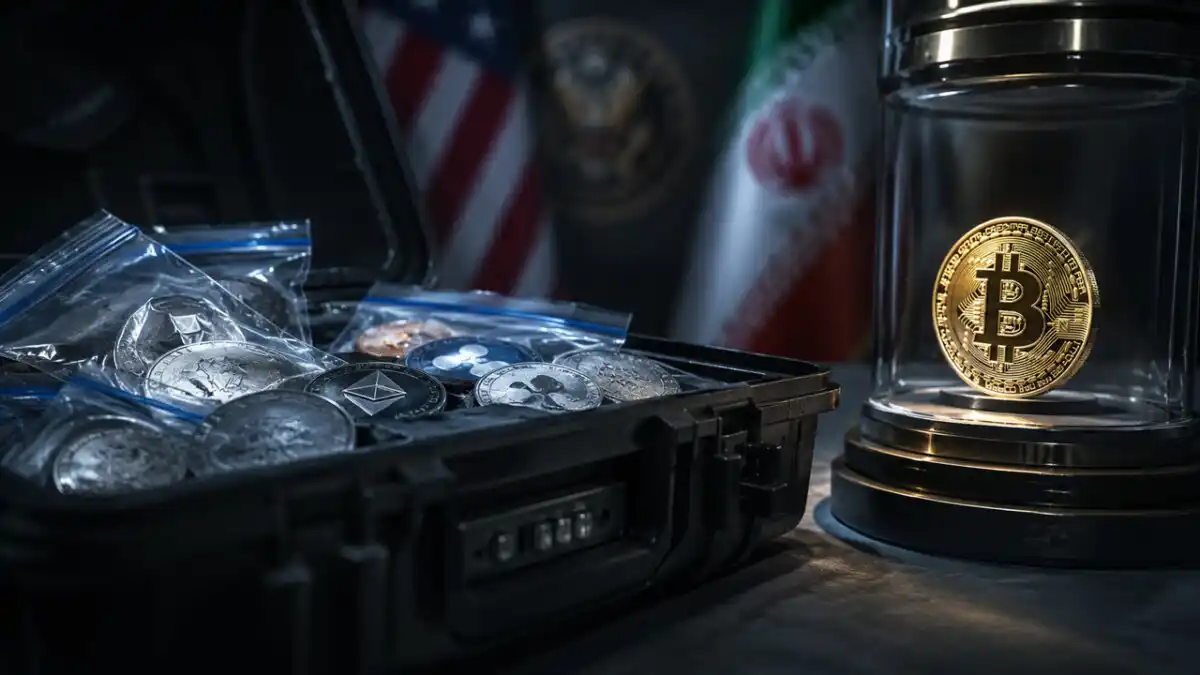

Why Has Bitcoin Risen Against the Trend Amid Turmoil?

Title: Why Bitcoin Defies Market Turmoil and Rises Against the Odds? Amidst the recent Iran conflict, Bitcoin demonstrated unexpected strength, rising 12% while traditional risk assets like the S&P 500 fell 1% and gold dropped 10%. This challenges the conventional view of Bitcoin is a risk-on asset. Matt Hougan, Bitwise CIO, argues that Bitcoin’s surge is not due to ignorance of geopolitical tensions or long-term money printing expectations, but is directly driven by the conflict itself. Hougan proposes a dual-investment thesis for Bitcoin: it acts both as a "digital gold" competing in the $38 trillion store-of-value market, and as a speculative bet on becoming a genuine global currency. While the first narrative has dominated the past five years, the second—once a distant possibility—is gaining relevance as global financial systems become increasingly weaponized. The 2022 SWIFT sanctions against Russia marked a turning point, prompting nations to explore alternative financial networks. Iran’s recent move to demand Bitcoin payments for shipping tolls in the Strait of Hormuz exemplifies this shift. Such developments increase the probability of Bitcoin being used as a neutral, apolitical settlement medium and amplify global monetary system volatility. This dual role suggests Bitcoin’s potential market extends beyond gold’s $38 trillion valuation. Its pricing is now influenced not only by liquidity or tech stock trends but also by growing uncertainties in the international financial architecture. As geopolitical friction elevates Bitcoin’s monetary attributes, its upside potential may be significantly revalued.

marsbit23 h fa

Why Has Bitcoin Risen Against the Trend Amid Turmoil?

marsbit23 h fa

Iran's Impact on the Dollar: The Perfect Storm of Petrodollars

The report analyzes the profound impact of the Iran conflict on the petrodollar system, the cornerstone of dollar hegemony since 1974. It argues that the system, where global oil purchases in dollars lead to surplus recycling into U.S. Treasuries, is under unprecedented strain from three layers of pressure: pre-existing structural cracks, new shocks from the conflict, and the long-term threat of energy transition. Key structural cracks include the U.S. no longer being the primary buyer of Middle Eastern oil due to its shale revolution, Saudi Arabia's push for defense autonomy, the development of alternative payment infrastructure like Project mBridge, and sanctions driving de-dollarization. The conflict itself is damaging U.S. security credibility, shifting control of the Strait of Hormuz, and potentially forcing a shift to yuan-for-oil arrangements. The analysis details five complex mechanisms linking oil prices and U.S. Treasury yields, which can push in opposite directions. Crucially, the old logic is failing: oil producers, damaged by conflict, may become net sellers of U.S. debt to fund reconstruction, just as U.S. fiscal deficits and debt supply surge. While short-term buffers exist, like U.S. energy independence, the long-term trend points towards a world with less dollar dominance. The core conclusion is that a world focused on defense and energy self-sufficiency will inherently hold fewer dollar reserves, signaling a slow but structural decline in the petrodollar system.

marsbit04/13 10:01

Iran's Impact on the Dollar: The Perfect Storm of Petrodollars

marsbit04/13 10:01

From Threat to Ceasefire: How Did the U.S. Lose Its Dominance?

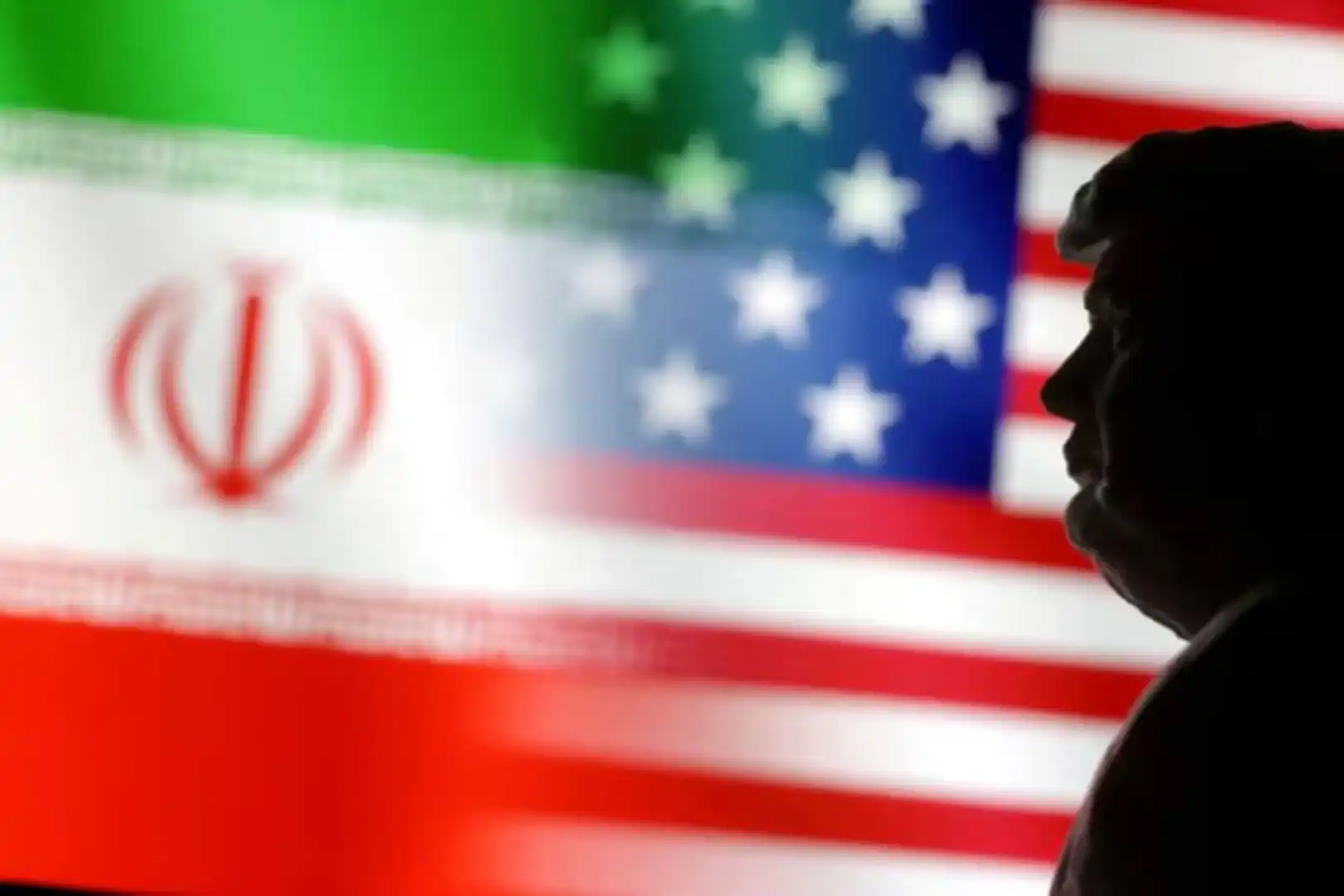
From escalating threats to a sudden ceasefire, the US appears to have lost its dominant position in the confrontation with Iran. The conflict has entered a more complex phase where ceasefire and strategic maneuvering coexist. A key shift lies in the reversal of the diplomatic structure: rather than forcing Iranian concessions through military action, the US has been drawn into a negotiation framework based on Tehran’s "Ten-Point Plan." Although Washington has not formally accepted all terms, its de facto recognition of Iran’s control over the Strait of Hormuz marks a significant strategic retreat. This has allowed Iran to regain diplomatic and economic leverage. The outcome is counterintuitive: the conflict has not weakened Iran but instead restored its deterrence capability. Meanwhile, the failure of US military means has undermined the credibility of American threats, forcing any future negotiations to be based on genuine compromise. However, the ceasefire remains fragile, with localized clashes continuing and Israel’s actions adding further uncertainty. The situation remains on the brink of escalation, highly dependent on external variables. More profoundly, a conflict originally intended to pressure or even topple the Iranian regime may instead consolidate its internal power structure. The US has shifted from a dominant party to a negotiator, while Iran has moved from a pressured state to an active player. The confrontation has thus entered a longer-term and more complicated stage.

marsbit04/09 17:03

From Threat to Ceasefire: How Did the U.S. Lose Its Dominance?

marsbit04/09 17:03

Paying the Strait Transit Fee with Bitcoin: Is Iran Just Talking Big?

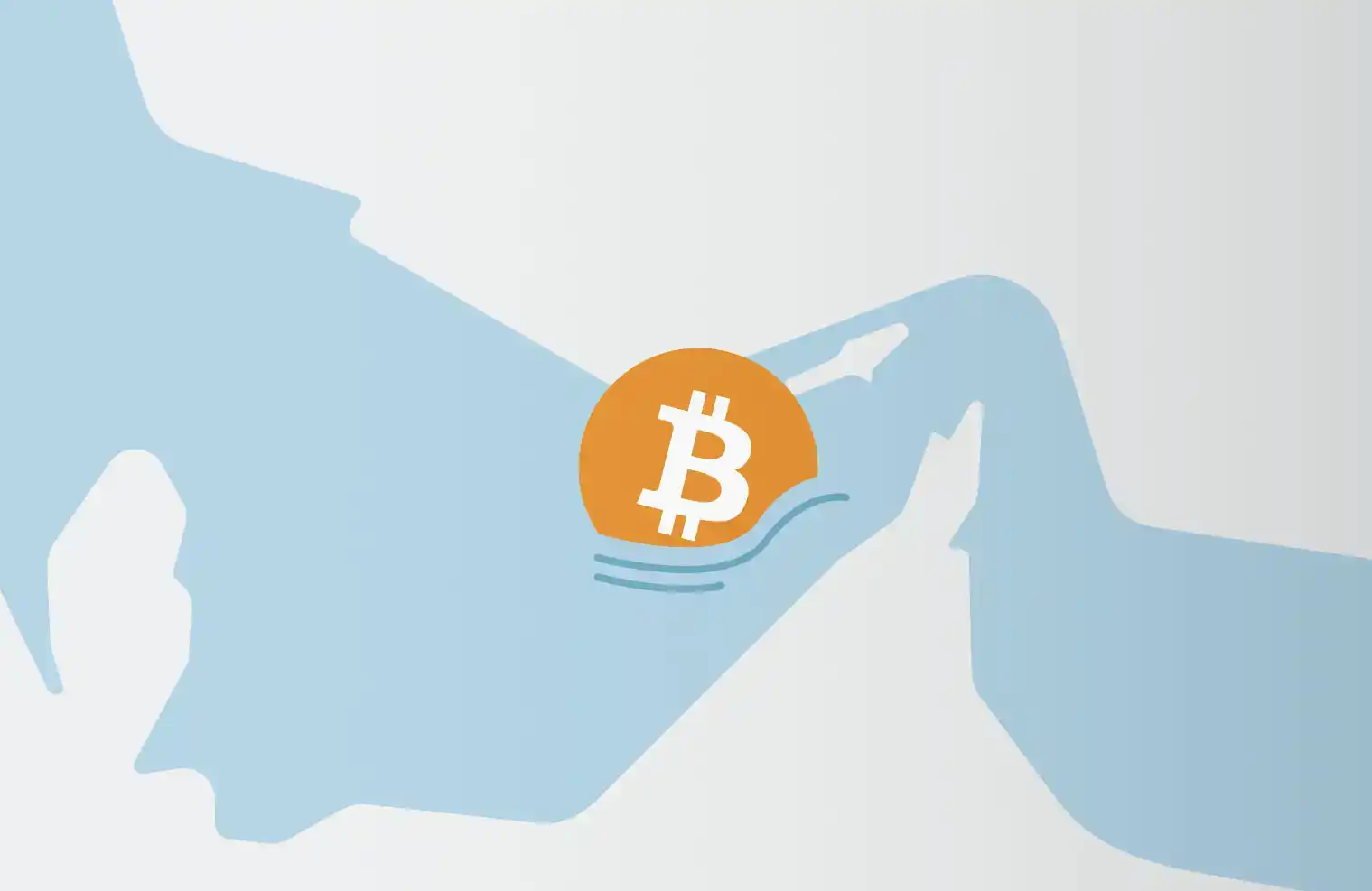
An article titled "Bitcoin Payment for Strait Transit Fees: Is Iran Just Making Empty Threats?" discusses Iran's announcement to potentially charge a $1 per barrel transit fee for oil tankers passing through the Strait of Hormuz, payable in Bitcoin, during a two-week ceasefire period. This news briefly drove Bitcoin's price above $73,000, highlighting its symbolic significance as a tool for extreme scenarios where traditional financial systems fail due to sanctions. Iran, facing severe U.S. sanctions and exclusion from SWIFT, views Bitcoin as a means to ensure untraceable and unconfiscatable transactions, despite its volatility and slower settlement times. However, the practicality of this move is questioned. The Strait of Hormuz closed shortly after the announcement, leading to skepticism about its implementation. Experts like Arthur Hayes emphasize the need for on-chain evidence to validate the claim, suggesting it may be more of a psychological tactic against Western financial systems than a feasible plan. Even if Iran collects Bitcoin, converting it to fiat for essential purchases remains challenging under current sanctions. The article concludes that Bitcoin’s role in this geopolitical drama—whether as a practical tool or a strategic signal—marks its entry into high-stakes international politics, reinforcing its relevance in a fragmented world.

Odaily星球日报04/09 08:52

Paying the Strait Transit Fee with Bitcoin: Is Iran Just Talking Big?

Odaily星球日报04/09 08:52

活动图片