# Power Struggle Articoli collegati

Il Centro Notizie HTX fornisce gli articoli più recenti e le analisi più approfondite su "Power Struggle", coprendo tendenze di mercato, aggiornamenti sui progetti, sviluppi tecnologici e politiche normative nel settore crypto.

ENS Founder Seeks to 'Seize Power' from DAO

On June 29th, the ENS community entered the on-chain voting phase for a proposal to renew the ENS DAO Security Council's veto power for two more years. Shortly after voting began, ENS founder Nick Johnson used his substantial ENS holdings to cast over 3.55 million votes against the proposal, swinging the outcome despite initial strong support. The Security Council was established in July 2024 with a 4/8 multisig veto power to protect the DAO's treasury (valued over $350 million) from malicious proposals during a period of low voter participation. Its powers were limited to vetoing only harmful proposals, not normal ones. Nick Johnson's opposition stems from broader concerns about ENS DAO's governance. In late 2025, he and others expressed frustration that the DAO had become mired in political gamesmanship, with capable contributors leaving and leadership falling to less experienced or misaligned parties. This context set the stage for a major restructuring proposal by ENS COO Katherine Wu on June 19th, titled "Next Era of ENS DAO: Empowering the ENS Foundation." The controversial proposal aims to transfer daily operations, treasury management, and long-term strategy to a restructured ENS Foundation with a professional board, while the DAO would retain core protocol governance powers. Critics, including original ENS constitution author Brantly Millegan, argue this effectively transfers treasury control from token holders to ENS Labs (the core development team), undermining the DAO's original decentralized design. Nick's massive "no" vote on the Security Council renewal is seen as the first move in this power struggle. He explained his vote was due to concerns about insufficient checks on the Council's power and the potential for its veto to be used politically. In response, Katherine Wu submitted a revised proposal with higher execution thresholds (5/8 instead of 4/8) and stricter limits. The push for change comes as ENS's annual revenue has declined significantly, from over $10 million in 2023 to under $2 million in 2025, increasing pressure to manage the treasury more effectively. Nick Johnson now faces the challenge of proving that a more structured foundation can steer ENS better than the current DAO model.

Foresight News07/02 02:13

ENS Founder Seeks to 'Seize Power' from DAO

Foresight News07/02 02:13

Valuation of $852 Billion, CEO Holds Zero Shares, Shareholders in a Power Struggle: Who Controls OpenAI?

OpenAI, valued at $852 billion after a $122 billion funding round, is navigating immense opportunities and challenges. CEO Sam Altman holds zero equity, earning a minimal salary, which has raised governance concerns, notably during his brief 2023 ouster. Major investors include Microsoft (26.79%), OpenAI Foundation (25.8%), SoftBank (11.66%), Amazon (4.66%), and NVIDIA (3.47%). Their investments are often strategic, aimed at securing AI infrastructure advantages rather than purely financial returns. The company recently transitioned from a non-profit to a for-profit structure, with the OpenAI Foundation retaining significant control. However, oversight concerns persist as board members overlap between the two entities. Internally, tensions exist between Altman, who pushes for a potential IPO as early as Q4 2025, and the CFO, who cautions against rushing due to operational and financial risks. Financially, OpenAI reports $20 billion in monthly revenue (annualized $250 billion) but expects $140 billion in losses this year and $600 billion in compute investments over five years. Its high valuation—34x sales—reflects a bet on achieving AGI, as competition with rivals like Anthropic intensifies. The funding landscape highlights a divide: U.S. tech giants invest via corporate strategic deals, while Chinese AI firms rely on traditional VC funding, creating a significant capital gap. The ultimate question remains whether OpenAI’s vision justifies its historic valuation.

marsbit04/12 01:03

Valuation of $852 Billion, CEO Holds Zero Shares, Shareholders in a Power Struggle: Who Controls OpenAI?

marsbit04/12 01:03

Iran's New Supreme Leader's Shadow Business Empire: Oil, Real Estate, and Financial Undercurrents

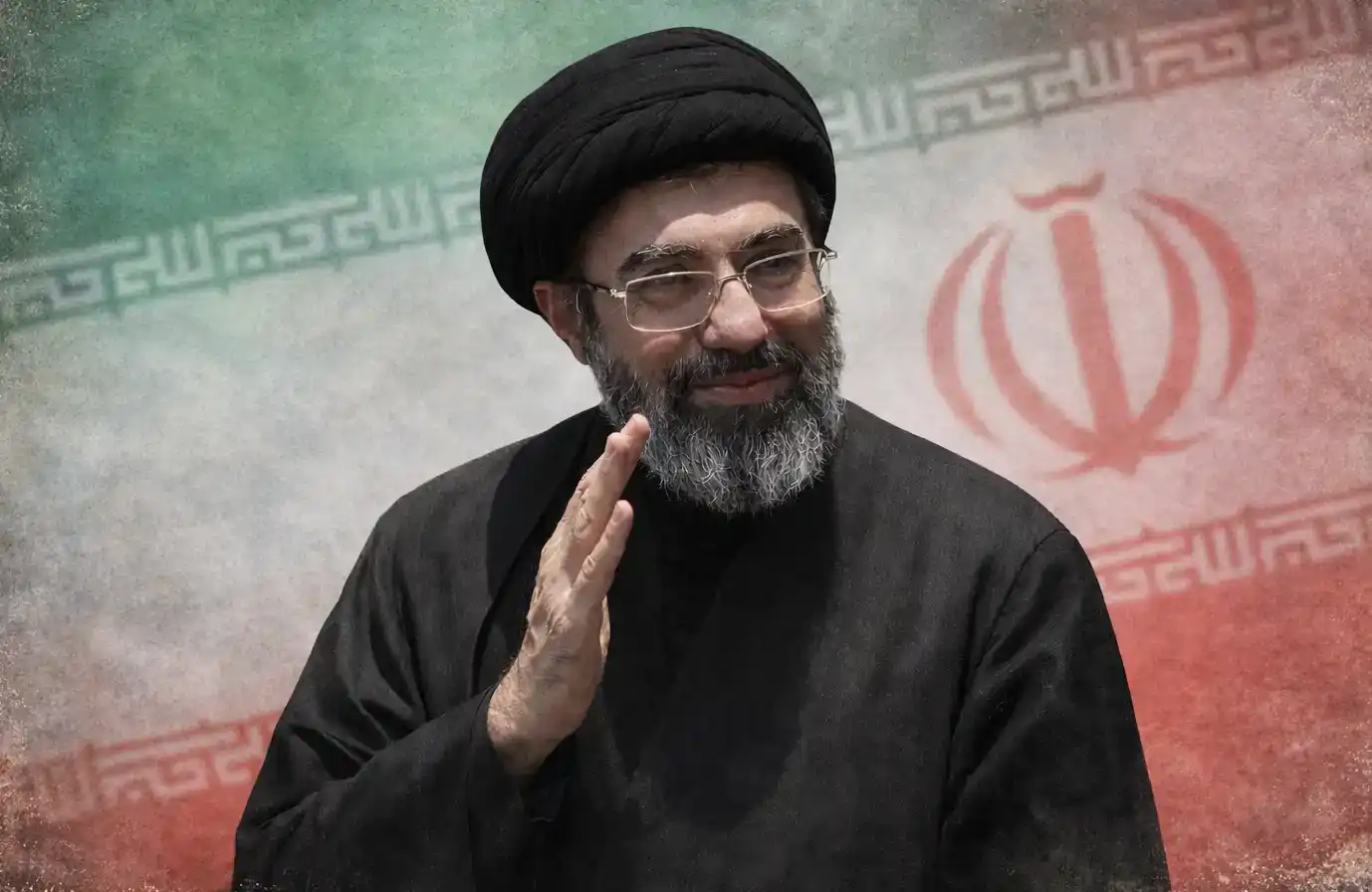
Iran's Assembly of Experts appointed Mojtaba Khamenei, son of the assassinated Supreme Leader Ali Khamenei, as the country's third Supreme Leader amid external threats and internal power struggles. Despite his low public profile and lack of elected or official roles, Mojtaba has long been a central figure in Iran’s power structure, acting as a key advisor and gatekeeper to his father. The U.S. and Israel have expressed strong opposition to his appointment, with former President Trump dismissing him as insignificant. However, Mojtaba has deep ties with the Islamic Revolutionary Guard Corps (IRGC) and played a role in suppressing the 2009 Green Movement protests. A Bloomberg investigation revealed Mojtaba’s hidden global business empire, allegedly funded by Iranian oil revenues and managed through intermediaries. His financial network includes real estate in London, Dubai, Frankfurt, and Mallorca, as well as cryptocurrency transactions. Iranian businessman Ali Ansari is identified as a key figure holding assets on his behalf, though Ansari faces international sanctions for corruption and ties to the IRGC. Mojtaba’s succession has sparked domestic criticism over concerns of hereditary rule and his lack of religious credentials. President Masoud Pezeshkian’s temporary enhanced powers have done little to stabilize the situation, as the IRGC remains influential in shaping leadership decisions. Iran now faces intensified internal divisions and external pressures under its new leader.

marsbit03/09 09:30

Iran's New Supreme Leader's Shadow Business Empire: Oil, Real Estate, and Financial Undercurrents

marsbit03/09 09:30

The Governance Struggle Behind the Power Play of Aave DAO and Aave Labs

The article details a governance conflict between Aave DAO and Aave Labs, centering on a dispute over revenue generated by the frontend. The controversy began when Aave Labs replaced the integrated ParaSwap with CoW Swap on its frontend and directed the resulting fees to its private address, rather than to the DAO treasury. An anonymous DAO member, EzR3aL, publicly criticized this move, accusing Labs of privatizing protocol value. Aave DAO represents the protocol layer, governed by $AAVE token holders who vote on proposals. Aave Labs is the development team responsible for building and maintaining the frontend, brand, and product partnerships. The core issue is whether Aave is a decentralized protocol owned by the DAO or a project built and controlled by Labs, and how this distinction affects revenue rights. DAO supporters argue that all value generated should benefit token holders, while Labs contends that frontend-related income rightfully belongs to them. The situation highlights a broader industry-wide governance dilemma: the tension between decentralized community control and the need for a centralized, efficient team to drive development and maintain market position. The article suggests that a potential compromise, such as transparent revenue-sharing agreements, may be necessary. It concludes that how Aave resolves this conflict could set a precedent for other DeFi projects facing similar governance challenges.

marsbit12/15 14:41

The Governance Struggle Behind the Power Play of Aave DAO and Aave Labs

marsbit12/15 14:41

活动图片