# Poverty Articoli collegati

Il Centro Notizie HTX fornisce gli articoli più recenti e le analisi più approfondite su "Poverty", coprendo tendenze di mercato, aggiornamenti sui progetti, sviluppi tecnologici e politiche normative nel settore crypto.

Real-Life 'Black Mirror' Pumpfun Go: 40 Yuan to Lick a Toilet, $14,000 to Tattoo a Logo on Your Forehead

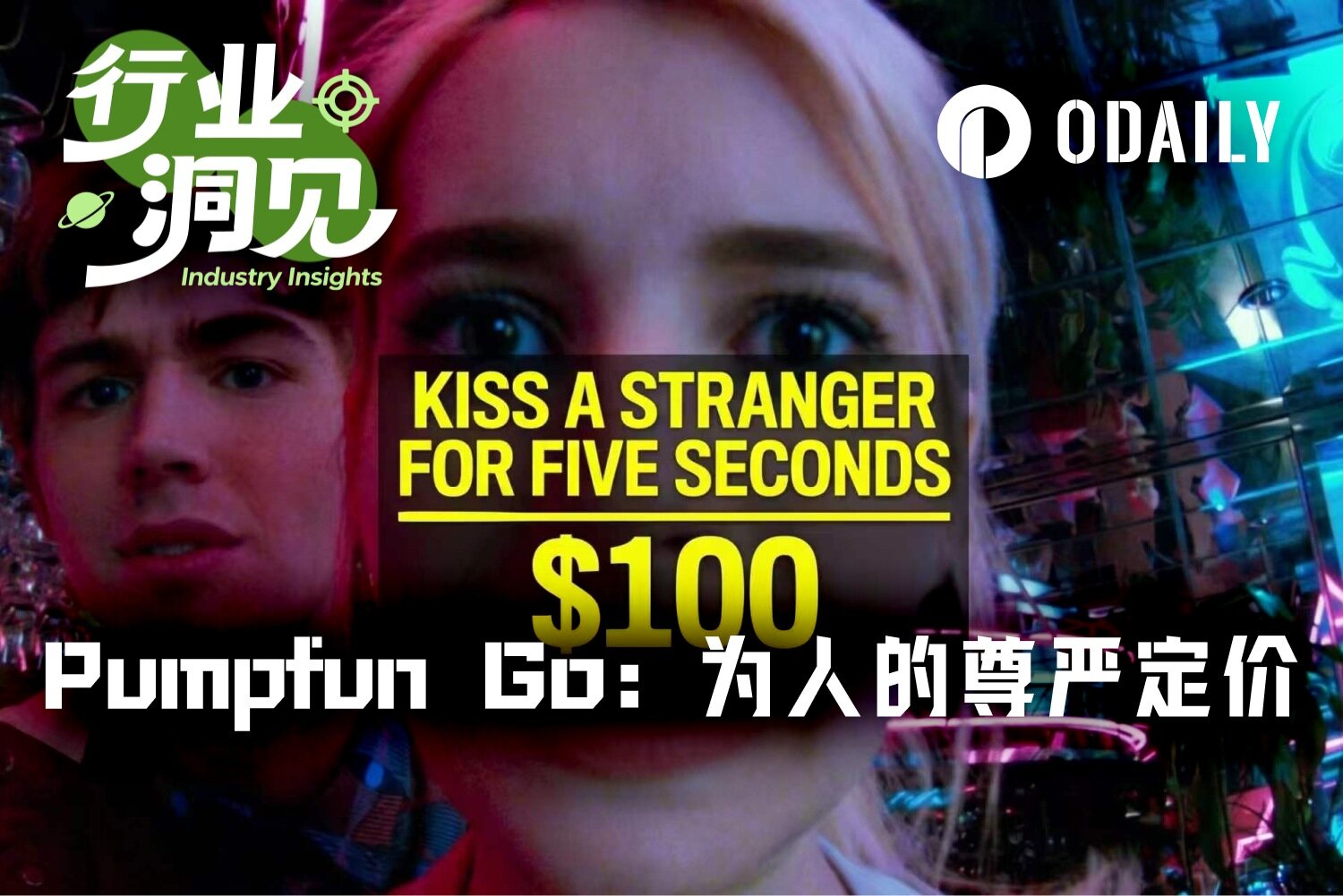
Pumpfun Go, a bounty task platform launched by the meme coin platform Pump.fun, is facing intense controversy. The platform's slogan "Pay anyone to do anything" has manifested in real-world tasks where participants perform increasingly extreme or demeaning acts for cryptocurrency rewards. These tasks range from licking a gas station toilet floor for roughly $5.63 to getting a permanent "bounty.fun" logo tattooed on one's forehead for $14,000. Other completed challenges include eating live insects and quitting a job on camera. The highest-value active bounty offers approximately $560,000 for climbing Mount Everest and placing a bet on a specified platform. While some tasks involve promoting meme coins or community events, the platform has drawn widespread criticism for incentivizing the exploitation of economic desperation. Participants, often citing "we need money" as their motivation, complete these tasks for sums that can far exceed their regular income. Critics, including New York Governor Kathy Hochul, have condemned Pumpfun Go as a dystopian system that commodifies human dignity and preys on the vulnerable. Supporters argue it provides a novel income opportunity for those in need. The debate highlights deeper societal issues around power, inequality, and the historical human fascination with spectacles of humiliation. The platform's existence raises questions about the ethical limits of anonymous online markets and the persistent reality where financial need forces individuals to trade their dignity for survival.

Odaily星球日报06/30 03:16

Real-Life 'Black Mirror' Pumpfun Go: 40 Yuan to Lick a Toilet, $14,000 to Tattoo a Logo on Your Forehead

Odaily星球日报06/30 03:16

Myanmar Under Fire: The Dignity of the Dollar, Trapped Youth, and the Underground Financial Market

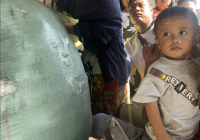
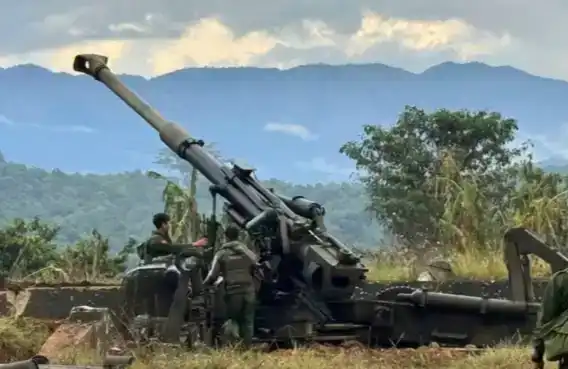
In 2026, a two-week field investigation in Myanmar revealed a nation fractured by war, economic collapse, and extreme social inequality. The country exists in multiple layers of reality: the official state versus the black market, internet stereotypes versus on-the-ground simplicity, and a brutal economic disparity where a server in Hong Kong earns 18,000 RMB monthly, compared to just 300 RMB in Bagan. The economy is defined by a shattered financial system. The official exchange rate is a fiction; the black market rate of 1:550 (USD to MMK) is the real one. This instability manifests in an absurd reverence for physical US dollars, which must be pristine to be accepted, while the local currency is treated with contempt. Hyperinflation has crippled daily life. Prices have surged 5x in a decade, while wages have only doubled. A day's wage for an adult in Bagan is less than 10 RMB, meaning five bottles of water cost a full day's pay. This pressure forces children into labor. It's common to see 9-year-olds working in restaurants or children begging in streets. For the youth, escape is nearly impossible. The government restricts passport issuance for those aged 18-60, making legal departure a privilege. The only options are dangerous illegal routes or being "bought" as a bride by foreigners. The report concludes with a guide's stark summary of his existence: "A lifetime. No happiness." Men live in fear of being forcibly conscripted, and the relentless struggle for survival leaves no room to ponder happiness.

marsbit02/26 09:39

Myanmar Under Fire: The Dignity of the Dollar, Trapped Youth, and the Underground Financial Market

marsbit02/26 09:39

Underground Argentina: Jewish Money Houses, Chinese Supermarkets, Slacking Youth, and the Impoverished Middle Class

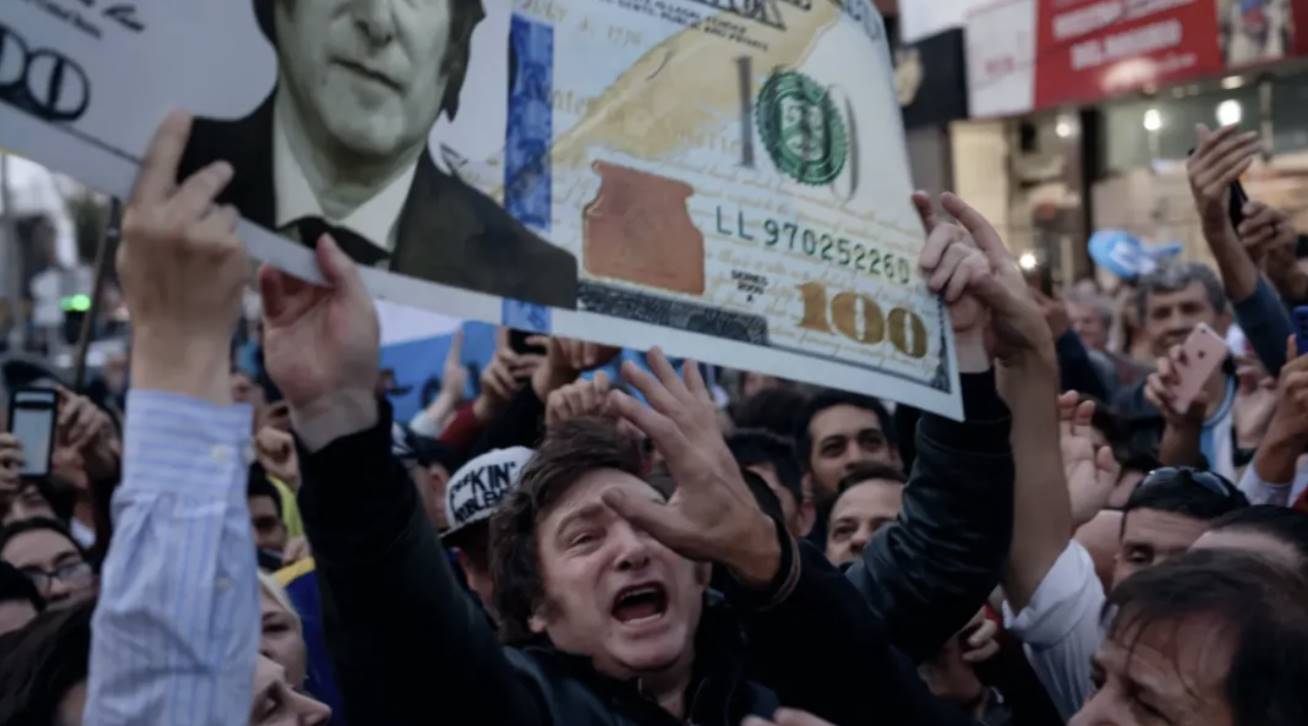
Argentina is experiencing a state of hyperinflation and economic collapse, where the official currency, the peso, has become nearly unusable. The black market exchange rate has reached 1 USD to 1,400 pesos, yet prices for basic goods remain shockingly high, even for those holding foreign currency. A significant portion of the population, especially the youth, has adopted a "live for the moment" mentality, spending their wages immediately as savings become worthless. Poverty rates are high, and real wages have plummeted. The country’s real financial system operates underground, dominated by two key players: a network of over 13,000 Chinese-owned supermarkets that act as cash collection points, and Jewish-owned informal exchange houses (cuevas) that manage black market dollar transactions. This shadow economy allows businesses and individuals to bypass strict currency controls, high taxes, and a collapsing official banking system. Cryptocurrency, particularly USDT, is used not as a technological innovation but as a practical tool for wealth preservation and tax avoidance, especially among freelancers and the upper middle class. However, those who remain in the formal economy—the “rule-followers”—suffer the most, as their peso-denominated incomes collapse in value while living costs soar. President Milei’s radical reforms have brought some fiscal stability and reduced inflation, but at a great social cost. Yet, much of the public still supports the changes, hoping to break Argentina’s cycle of economic crises. Through it all, the informal systems—cash transactions, black market exchanges, and a general distrust of the state—continue to sustain daily life.

深潮12/08 06:16

Underground Argentina: Jewish Money Houses, Chinese Supermarkets, Slacking Youth, and the Impoverished Middle Class

深潮12/08 06:16

活动图片