# Outsourcing Articoli collegati

Il Centro Notizie HTX fornisce gli articoli più recenti e le analisi più approfondite su "Outsourcing", coprendo tendenze di mercato, aggiornamenti sui progetti, sviluppi tecnologici e politiche normative nel settore crypto.


The Small-Town Youth Labeling AI Giants

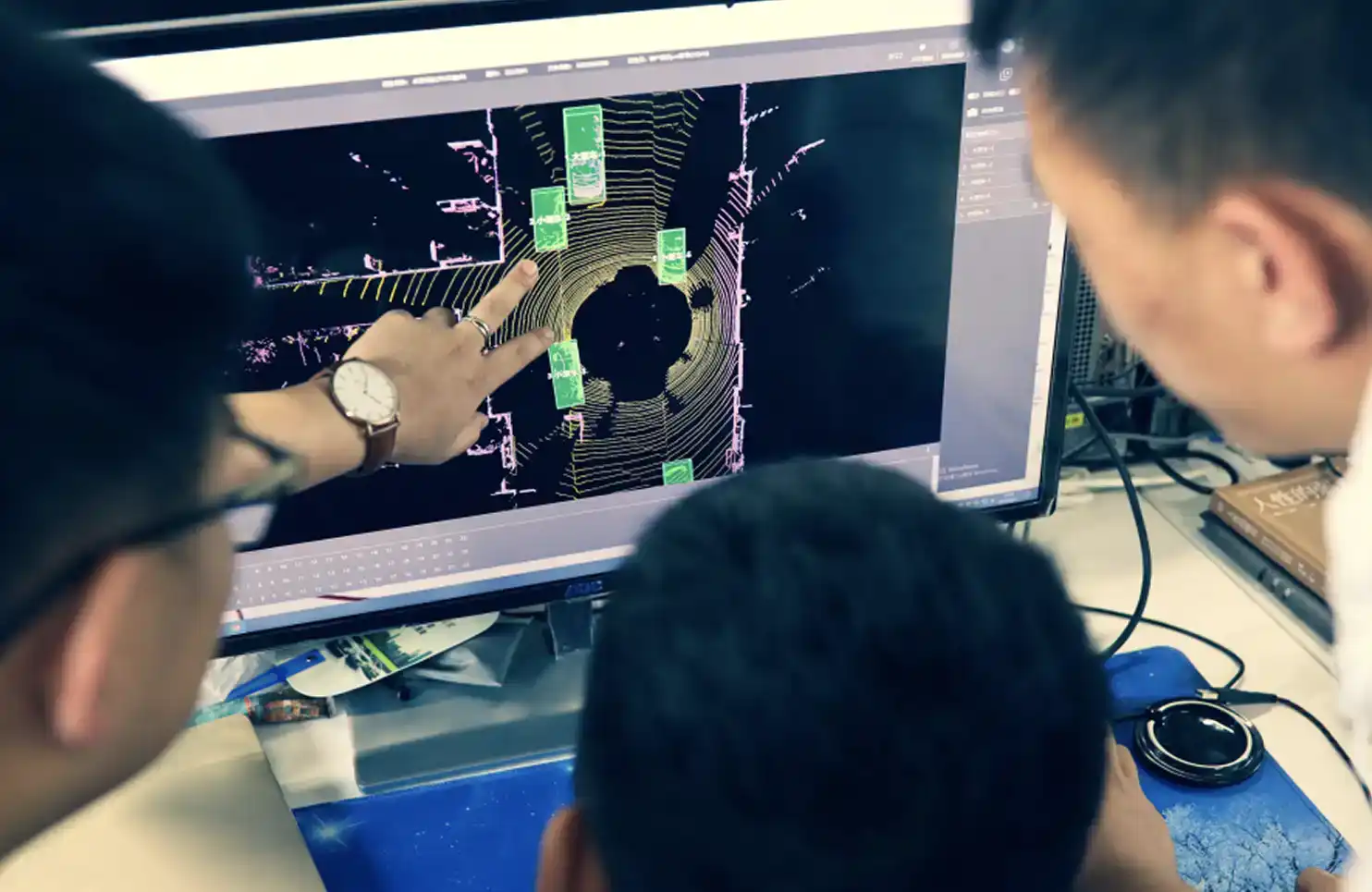
In China's hinterland cities like Datong, Shanxi, thousands of young people are working as data annotators—the invisible workforce behind AI development. They perform repetitive tasks like drawing bounding boxes on images or rating AI-generated responses, earning piece-rate wages as low as a few cents per task. These workers, mostly from rural areas or small towns, endure intense labor conditions: strict monitoring, high error tolerance thresholds, and mental exhaustion. Despite the cognitive nature of their work, they are often paid meager salaries, with some earning as little as ¥30 ($4) for a day’s work. As AI industry evolves, even highly educated workers—including master’s graduates—are being drawn into similar precarious freelance roles, evaluating complex AI outputs under vague and shifting standards. Yet the industry is structured through layers of outsourcing, where most profits flow to tech giants like OpenAI and Microsoft, while annotators see dwindling incomes. Worse, as AI models become more self-sufficient, the demand for human annotators is declining. Companies like Li Auto have slashed annotation costs by using AI-powered tools that complete in hours what used to take humans years. These annotators, who helped train the very systems now replacing them, face an uncertain future—a stark contrast to the booming valuations and optimistic narratives of the global AI industry. No one seems to see a problem with any of this.

marsbit04/07 04:37

The Small-Town Youth Labeling AI Giants

marsbit04/07 04:37

Sequoia Capital: The Next Trillion-Dollar Company Doesn't Sell Software, It Sells Outcomes

Sequoia Capital partner Julien Bek argues that the next trillion-dollar company will not sell software tools, but will instead sell outcomes directly. For every dollar spent on software, companies spend six dollars on services. As AI drives the cost of "doing" toward zero, the real opportunity lies not in Copilots (assistive tools) but in Autopilots (fully automated work delivery). The key distinction is between "intelligence" (rule-based tasks like coding or data translation) and "judgement" (tasks requiring experience and intuition). AI is increasingly capable of autonomous intelligence work, leaving judgement to humans. While Copilots sell tools to professionals, Autopilots sell the final result to the end customer. The optimal strategy is to target outsourced, intelligence-intensive tasks first. Outsourcing indicates a company is already comfortable with external party handling the work, has a dedicated budget, and buys results. Replacing an outsourced contract is a vendor change; replacing internal staff is a reorganization. The article maps high-opportunity verticals by their intelligence/judgement mix and outsourcing prevalence. Major opportunities include: - Insurance brokering ($140-200B): Highly standardized,智力-intensive. - Accounting & Auditing ($50-80B outsourced in US): Facing a structural labor shortage. - Medical billing ($50-80B outsourced): Rules-based medical coding. - Claims adjusting ($50-80B): Often outsourced to third-party administrators. - Tax preparation ($30-35B): High智力-work, with regulatory moats. - Legal transactional work ($20-25B): Contract drafting, NDAs. - IT Managed Services ($100B+): Routine, repetitive tasks across many SMEs. - Procurement ($200B+): Automating neglected tail-spend supplier management. - Recruitment ($200B+): Target high-volume, low-judgement role matching. - Management Consulting ($300-400B): Harder to automate due to high judgement component. The conclusion is that while 2025's fastest-growing AI companies were Copilots, 2026 will see a shift toward Autopilots. Pure Autopilot companies have a window to capture vast service budgets by delivering work directly, unlike incumbents who may hesitate to automate their own customers' jobs.

marsbit03/11 04:46

Sequoia Capital: The Next Trillion-Dollar Company Doesn't Sell Software, It Sells Outcomes

marsbit03/11 04:46

From Cheap Customer Service to Billion-Dollar Leaks: The Dual Faces of India's Outsourcing Industry

An investigation into India's massive BPO (Business Process Outsourcing) industry reveals a dual reality of cost efficiency and severe security risks, highlighted by a major data breach at Coinbase. In December 2025, Coinbase’s CEO announced the arrest of a former customer support employee in Hyderabad, India, linked to a $400 million data leak. The employee, working for outsourcing firm TaskUs, allegedly stole and sold user data for substantial personal gain—earning up to 200 times their daily wage per photo of sensitive information. This incident is not isolated. Companies like Amazon and Microsoft have also experienced similar breaches due to insider threats from underpaid Indian外包 employees, who often earn as little as $300–500 per month. Despite these risks, India remains the global leader in BPO, with its market valued at around $50 billion in 2024 and projected to grow significantly. The country’s advantages include low labour costs, English proficiency, and time-zone benefits for Western companies. However, the industry is evolving. Many multinationals are now establishing Global Capability Centers (GCCs) in India for higher-value work like R&D and AI, leveraging local talent for innovation at lower costs. Meanwhile, repetitive low-end tasks face growing competition from automation and AI. While companies like Coinbase continue to rely on Indian outsourcing for economic reasons, the recurring security lapses underscore ongoing management challenges and the human cost behind the industry’s “cheap labour” model.

比推01/06 15:18

From Cheap Customer Service to Billion-Dollar Leaks: The Dual Faces of India's Outsourcing Industry

比推01/06 15:18

活动图片