# Mars Articoli collegati

Il Centro Notizie HTX fornisce gli articoli più recenti e le analisi più approfondite su "Mars", coprendo tendenze di mercato, aggiornamenti sui progetti, sviluppi tecnologici e politiche normative nel settore crypto.

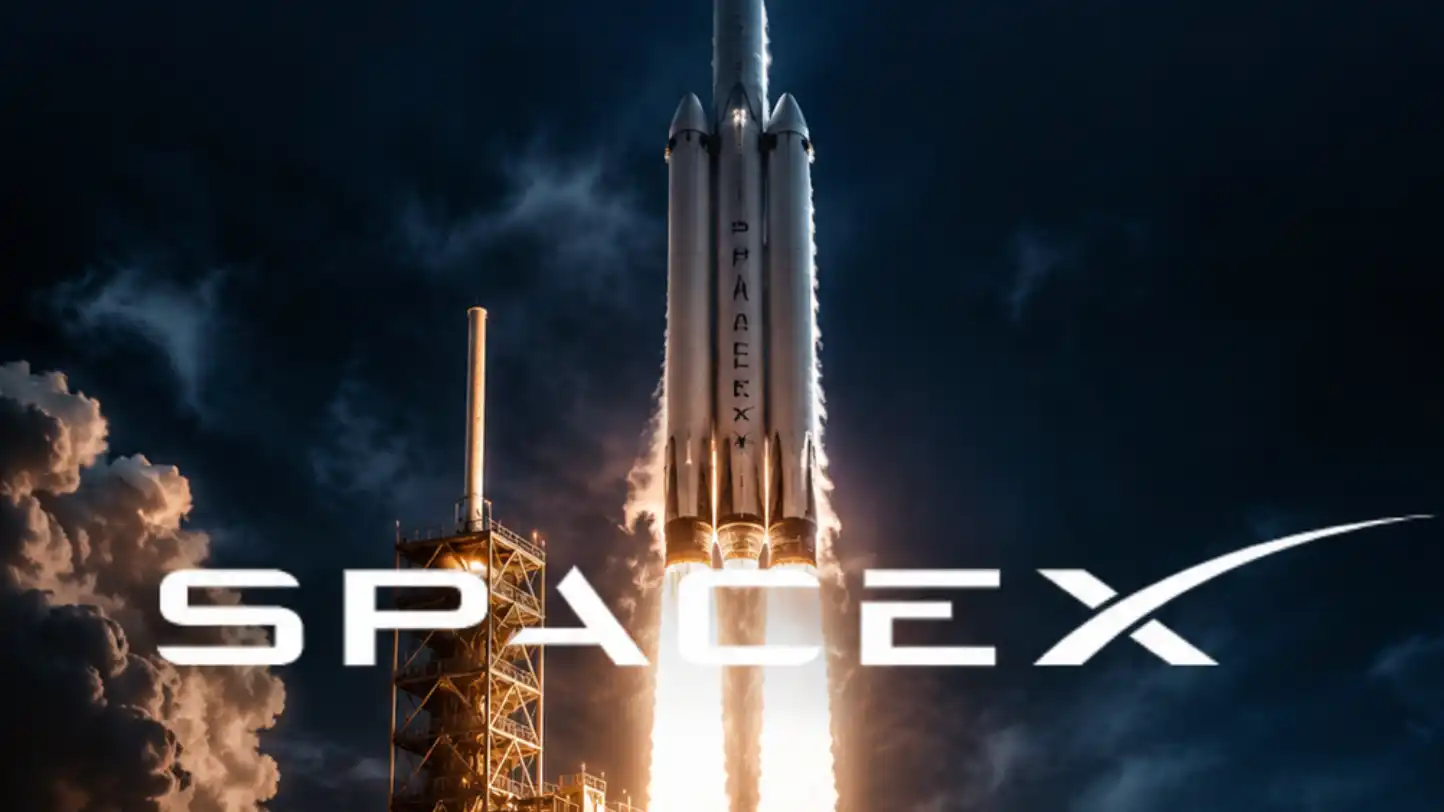
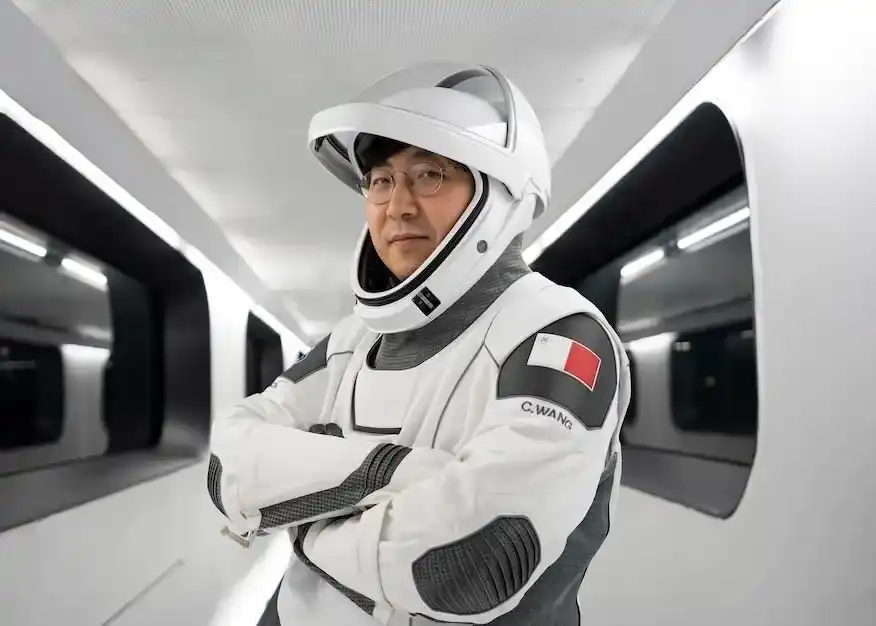
From Mining Pool to Mars: Why Is Wang Chun in the SpaceX Cockpit?

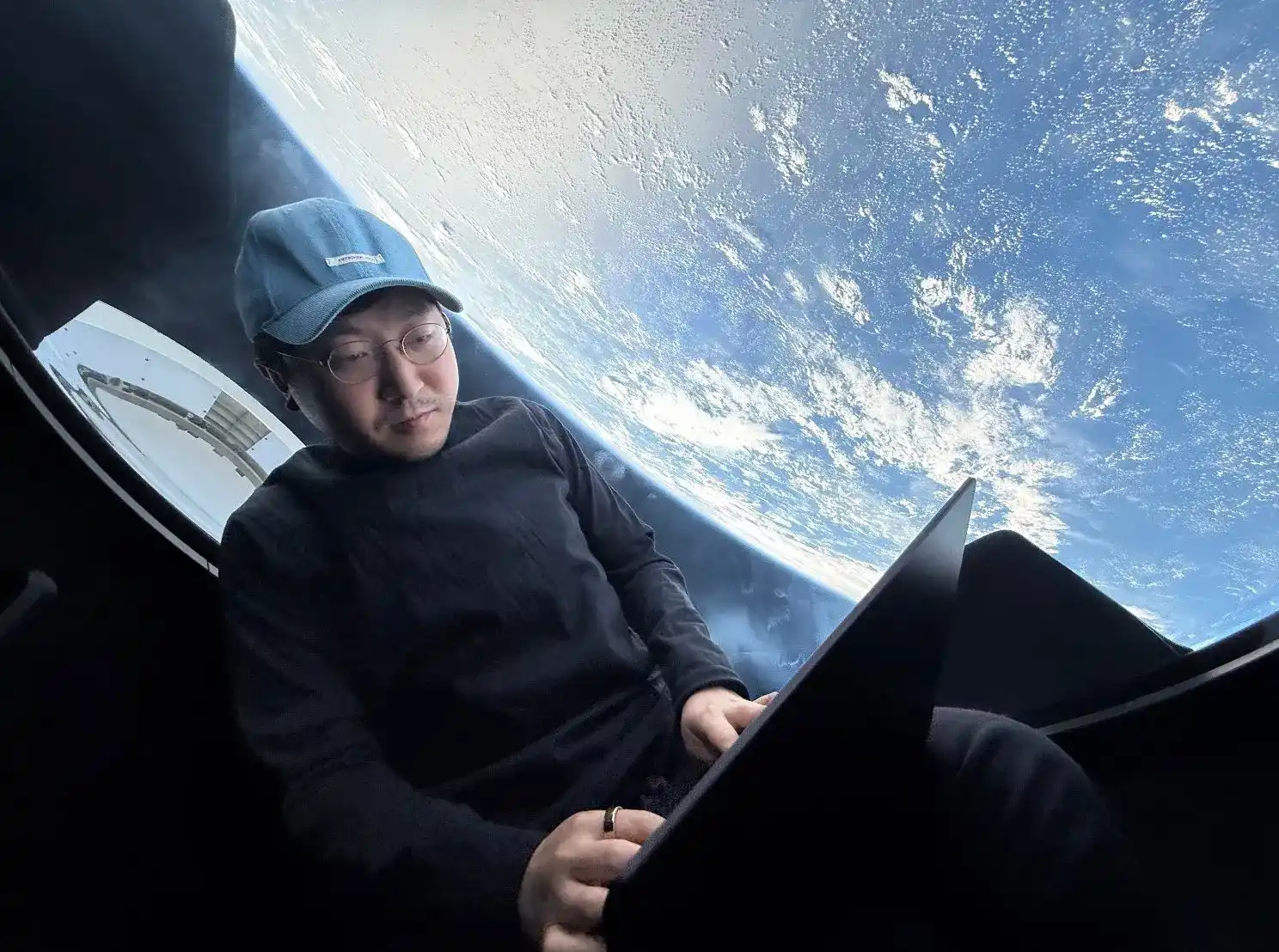
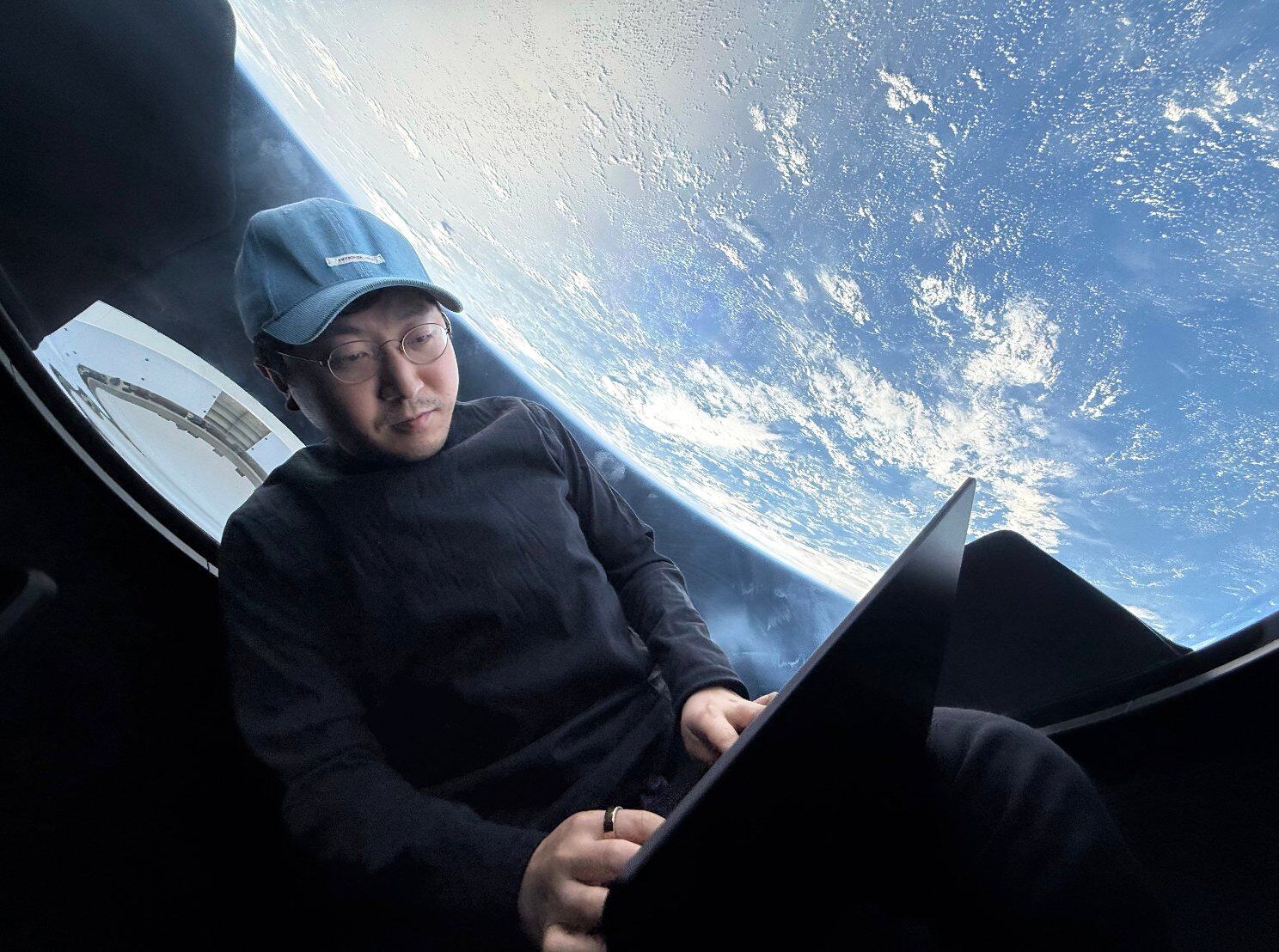
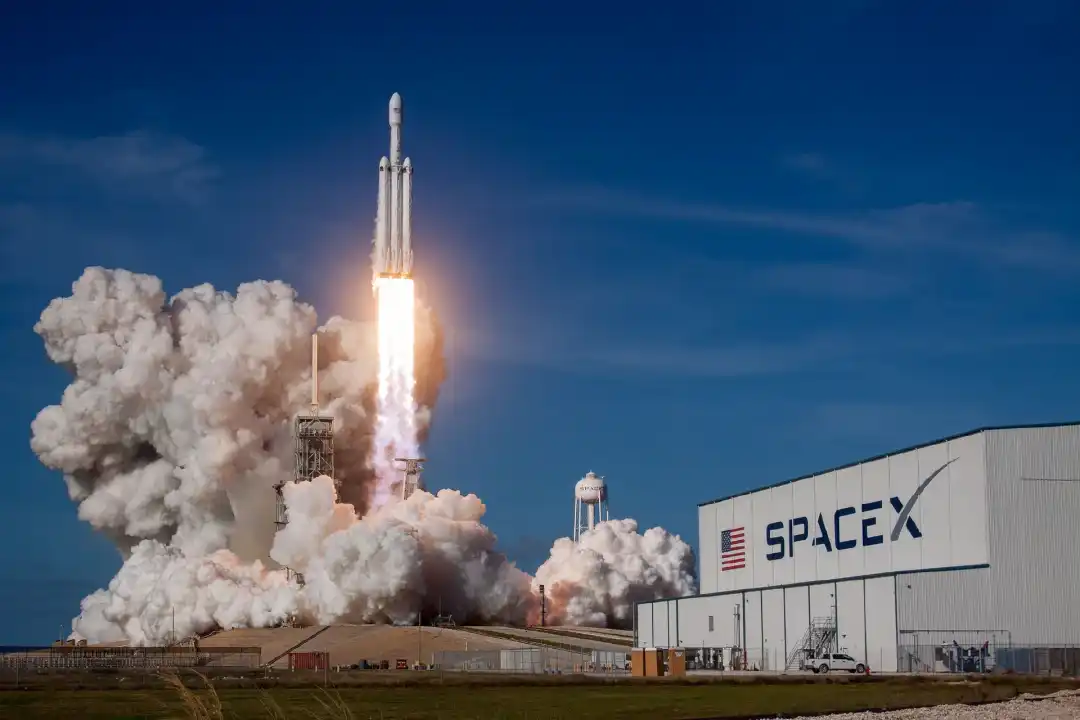
Title: From Mining Pool to Mars: Why Wang Chun is in the SpaceX Cockpit? When SpaceX announced that Wang Chun, co-founder of F2Pool, would command the first commercial crewed interplanetary mission, many were shocked. Why would a Bitcoin mining pool founder be on a Mars mission roster? However, understanding Wang Chun's journey over the past decade and the deepening ties between the crypto industry and SpaceX reveals this is not accidental, but an inevitable result of a new era taking shape. Today's Mars plan is no longer just a space engineering project; it is evolving into a civilization-upgrading experiment driven by global tech capital, AI, computing power, energy, and the crypto economy. Wang Chun stands precisely at the intersection of these forces. Part 1: From F2Pool to SpaceX – Wang Chun's Leap F2Pool, founded when Bitcoin was still niche, is one of the earliest large-scale mining pools and once held a significant share of global Bitcoin hash rate. Wang Chun belongs to the first generation of Chinese Bitcoin advocates and infrastructure builders—idealists and engineers who believed in a new value network independent of traditional finance. Miners like him built the hardware, energy, and computing power foundational to decentralized networks. This aligns with the long-term, high-engineering, future-oriented vision required for space civilization. Elon Musk’s space endeavors value such long-term builders over mere capital players, which explains Wang Chun's entry into the SpaceX ecosystem. Part 2: Why Crypto and SpaceX Are Growing Closer The core of global tech competition is shifting from internet applications to next-generation infrastructure. Both crypto and SpaceX are part of this. SpaceX's goal is to drastically reduce space access costs. If successful, it could enable orbital servers, space-based energy, global satellite internet, and Martian bases. These new frontiers will require new payment systems, value networks, and global financial architectures. Cryptocurrencies, inherently global and trustless, are poised to become key to off-planet economies. Moreover, crypto and SpaceX share a high-risk, long-termist ethos—believing in ambitious, world-changing goals despite early skepticism. Part 3: Human Spaceflight Enters the Commercial Era Space exploration, long dominated by state actors, is now being transformed by commercial entities like SpaceX. Wang Chun's involvement signifies that future deep-space participants may include not just career astronauts, but also entrepreneurs, engineers, and AI researchers. This mirrors the Age of Exploration, where commercial capital eventually drove global expansion. Wang Chun has emphasized that Mars colonization must not be delayed for future generations, countering a potential over-focus on nearer-term, commercial lunar projects. His presence symbolizes how new capital, technical communities, and idealists from the crypto world are now entering the interstellar age. In summary, the true significance is not an individual's journey to Mars, but the shift in the driving force of human civilization expansion from state machinery to tech companies, AI systems, and global technology capital. Wang Chun's path—from mining pool to Mars, from the Bitcoin network to starships—may be a preview of technological civilization's evolution in the coming decades.

marsbit05/26 14:46
From Mining Pool to Mars: Why Is Wang Chun in the SpaceX Cockpit?

marsbit05/26 14:46

SuperEx's Mars Exploration Dream: Digital Currency is the Key to Unlocking Economic Exchanges in the Interstellar Era

SuperEx envisions digital currencies as the key to enabling economic exchange in the interstellar era. Inspired by humanity's enduring dream of space exploration, exemplified by Elon Musk’s Mars colonization plan and the UAE's Mars Science City project, SuperEx established a space fund to support such initiatives. The exchange positions itself not merely as a trading platform but as a contributor to humanity's future, claiming that user transactions help fuel the journey to Mars. The article argues that traditional sovereign currencies will be inadequate for interplanetary economies due to their limitations in free cross-border flow. In contrast, digital currencies, built on Web3.0 principles of decentralization, distributed ledgers, and smart contracts, possess the borderless, shared, and accessible attributes necessary for future interstellar trade. Examples like Bitcoin demonstrate this potential. SuperEx presents itself as the world's first Web3.0-based digital asset exchange, aiming to lay the groundwork for a future interstellar economic system. It reports over 10 million users, support for 1000+ trading pairs, and integration with a decentralized wallet (Super Wallet) for security. Its long-term goal is to evolve into a fully decentralized autonomous organization (DAO), with its existing SuperEx DAO already being one of the largest Web3.0 communities. Ultimately, SuperEx's vision is to create a free, borderless financial world, leveraging blockchain technology to empower individual value and freedom.

链捕手05/25 01:32

SuperEx's Mars Exploration Dream: Digital Currency is the Key to Unlocking Economic Exchanges in the Interstellar Era

链捕手05/25 01:32

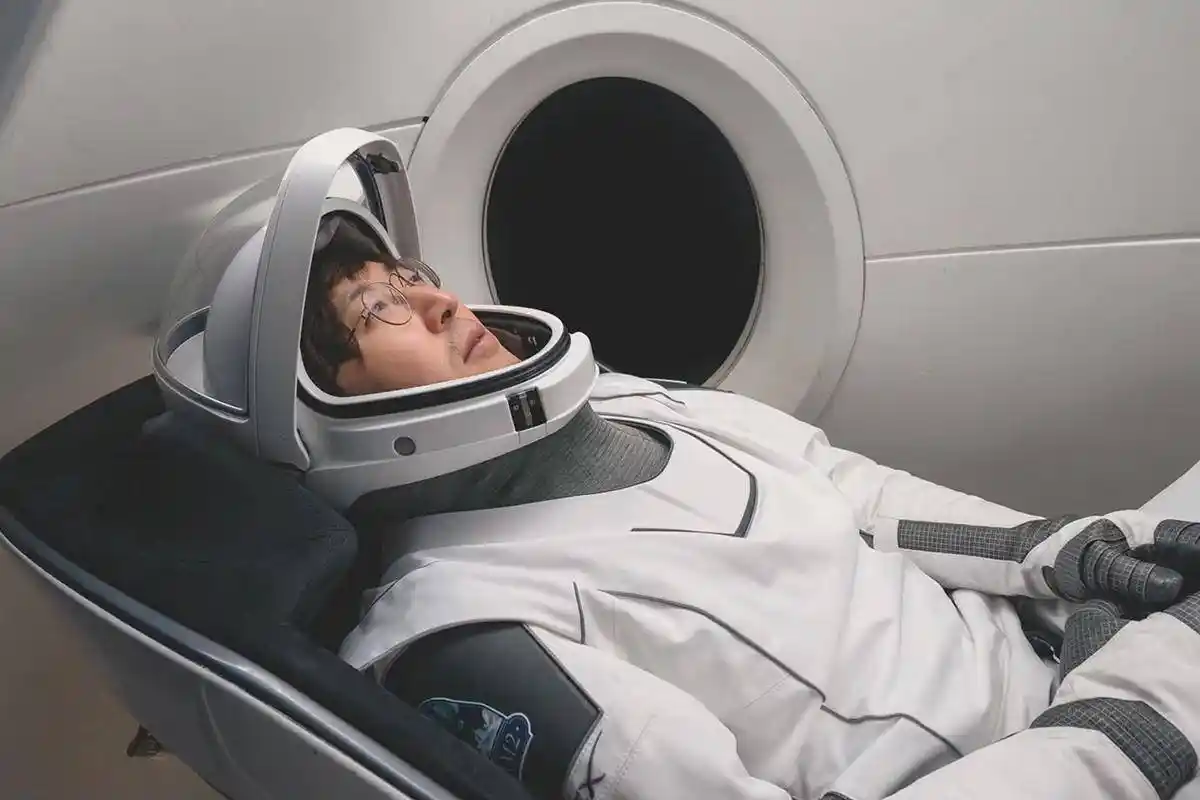
An 80s-Born from Tianjin, Set to Become the First Human on a Journey to Mars

Chun Wang, an 80s-born native of Tianjin, is set to become the first person to journey to Mars. SpaceX recently announced that Wang, co-founder of F2Pool and commander of the Fram2 mission, will travel on Starship for a historic two-year deep-space mission to fly by Mars (without landing) and return to Earth. Prior to this, he will also participate in a week-long commercial crewed mission around the Moon. Wang's passion for exploration began in childhood. After university, he embarked on extensive travels, eventually visiting every province in China by train and earning the nickname "Thousand High-Speed Rail Man." His interest in technology led him to programming and, in 2011, to Bitcoin. He purchased his first bitcoin at $8.70 and later co-founded F2Pool, one of the world's largest mining pools, in 2013. The success of his cryptocurrency ventures provided the wealth that later funded his ambitious projects. Having reached both the South and North Poles, Wang sought new frontiers. Inspired by SpaceX's advancements, he conceived and funded the private Fram2 mission in 2025. As mission commander, he led an all-civilian, non-American crew on a unique polar orbit flight aboard a Crew Dragon spacecraft, conducting scientific experiments and capturing unprecedented views of Earth's poles. Now, his journey continues toward the ultimate destination. From his current location on the remote Bouvet Island near Antarctica, Wang prepares for the next steps: a lunar flyby and humanity's first crewed mission to the vicinity of Mars.

Odaily星球日报05/22 03:58

An 80s-Born from Tianjin, Set to Become the First Human on a Journey to Mars

Odaily星球日报05/22 03:58

Musk's New Plan: Building an AI Base on the Moon, More Appealing Than Mars Colonization?

Elon Musk is shifting his strategic focus from colonizing Mars to establishing an AI base on the Moon, according to an internal presentation to employees following the merger of SpaceX and xAI. This new vision, dubbed "Lunar Base Alpha," involves building a city on the Moon and using mass drivers to launch AI satellites into deep space. The initiative is positioned as both a new recruitment tool and a unique value proposition for the merged entity, aiming to attract talent and capital by offering an ambitious alternative to conventional Earth-based AI development. Musk argues that achieving computational power exceeding one terawatt annually requires leveraging solar energy available on the Moon. This pivot aligns with SpaceX’s recent move away from its long-term Mars colonization goal, which lacks clear commercial funding, toward more immediately profitable ventures like Starlink satellite launches and NASA’s lunar missions. The Moon base narrative also serves to reinvigorate engineering enthusiasm by framing the project within the theoretical framework of the Kardashev Scale—suggesting that advanced civilizations harness stellar energy through space-based infrastructure. While technically and economically speculative, the momentums reflects a strategy to differentiate xAI from other AI labs, potentially boosting market expectations ahead of a possible IPO and appealing to retail investors.

比推02/13 15:21

Musk's New Plan: Building an AI Base on the Moon, More Appealing Than Mars Colonization?

比推02/13 15:21

活动图片