# Market Reaction Articoli collegati

Il Centro Notizie HTX fornisce gli articoli più recenti e le analisi più approfondite su "Market Reaction", coprendo tendenze di mercato, aggiornamenti sui progetti, sviluppi tecnologici e politiche normative nel settore crypto.

CLARITY Act Passes Crucial Hurdle, But a Long Road Remains Ahead

The CLARITY Act, a major U.S. digital asset market structure bill, has advanced from the Senate Banking Committee with a 15-9 bipartisan vote, ending a four-month legislative standstill. The bill's core aim is to resolve the long-standing jurisdictional conflict between the SEC and CFTC by clearly defining which digital assets are securities or commodities. It also establishes rules for exchanges and custodians while providing protections for non-custodial software developers and blockchain validators, shielding them from being classified as money transmitters. The committee's approval triggered a positive market reaction, with Bitcoin rising and crypto-related stocks outperforming the broader market. However, the passage was secured only after last-minute negotiations and compromises, including the addition of amendments on investor protection, bank activities, and defining "truly decentralized" DeFi projects. Two key Democratic senators provided the crucial swing votes but cautioned that their future support in a full Senate vote is not guaranteed. Significant hurdles remain. The bill must still pass the full Senate, requiring 60 votes, and a major point of contention is a Democratic demand for an ethics clause restricting financial ties between high-level government officials and crypto firms—a provision opposed by Republicans and the White House. Additionally, the bill must be reconciled with a version from the Senate Agriculture Committee. If not passed before the August congressional recess, the next viable legislative window might not open until 2030. The legislation also faced, and ultimately withstood, last-minute lobbying opposition from traditional banking groups concerned about deposit outflows to crypto. If ultimately enacted, the CLARITY Act would initiate a multi-year rulemaking process, with new regulations likely not taking full effect until 2027 or later. While a critical milestone, the path to becoming law remains a challenging race against time.

链捕手05/15 04:54

CLARITY Act Passes Crucial Hurdle, But a Long Road Remains Ahead

链捕手05/15 04:54

The Real Culprit Behind the Crypto Crash: The Warsh Effect

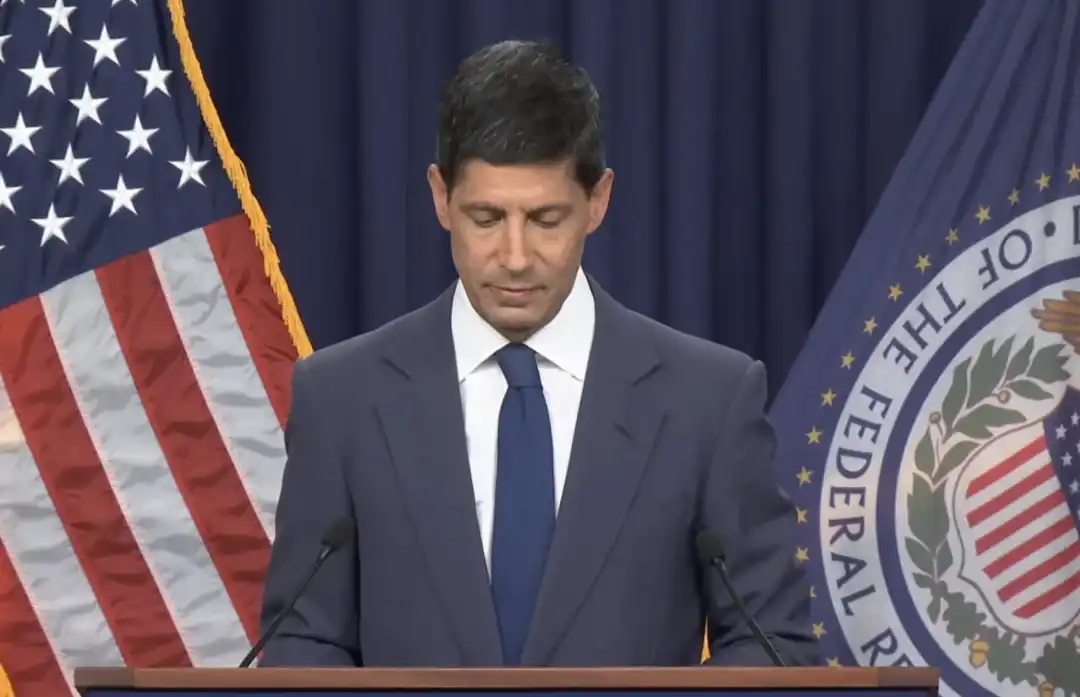
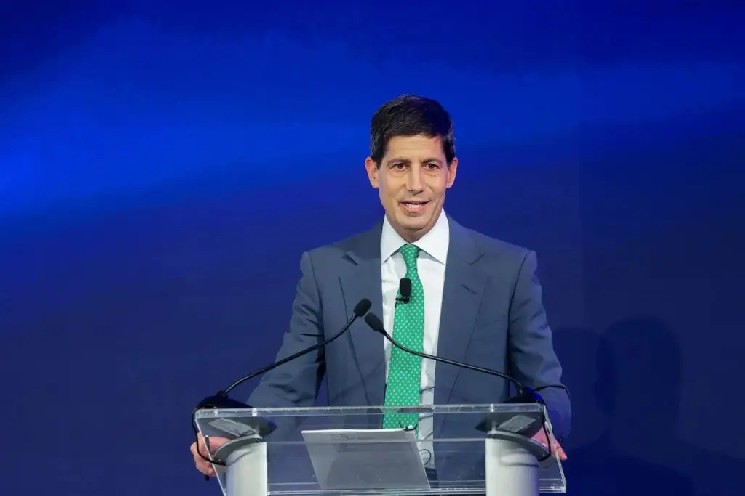
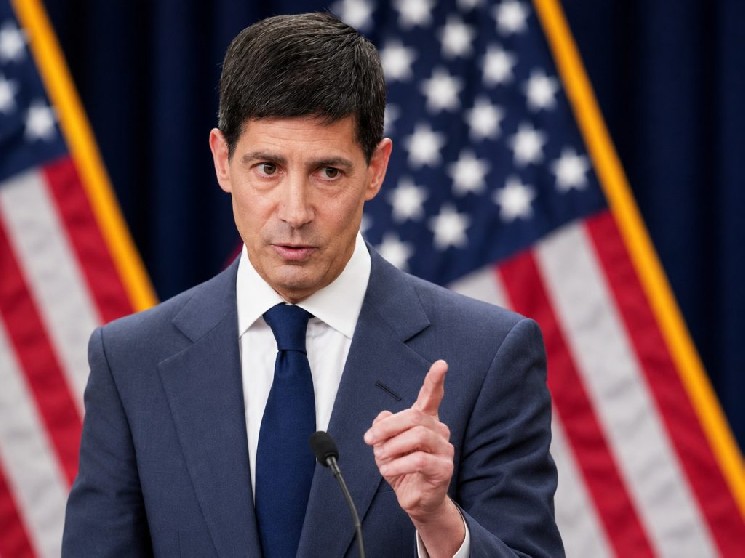
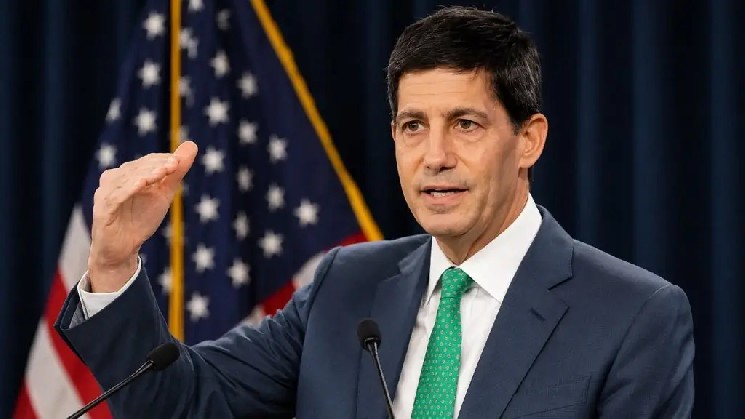
The cryptocurrency market crash, termed the "Warsh Effect," is attributed to former Federal Reserve Governor Kevin Warsh's potential nomination as the next chair. Following the announcement, Bitcoin fell to $78,214 (down 6.9% in 24 hours, 12.4% weekly), Ethereum to $2,415 (down 10.5% in 24 hours, 18.2% weekly), and other major altcoins like Solana also experienced significant double-digit losses. Warsh, known as a monetary policy hawk, has historically emphasized inflation vigilance and criticized post-2008 crisis stimulus measures. Markets reacted negatively due to expectations of tighter monetary policy, higher real interest rates, and reduced liquidity—conditions unfavorable for risk assets like crypto. This triggered over $1 billion in net outflows from US Bitcoin and Ethereum ETFs, initiating a cascade of liquidations that accelerated the sell-off. However, Warsh has also expressed constructive views on Bitcoin, calling it a valuable policy barometer and highlighting the US strategic interest in leading crypto development. His appointment requires Senate confirmation and, even if approved, he would only be one vote on the FOMC, which currently holds a cautious consensus on rate cuts. The market's reaction reflects a clash between the bearish narrative of tighter liquidity and a bullish perspective that considers Warsh's pro-innovation stance and political context. The key upcoming event is his Senate confirmation hearing, which will provide clearer signals on future monetary and regulatory policy.

Odaily星球日报02/01 11:13

The Real Culprit Behind the Crypto Crash: The Warsh Effect

Odaily星球日报02/01 11:13

Fed Chair Race Takes a Surprising Turn: Warsh Overtakes Hassett, Trump's Interest Rate Gambit Places a New Piece

US Federal Reserve Chair Race Shifts: Warsh Surpasses Hassett as Trump's Top Pick In a surprise turn of events, President Trump confirmed to The Wall Street Journal that former Fed Governor Kevin Warsh has become the leading candidate for the next Federal Reserve Chair, overtaking previously favored Kevin Hassett. This shift followed a 45-minute meeting where Warsh aligned with Trump’s desire for lower interest rates. Warsh’s Wall Street experience and previous role at the Fed during the 2008 financial crisis distinguished him from the more academic Hassett. Market probabilities reflected the change, with Hassett’s odds dropping from 85% to 52%, while Warsh’s rose to 38%. Trump has repeatedly criticized current Chair Jerome Powell for not cutting rates aggressively enough, and even suggested the Fed should consult the president on rate decisions—a direct challenge to the central bank’s independence. Other candidates include Fed Governors Christopher Waller and Michelle Bowman, and BlackRock’s Rick Rieder. Historical parallels were drawn to Nixon-era political pressure on the Fed, which led to high inflation. ECB President Christine Lagarde warned that political interference poses a “very serious threat” to global economic stability. Wall Street reacted cautiously, with Jamie Dimon noting both candidates' strengths but acknowledging Warsh’s potential to be an “outstanding chair.” Powell, whose term ends in May, aims to hand over a stable economy but has consistently resisted Trump’s calls for deeper rate cuts. The outcome of this selection will significantly influence global financial markets and test the Fed’s independence in the years ahead.

marsbit12/14 01:53

Fed Chair Race Takes a Surprising Turn: Warsh Overtakes Hassett, Trump's Interest Rate Gambit Places a New Piece

marsbit12/14 01:53

活动图片