# Balance Sheet Articoli collegati

Il Centro Notizie HTX fornisce gli articoli più recenti e le analisi più approfondite su "Balance Sheet", coprendo tendenze di mercato, aggiornamenti sui progetti, sviluppi tecnologici e politiche normative nel settore crypto.
The World of Gold, the Dollar, and Debt: A Revaluation of the Balance Sheet

The article "The World of Gold, the Dollar, and Debt: A Revaluation of the Balance Sheet" argues that the fundamental, often hidden mechanism organizing modern society is not money itself, but the continuous extension of debtor-creditor relationships. Nations, communities, and individuals essentially trade the future for the present. Economic growth and consumption are fueled by an institutionalized consensus that the future can be allocated in advance, with debt being the technical instrument of this system. From this perspective, the core question becomes: who has the power to discount the future into the present and define that future? Money creation and contraction are merely expressions of this debt-based world. The true "magic" of finance is the intertemporal exchange of resources. The roles of the US dollar and gold are clarified through this lens. The dollar is not merely currency; it is the primary tool for coordinating and denominating global debt. The system functions as a massive intertemporal trade: the US provides future promises, while the world provides present productive capacity to承接 (undertake) that debt. Gold is unique as the only major financial asset with no corresponding liability; it is the ultimate settlement that requires no counterparty's promise. It is therefore often seen as inefficient in a healthy debt system but gains value when the future兑现 (fulfillment) of promises is doubted. The author posits that true避险 (risk aversion) is not about finding a permanently safe asset but about identifying healthy, sustainable balance sheets at different times. The fundamental risk is not volatility but structural debt imbalance. The rise of AI is identified as the key variable reshaping global balance sheets. AI creates a paradox: it drastically reduces the price of digital efficiency (software, information processing) while creating unprecedented rigid demand for physical capital (compute power, electricity, land, energy, minerals). This forces a recalibration of the debt system, as growth becomes tethered to physical constraints rather than financial engineering. Markets are thus pricing future production constraints, seen in the rise of silver and other commodities. The article concludes that while the dollar's network effect and its role as the deepest global asset pool (e.g., for settling trades and collateralizing loans) make it currently irreplaceable, its supremacy is not guaranteed. Its ability to discount the future is challenged by physical constraints. For the dollar to maintain its status, the US must lead in building AI infrastructure, making the dollar the essential token for purchasing the world's most powerful compute and efficient productivity. Failure to do so could lead to a slow, irreversible relative decline of the dollar system, until a new monetary anchor, better aligned with real productive capacity and technological leadership, emerges. Gold, while a temporary haven, is not a permanent solution as it generates no cash flow and cannot enhance productivity.

marsbit02/02 13:42

The World of Gold, the Dollar, and Debt: A Revaluation of the Balance Sheet

marsbit02/02 13:42

The Era Without Good Answers: Understanding Warsh, Trump, and the Next Four Years of a New Era

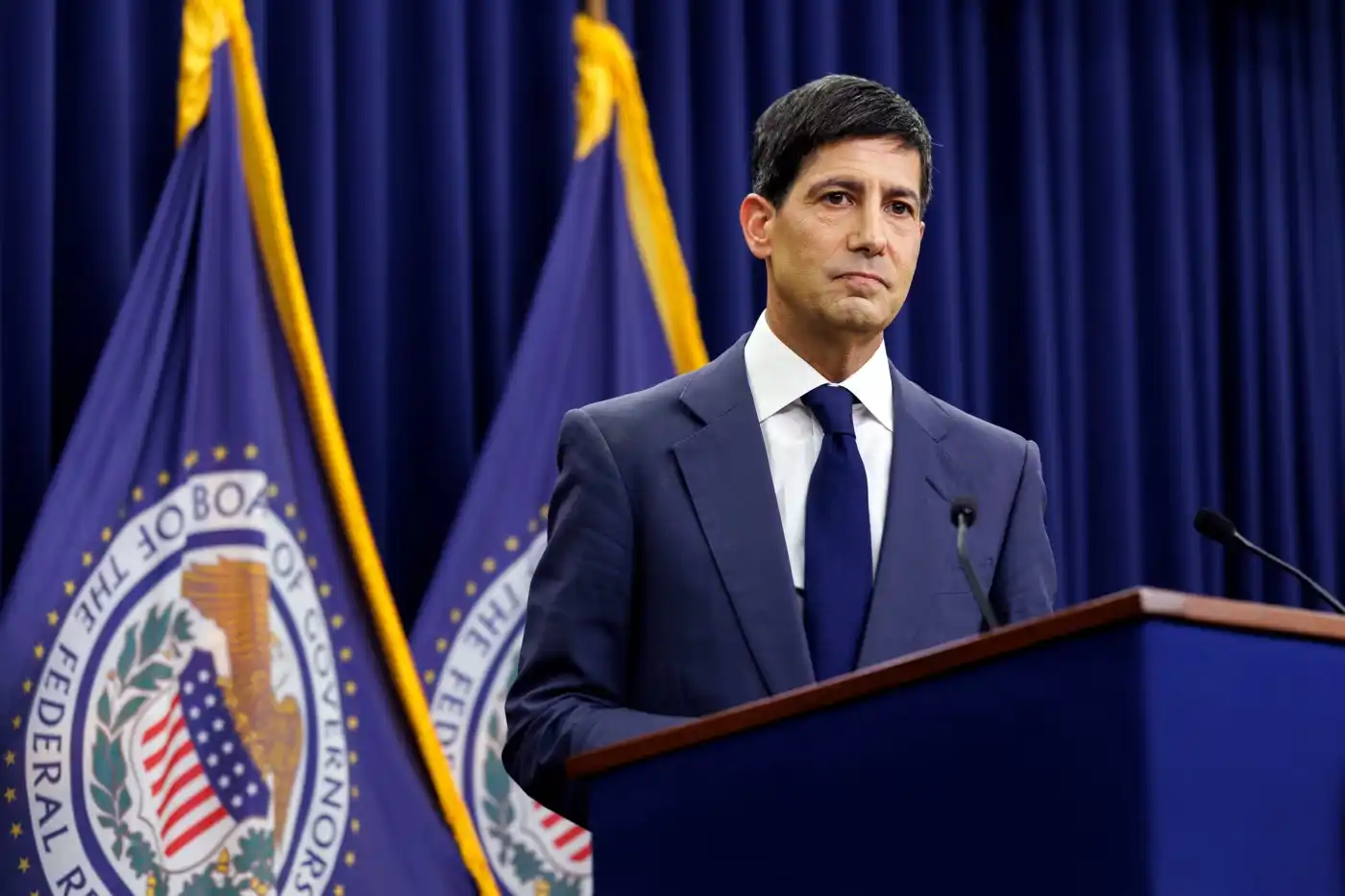
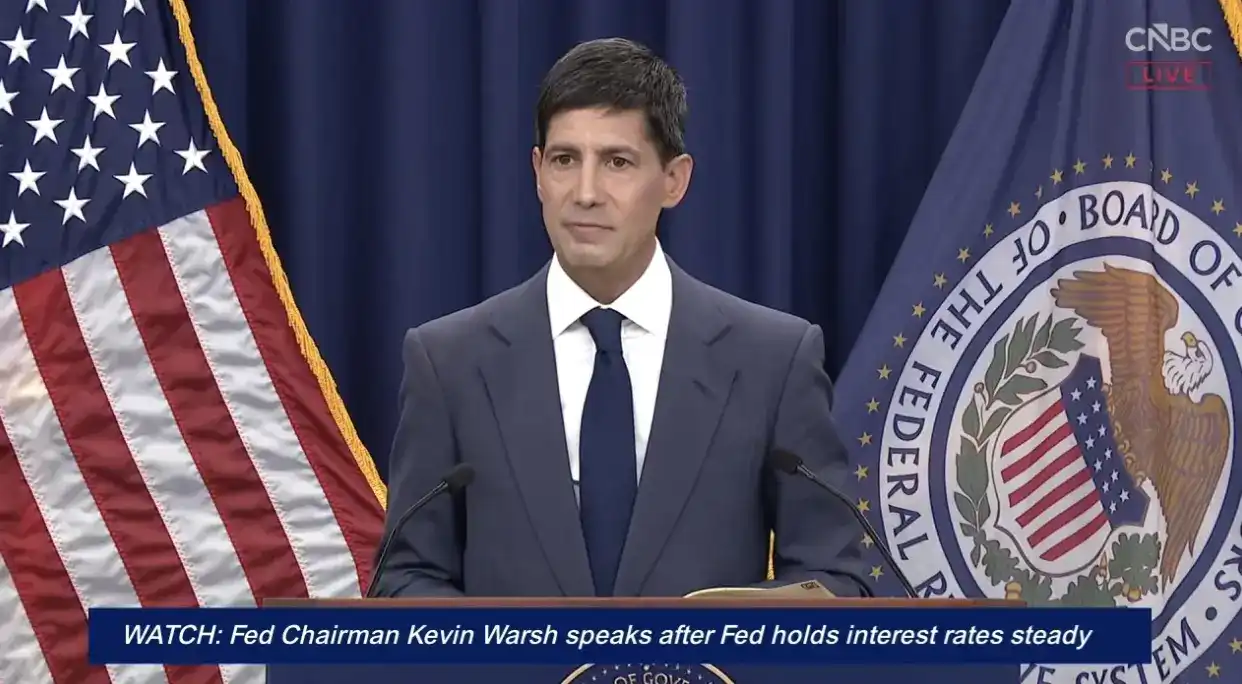
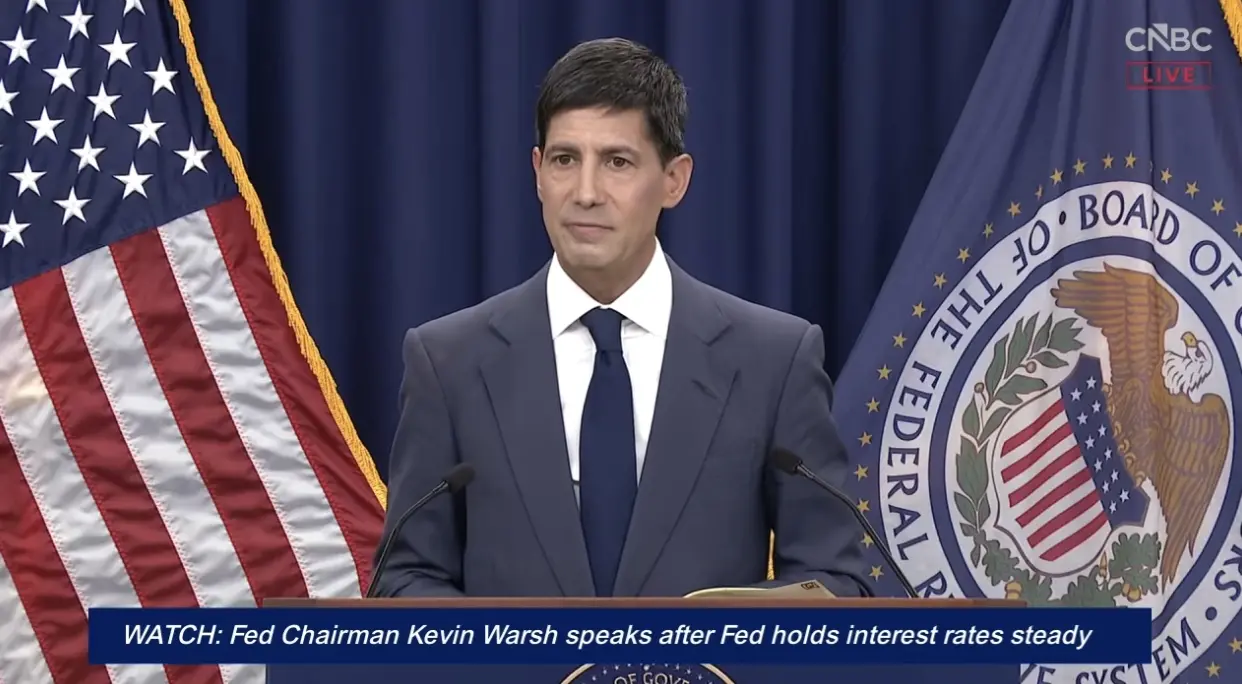
The article "An Era Without Good Answers: Understanding Warsh, Trump, and the Next Four Years" analyzes the potential implications of Kevin Warsh becoming the next Federal Reserve Chair under a Trump administration. It argues that Warsh represents not just a shift from dovish to hawkish policy, but a fundamental redefinition of the Fed's role. His appointment signals a move away from the Fed acting as a perpetual backstop for markets and government debt—a role perfected by Chair Powell during crises like the pandemic. Instead, Warsh advocates for monetary and fiscal discipline, opposing unconditional quantitative easing and emphasizing market rules over intervention. However, the US economy's reality—characterized by massive debt, deficit spending, and market dependence on low rates—severely limits any radical change. Warsh's proposed policies of raising rates and reducing the Fed's balance sheet risk triggering market volatility, higher borrowing costs, and political backlash, likely forcing a retreat to familiar stimulus measures. From Trump’s perspective, Warsh is a "controllable reformer" who can publicly push for fiscal restraint, forcing Congress to address unsustainable spending—while also serving as a convenient scapegoat if reforms fail. Ultimately, the core constraint remains America’s debt-dominated economy, which eliminates any possibility of a definitive solution. The coming years will involve managing, not solving, these problems through a painful and iterative process of half-measures and trade-offs—a era defined not by prosperity, but by the explicit return of economic constraints.

marsbit02/02 10:05

The Era Without Good Answers: Understanding Warsh, Trump, and the Next Four Years of a New Era

marsbit02/02 10:05

Kevin Warsh: Inflation is a 'Choice', I View Bitcoin as an Important Asset

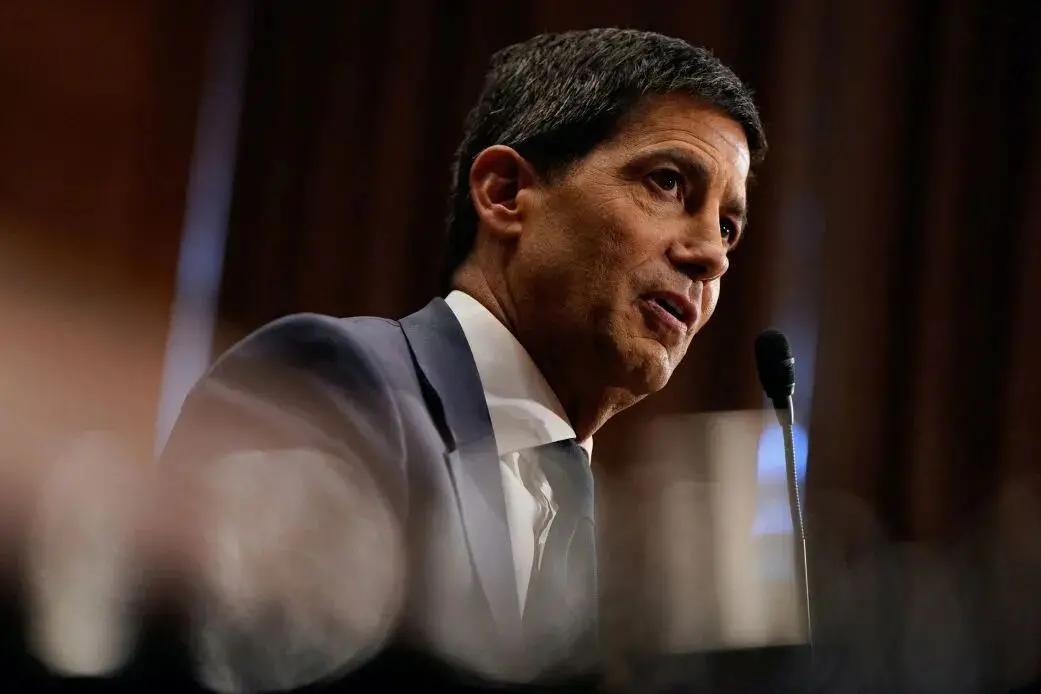
Kevin Warsh, former Federal Reserve Governor during the 2008 financial crisis, argues that inflation is a deliberate "choice" made by policymakers, not an unavoidable phenomenon. In a discussion with Peter Robinson, Warsh criticizes the Fed for failing its core mandate of ensuring price stability, blaming recent high inflation on the central bank's actions rather than external factors like supply chains or geopolitical events. He emphasizes that the Fed possesses the tools to control inflation but has instead enabled excessive government spending and expanded its role beyond its original purpose. Reflecting on his time at the Fed, Warsh supported the aggressive liquidity measures during the 2008 crisis as necessary to restore market function but opposed later rounds of quantitative easing (QE), which he believed created a "free lunch" mentality and blurred the lines between monetary and fiscal policy. He expresses concern over the Fed’s bloated balance sheet, now around $7 trillion, and argues that reducing it would help lower inflation and interest rates. Warsh also discusses Bitcoin, which he views not as a threat to the dollar but as an important asset that holds policymakers accountable. He believes the U.S. can overcome its fiscal challenges through higher economic growth and productivity, particularly driven by AI, and calls for a return to the Fed’s original mission: to act sparingly and only in genuine emergencies.

marsbit01/30 09:17

Kevin Warsh: Inflation is a 'Choice', I View Bitcoin as an Important Asset

marsbit01/30 09:17

Kevin Warsh Emerges as a Surprise Contender: How Did an Inflation Hawk Become a Top Candidate for Fed Chair?

Kevin Warsh, a former Federal Reserve governor known for his hawkish stance on inflation, has unexpectedly re-emerged as a top contender for the next Fed chair, competing against Trump’s longtime economic advisor Kevin Hassett. President Trump has indicated his next Fed pick will aggressively cut interest rates, a priority for his administration. Warsh brings a blend of Wall Street experience, academic credentials, and prior Fed service during the 2008 financial crisis. Despite his historical skepticism toward quantitative easing and concerns over inflation, Warsh has recently signaled openness to rate cuts, aligning with Trump’s demands. He has proposed a “rate cuts plus balance sheet reduction” strategy to reconcile stimulus with inflation control. Hassett, by contrast, is seen as a loyalist who would more directly implement Trump’s preference for looser monetary policy. However, some within Trump’s circle question his technical competence compared to Warsh’s deeper central banking experience. The competition reflects a broader tension between professional independence and political alignment. Warsh is viewed as more institutionally cautious, while demonstrating recent flexibility, whereas Hassett advocates for a Fed more directly responsive to the White House. The outcome will significantly influence the Fed’s future direction and perceived independence.

marsbit12/18 08:43

Kevin Warsh Emerges as a Surprise Contender: How Did an Inflation Hawk Become a Top Candidate for Fed Chair?

marsbit12/18 08:43

On the Night of the Fed Rate Cut, the Real Game Is Trump's 'Monetary Power Grab'

Tonight marks the Federal Reserve's most anticipated interest rate decision of the year. While a 25-basis-point cut is widely expected, the key variable for risk assets is whether the Fed will restart liquidity injections, potentially through a $45 billion monthly short-term debt purchase program starting in January. This signals a stealth return to quantitative easing. The larger tension stems from an unprecedented shift in monetary power. President Trump is rapidly reshaping the Federal Reserve, not just by replacing its chair but by redrawing the boundaries of monetary authority. The long-held principle of central bank independence is being eroded as the Treasury Department seeks to reclaim control over long-term interest rates, liquidity, and the balance sheet. This transition to a "fiscally dominated monetary era" is the underlying logic connecting recent market events. Despite a 40 billion outflow from Bitcoin ETFs, analysis suggests this was not panic selling but the unwinding of leveraged basis trades, leaving a healthier, less leveraged market. Meanwhile, led by Michael Saylor, made its largest Bitcoin purchase in months ($963 million), and Tom Lee's BitMine significantly increased its Ethereum holdings, signaling strong institutional conviction during the downturn. The macro shift implies higher market volatility as the old order fractures. While improved liquidity may provide a floor for Bitcoin, its longer-term trajectory awaits clarity within this new monetary framework, where Treasury, not the Fed, may ultimately dictate key financial conditions.

marsbit12/11 10:18

On the Night of the Fed Rate Cut, the Real Game Is Trump's 'Monetary Power Grab'

marsbit12/11 10:18

活动图片